
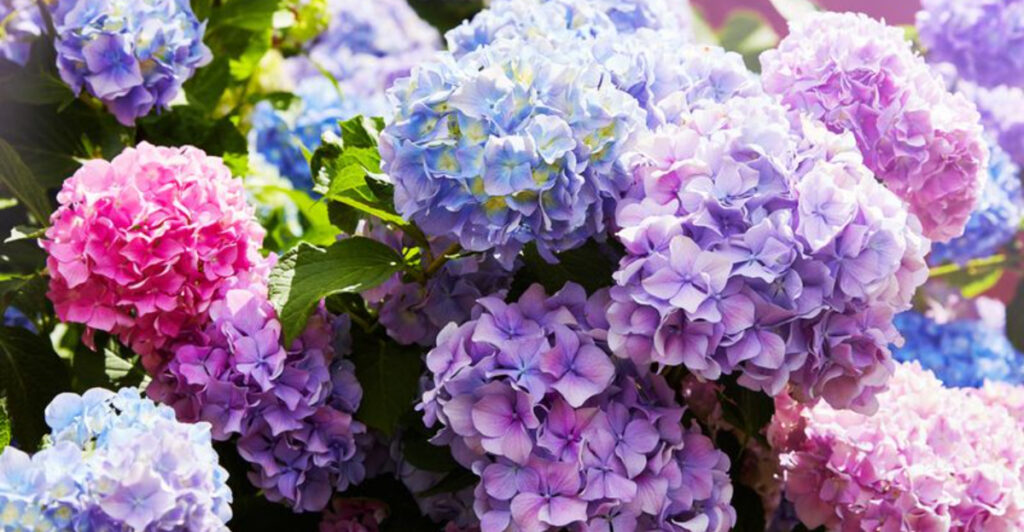
Hydrangeas are a favorite among gardeners, known for their lush blooms and vibrant colors. However, these beautiful plants hold secrets that even seasoned gardeners might not know. From their ability to change colors to their ancient history, hydrangeas are full of surprises. This guide explores ten fascinating facts about hydrangeas that will intrigue both novice and expert gardeners alike. Whether you are a fan of their symbolic meanings or intrigued by their botanical quirks, there’s something new to discover about these charming plants. Get ready to dive into the hidden world of hydrangeas!
1. Hydrangeas Can Change Color (But Not All Types)
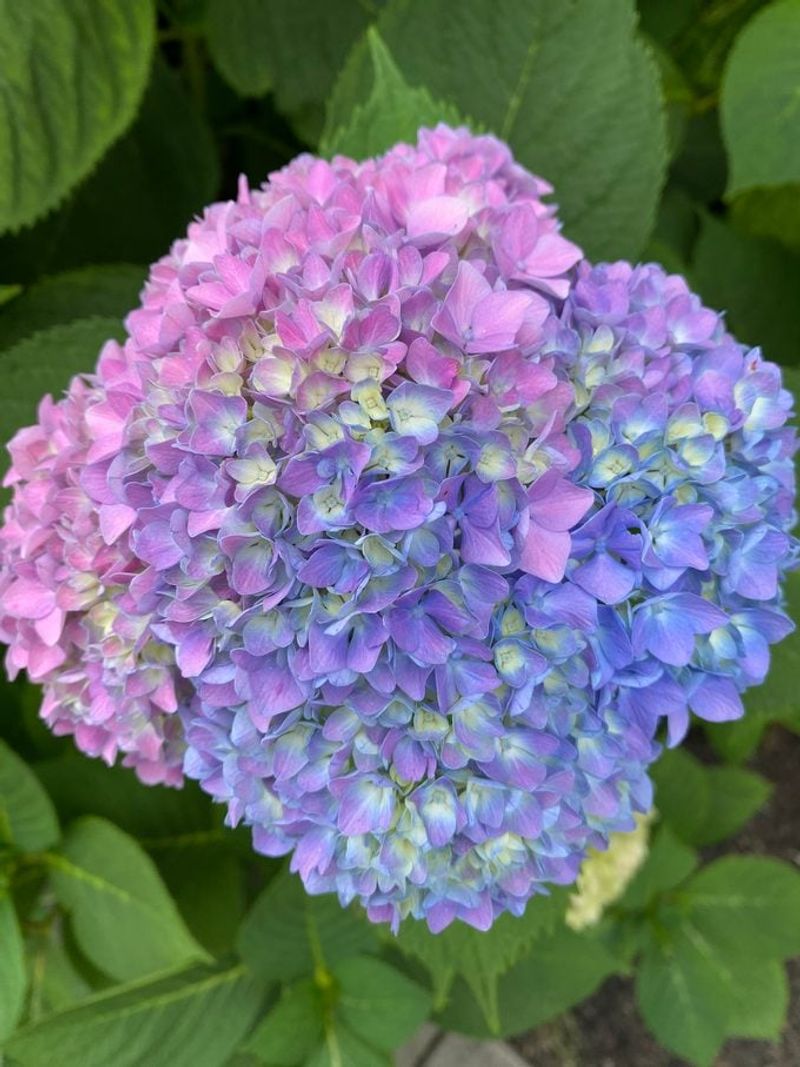
Hydrangeas possess a magical ability to change colors, captivating gardeners worldwide. However, not all hydrangeas can perform this enchanting trick. Only bigleaf hydrangeas and mountain hydrangeas have the ability to shift their blooms’ hues, turning from pink to blue based on soil pH. Acidic soils below pH 6 reveal stunning blue flowers, while alkaline soils above pH 7 produce vibrant pink blossoms. White hydrangeas, such as ‘Annabelle,’ remain colorfast, unaffected by soil conditions. This color-changing phenomenon isn’t merely an aesthetic delight but also a fascinating insight into the plant’s interaction with its environment.
2. Their “Flowers” Aren’t Really Flowers
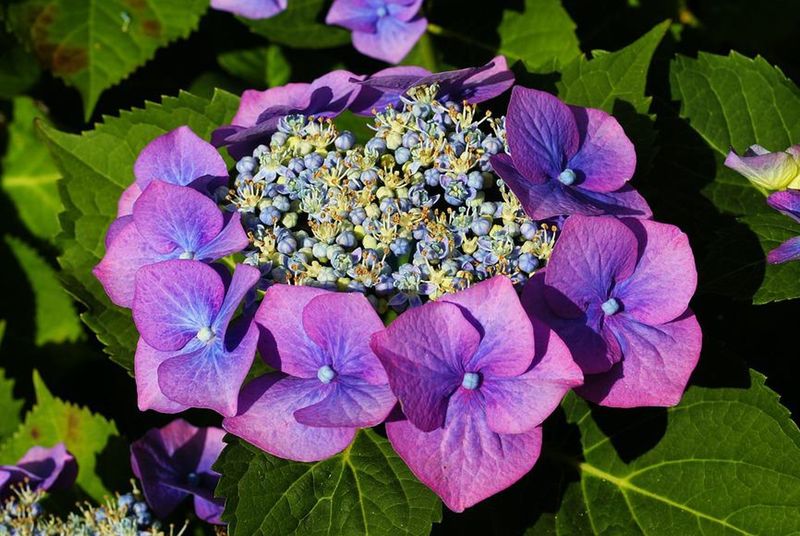
At first glance, the lush blossoms of hydrangeas seem like typical flowers, but this is a delightful deception. What many consider as petals are, in fact, modified leaves known as bracts or sepals. These bracts form the beautiful clusters admired by gardeners, yet the real flowers lie hidden within, small and fertile. This intriguing botanical twist not only adds to the plant’s allure but serves a purpose in attracting pollinators. By showcasing a false bloom, hydrangeas cleverly entice insects, ensuring their hidden flowers receive the attention needed for reproduction.
3. Some Hydrangeas Bloom on Old Wood, Some on New Wood
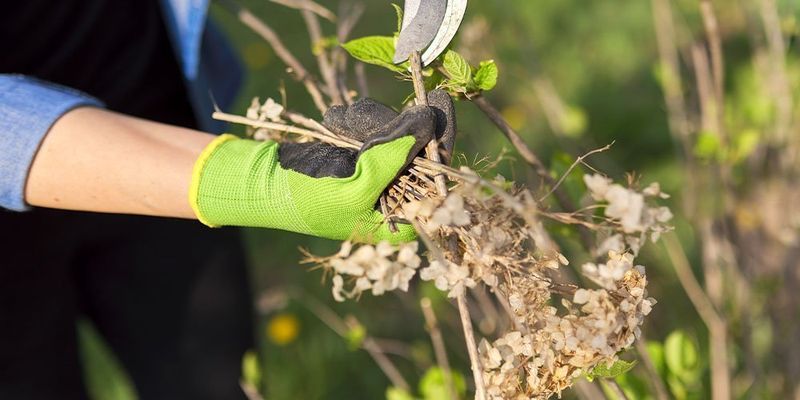
Hydrangeas exhibit a unique growth pattern, with some varieties blooming on old wood and others on new. Old wood bloomers, such as H. macrophylla, set buds the previous year and require careful pruning after flowering to ensure next season’s beauty. In contrast, new wood bloomers like H. paniculata and H. arborescens thrive on current-season growth, best pruned in late winter. Reblooming varieties, like Endless Summer, offer the best of both worlds by flowering on both old and new wood. This diversity allows gardeners to enjoy blooms throughout the growing season with the right care.
4. They’re Ancient Plants
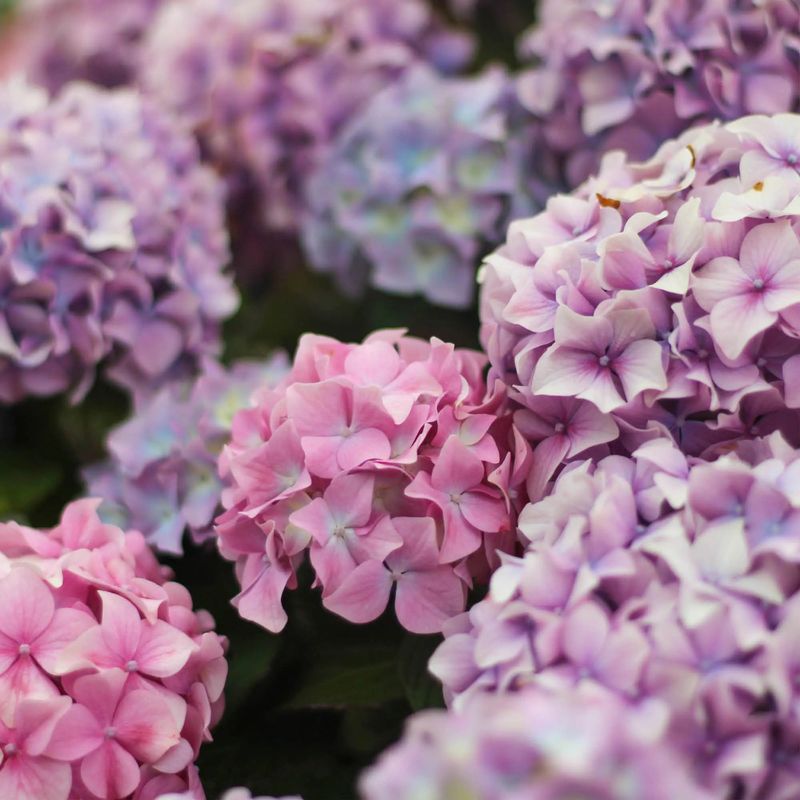
Hydrangeas are not just modern garden favorites but ancient wonders. Fossil evidence reveals these plants have been around for over 40 million years, predating human existence. This rich history adds an element of wonder and continuity to the garden, connecting present-day horticulture with prehistoric times. The resilience and adaptability of hydrangeas have allowed them to survive through vast geological changes, making them living relics of Earth’s distant past. Their ancient lineage adds depth to their beauty, making hydrangeas a true testament to nature’s enduring creativity.
5. Hydrangeas Can Be Poisonous
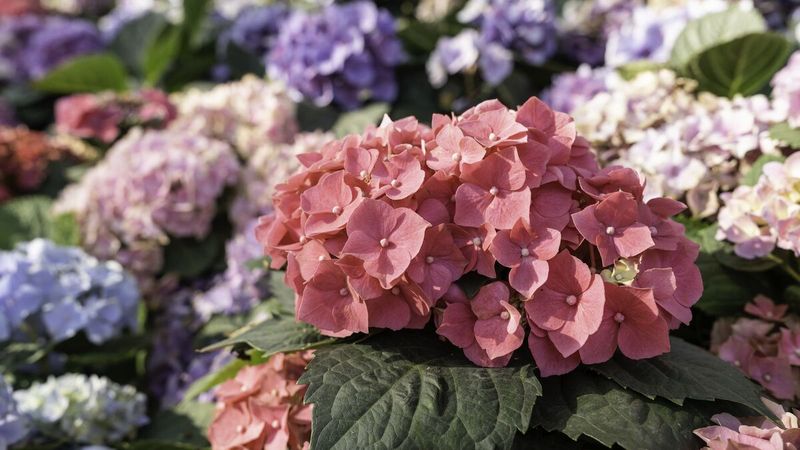
Despite their charming appearance, hydrangeas harbor a hidden danger. All parts of the plant contain cyanogenic glycosides, which can release toxic cyanide when ingested. This poses a risk to both pets and humans if consumed, making it crucial to handle hydrangeas with care. Nevertheless, some varieties have found their way into traditional medicine, where careful processing eliminates toxins. This dual nature of beauty and danger adds a layer of complexity to these plants, reminding us that even the most alluring blooms can have a secret, sometimes hazardous side.
6. The Name Means “Water Vessel”
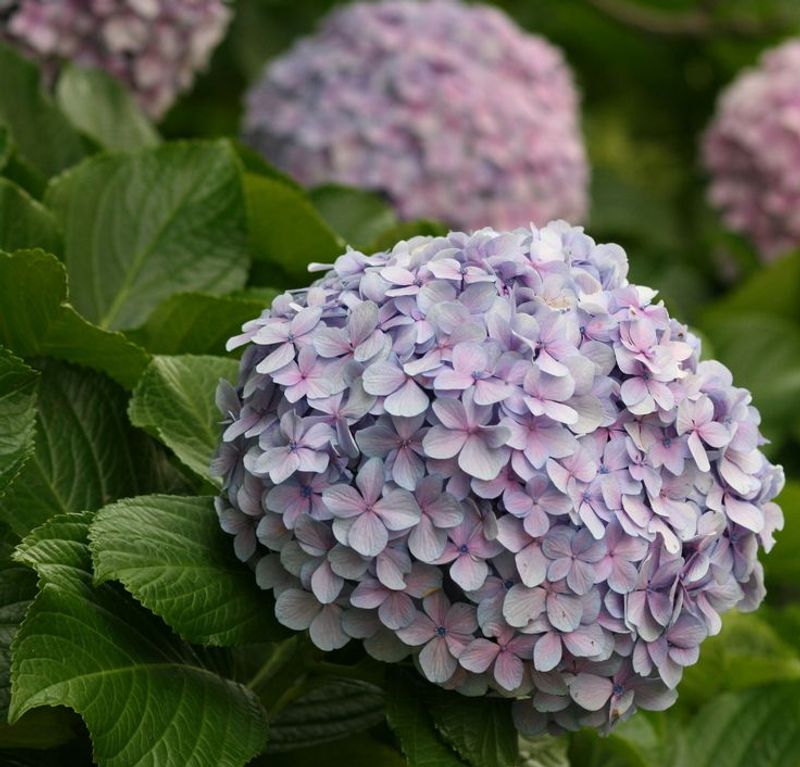
The name ‘hydrangea’ holds a clue to the plant’s characteristics. Derived from the Greek words hydor, meaning water, and angeion, meaning vessel, it refers to the cup-shaped seed pods and the plant’s thirst for moisture. This etymology captures the essence of hydrangeas, which require ample water to thrive. Their name reflects both their botanical features and their gardening needs, offering insight into how these plants have been perceived through history. Understanding this connection enriches our appreciation of hydrangeas, highlighting the linguistic artistry behind botanical nomenclature.
7. They’re Symbolic in Many Cultures
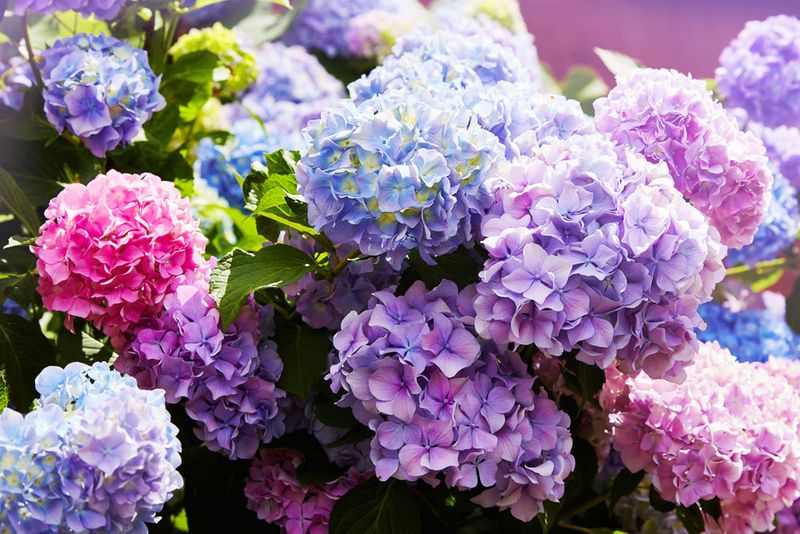
Hydrangeas carry deep symbolism in various cultures. In Japan, they are known as ajisai and symbolize gratitude, apology, and the fleeting nature of life, often associated with the rainy season. In Victorian England, hydrangeas were seen as a symbol of boastfulness, given their lavish blooms and modest seed production. This duality of meaning across cultures adds a rich tapestry to their aesthetic appeal, making hydrangeas not just a garden plant but a cultural icon. Their symbolism enhances their beauty, offering layers of meaning that resonate with gardeners worldwide.
8. Some Hydrangeas Have Fragrant Flowers
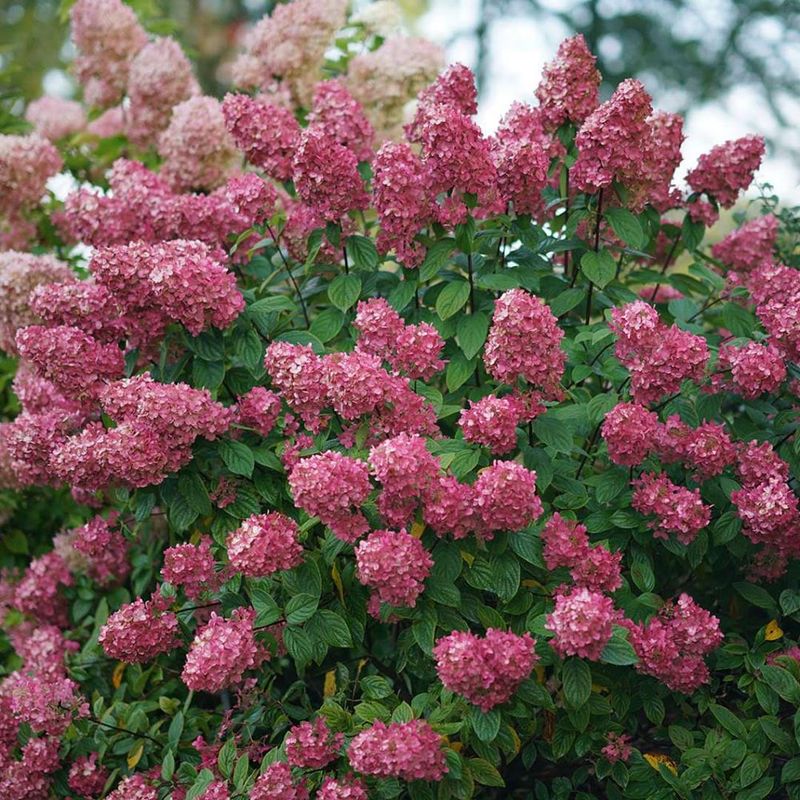
While most hydrangeas are known for their visual appeal rather than scent, certain varieties break this norm. The Hydrangea paniculata ‘Vanilla Strawberry’ and ‘Limelight’ are celebrated for their gentle, sweet fragrance, adding another dimension to their charm. These scented blooms invite a sensory experience, transforming gardens into aromatic havens. This unexpected trait enhances the allure of hydrangeas, providing not only visual splendor but olfactory delight. The presence of fragrance in these flowers highlights the diversity within the hydrangea family, offering surprises for those who seek them out.
9. Their Leaves Can “Sweat”
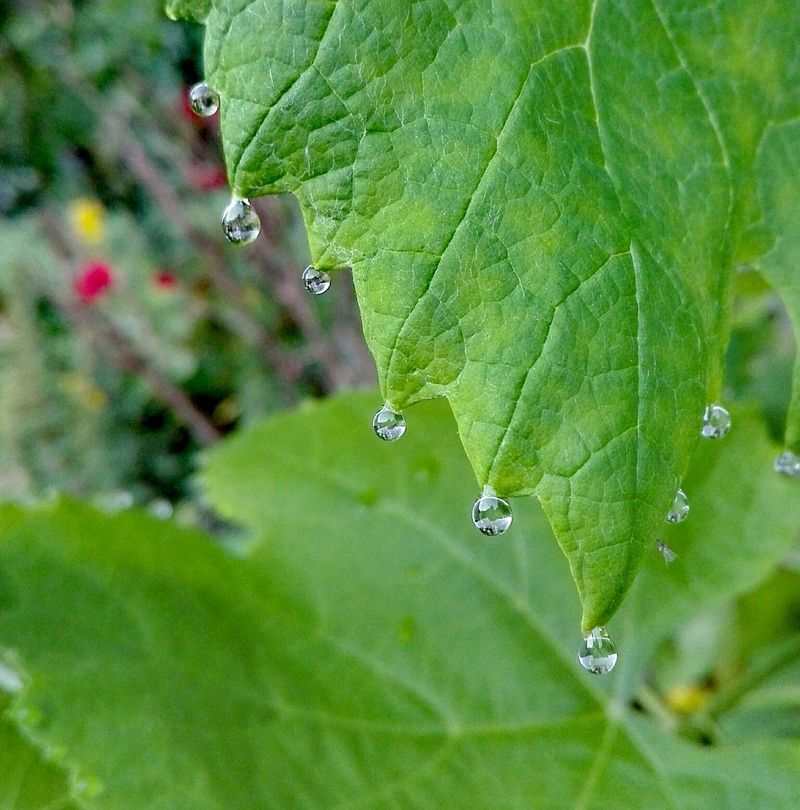
Hydrangea leaves possess a fascinating ability to ‘sweat,’ a process known as guttation. At night, when transpiration slows, these leaves release excess water through special openings along the edges, forming tiny droplets. This unique physiological trait not only aids in maintaining the plant’s water balance but also adds a visual intrigue to nighttime gardens. Witnessing these sparkling droplets is like watching nature’s own light show, bringing a touch of magic to the garden after sundown. This phenomenon underscores the hydrangea’s fascinating adaptability and its subtle interactions with the environment.
10. They Can Live for Decades
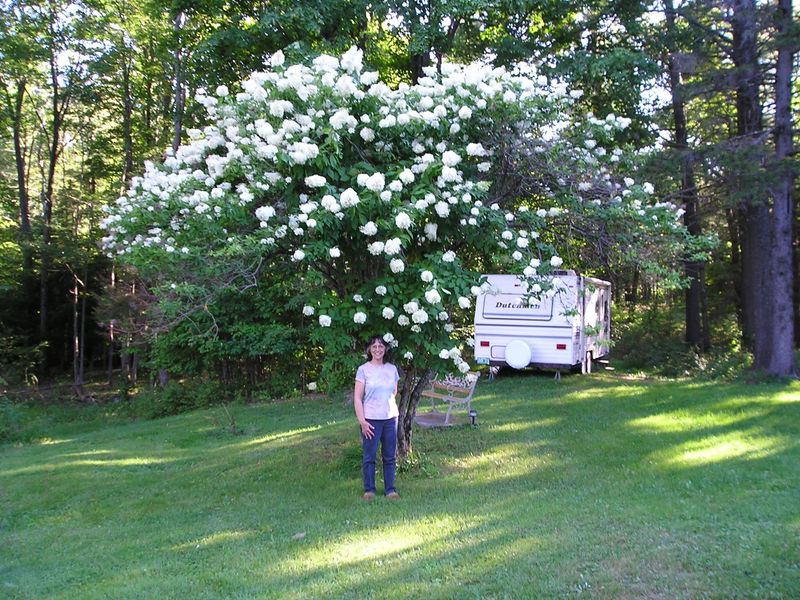
Hydrangeas are not just seasonal beauties but long-lived companions for dedicated gardeners. With the right care, these plants can thrive for over 50 years, with some specimens even surpassing a century. The oldest known hydrangea in the U.S. stands as a testament to the plant’s durability and the gardener’s devotion. This longevity allows hydrangeas to become part of a garden’s legacy, weaving into the fabric of family and community history. Their enduring presence speaks to the reward of patience and nurturing, making them cherished adornments in any landscape.