
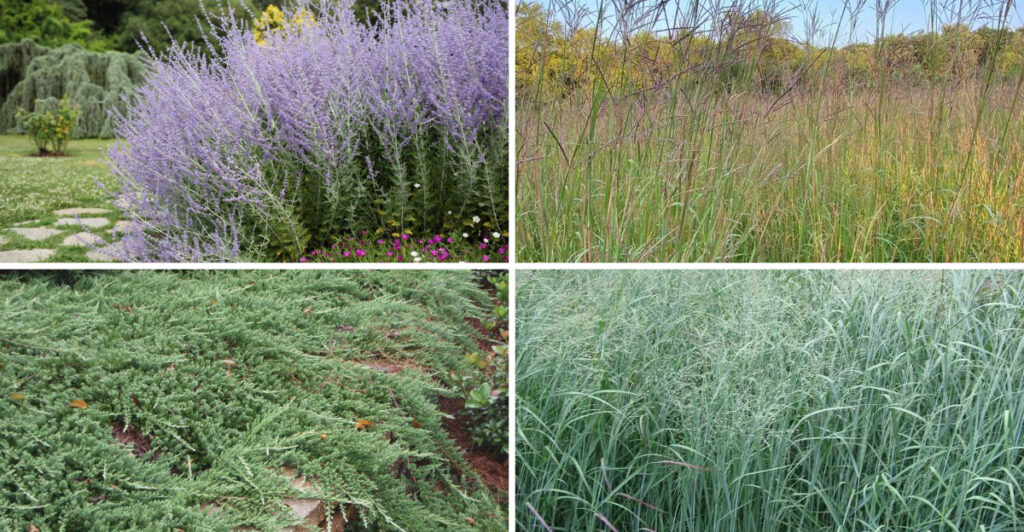
Erosion is a natural process where soil and rock are worn away by natural forces like wind and water. It can lead to detrimental environmental impacts, including loss of fertile land, increased pollution, and destruction of natural habitats. Fortunately, nature provides us with solutions in the form of plants that can help stabilize the soil and prevent erosion. Here, we explore 19 remarkable plants that not only beautify landscapes but also serve the crucial function of controlling erosion. Each plant is unique in its ability to hold the soil together, offering a natural and effective way to maintain land integrity.
1. Creeping Juniper
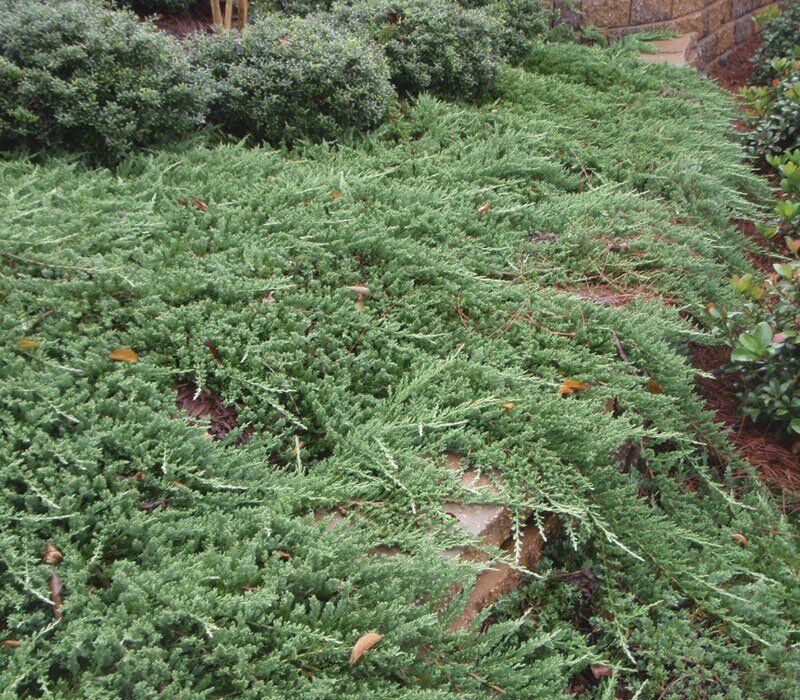
Creeping juniper is a low-growing evergreen shrub that serves as a natural ground cover. Its dense, sprawling branches blanket the ground, reducing soil erosion by stabilizing the soil effectively. This plant thrives in rocky and sandy soils, making it an ideal choice for slopes and banks that are prone to erosion. Creeping juniper’s ability to withstand drought and poor soil conditions makes it a resilient option for challenging environments. Additionally, it provides habitat for wildlife and adds aesthetic value with its vibrant green foliage. Ideal for sunny locations, it requires minimal maintenance, making it a practical and attractive option.
2. Switchgrass
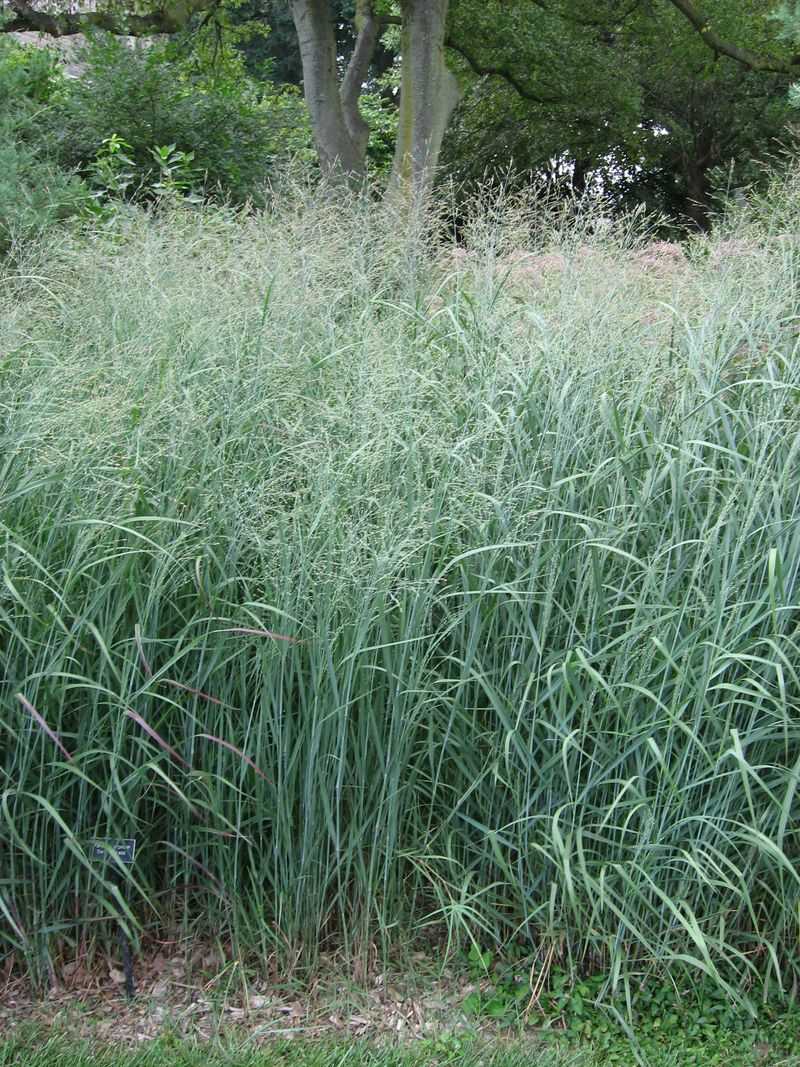
Switchgrass is a tall, perennial grass that is known for its deep-root system, which can extend several feet into the ground. This characteristic makes it highly effective in preventing soil erosion, as its roots hold the soil together even in heavy rain. Switchgrass is also a biofuel resource and provides habitat for various wildlife species. Its tolerance for poor soil conditions and its ability to thrive in a range of climates make it a versatile choice for erosion control. The plant’s striking golden hues in autumn add a touch of beauty to landscapes, making it both functional and picturesque.
3. Buffalo Grass
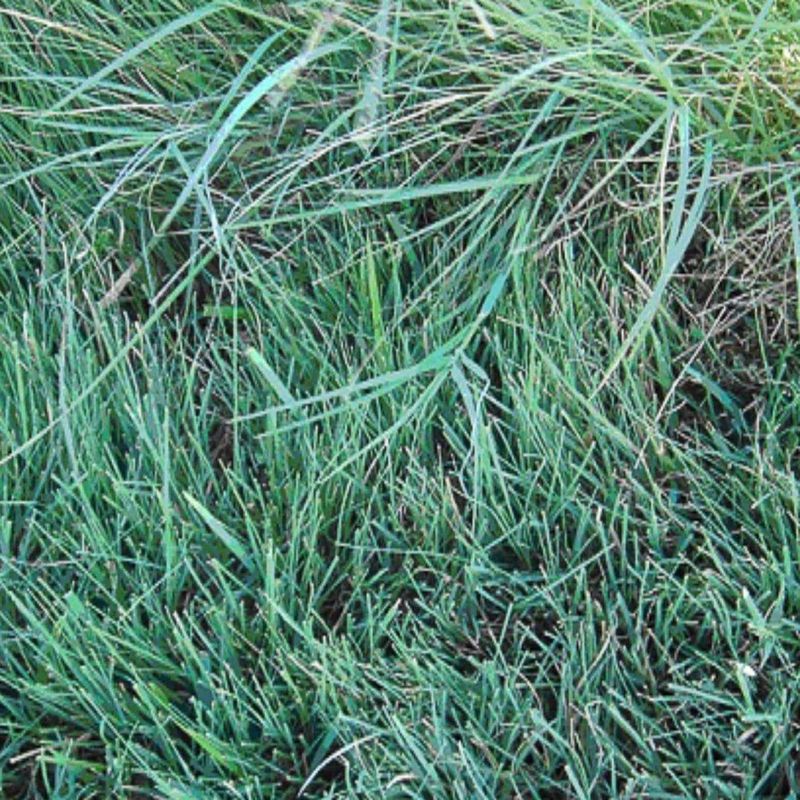
Buffalo grass is a warm-season grass native to North America, renowned for its drought resistance and low maintenance requirements. Its dense growth pattern helps to cover the ground thoroughly, reducing the impact of rainfall and preventing soil erosion. This grass thrives in sunny locations and is well-suited to dry, arid regions where other plants might struggle. Its ability to survive with minimal water makes it an eco-friendly option for erosion control. Furthermore, buffalo grass provides a natural habitat for native wildlife. With its lush green color and soft texture, it enhances the visual appeal of landscapes.
4. Purple Coneflower
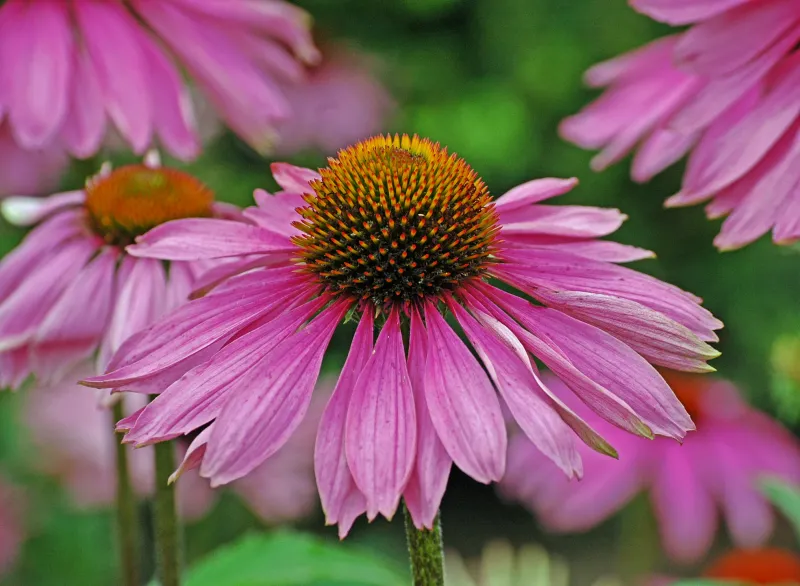
Purple coneflower, or Echinacea, is not only a popular ornamental plant but also a powerful ally in erosion control. Its deep root system helps to anchor the soil, preventing it from being washed away during heavy rains. This plant thrives in well-drained soils and tolerates drought, making it suitable for a variety of landscapes. Aside from its practical benefits, purple coneflower is celebrated for its striking appearance, with bold purple petals surrounding a spiky central cone. It attracts pollinators such as bees and butterflies, enhancing biodiversity. This resilient and beautiful plant is a valuable addition to any garden.
5. Big Bluestem
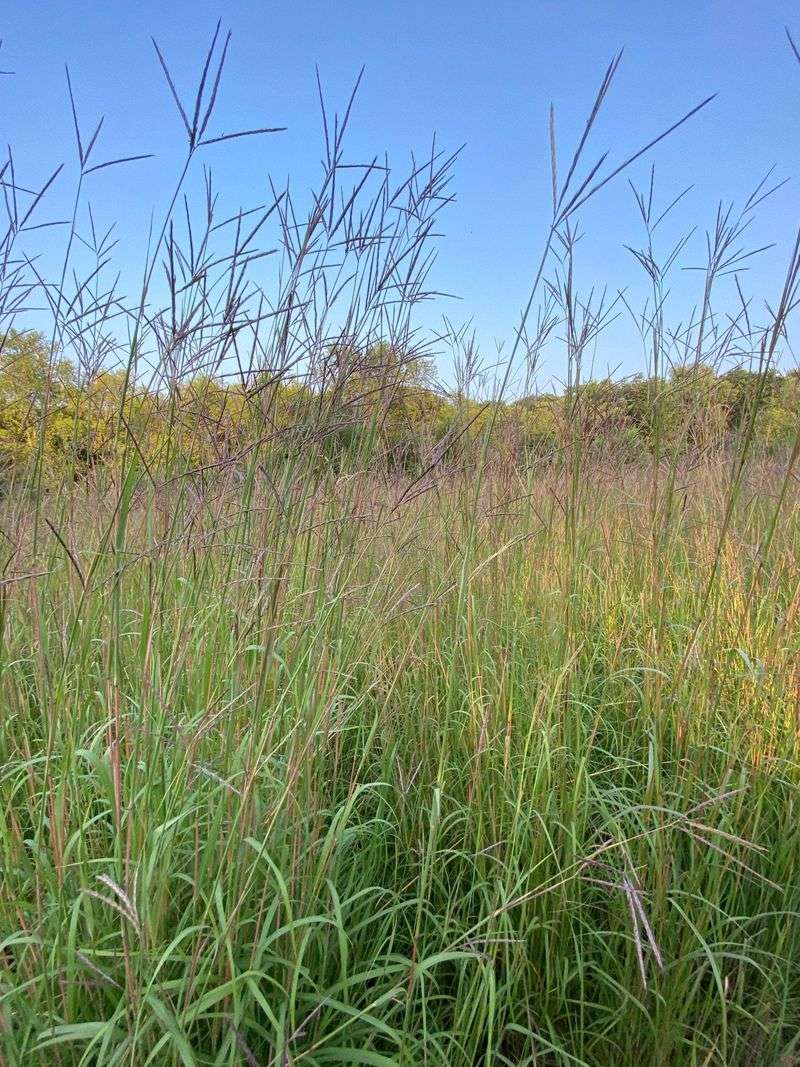
Big Bluestem is a native grass known for its towering height and robust roots, which extend deep into the earth. This grass plays a crucial role in preventing erosion on prairies and open fields by stabilizing the soil with its thick root network. Big Bluestem thrives in full sun and adapts to a variety of soil types, though it prefers well-drained conditions. Its blue-green foliage and purplish seed heads add a unique visual interest to the landscape. Additionally, it serves as an important food source and habitat for wildlife, contributing to ecosystem health and diversity.
6. Creeping Phlox
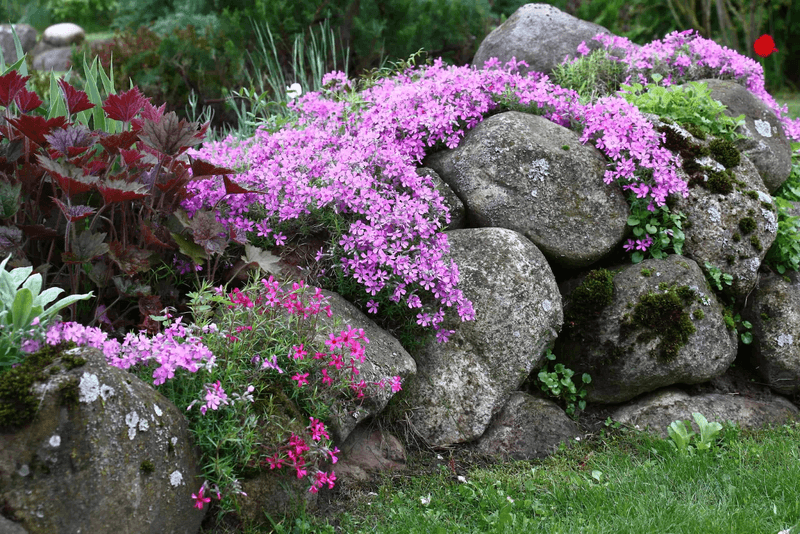
Creeping phlox is a charming perennial known for its vibrant carpet of flowers that spills over slopes and rock gardens. This plant’s dense mat of foliage helps to prevent soil erosion by covering the ground completely. Creeping phlox thrives in well-drained soil and sunny locations, where it can spread quickly and provide a burst of color in the spring. Its flowers attract pollinators, adding ecological value to its erosion-control capabilities. With minimal maintenance requirements, it is an excellent choice for gardeners seeking both beauty and functionality in their landscapes.
7. Periwinkle
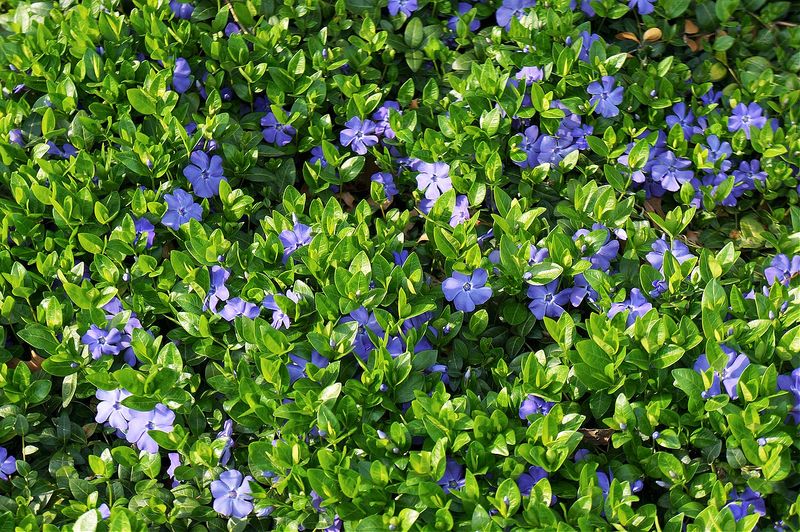
Periwinkle, also known as Vinca, is a hardy ground cover plant that excels in shady areas. Its glossy green leaves and delicate blue flowers create a lush carpet that prevents soil erosion by keeping the ground covered. Periwinkle is especially useful on slopes and banks where it can spread rapidly to stabilize the soil. It is low-maintenance and drought-tolerant, requiring little attention once established. Its ability to thrive in a variety of soil conditions makes it a versatile choice for gardeners looking to control erosion while adding beauty to their landscapes.
8. Russian Sage
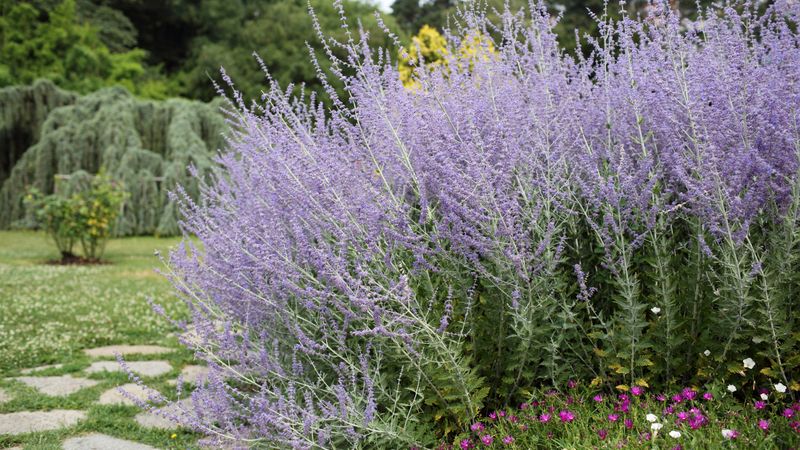
Russian sage is a resilient perennial known for its aromatic foliage and striking flower spikes. Its robust root system helps to anchor the soil, making it effective in controlling erosion in dry, well-drained areas. Russian sage thrives in full sun and is drought-tolerant, making it suitable for xeriscaping. Its silvery leaves and delicate purple flowers add a touch of elegance to gardens, while its ability to attract pollinators supports local ecosystems. This plant’s hardiness and low maintenance needs make it an excellent choice for gardeners seeking both aesthetic appeal and environmental benefits.
9. Beach Grass
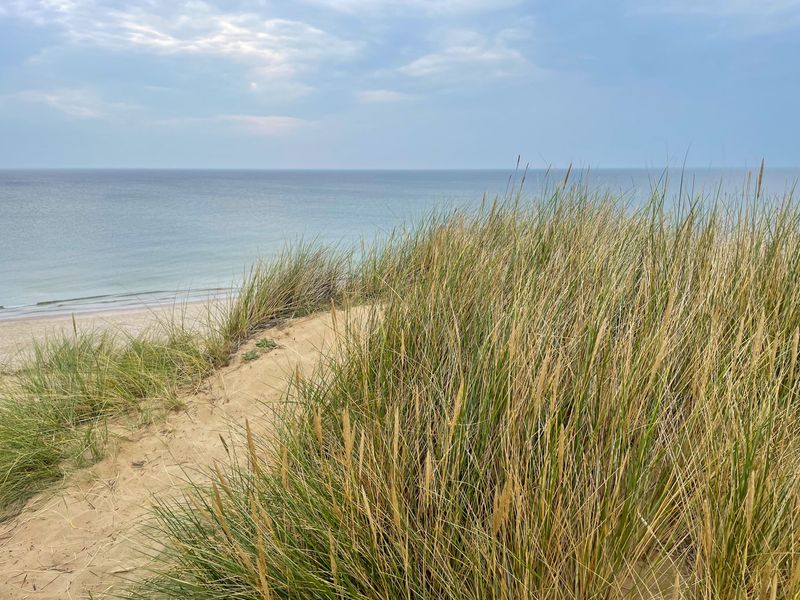
Beach grass is a vital plant for stabilizing sand dunes and preventing coastal erosion. Its extensive root system binds the sand, reducing the impact of wind and waves. Beach grass thrives in harsh coastal environments, where few other plants can survive. Its ability to withstand salt spray, strong winds, and shifting sands makes it indispensable for protecting shorelines. In addition to its practical role, beach grass adds beauty to coastal landscapes with its graceful, swaying blades. It provides habitat for coastal wildlife and plays a critical role in maintaining the delicate balance of beach ecosystems.
10. Crown Vetch
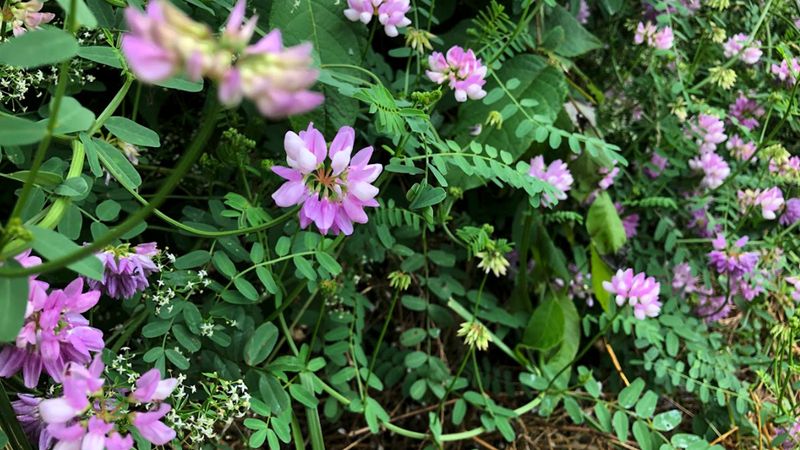
Crown vetch is a vigorous ground cover known for its ability to control erosion on slopes and embankments. Its sprawling habit and extensive root system stabilize the soil, making it effective in preventing erosion. Crown vetch’s attractive pink flowers add color to landscapes, while its nitrogen-fixing ability enriches the soil. This plant thrives in poor soil conditions and can tolerate drought, making it a resilient choice for challenging environments. Its dense foliage provides habitat for wildlife and adds ecological value to its erosion-control functions. Crown vetch is a practical and visually appealing option for soil stabilization.
11. Fountain Grass
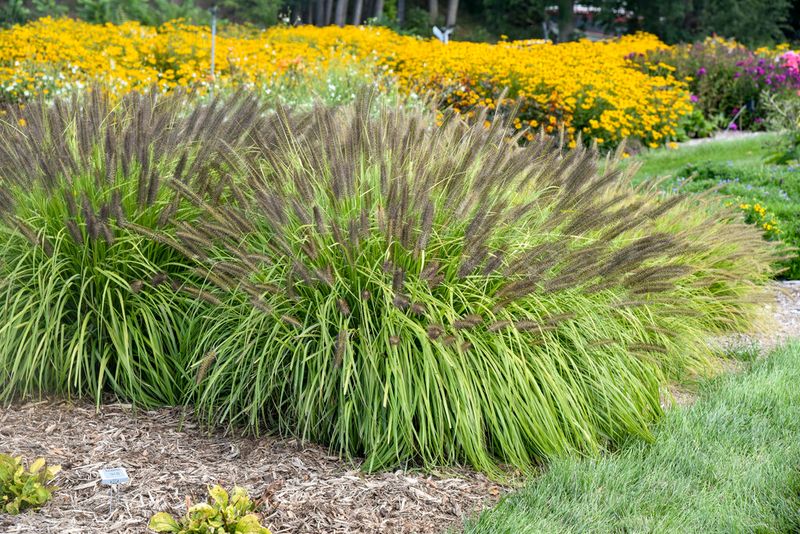
Fountain grass is an ornamental grass prized for its graceful form and versatility in landscape design. Its clump-forming habit and fibrous root system make it effective in controlling erosion on gentle slopes and garden borders. Fountain grass thrives in full sun and well-drained soil, where it adds movement and texture to gardens with its arching blades and feathery flower spikes. Its low maintenance needs and ability to withstand drought make it a practical choice for erosion control. This plant’s striking appearance enhances the beauty of landscapes while serving an important ecological function.
12. Bamboo
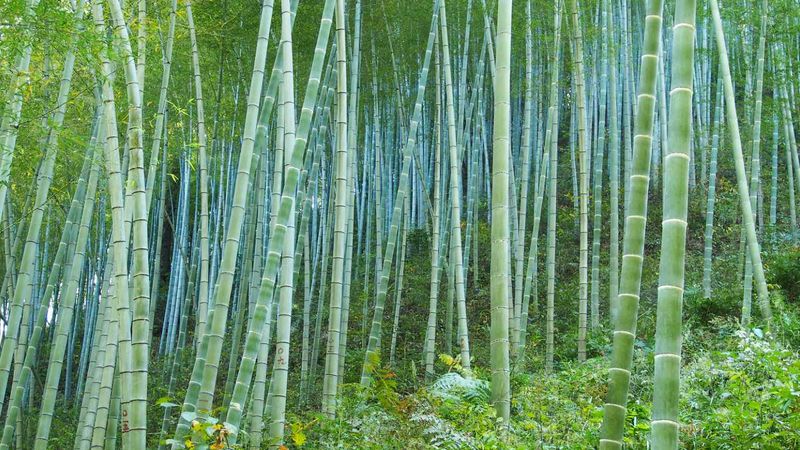
Bamboo is a fast-growing plant known for its strength and versatility. Its extensive underground rhizomes and fibrous roots make it an excellent choice for controlling erosion on slopes and hillsides. Bamboo thrives in a variety of climates and soil conditions, where it forms dense stands that stabilize the soil. In addition to its practical benefits, bamboo is valued for its aesthetic appeal, with tall stalks and lush foliage creating a serene, natural backdrop. Its rapid growth rate and ability to sequester carbon also contribute to its environmental benefits, making it a sustainable choice for erosion control.
13. Daylilies
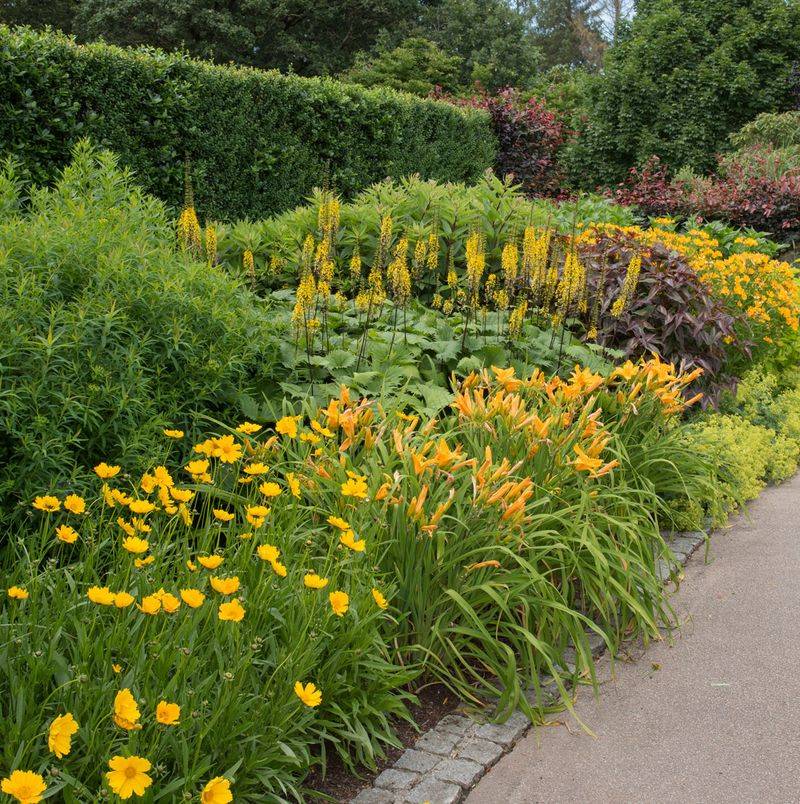
Daylilies are hardy perennials known for their vibrant, long-lasting blooms. Their dense, fibrous root systems make them effective in preventing soil erosion on slopes and embankments. Daylilies thrive in a range of soil types and conditions, where they form clumps that stabilize the ground. Their ability to tolerate drought and neglect makes them an ideal choice for low-maintenance gardens. In addition to their functional benefits, daylilies add a splash of color to landscapes with their cheerful flowers. These adaptable plants are a popular choice for gardeners looking to combine beauty and practicality in their designs.
14. Horsetail
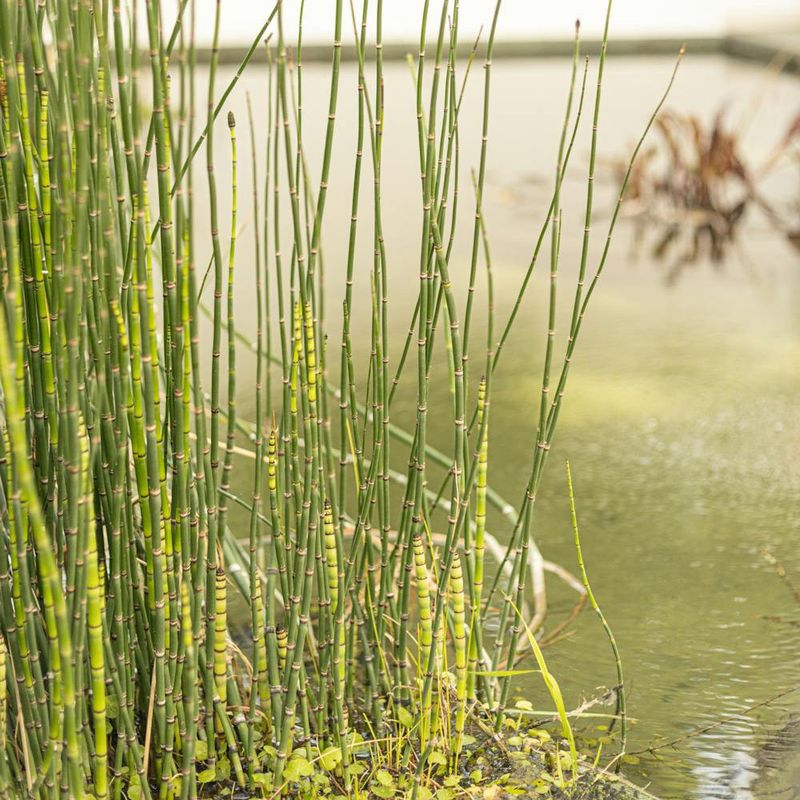
Horsetail is an ancient plant species known for its distinctive, jointed stems. Its rhizomatous growth habit allows it to spread quickly, making it effective in stabilizing wetland and riparian areas. Horsetail thrives in moist, boggy conditions, where its extensive root system helps to prevent soil erosion. This plant’s unique appearance adds visual interest to landscapes, with its tall, reed-like stalks creating a striking silhouette. In addition to its erosion-control benefits, horsetail has a rich history of use in traditional medicine and as a natural cleaning abrasive. It is a versatile and valuable addition to wetland gardens.
15. Liriope
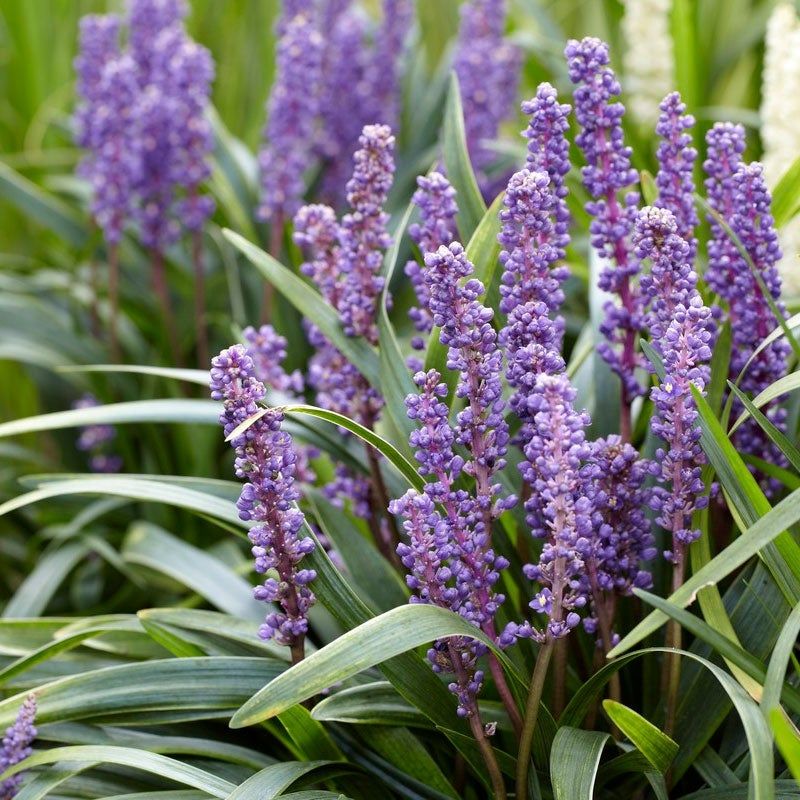
Liriope, commonly known as lilyturf, is a versatile ground cover plant valued for its dense, grass-like foliage and attractive flower spikes. Its fibrous root system helps to control erosion by stabilizing the soil on slopes and embankments. Liriope thrives in a variety of conditions, from full sun to deep shade, and is tolerant of drought and poor soil. Its ability to form lush, evergreen clumps makes it a popular choice for garden borders and pathways. In addition to its functional benefits, liriope adds aesthetic appeal with its vibrant purple or white flowers, enhancing the beauty of any landscape.
16. Hosta
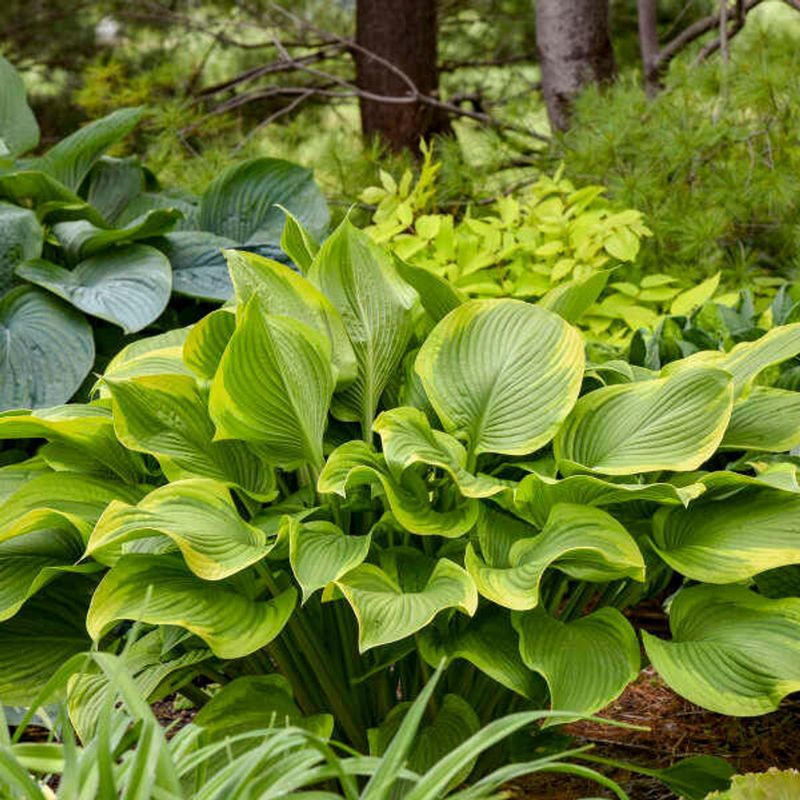
Hostas are shade-loving perennials known for their lush foliage and variety of leaf shapes and colors. Their extensive root systems help to control erosion in shaded garden areas where other plants may struggle. Hostas thrive in rich, well-drained soils, where they form dense clumps that cover the ground effectively. Their ability to withstand shade and moisture makes them a valuable addition to woodland gardens. In addition to their practical benefits, hostas provide visual interest with their diverse leaf patterns and textures. These adaptable plants are a favorite among gardeners seeking both beauty and functionality in their landscapes.
17. Wild Ginger
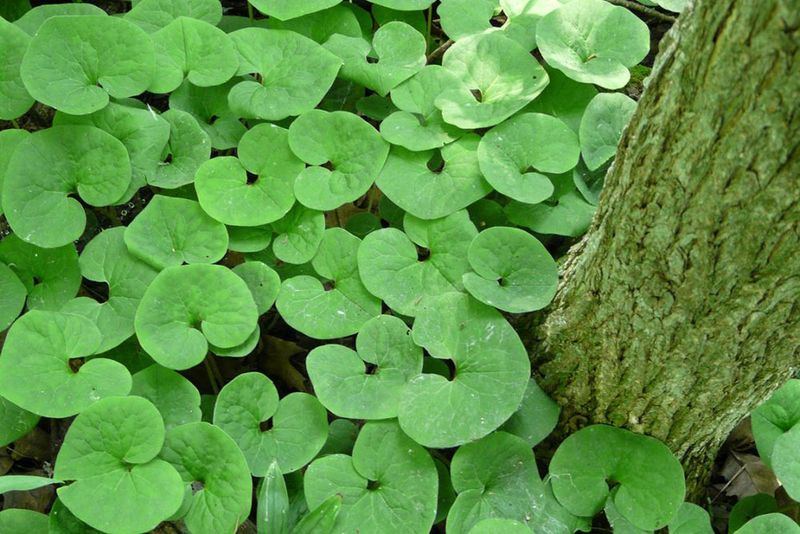
Wild ginger is a shade-loving perennial known for its heart-shaped leaves and subtle, ground-hugging flowers. Its dense growth habit and rhizomatous roots make it effective in stabilizing soil in woodland and shady garden areas. Wild ginger thrives in rich, moist soils, where it forms a lush carpet that prevents erosion and suppresses weeds. This plant’s ability to cover the ground quickly makes it a valuable addition to naturalized garden areas. In addition to its functional benefits, wild ginger adds a touch of elegance to the forest floor with its glossy foliage and unique flowers, enhancing the beauty of shaded landscapes.
18. Stonecrop
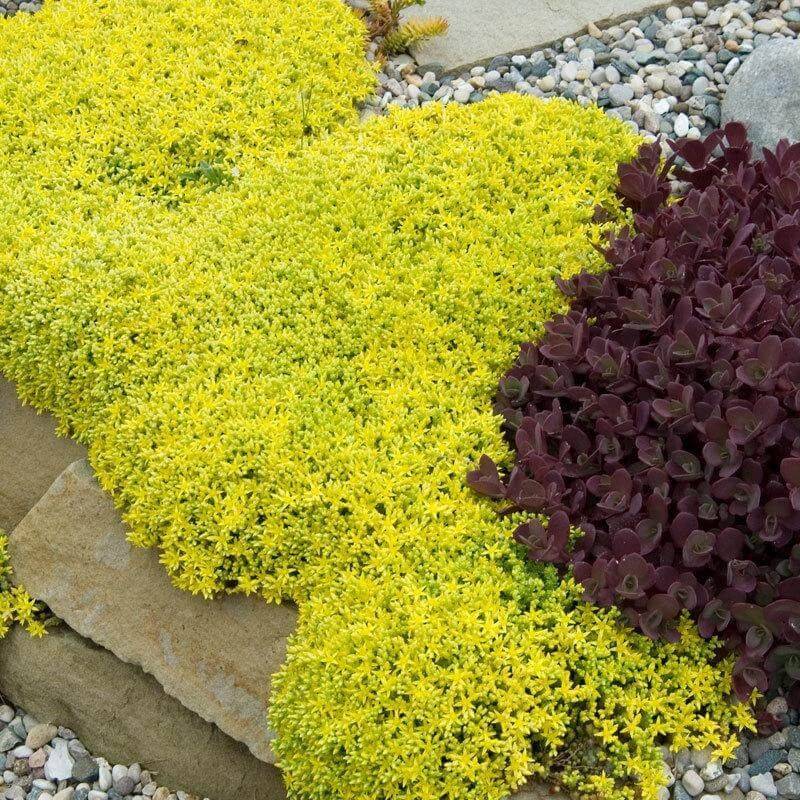
Stonecrop, or Sedum, is a hardy succulent known for its drought tolerance and resilience. Its thick, fleshy leaves store water, allowing it to thrive in dry, rocky soils where other plants may fail. Stonecrop’s shallow root system holds soil in place on slopes and rocky outcrops, preventing erosion effectively. This plant’s ability to withstand harsh conditions makes it a popular choice for rock gardens and green roofs. In addition to its practical benefits, stonecrop offers visual interest with its star-shaped flowers and diverse leaf forms. This robust and attractive plant is an excellent choice for low-maintenance landscapes.
19. Virginia Creeper
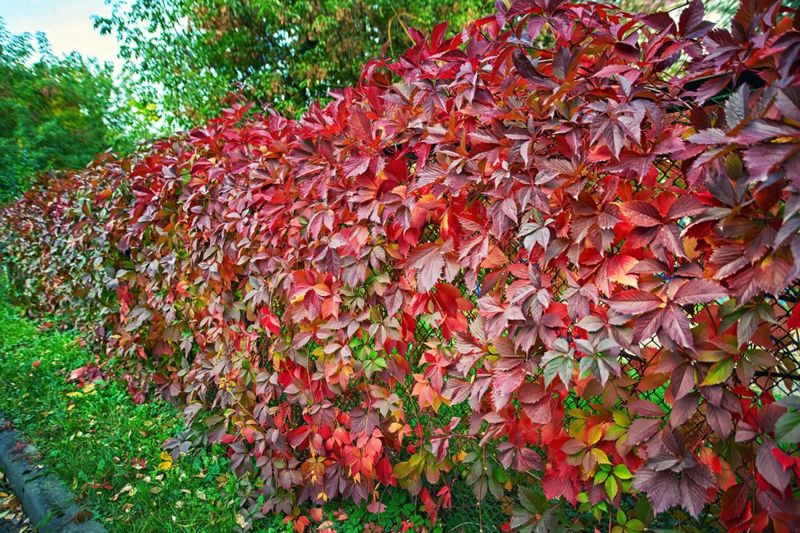
Virginia creeper is a vigorous climbing vine known for its ability to cover large areas quickly. Its adhesive tendrils allow it to cling to walls and slopes, helping to stabilize soil and prevent erosion. Virginia creeper thrives in a variety of conditions, from shady woodlands to sunny urban gardens. Its stunning fall foliage, with brilliant red and orange hues, adds seasonal interest to landscapes. In addition to its functional benefits, this vine provides habitat for wildlife and enhances biodiversity. Virginia creeper’s rapid growth and adaptability make it a versatile and attractive option for erosion control.