
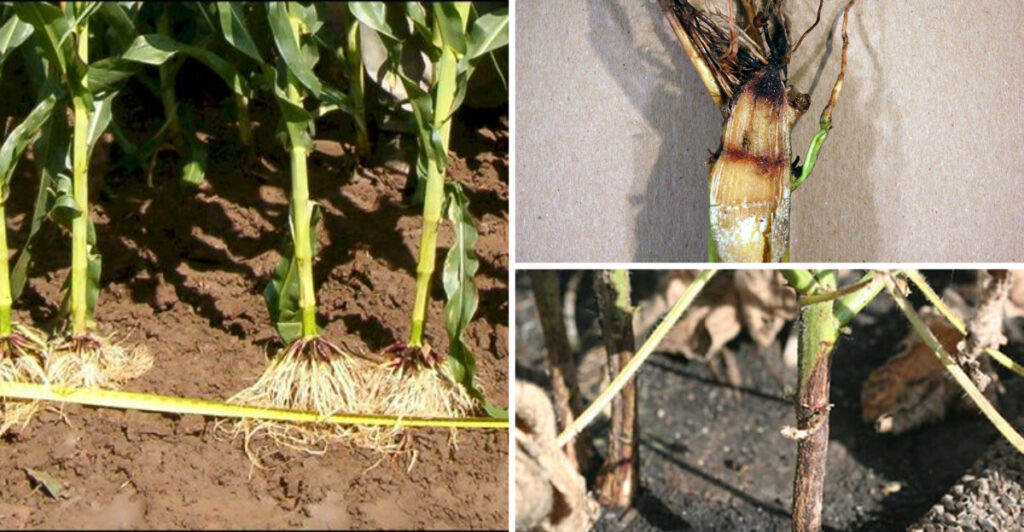
Corn root rot is a pervasive agricultural problem that can significantly impact crop yields and quality. Identifying the signs early is crucial for mitigating damage and preserving your harvest. In this blog post, we’ll explore twenty distinct indicators that your corn may be suffering from root rot, offering insights into detection and prevention.
1. Stunted Growth
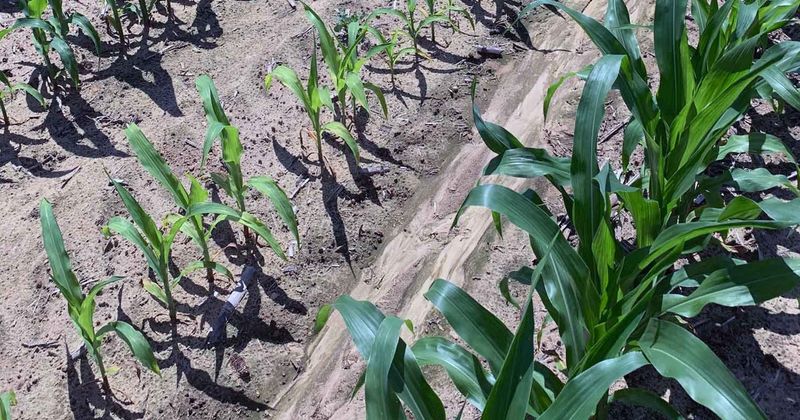
Ever notice how some corn plants just don’t reach for the sky like the others? Stunted growth is a telltale sign of root rot. When the roots are compromised, they can’t absorb nutrients efficiently, which hinders growth.
The affected plants struggle to compete with their healthier counterparts, resulting in a patchy field appearance. This uneven growth pattern can be a visual cue for farmers to investigate further.
In severe cases, the disparity in plant height becomes exceedingly apparent, making the field look like a jigsaw puzzle of different heights.
2. Yellowing Leaves
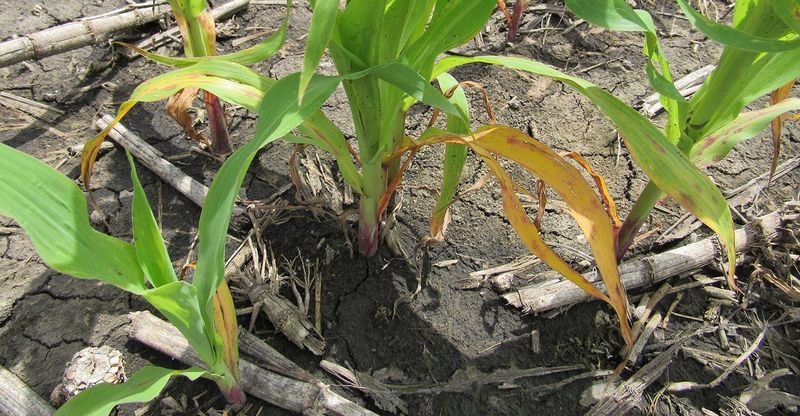
Is your corn looking a bit jaundiced? Yellowing leaves often indicate nutrient deficiencies caused by root rot. This discoloration can start at the leaf edges before progressing inward.
Such yellowing is more than just a cosmetic issue; it reflects a deeper problem below the soil. In many cases, it signals an insufficient uptake of nitrogen and other vital nutrients.
Addressing this symptom promptly is essential, as prolonged exposure can lead to further deterioration of the plant’s health, affecting overall yield and quality.
3. Wilting Despite Moisture
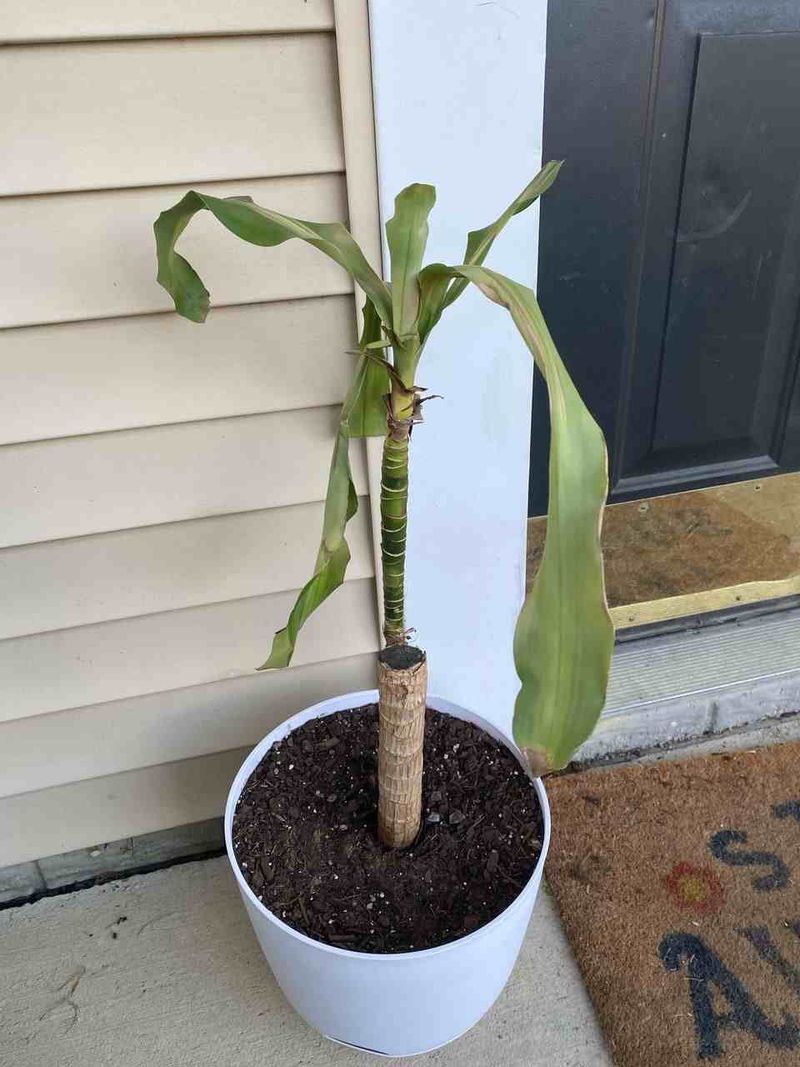
Imagine walking through your well-watered field only to find drooping corn plants. Wilting, despite sufficient moisture, can be an alarming sign of root rot.
This phenomenon occurs because the infected roots are unable to transport water effectively to the rest of the plant. While surface conditions seem ideal, the root system is compromised.
Such wilting requires immediate attention, as it indicates a severe disruption in the plant’s hydration process, potentially leading to irreversible damage if not promptly addressed.
4. Browning Roots
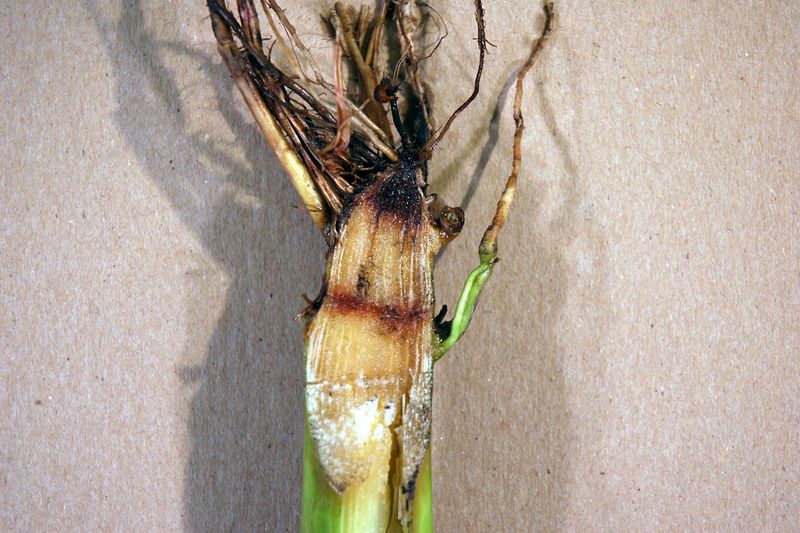
Dig a little deeper, and you may find the roots are not their usual vibrant selves. Brown, decaying roots are a clear indication of root rot at work.
Healthy corn roots should be white and firm, but when root rot sets in, they turn brown and mushy. This decomposition affects the plant’s ability to anchor and absorb nutrients.
The presence of brown roots is a signal that the rot has progressed, requiring immediate intervention to prevent further spread and loss of crops.
5. Reduced Ear Size
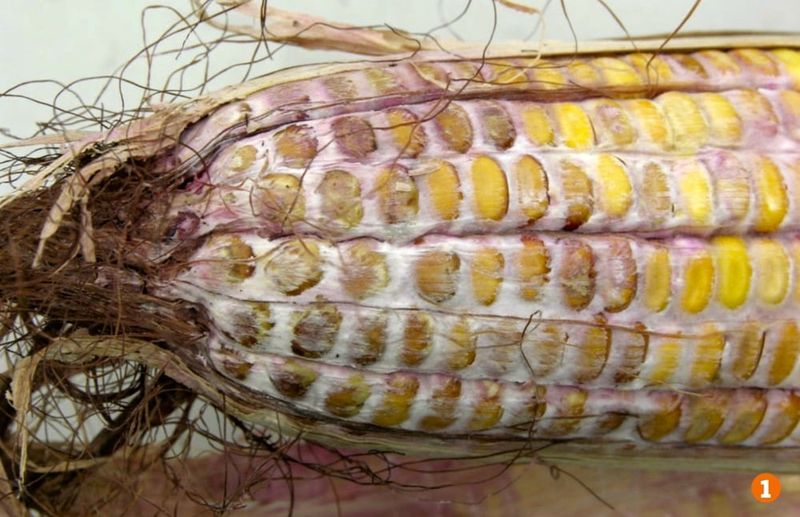
Ever spotted ears of corn that seemed a bit too petite? A reduction in ear size can be a subtle sign of root rot.
The compromised root system fails to supply enough nutrients to support typical ear development. This results in smaller, underdeveloped ears, impacting yield quality.
Farmers often notice this symptom during harvest, but early detection could allow for timely interventions. Smaller ears can indicate that the plant has been battling underlying issues throughout the growing season.
6. Uneven Maturation
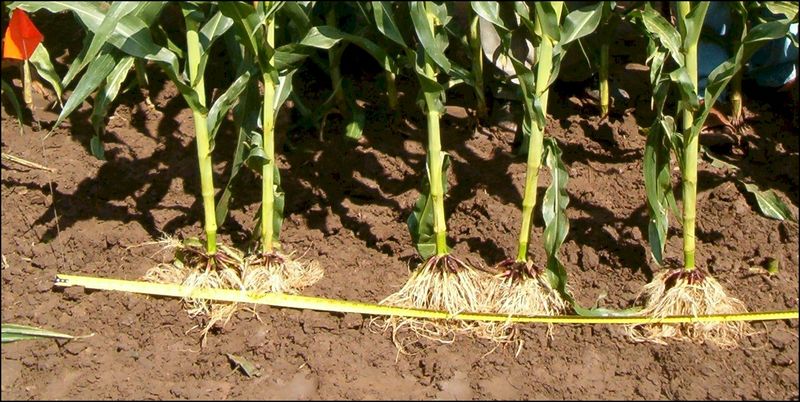
Walking through a field and noticing varied maturity levels among the corn? Uneven maturation is another sign of root rot.
When roots are damaged, different plants mature at different rates due to inconsistent nutrient absorption. This can lead to harvesting challenges and affect overall crop uniformity.
Farmers often find that managing fields with such discrepancies requires additional labor and resources, as each patch may need individual attention during harvest.
7. Root Discoloration
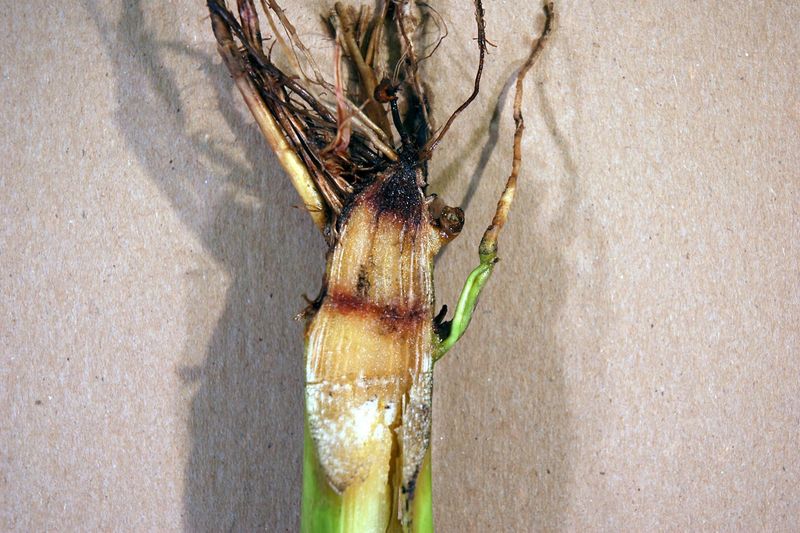
The color of the corn roots can tell a revealing tale. Discoloration, ranging from dark brown to black, indicates a root rot infection.
Healthy roots are typically white, supporting robust growth. However, with root rot, the infected roots lose their natural hue and become discolored.
Such visual cues below the soil surface necessitate immediate action. Ignoring the signs can lead to widespread infection, reducing the farm’s potential yield and profitability.
8. Damp Soil Odor
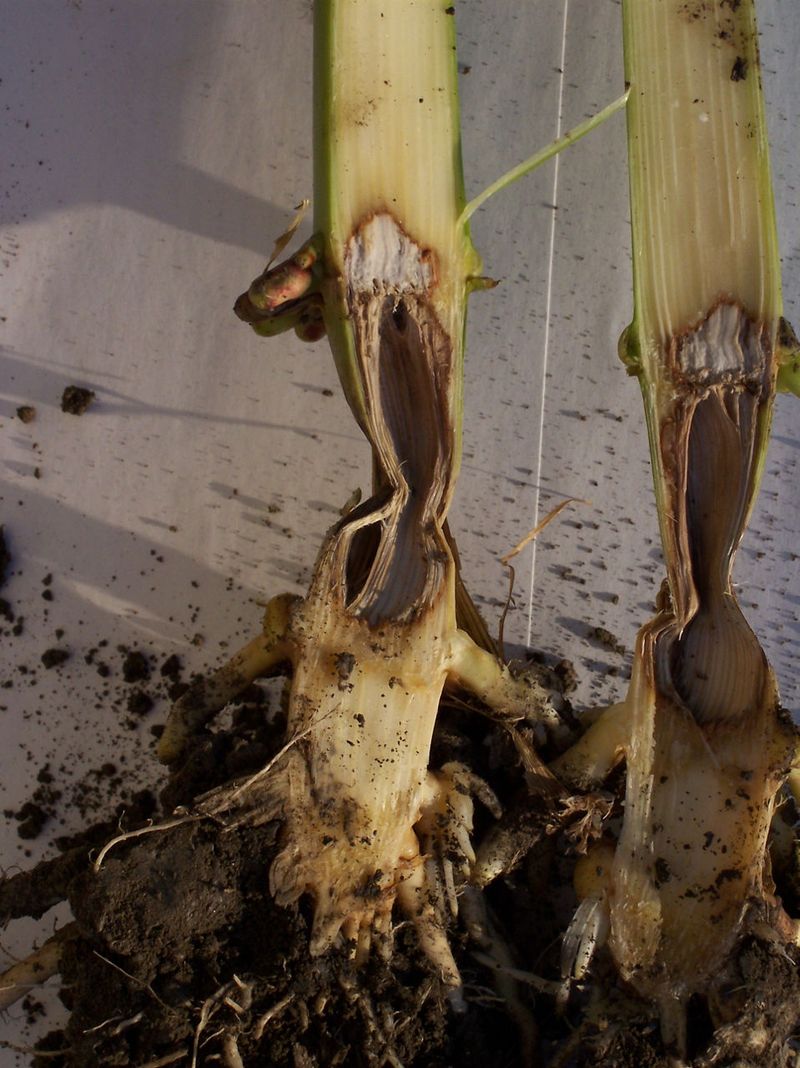
Sometimes, the nose knows best. A musty, damp odor emanating from the soil can signal root rot.
This particular scent is often the result of fungal activity breaking down organic matter within the soil. It’s a subtle, yet telling, indicator that something is amiss below.
Farmers familiar with this odor often recognize it as an early warning sign, prompting further investigation to confirm and address the underlying issue.
9. Fungal Growth at Base
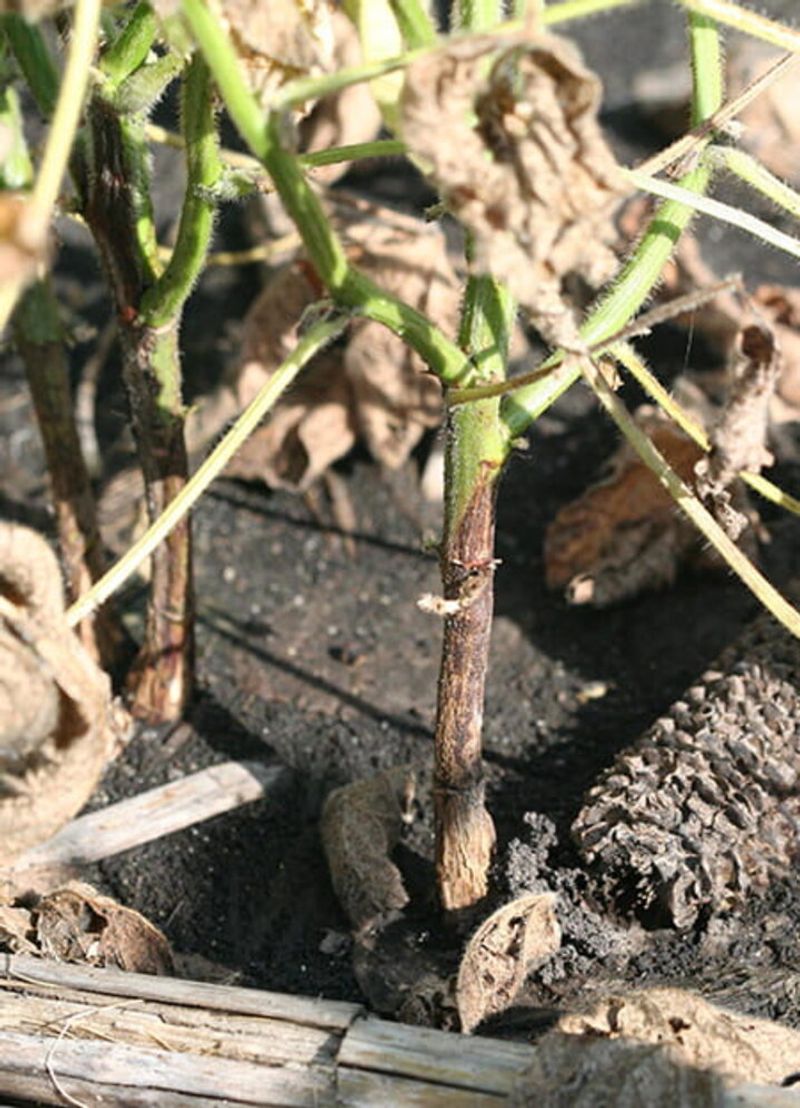
Fungus among us? Fungal growth at the base of corn stalks is a red flag for root rot.
White or gray mold appearing on the soil surface or at the stem base is a clear indication of fungal infection, often linked to root issues.
This visible sign can help farmers diagnose the problem before it escalates. Addressing fungal growth promptly can help in managing the spread and impact of root rot on crop health.
10. Leaf Tip Dieback
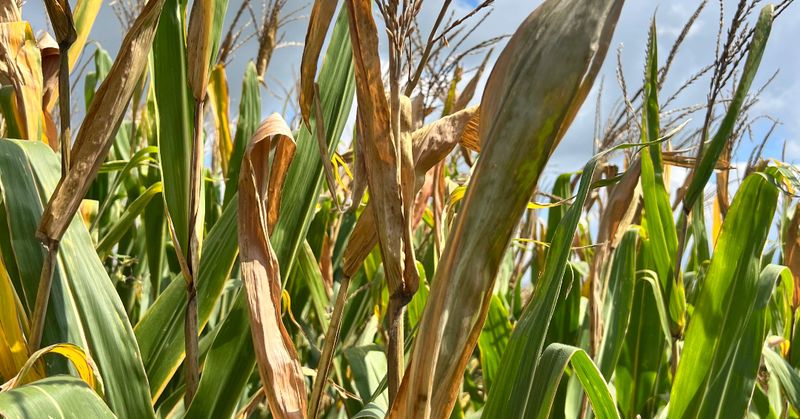
Are the tips of your corn leaves turning brown and crispy? Leaf tip dieback is a symptom of root rot that often goes unnoticed.
This occurs when the roots can’t supply sufficient nutrients and water, leading to the gradual death of leaf edges. The leaf’s vitality diminishes, affecting photosynthesis and growth.
Early detection of dieback can be crucial for managing plant health, preventing further decline, and maintaining crop productivity.
11. Stem Weakness
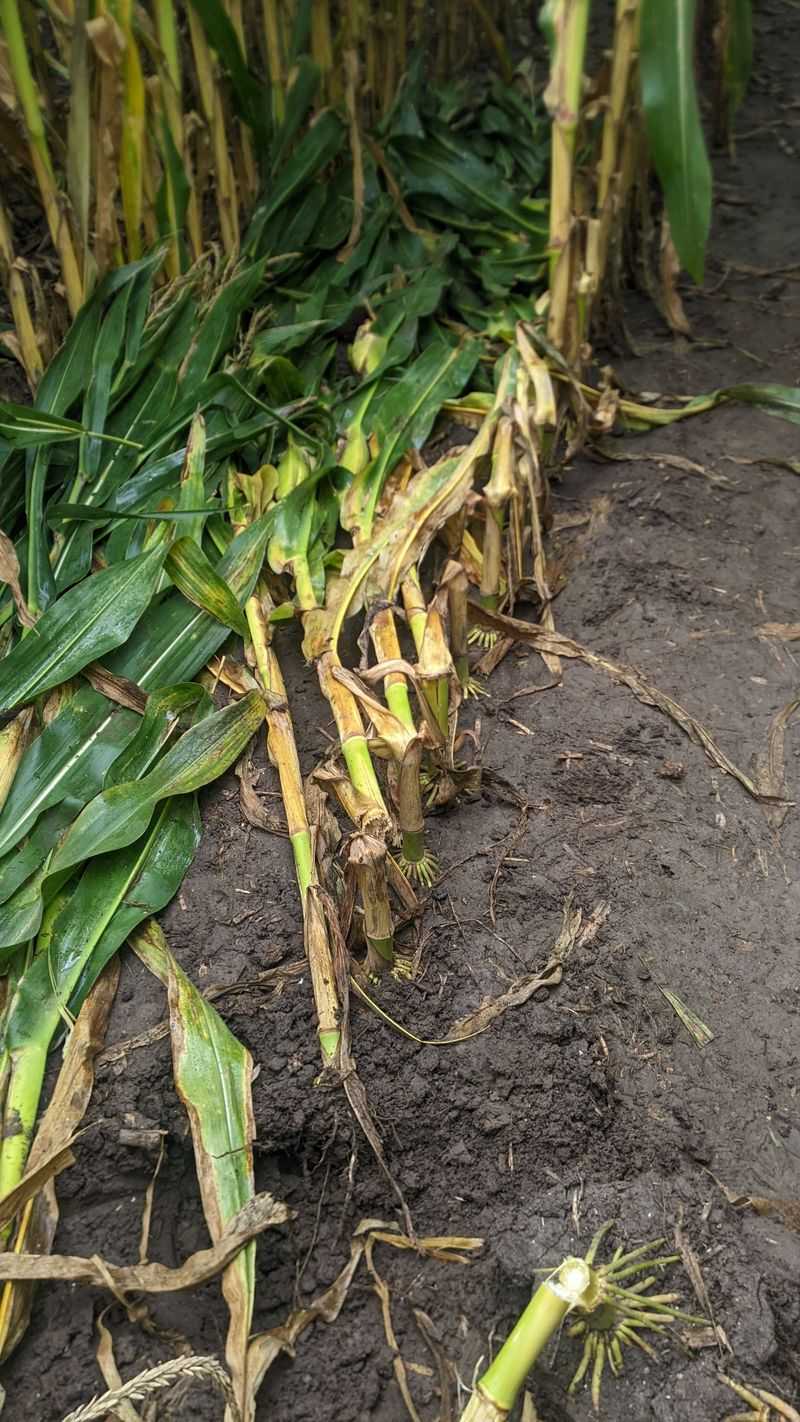
Feeling a bit wobbly? Corn stems that appear weak or unable to support the plant might indicate root rot.
The root system provides foundational support, and when compromised, stems can become unstable or even snap under the weight of developing ears.
This structural weakness not only affects growth but also increases susceptibility to environmental stressors like wind and rain, further challenging crop resilience.
12. Reduced Kernel Development
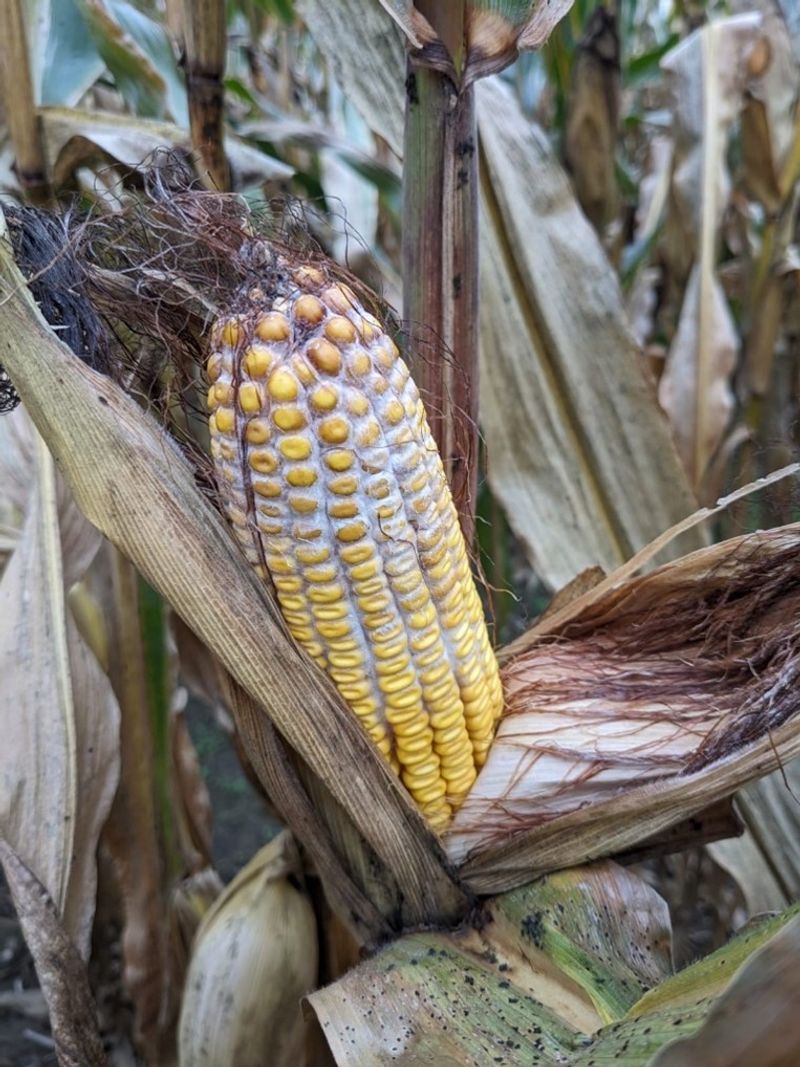
Are your corn kernels looking sparse and uneven? Reduced kernel development is often linked to root rot.
The roots’ inability to supply adequate nutrients results in poor kernel formation, leading to patchy and underfilled ears. This impacts both aesthetic and nutritional value.
Recognizing this sign can help farmers take corrective measures, aiming to improve subsequent harvests by addressing root health and optimizing growing conditions.
13. Pale Green Foliage
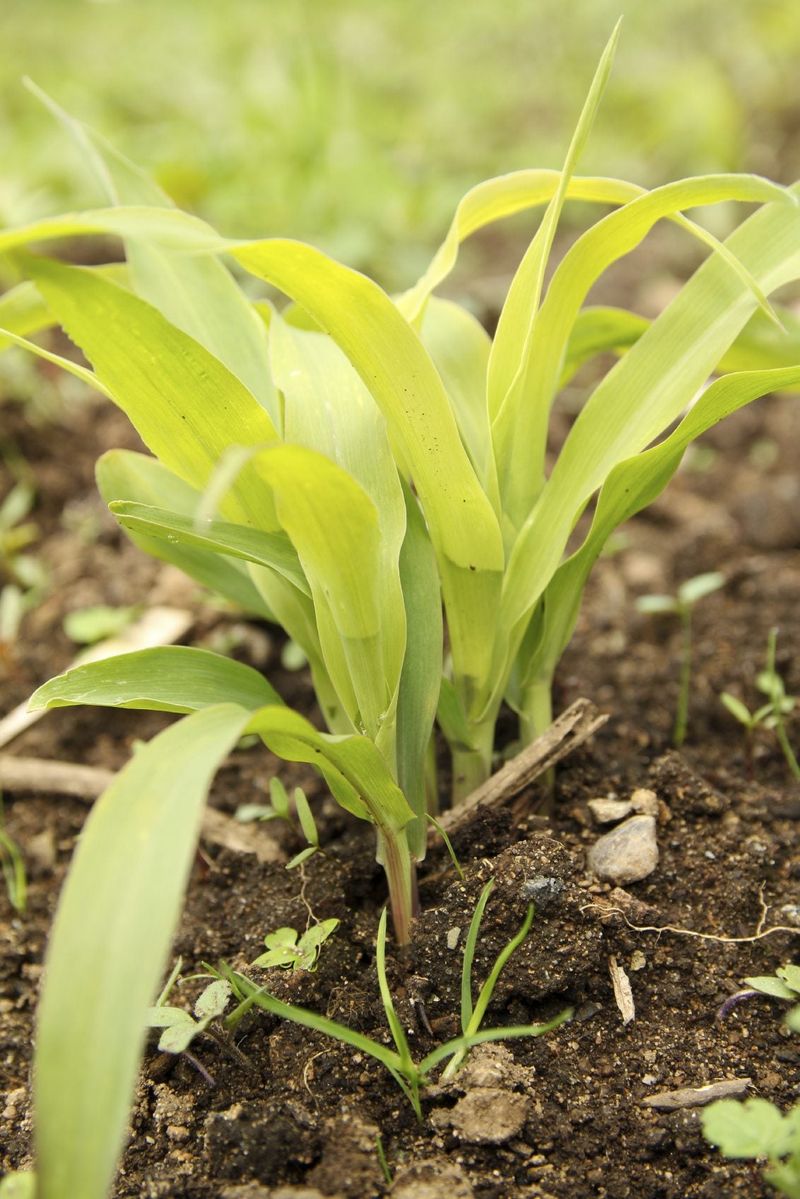
A pale complexion isn’t just a human concern. Pale green foliage on corn plants can indicate underlying root issues.
This color change suggests the plant is struggling to produce sufficient chlorophyll, a critical component of photosynthesis. It often correlates with nutrient uptake problems caused by root rot.
Promptly addressing pale foliage by exploring soil and root health can prevent further decline, ensuring plants receive the nutrients they need to thrive.
14. Soil Compaction
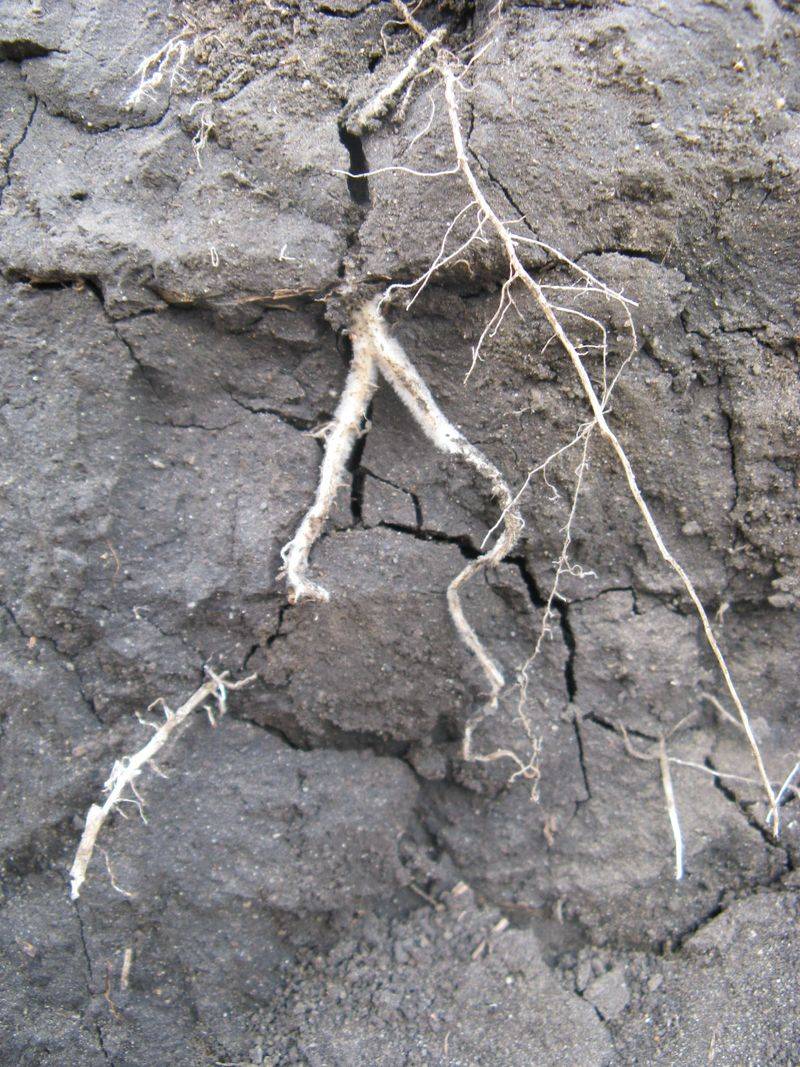
Hard as a rock? Soil compaction can exacerbate root rot by restricting root growth and reducing oxygen availability.
Compacted soil creates an inhospitable environment for roots, leading to stress and vulnerability to rot. It often results in poor water drainage, further complicating root health.
Farmers should monitor soil conditions closely, as addressing compaction can mitigate root rot risks, promoting healthier, more resilient plants.
15. Increased Pest Activity
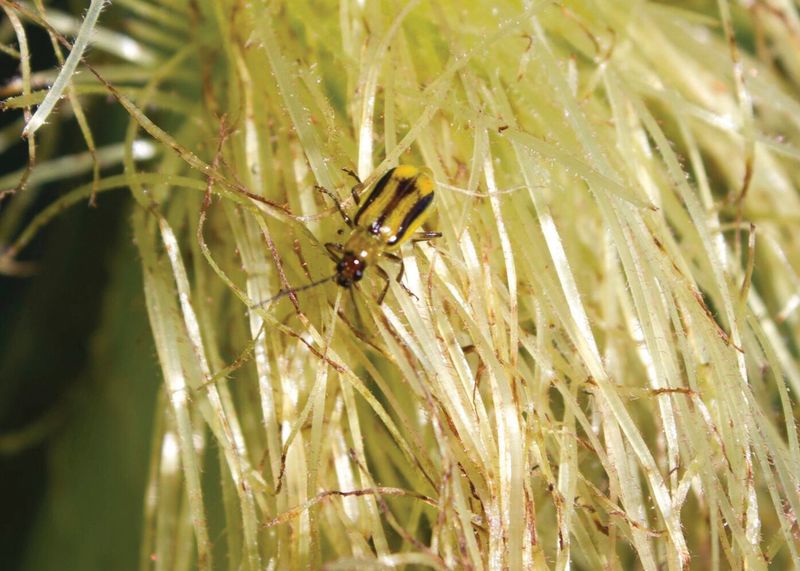
Notice a buzzing increase in your fields? Heightened pest activity can be a sign of weakened plants due to root rot.
Pests often target stressed and vulnerable plants, taking advantage of their compromised defenses. This can lead to further damage, exacerbating the issue.
Managing pest activity early and addressing root health can be crucial for maintaining plant vitality and preventing significant crop losses.
16. Waterlogged Appearance
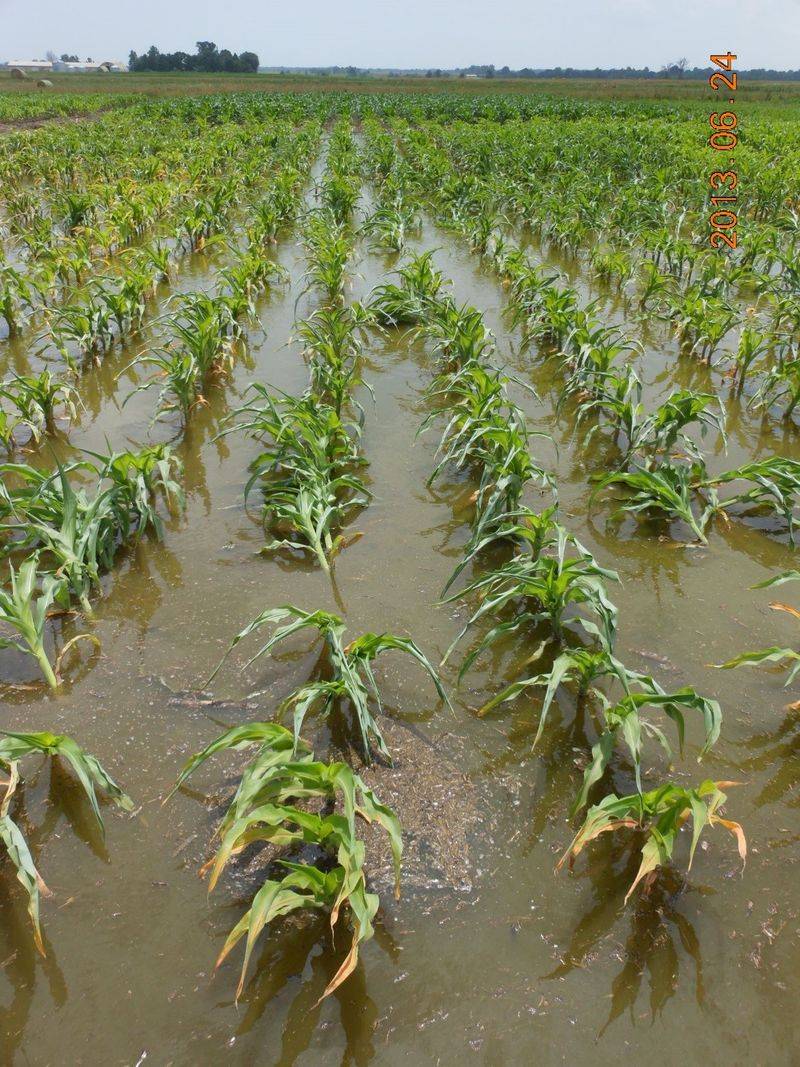
Drowning in dry conditions? A waterlogged appearance in cornfields, even without recent rainfall, can indicate poor drainage linked to root rot.
This condition often results from damaged roots unable to manage water properly, leading to pooling and plant stress. Such symptoms highlight issues with soil structure and drainage.
Farmers should investigate these signs promptly, as addressing drainage and root health can prevent further deterioration and enhance crop resilience.
17. Delayed Tasseling
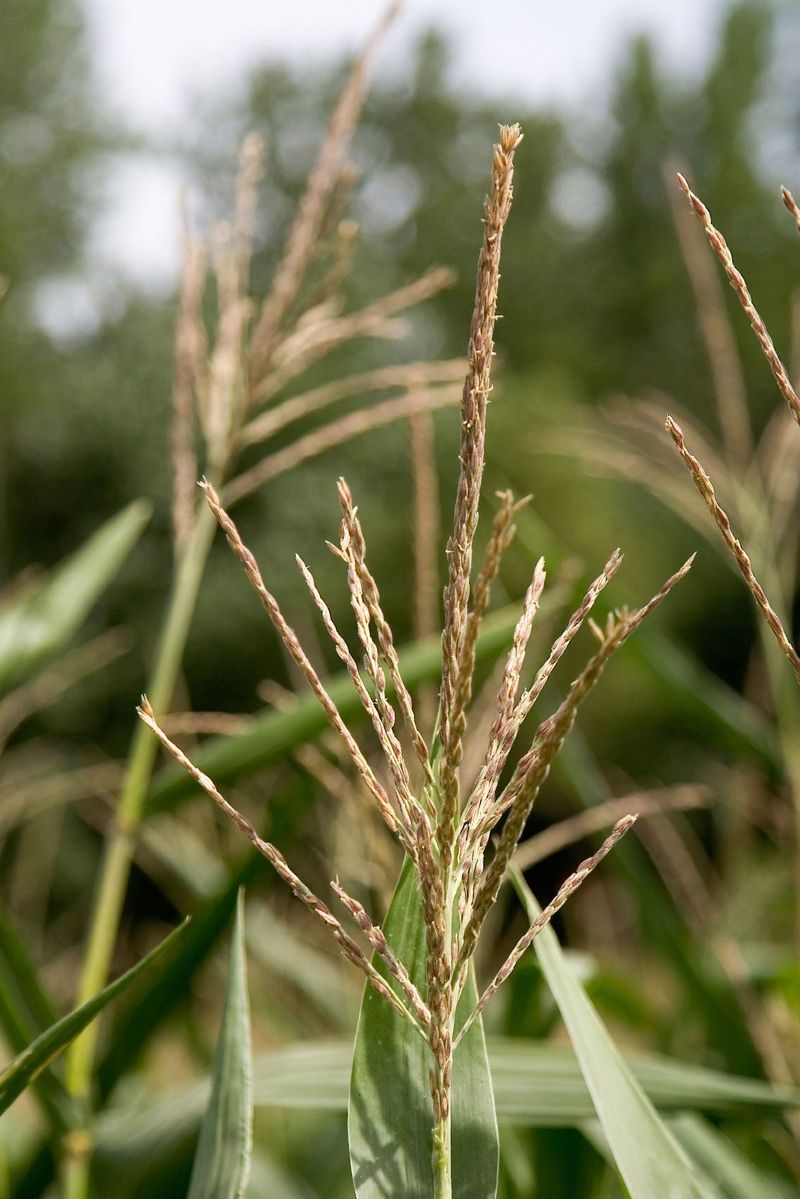
Still waiting for those tassels? Delayed tasseling is a sign that your corn might be struggling with root rot.
Tasseling is a crucial reproductive stage, and any delays can impact pollination and yield. Root issues often disrupt the nutrient flow necessary for timely tassel development.
Identifying and addressing this symptom can help farmers ensure better crop performance and optimize the harvest cycle, improving overall field health.
18. Irregular Leaf Texture
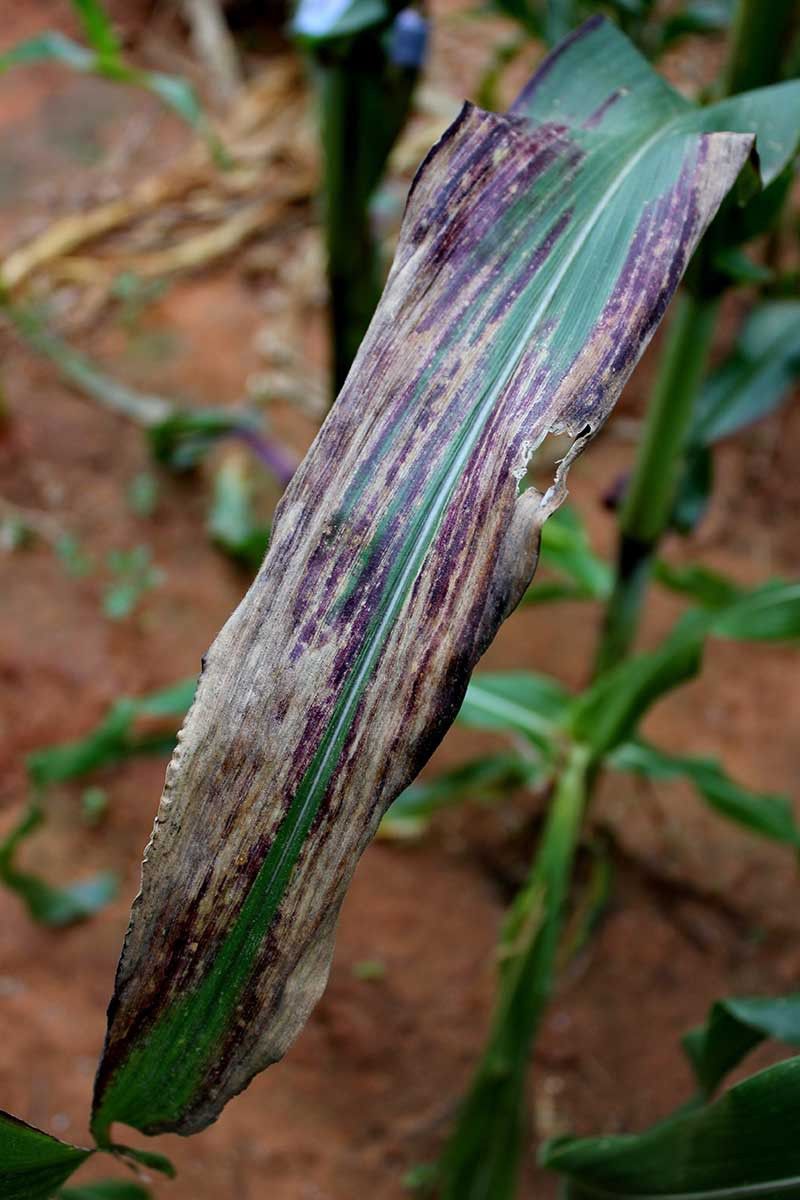
Feel that bump? An irregular, bumpy texture on corn leaves can indicate underlying root problems.
Such textural changes often suggest circulation issues within the plant, stemming from compromised roots. This can affect photosynthesis and growth, leading to further symptoms.
Farmers noticing these textural anomalies should investigate root health as a potential culprit, taking steps to support plant vigor and productivity.
19. Decreased Stalk Diameter
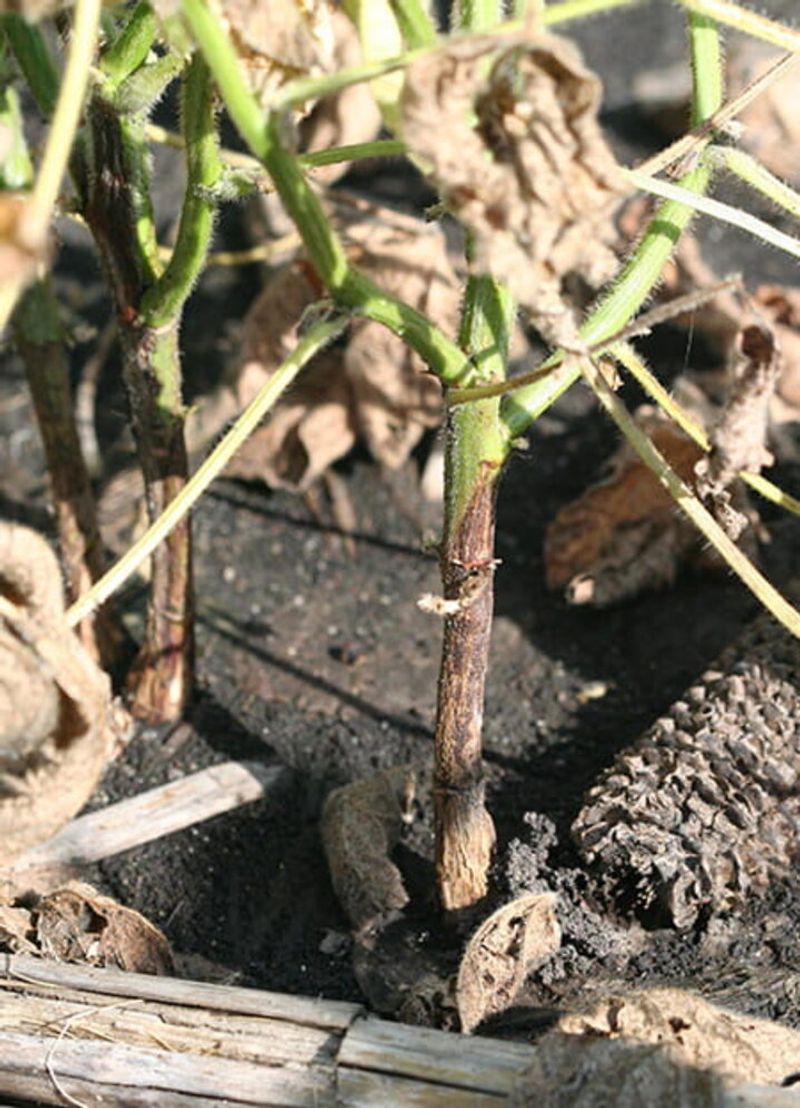
Slimming down isn’t always good news. A decrease in stalk diameter can indicate root rot issues.
Thinner stalks often result from nutrient deficiencies and poor structural support provided by compromised roots. This can affect plant stability and yield potential.
Recognizing this symptom early allows farmers to take corrective measures, strengthening root health to promote robust, resilient stalk growth.
20. Unusual Leaf Sheen
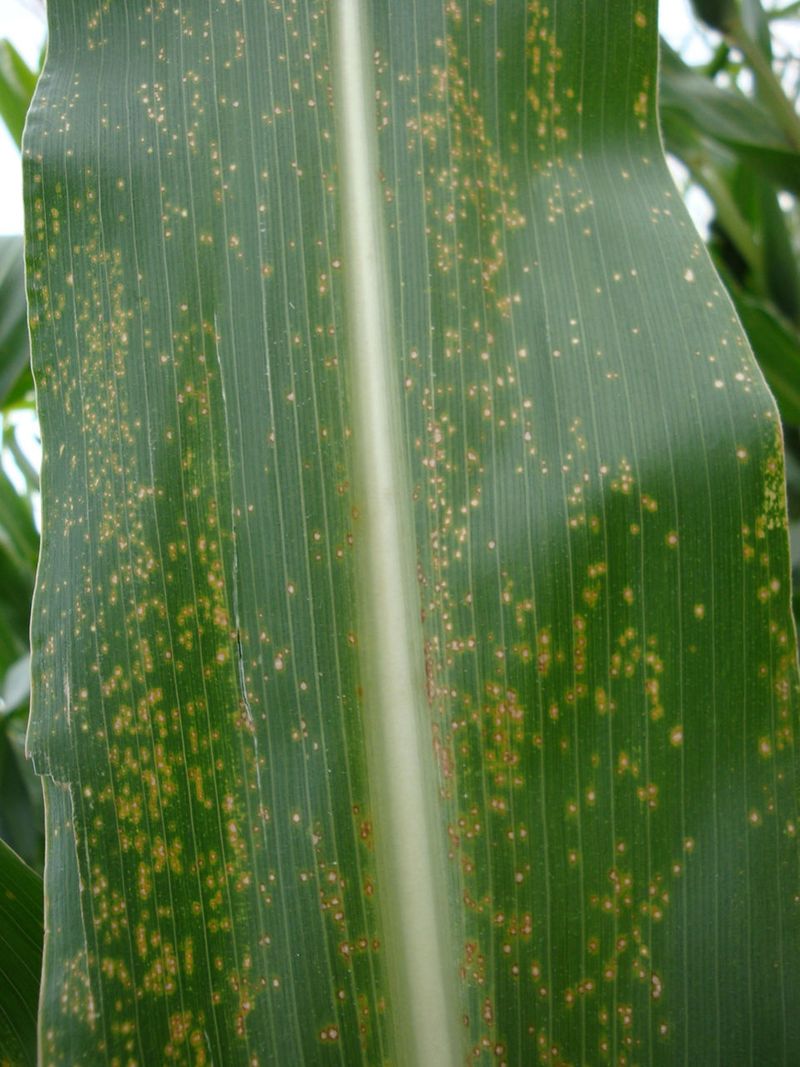
Shiny or dull? An unusual sheen on corn leaves can reflect underlying root problems.
Such surface changes might indicate disruptions in nutrient absorption and leaf health, often linked to compromised roots. This can affect photosynthesis efficiency and overall plant vitality.
Farmers observing these variations should examine root and soil conditions, addressing any issues to improve plant health and crop yield.