
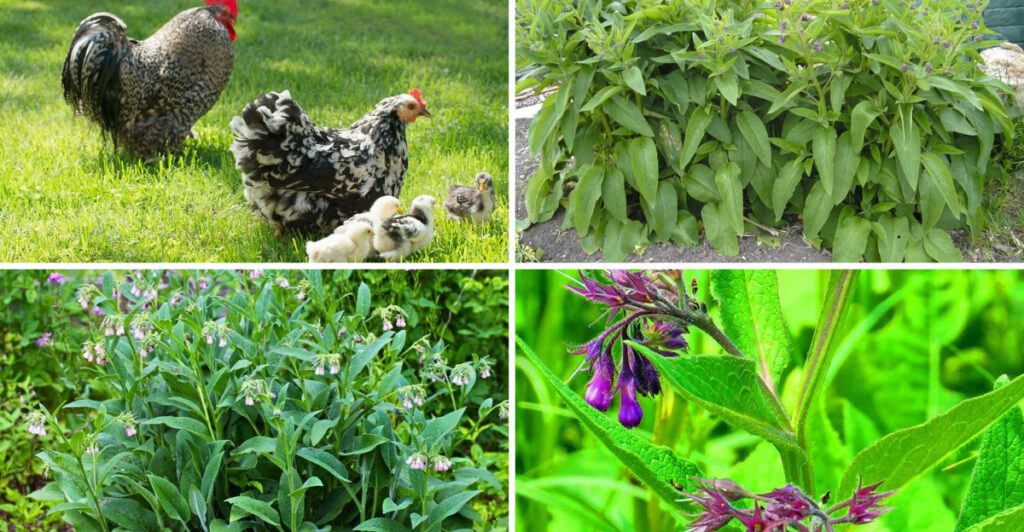
Comfrey, a versatile herb, offers numerous benefits for gardeners, herbalists, and anyone interested in sustainable living. Known for its vibrant growth and multi-purpose applications, comfrey stands as a remarkable addition to any garden. Let’s explore the myriad reasons why cultivating comfrey can be a game-changer.
1. Rich in Nutrients
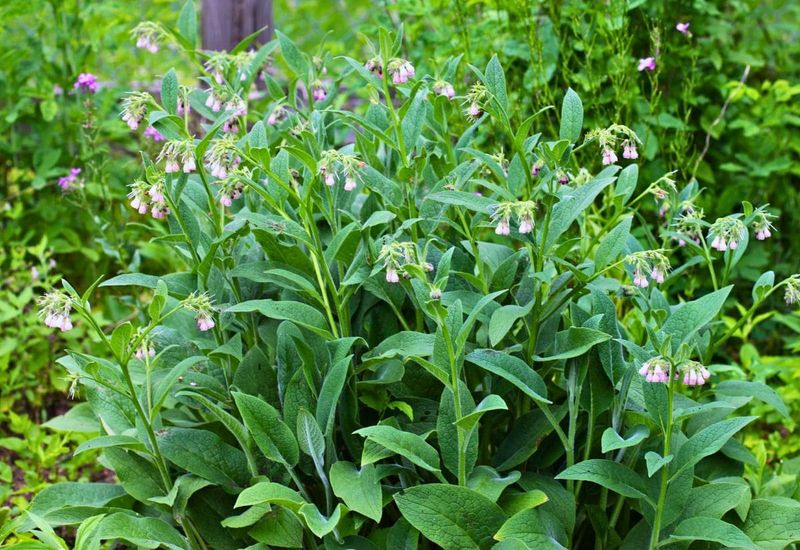
Comfrey is packed with nutrients. This hardy plant boasts high levels of nitrogen, potassium, and phosphorus. These nutrients make it an excellent natural fertilizer.
Gardeners often use comfrey leaves in compost. They enrich the soil, improving plant health and growth. Its lush foliage is a testament to its nutrient density.
Many swear by its ability to stimulate growth in other plants. Comfrey truly stands out for its enriching qualities. It’s not just a plant; it’s a powerful ally in sustainable gardening. Consider adding this green powerhouse to your garden. It won’t disappoint.
2. Natural Fertilizer
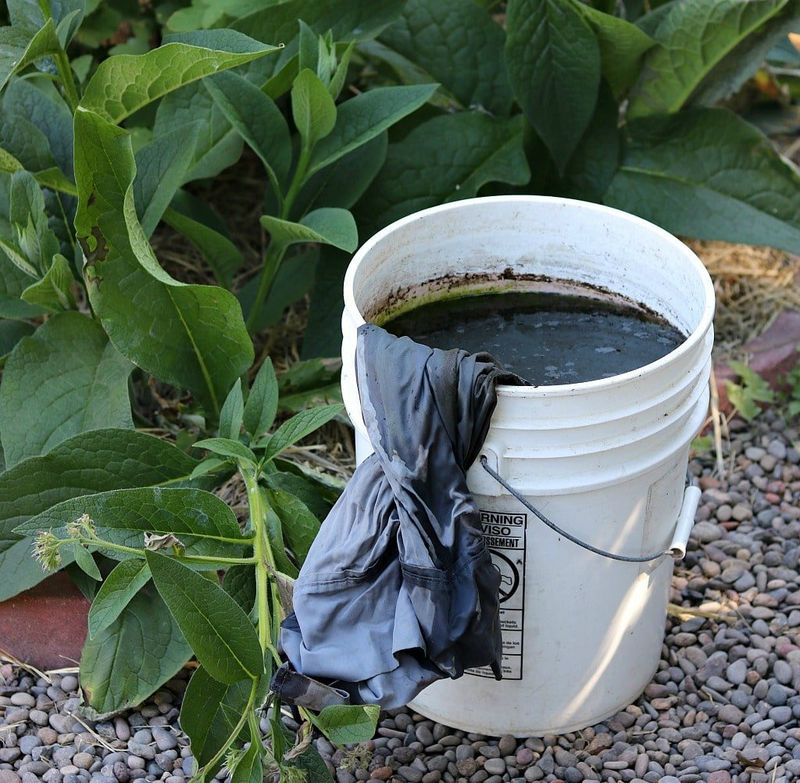
Comfrey can be transformed into a potent fertilizer. Known as comfrey tea, this liquid feeds plants efficiently. Gardeners cherish its ability to boost yields.
The process is simple. Steep comfrey leaves in water for a few weeks. The resulting liquid is rich in nutrients.
Use it as a foliar spray or soil drench. Your plants will thrive with this organic boost. Comfrey tea is a gardener’s secret weapon. It’s a sustainable choice that benefits the entire garden. Try it and see the transformation in your plants.
3. Medicinal Uses
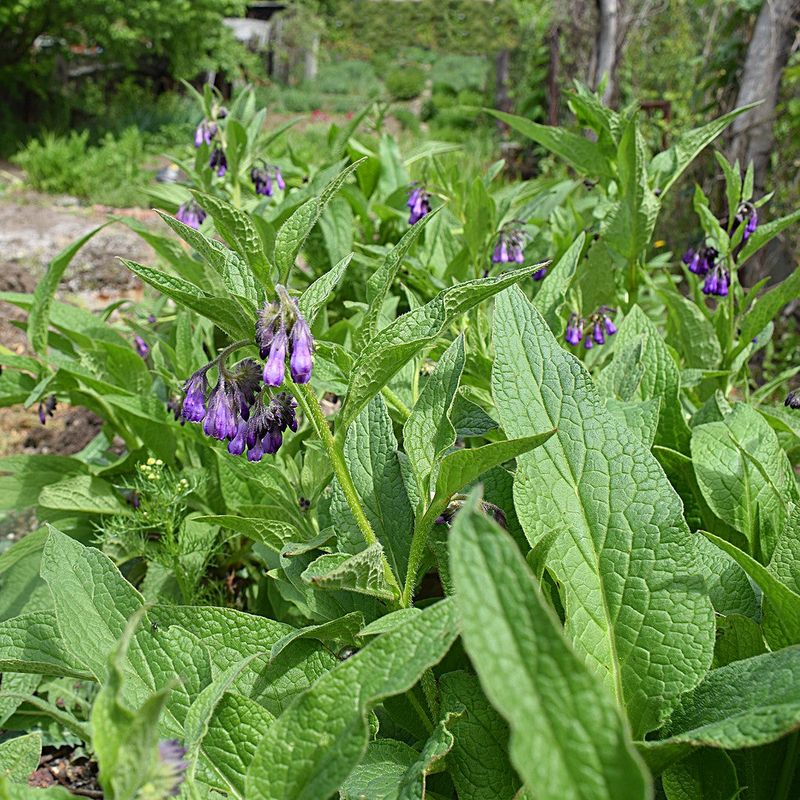
For centuries, comfrey has been used medicinally. Its leaves and roots are particularly valued. Known for healing properties, it aids in treating wounds and sprains.
Traditional medicine often incorporates comfrey. Its application can reduce inflammation and promote healing. Despite some controversies, its benefits are acknowledged.
Always consult with a health professional before use. Comfrey’s medicinal potential is part of its allure. This plant offers more than beauty; it’s a healer. Explore its therapeutic benefits but practice caution. It’s a testament to nature’s pharmacy.
4. Soil Conditioner
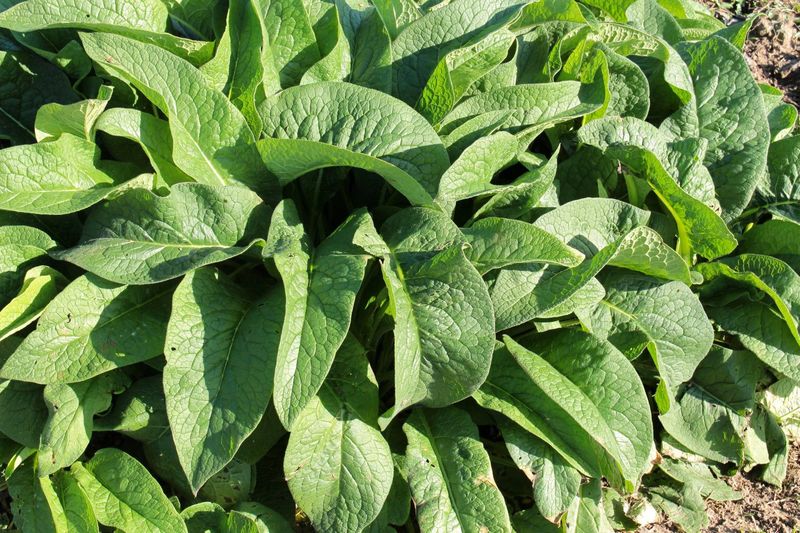
Comfrey excels as a soil conditioner. Its deep roots draw nutrients from the soil’s depths. These nutrients become available when leaves decompose.
Gardeners use comfrey to improve soil structure. It enhances aeration and moisture retention. Mulching with comfrey can enrich the garden environment.
This plant’s ability to rejuvenate soil is unparalleled. It’s a natural solution to soil health challenges. With comfrey, your garden soil becomes a thriving ecosystem. It’s an investment in sustainable gardening. Enhance your soil with comfrey’s help for vibrant plant life.
5. Animal Fodder
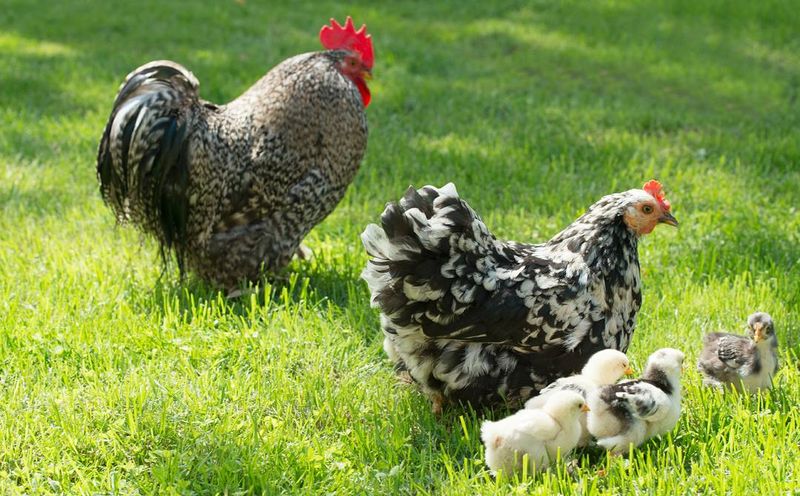
Comfrey serves as excellent animal fodder. Farmers appreciate its high protein content. It’s ideal for feeding livestock like chickens and goats.
The leaves are rich in nutrients essential for animal health. Offering comfrey to animals can improve their diet. It’s a natural, cost-effective feed option.
Ensure moderation when feeding comfrey to animals. Overconsumption can have adverse effects. Nevertheless, it’s a valuable addition to animal husbandry. Comfrey supports sustainable farming practices. It’s a versatile option for feeding your farm animals.
6. Pollinator Attraction
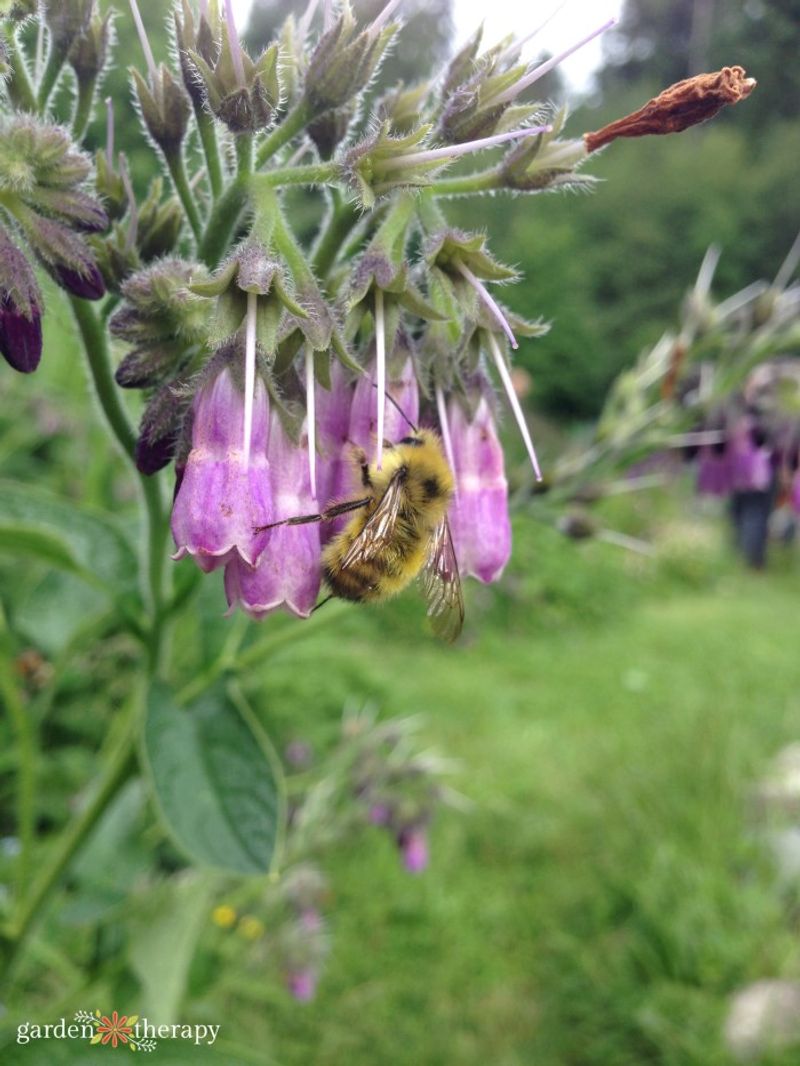
Comfrey blooms are a magnet for pollinators. Bees, butterflies, and other beneficial insects flock to its flowers.
Their attraction to comfrey supports pollination in the garden. This leads to increased yields and healthier plants.
Having comfrey in your garden ensures a thriving ecosystem. It’s a natural way to encourage biodiversity. The sight of pollinators buzzing around comfrey is delightful. Enjoy the vibrant life it brings to your garden. It’s a win-win for plants and pollinators alike.
7. Erosion Control
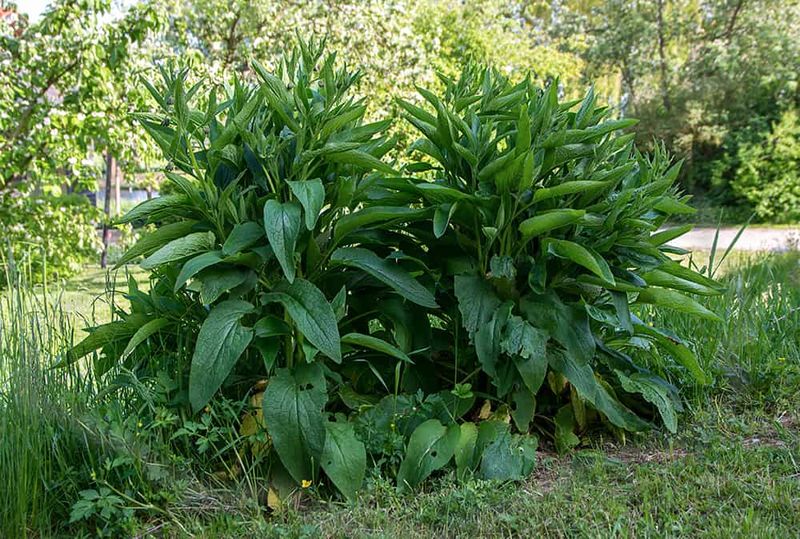
Comfrey’s root system helps in erosion control. Its deep roots stabilize the soil, preventing erosion. This makes it ideal for planting on slopes and hillsides.
The plant’s ability to hold soil is remarkable. It protects the landscape from water and wind erosion.
Comfrey is more than just a garden plant. It’s a guardian of the land. By planting comfrey, you contribute to soil conservation. It’s a simple yet effective way to protect your environment.
8. Compost Accelerator
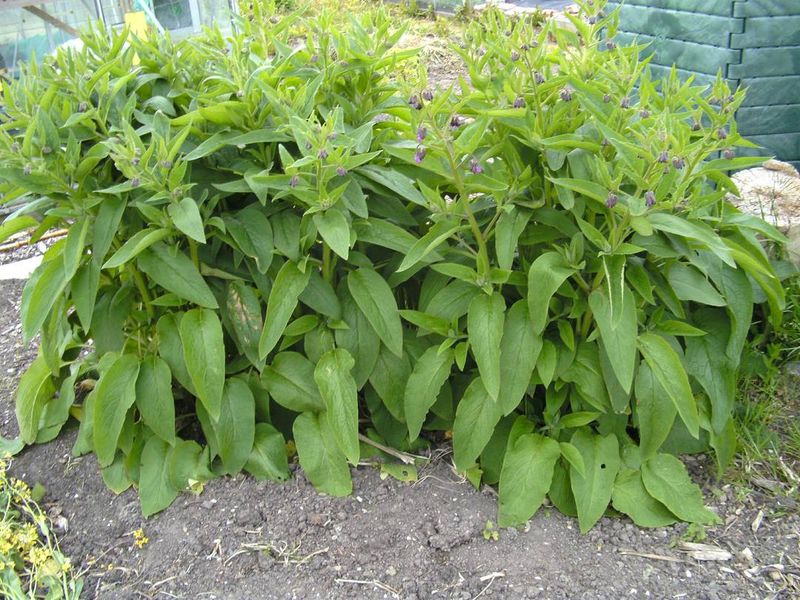
Comfrey is known as a compost accelerator. Adding its leaves to compost speeds up decomposition. This leads to faster compost production.
The high nitrogen content in comfrey leaves is key. It balances carbon-rich materials, enhancing compost quality.
Gardeners seeking quick, rich compost often turn to comfrey. It’s an invaluable resource in sustainable gardening. By using comfrey, your compost pile becomes more efficient. Enjoy the benefits of rich compost sooner with comfrey’s help.
9. Pest Deterrent
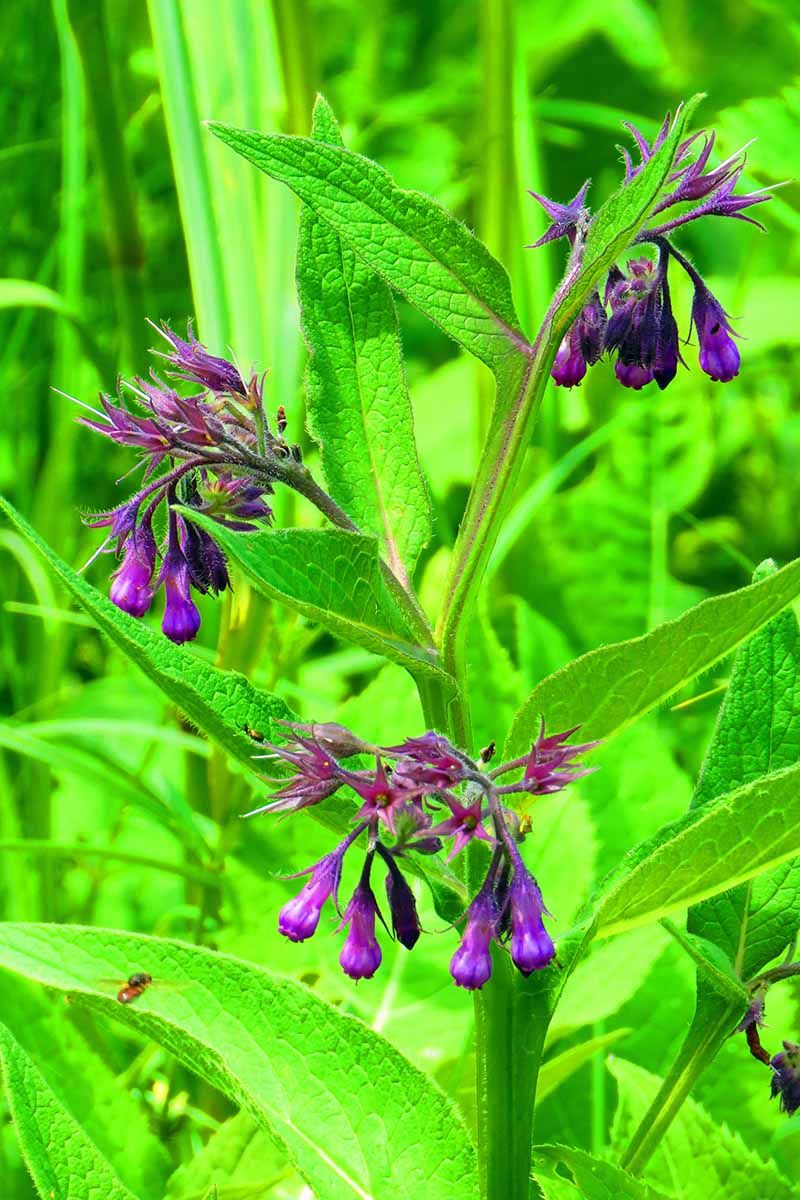
Comfrey can deter pests naturally. Its presence in the garden discourages harmful insects. This reduces the need for chemical pesticides.
Gardeners appreciate comfrey’s pest-repelling abilities. It’s a safe alternative to synthetic solutions.
Using comfrey for pest control supports organic gardening. Its effectiveness in this role is well-regarded. Incorporate comfrey into your garden for a natural defense. It’s a plant that protects while beautifying its surroundings.
10. Companion Planting
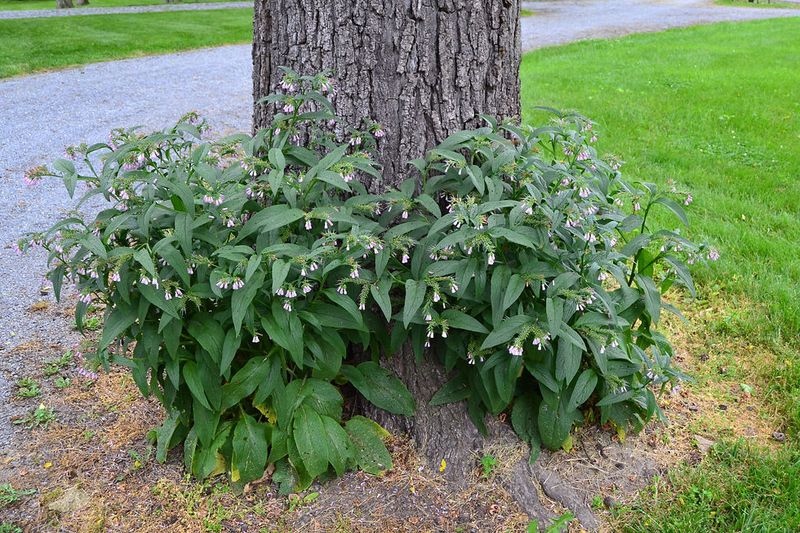
Comfrey excels in companion planting. Its presence boosts the growth of neighboring plants. Comfrey’s deep roots draw nutrients closer to the surface.
This helps surrounding plants access essential minerals. Gardeners often plant comfrey near fruit trees and vegetables.
It’s a strategic choice for enhancing plant health. Companion planting with comfrey promotes biodiversity. It’s an intelligent way to optimize garden space and resources. Embrace comfrey for a flourishing garden.
11. Aesthetic Appeal
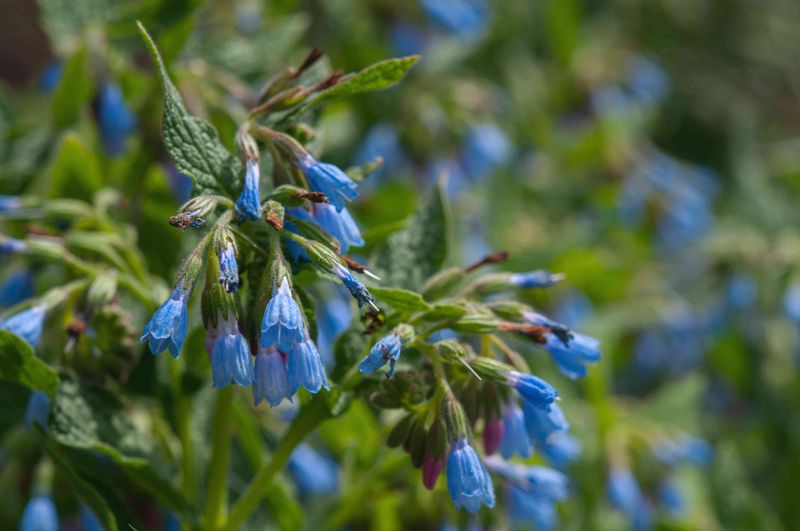
Comfrey plants add aesthetic value to gardens. Their lush foliage and purple flowers create a beautiful display. Comfrey’s vibrant presence enhances garden landscapes.
Many gardeners value comfrey for its visual appeal. It complements other plants and adds diversity.
The striking look of comfrey in bloom is captivating. It’s not only functional but also decorative. Enjoy the beauty and benefits comfrey brings. It’s a plant that truly enriches any garden setting.
12. Fast Growth
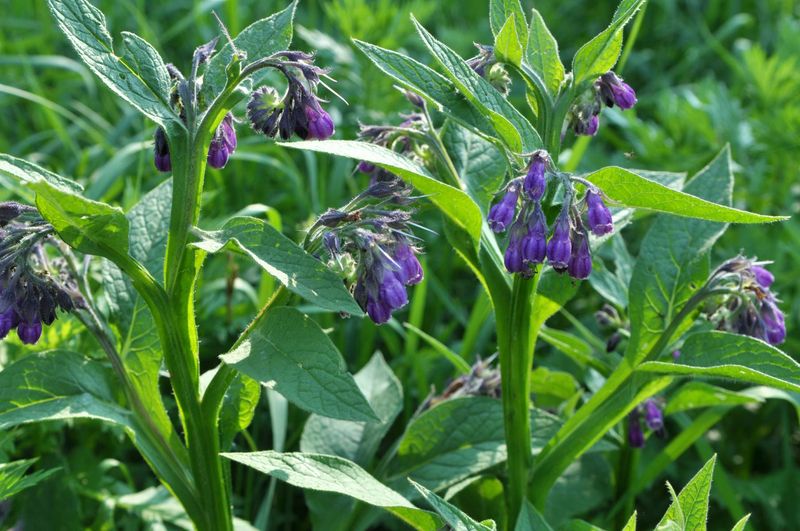
Comfrey is known for its rapid growth. This feature makes it a favorite among gardeners. It quickly establishes itself in any garden.
The plant can reach full maturity within a season. This fast growth means more yields and benefits sooner.
Gardeners enjoy the quick turnaround comfrey provides. Its ability to grow swiftly supports various gardening needs. Cultivate comfrey to take advantage of its speedy development. It’s a dynamic addition to any garden.
13. Nutrient Accumulator
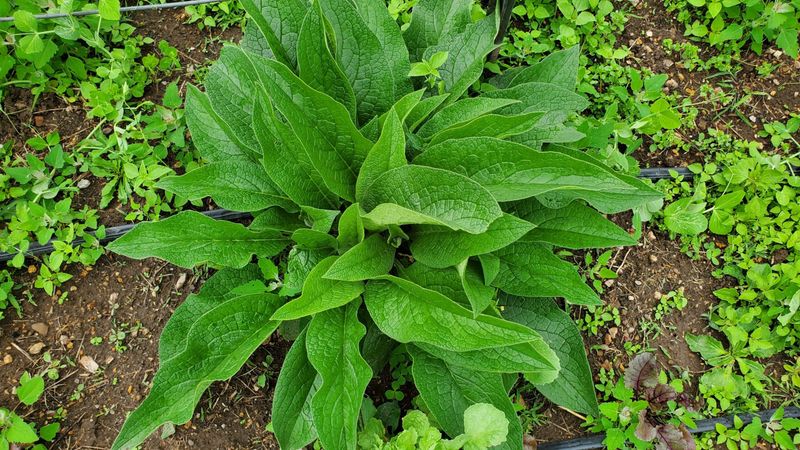
Comfrey functions as a nutrient accumulator. Its deep taproots mine essential minerals from soil depths. These nutrients enrich the surface soil as leaves decompose.
Gardeners use comfrey to enhance soil fertility naturally. It’s an organic way to improve nutrient availability.
Comfrey supports sustainable gardening practices. Its role as a nutrient accumulator is invaluable. By planting comfrey, you ensure a nutrient-rich garden ecosystem. It’s a wise choice for conscious gardeners.
14. Herbal Crafting
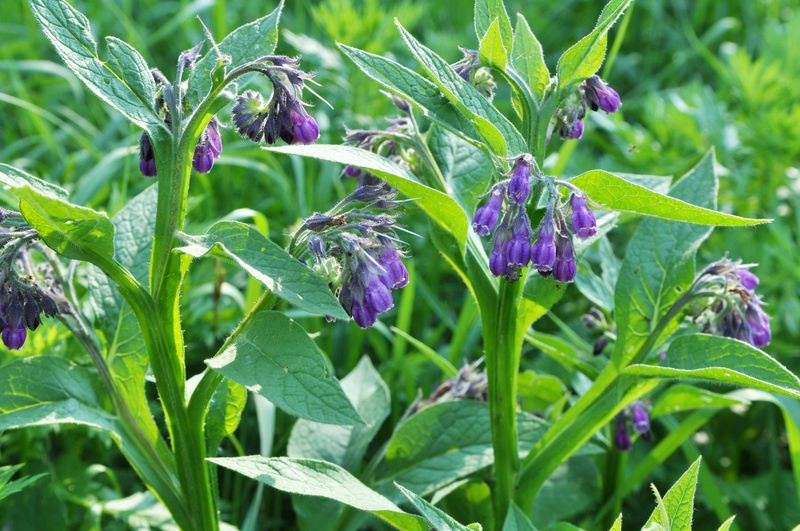
Comfrey is popular in herbal crafting. Its leaves and roots are used to make salves and oils. This tradition highlights comfrey’s versatility.
Herbalists appreciate its soothing properties. Comfrey-infused products often aid in skin care.
Crafting with comfrey is a rewarding experience. It connects people to traditional herbal practices. Discover the creative possibilities with comfrey. It’s more than a plant; it’s a crafting staple.
15. Mulching Material
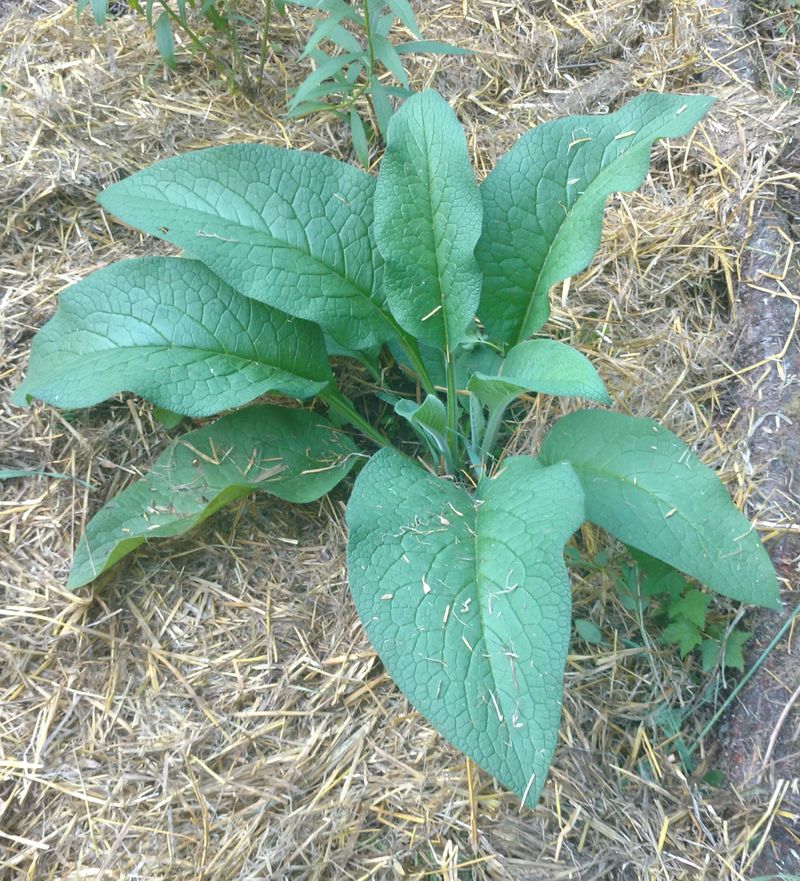
Comfrey leaves make excellent mulch material. They decompose quickly, enriching the soil. This organic mulch supports plant health and growth.
Gardeners use comfrey mulch to retain soil moisture. It also suppresses weed growth effectively.
The benefits of comfrey mulch extend to overall garden health. It’s a practical choice for sustainable gardening. Incorporate comfrey leaves into your mulching routine. Your garden will thrive with this natural support.
16. Cold Hardy
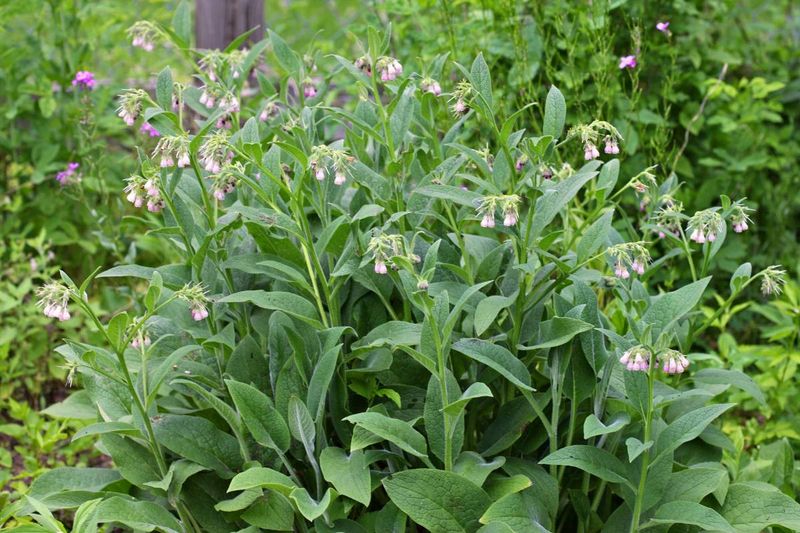
Comfrey is remarkably cold hardy. It withstands frosty conditions, making it a resilient plant. This toughness ensures it thrives in various climates.
Gardeners in colder regions favor comfrey for this reason. Its ability to survive winter is impressive.
Comfrey’s resilience extends its benefits year-round. It’s a steadfast choice for diverse gardening environments. Cultivate comfrey to enjoy its hardiness. It’s a plant that endures.
17. Historical Significance
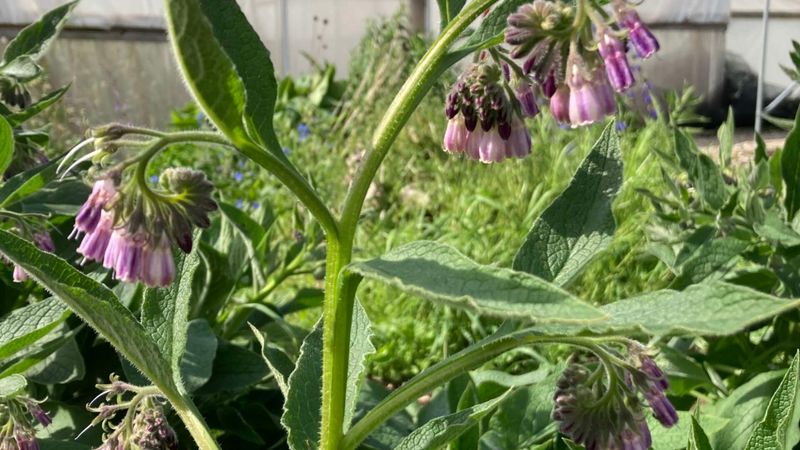
Comfrey holds historical significance in herbal medicine. Ancient cultures revered its healing properties. They used it for bone fractures and wound care.
This storied past enriches comfrey’s modern appeal. Knowledge of its historical use adds depth to its benefits.
Many still value comfrey for its traditional uses. It’s a plant with a rich legacy in healing practices. Explore comfrey’s historical context for a deeper appreciation. It’s a timeless addition to the garden.
18. Cost-Effective
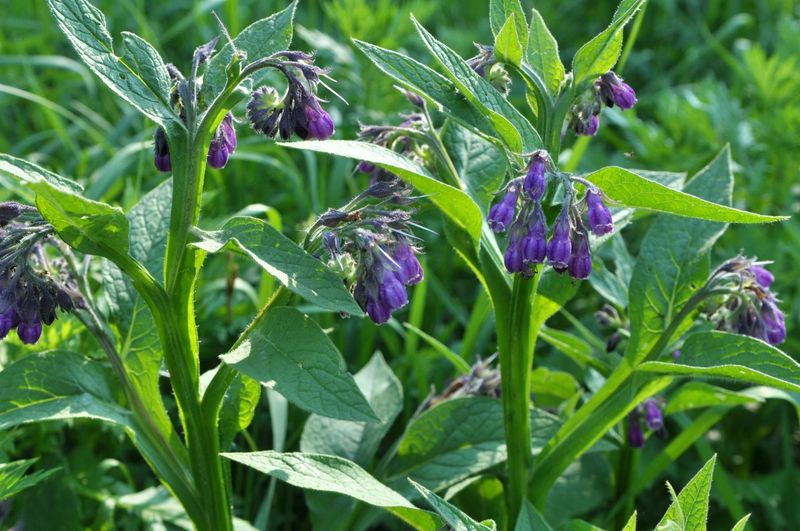
Comfrey is cost-effective for gardeners. Its low maintenance nature means less spending. Once established, it requires minimal care.
This perennial’s rapid growth ensures continuous yields. Gardeners save on fertilizers and mulches by using comfrey.
The cost savings extend to animal feed and medicine. Comfrey’s versatility reduces overall gardening expenses. It’s a budget-friendly choice for the eco-conscious. Grow comfrey for sustainable savings.
19. Natural Dye Source

Ever thought of coloring your world with nature’s palette? Comfrey leaves can be transformed into beautiful natural dyes, providing an eco-friendly alternative to synthetic products. This plant offers a spectrum of hues, ranging from soft greens to purples, depending on the mordant used.
Imagine a garden where you can not only grow but create. By experimenting with different mordants and processes, comfrey allows you to craft unique colors for textiles or art projects. Beyond its gardening benefits, comfrey opens a world of artistic possibilities, making it a delightful addition to any creative gardener’s toolkit.