 Complete Gardening
Gardening enthusiasts and homeowners alike have long sought natural ways to keep their backyards tick-free. Ticks are not just a nuisance; they pose serious health risks due to the diseases they can transmit. Recently, the idea of using plants to repel these pesky arachnids has gained traction. But does this method hold scientific water, or is it just another gardening myth? Let’s explore what research says about using plants to create a tick-free zone in your garden.
1. Rosemary
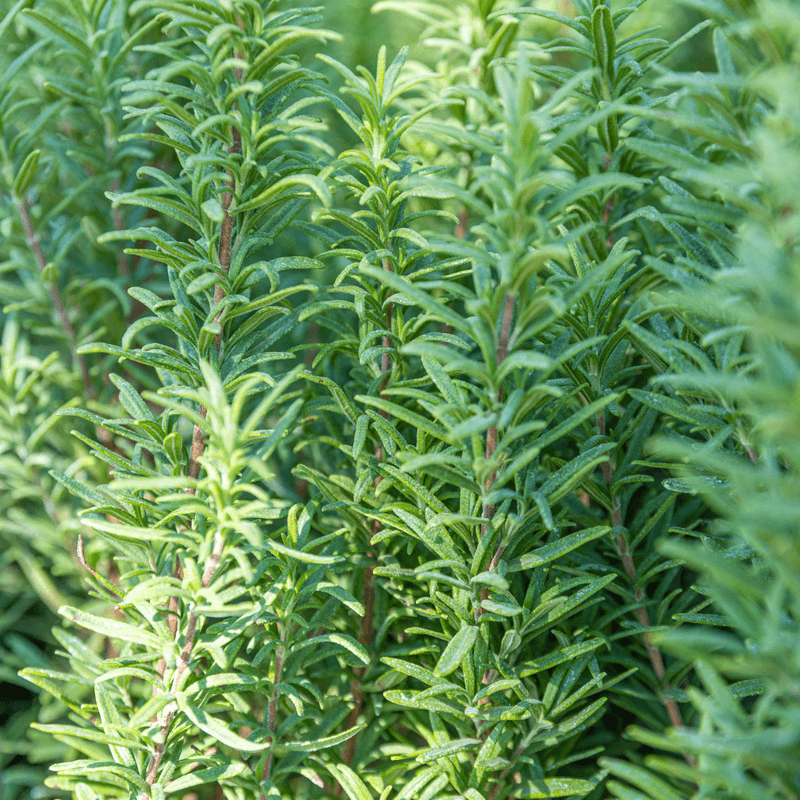
Rosemary, with its aromatic leaves, might do more than just flavor your dishes. This evergreen shrub is believed by some to repel ticks with its strong scent. Growing rosemary in your garden is simple and rewarding.
Its needle-like leaves release a fragrance that many find pleasant, but it’s hypothesized to deter ticks. Whether you plant it in pots or directly in the soil, rosemary’s hardy nature makes it a versatile choice for any gardener. Historical records show that rosemary was used in ancient times for various medicinal purposes, highlighting its longstanding utility.
Search for ‘rosemary plant ticks backyard’.
2. Lavender
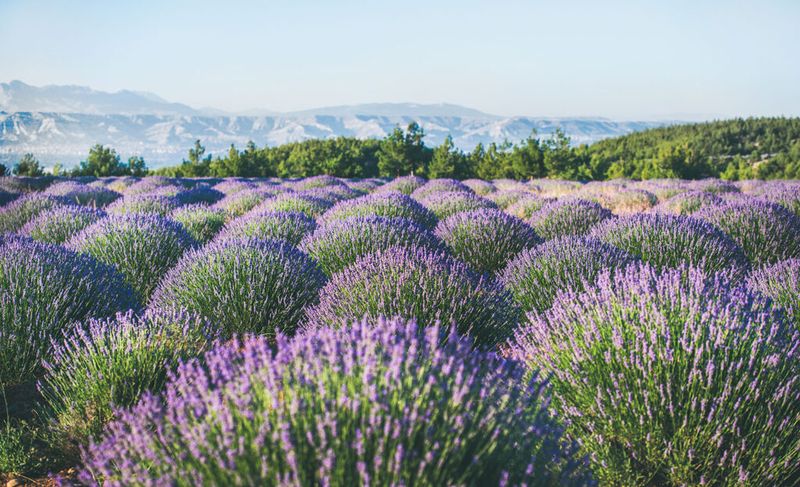
Lavender, often associated with calm and relaxation, also enters the conversation about tick repellents. Its beautiful purple flowers emit a soothing aroma that humans adore.
There’s a belief that this scent might be off-putting to ticks, though scientific evidence is limited. Lavender is not only easy to grow but also adds a splash of color to gardens. Many use lavender in essential oils, a practice dating back centuries. Besides potential tick-repelling properties, it provides a haven for bees, enhancing your garden’s ecosystem.
Search for ‘lavender fields tick repellent’.
3. Pennyroyal
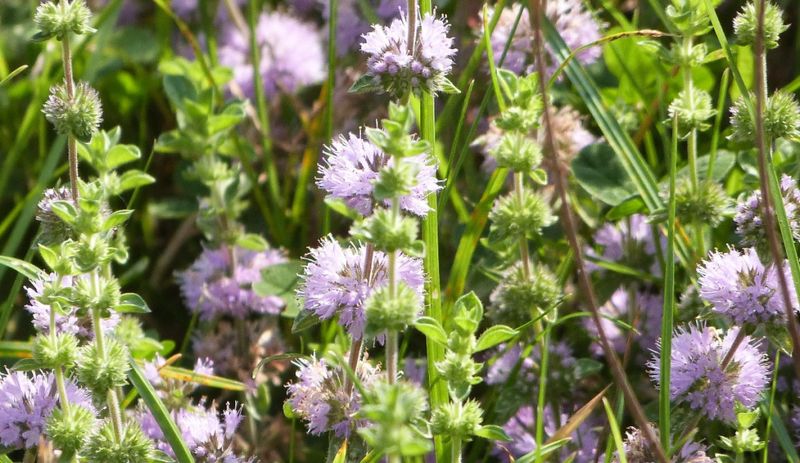
Pennyroyal, a member of the mint family, has a reputation as a natural insect deterrent. Known for its potent scent, it might keep ticks at bay. Gardeners value pennyroyal for its low-growing habit and delicate flowers.
However, caution is advised as this plant can be toxic if ingested. Always plant it with awareness and keep it away from pets and children. Historically, pennyroyal was used in traditional medicine, adding intrigue to its resume. Despite its potential, relying solely on pennyroyal for tick control is not recommended.
Search for ‘pennyroyal plant ticks garden’.
4. Garlic
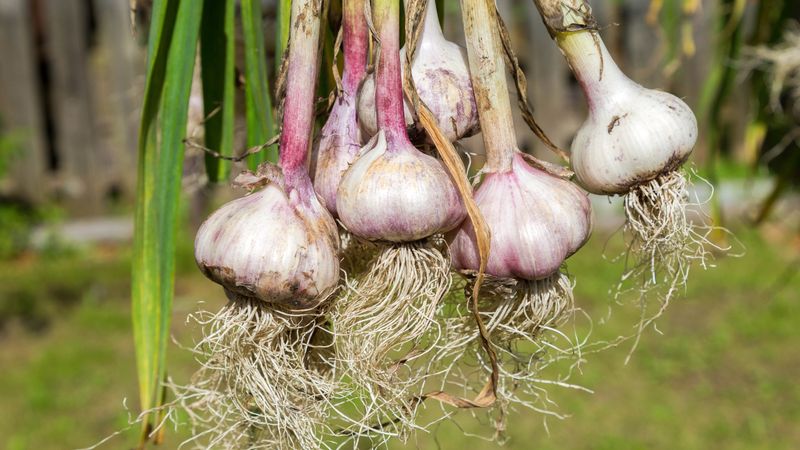
Garlic, famed for its culinary uses, is rumored to repel ticks when planted in gardens. The pungent smell is thought to be offensive to pests, potentially offering a natural defense. Planting garlic is straightforward; it thrives in well-drained soil under the full sun.
Beyond its supposed pest-repelling properties, garlic is an essential kitchen staple. While scientific backing on its effectiveness against ticks is minimal, many gardeners swear by its utility. Garlic’s place in history as a medicinal and culinary powerhouse is well-documented and adds to its mystique.
Search for ‘garlic plants tick repellent’.
5. Mint
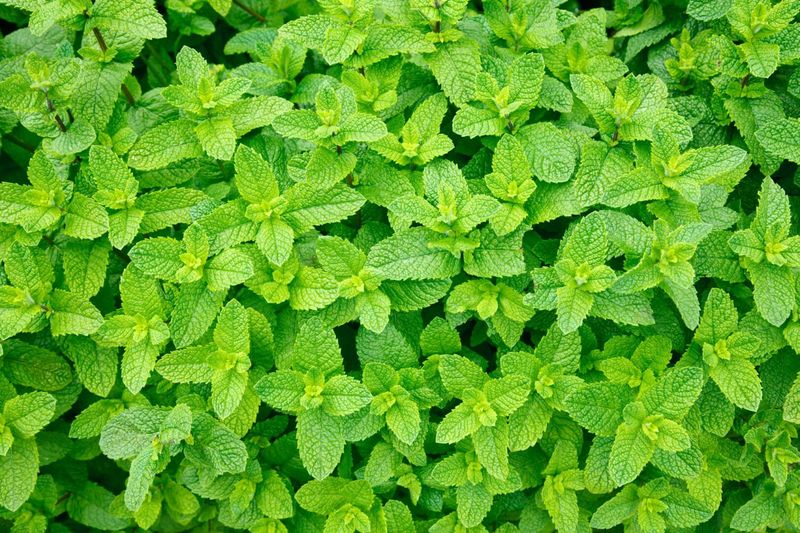
Mint, with its refreshing aroma, earns a spot in discussions about natural tick repellents. Its vigorous growth and fragrant leaves make it a popular choice for gardens.
The scent of mint is thought to be unpleasant to ticks, potentially keeping them at a distance. Mint spreads quickly, so planting it in containers is often recommended. Besides its possible repellent properties, mint is beloved for its culinary versatility. The historical use of mint spans cultures, recognized for both its flavor and medicinal benefits.
Search for ‘mint plant ticks garden repellent’.
6. Chrysanthemums
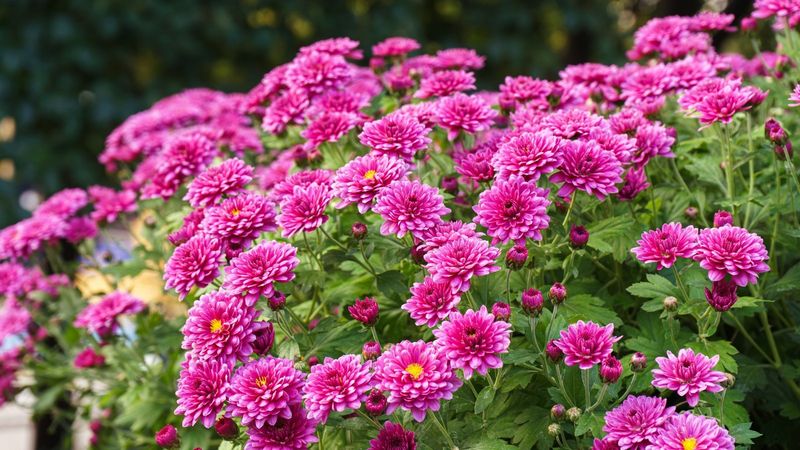
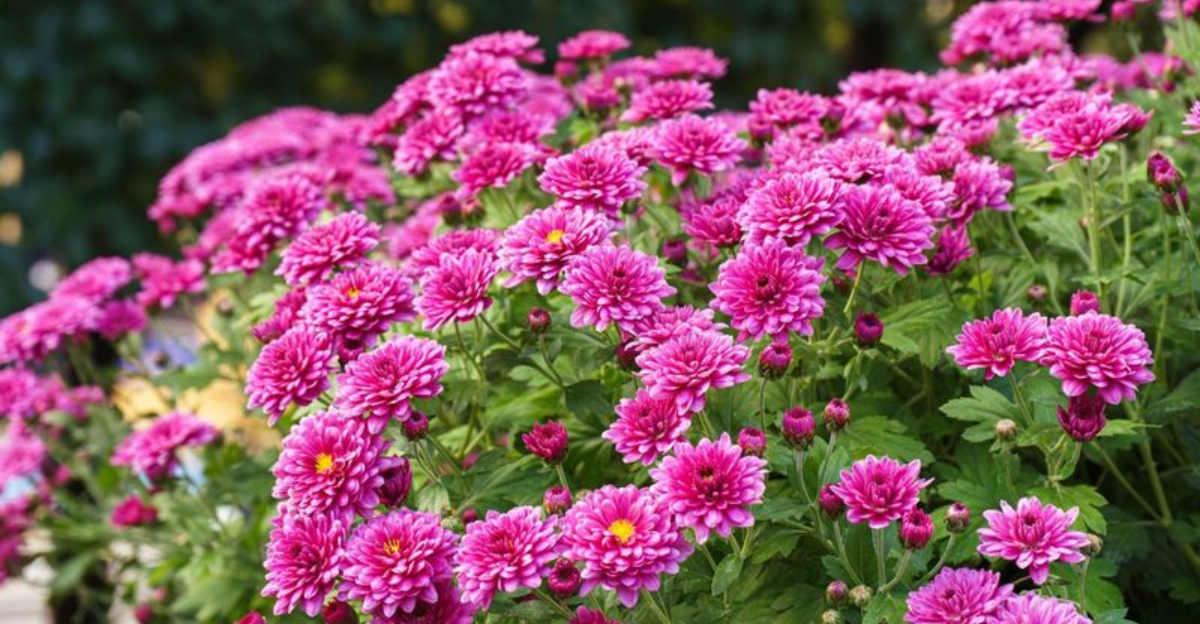
Chrysanthemums are not just ornamental beauties; they contain pyrethrum, a natural insecticide. This chemical is effective against a range of pests, though its impact on ticks specifically is less documented.
Gardeners appreciate chrysanthemums for their vibrant blooms and pest control potential. While pyrethrum is used in many commercial insecticides, its presence in chrysanthemums offers a natural option. The plant’s bright flowers can enhance any garden, creating a lively atmosphere.
Chrysanthemums’ dual role as decor and deterrent adds to their appeal. Search for ‘chrysanthemums natural insecticide garden’.
7. Lemongrass
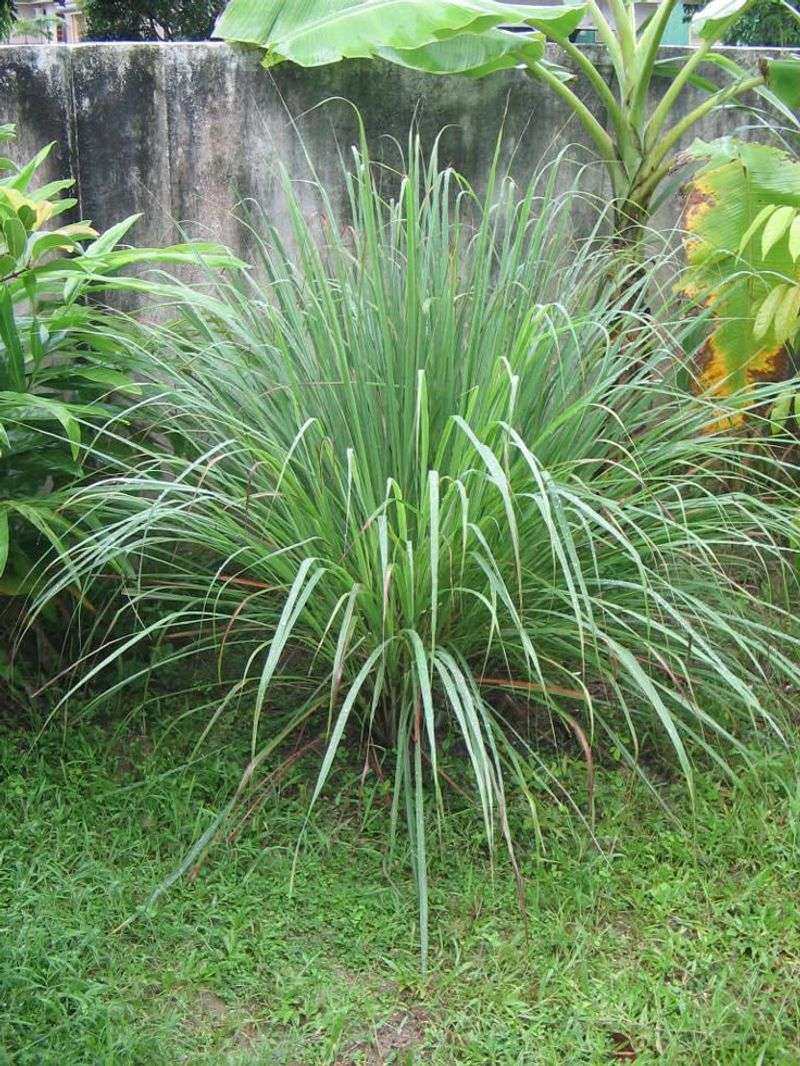
Lemongrass, known for its citrusy scent, is another plant believed to help keep ticks away. The strong aroma, pleasant to many, is thought to be a natural repellent.
Planting lemongrass is relatively easy, requiring full sun and well-drained soil. Aside from its supposed tick-repelling properties, lemongrass is used in cooking and as a natural remedy.
The plant’s ability to enhance dishes and potentially protect gardens makes it a valuable addition. Its historical use in traditional medicine speaks to its versatile nature.
Search for ‘lemongrass plant ticks garden’.
8. American Beautyberry
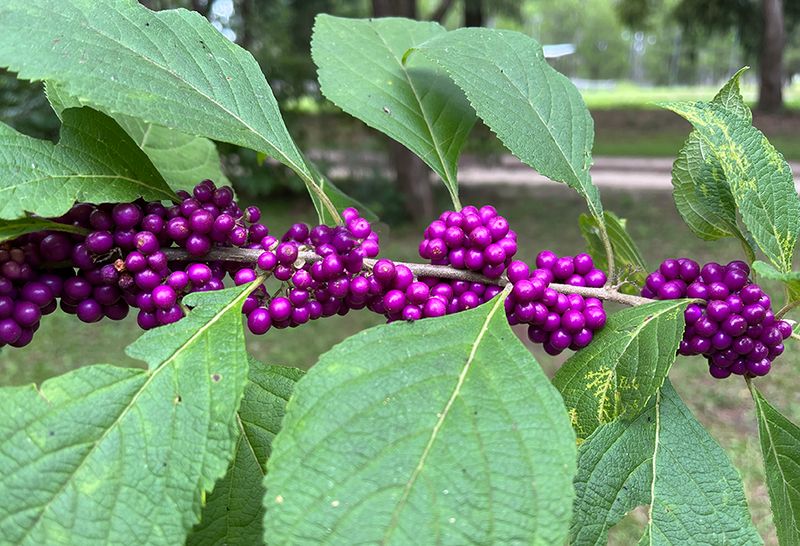
Known for its striking purple berries, the American Beautyberry is more than just eye candy. Native to the southeastern United States, this plant has been traditionally used by Native Americans to ward off insects. The leaves, when crushed, release compounds that are believed to repel ticks.
Beautifying your backyard while keeping it tick-free sounds like a win-win situation. The plant’s natural oils have shown promise in scientific studies, supporting its use as a natural tick repellent.
Strategically planting it around outdoor seating areas can enhance both aesthetics and safety.
9. Feverfew
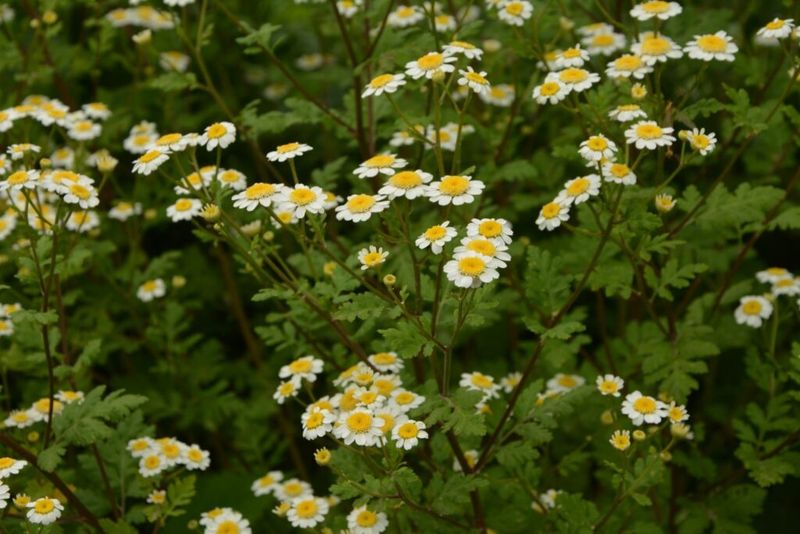
Feverfew’s daisy-like appearance is deceivingly unassuming. Often grown for its medicinal properties, this plant also serves as a natural insect deterrent. Its distinctive aroma is off-putting to ticks, making it a practical addition to your garden.
This hardy perennial is easy to grow and requires minimal maintenance, thriving in a variety of soil types.
By interspersing it with other plants, you can create a visually appealing landscape that doubles as a protective barrier against ticks. The science backs its insect-repelling credentials, offering peace of mind.
10. Marigold
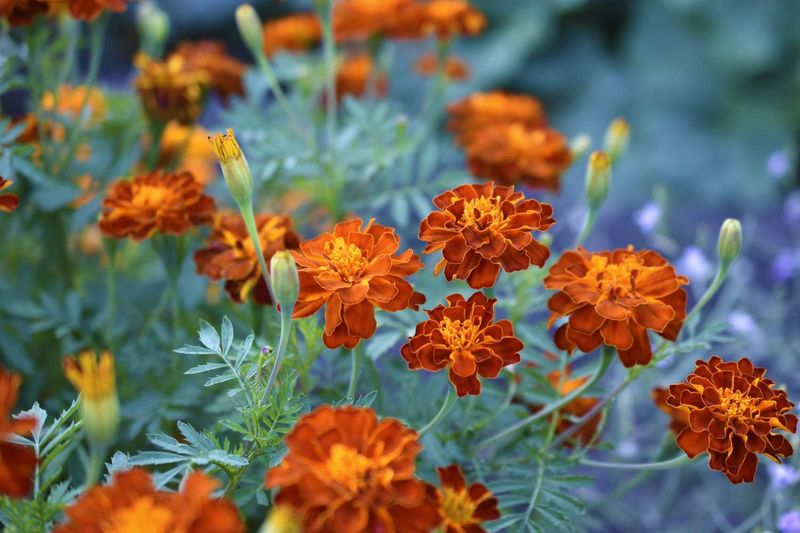
Marigolds are more than just a gardener’s favorite for their vibrant hues. These flowers emit a distinct scent that deters a variety of pests, including ticks. Their ability to thrive in various climates makes them a versatile choice for many backyard settings.
Marigolds contain pyrethrum, a compound with insect-repelling properties, enhancing their effectiveness against ticks.
Planting them along garden borders or pathways not only adds a splash of color but also creates a natural barrier. They’re a cheerful and efficient addition to any tick prevention strategy.
11. Wormwood
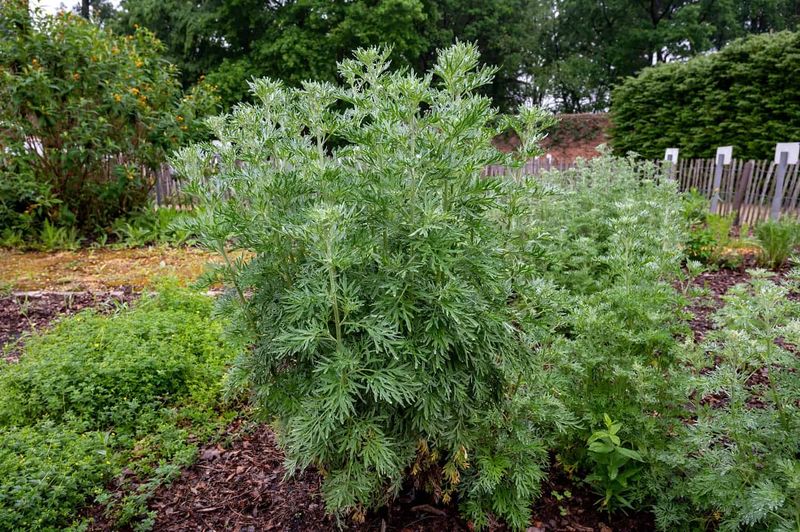
Wormwood’s feathery foliage and silvery-green color give it a mystical aura. Historically used in medicinal concoctions, it now finds a place in gardens as a tick deterrent. Its strong aroma can be a nightmare for ticks, making it a strategic choice.
The plant thrives in well-drained soils and sunny spots, offering both beauty and functionality.
Its versatility allows it to be paired with other plant species, creating a diverse and protective garden space. Studies highlight its potential in reducing tick presence, adding credibility to its legendary status.
12. Rue
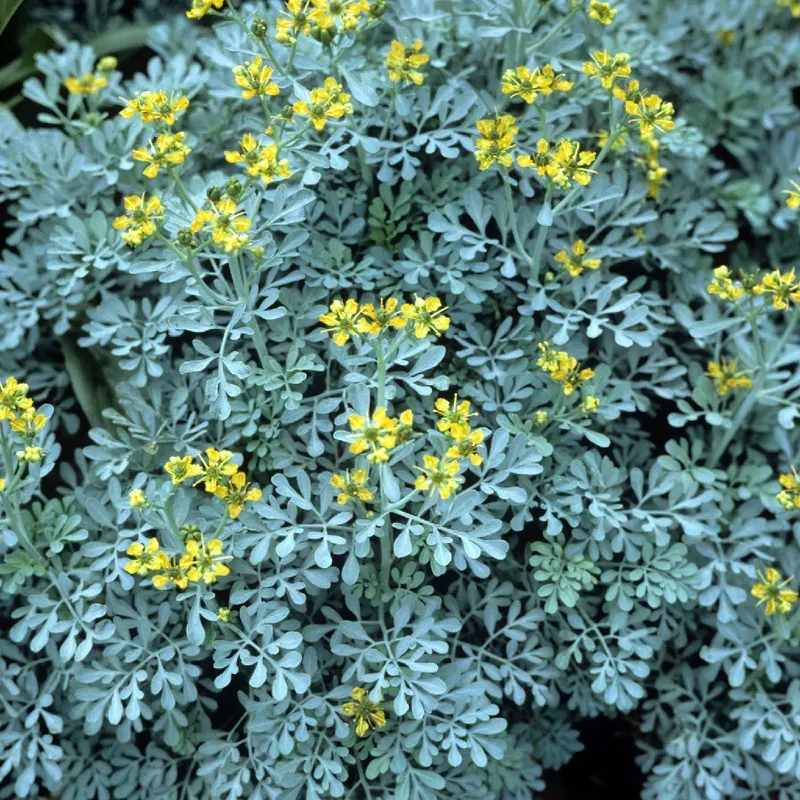
Rue’s blue-green foliage and subtle scent are charming, yet it plays a significant role in pest management. Historically known for its use in traditional medicine, rue’s strong aroma acts as a natural tick repellent.
This hardy plant can be grown in various conditions, including poor or rocky soils, and requires little maintenance.
Its unique appearance makes it a striking addition to any garden landscape, while its insect-repelling properties add practicality. Incorporating rue into your garden design can effectively contribute to a tick-free outdoor space.
13. Bay Leaf
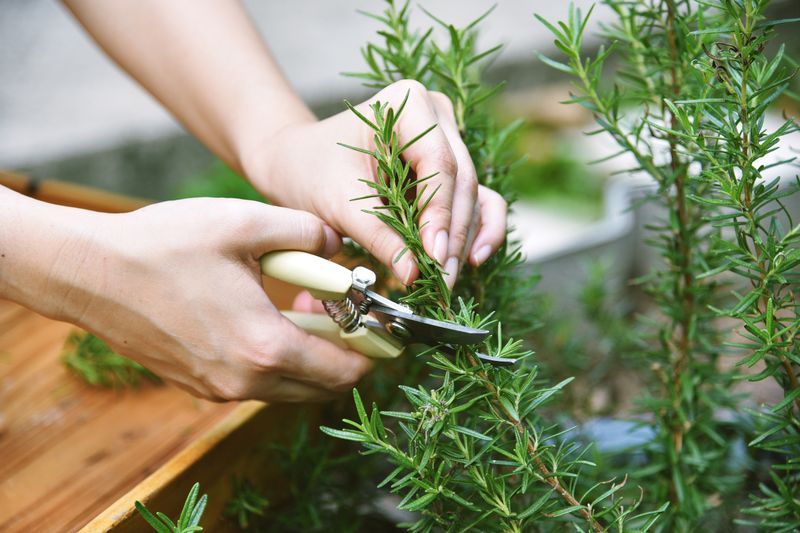
Bay Leaf isn’t just a kitchen staple; its aromatic leaves can help deter ticks. This evergreen shrub boasts a pleasant scent disliked by many insects, including ticks. Its versatility extends beyond culinary uses, offering a natural solution for pest control.
Not only does it provide a functional benefit, but bay leaf plants also enhance the visual appeal of gardens with their rich green hue.
By planting it around patios or entryways, you can create a fragrant, tick-free zone. Its dual-purpose nature makes it an attractive option for gardeners.
14. Catnip
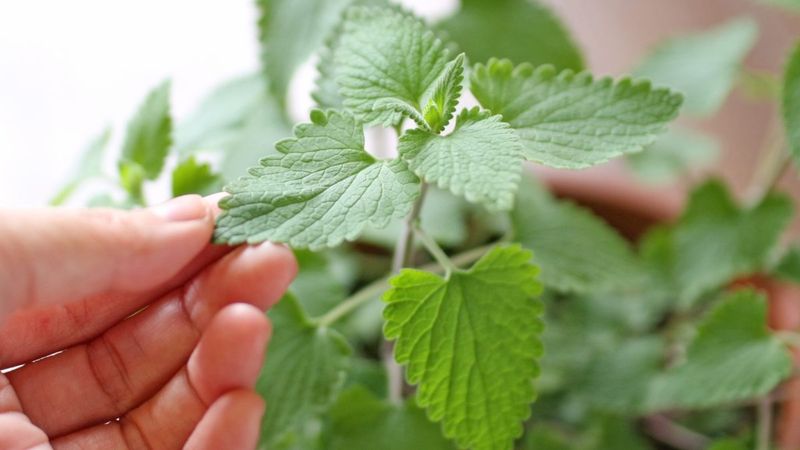
Catnip, famously loved by cats, offers more than feline amusement. This herb is surprisingly effective at repelling ticks, thanks to its nepetalactone content. The plant’s aroma is bothersome to ticks, making it a clever addition to gardens.
Beyond its pest-repelling qualities, catnip is easy to grow and thrives in various conditions, providing an accessible solution for many gardeners.
Its presence is both practical and playful, ensuring a tick-free environment while entertaining your pets. Embracing catnip in your garden can result in a dynamic and functional space.
15. Sage
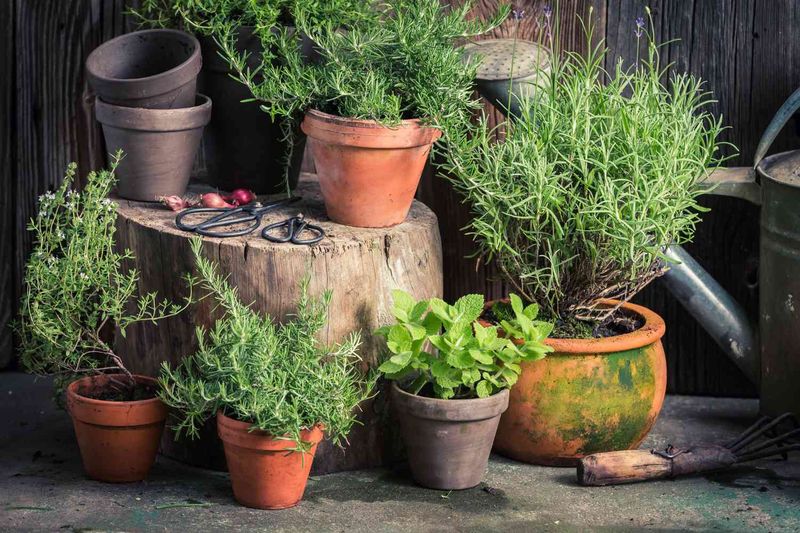
Sage, with its aromatic leaves, offers more than culinary delight. Its strong scent is known to deter ticks, making it a functional addition to gardens. Cultivating sage is relatively easy, as it thrives in sunny areas with well-drained soil.
The plant’s subtle aesthetic appeal complements various garden styles, enhancing both form and function.
By incorporating sage into your landscape, you not only benefit from its pest-repelling properties but also enjoy its fragrant presence. Sage’s dual role as a kitchen and garden staple makes it invaluable.
16. Bee Balm
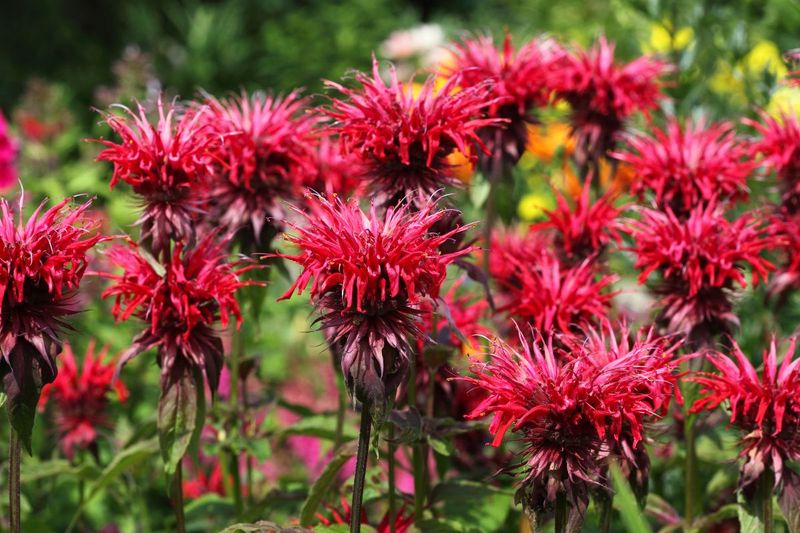
Bee Balm’s bright blooms are more than just a pollinator’s paradise. These striking flowers emit a fragrance that repels ticks, offering a natural safeguard for outdoor spaces. Its presence enhances the beauty of any garden, attracting beneficial insects while deterring unwanted pests.
Known for its medicinal properties, Bee Balm adds both visual and functional value to gardens.
With its hardy nature, it can thrive in various environments, making it a versatile choice for tick prevention. Embrace Bee Balm to create a vibrant and protective garden haven.
17. Geranium
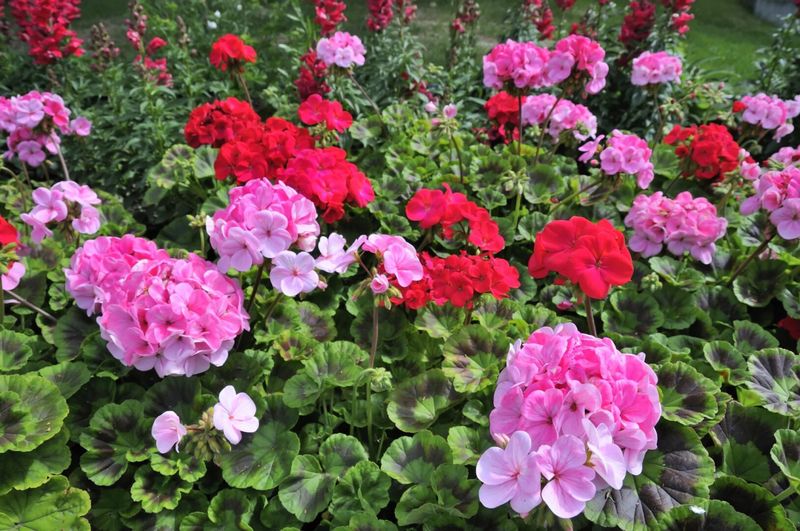
Geraniums are celebrated for their beauty and resilience, but they also serve a practical purpose. The plant’s strong scent is a natural deterrent for ticks, making it a valuable addition to any garden.
Easy to grow and maintain, geraniums flourish in sunny spots, offering both aesthetic and protective qualities.
Their vibrant colors enhance outdoor spaces, while their insect-repelling properties provide peace of mind. By integrating geraniums into your garden, you create a lively and secure environment, appreciated by both humans and pollinators alike.
18. Tansy
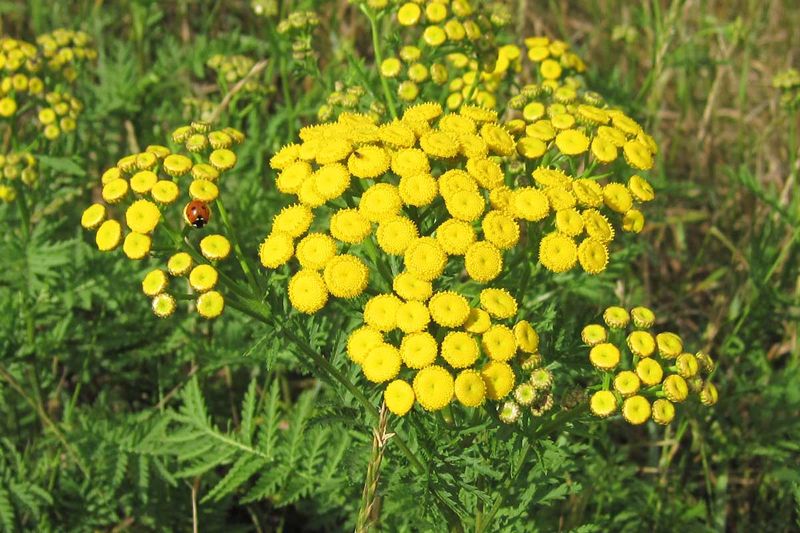
Tansy’s cheerful yellow flowers are a charming addition to gardens, yet their value extends beyond mere aesthetics. This plant’s pungent aroma is known to repel ticks, providing a natural solution for pest control.
Tansy is hardy and adaptable, thriving in various soil conditions, making it an easy choice for gardeners.
By planting Tansy, you enhance the visual appeal of your garden while creating a protective barrier against unwanted pests. Embrace Tansy’s dual purpose to craft a vibrant and functional outdoor space, where beauty meets practicality.