 Complete Gardening
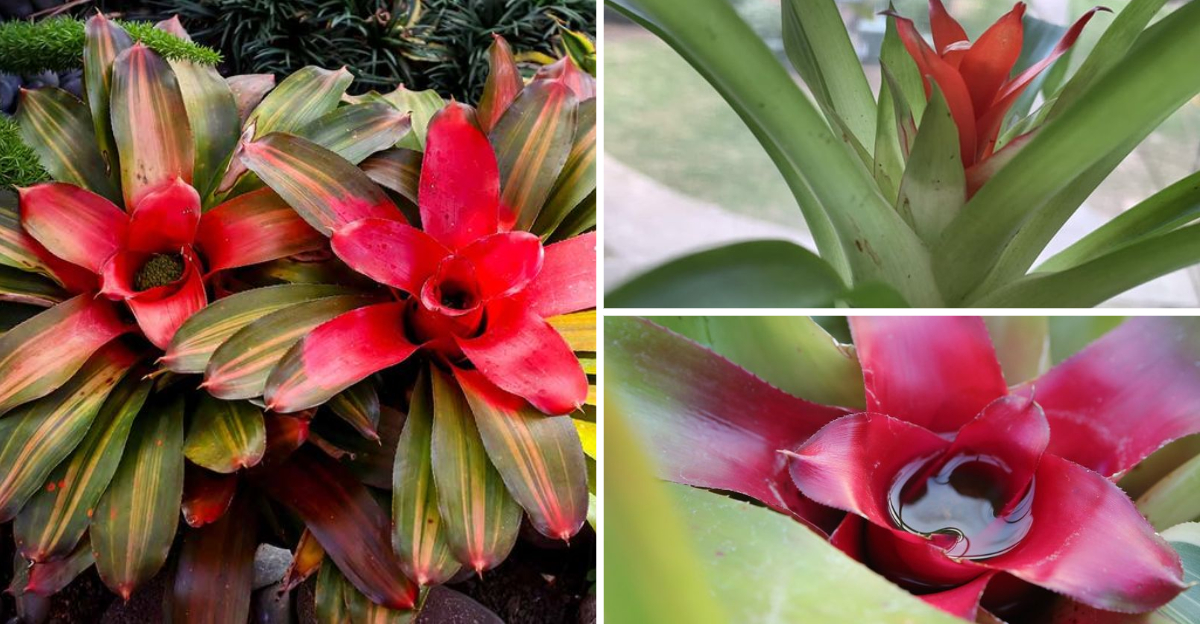
Watering bromeliads might seem straightforward, but these unique plants have specific needs that, if misunderstood, can lead to their rapid demise. These common mistakes can cause more harm than good, swiftly taking your bromeliad from vibrant to withered.
1. Overhead Watering
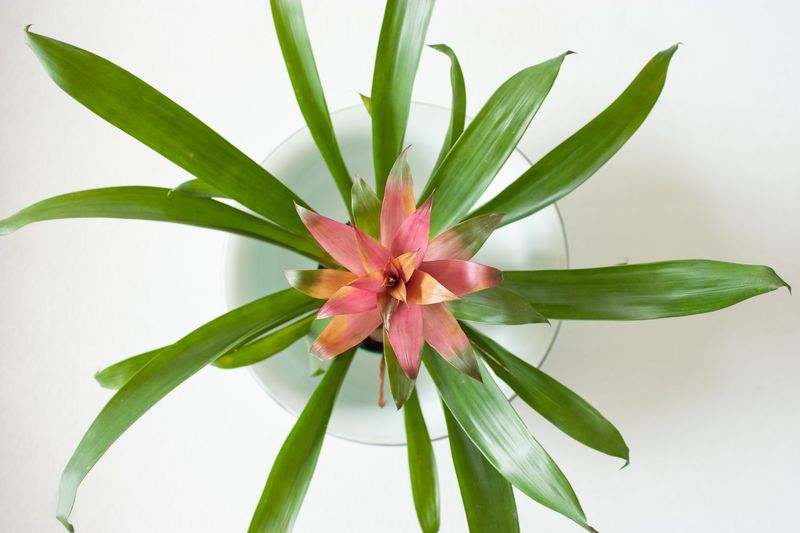
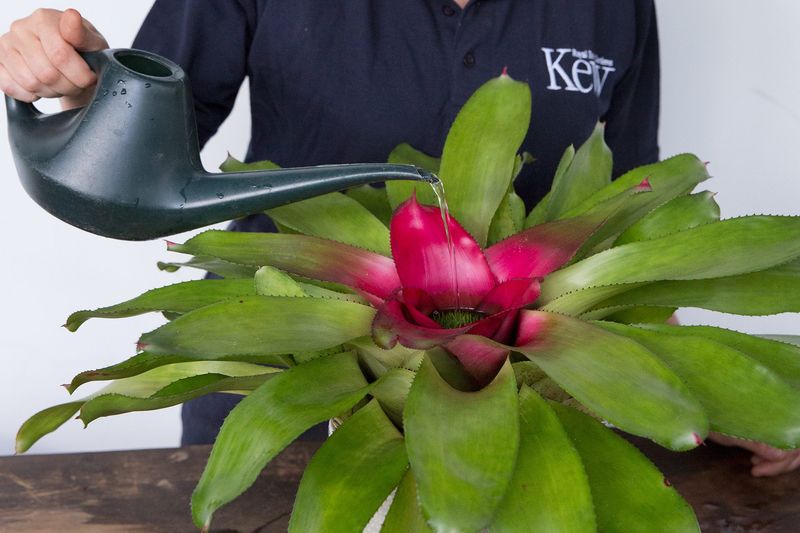
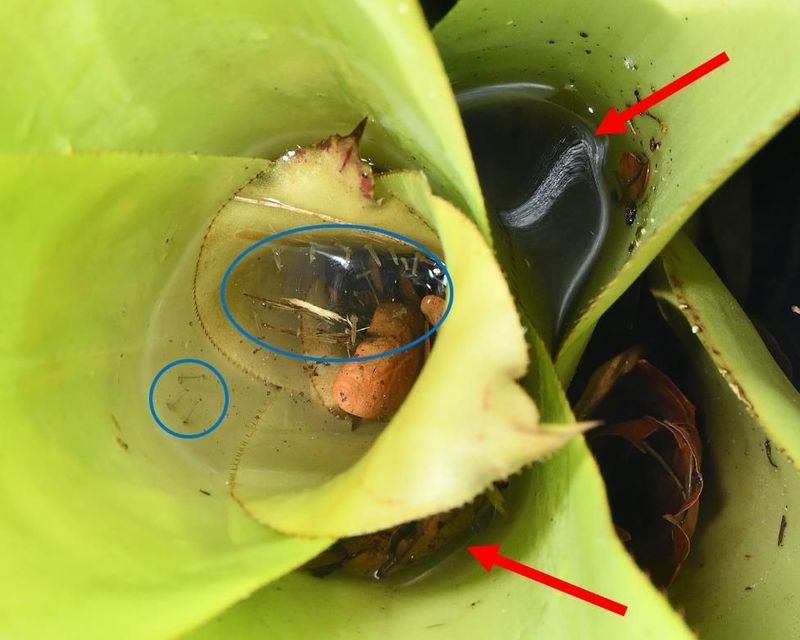
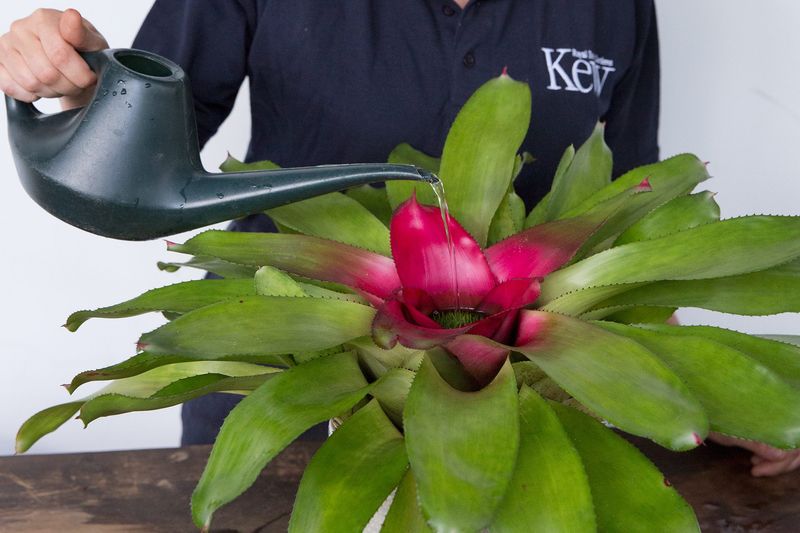
Have you ever poured water directly over your bromeliad? This might be your first mistake. Bromeliads have a unique central tank that collects water. When water is poured directly on the leaves, it can lead to rot.
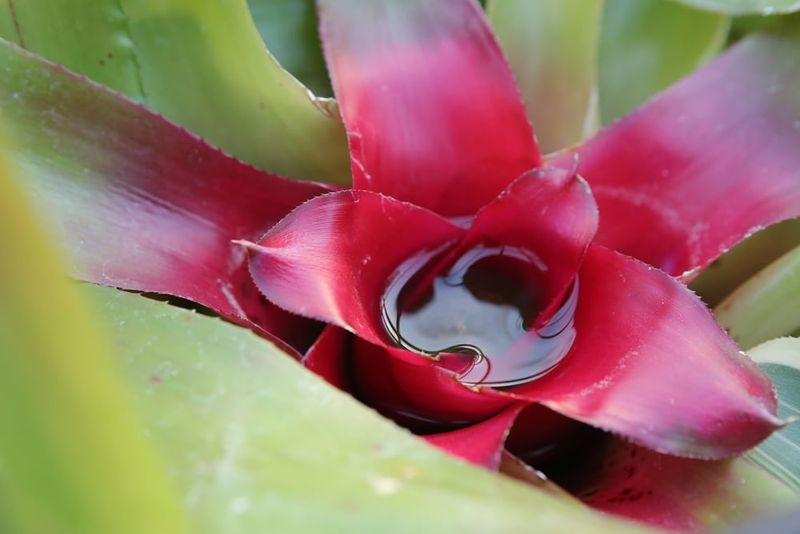
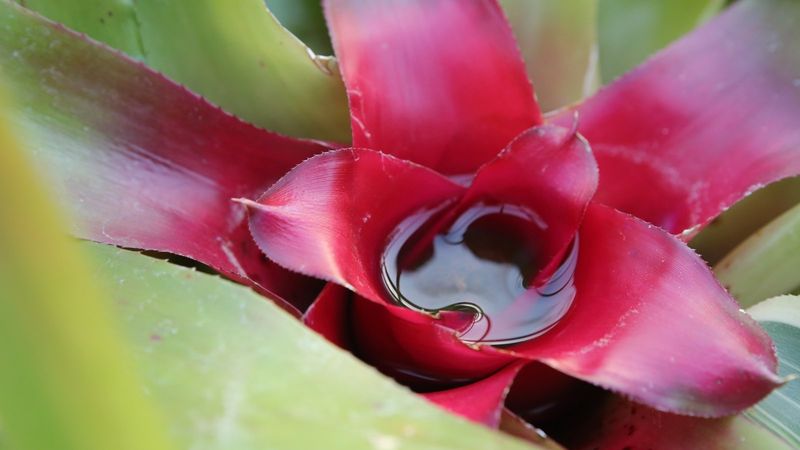
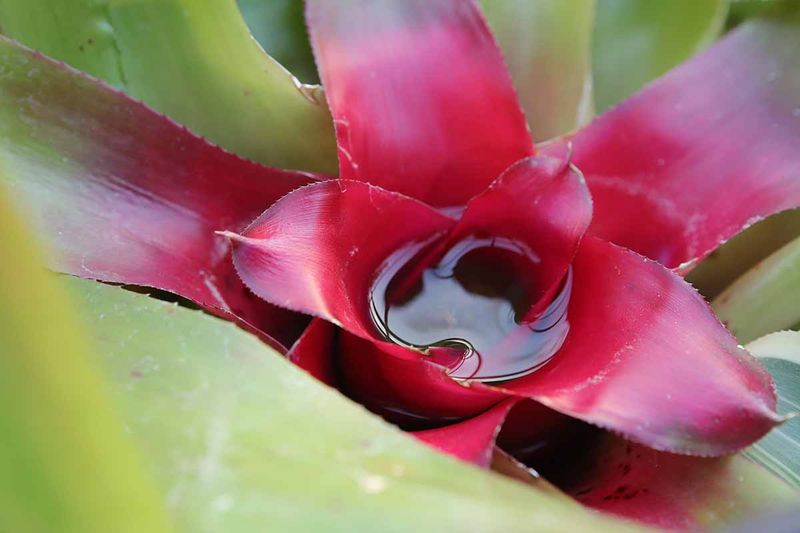
Instead, ensure water is directed into the cup formed by the leaves. This mimics their natural habitat where rainfall is collected in these tanks.
Overhead watering can also leave unsightly spots on the leaves when minerals and impurities in tap water dry on the surface. Always use distilled water to keep your bromeliad healthy and happy.
2. Using Tap Water
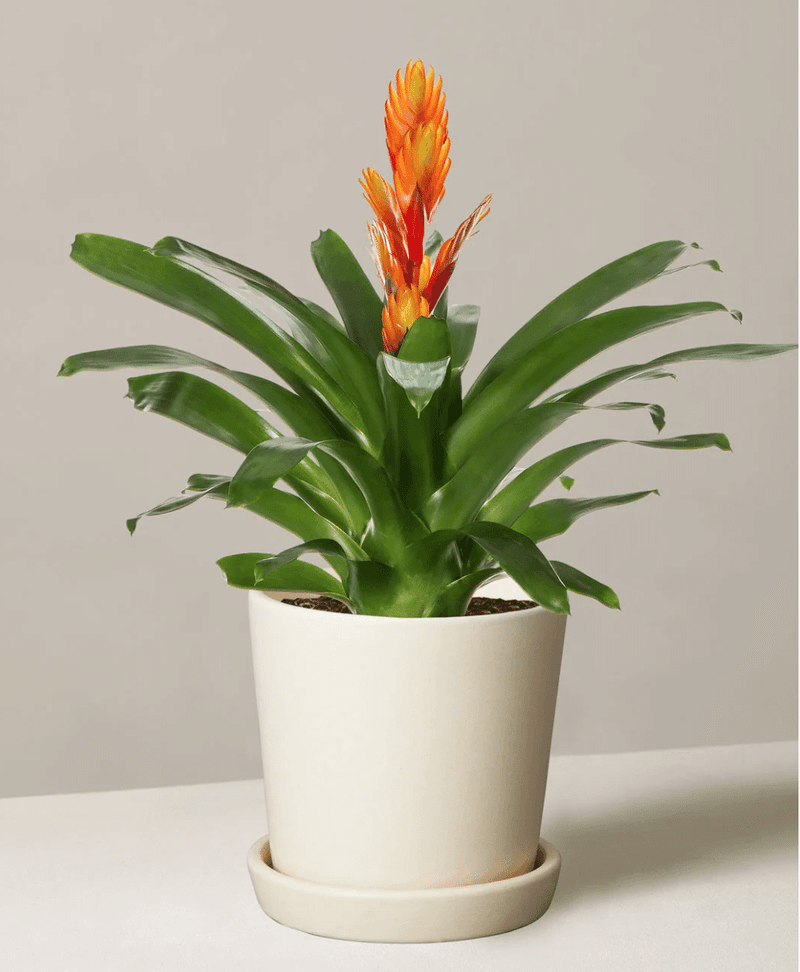
Choosing the right water for your bromeliad is crucial. Tap water, often rich in salts and chemicals, can harm your plant. Have you noticed brown tips on the leaves? This might be the culprit.
Opt for rainwater or distilled water to keep your bromeliad thriving. These water sources lack the impurities found in tap water, preserving the plant’s vibrant colors.
Bromeliads are sensitive to fluoride and chlorine, common in tap water, which can cause leaf damage and discoloration. Switching to pure water sources can make a world of difference.
3. Improper Drainage
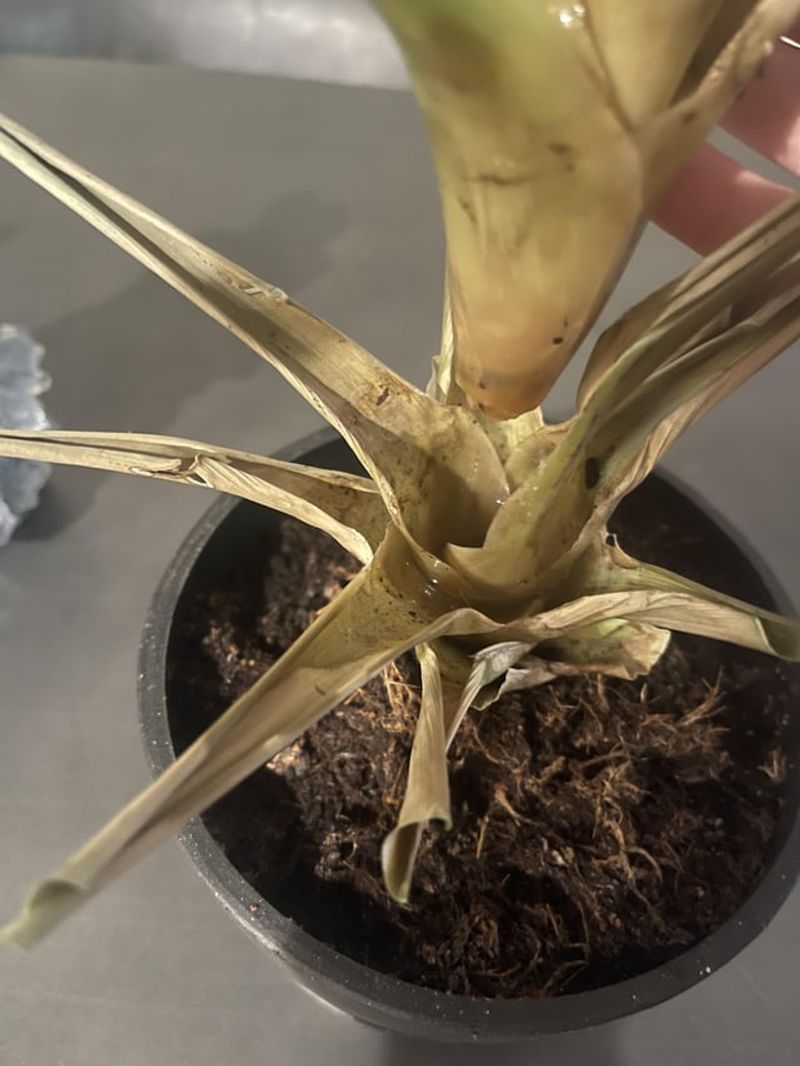
Imagine trying to survive with your feet constantly wet. That’s what improper drainage does to a bromeliad. When water doesn’t drain well, it leads to root rot.
Ensure your bromeliad is in a pot with adequate drainage holes. This allows excess water to escape, preventing the roots from sitting in water.
By using a well-draining medium, you mimic the bromeliad’s natural epiphytic environment. This not only helps prevent waterlogging but also promotes healthy air circulation around the roots, essential for the plant’s overall health.
4. Underwatering
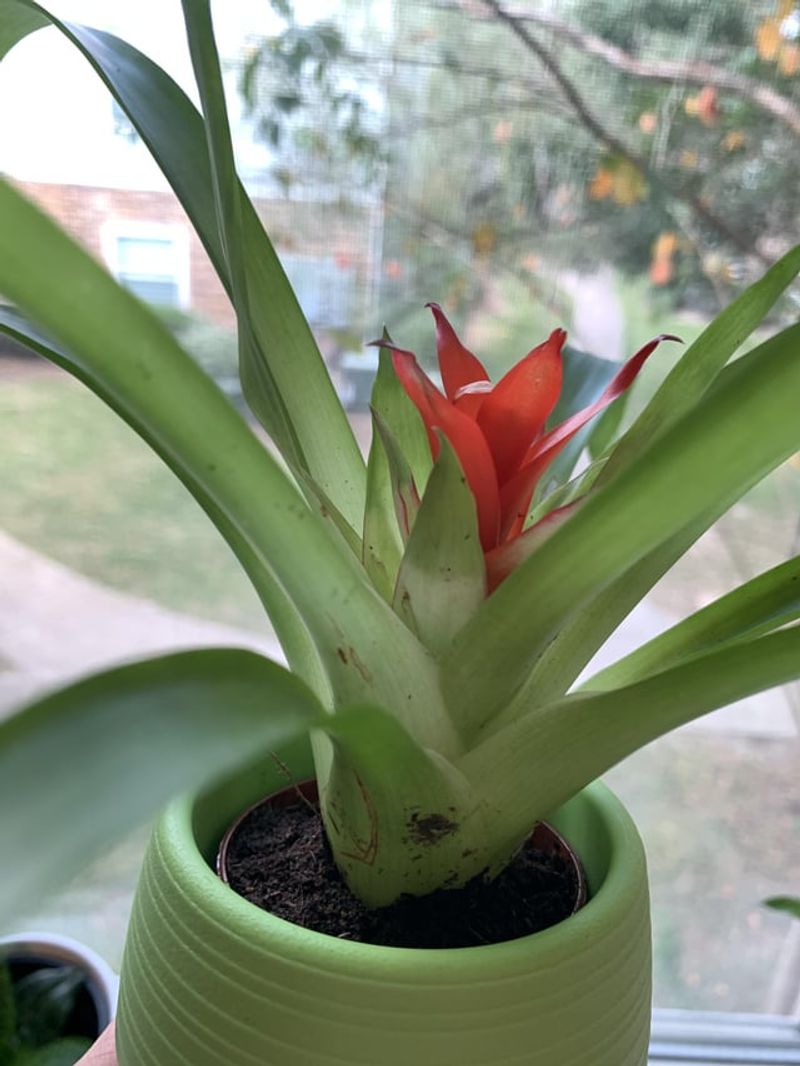
Does your bromeliad look droopy or dull? You might not be watering it enough. Bromeliads store water in their central cup but still require regular refilling.
Neglecting to water can cause the plant to wilt and eventually die. Ensure the tank is never empty and mist the leaves occasionally to maintain humidity.
A dry environment can exacerbate underwatering issues, leading to further stress for the plant. Find a balance in watering, and your bromeliad will reward you with vibrant growth and colorful leaves.
5. Ignoring Humidity Needs
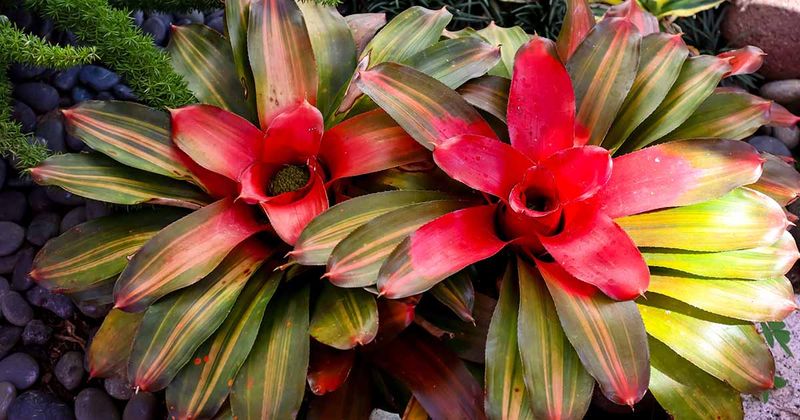
Bromeliads thrive in humid environments. Have you noticed them looking less vibrant? Low humidity might be the reason.
Using a pebble tray or a humidifier can recreate their tropical habitat. Dry air can cause the leaves to curl and lose their luster.
By maintaining adequate humidity, you support the plant’s natural physiological processes. This not only keeps the leaves supple but also enhances the plant’s ability to absorb nutrients and water effectively. Your bromeliad’s overall appearance will improve with the right humidity levels.
6. Using Cold Water
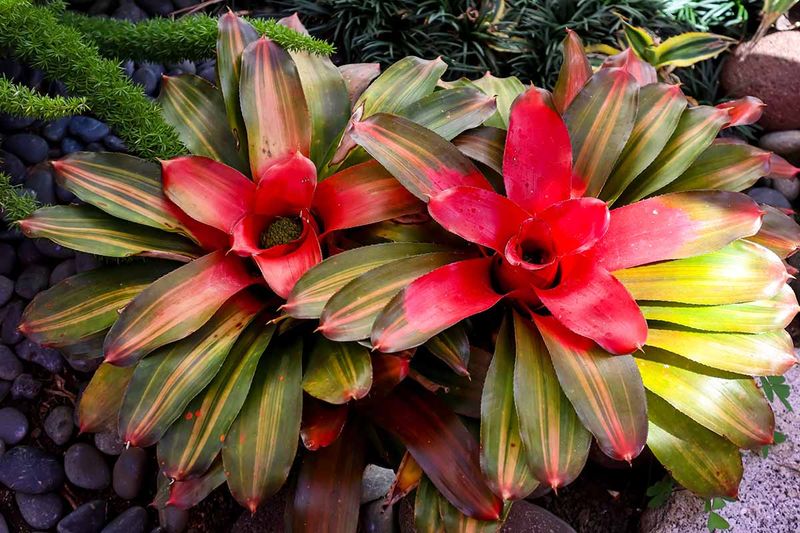
Cold water can shock bromeliads, causing stress and potential damage to their delicate leaves. These tropical plants thrive on warmth, so using room temperature or slightly warm water is ideal. Imagine taking a chilly shower when you expect a warm one; your bromeliad feels the same way!
Their roots are particularly sensitive to temperature changes, which can stunt growth. Providing the right water temperature ensures your plant’s environment mimics its natural habitat, promoting optimal health.
Keep a thermometer handy to check water temperatures, ensuring you give your bromeliads the comfort they crave.
7. Overwatering the Center Cup
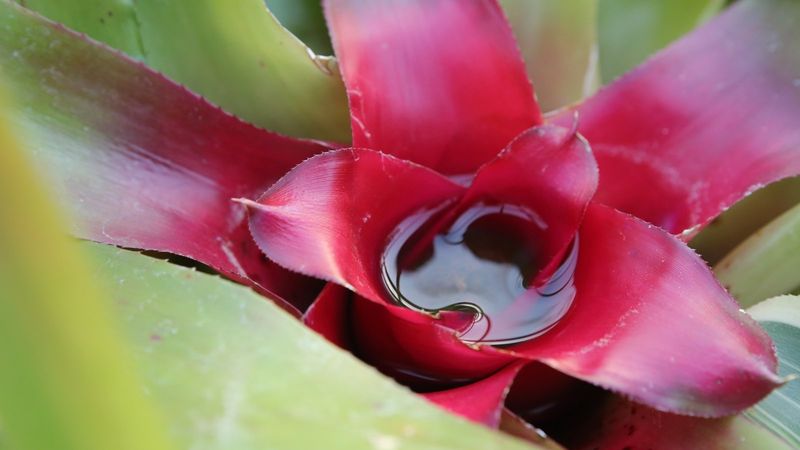
The center cup of a bromeliad, also known as the tank, serves as a reservoir. Overwatering this part can lead to rot, a common killer of these plants. Visualize a sponge left in a puddle; it becomes oversaturated and mushy.
It’s essential to balance moisture, keeping the cup only partially filled. Regularly emptying old water prevents stagnation and bacterial growth. This practice mimics the plant’s natural habitat, where rain fills the cup intermittently.
Avoid turning your bromeliad’s cup into a swamp. A little attention goes a long way in maintaining its health.
8. Watering with Hard Water
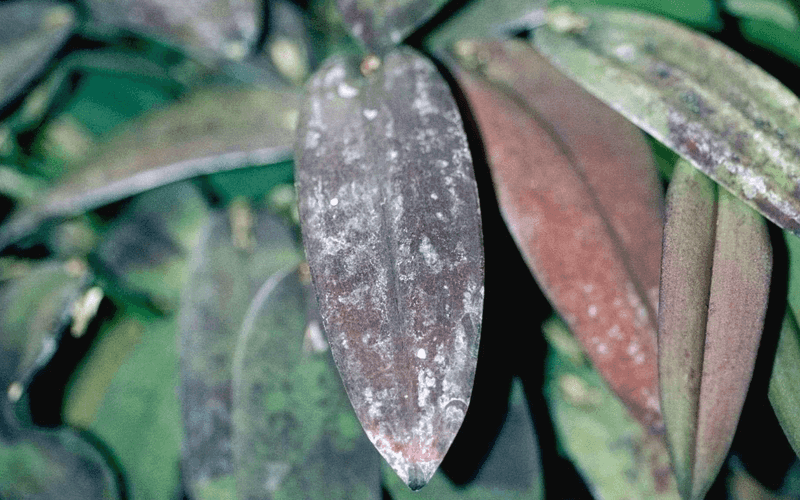
Hard water contains minerals that can build up on bromeliad leaves, leading to unsightly spots and potential leaf damage. Like humans can suffer from scale buildup in kettles, plants too can be affected.
Over time, these minerals block essential light and air from reaching the leaves. Opting for distilled or rainwater can prevent this issue, keeping your plant’s foliage vibrant and healthy.
Consider installing a water filter if hard water is common in your area. Keeping your bromeliad’s leaves free from mineral deposits enhances their natural beauty.
9. Inconsistent Watering Schedule
An inconsistent watering schedule confuses bromeliads, disrupting their growth cycle. Imagine eating meals at erratic times; it would be unsettling.
Bromeliads thrive on regularity, requiring a consistent routine to flourish. Set a schedule that mimics natural rainfall patterns, ensuring they receive water at optimal intervals. This practice helps the plant adapt and grow steadily.
Using reminders or scheduling apps can assist in maintaining this routine. Regularity in watering not only supports growth but also enhances resilience against stress and disease.
10. Ignoring Water Quality
Water quality is critical for bromeliad health. Polluted or chemically-laden water can harm these sensitive plants. Picture drinking contaminated water yourself; it wouldn’t bode well.
Ensuring clean, filtered water helps prevent chemical buildup and unwanted residue. Investing in a water quality test kit can provide peace of mind, keeping your bromeliads lush and thriving.
Regular checks ensure your plants are not exposed to harmful substances, promoting vibrant growth and longevity. Protect your bromeliads by being mindful of what you feed them.
11. Watering Directly onto Leaves
Direct watering on bromeliad leaves can lead to scorch marks or fungal issues, especially when done under sunlight. Think of it as magnifying glass effect—sunlight through water droplets can burn the leaves.
Instead, water should be gently poured into the soil or the plant’s central cup. This method ensures hydration without risking leaf damage.
Protect your bromeliad’s aesthetic appeal by keeping its leaves dry when watering. This simple adjustment can prevent potential harm, allowing your plant to thrive beautifully.
12. Using Chemical-Laden Water
Chemical-laden water poses a silent threat to bromeliads, affecting their growth and appearance. Imagine constantly breathing polluted air; the adverse effects accumulate over time.
Chlorine and other chemicals can cause leaf discoloration and weaken plant health. Opt for water free from harmful additives, like filtered or rainwater.
By being conscious of the water’s content, you safeguard your bromeliad’s vitality. Providing chemical-free hydration keeps your plant vibrant and resilient against environmental stressors.
13. High-Frequency Watering
High-frequency watering can drown bromeliads, suffocating their roots and leading to rot. Imagine living in a flooded home; it would be difficult to thrive.
These plants need time to dry between waterings to prevent root suffocation. Allow the soil to become slightly dry before watering again.
Monitoring soil moisture helps in timing your watering schedule effectively. Providing adequate breathing space is crucial for your bromeliad’s healthy growth.
14. Ignoring Seasonal Watering Needs
Ignoring seasonal watering variations can stress bromeliads, disrupting their natural growth cycle. Think of wearing summer clothes in winter; it simply doesn’t fit.
During warmer months, these plants may require more frequent watering, while in cooler periods, they need less. Adjusting your care routine to align with seasonal changes supports the plant’s adaptability.
Stay attuned to your environment’s climate shifts to maintain ideal conditions for your bromeliad throughout the year.
15. Watering at the Wrong Time of Day
Watering bromeliads during the peak heat of the day can cause water to evaporate quickly, leaving the plant thirsty. It’s akin to pouring water on a hot pavement; most of it disappears.
Early morning or late afternoon is ideal for watering, allowing the plant to absorb moisture effectively. Timing your watering ensures better hydration and reduces evaporation loss.
Consistency in watering time can enhance your bromeliad’s resilience and growth, making it a vital part of your care routine.
16. Wrong Soil Type for Water Retention
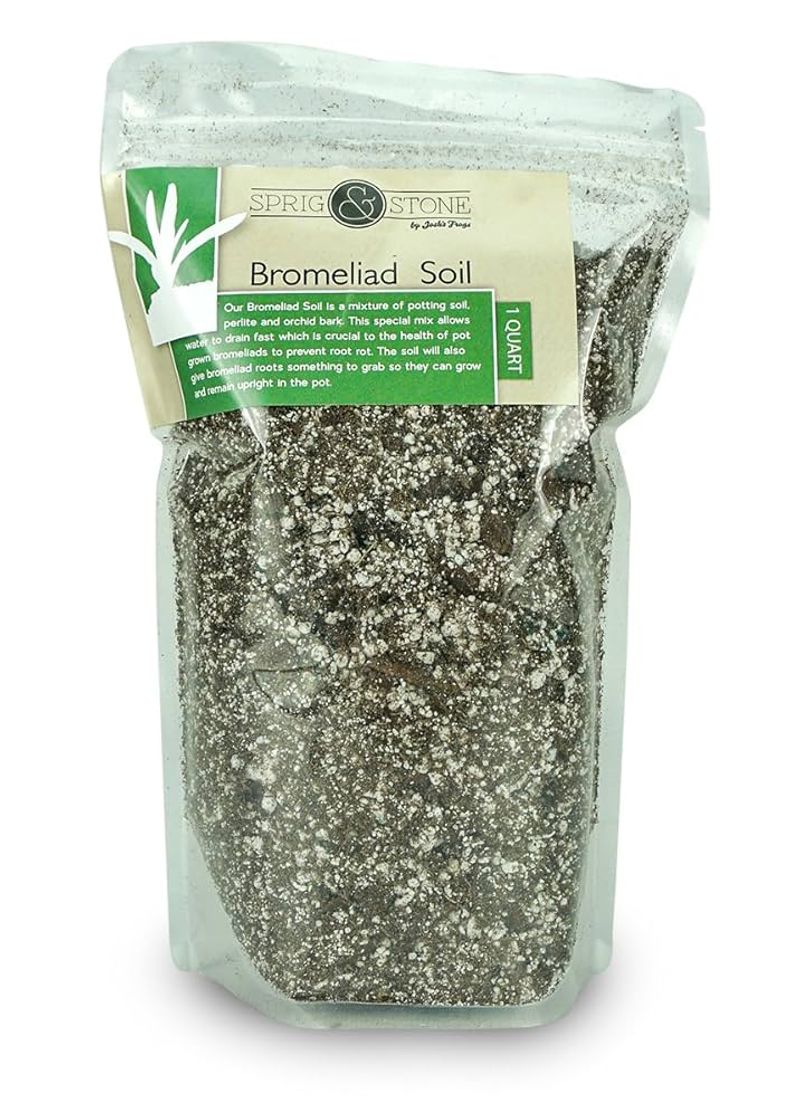
The wrong soil type can hinder water retention, affecting bromeliad health. Imagine trying to plant in sand; water drains too quickly, leaving roots parched.
Choosing a well-draining soil mix, specifically designed for bromeliads, ensures proper moisture levels. This foundation supports their unique needs.
Understanding soil composition plays a crucial role in maintaining hydration, promoting strong roots and vibrant growth. Tailor your soil choice to enhance your bromeliad’s well-being.
17. Underestimating Air Circulation Needs
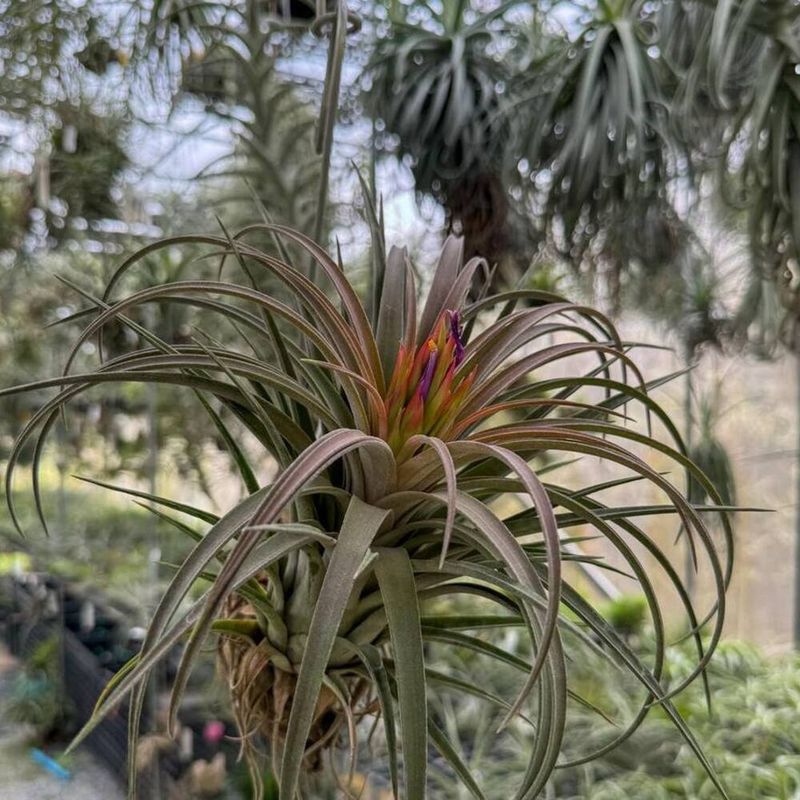
Proper air circulation is vital for bromeliad health, preventing stagnant water and fungal growth. Imagine a room with no ventilation; it quickly becomes stuffy and uncomfortable.
Ensuring good airflow around your bromeliads keeps their environment fresh, mimicking their natural habitat. This practice aids in evaporation and moisture balance.
Positioning them near open windows or using fans can enhance circulation. Keep your bromeliad’s space breezy to support healthy growth and prevent common water-related issues.
18. Overly Humid Environment
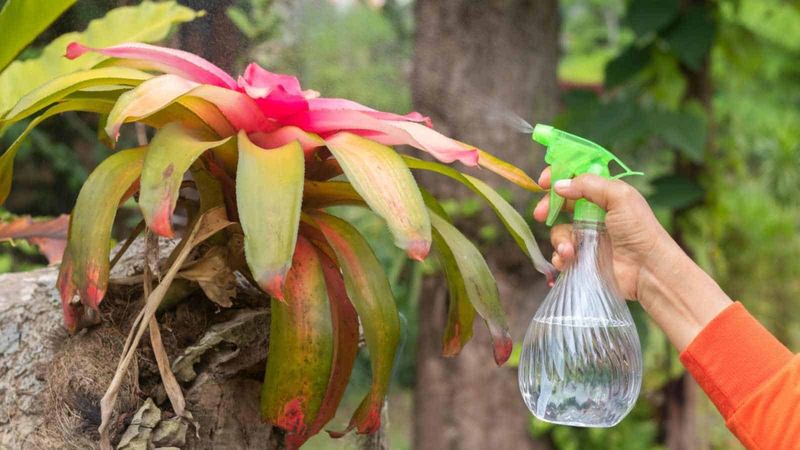
An overly humid environment can lead to excessive moisture, promoting rot and mold in bromeliads. Think of a rainforest; while lush, it can be overwhelming for domesticated plants.
Balancing humidity levels prevents these issues, ensuring the plant’s environment remains manageable. Regular monitoring with a humidity gauge can help maintain optimal conditions.
By controlling humidity, you create a nurturing space for your bromeliad to flourish, free from water-induced ailments.
19. Using Contaminated Containers
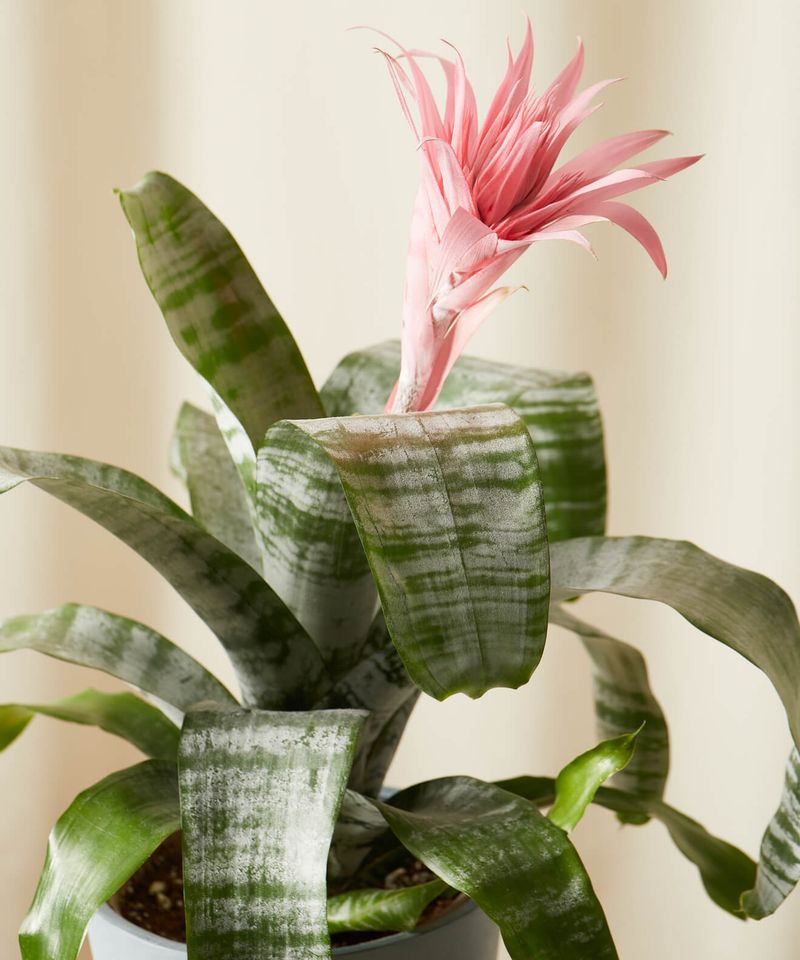
Contaminated containers introduce harmful pathogens to bromeliads, affecting their health. It’s like eating off a dirty plate; unwanted germs can cause illness.
Thoroughly cleaning pots and containers before use prevents the spread of diseases. Ensuring cleanliness provides a sterile environment for growth.
By maintaining hygiene in your plant care routine, you protect your bromeliads from potential threats, promoting robust health and vibrant life.
20. Ignoring Plant’s Age in Watering Needs
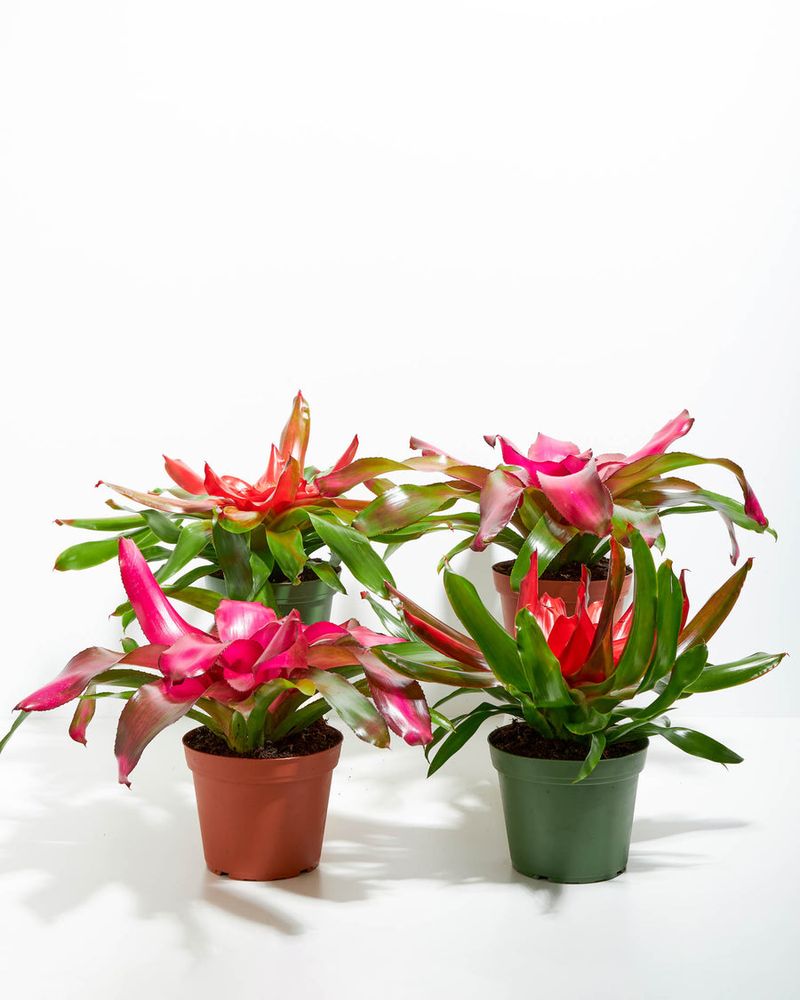
Different age stages of bromeliads demand tailored care. Just as a child and adult have distinct needs, so do young and mature plants.
Younger bromeliads may require more frequent watering compared to their established counterparts. Recognizing these differences ensures you meet each plant’s specific requirements.
Catering to the plant’s age enhances growth and development, ensuring your bromeliad thrives throughout its life cycle.