
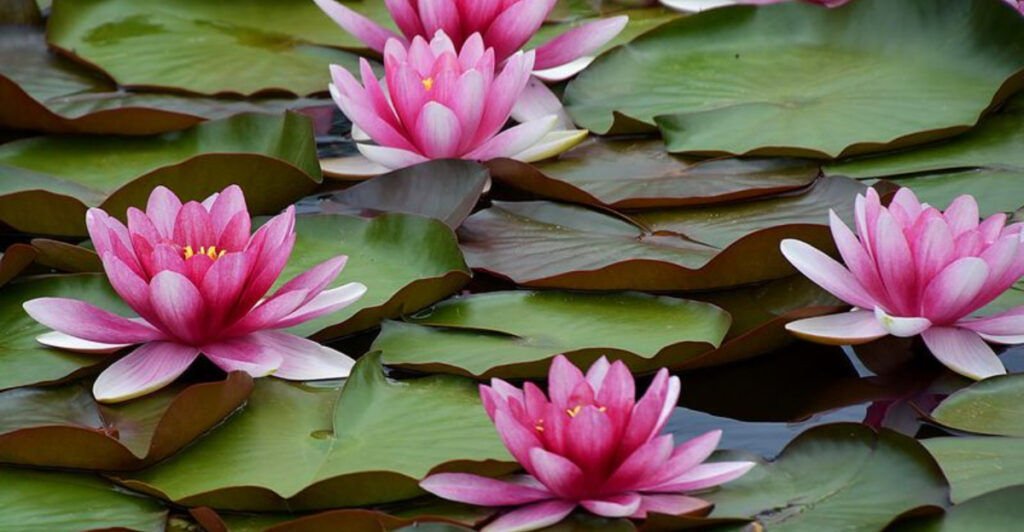
Growing lotus flowers can be a rewarding yet challenging endeavor. These beautiful aquatic plants require specific conditions and care to thrive. Avoiding common pitfalls will ensure that your lotus garden flourishes. Below, we explore 16 mistakes that gardeners often make when cultivating lotus flowers. Understanding these can save you time and frustration, allowing you to enjoy the serene beauty of healthy lotus blooms.
1. Overcrowding the Lotus
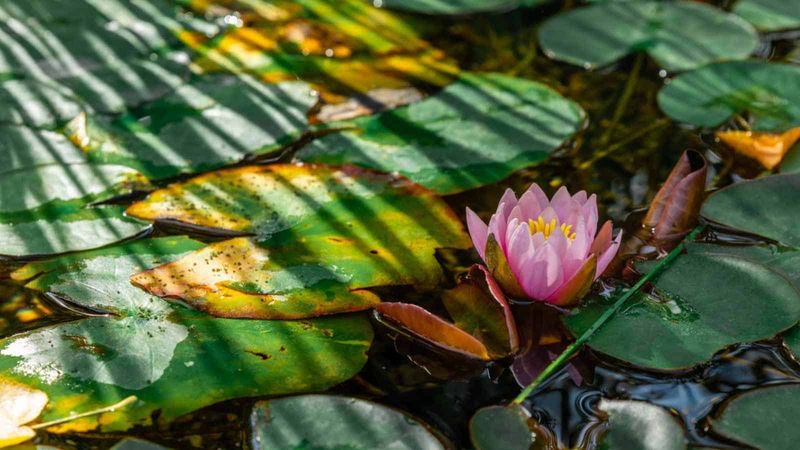
Lotus plants need ample space to grow and thrive. Crowding them can lead to stunted growth and poor flowering. Ensure each lotus has enough room by planting them in separate containers or adequately spaced ponds. Overcrowding also leads to competition for nutrients, which can adversely affect their health.
Furthermore, limited space can hinder the natural spread of their rhizomes, a critical part of their growth. Consider the mature size of your lotus and plan accordingly. This foresight can prevent many future headaches and allow each plant to display its full beauty.
2. Improper Water Depth

The water depth for lotus flowers is crucial. Planting them too deep or too shallow can lead to poor growth. The ideal depth varies between 6 to 18 inches, depending on the lotus type. This ensures they receive enough sunlight while maintaining proper moisture.
Incorrect water depth can cause stress to the plant, affecting its flowering abilities. Always check the specific requirements for your lotus species. By maintaining the appropriate water level, you’ll foster a healthy and vibrant lotus garden, full of life and color.
3. Neglecting Sunlight Needs
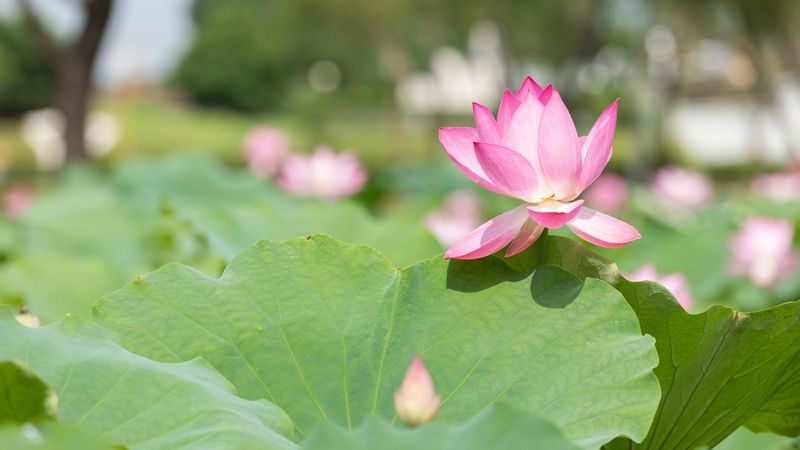
Lotus flowers are sun-loving plants, requiring at least 6 hours of direct sunlight daily. Placing them in shaded areas can lead to weak growth and fewer blooms. Ensure they have access to ample sunlight to encourage vibrant flowering.
Without sufficient light, lotus plants may become leggy and produce fewer flowers, diminishing their overall appeal. Choose a sunny spot for your lotus to thrive, basking in the warmth and light they crave. This simple adjustment can transform your garden into a radiant oasis.
4. Ignoring Soil Quality
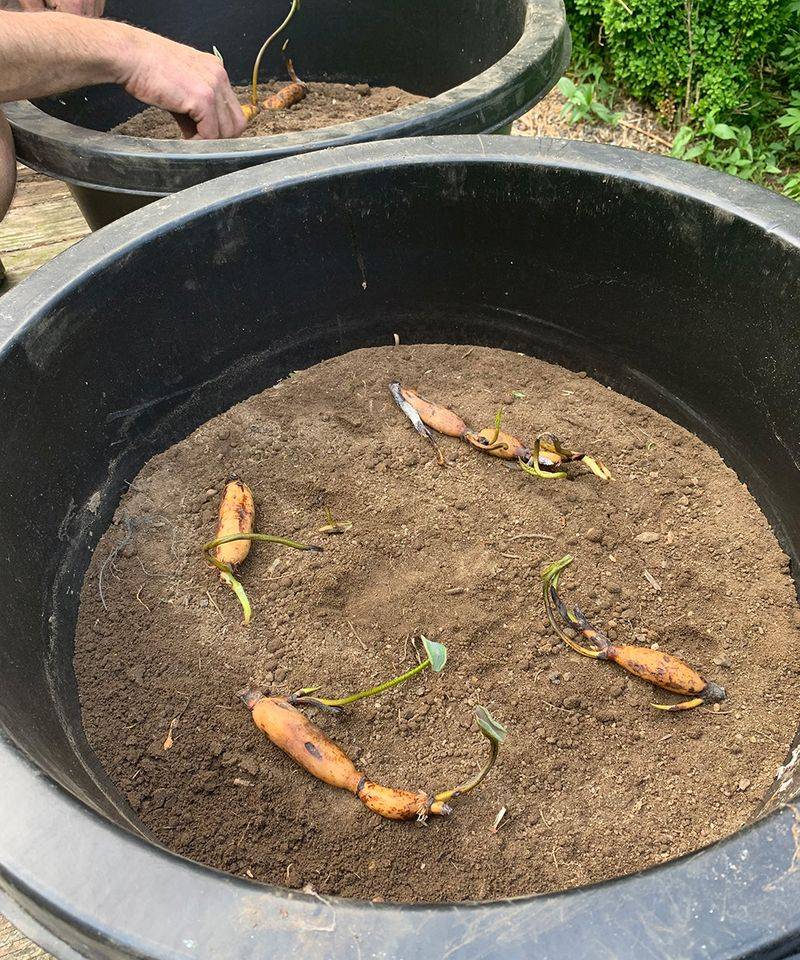
Healthy lotus plants begin with the right soil. Using poor-quality or inappropriate soil can stunt growth. Lotus prefers heavy clay soil, which maintains moisture and provides essential nutrients.
Avoid using potting soil, as it can float and cause instability. Ensure the soil is rich in nutrients and free from contaminants. A well-prepared planting medium can make a significant difference in the health and beauty of your lotus garden.
5. Under-fertilizing
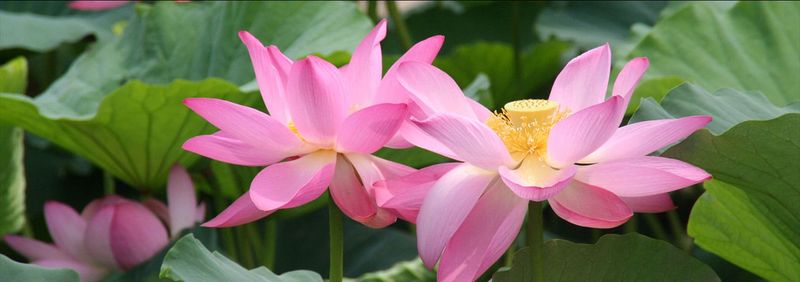
Fertilization is vital for robust lotus growth. Without sufficient nutrients, lotus plants may exhibit yellowing leaves and reduced blooms. Use a balanced fertilizer specifically designed for aquatic plants.
Apply it during the growing season to support healthy development and vibrant flowers. Avoid over-fertilizing, as it can lead to algae blooms and harm the plant. Finding the right balance ensures your lotus receives the nourishment it needs to flourish.
6. Over-fertilizing
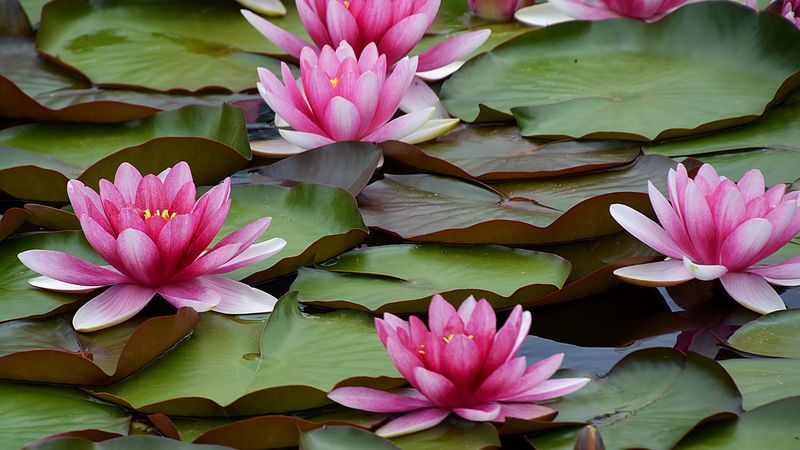
While nutrients are essential, over-fertilizing can be detrimental to lotus plants. Excessive fertilizer can lead to nutrient burn, algae growth, and water pollution. It may also cause weak stems and reduced flowering.
Follow recommended guidelines and monitor your lotus plants for signs of over-fertilization. Adjust as needed to maintain a balanced ecosystem that supports lush, healthy growth.
7. Planting in Poor Drainage

Adequate drainage is essential for lotus plants. Planting in areas with poor drainage can lead to waterlogged roots, causing rot and disease. Ensure containers and ponds have proper drainage systems.
This allows excess water to escape, preventing root rot and promoting healthy growth. By addressing drainage issues, you create an environment where lotus plants can thrive without the risk of root diseases.
8. Neglecting Seasonal Care
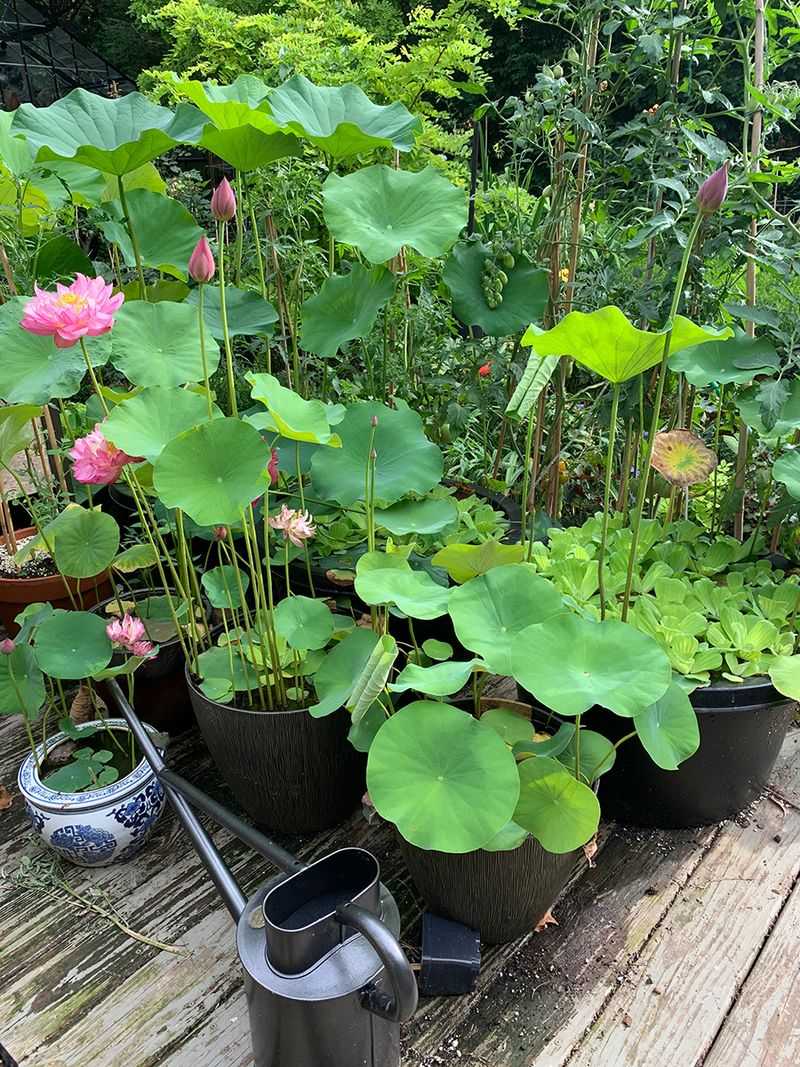
Lotus plants require specific care across seasons. Neglecting seasonal adjustments can harm them. In colder climates, they need protection from frost, which can damage rhizomes.
During winter, consider moving containers indoors or providing insulation. In warmer months, ensure they receive adequate sunlight and nutrients. By aligning care with seasonal needs, you safeguard your lotus plants year-round.
9. Using Contaminated Water

Water quality is paramount for lotus health. Using contaminated water can introduce harmful substances and pathogens to your plants. Always use clean, fresh water for your lotus pond.
Poor water quality can stress plants and affect growth and flowering. Regularly check and maintain water cleanliness to ensure a thriving lotus environment. Clean water supports vibrant blooms and robust plant health.
10. Failing to Control Pests
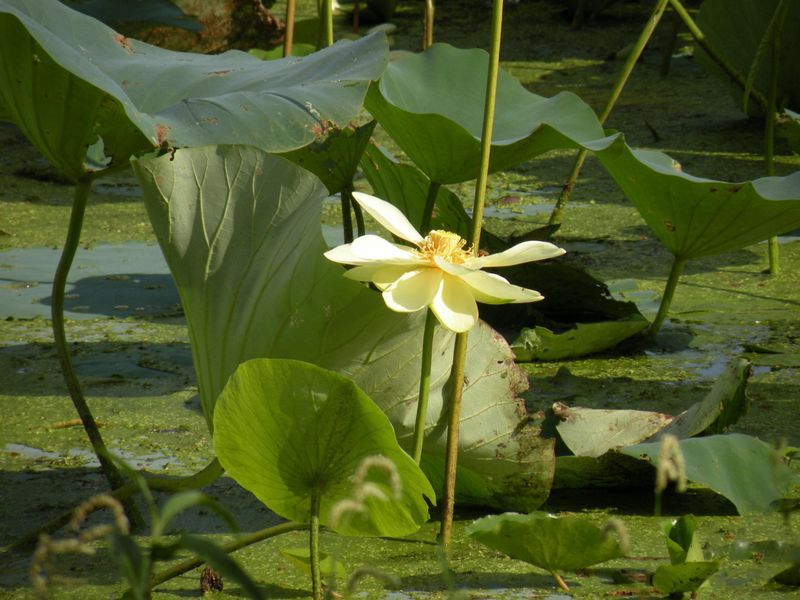
Pests can wreak havoc on lotus plants if not controlled. Common pests include aphids and beetles. Regularly inspect your plants for signs of infestation and address issues promptly.
Use natural or organic pest control methods to protect your lotus without harming the environment. By actively managing pests, you ensure your lotus plants remain healthy and beautiful.
11. Improper Container Size
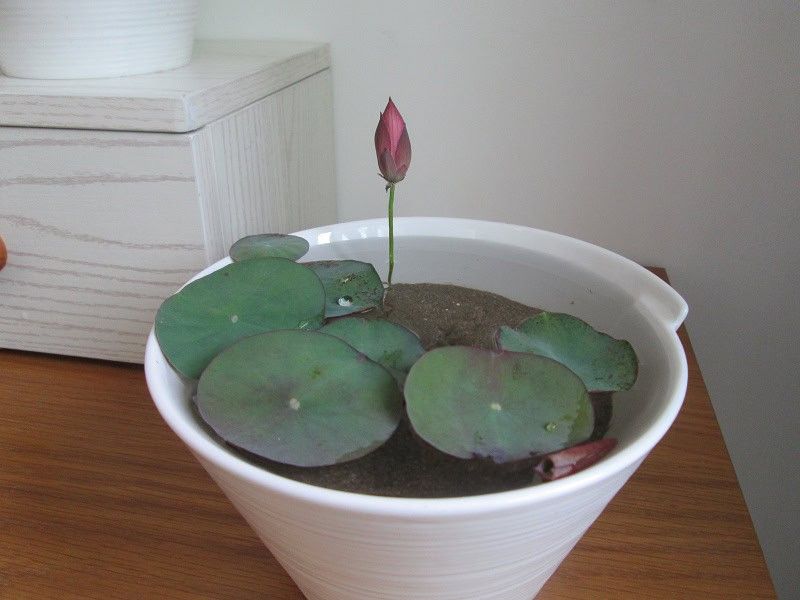
Choosing the right container size is crucial for lotus growth. An undersized container can restrict root development and stunt growth. Ensure that pots are large enough to accommodate mature plant size.
This allows roots to spread and rhizomes to expand naturally. A properly sized container promotes vigorous growth and abundant flowering, transforming your space into a lotus paradise.
12. Ignoring Rhizome Health
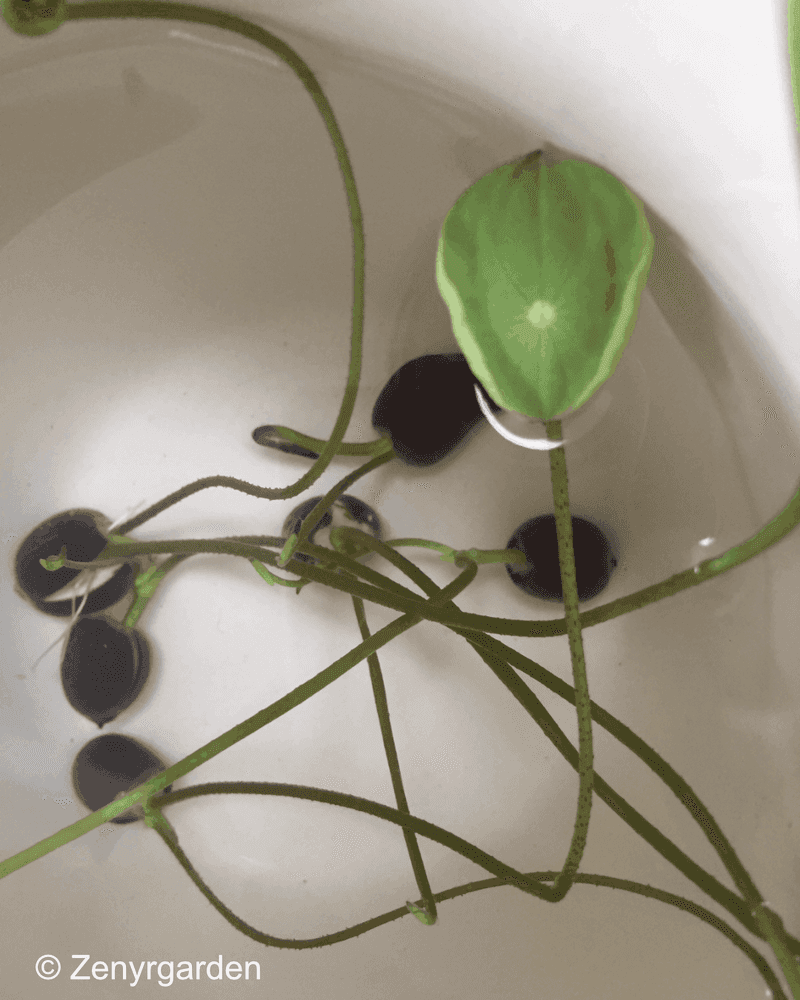
The rhizome is the heart of the lotus plant. Ignoring its health can lead to poor growth and flowering. Inspect rhizomes regularly for signs of rot or disease.
Healthy rhizomes are firm and free from blemishes. Remove any damaged parts before planting. Ensuring rhizome health sets the foundation for a thriving lotus garden, full of life and color.
13. Wrong Planting Time
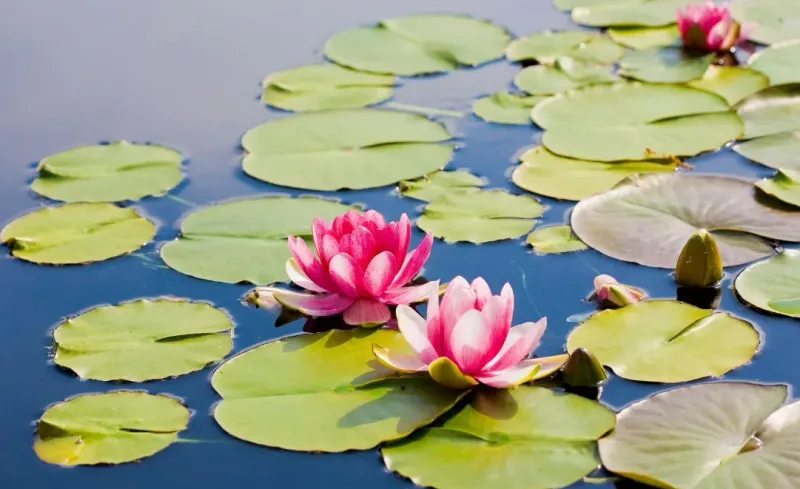
Timing is everything when planting lotus. Planting too early or late can disrupt growth. The ideal time is in spring when water temperatures are warm enough to support new growth.
Early planting can expose plants to frost, while late planting may not provide enough growing time. By aligning your planting schedule with nature, you set your lotus up for success.
14. Not Using Aquatic Fertilizer
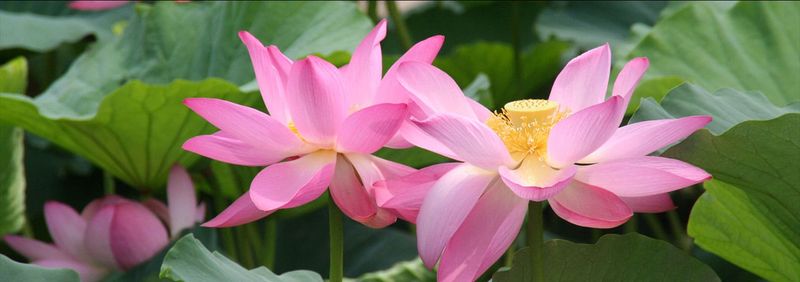
Lotus plants thrive on specific nutrients best supplied by aquatic fertilizers. Using terrestrial fertilizers can lead to nutrient imbalances and damage.
Choose fertilizers designed for water plants, as they provide the necessary nutrients without harming the aquatic environment. This choice supports healthy, vibrant lotus plants that grace your garden with their beauty.
15. Failure to Prune
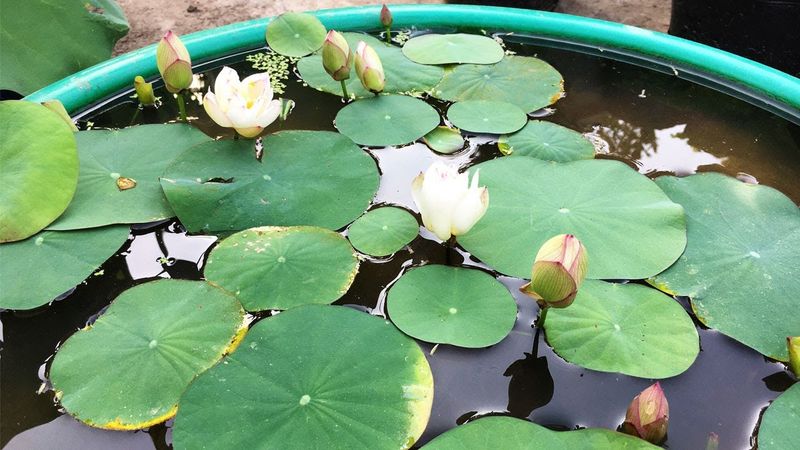
Pruning is essential for maintaining lotus plant health. Failure to remove dead leaves and spent flowers can lead to diseases and pests. Regular pruning encourages new growth and enhances appearance.
Keep your lotus tidy by removing old foliage and blooms. This practice not only improves aesthetics but also promotes vigorous growth, benefiting your entire garden.
16. Lack of Patience
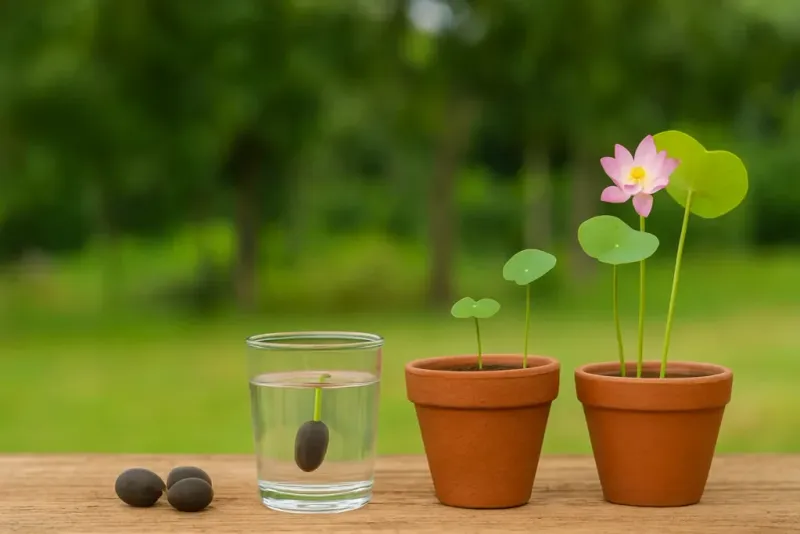
Growing lotus flowers requires patience. Expecting instant results can lead to frustration. Lotus plants take time to establish and bloom, often requiring a full growing season.
By understanding their natural growth cycle, you can enjoy the process and eventual rewards. Patience allows you to appreciate the beauty and tranquility of these magnificent flowers.