 Complete Gardening
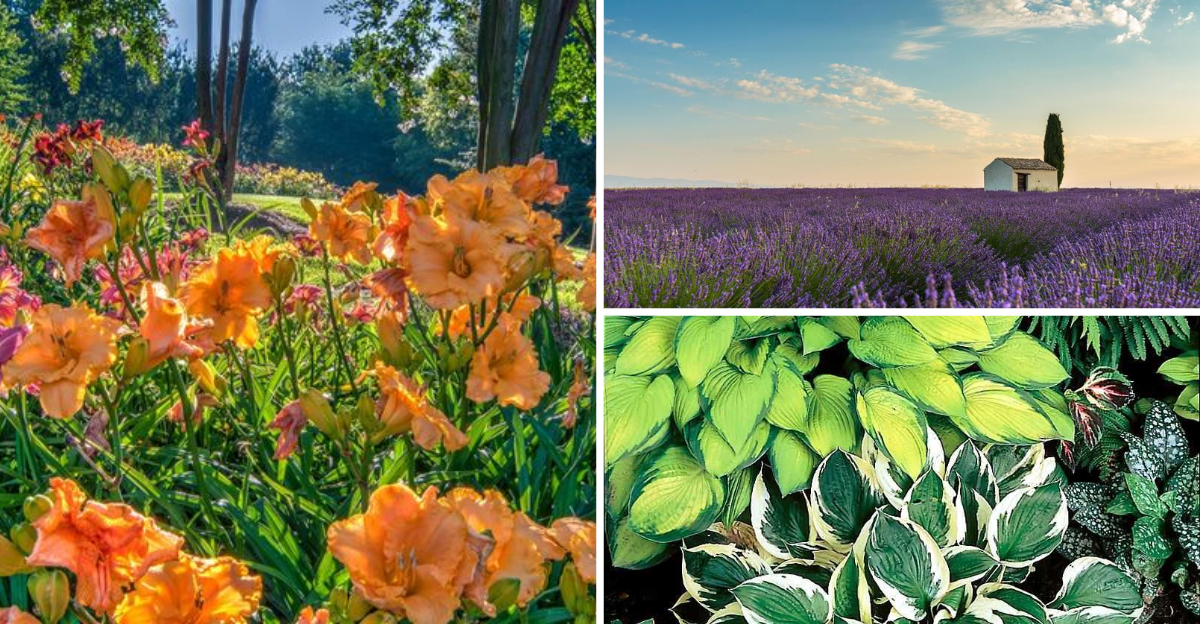
Discover the beauty of perennial flowers that grace gardens with their vibrant blooms year after year. These enduring plants offer a kaleidoscope of colors and fragrances, bringing joy to every blooming season. From sun-drenched petals to sweet-scented blossoms, perennial flowers are the heart of a captivating garden.
1. Daylily
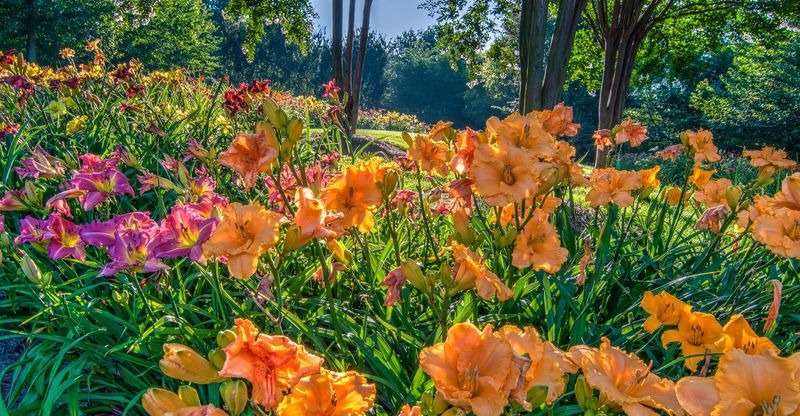
Daylilies, known for their radiant colors, brighten gardens with ease. They gracefully unfurl their petals each morning, welcoming the sun’s embrace. Their resilience makes them a gardener’s favorite, thriving in various conditions.
Although each bloom lasts just a day, new buds quickly take their place, ensuring a constant splash of color. Their low-maintenance nature and adaptability allow these flowers to flourish in diverse environments.
Did you know? Despite their name, daylilies aren’t true lilies, but their striking appearance certainly rivals any lily’s beauty.
2. Peony
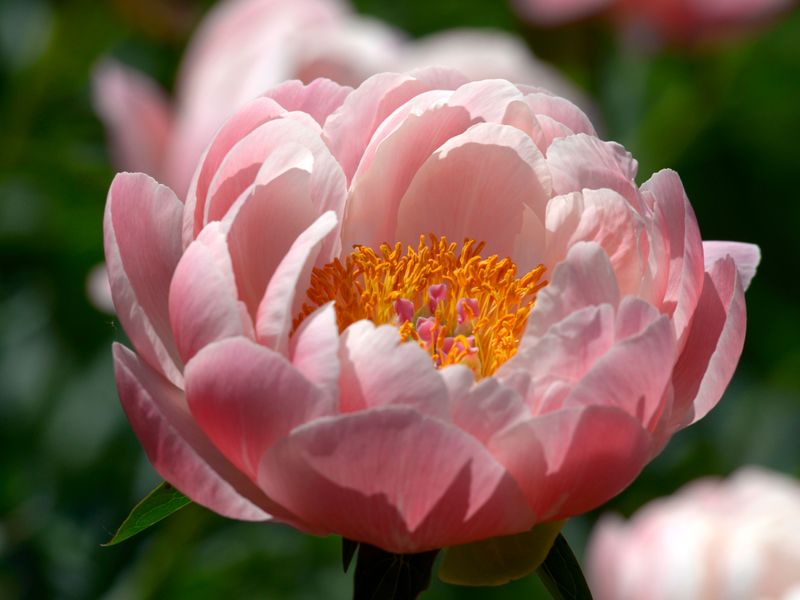
Peonies enchant with their lush, full blooms and delicate fragrance. These perennial favorites bring a touch of elegance to any garden. Their blossoms, often seen in shades of pink, white, and red, captivate the eye and the senses.
Peonies are treasured not only for their beauty but also for their longevity, blooming each spring with renewed vigor. Their deep roots establish a strong presence, allowing them to return year after year.
Fun fact: In the language of flowers, peonies symbolize romance and prosperity, making them popular in wedding bouquets.
3. Hosta
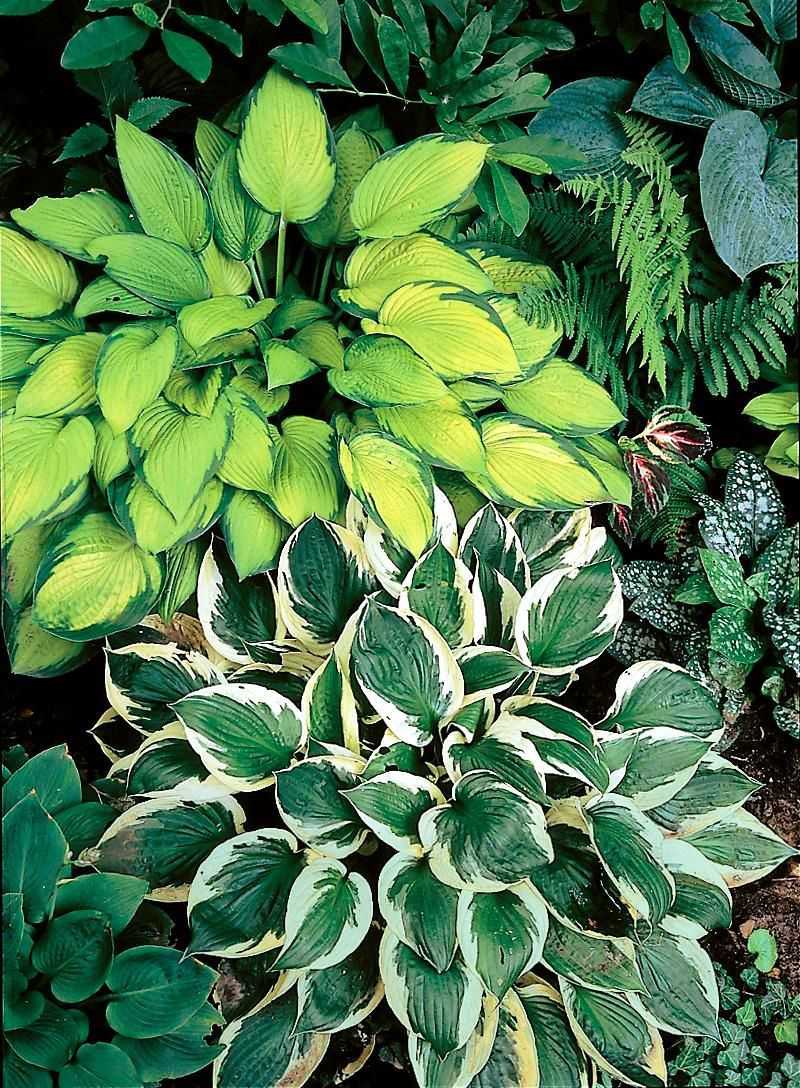
Hostas, with their luxurious foliage, are the unsung heroes of shaded gardens. While they don’t boast bright flowers, their leaves create a tapestry of greens and whites, adding depth and interest.
These perennials thrive in the shadows, where they can expand their broad leaves without the harsh sun. Their ability to grow in low-light conditions makes them indispensable to gardeners seeking variety in texture.
Despite their modest flowers, hostas are celebrated for their resilience and versatility, often forming the backbone of garden designs.
4. Lavender
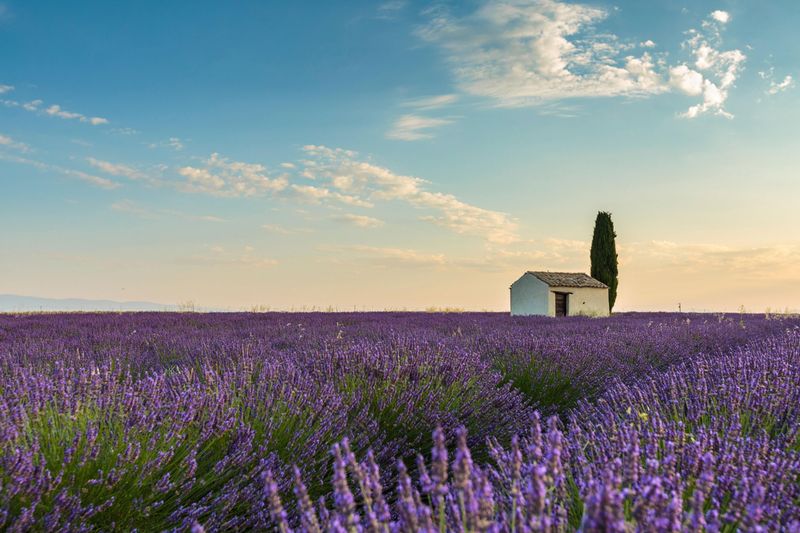
Lavender, with its soothing scent, is a beloved addition to gardens and homes. Known for its calming properties, it’s often used in aromatherapy.
This hardy perennial thrives in sunny spots, where it can bask in the warmth and spread its fragrant aroma. Its purple blooms attract pollinators like bees and butterflies, contributing to a lively garden ecosystem.
Did you know? Lavender has been cherished since ancient times for its supposed healing abilities, and it’s often associated with tranquility and peace.
5. Black-eyed Susan
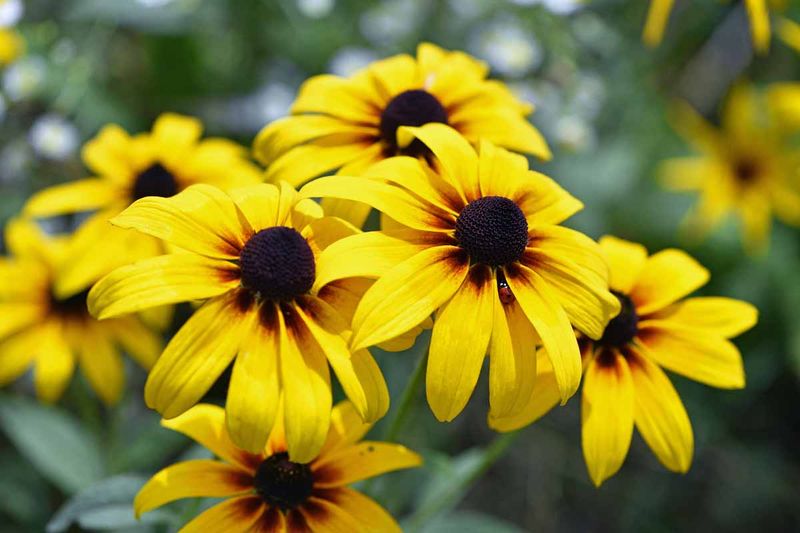
Black-eyed Susans bring a burst of sunshine to gardens with their vibrant yellow petals. These cheerful flowers are a staple in many landscapes, thriving in sun-drenched areas.
Their bold appearance and sturdy nature make them a favorite among novice and seasoned gardeners alike. They also play a crucial role in supporting local wildlife, providing food for pollinators.
Fun fact: Black-eyed Susans are often associated with encouragement and motivation, embodying resilience and the ability to thrive under challenging conditions.
6. Echinacea
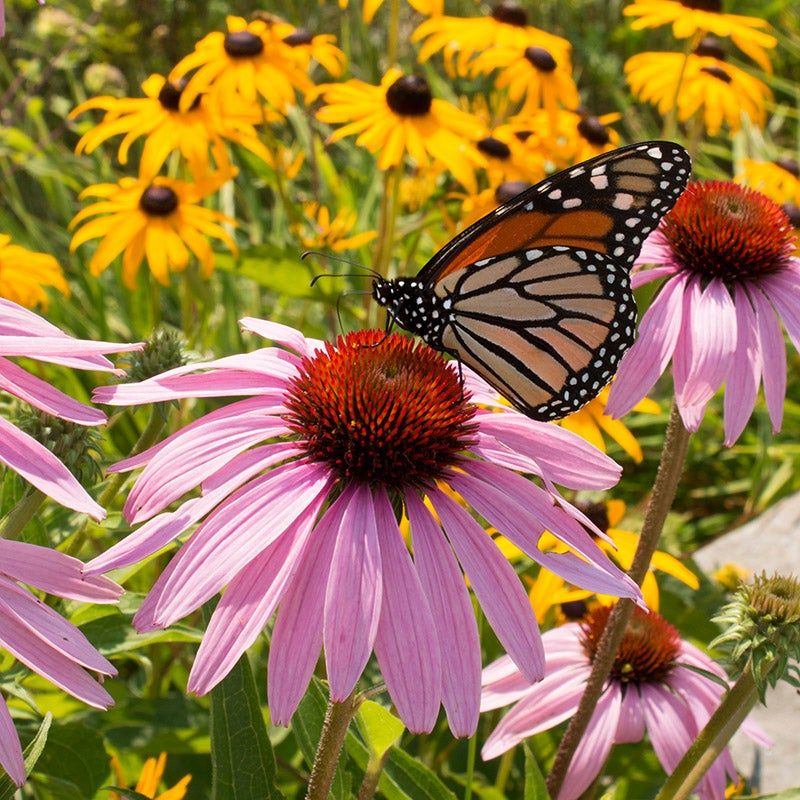
Echinacea, or purple coneflower, is a standout in any wildflower meadow. Its striking purple petals and distinctive spiky center make it easily recognizable.
These perennials are not only admired for their beauty but also for their medicinal properties. Known to boost the immune system, echinacea is a popular herbal remedy.
In gardens, they attract pollinators like butterflies, enhancing biodiversity. The plants are drought-tolerant, making them ideal for low-maintenance landscapes. Did you know? Native Americans have used echinacea for centuries as a healing plant.
7. Lupine
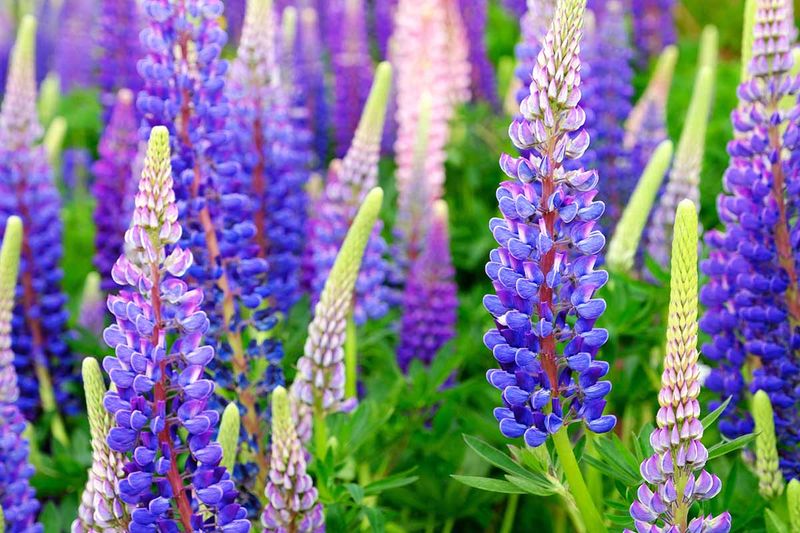
Lupines grace gardens with their tall, colorful spikes, evoking a sense of wild beauty. Their blooms, in shades of blue, purple, pink, and white, create a striking vertical element.
These perennials prefer cool climates and thrive in well-drained soils, where they can spread their roots deeply. Lupines are also known for fixing nitrogen in the soil, improving garden health.
Their impressive stature and ability to attract pollinators make them a favorite in cottage gardens. Fun fact: Lupines are named after “lupus,” the Latin word for wolf, due to their aggressive growth.
8. Yarrow
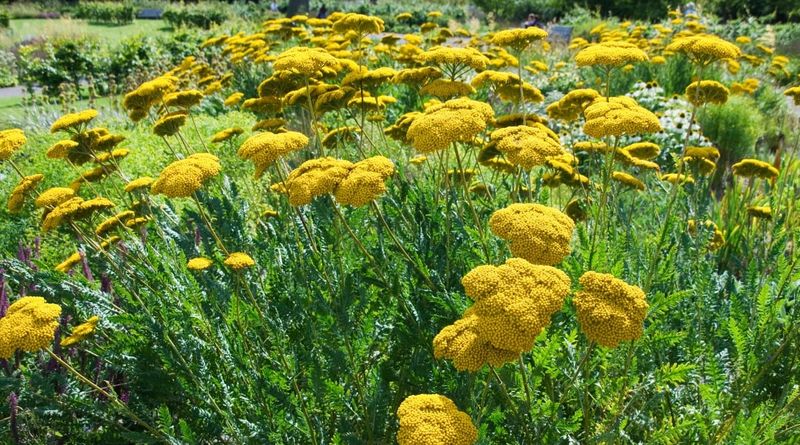
Yarrow is a hardy perennial that brings texture and color to gardens. Its flat-topped clusters of tiny flowers come in a range of colors, including white, yellow, pink, and red.
This plant is a gardener’s ally, known for its drought resistance and ability to attract beneficial insects. Yarrows are often used in borders and meadows for their feathery foliage and vibrant blooms.
Did you know? Yarrow has been used for centuries in traditional medicine, believed to have healing properties, including stopping bleeding and reducing inflammation.
9. Salvia
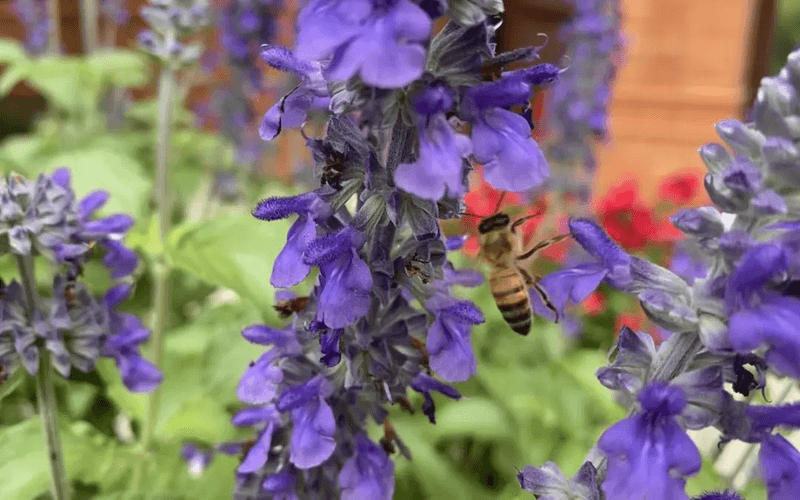
Salvia, with its rich colors, is a striking addition to any garden. These perennials are known for their tall spikes of purple, blue, pink, or red flowers.
Salvias are loved by gardeners for their ability to attract pollinators, such as bees and hummingbirds, bringing life to garden spaces. Their aromatic leaves also add another sensory layer to the garden experience.
Fun fact: Salvia’s name is derived from the Latin word “salvere,” meaning “to heal,” reflecting its historical use in herbal remedies. This plant thrives in sunny, well-drained areas.
10. Sedum
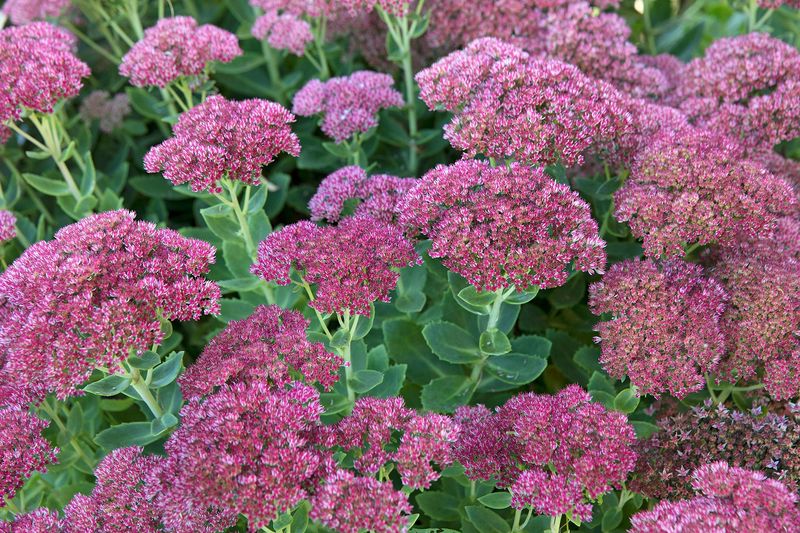
Sedum, often called stonecrop, is a versatile perennial that thrives in many garden settings. Its succulent leaves and star-shaped flowers make it unique.
These plants are drought-tolerant and perfect for rock gardens, containers, or as ground cover. Their ability to store water in their leaves allows them to survive dry spells.
Did you know? Sedum is part of the Crassulaceae family, which includes other succulents. Their late-season blooms provide vital nectar for pollinators as summer fades into fall.
11. Bee Balm
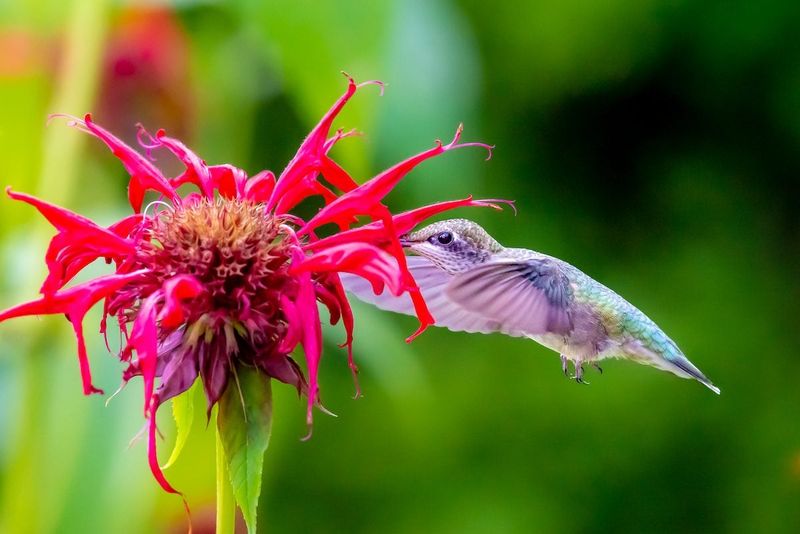
Bee balm, with its vibrant blooms, is a magnet for pollinators, making it a lively addition to any garden. Its tubular flowers, in shades of red, pink, and purple, attract bees, butterflies, and hummingbirds.
This perennial thrives in sunny spots with well-drained soil, where it can grow vigorously. Its aromatic leaves add to its appeal, often used in teas and potpourris.
Fun fact: Also known as monarda, bee balm was used by Native Americans for its medicinal properties, including treating colds and promoting relaxation.
12. Astilbe
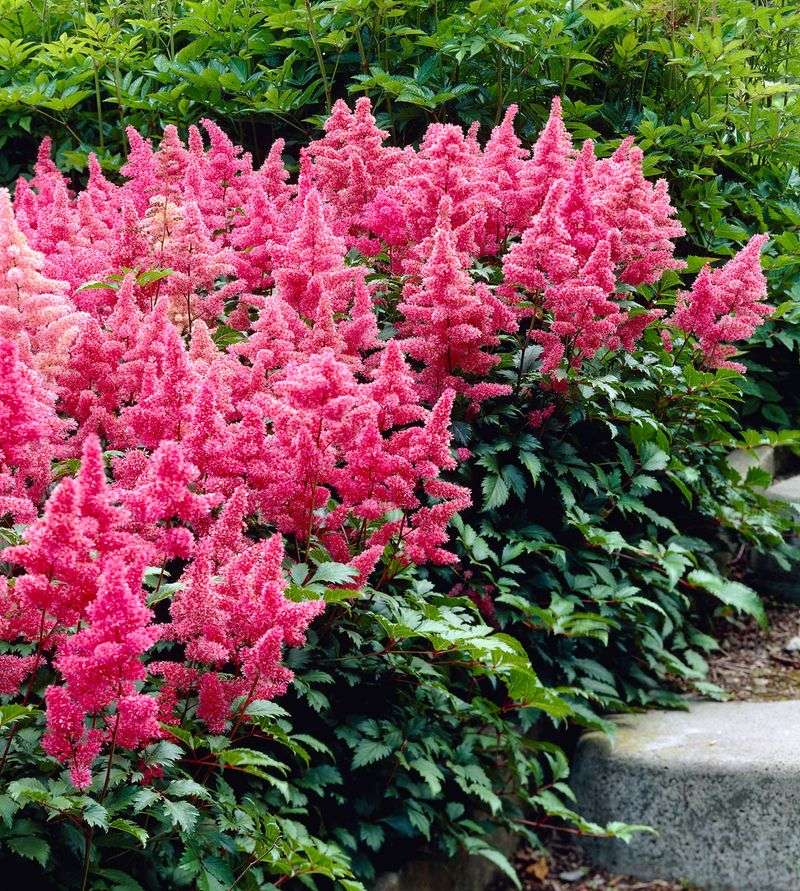
Astilbe, with its feathery plumes, brings a touch of elegance to shaded garden areas. These perennials are prized for their soft, fluffy flowers and attractive foliage.
They thrive in moist, well-drained soils, where their blooms can stand out against darker greens. Astilbe’s ability to grow in low-light conditions makes it a favorite for adding texture and color.
Did you know? Astilbes are often used in floral arrangements for their delicate beauty, symbolizing patience and dedication in the language of flowers.
13. Coral Bells
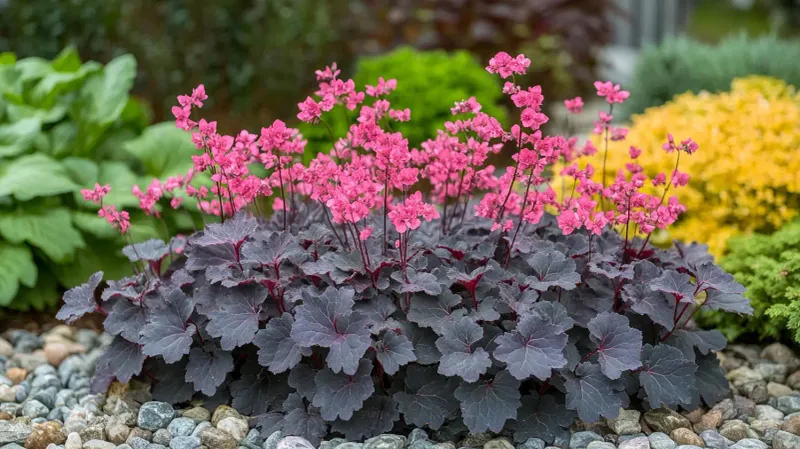
Coral bells, known for their striking foliage, are a beloved choice for garden borders. Their leaves come in a variety of colors, from deep purples to vibrant greens, adding visual interest.
These perennials are not just about leaves; their delicate, bell-shaped flowers add a touch of whimsy. They thrive in partial shade, providing contrast against other garden plants.
Fun fact: Coral bells, or heuchera, were named after Johann Heinrich von Heucher, an 18th-century German physician and botanist, reflecting their historical importance in horticulture.
14. Shasta Daisy
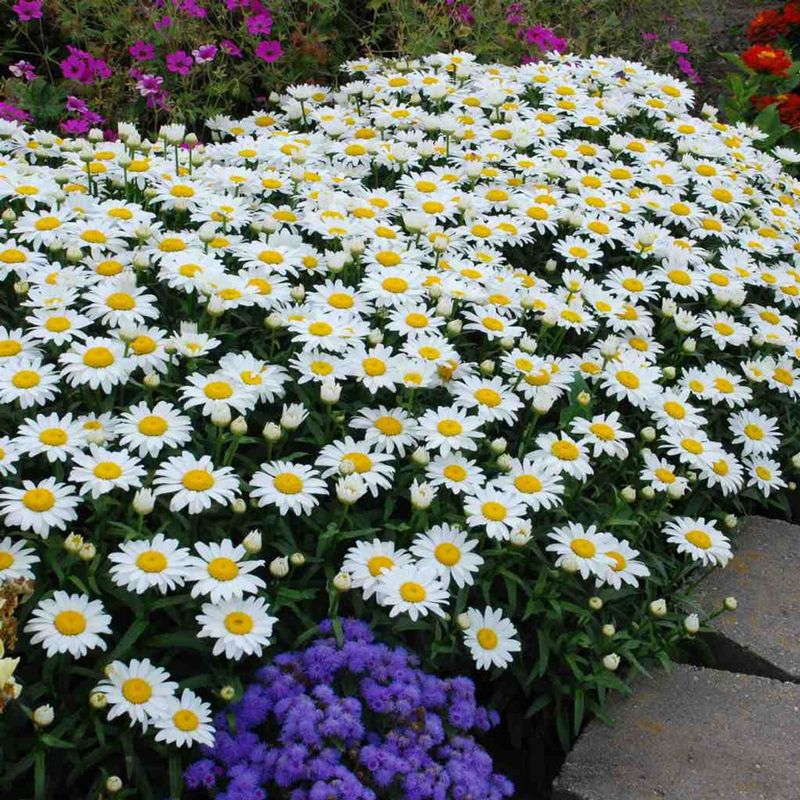
Shasta daisies, with their crisp white petals and sunny yellow centers, evoke the essence of summer. These cheerful blooms are iconic in gardens, bringing brightness and joy.
Their simplicity and long-lasting nature make them a staple in floral arrangements and garden designs. They thrive in full sun, offering a reliable burst of beauty each year.
Did you know? Shasta daisies were developed by the famed botanist Luther Burbank in the early 1900s, combining the best traits of several daisy species for improved resilience and appeal.
15. Bleeding Heart
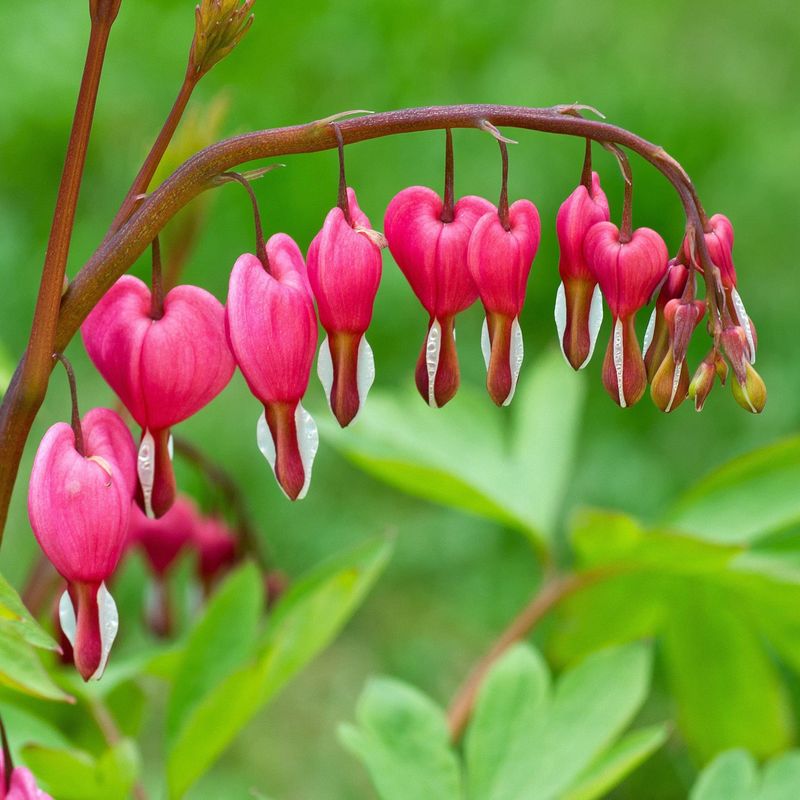
Bleeding hearts captivate with their unique, heart-shaped flowers. These perennials add a touch of romance to shaded garden corners, with blooms that seem to drip from their stems.
Their delicate appearance belies their hardiness, as they return each spring with vigor. Bleeding hearts thrive in cool, moist environments, where their beauty can truly shine.
Fun fact: The bleeding heart’s unique flower shape inspired its name, and in various cultures, it’s often associated with love and compassion, making it a symbolic addition to gardens.
16. Gaillardia
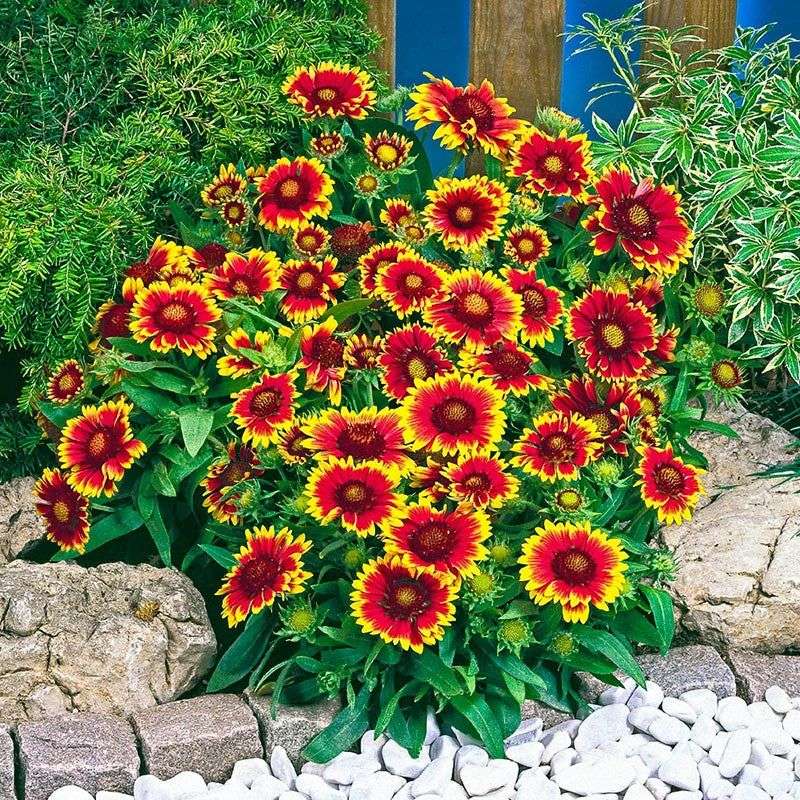
Gaillardia, or blanket flower, bursts into vibrant reds, oranges, and yellows, turning gardens into a summer spectacle. Their daisy-like flowers are both eye-catching and long-lasting.
These perennials thrive in sunny, well-drained soils, making them ideal for borders and wildflower gardens. They are drought-tolerant, requiring minimal care once established.
Did you know? Gaillardia is named after an 18th-century French botanist, Maître Gaillard de Charentonneau. The flowers’ common name, blanket flower, comes from their resemblance to brightly colored Native American blankets.
17. Coreopsis
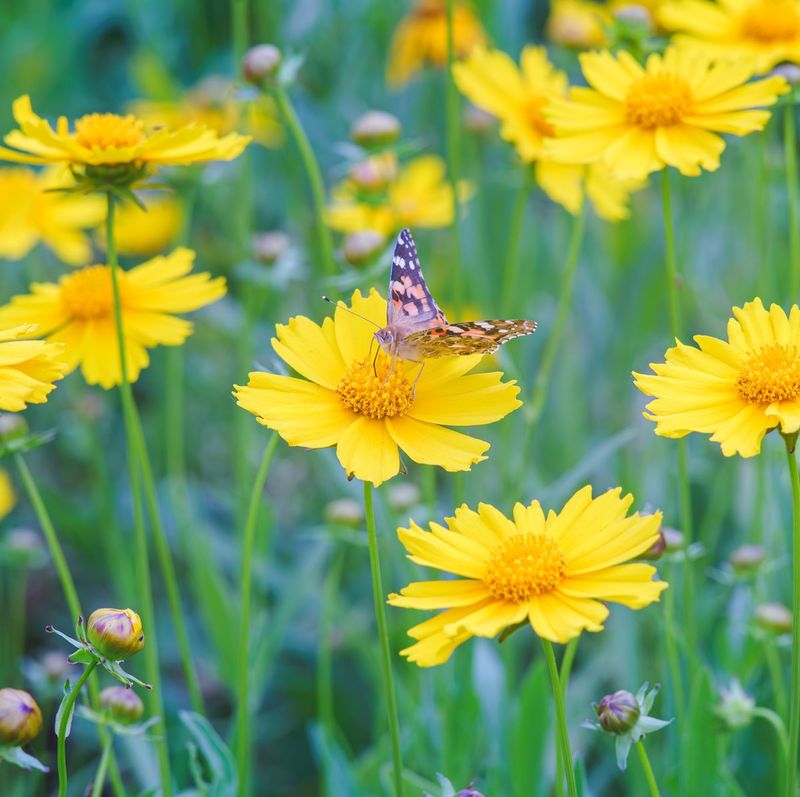
Coreopsis, with its sunny disposition, adds a cheerful touch to gardens. Known for their bright yellow blooms, these flowers brighten any landscape with their vibrant presence.
These perennials are easy to grow, thriving in full sun and well-drained soils. Their long blooming season makes them a favorite for continuous color throughout summer.
Fun fact: Coreopsis is the state wildflower of Florida, celebrated for its natural beauty and resilience. They’re often used in roadside plantings due to their low maintenance needs and high visual impact.
18. Foxglove
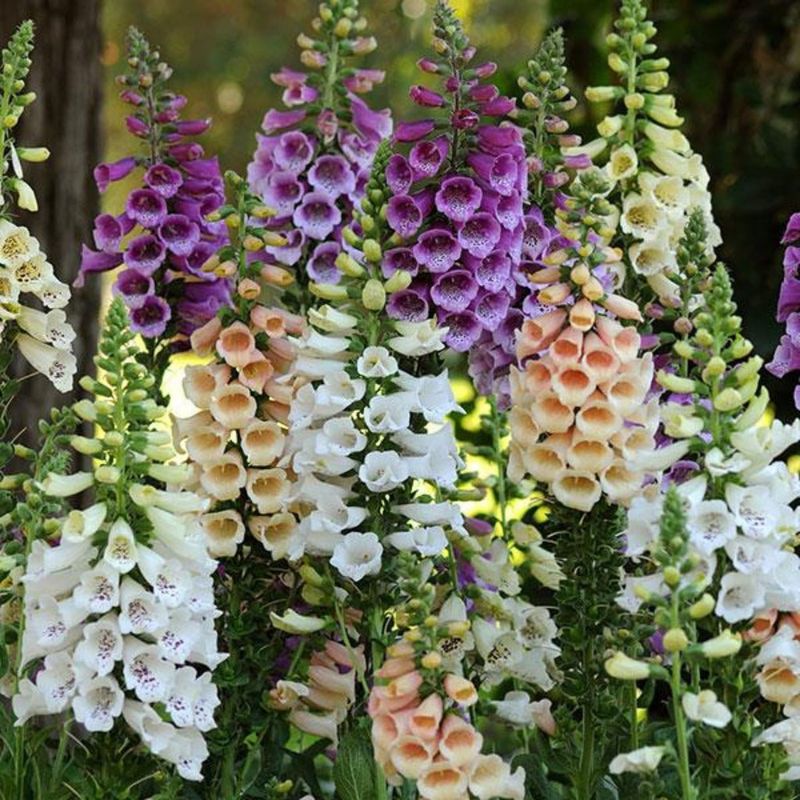
Foxglove stands tall in gardens with its dramatic, tubular blooms. These perennials add height and elegance to garden designs, attracting hummingbirds and other pollinators.
Thriving in partial shade, foxgloves bring color to woodland gardens and borders. Their flowers, in hues of pink, purple, and white, create a picturesque scene.
Did you know? The scientific name for foxglove, Digitalis, is derived from the Latin word for finger, referring to the flower’s finger-like blooms. Parts of the plant are used in heart medication, reflecting its historical significance in herbal medicine.
19. Hellebore
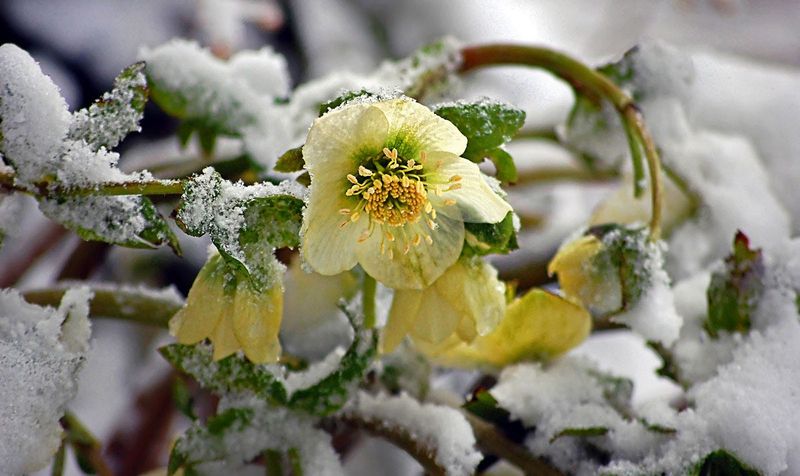
Hellebores, known as the winter rose, bring life to gardens even in the coldest months. Their hardy nature and ability to bloom in late winter make them invaluable.
These perennials feature nodding flowers that come in a variety of colors, from soft pinks to deep purples, contrasting beautifully with snow-covered grounds.
Fun fact: Hellebores have a rich history, historically used in ancient Greek medicine. Their resilience in cold weather has made them a symbol of endurance and hope in harsh climates.
20. Liatris
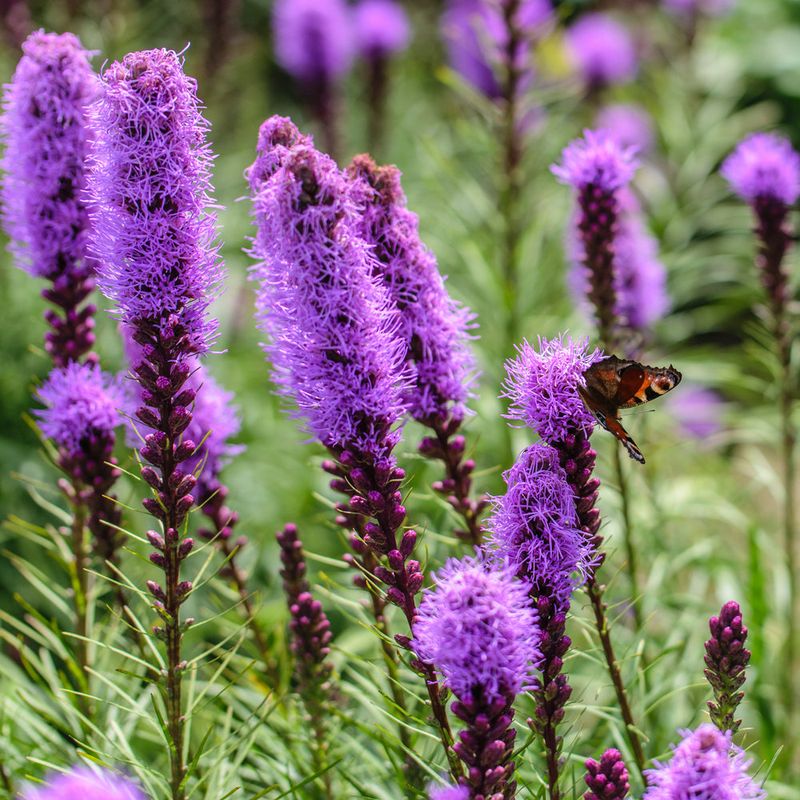
Liatris, often known as Blazing Star or Gayfeather, is a showstopper in any garden. With tall spikes of vibrant purple flowers, it stands as a striking feature, drawing the eye upward. Bees and butterflies are particularly fond of Liatris, making it an essential plant for pollinator-friendly gardens.
Originating from North America, Liatris thrives in full sun and well-drained soil. Its drought tolerance adds to its appeal for gardeners seeking low-maintenance options. As each spike blooms from top to bottom, Liatris offers weeks of color, ensuring a lively garden throughout its flowering season.