
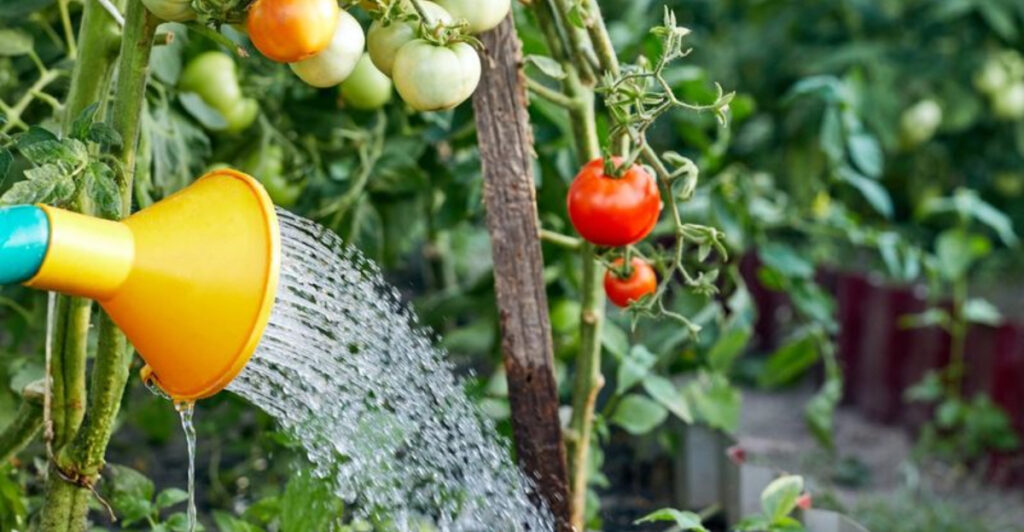
Growing tomatoes can be both rewarding and challenging. Whether you’re a seasoned gardener or a beginner, these 15 hacks will help you cultivate thriving tomato plants with minimal effort. From soil preparation to pest control, each tip is designed to enhance your tomato-growing experience, leading to a bountiful harvest.
1. Soil Preparation
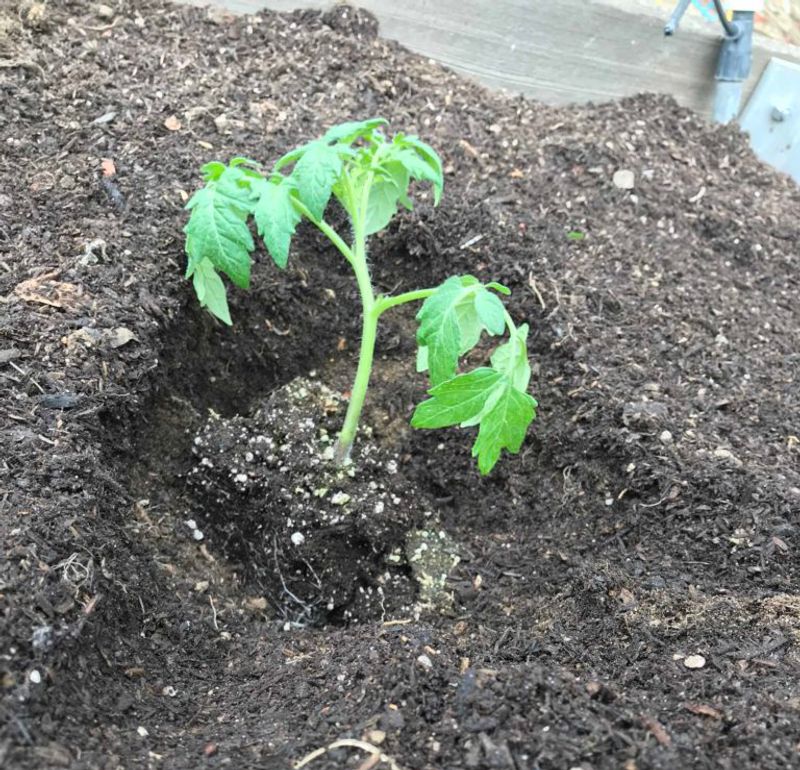
A garden’s foundation begins with the soil. To grow robust tomatoes, enrich your soil with organic matter such as compost or well-rotted manure. This adds essential nutrients and improves soil structure. Aerating the soil by turning it over with a garden fork or tiller also promotes root growth.
Did you know? Healthy soil can retain more moisture, reducing the need for frequent watering. It’s like giving your tomato plants a head start, setting the stage for a thriving garden.
Start with nurturing the earth, and your tomatoes will surely follow suit.
2. Companion Planting

Consider plant friends for your tomatoes. Companion planting, like pairing tomatoes with basil, can deter pests and enhance growth. Basil is believed to improve the flavor of tomatoes and repel insects such as aphids and mosquitoes.
This harmonious relationship benefits both plants, creating a natural pest barrier and a delightful aroma in your garden.
Planting marigolds near tomatoes is another effective strategy that discourages nematodes and other pests. It’s all about finding the right garden companions to thrive together.
3. Proper Watering Techniques
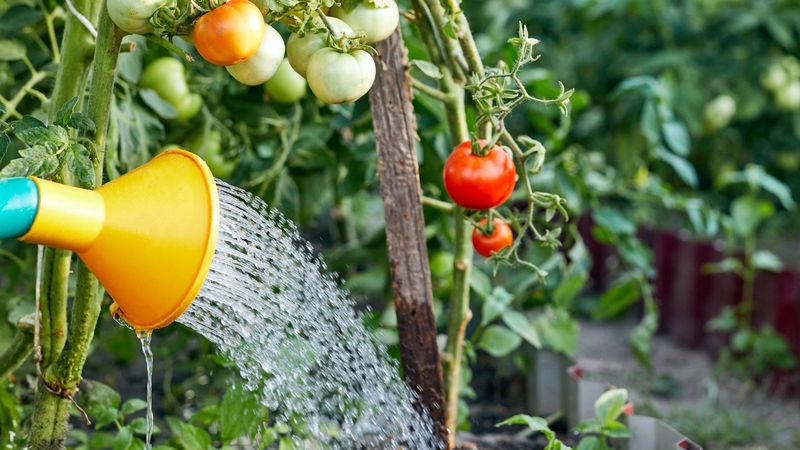
Watering tomatoes is an art. Aim for consistency in watering to prevent issues like blossom-end rot. Drip irrigation is a great technique, delivering water directly to the roots without wetting the foliage.
Consider watering early in the morning to reduce evaporation and allow foliage to dry, minimizing disease risk.
Remember, overwatering can be as harmful as underwatering. It’s all about balance.
With the right touch, your tomatoes will flourish with juicy, healthy fruits.
4. Mulching for Moisture Retention
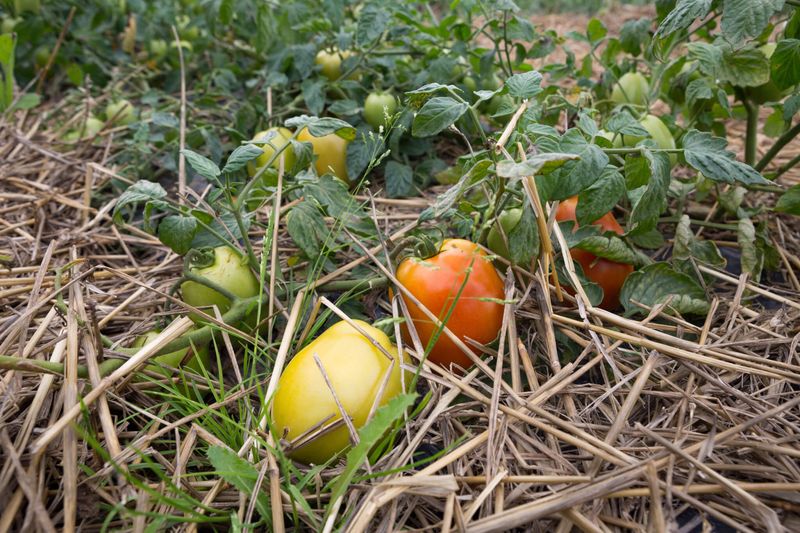
Mulch is your garden’s best friend. Applying a 2-3 inch layer of organic mulch, such as straw or shredded leaves, helps retain soil moisture and regulate temperature.
This protective layer also suppresses weeds and adds organic matter back into the soil as it breaks down.
It’s a simple yet effective way to ensure your tomato plants stay hydrated and healthy throughout the growing season.
5. Staking and Support
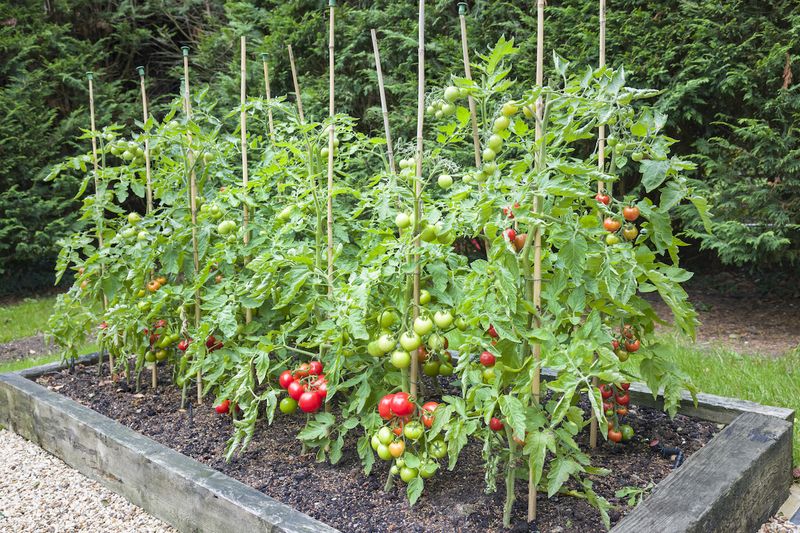
Tomatoes benefit from a helping hand. Providing support through staking or cages helps plants stay upright, promoting better air circulation and reducing disease risk.
Stakes can be made from wood or metal, ensuring your plants grow tall and strong.
This support system makes harvesting easier and keeps tomatoes off the ground, preventing rot and pests.
It’s like giving your tomatoes a backbone to lean on.
6. Pruning for Productivity
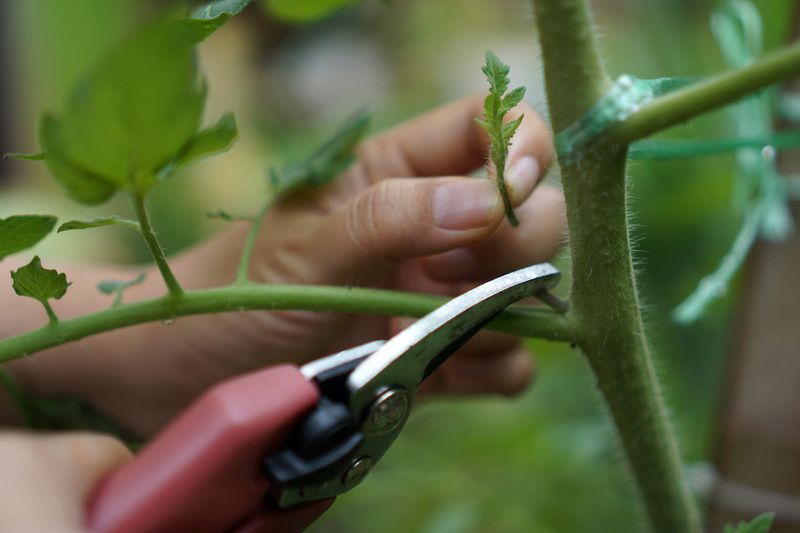
Pruning tomatoes leads to a fruitful bounty. Removing suckers, which are the side shoots that appear between the main stem and branches, directs energy to fruit production.
This practice improves air circulation, reducing disease risk.
Vigorous pruning can lead to larger, tastier tomatoes by focusing the plant’s energy where it matters most.
Embrace the shears, and watch your harvest thrive.
7. Pest Management
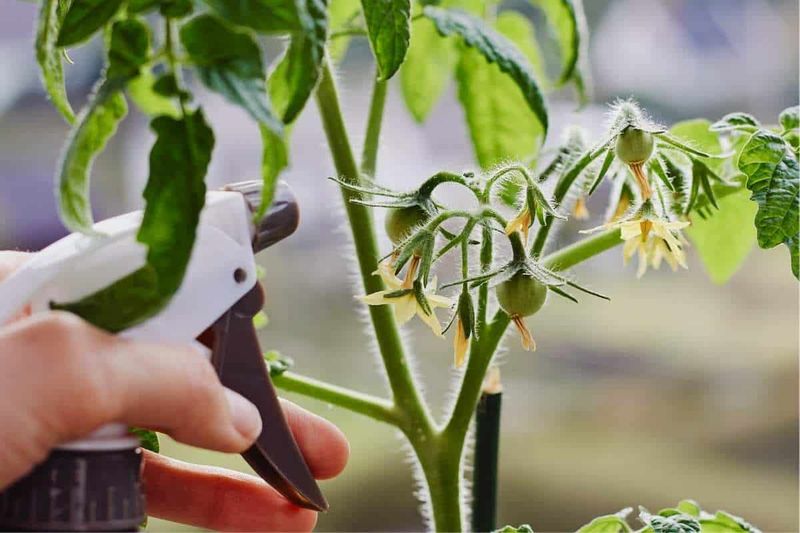
Protecting your tomatoes from pests is crucial. Regularly inspect your plants for signs of aphids, hornworms, and other pests. Organic solutions like neem oil or insecticidal soap can control infestations without harming beneficial insects.
Introducing ladybugs or lacewings can naturally manage aphid population.
Creating a balanced ecosystem in your garden helps reduce reliance on chemicals, ensuring healthy plants and a safe environment.
8. Using Epsom Salt
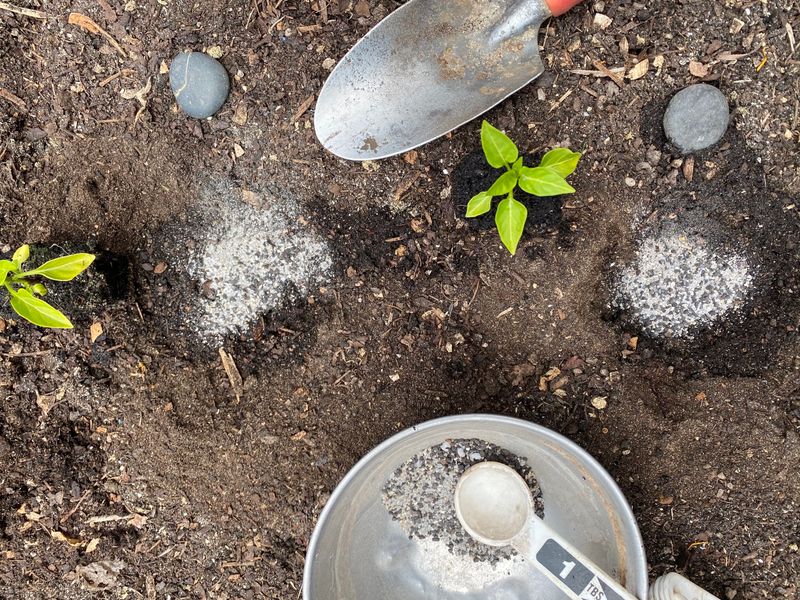
Epsom salt can be a tomato plant’s ally. Rich in magnesium and sulfur, it promotes healthy foliage and fruit production. Mixing a tablespoon of Epsom salt with water and applying it as a foliar spray can enhance plant health.
Sprinkling it around the plant base during planting also works wonders.
This simple hack boosts nutrient availability, leading to vibrant plants and a more abundant yield.
9. Eggshell Fertilizer
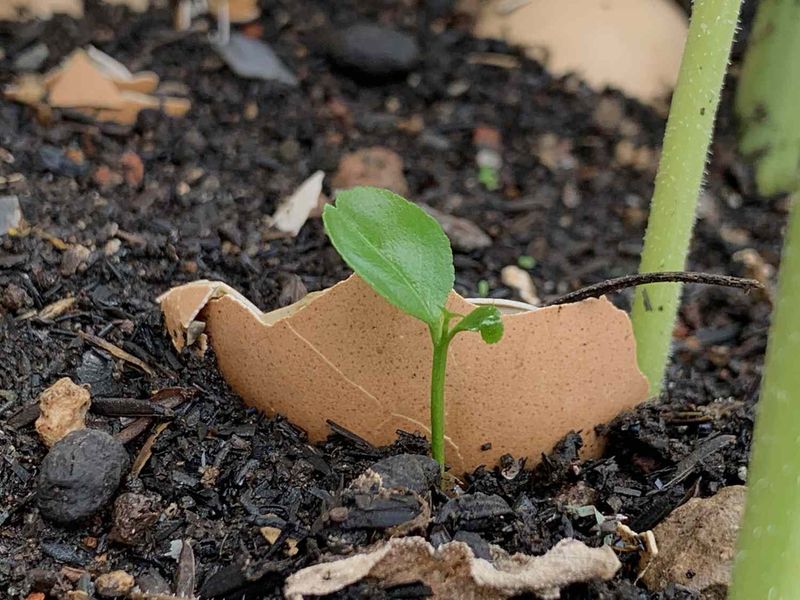
Eggshells provide a calcium boost. Crushed eggshells sprinkled around tomato plants can prevent blossom-end rot by supplying calcium.
As they decompose, eggshells slowly release nutrients into the soil.
Incorporating them into compost or directly into planting holes ensures your tomatoes have access to essential minerals.
It’s an easy way to recycle kitchen waste and nourish your garden.
10. Coffee Grounds for Growth
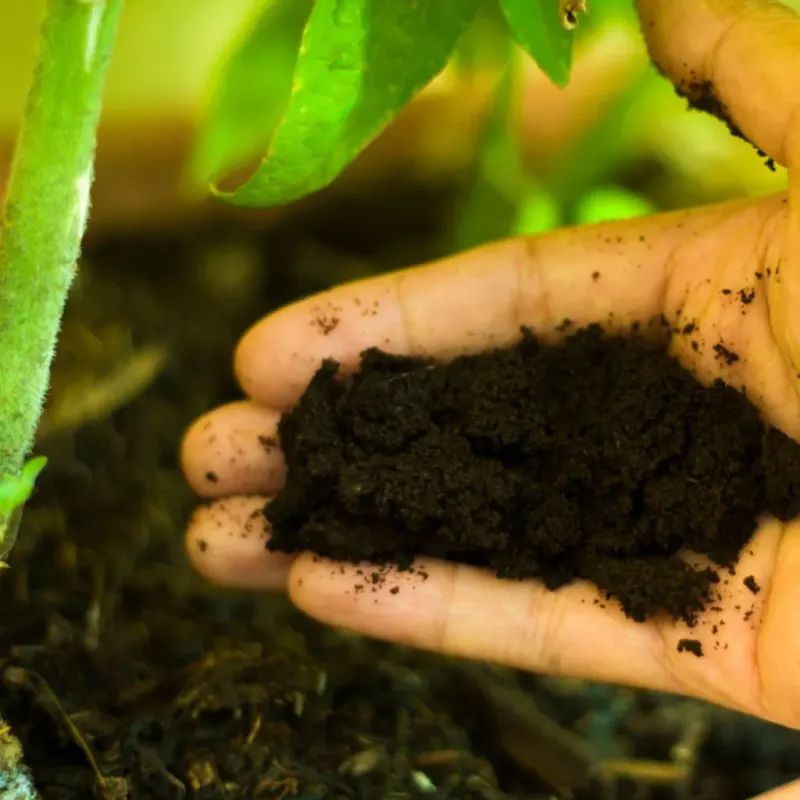
Coffee grounds invigorate your soil. Rich in nitrogen, they act as a gentle fertilizer when mixed into soil or compost.
They also improve soil texture and drainage.
Used coffee grounds can deter slugs and snails, offering an additional layer of protection for your plants.
It’s a great way to recycle kitchen waste while promoting a healthy, productive garden.
11. Rotating Crops

Crop rotation is a timeless technique. By rotating tomato crops with different plant families each year, you prevent soil-borne diseases and nutrient depletion.
This practice encourages biodiversity and maintains soil health, leading to more productive plants.
Alternating tomatoes with legumes, for example, can replenish nitrogen levels in the soil.
It’s a simple strategy that ensures long-term success in your garden.
12. Temperature Control

Temperature is key to tomato success. Protecting plants from frost with row covers, or using a greenhouse or cold frame can extend the growing season.
Tomatoes thrive in temperatures between 70-85°F, so maintaining this range is crucial.
During hot spells, providing shade or mulching helps keep soil temperatures down.
It’s all about creating the perfect environment for your tomatoes to thrive.
13. Pollination Assistance
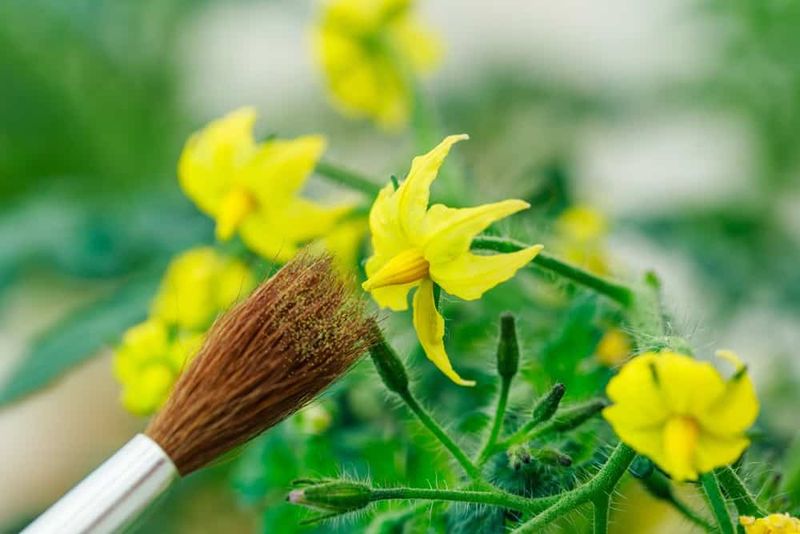
Boosting pollination can increase yields. Encouraging bees and other pollinators by planting flowers near tomatoes enhances fruit set.
Hand-pollinating with a small brush or shaking the plants gently can also aid in pollination, especially in enclosed spaces.
This ensures each flower has a chance to develop into a fruit, maximizing your harvest.
14. Preserving Heirloom Varieties
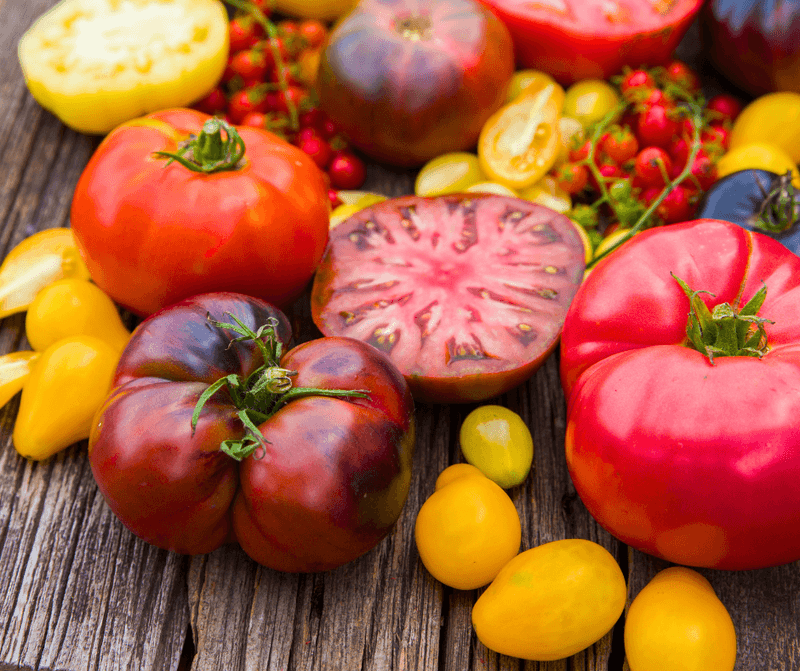
Heirloom tomatoes offer unique flavors and colors. Saving seeds from these varieties ensures their preservation and allows you to enjoy them year after year.
Heirlooms are often more resilient to local pests and diseases.
By growing and preserving these varieties, you contribute to biodiversity and maintain a rich culinary tradition.
It’s about celebrating the diversity and history of tomatoes.
15. Incorporating Beneficial Insects

Invite beneficial insects to your garden. Ladybugs, lacewings, and predatory wasps can control pest populations naturally.
Creating habitats with diverse plants attracts these helpful creatures.
By fostering a healthy ecosystem, you reduce the need for chemical interventions, promoting sustainable gardening.
Let nature lend a hand in managing your tomato plants.