
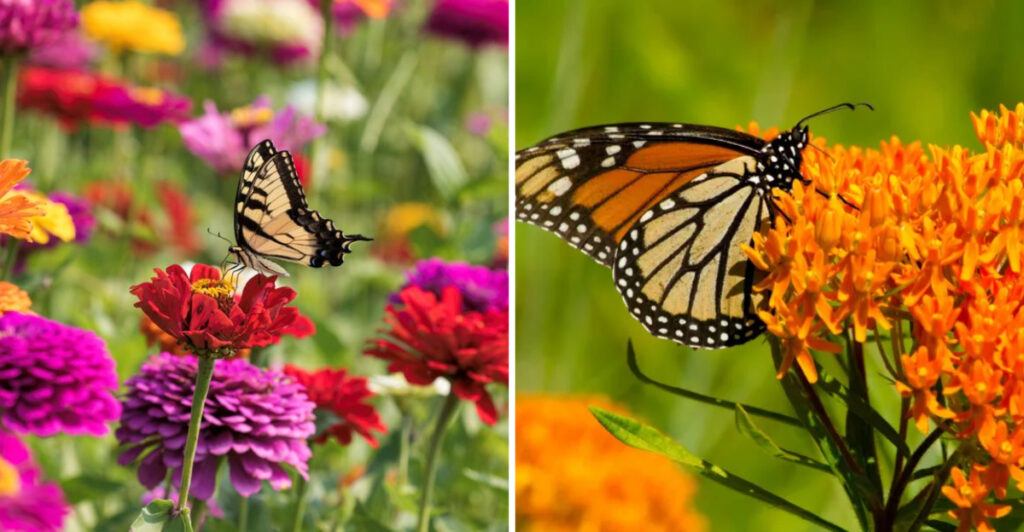
Discover the enchanting world of blooming plants that not only beautify your garden but also attract butterflies all season long. These plants provide the perfect combination of nectar-rich flowers and vibrant colors, creating a haven for these delicate creatures.
1. Butterfly Bush
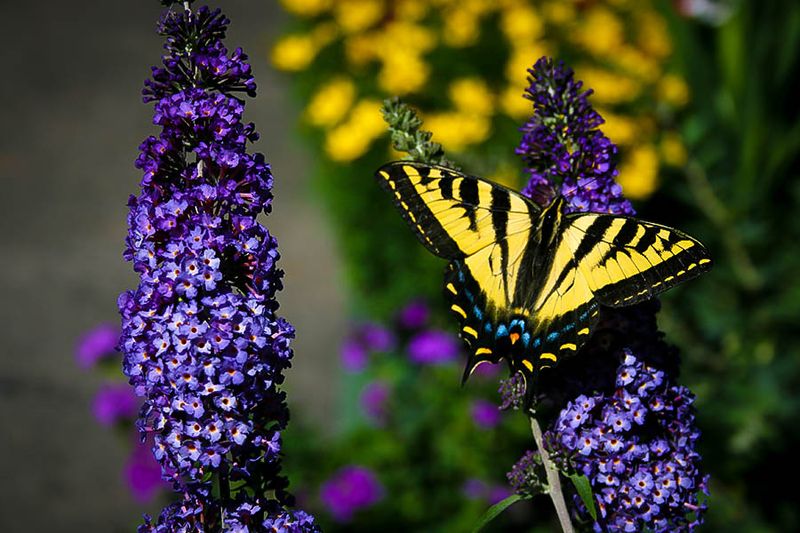
The Butterfly Bush is a true magnet for butterflies, with its elongated clusters of vibrant purple flowers. This plant is known for its rapid growth and ability to bloom continuously throughout the summer. Its sweet fragrance not only attracts butterflies but also fills the garden with a delightful aroma.
Butterflies are drawn to its abundant nectar, making it a favorite for creating a lively and colorful garden. The Butterfly Bush is easy to care for, requiring minimal maintenance while offering maximum beauty. It thrives in full sun and well-drained soil, making it a gardener’s delight.
2. Milkweed
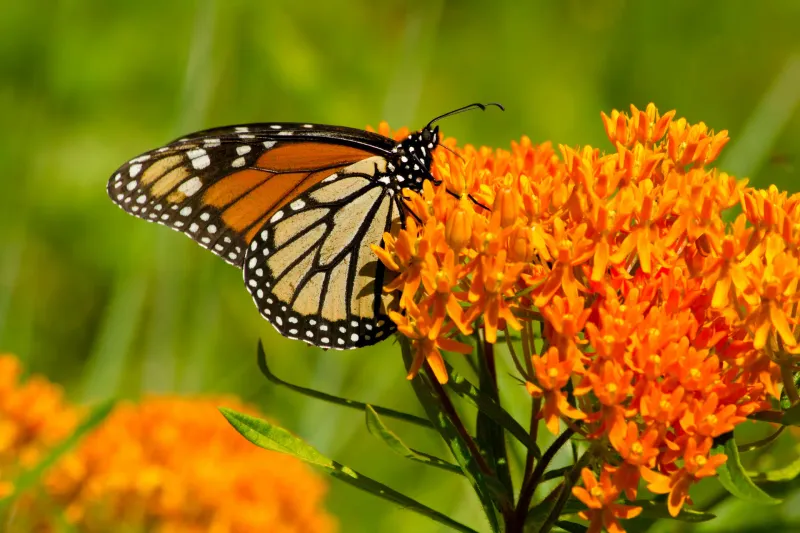
Milkweed, a beacon for the Monarch butterfly, boasts bright orange and red flowers that stand out in any landscape. This plant is not just beautiful; it’s essential for the Monarch’s life cycle, serving as a host plant for their caterpillars.
As the flowers bloom, they provide a crucial source of nectar for many butterfly species. Milkweed is a hardy plant, often found in meadows and prairies, and it requires little care once established. Its resilience and ecological importance make it a worthy addition to any butterfly-friendly garden.
3. Zinnias
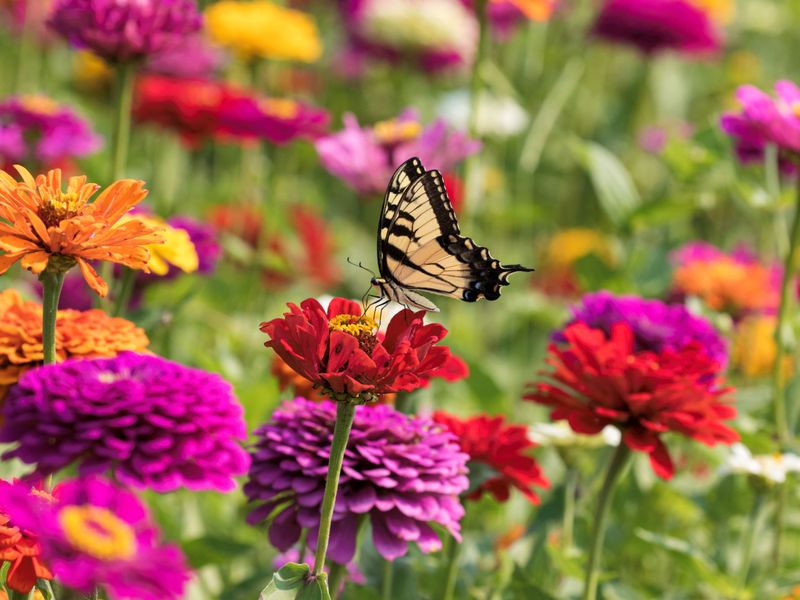
Zinnias bring a burst of color to any garden with their bold and varied hues. These flowers are a favorite among butterflies, offering ample nectar and a sturdy landing pad for feeding.
Zinnias are incredibly easy to grow, making them perfect for novice gardeners looking to attract butterflies. Their ability to thrive in hot, sunny conditions ensures a long blooming season. With regular deadheading, Zinnias will bloom from early summer to late fall, providing continuous beauty and butterfly visits. Their cheerful appearance brightens up any garden space.
4. Lantana
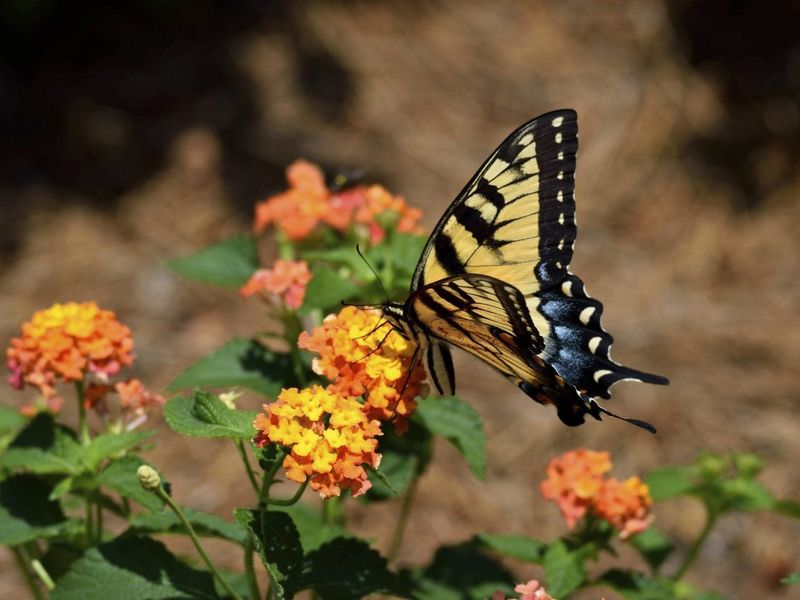
Lantana, with its vibrant clusters of yellow, pink, and orange flowers, is a favorite among butterflies. These blooms are not only visually appealing but also rich in nectar, providing a feast for visiting butterflies.
Lantana is a versatile plant, thriving in both containers and garden beds, and it can tolerate drought conditions once established. Its continuous blooming cycle ensures butterflies have a reliable food source throughout the growing season. The plant’s resilience and colorful display make it a garden staple for butterfly enthusiasts.
5. Coneflower
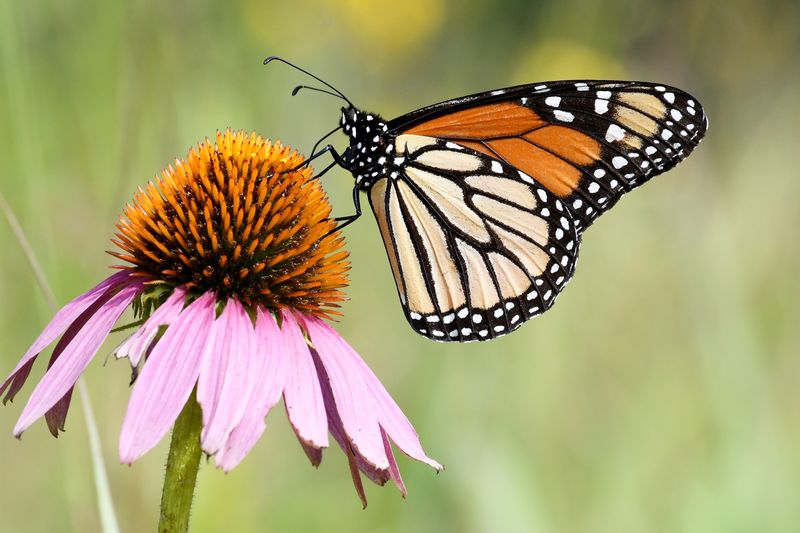
The Coneflower, with its iconic purple petals and prominent center cone, is a classic choice for butterfly gardens. Butterflies are particularly attracted to its open, daisy-like blooms, which provide easy access to nectar.
Coneflowers are drought-tolerant and thrive in full sun, requiring little maintenance. Their strong stems and long-lasting flowers add structure and beauty to any garden, while also supporting local wildlife. These plants are a symbol of resilience, blooming repeatedly from midsummer into fall, making them a dependable choice for attracting butterflies.
6. Black-Eyed Susan
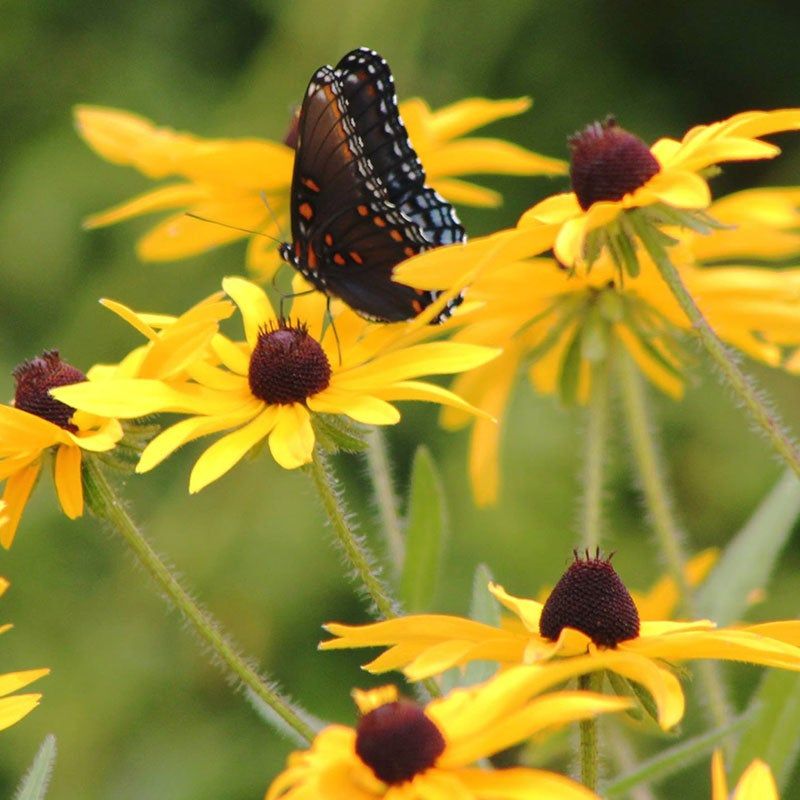
Black-Eyed Susans, with their cheerful yellow petals and dark centers, bring a touch of sunshine to any garden. These daisies are irresistible to butterflies, offering an abundant source of nectar throughout the summer.
Their easy-to-grow nature makes them a popular choice for gardeners looking to add color and life to their outdoor spaces. Black-Eyed Susans are hardy and adaptable, thriving in a variety of soil conditions and climates. Their vibrant blooms create a lively and inviting atmosphere for both butterflies and garden visitors alike.
7. Joe-Pye Weed
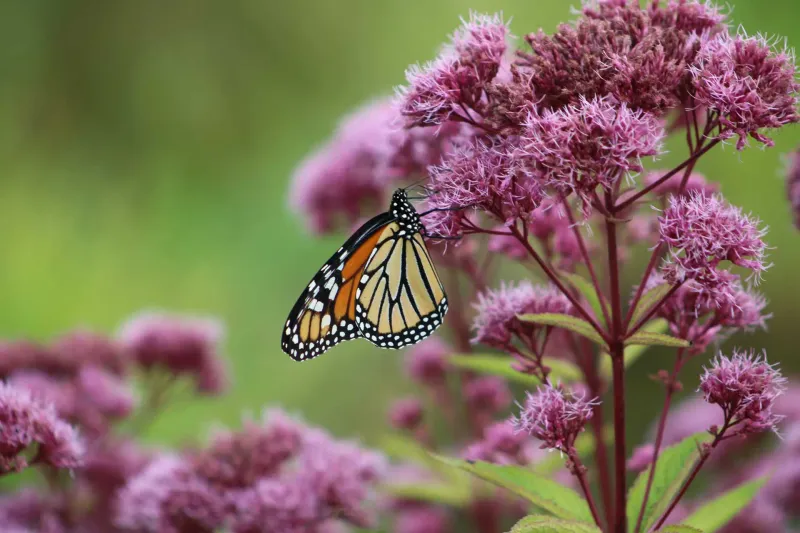
Joe-Pye Weed, with its tall stature and large clusters of pinkish-purple flowers, is a majestic addition to any butterfly garden. Its blooms are a magnet for butterflies, providing ample nectar during the late summer and early fall.
This plant thrives in moist, well-drained soil and can often be found in wetland areas. Joe-Pye Weed’s towering presence and attractive flowers make it a standout feature in any landscape. Its late blooming period ensures butterflies have a food source as other plants begin to fade, extending the butterfly season.
8. Salvia
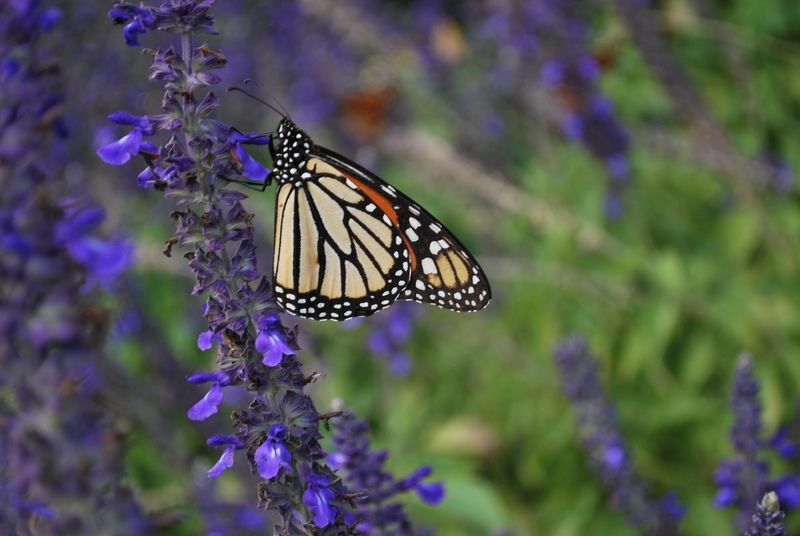
Salvia, known for its tall spikes of blue and purple flowers, adds elegance and charm to any garden. Butterflies are drawn to its nectar-rich blooms, which provide an essential food source throughout the growing season.
This versatile plant is beloved for its ability to thrive in a range of conditions, from sunny borders to containers. Salvia’s long blooming period and drought tolerance make it an ideal choice for sustainable gardening. Its striking floral display and butterfly-attracting qualities ensure it remains a garden favorite year after year.
9. Verbena
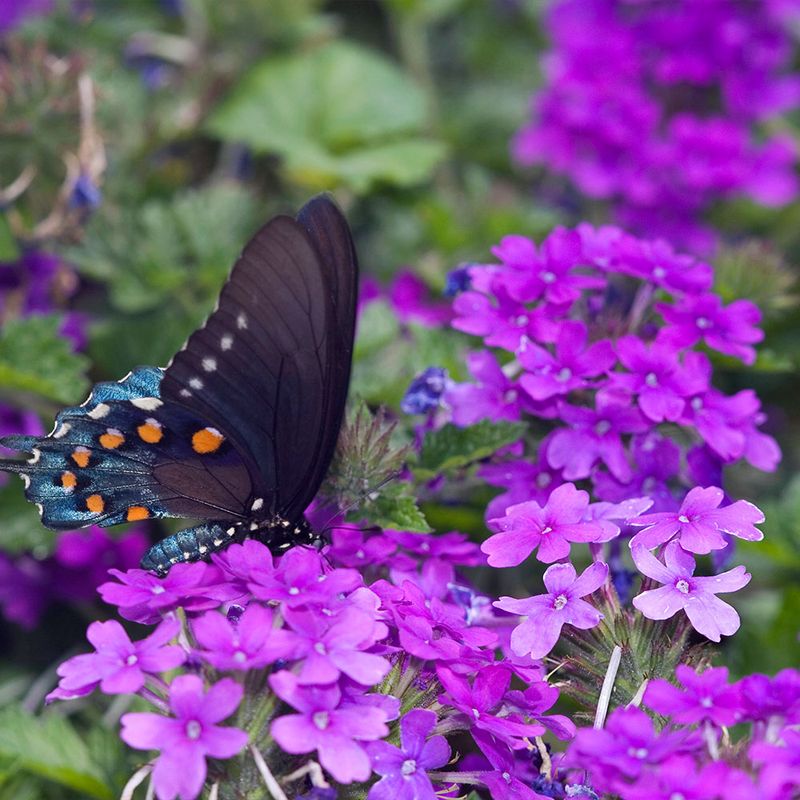
Verbena, with its delicate clusters of small purple flowers, creates a vibrant tapestry that lures butterflies from near and far. Its sprawling nature makes it perfect for filling garden beds or cascading from containers.
Butterflies flock to Verbena for its plentiful nectar, enjoying its blooms throughout the summer months. This plant is a low-maintenance wonder, thriving in full sun and tolerating drought conditions. Verbena’s continuous blooms and butterfly appeal make it a must-have for any gardener looking to enhance their butterfly-friendly landscape.
10. Phlox
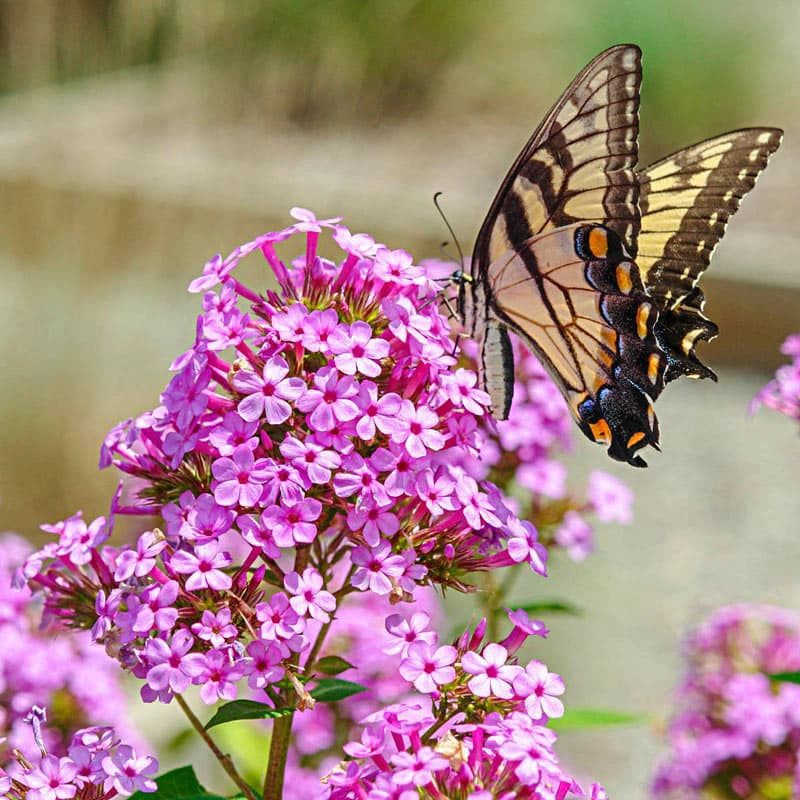
Phlox, with its tall, fragrant clusters of pink and white flowers, is a beacon for butterflies. These blooms provide a rich source of nectar, attracting butterflies throughout their long blooming season.
Phlox is highly adaptable, flourishing in both sunny and partially shaded areas, making it a versatile choice for diverse garden settings. Its sweet fragrance and showy flowers create a captivating display that delights both butterflies and gardeners. With proper care, Phlox will return year after year, offering continuity and beauty in the butterfly garden.
11. Asters
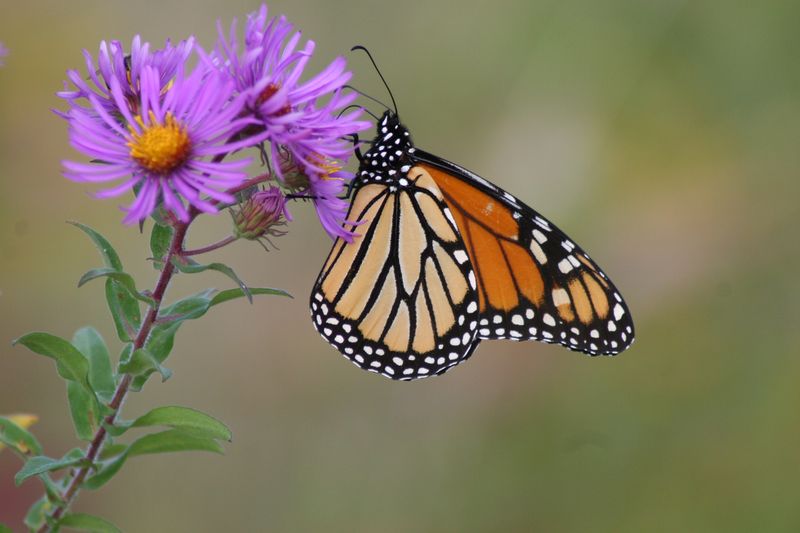
Asters, with their daisy-like blooms in shades of purple, pink, and white, are a late-season delight for butterflies. These flowers provide crucial nectar as other plants begin to fade, ensuring butterflies have sustenance until the first frost.
Asters thrive in a range of conditions and are known for their hardiness and extended blooming period. Their cheerful flowers add a pop of color to the autumn garden, creating a lively environment for butterflies and other pollinators. Asters are a testament to the enduring beauty of nature’s cycles.
12. Goldenrod
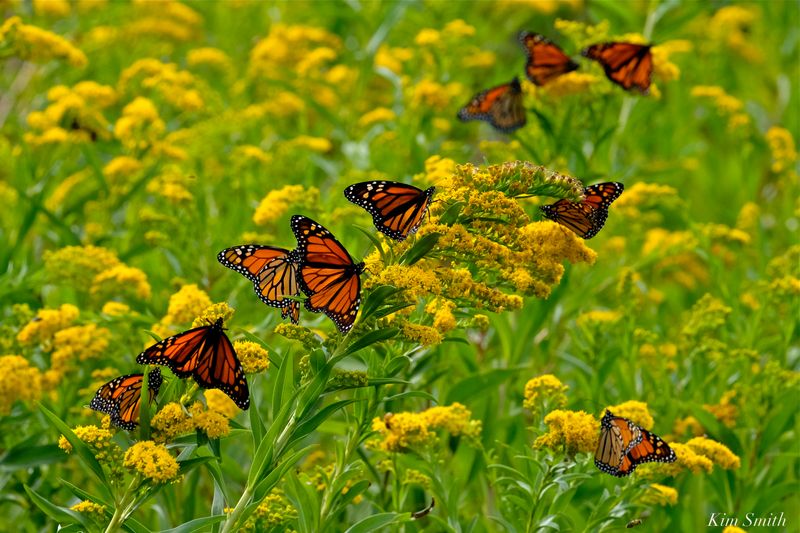
Goldenrod, with its bright yellow plumes, is often misunderstood but plays a vital role in supporting butterfly populations. Contrary to popular belief, it is not a major cause of hay fever and is a beneficial part of the ecosystem.
Butterflies are drawn to its nectar-rich flowers, finding them late in the season when other sources are scarce. Goldenrod thrives in open meadows and along roadsides, requiring little care once established. Its striking presence and ecological importance make it a valuable addition to any wildlife-friendly garden.
13. Bee Balm
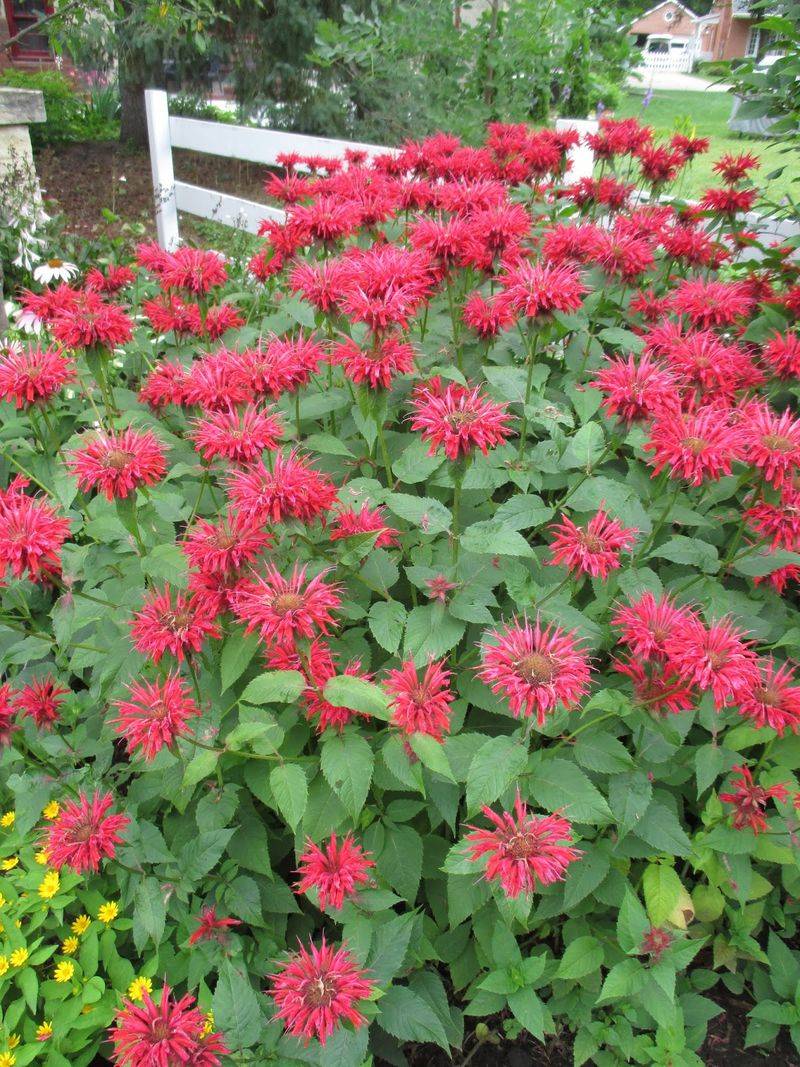
Bee Balm, with its vibrant red tubular flowers, offers a striking visual treat while attracting butterflies in droves. This plant, often associated with hummingbirds, also provides ample nectar for various butterfly species.
Bee Balm thrives in sunny locations with moist soil, rewarding gardeners with continuous blooms from mid-summer to early fall. Its aromatic foliage adds an extra sensory dimension to the garden, enhancing its appeal. Bee Balm’s bold color and butterfly-friendly nature make it a standout choice for creating dynamic, pollinator-friendly landscapes.
14. Marigold
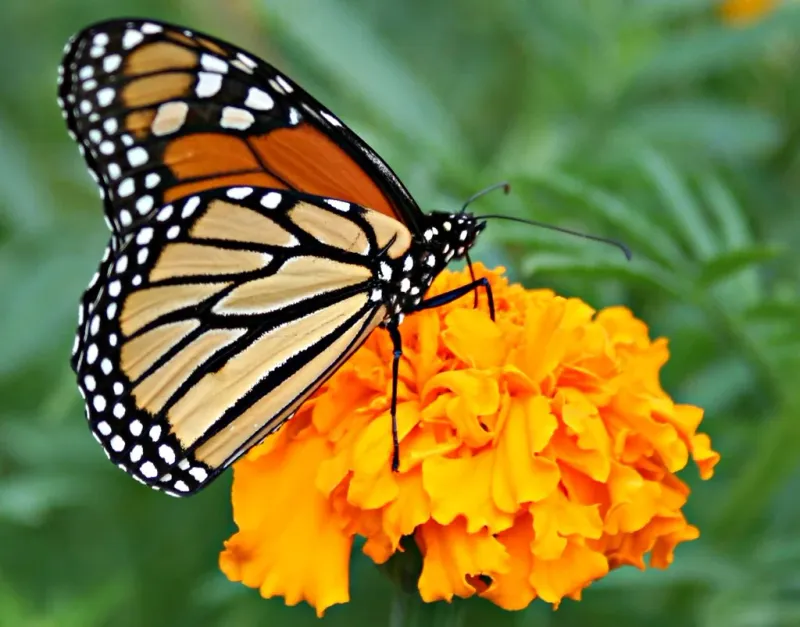
Marigolds, with their bright orange and yellow blooms, are a cheerful addition to any butterfly garden. These flowers are easy to grow and maintain, making them a popular choice for gardeners of all skill levels.
Butterflies are drawn to Marigolds for their plentiful nectar and vibrant color, which stands out across garden landscapes. Marigolds can thrive in sunny garden spots and are known for their pest-repelling properties. Their continuous blooming period and butterfly appeal ensure they remain a staple in gardens seeking to support pollinators.
15. Yarrow
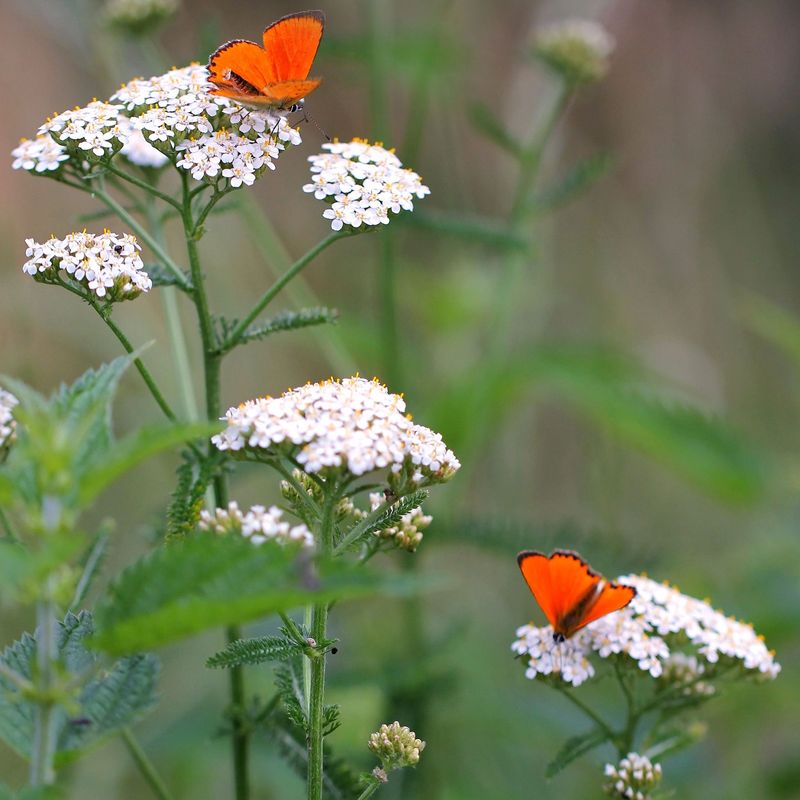
Yarrow, with its flat-topped clusters of white and yellow flowers, offers a classic beauty that appeals to both butterflies and gardeners alike. Its long-lasting blooms provide an extended nectar source, ensuring butterflies have plenty to enjoy.
Yarrow is known for its hardiness, thriving in diverse conditions and requiring minimal care. It is often used in wildflower gardens and can withstand drought, making it a sustainable choice. The plant’s feathery foliage and butterfly-friendly attributes contribute to its popularity in creating vibrant, welcoming garden spaces.
16. Lavender
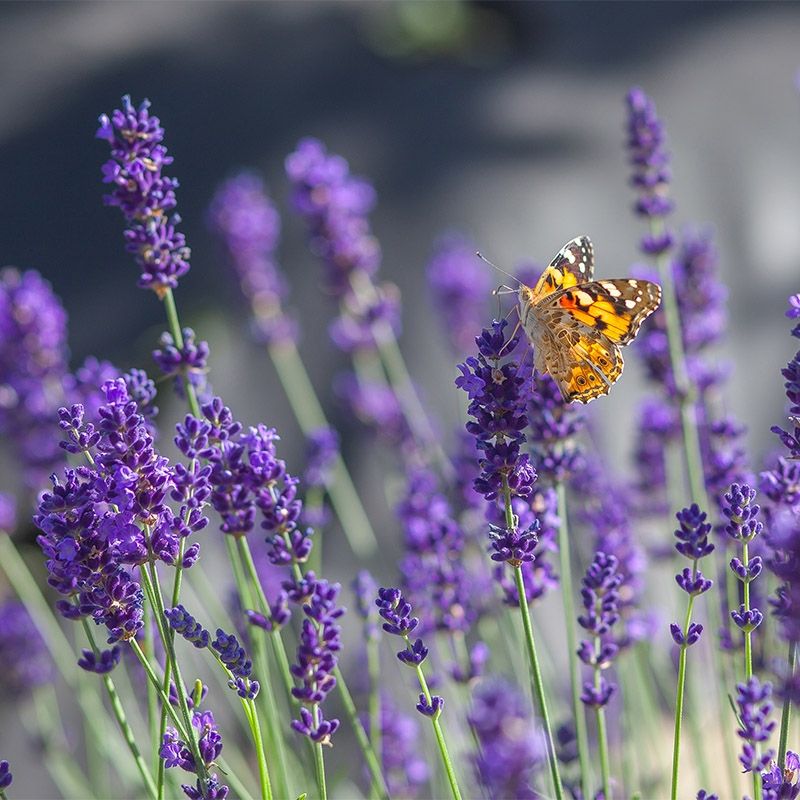
Lavender, beloved for its soothing fragrance and purple blooms, is a favorite among butterflies and gardeners alike. The plant’s aromatic flowers are a rich nectar source, attracting butterflies throughout the summer months.
Lavender prefers sunny, well-drained locations and is known for its drought tolerance and low maintenance needs. Its calming scent and beautiful appearance make it a versatile addition to gardens, borders, and containers. Lavender’s appeal extends beyond its beauty, offering a serene atmosphere that delights both butterflies and garden enthusiasts.
17. Catmint
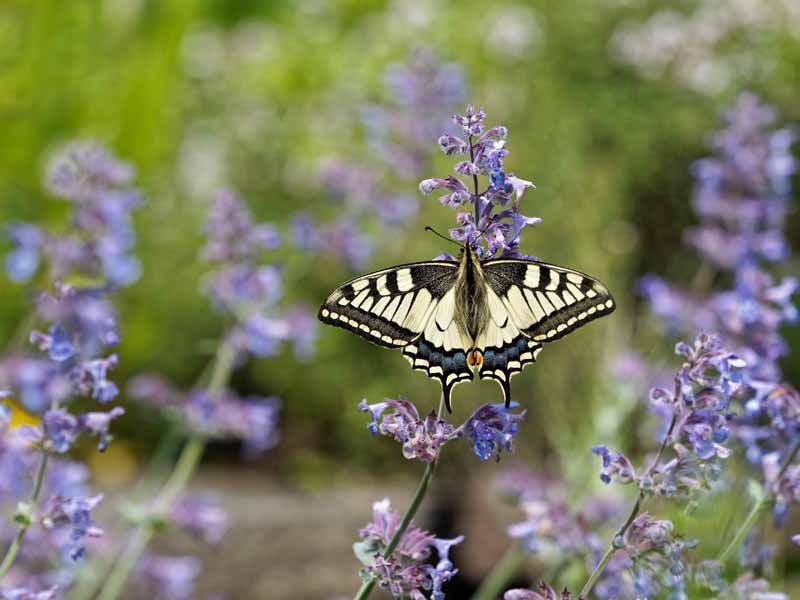
Catmint, with its soft blue-purple flowers and aromatic foliage, creates a dreamy setting that butterflies find irresistible. This plant is known for its long blooming period, providing a consistent nectar supply for butterflies.
Catmint is low-maintenance and thrives in sunny, well-drained locations, making it an ideal choice for cottage gardens. Its resilience and appealing scent also make it deer-resistant, adding to its versatility. Catmint’s gentle beauty and butterfly appeal ensure it remains a beloved choice for gardeners looking to support pollinators.