 Complete Gardening
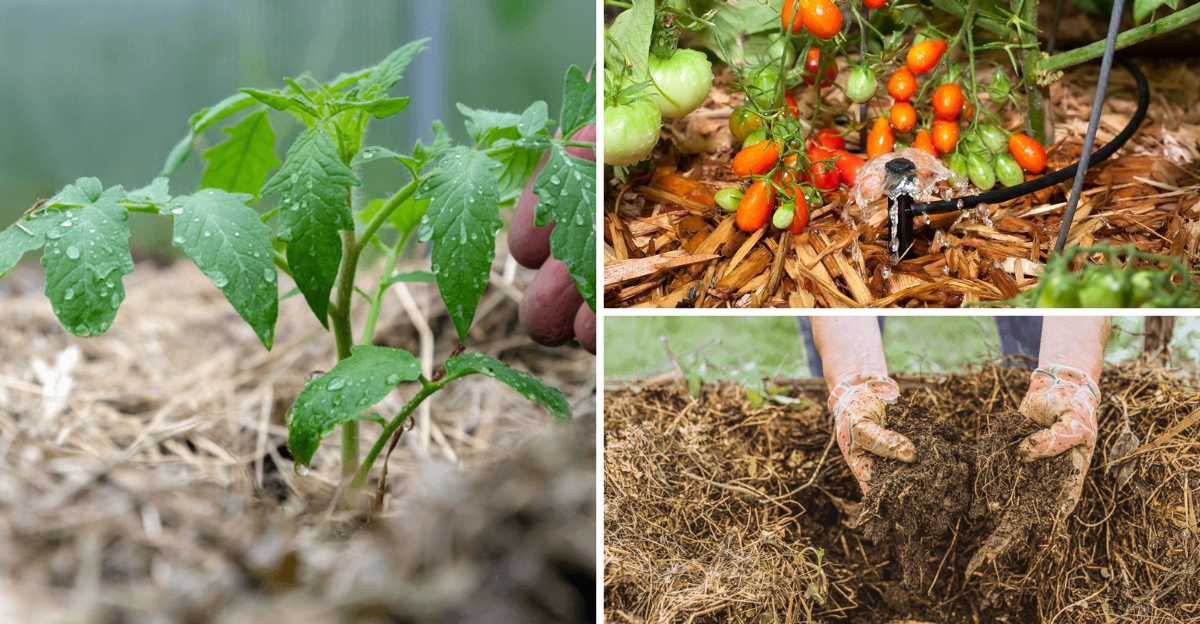
Unlock the full potential of your tomato plants with these surprising secrets that promise to triple your harvest. Seasoned gardeners swear by these methods to ensure delicious and bountiful yields.
1. Companion Planting
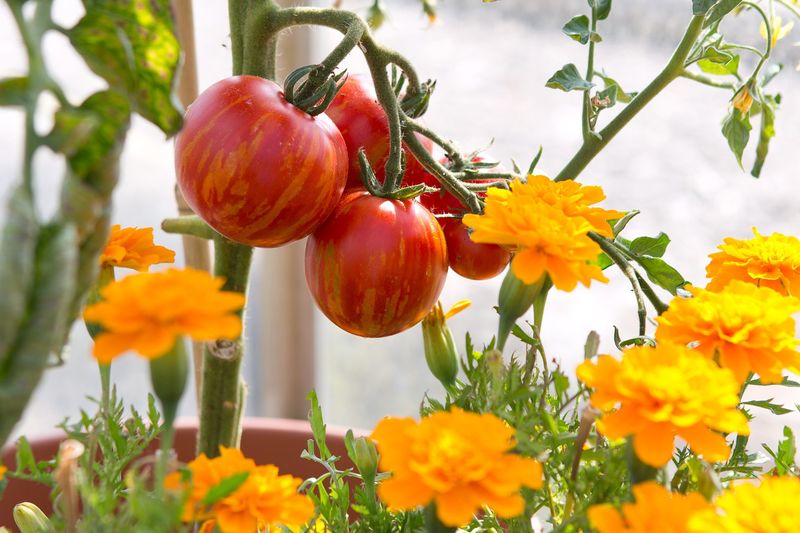
Did you know that marigolds and basil are more than just pretty additions to your garden? These plants act as natural protectors for your tomatoes. Marigolds deter harmful nematodes, while basil enhances tomato flavor. Planting these companions can boost growth and keep pests at bay. Imagine a harmonious garden where each plant supports the others’ growth. This synergy not only improves health but also increases yield significantly. Try it in your garden and enjoy a thriving, colorful landscape.
2. Proper Pruning
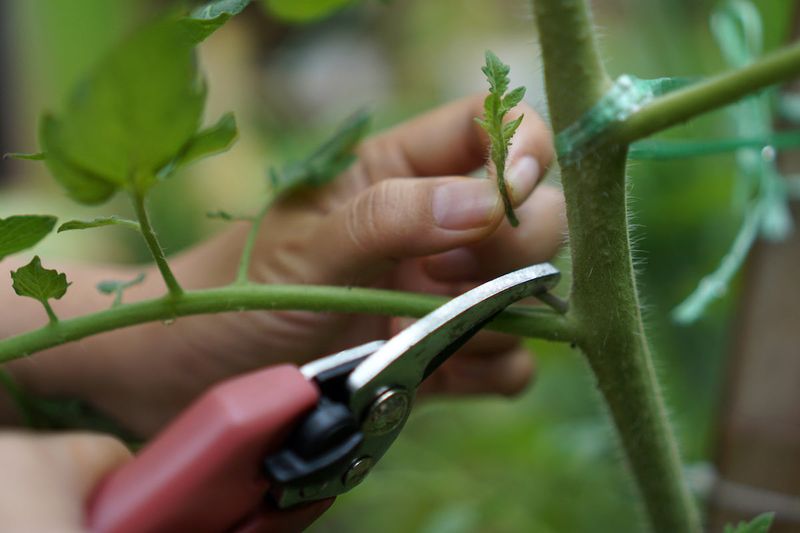
Pruning might seem like an extra step, but it’s essential for a bountiful tomato harvest. By removing excess leaves and non-fruit-bearing branches, you allow more sunlight and air to reach the plant’s core. This practice helps prevent diseases and encourages robust fruit development. Consider it a strategic trim that focuses the plant’s energy on producing delicious tomatoes. Proper pruning can transform an average yield into an exceptional one, filling your basket with ripe, juicy tomatoes that are ready to enjoy.
3. Watering Techniques
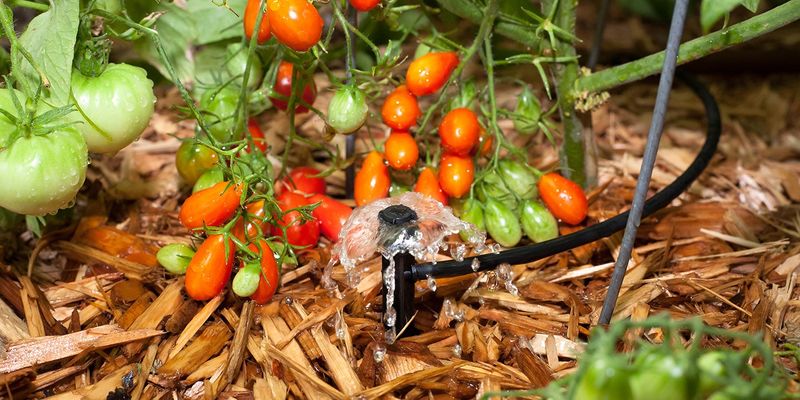
Water is life, especially for tomatoes. Ensuring they receive consistent moisture is key to preventing blossom end rot and splitting. Employing a drip irrigation system can help deliver water directly to the roots. This method avoids wetting the leaves, which can lead to fungal diseases. Consistent watering not only keeps your plants healthy but also promotes even growth and ripening. It’s like giving your tomatoes a steady drink to keep them happy and productive throughout the growing season.
4. Temperature Regulation Techniques
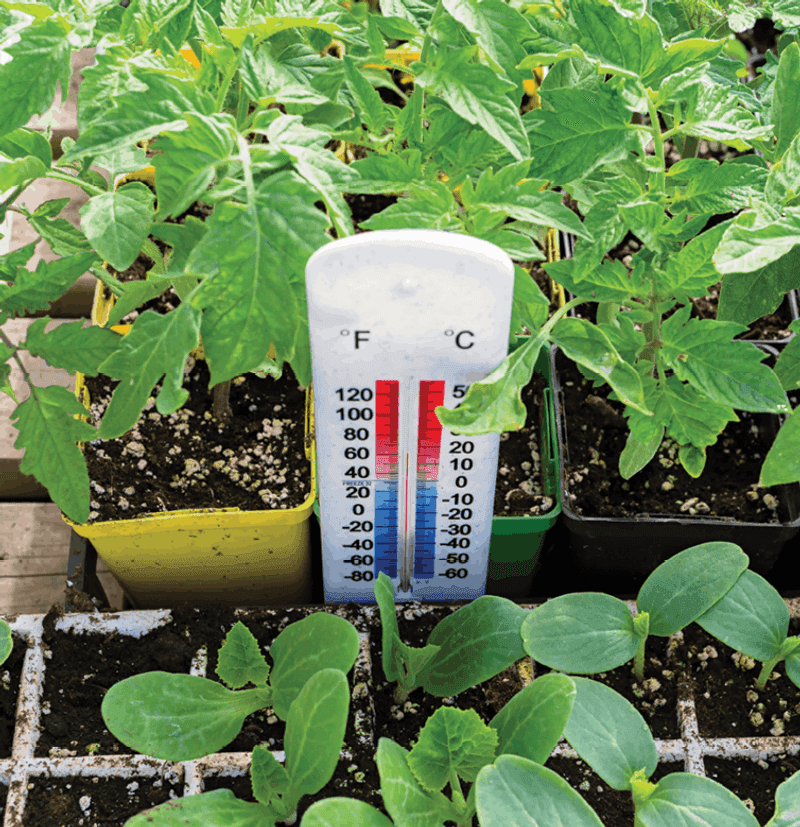
Tomatoes thrive between 70-85°F during the day. Extreme temperatures can hinder growth. Utilize greenhouses or row covers to maintain optimal warmth. For gardeners in colder climates, investing in a greenhouse can be transformative. It allows control over the environment, safeguarding against unexpected frost. Row covers also provide protection and help in extending the growing season.
5. Enhanced Soil Nutrition

Healthy soil equals healthy plants. Enrich your garden soil with organic matter. Compost boosts the microbial life, ensuring robust root development. Manure and bone meal are great additions too. They slowly release nutrients vital for tomato growth. Periodic soil testing can guide amendments needed, balancing pH and nutrient levels for peak plant health.
6. Mulching Magic
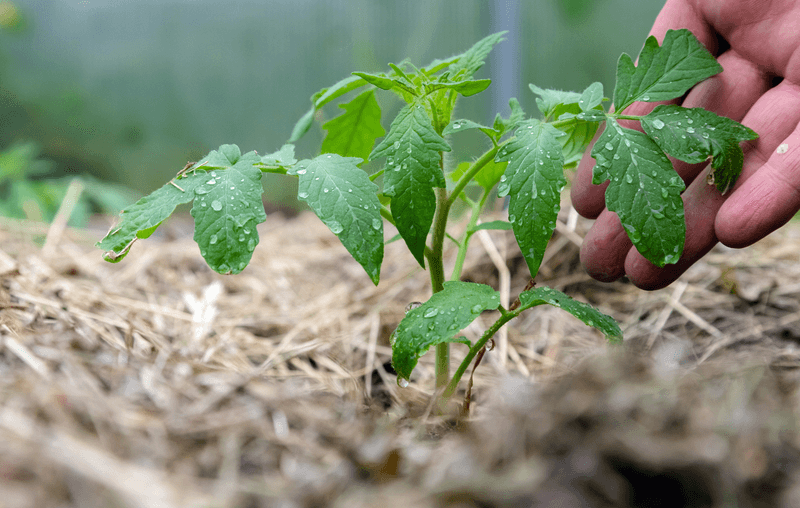
Mulching retains soil moisture, suppresses weeds, and regulates temperature. Straw, grass clippings, or shredded leaves make excellent mulch. These materials decompose over time, adding nutrients back into the soil. Apply a 2-3 inch layer around your tomato plants, ensuring it doesn’t touch the stems to prevent rot. This simple practice aids in consistent growth and abundant yields.
7. Pest-Resistant Varieties
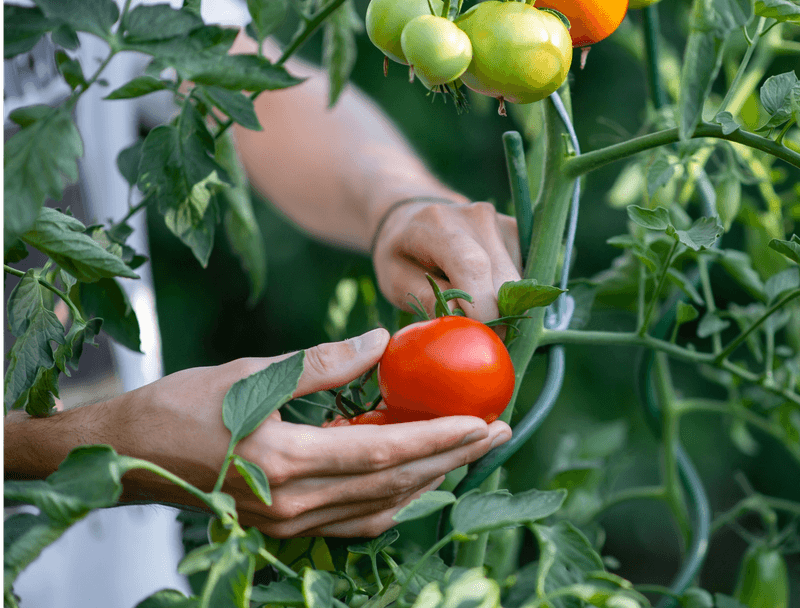
Selecting pest-resistant varieties can save time and effort. Varieties like ‘Celebrity’ and ‘Juliet’ have a natural resilience against common tomato pests. This genetic advantage means fewer chemical interventions. Explore lesser-known heirlooms too; they often boast unique flavors and strong pest resistance. Always consider your local climate when choosing these resilient types.
8. Strategic Plant Spacing
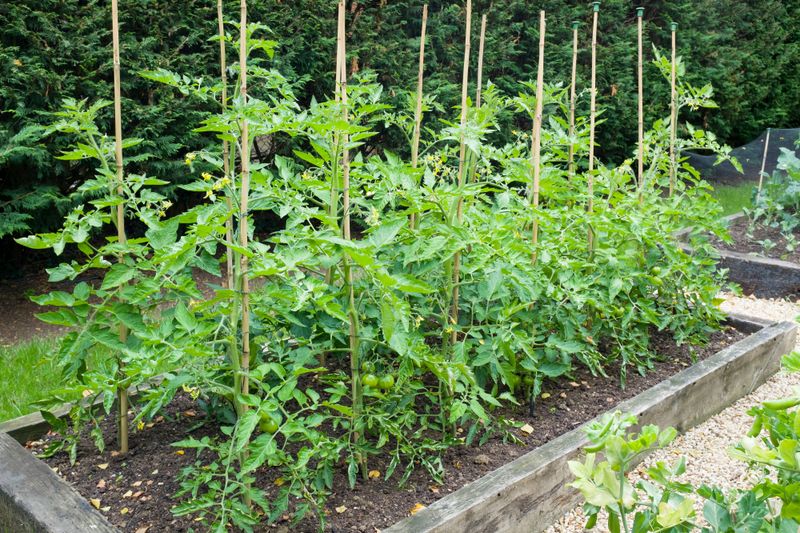
Proper plant spacing ensures good air circulation, reducing disease risk. Overcrowding can lead to fungal issues. Space determinate types 18-24 inches apart, while indeterminate types need slightly more room. This careful planning minimizes competition for nutrients and sunlight. It also makes harvesting easier, allowing plants to reach their full productive potential.
9. Beneficial Microorganisms
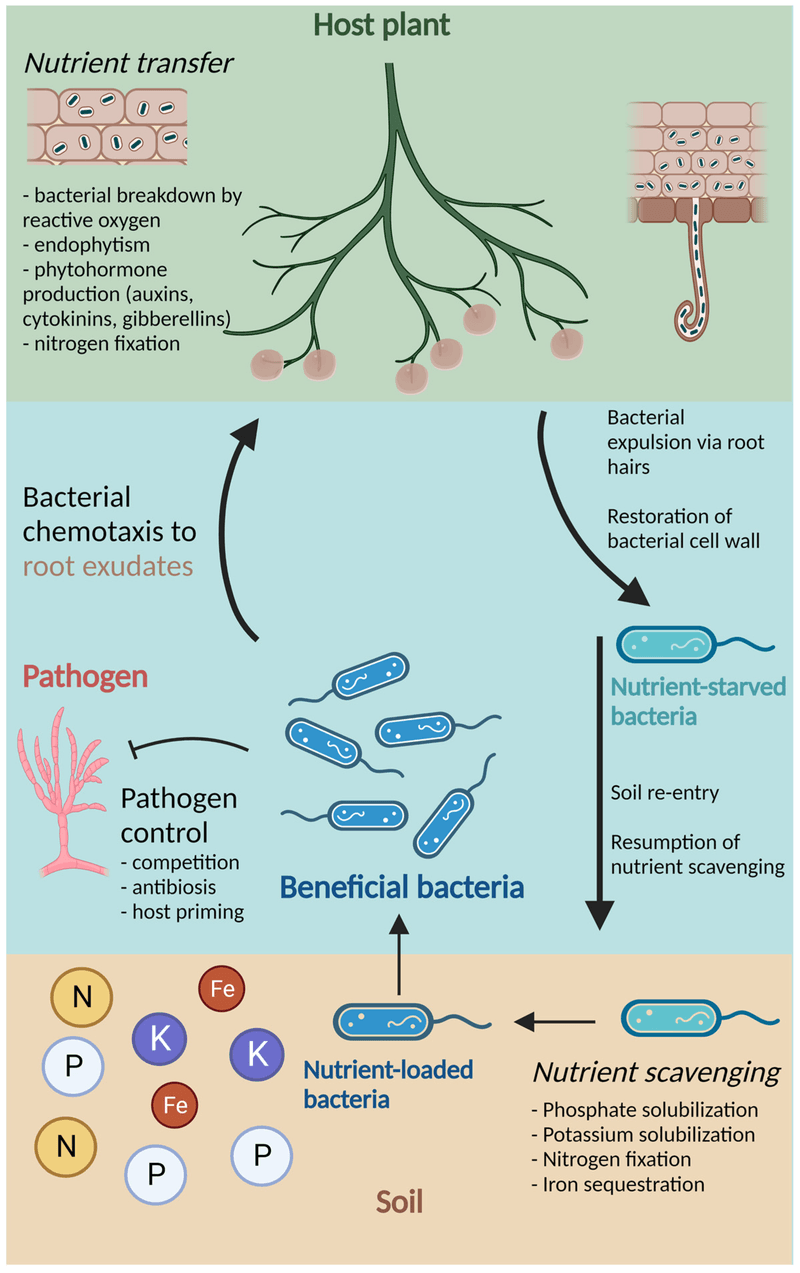
Microorganisms play a crucial role in plant health. Mycorrhizal fungi and beneficial bacteria enhance nutrient uptake. Introduce these through inoculants or compost teas. These natural helpers break down organic matter, making nutrients more accessible to plant roots. A thriving microbial community in the soil leads to stronger, more productive tomato plants.
10. Efficient Crop Rotation
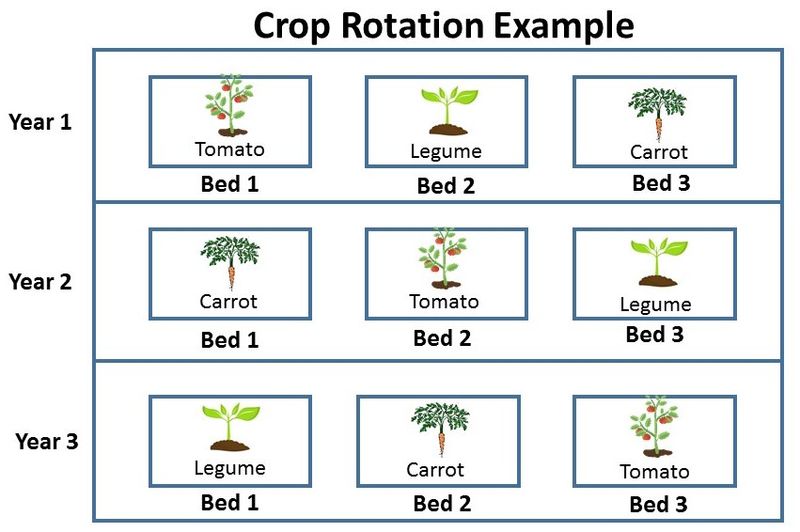
Rotating your crops prevents soil depletion and pest buildup. Avoid planting tomatoes in the same spot consecutively. Alternate with legumes or leafy greens. This practice disrupts pest life cycles and maintains soil fertility. A well-planned rotation schedule optimizes nutrient use and minimizes disease risks, contributing to healthier and more productive tomato plants.
11. Deep Watering Techniques
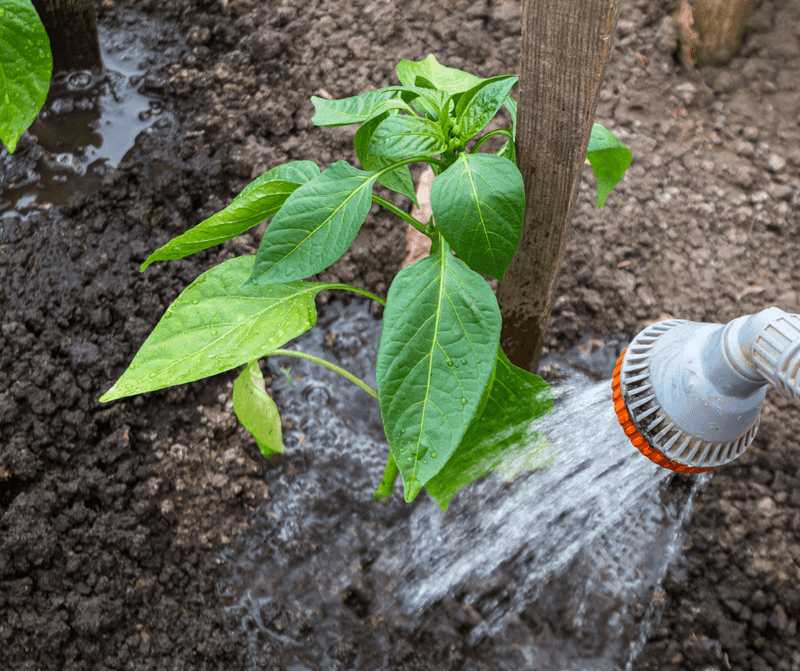
Deep watering encourages strong root systems. Instead of frequent shallow watering, soak the soil deeply but less often. Soaker hoses or drip irrigation systems are ideal. They deliver moisture directly to the root zone, reducing evaporation losses. This approach helps in developing drought-resistant plants and ensures a constant supply of nutrients to the roots.
12. Custom Fertilizer Blends
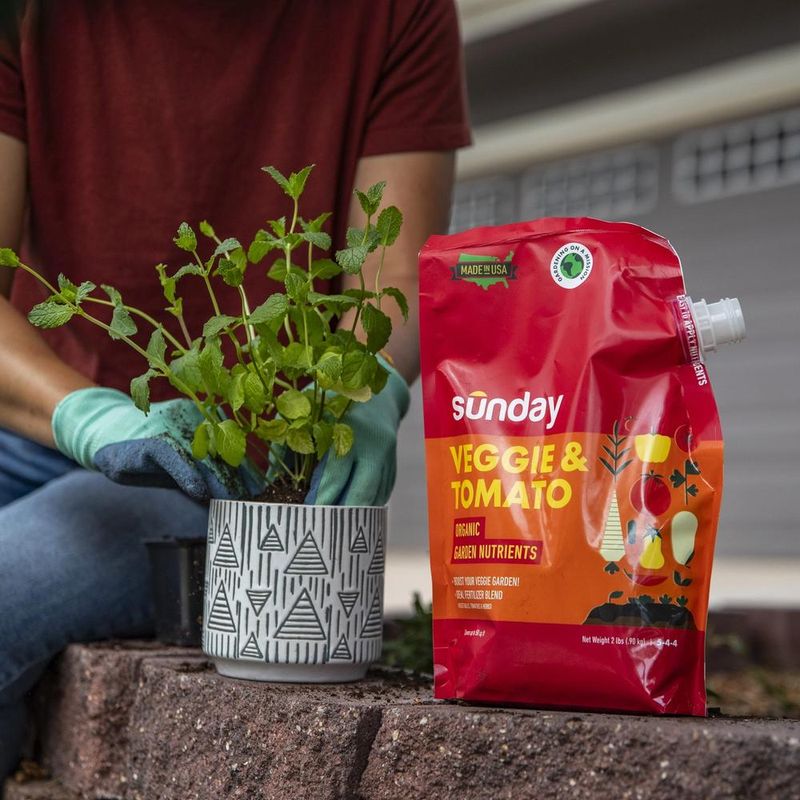
Customizing your fertilizer blend can address specific nutrient deficiencies. Fish emulsion and kelp extract provide essential nutrients like nitrogen and potassium. Regularly feeding your tomatoes with these blends supports vigorous growth and fruiting. Monitor plant responses and adjust formulations as needed. Tailored nutrition contributes to larger, juicier tomatoes.
13. Disease-Resistant Varieties
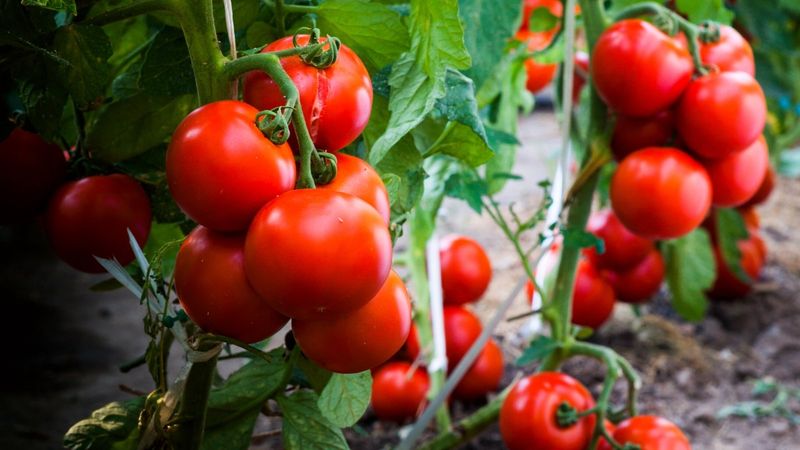
Choosing disease-resistant varieties like ‘Mountain Magic’ reduces the risk of common tomato ailments. These plants withstand blight and wilt, common nemeses in tomato gardens. While not entirely immune, they offer greater resilience, ensuring a more stable yield. Researching and selecting these varieties can lead to fewer losses and a more satisfying gardening experience.
14. Tomato Grafting Techniques
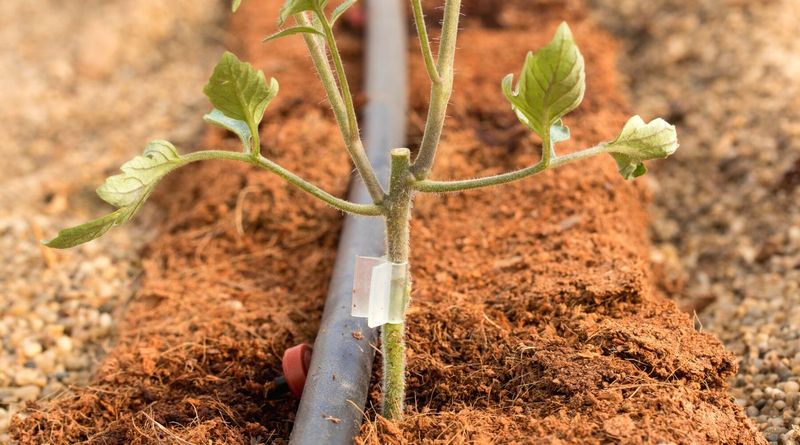
Grafting combines disease-resistant rootstocks with flavorful scions. This technique enhances vigor and yield. It offers the best of both worlds: resilience and great taste. Although it requires skill, the benefits are notable. Grafting can be done at home with practice or purchased ready-made. This modern twist on an ancient practice can lead to more prolific harvests.
15. Foliar Feeding Methods
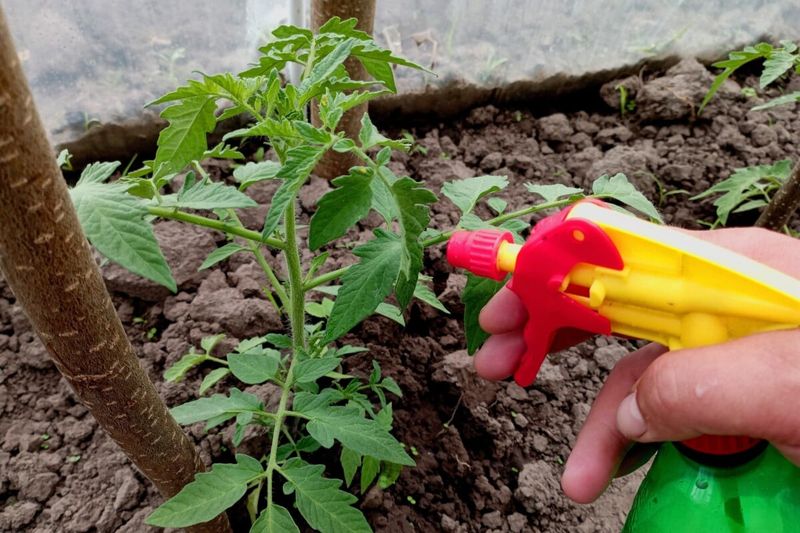
Foliar feeding delivers nutrients directly to tomato leaves. It’s an efficient way to address nutrient deficiencies quickly. Use liquid fertilizers like seaweed extracts or fish emulsion. Apply in the morning or evening to prevent leaf burn. This method supports robust plant health and faster recovery from stress. Regular foliar feeding can lead to lush, healthy foliage.
16. Biodynamic Farming Practices

Biodynamic farming integrates natural cycles and rhythms. It involves holistic approaches like lunar planting calendars and preparations made from medicinal plants. These practices enhance soil and plant health, promoting natural resilience to pests and diseases. Implementing biodynamic methods can lead to flourishing tomato yields and a balanced garden ecosystem.
17. Shade Management Strategies
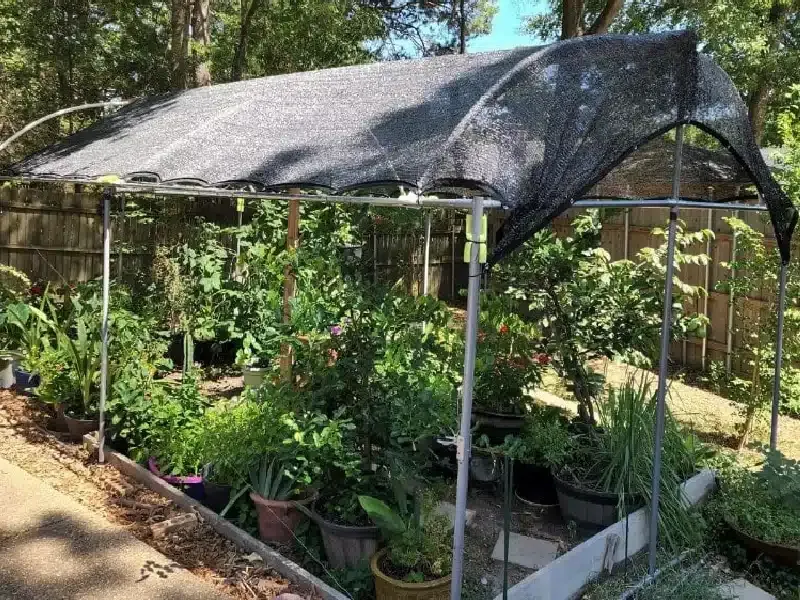
Managing sunlight is crucial for tomatoes. Excessive heat can lead to sunscald and reduced fruit quality. Use shade cloths to filter intense sunlight during peak hours. This prevents damage and supports even ripening. In cooler regions, ensure enough light reaches the plants by trimming overhanging foliage. Balance is key for optimal growth and harvest quality.
18. Vertical Gardening Innovations

Vertical gardening saves space and increases yield. Use trellises, cages, or hanging planters to grow tomatoes upwards. This method improves air circulation, reduces disease, and simplifies harvesting. Ideal for small spaces or urban gardening, vertical setups maximize output from limited areas. The innovation adds aesthetics and functionality to any garden setting.
19. Soil Solarization for Pest Control
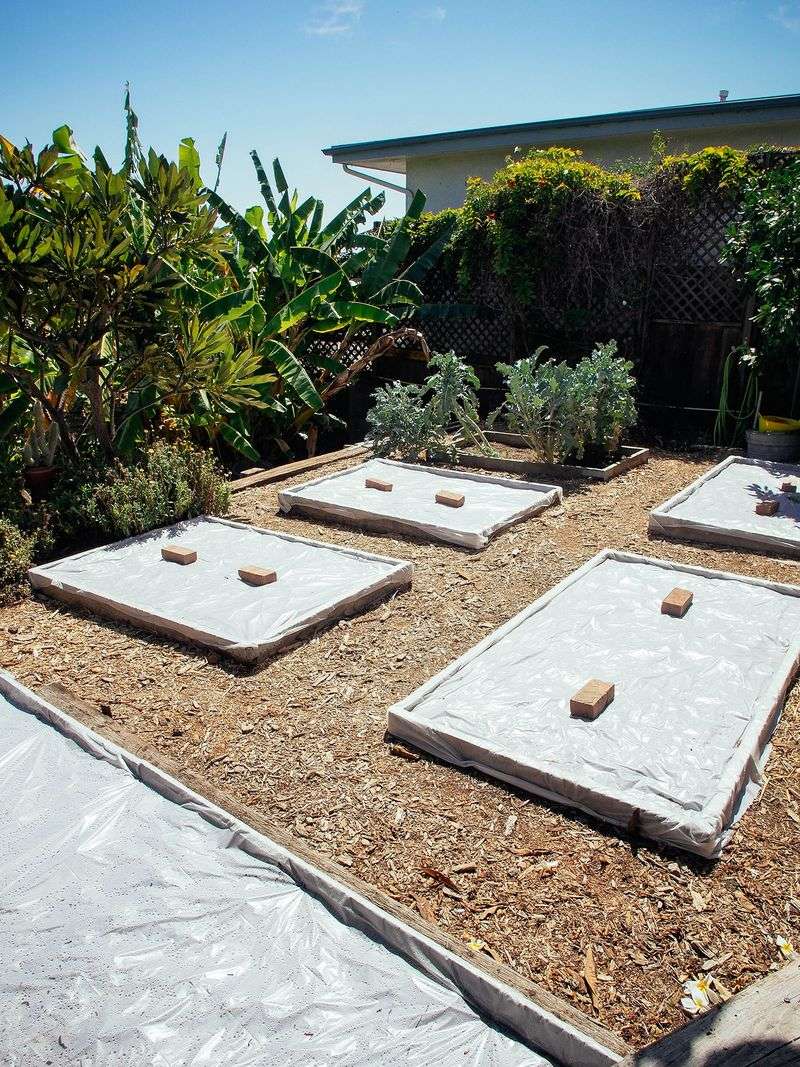
Soil solarization uses the sun’s heat to eliminate soil-borne pests and weeds. Cover the garden bed with clear plastic during the hottest months. This raises the soil temperature to levels lethal for many pathogens. It’s an eco-friendly alternative to chemical treatments. Solarization creates a healthier environment for subsequent tomato planting, ensuring robust growth.
20. Natural Pest Control Methods
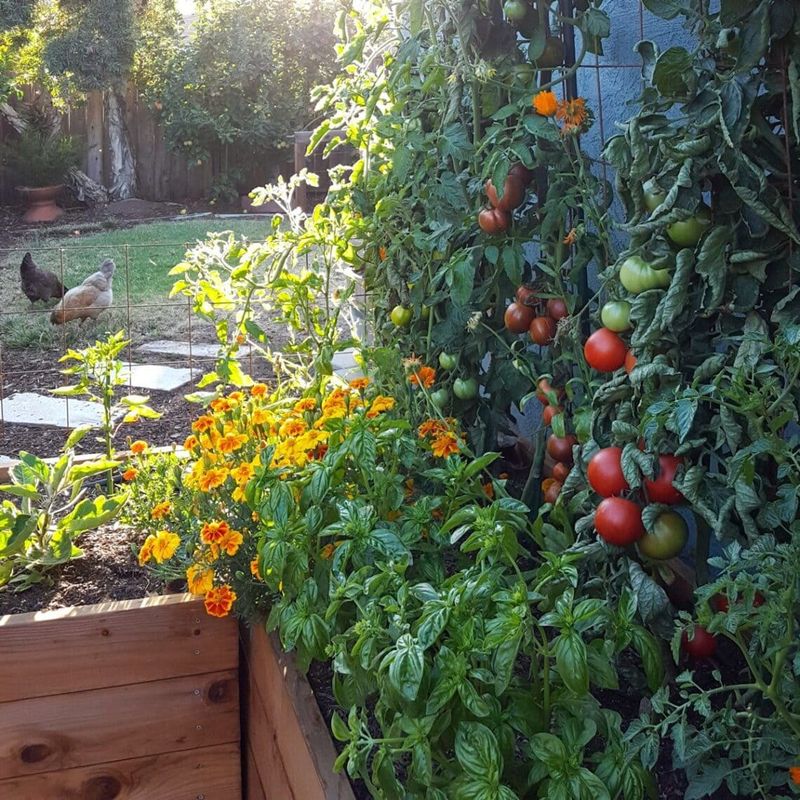
Incorporate natural pest control by attracting beneficial insects and using companion plants. Ladybugs and lacewings feast on aphids, while marigolds and basil repel nematodes and whiteflies. Such biodiversity minimizes chemical use and fosters a balanced garden ecosystem. Planting these allies alongside tomatoes keeps pest populations in check, promoting healthier plants.
21. Antioxidant Boosting Techniques
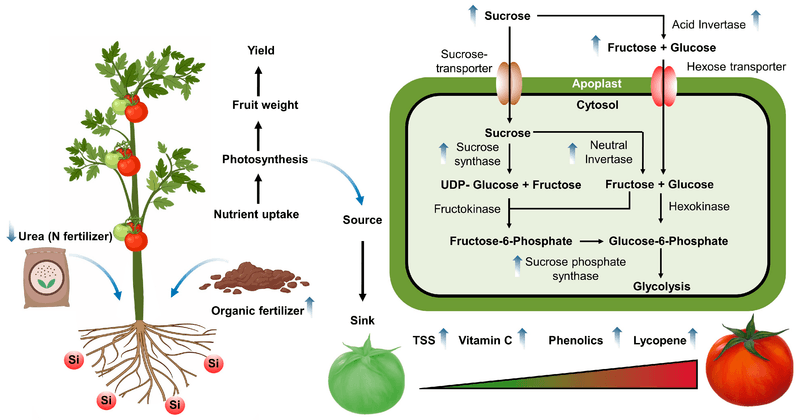
Enhance the antioxidant levels in tomatoes through specific growing techniques. Use LED grow lights to mimic sunlight spectrum and enrich soil with selenium and zinc. These practices boost vitamins and phytonutrients in your harvest. Increased antioxidant content not only improves flavor but also health benefits. It’s a scientific approach to elevate your gardening outcome.
22. Season Extension Methods

Extend your tomato season using cold frames, cloches, or tunnels. These structures protect plants from frost and allow earlier planting. Season extension is valuable for maximizing yields in colder climates. It provides a head start and can prolong harvest well into the fall. By managing temperature and light, you can enjoy fresh tomatoes for more extended periods.
23. Hydroponic Tomato Growing
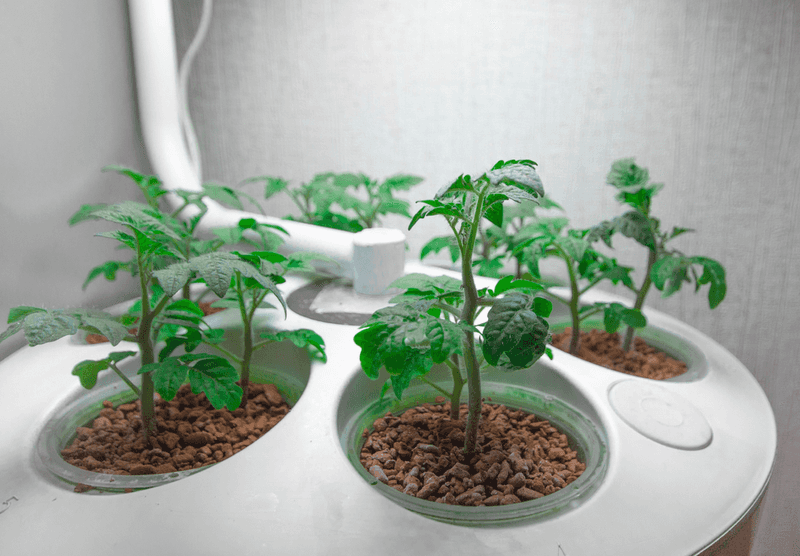
Hydroponics offers a soil-less growing solution. By using nutrient-rich water, you can grow tomatoes indoors or in limited spaces. This method allows precise control over nutrients and growth conditions, leading to higher yields. It eliminates soil-borne diseases and pests. Hydroponics is ideal for year-round cultivation, bringing the joy of fresh tomatoes regardless of season.