
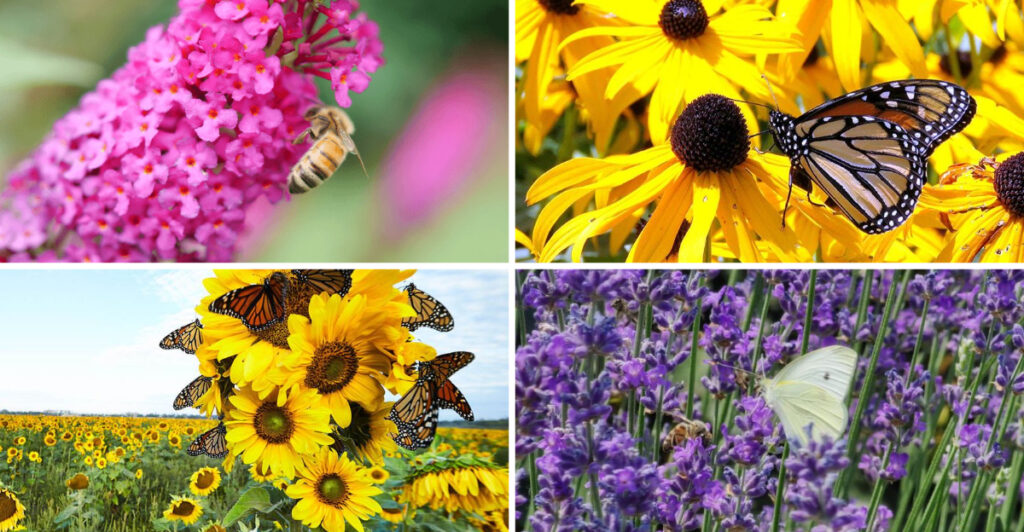
Gardens become vibrant havens when filled with flowers that not only delight the eyes but also attract a host of pollinators. Bees, butterflies, and hummingbirds are essential to our ecosystem, and filling your garden with the right flowers can triple their visits. Here are 17 exquisite flowers guaranteed to attract these important creatures.
1. Lavender
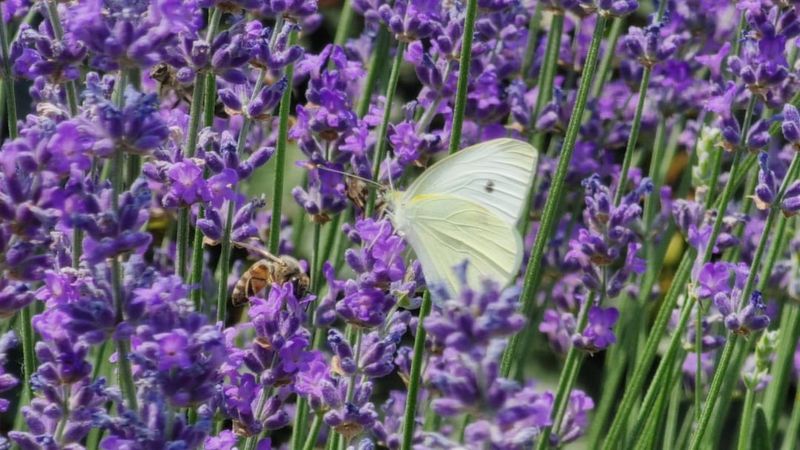
Lavender, synonymous with tranquility, invites bees, butterflies, and hummingbirds alike. Its purple blooms release a calming scent that enchants all who pass by. Planting lavender in clusters enhances its visual appeal and aroma.
This hardy plant thrives in sunny spots, making it an ideal choice for gardens seeking low-maintenance beauty. Historically, lavender has been used for its soothing properties in oils and sachets.
A touch of Provence in your backyard, lavender not only pleases pollinators but also provides a sensory retreat for garden enthusiasts. Its timeless elegance is unmatched.
2. Coneflower
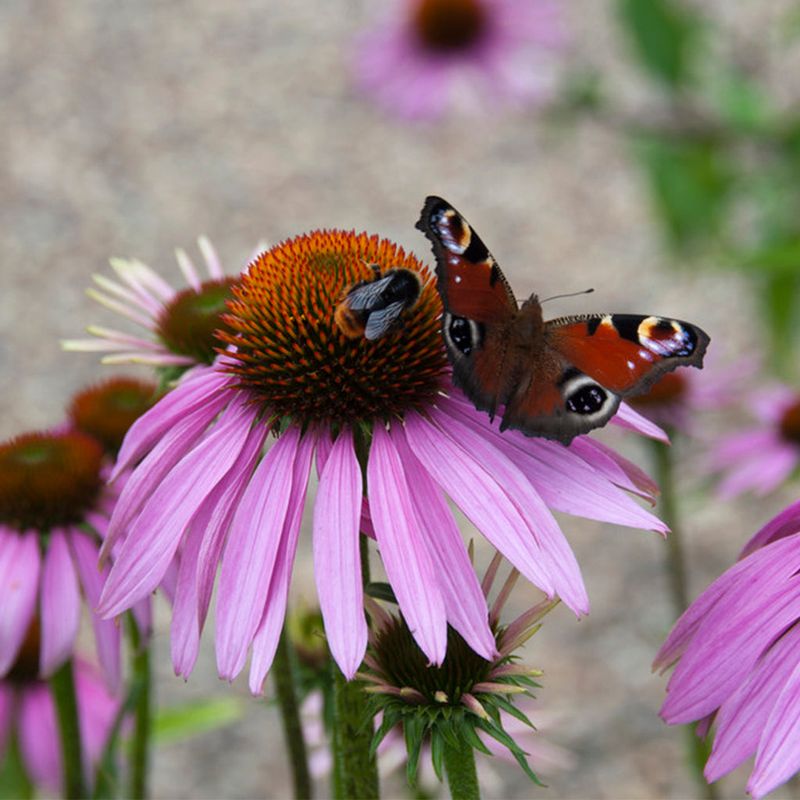
Coneflowers stand tall and proud, drawing in bees with their vibrant hues and nectar-rich centers. Their spiky petals add a unique texture to any garden, making them a favorite for both pollinators and gardeners.
These resilient plants adapt well to various climates, ensuring a colorful display from summer into fall. Coneflowers have a storied past, once used by Native Americans for medicinal purposes.
Their ability to attract a diverse range of pollinators makes them indispensable in eco-friendly gardens. Coneflowers are truly the stalwarts of pollinator-friendly horticulture.
3. Bee Balm
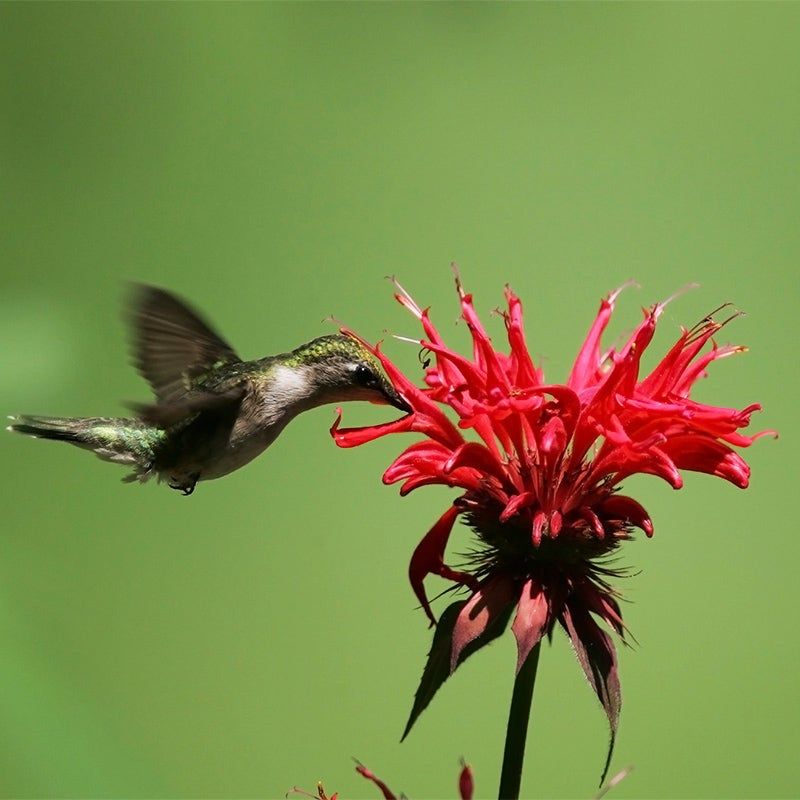
Bee balm, with its fiery red blooms, acts as a magnet for buzzing bees and hovering hummingbirds. Its tubular flowers are designed perfectly for pollinators, offering easy access to nectar.
Beyond its visual appeal, bee balm is known for its aromatic leaves which can be used in teas and potpourri. This North American native brings a wild, untamed beauty to gardens.
Growing bee balm not only supports pollinators but also adds a splash of color and fragrance. It’s an essential plant for those who aim to nurture local wildlife.
4. Zinnia
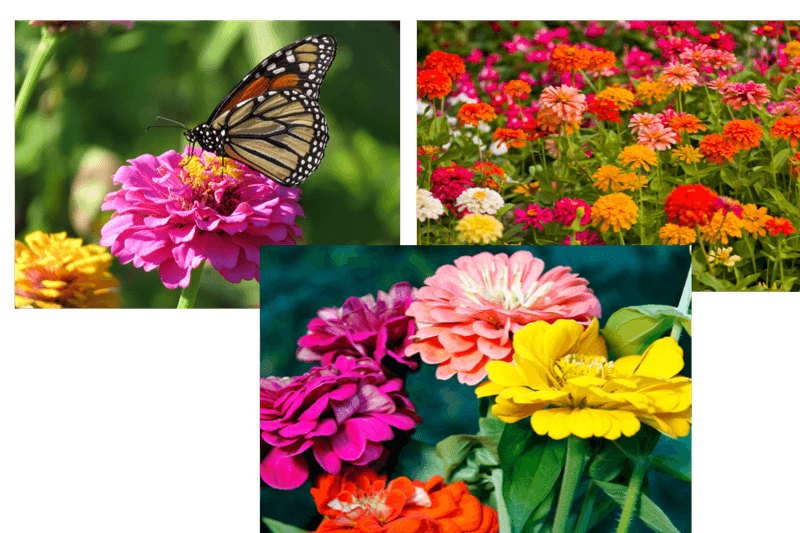
Zinnias, with their kaleidoscope of colors, are a delightful sight for pollinators. Bees and butterflies flock to their daisy-like blooms, ensuring your garden buzzes with activity.
These annuals are easy to grow, making them perfect for novice gardeners. Zinnias bloom profusely throughout the summer, providing continuous allure for pollinators.
Their cheerful presence is a reminder of nature’s vibrant palette. By planting zinnias, you’re not just adding color but are also fostering a supportive habitat for essential pollinators. It’s a win-win for beauty and ecology.
5. Salvia
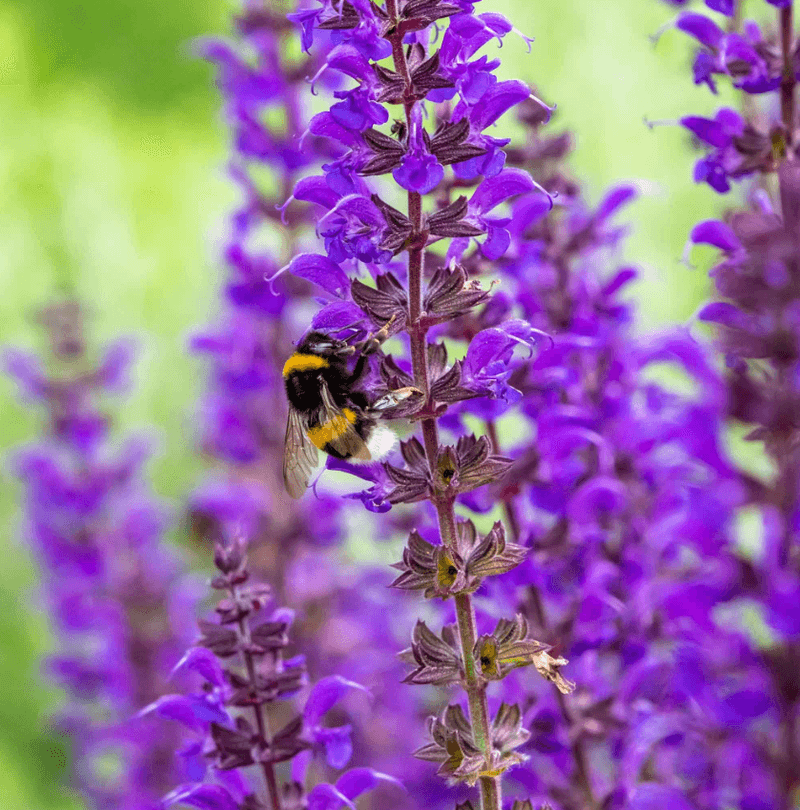
Salvia, with its rich blue and purple spikes, captivates both the eye and pollinators. Hummingbirds and bees are particularly drawn to its nectar-filled flowers.
This drought-tolerant plant thrives in sunny environments, making it a resilient garden choice. Salvia’s enchanting colors and fragrant leaves make it a versatile addition to any landscape.
Historically, it has been used in culinary and medicinal applications, adding another layer of value. Salvia not only enhances garden aesthetics but also plays a vital role in sustaining pollinator populations.
6. Butterfly Bush
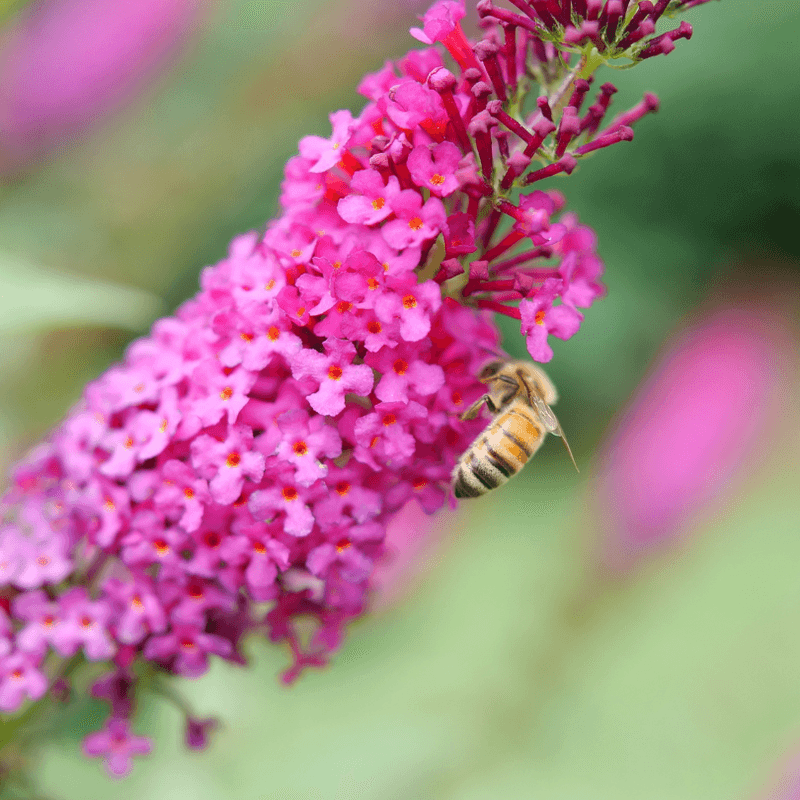
The butterfly bush lives up to its name, attracting a flurry of butterflies and bees. Its elongated clusters of flowers come in various shades, providing a vibrant spectacle.
This hardy shrub is easy to care for, making it a popular choice for pollinator gardens. Butterfly bushes bloom from summer to fall, ensuring an extended feeding season.
A must-have for anyone looking to support local wildlife, this plant offers aesthetic and ecological benefits. Its lush, full blooms are a testament to nature’s artistry.
7. Sunflower
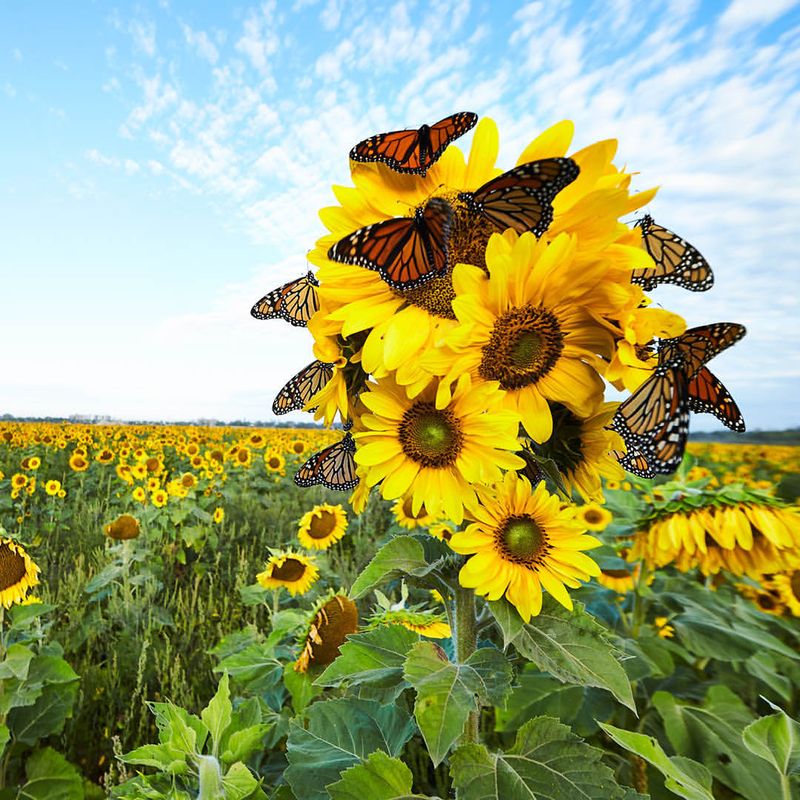
Sunflowers, towering giants of the garden, offer more than just sunny dispositions. Bees and butterflies are drawn to their bright yellow faces, which follow the sun across the sky.
These iconic flowers are known for their ability to generate seeds that feed both wildlife and humans. Sunflowers bring a cheerful energy to gardens, standing tall and proud.
Their robust nature makes them easy to grow, ensuring that they remain a staple in pollinator-friendly landscapes. Sunflowers are a true testament to the power and beauty of nature.
8. Black-eyed Susan
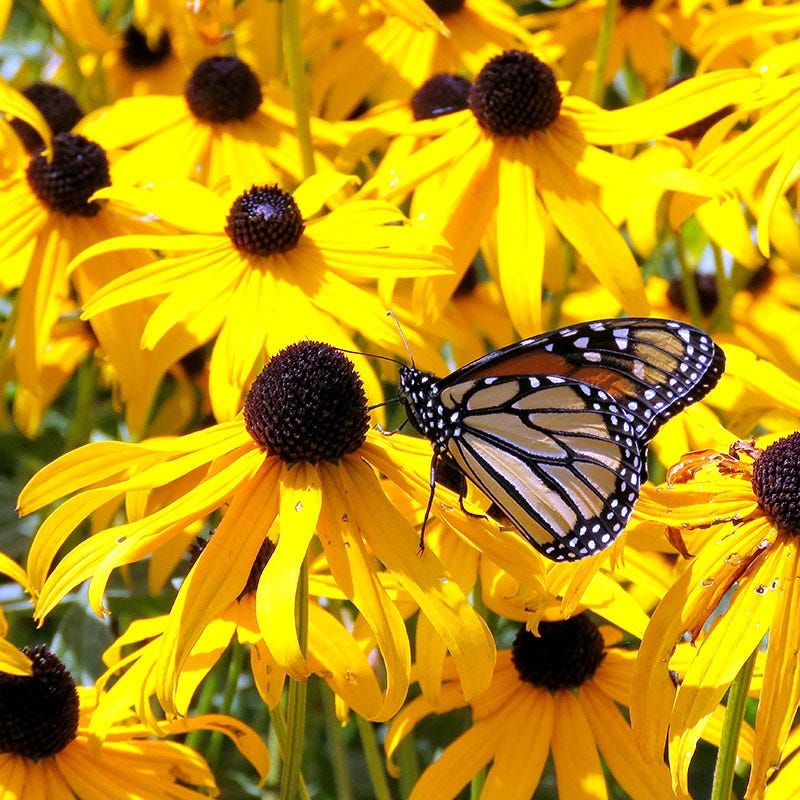
Black-eyed Susans, with their sunny yellow petals, are a delight for bees and butterflies. These resilient flowers brighten up any garden with their cheerful demeanor.
Known for their hardiness, black-eyed Susans bloom profusely from mid-summer to early fall. They are a symbol of summer’s vibrancy and nature’s resilience.
Their low-maintenance nature makes them a favorite among gardeners seeking to attract pollinators. By incorporating black-eyed Susans into your garden, you create a welcoming habitat for essential insects.
9. Foxglove
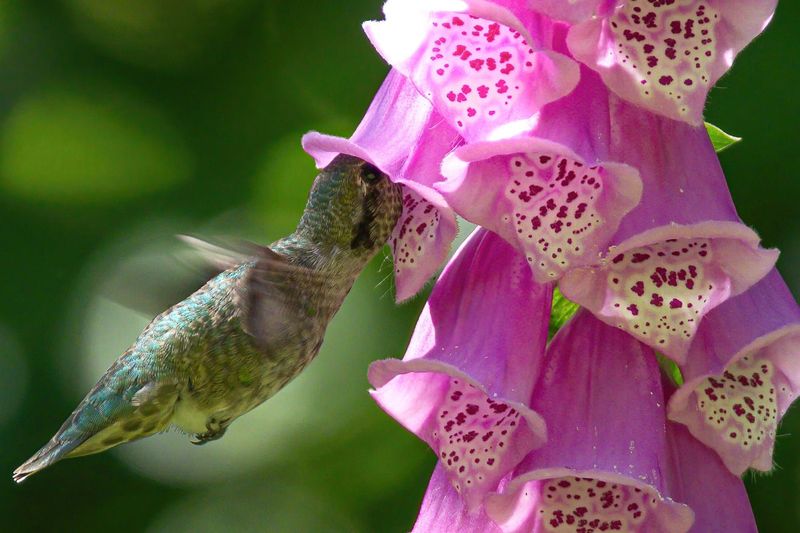
Foxgloves, with their towering spires, command attention from both humans and pollinators. Bees and hummingbirds find refuge in their tubular blossoms.
These biennials add a touch of elegance and height to gardens, thriving in partial shade. Historically, foxgloves have been used in traditional medicine, though caution is advised due to their toxic nature.
Their dramatic presence adds a unique architectural element to landscapes. Foxgloves are not just visually stunning but also crucial for supporting pollinator diversity in your garden.
10. Lupine
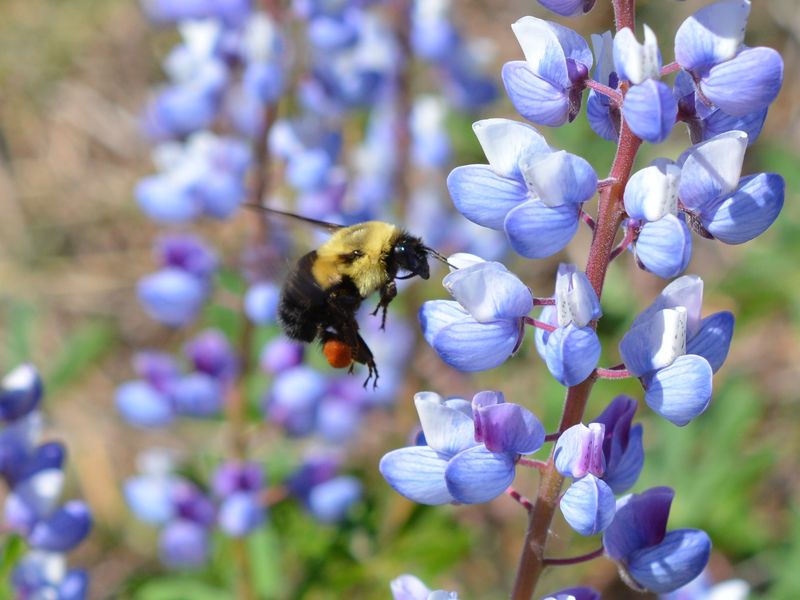
Lupines, with their tall, spiky blooms, create a stunning display that attracts a variety of pollinators. Bees and butterflies find their vibrant colors irresistible.
These perennials thrive in well-drained soil, adding vertical interest to gardens. Lupines also have a fascinating history, once utilized by Native Americans for their nutritious seeds.
Their robust presence makes them a staple in wildflower meadows and cottage gardens. By planting lupines, you provide a rich source of nectar for essential pollinators while enhancing garden aesthetics.
11. Hollyhock
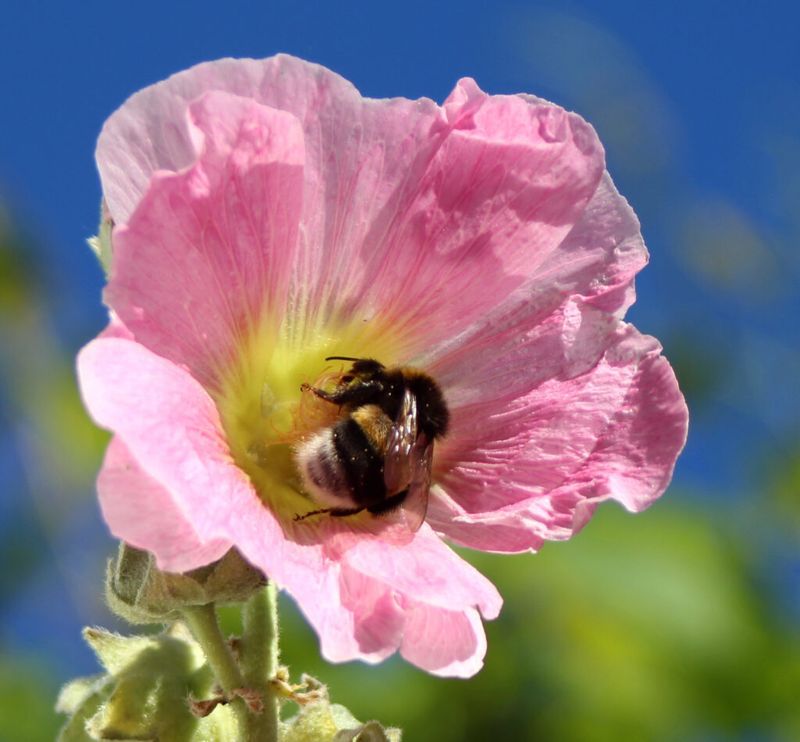
Hollyhocks, with their majestic height and colorful blooms, are a magnet for bees and hummingbirds. Their towering flower spikes create a dramatic backdrop in any garden setting.
These biennials are easy to grow, adding a vintage charm reminiscent of cottage gardens. Hollyhocks have a storied past, often associated with English country estates.
Their ability to attract diverse pollinators enhances biodiversity in your garden. Hollyhocks not only offer visual intrigue but also create essential habitats for wildlife, blending beauty with ecological function.
12. Marigold
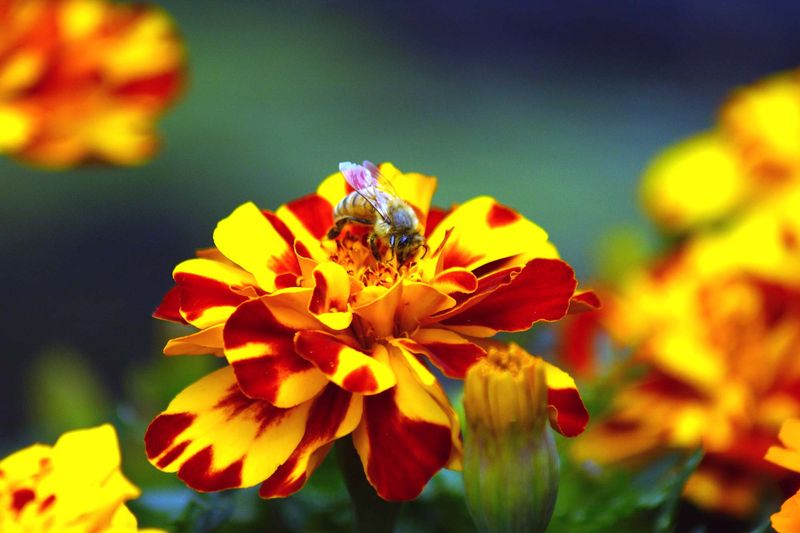
Marigolds, with their bright, cheerful blooms, beckon pollinators with open arms. Bees and butterflies are particularly fond of these sun-kissed flowers.
These annuals are easy to grow and care for, making them a popular choice for gardens. Marigolds also have a practical side, often used in companion planting to deter pests.
Their vibrant presence adds warmth and color, creating a hospitable environment for pollinators. By incorporating marigolds, you enhance the beauty and ecological balance of your garden.
13. Cosmos
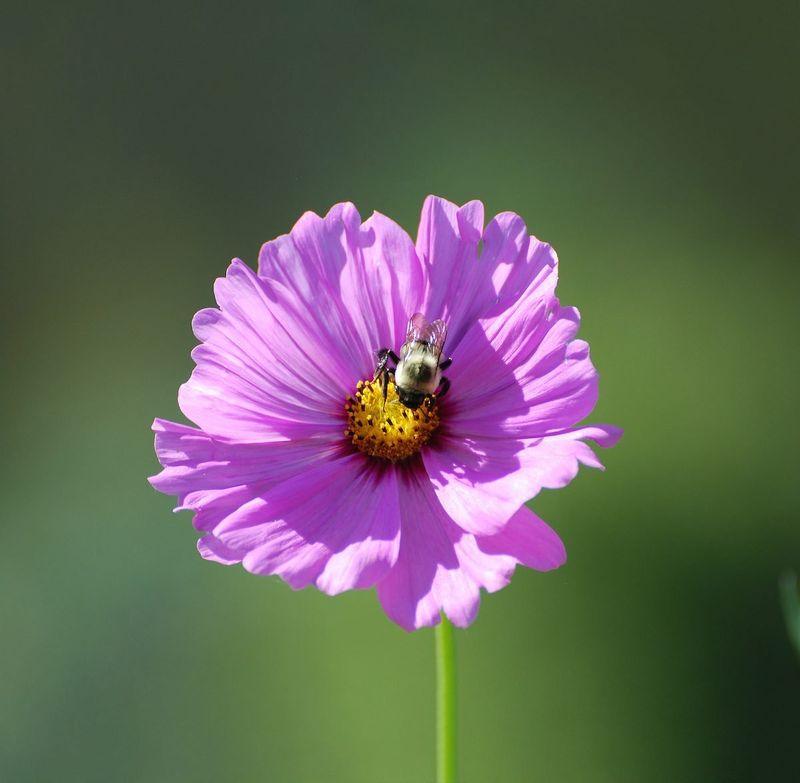
Cosmos, with their delicate, feathery foliage and vibrant blooms, create a whimsical garden atmosphere. Bees and butterflies find their nectar-rich flowers irresistible.
These annuals are easy to grow, thriving in a variety of soils and conditions. Cosmos blooms throughout the summer, providing ongoing nourishment for pollinators.
Their airy presence adds a touch of elegance and charm, reminiscent of wildflower meadows. By planting cosmos, you foster a thriving habitat for essential pollinators while adding a splash of color to your garden.
14. Aster
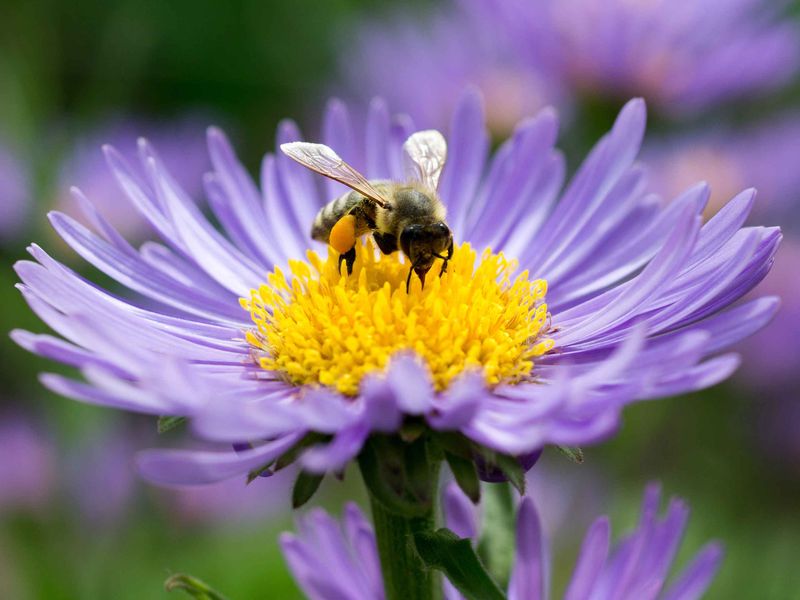
Asters, with their daisy-like blooms, are a late-season favorite for bees and butterflies. Their star-shaped flowers provide essential nectar as the growing season winds down.
These perennials are easy to care for, offering a reliable splash of color in autumn gardens. Asters have a rich history, once used in traditional medicine for their soothing properties.
Their vibrant presence supports pollinator populations when few other blooms are available. Asters are a testament to the enduring beauty and utility of nature’s bounty.
15. Blanket Flower
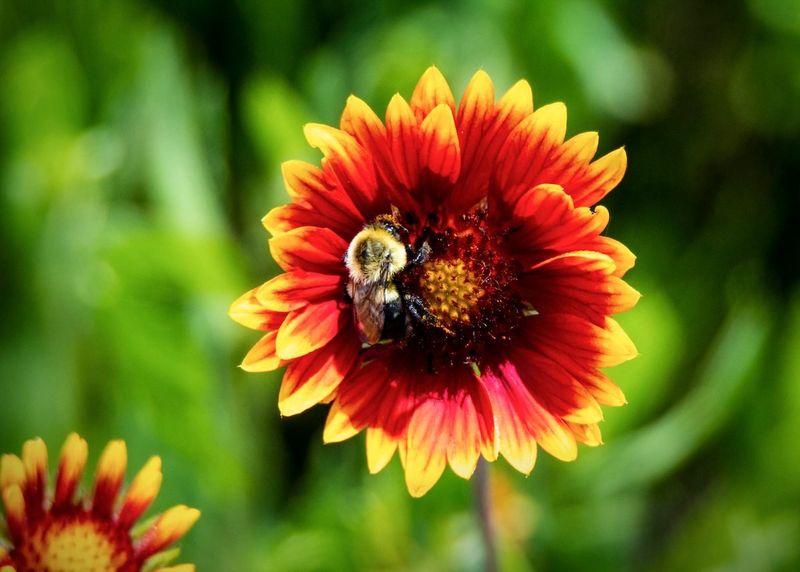
Blanket flowers, with their fiery red and yellow petals, create a vibrant display that draws in bees and butterflies. These hardy perennials thrive in sunny spots, providing a continuous feast for pollinators.
Their cheerful blooms bring warmth and energy, reminiscent of sun-drenched prairies. Blanket flowers have a resilient nature, ensuring they withstand various weather conditions.
By planting blanket flowers, you contribute to a thriving ecosystem while enjoying a burst of color in your garden. They are a perfect blend of beauty and ecological purpose.
16. Verbena
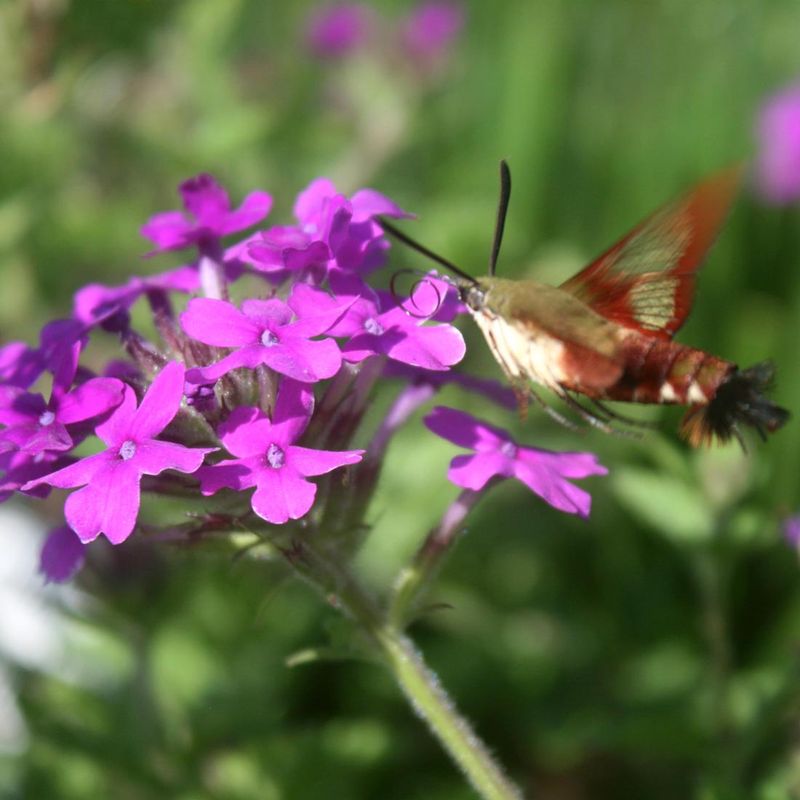
Verbena, with its delicate clusters of small flowers, is a delightful addition to any garden. Hummingbirds and butterflies are particularly drawn to its nectar-rich blooms.
These perennials thrive in sunny locations, offering a long-lasting display throughout the summer. Verbena’s versatility makes it a favorite for both container gardens and flower beds.
Their delicate presence belies their robust nature, contributing to a diverse and healthy garden ecosystem. Verbena is not just visually appealing but also plays a crucial role in supporting pollinator populations.
17. Snapdragon
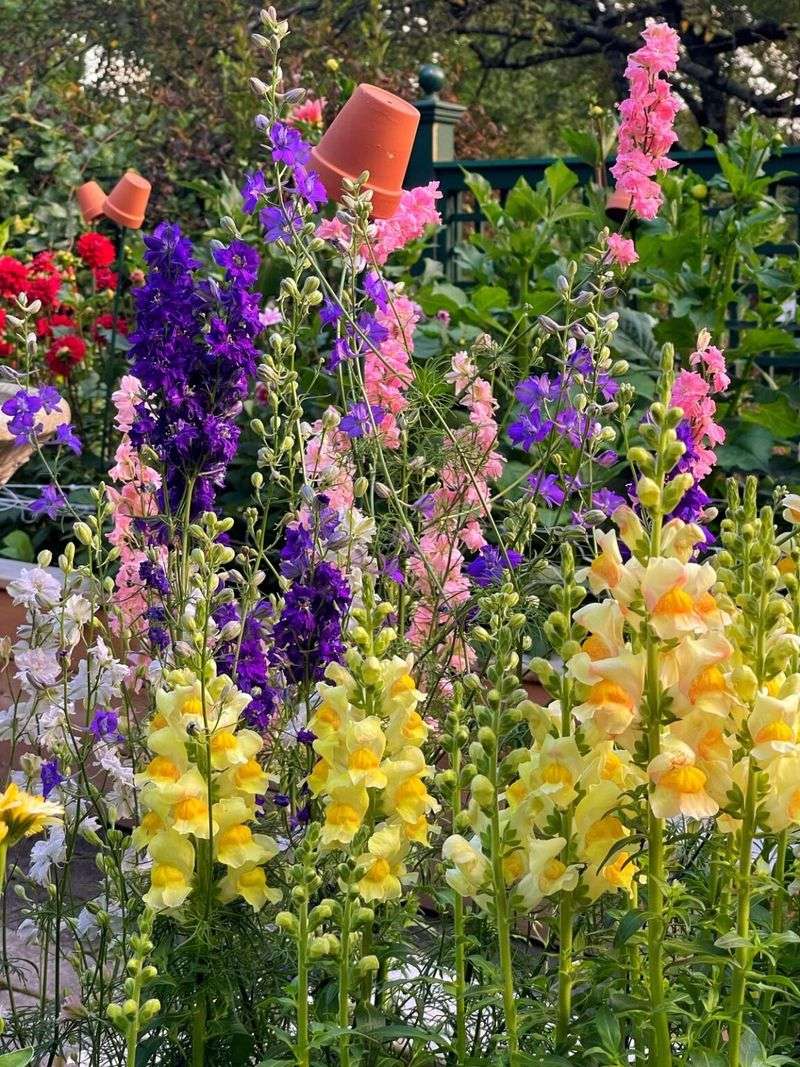
Snapdragons, with their dragon-shaped blooms, capture the imagination of both children and pollinators. Bees and hummingbirds find their intricate flowers irresistible.
These annuals come in a variety of colors and thrive in sunny spots, adding vertical interest to gardens. Snapdragons have been a garden staple for generations, beloved for their playful appearance.
Their vibrant presence injects whimsy and color, creating a welcoming habitat for essential pollinators. By planting snapdragons, you not only enhance garden beauty but also contribute to ecological balance.