
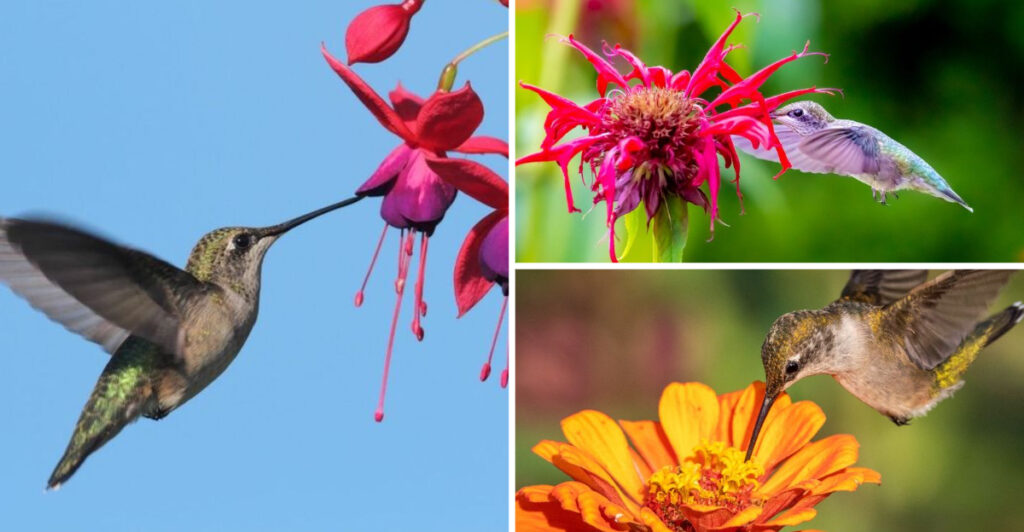
Hummingbirds are fascinating creatures known for their iridescent feathers and rapid wing flapping. These tiny aviators have a particular affinity for certain flowers, which provide them with the necessary nectar to maintain their high energy levels. The following list explores 17 specific flowers that hummingbirds prefer over all others, each offering unique attributes that attract these vibrant birds.
1. Bee Balm
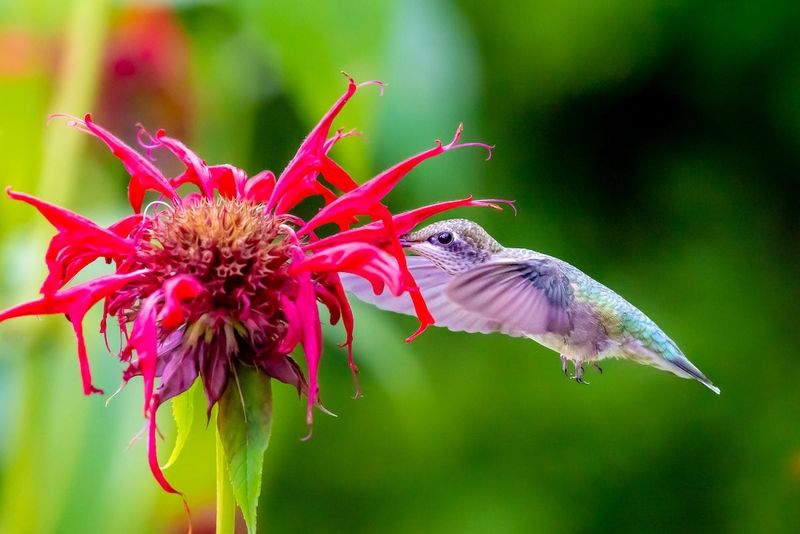
Bee Balm offers a fiery display of red blooms that act like a magnet for hummingbirds. The tubular-shaped flowers provide easy access to their nectar-loving beaks. Bee Balm is not just a visual spectacle but a lifeline for these small birds.
Its aromatic leaves add another layer of attraction, making it a must-have in any bird-friendly garden. Bee Balm’s resilience ensures it thrives in various climates, offering a consistent food source. In the world of horticulture, it stands as a beacon for pollinators, enhancing biodiversity.
2. Columbine
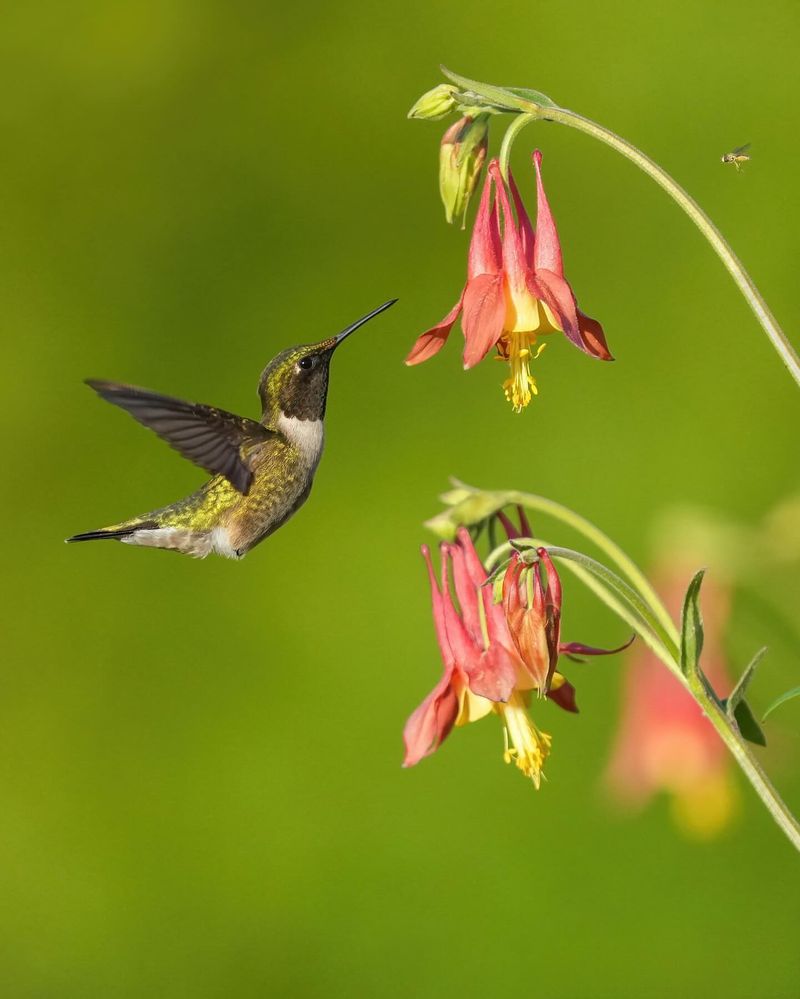
Columbine’s intricate design and vibrant colors create a visual tapestry that hummingbirds find irresistible. Its long, spurred petals are perfectly shaped for hummingbird beaks.
These flowers bloom in spring, providing a timely nectar source as hummingbirds migrate. Columbine’s adaptability to different terrains makes it a widespread favorite among gardeners and birds alike. Its role in traditional gardens is both ornamental and functional, supporting pollination. Columbine’s presence in folklore adds a mystical dimension to its appeal.
3. Trumpet Vine
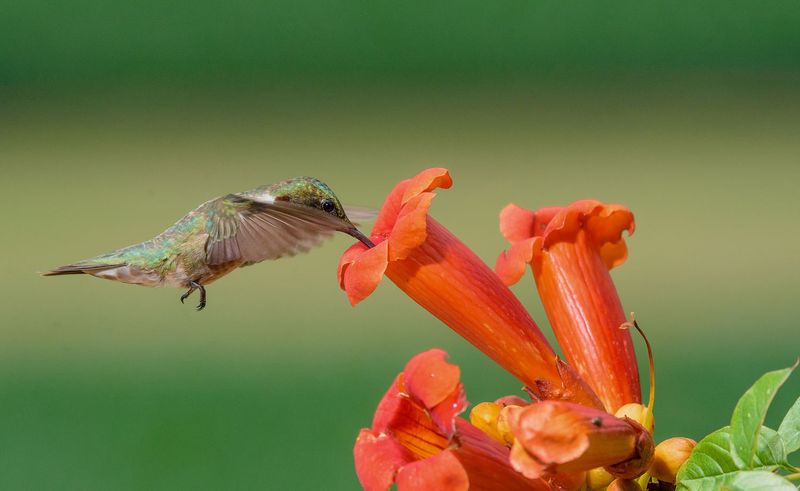
The Trumpet Vine’s vibrant orange-red blossoms serve as a neon sign, directing hummingbirds to their sweet nectar. Its vine-like growth allows it to cover large areas, providing ample feeding opportunities.
While visually captivating, it’s also a robust plant, thriving in various conditions.
Often seen adorning fences and trellises, it transforms spaces into hummingbird havens. Its rapid growth can be both an asset and a challenge, demanding careful management. The trumpet vine’s legacy, as a favorite of pollinators, cements its place in ecological gardens.
4. Fuchsia
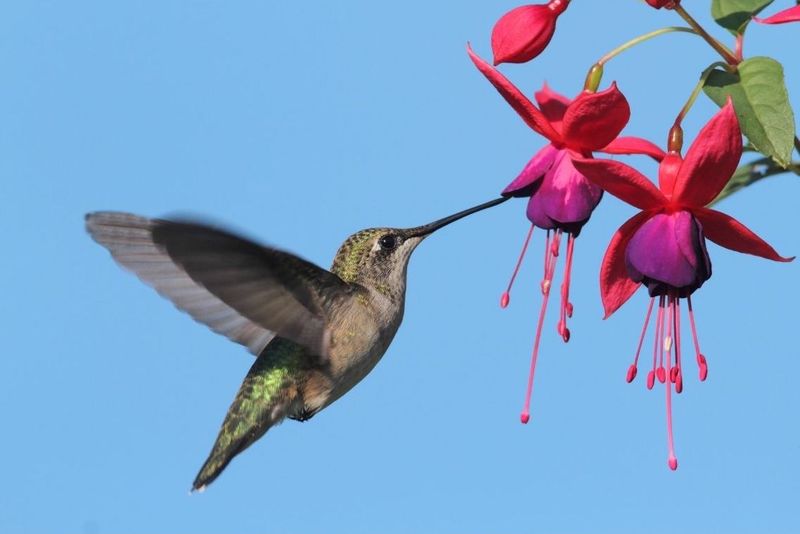
Fuchsia’s drooping blooms, in shades of pink and purple, offer an enchanting spectacle for hummingbirds. Their unique shape caters specifically to the feeding habits of these birds, making them a perennial favorite.
Fuchsias thrive in hanging baskets, adding vertical interest to gardens.
Their ability to bloom in shaded areas provides hummingbirds with essential cover while feeding. The Fuchsia’s historical roots in ornamental gardening highlight its longstanding appeal. For a touch of elegance and practicality, it remains unmatched.
5. Salvia
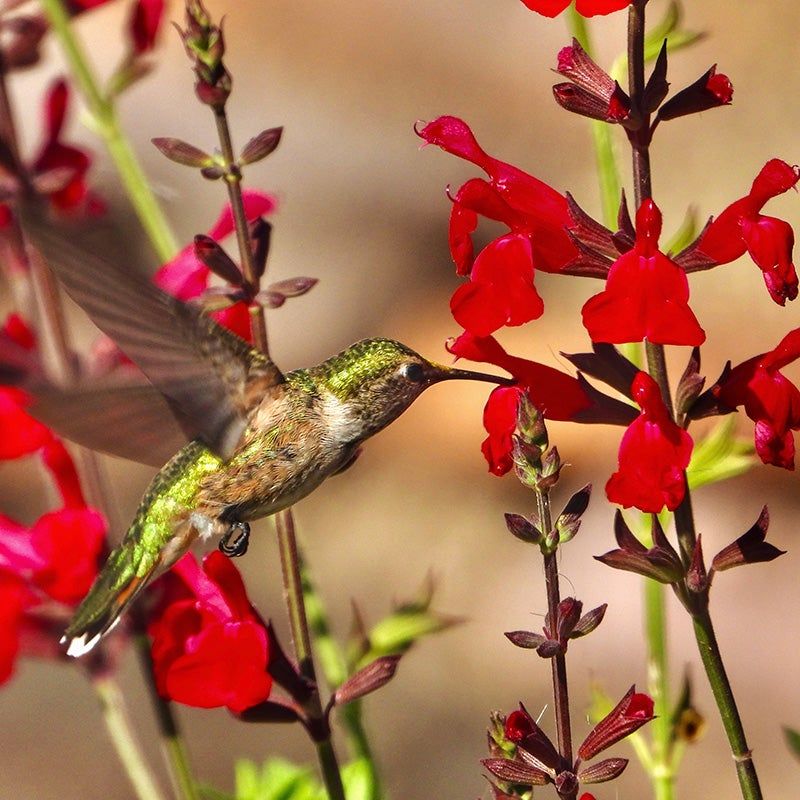
Salvia, known for its tall spikes and rich hues, is a staple in hummingbird-friendly gardens. Its nectar-rich flowers are a favorite stop for these energetic birds.
With varieties blooming across seasons, Salvia ensures a continuous food supply. Its drought-resistant nature makes it an eco-friendly choice for various landscapes.
In addition to its ornamental value, Salvia is celebrated in herbal traditions, adding another layer to its charm. For gardeners aiming to attract wildlife, Salvia is an invaluable ally.
6. Petunia
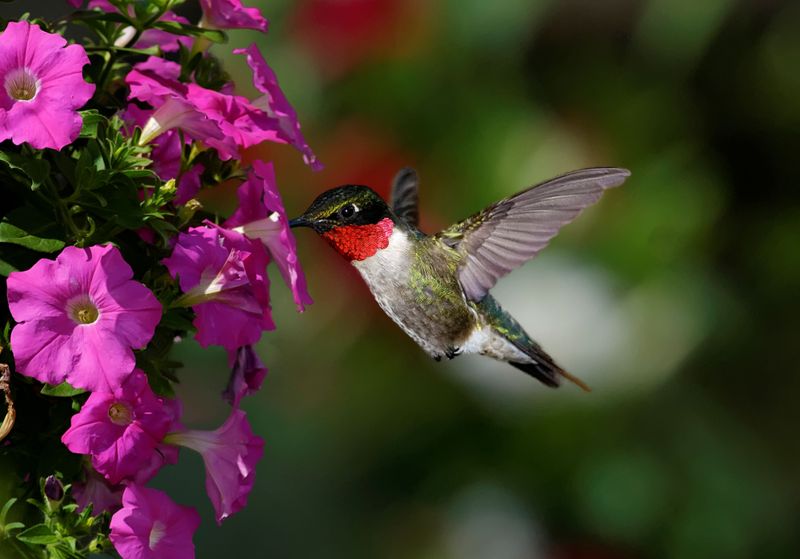
Petunias’ vibrant colors and sweet fragrance create an irresistible combination for hummingbirds. Their trumpet-shaped flowers are ideally structured for easy nectar access.
These versatile plants can thrive in containers or garden beds, offering flexibility in design. Petunias bloom throughout the growing season, extending feeding times for birds.
This adaptability, coupled with their striking appearance, makes them a beloved choice for both novice and expert gardeners. Their role in seasonal displays ensures they remain a firm favorite year after year.
7. Lantana
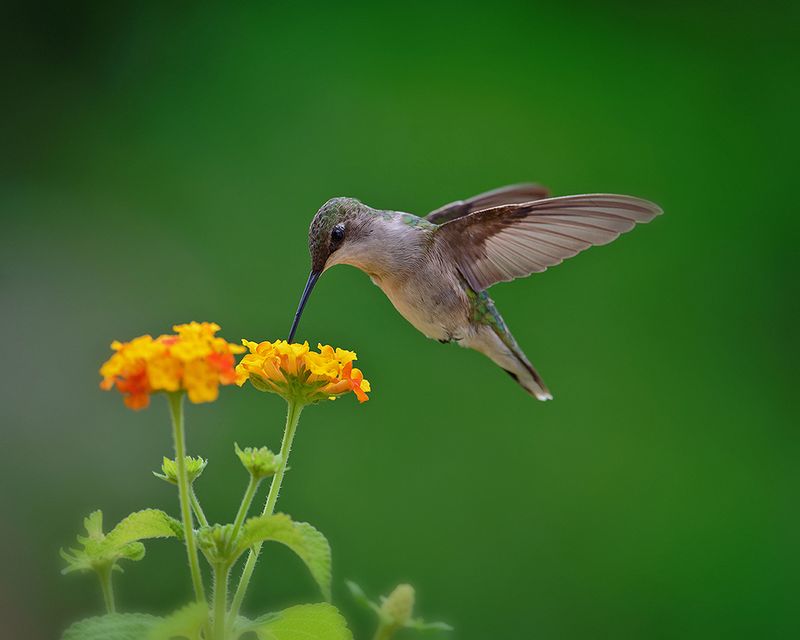
Lantana’s clusters of small, vividly colored flowers are a feast for the eyes and a beacon for hummingbirds. The flower’s round shape allows easy access to nectar.
Lantana can adapt to a range of climates, making it a versatile addition to gardens. Its resilience against pests further enhances its appeal. Lantana’s aromatic leaves add a sensory experience beyond its visual allure.
As a staple in tropical and subtropical landscapes, it continues to enchant both humans and wildlife alike with its enduring beauty.
8. Zinnia
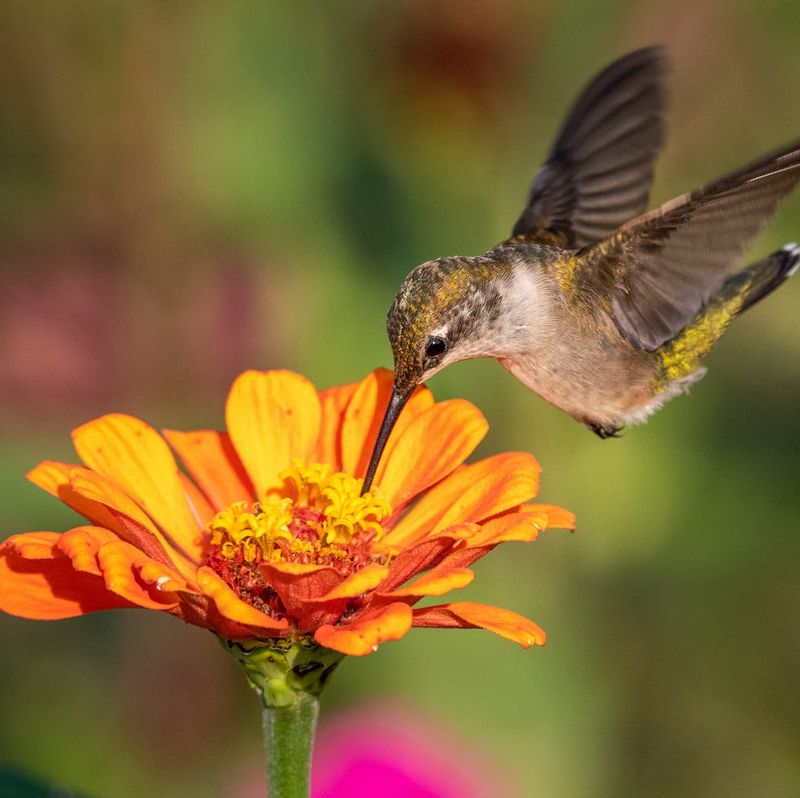
Zinnias, with their diverse palette of colors, offer more than just aesthetic pleasure. Their single, open blooms are perfect for hummingbirds seeking a quick nectar fix.
Zinnias are easy to cultivate, providing a delightful challenge for budding gardeners. Their long-lasting blooms make them a staple in summer gardens, supporting pollinators throughout the season.
The simplicity of their care requirements belies their visual complexity and ecological importance. Zinnias’ contribution to biodiversity ensures they remain a cherished garden choice.
9. Cardinal Flower
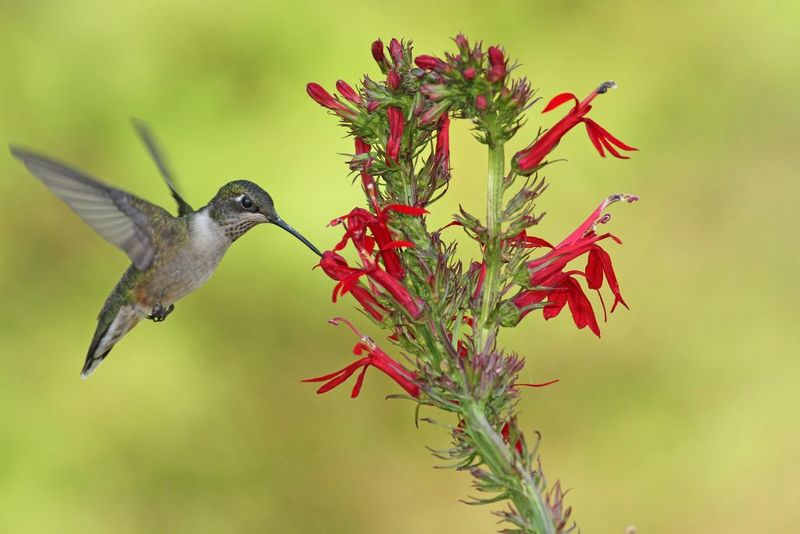
With a name inspired by its brilliant red hue, the Cardinal Flower is a natural lure for hummingbirds. Its tall spikes stand proudly, offering a striking visual contrast against green foliage.
The tubular shape of the blooms accommodates the hummingbird’s feeding style, making it a sought-after nectar source. Cardinal Flowers thrive in moist environments, often found near water sources.
Their ecological role extends to supporting diverse wildlife, earning them a place in conservation-focused gardens. Their vibrant presence is both a visual and ecological asset.
10. Hibiscus
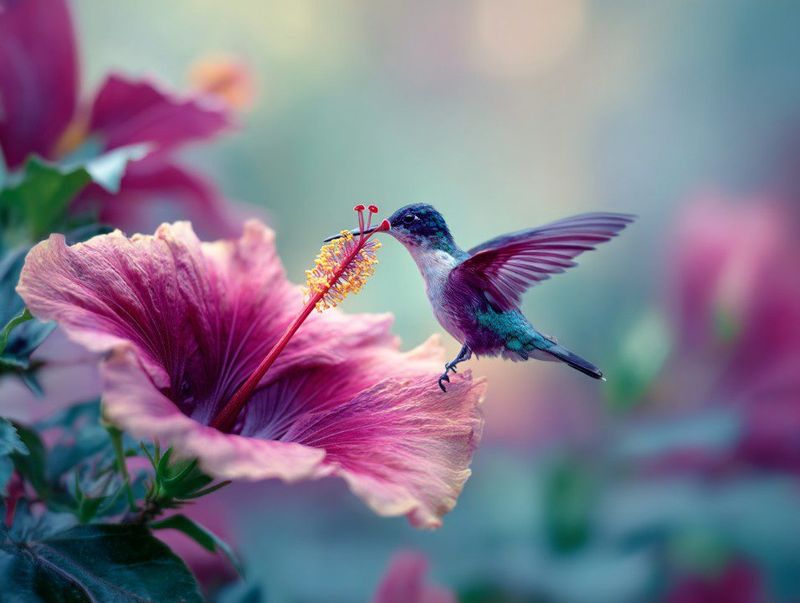
Hibiscus flowers, with their large and flamboyant blooms, offer an exotic flair that captures the attention of hummingbirds. The expansive petals provide ample landing space for these delicate creatures.
Hibiscus thrives in warm climates, often associated with tropical landscapes. Its nectar-rich flowers support the high-energy needs of hummingbirds, making it a valuable garden addition.
The hibiscus’s cultural significance in various traditions adds depth to its allure. Its striking beauty and practical value make it a standout in ornamental horticulture.
11. Foxglove
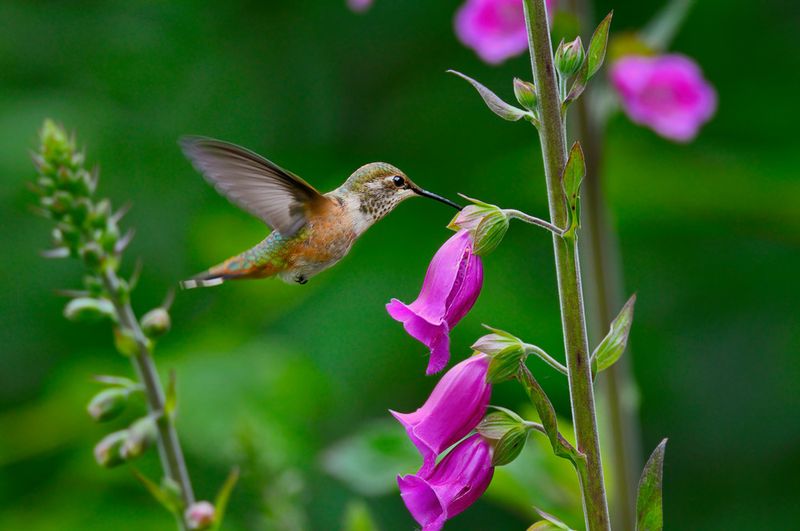
Foxgloves, with their towering spires of bell-shaped flowers, create a dramatic scene that hummingbirds find irresistible. Their tubular blooms are designed for efficient nectar extraction.
Often found in woodland gardens, foxgloves add vertical interest and support biodiversity. Despite their toxic nature, they play a crucial role in supporting pollinators.
Their historical use in herbal medicine adds a layer of intrigue. Foxgloves’ striking appearance and ecological value ensure they remain a staple in wildlife-friendly gardens.
12. Butterfly Bush
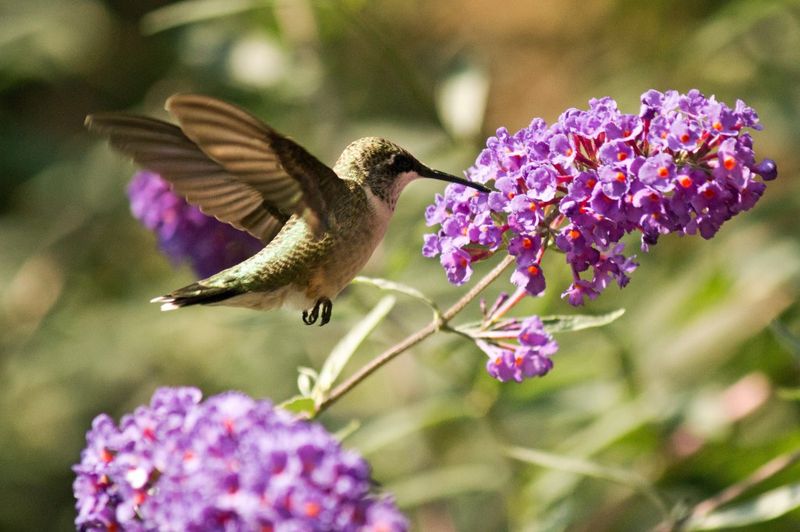
The Butterfly Bush, true to its name, attracts a plethora of winged visitors, including hummingbirds. Its elongated clusters of tiny blooms provide an abundant nectar source.
This hardy plant is versatile, thriving in diverse conditions, and offering a long blooming season. While popular, it requires careful management to prevent invasive spread.
Its ability to draw in a spectrum of pollinators enhances garden biodiversity. The Butterfly Bush’s enchanting presence and practical benefits make it a favorite in wildlife gardens.
13. Canna Lily
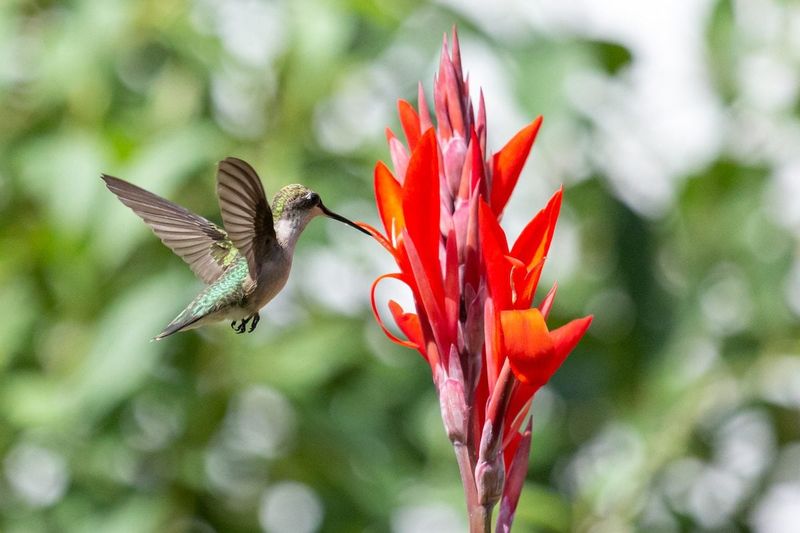
Canna Lilies, with their bold, tropical blooms, add a splash of color that hummingbirds cannot resist. Their large, paddle-like leaves and towering flower spikes create a lush, exotic atmosphere.
While requiring more care, their visual impact is unparalleled. Canna Lilies thrive in sunny, moist environments, making them perfect for water gardens.
They provide essential nectar during peak migration periods, supporting hummingbird populations. Canna Lilies’ vibrant presence and ecological significance make them a valuable addition to gardens seeking visual drama and wildlife support.
14. Crocosmia
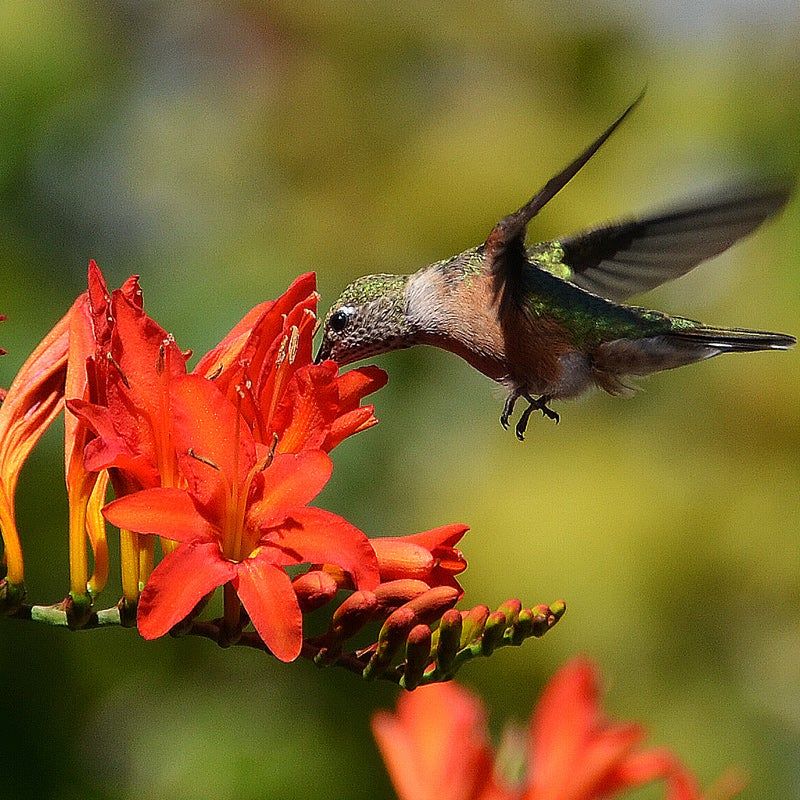
Crocosmia, with its arching sprays of fiery orange blooms, offers a vibrant spectacle for hummingbirds. The tubular flowers are perfectly suited to their feeding habits.
Blooming in late summer, Crocosmia provides a vital nectar source as other flowers begin to fade. Its ability to naturalize in gardens ensures a lasting presence.
Crocosmia’s striking appearance and late-season bloom make it a standout in mixed borders. Its contribution to pollinator support enhances its appeal, offering both beauty and ecological benefits.
15. Agastache
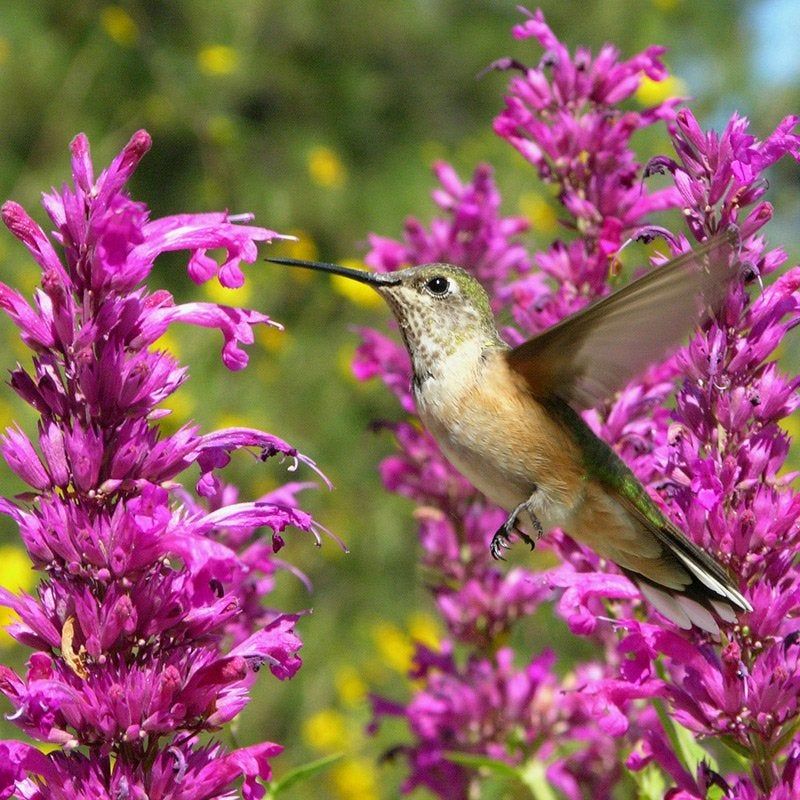
Agastache, commonly known as hyssop, boasts fragrant spikes of purple flowers that are a magnet for hummingbirds. Their long blooming season ensures a continuous food source.
Agastache is drought-tolerant and thrives in sunny locations, making it an eco-friendly choice. Its aromatic foliage adds sensory interest beyond its visual appeal.
The plant’s historical use in herbal remedies adds depth to its presence in gardens. Agastache’s vibrant blooms and ability to attract pollinators make it an essential component of wildlife-friendly landscapes.
16. Penstemon
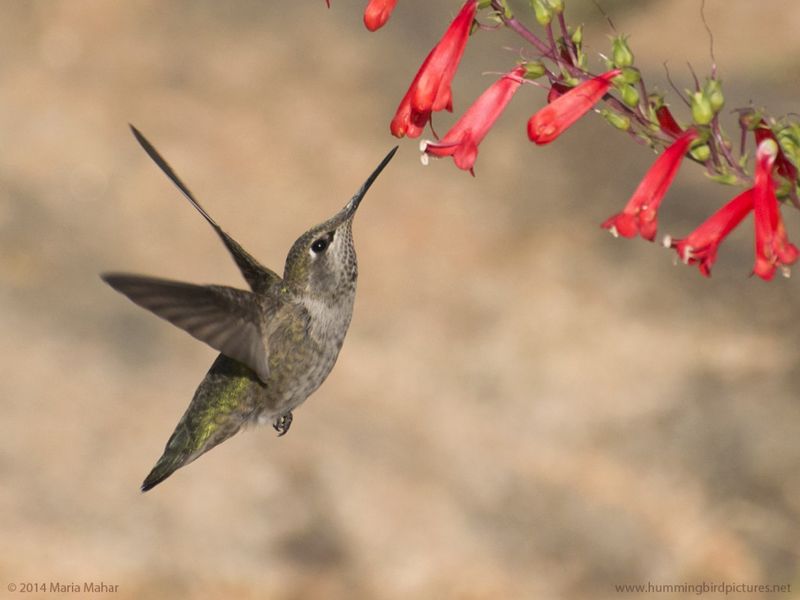
Penstemon, with its tubular red blooms, offers a feast for hummingbirds seeking nectar. Its flowers are specifically structured to accommodate their feeding habits.
Penstemon’s adaptability to various soil conditions makes it a resilient garden choice. Its long flowering period ensures extended feeding opportunities.
The plant’s historical significance in Native American culture adds an intriguing cultural layer. Penstemon’s vivid blooms and ecological value make it a staple in gardens aiming to support wildlife and enhance visual interest.
17. Scarlet Sage
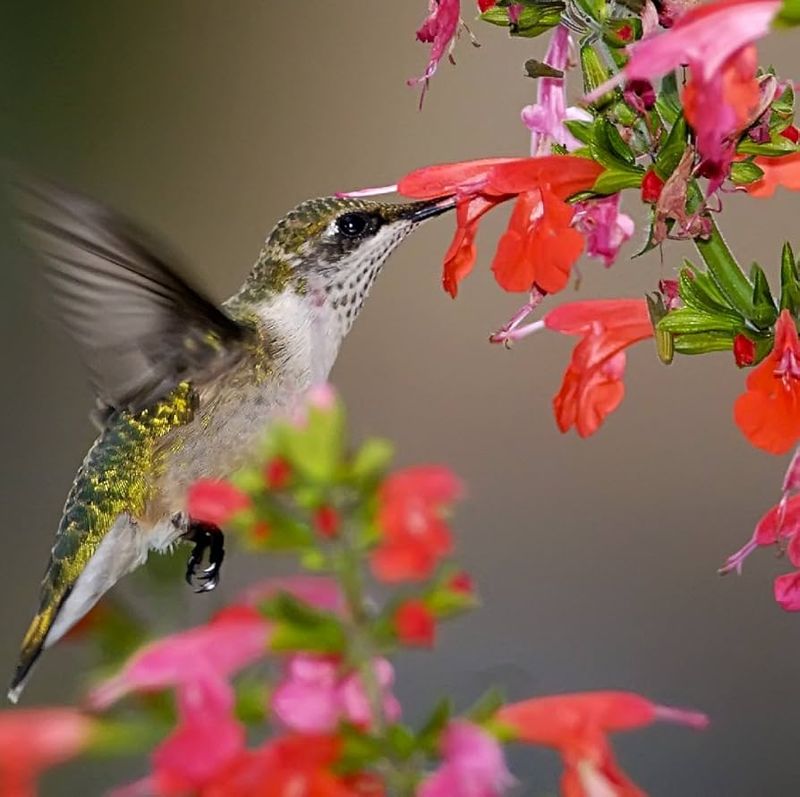
Scarlet Sage, with its fiery red blooms, captures the heart of every hummingbird that flutters by. These tubular flowers are custom-made for their slender beaks, offering easy access to the sweet nectar within. Beyond its allure to birds, Scarlet Sage adds a splash of color to any garden.
This flower thrives in warm climates and can withstand the summer sun, making it a resilient choice for avid gardeners. Its vibrant blossoms not only draw in the hummingbirds but also add a lively charm to the landscape.
Gardeners cherish Scarlet Sage for its low maintenance needs and its ability to bloom throughout the season. Its striking beauty and practical benefits make it a beloved addition to hummingbird gardens everywhere.