
In the vibrant world of gardening, certain flowers bask happily under the sun, thriving without the need for shade protection. These sun-loving flowers are not just resilient but also a delight to behold, adding charm and color to any sunny landscape. In this article, we explore seven such flowers that revel in the sunshine, each with its unique allure and characteristics.
1. Sunflower
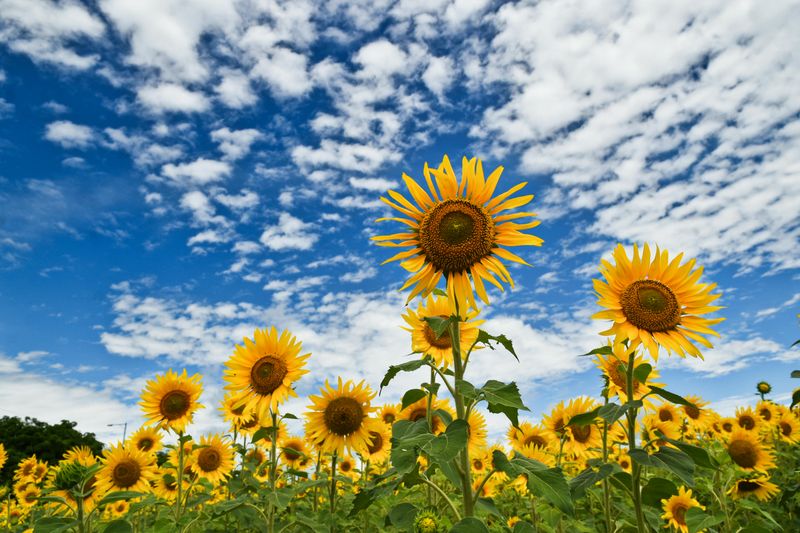
Known for its towering height and cheerful yellow petals, the sunflower is a true sun worshipper. Its name is inspired by its tendency to follow the sun’s path across the sky, a phenomenon known as heliotropism. This trait allows sunflowers to maximize their energy intake.
Their large, bright blooms not only bring joy to gardens but also attract a variety of pollinators. Did you know? Sunflowers have been used as symbols of adoration and loyalty throughout history. Their seeds provide nutritious snacks for both humans and wildlife.
2. Lavender
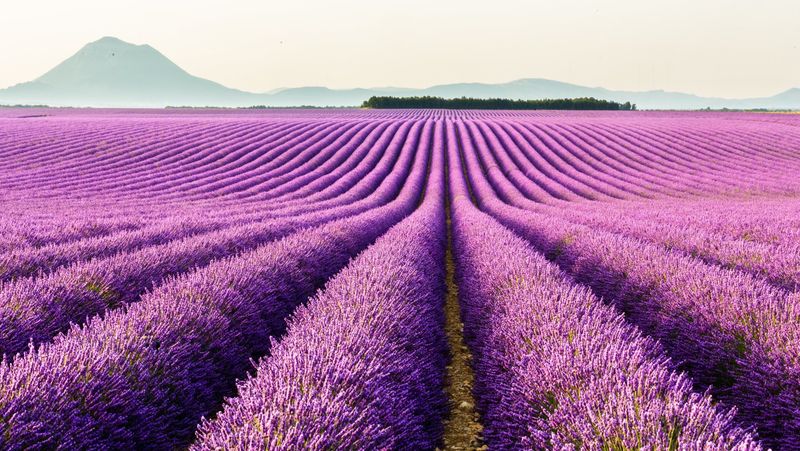
Lavender, with its soothing fragrance and striking purple hues, is a staple in sunny gardens. Known for its hardiness, it thrives in full sun and well-drained soil. The aroma of lavender is not just pleasant but also has calming properties, making it popular in aromatherapy.
Its flowers are a favorite among bees and butterflies, enhancing biodiversity. Historically, lavender has been used for medicinal purposes, from treating insomnia to soothing insect bites. Its versatility and beauty make it a beloved choice for gardeners worldwide.
3. Zinnia
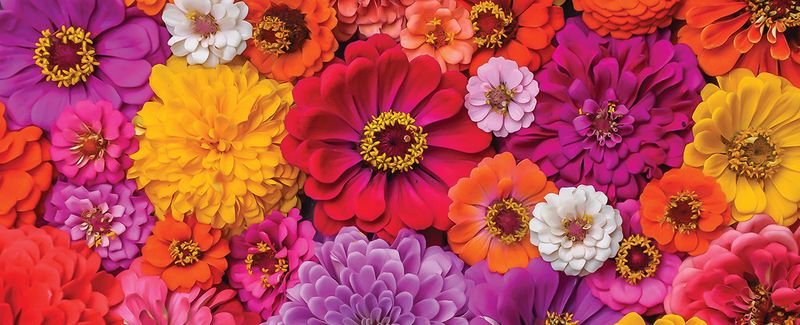
Zinnias are the epitome of vibrant elegance, with their dazzling array of colors and long-lasting blooms. They thrive in sunny spots and are incredibly easy to grow, making them perfect for both novice and experienced gardeners.
These flowers symbolize friendship and lasting affection, often gifted to friends to express admiration. Zinnias attract hummingbirds and butterflies, creating lively gardens filled with motion and color.
Originating from Mexico, they are well-suited to warm climates and can withstand the sun’s intensity with grace.
4. Marigold
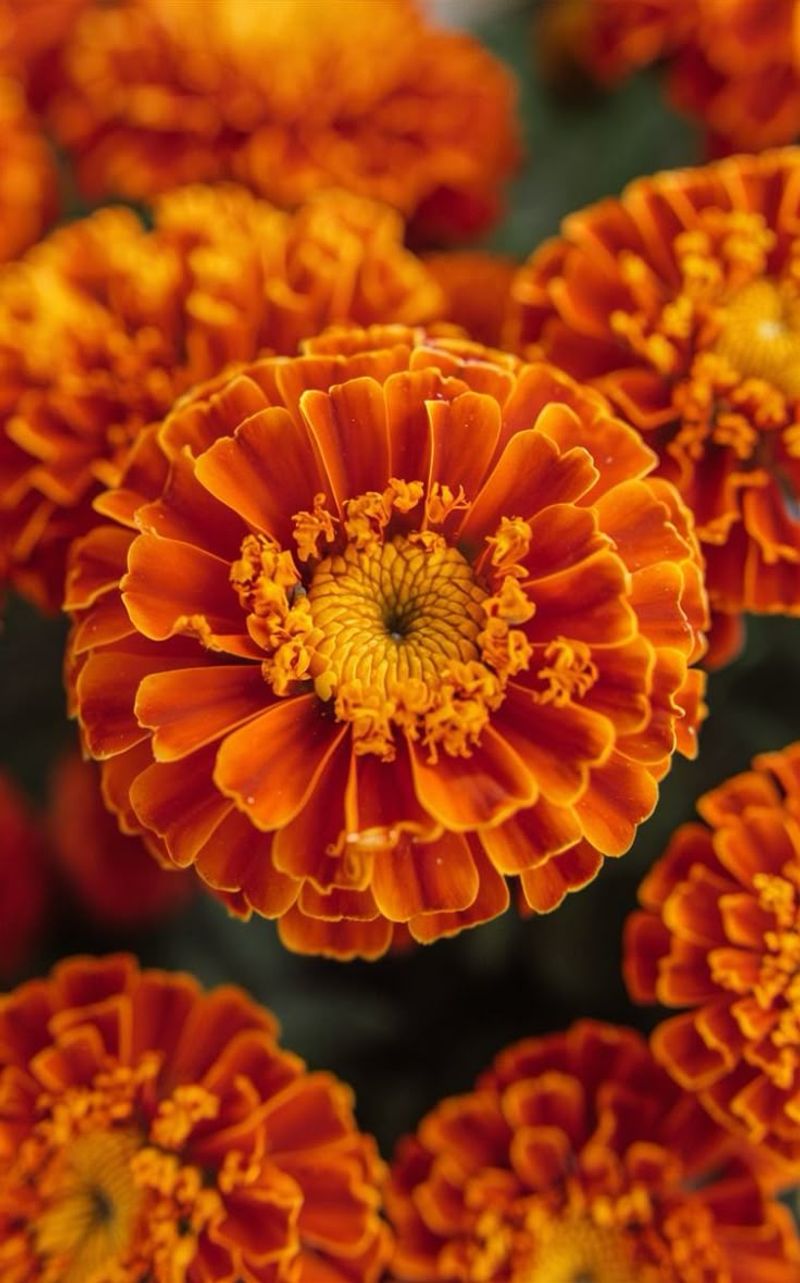
Marigolds are known for their striking orange and yellow blooms, radiating warmth and positivity. They are often planted as a natural pest deterrent, thanks to their pungent scent that repels insects. This makes them an excellent companion plant for vegetables.
Their resilience in full sun and poor soil conditions is remarkable. Marigolds are used in cultural ceremonies worldwide, symbolizing the sun and joy.
In addition to their beauty, they are easy to care for and can flourish with minimal attention, making them a gardener’s delight.
5. Gaillardia
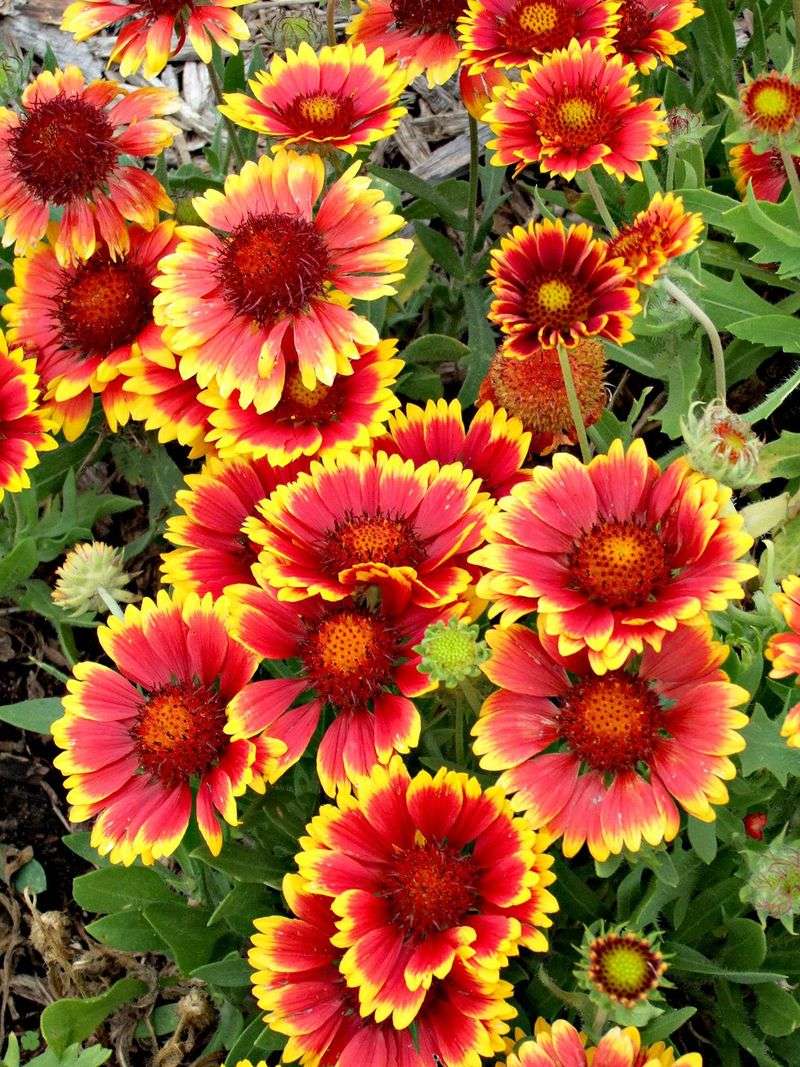
Gaillardia, commonly known as blanket flowers, are celebrated for their fiery red and orange petals that seem to capture the essence of a summer sunset. Hardy and drought-resistant, they thrive in full sun and are perfect for xeriscaping.
These flowers are a testament to endurance, flourishing even in the poorest soil conditions. Gaillardias attract pollinators like bees and butterflies, contributing to a lively and buzzing garden atmosphere.
Their low-maintenance nature and striking appearance make them a favorite among gardeners who seek color with ease.
6. Coreopsis
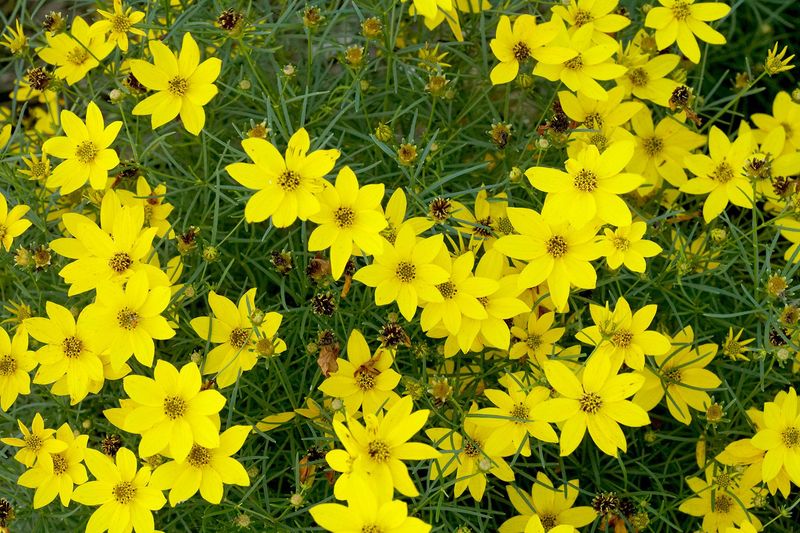
Coreopsis, often referred to as tickseed, is prized for its cheerful yellow blooms that dance in the sunlight. These perennials are drought-tolerant and flourish in full sun, making them ideal for hot, dry areas.
They bring a burst of sunshine to any garden and are beloved by bees and butterflies. Coreopsis is not only a beautiful addition but also a symbol of cheer and love. Its easy-growing nature allows it to thrive with little care, providing continuous blooms throughout the summer.
7. Black-eyed Susan
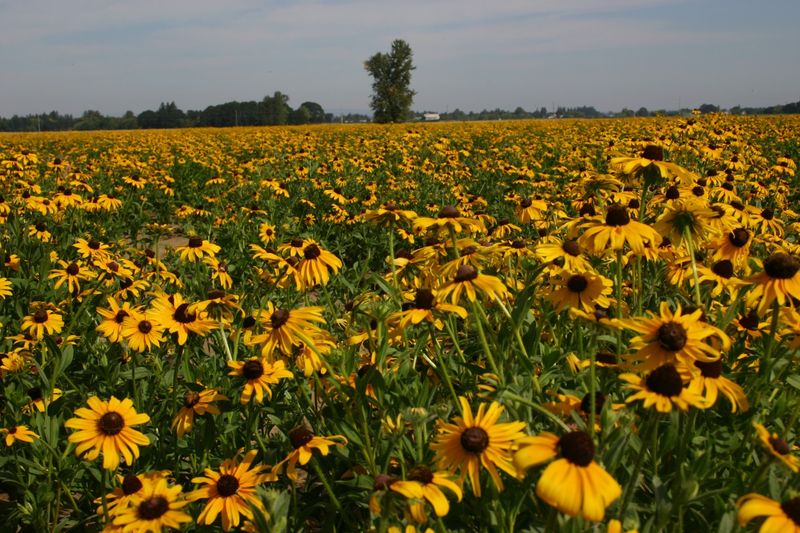
The Black-eyed Susan is an iconic wildflower, recognized by its golden yellow petals and dark brown center. Not just a pretty face, this resilient flower thrives in sunny conditions and poor soil.
Its blooms are a beacon for pollinators, especially bees and butterflies, ensuring a vibrant garden. Historically, Black-eyed Susans have been used in herbal remedies, showcasing their versatility.
They represent encouragement and justice, often seen in wildflower meadows, bringing a touch of rustic charm to landscaped gardens.
8. Echinacea
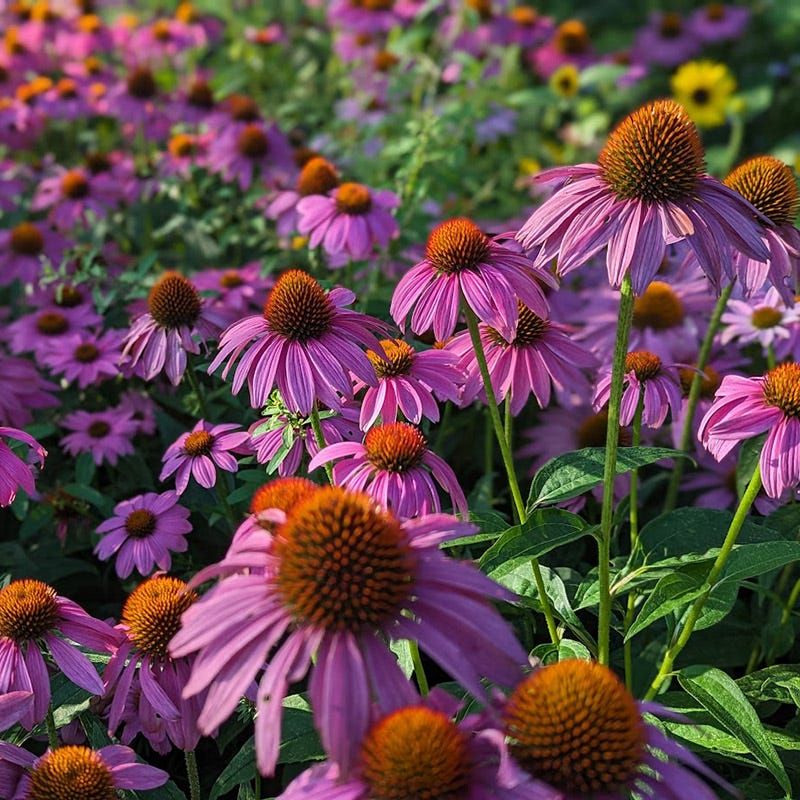
Echinacea, often called coneflower, is a perennial favorite in sunny gardens. Its stunning, daisy-like petals and distinctive central cone attract both humans and pollinators alike. Did you know this flower is renowned for its medicinal properties? It’s been used for centuries to boost the immune system. Each blossom can tolerate sun exposure, enduring the heat with grace. The plant’s robust nature ensures it thrives in challenging environments. Beyond its beauty, Echinacea provides sustenance for bees and butterflies. As a low-maintenance plant, it makes an excellent choice for gardeners seeking resilience and color.
9. Cosmos
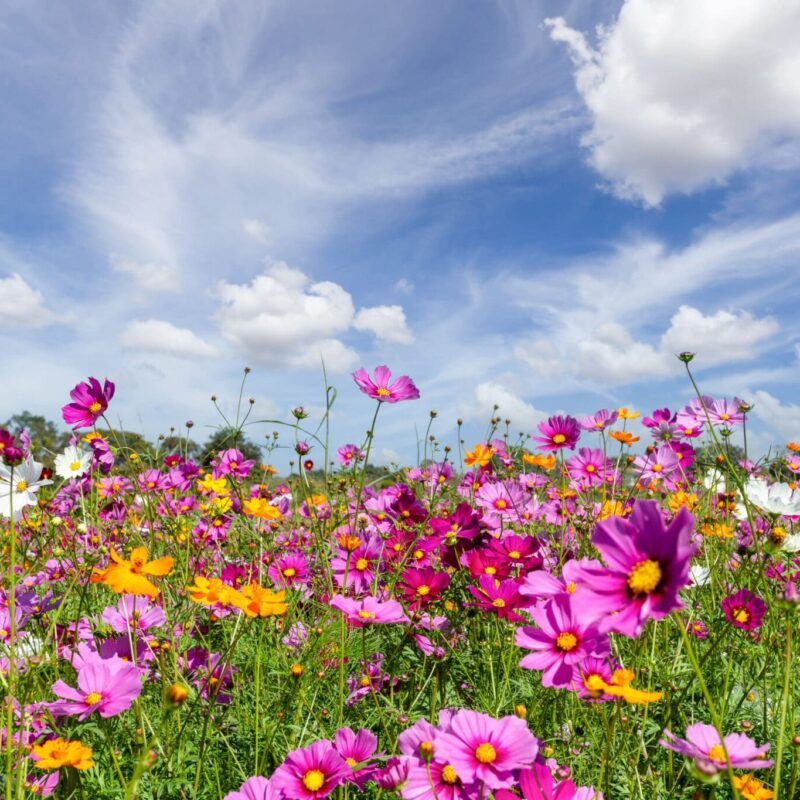
Cosmos flowers add a whimsical touch to any garden, with their delicate, airy petals and cheerful hues. These flowers are known for their ability to withstand the full strength of the sun, requiring minimal care. Originating from Mexico, Cosmos thrive in poor soil conditions where other plants might struggle. Their easy-growing nature and vibrant colors make them popular among gardeners. Imagine a garden filled with their lively presence, attracting butterflies and birds. Their long-lasting blooms are perfect for cutting, bringing sunshine into homes. Plant Cosmos for a carefree, colorful landscape that delights season after season.
10. Verbena
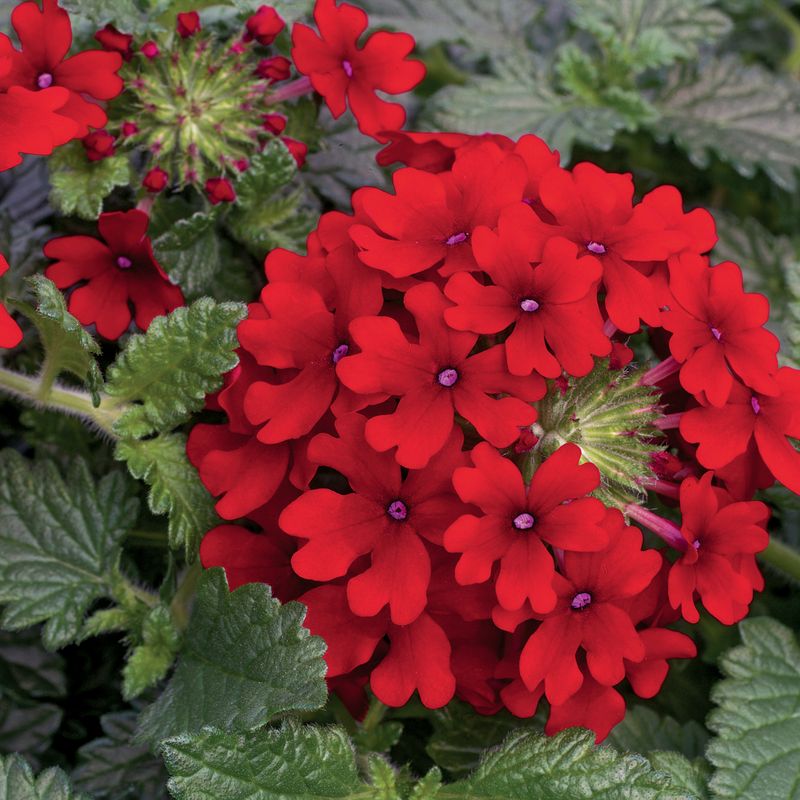
Verbena is a sun-loving plant that graces gardens with clusters of tiny, vibrant flowers. Its drought-tolerant nature makes it ideal for sunny climates. Verbena’s flowers come in an array of colors, from purple to red, creating striking visual appeal. This plant’s long blooming season ensures a bright display from spring to frost. In addition to its beauty, Verbena attracts pollinators such as bees and butterflies, enhancing biodiversity. Its low growth habit makes it suitable for borders and hanging baskets. Embrace Verbena for a garden that’s both colorful and environmentally friendly, promoting ecological balance.
11. Daylily
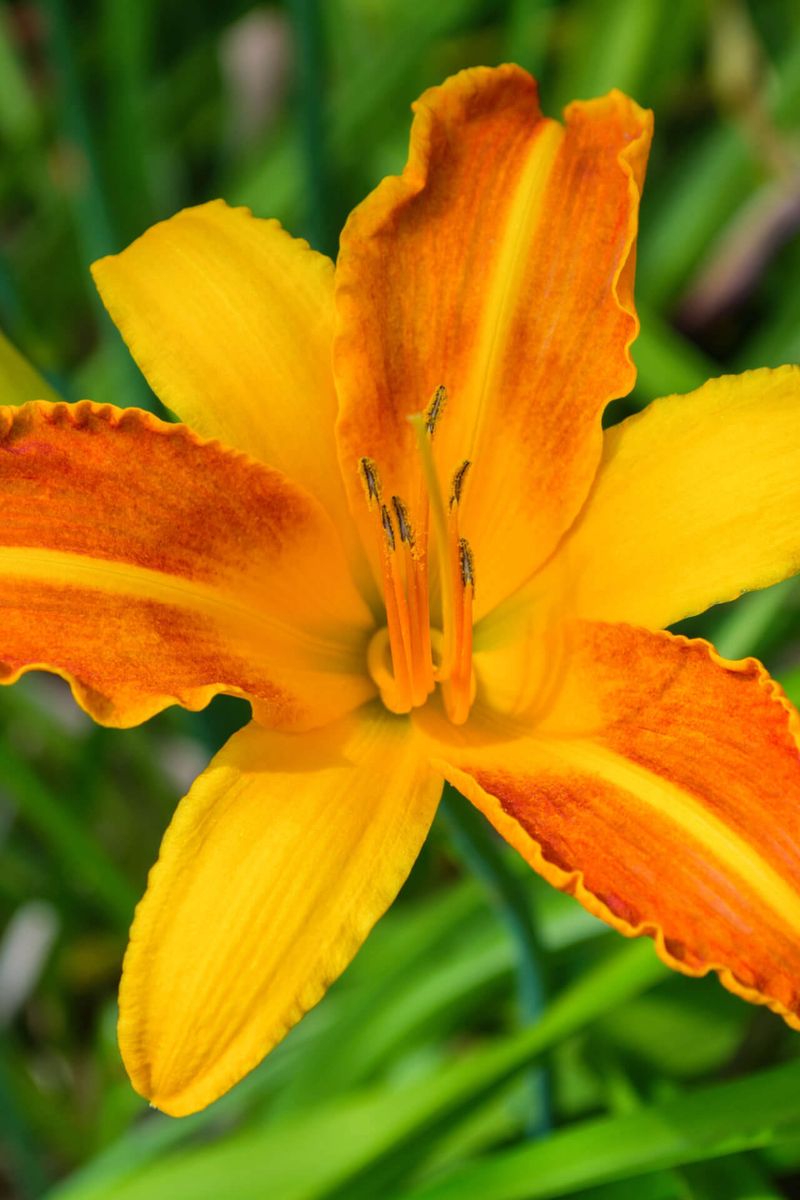
Daylilies are the epitome of sun-loving flowers, with their striking, trumpet-shaped blooms that last just a day. Despite their short-lived flowers, daylilies continue to produce new blooms throughout the season. Their vibrant colors range from yellow to red, creating a dynamic garden display. Known for their hardiness, daylilies thrive in various soil types and withstand drought conditions. These perennials require little maintenance, making them a favorite among busy gardeners. With a history of cultivation dating back centuries, daylilies symbolize motherly love in some cultures. Their resilience and beauty ensure they remain garden staples.
12. Salvia
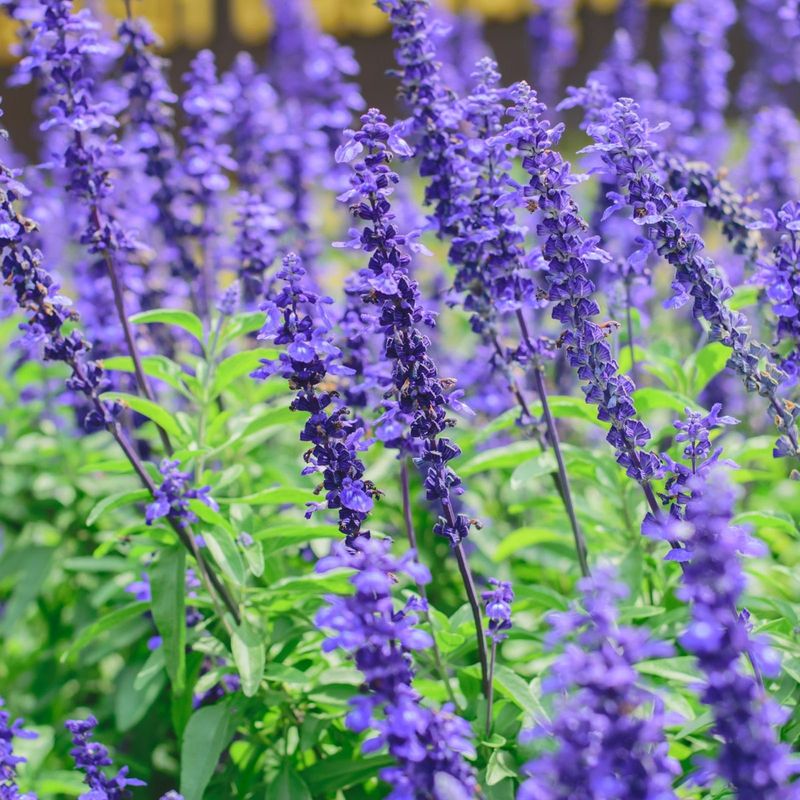
Salvia, a member of the mint family, is celebrated for its vibrant flower spikes and aromatic foliage. This sun-loving perennial offers a dazzling array of colors, from deep blues to fiery reds. Known for its drought resistance, Salvia thrives in full sun, drawing in beneficial pollinators like bees and hummingbirds. Its long blooming period extends garden interest well into the fall. Salvia’s versatility makes it suitable for borders, cottage gardens, and containers. Whether you’re a seasoned gardener or a novice, Salvia’s ease of care and striking appearance make it a wonderful addition to any sunlit garden.
13. Sedum
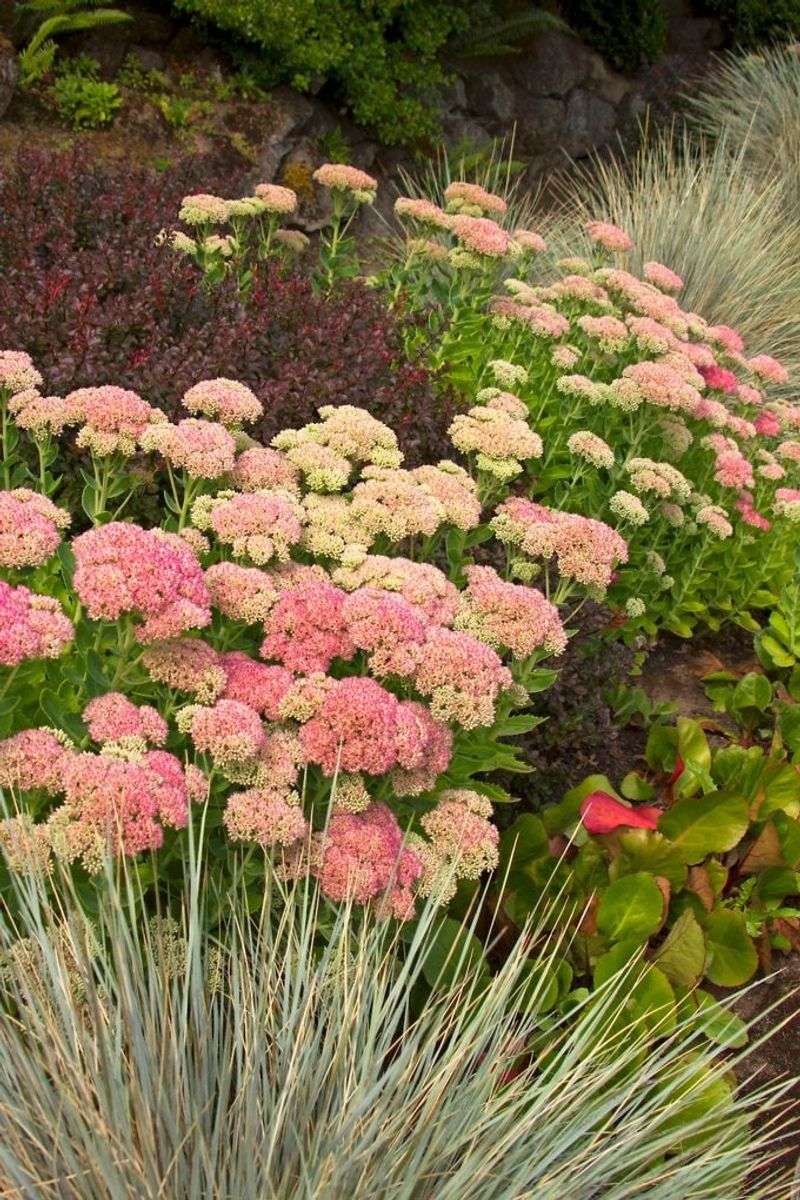
Sedum, commonly known as stonecrop, is a succulent that thrives in sunny, dry conditions. Its fleshy leaves store water, making it exceptionally drought-tolerant. Sedum flowers range from white to pink, appearing in star-shaped clusters that attract pollinators. The plant’s low, spreading habit is perfect for ground cover or rock gardens. Sedum’s adaptability extends to poor soil, where it continues to flourish with minimal care. Its varied texture adds interest to garden compositions, creating a contrasting backdrop for more traditional plants. Embrace Sedum for a garden that combines resilience with understated beauty.
14. Lantana
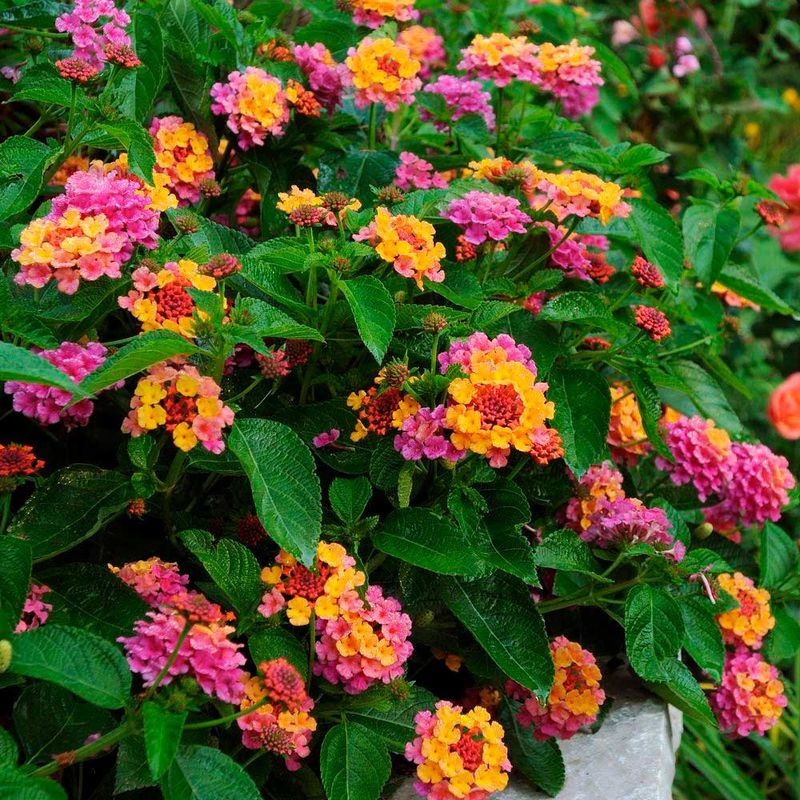
Lantana is a sun-loving plant known for its colorful clusters of small, tubular flowers that attract a variety of pollinators. These flowers change color as they age, adding dynamic interest to gardens. Native to tropical regions, Lantana thrives in hot, sunny climates and is highly drought-tolerant. Its robust growth habit makes it suitable for borders and containers. With its long blooming season, Lantana provides continuous color and fragrance. Despite its beauty, it’s considered invasive in some areas, so check local guidelines before planting. Lantana’s vibrant presence transforms any sunny garden into a lively retreat.
15. Petunia
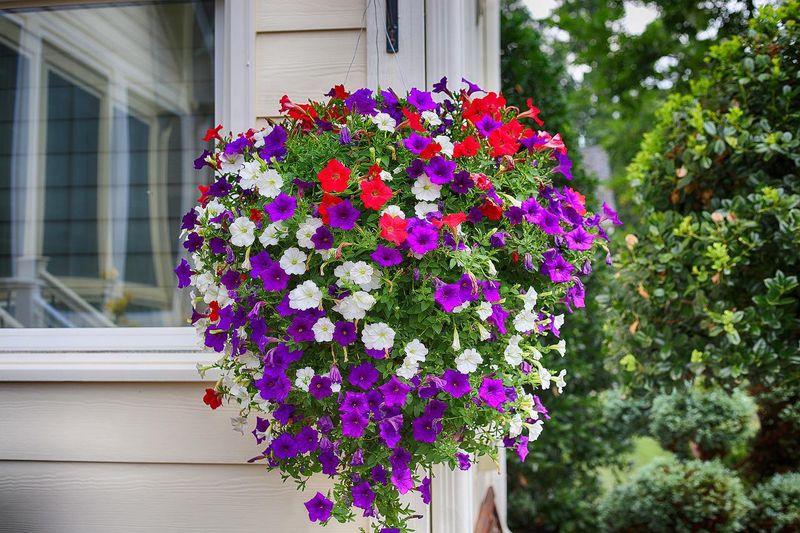
Petunias are beloved for their trumpet-shaped blooms and vibrant colors, ranging from pure white to rich purple. These annuals thrive in sunny locations, providing a continuous display of color throughout the growing season. Petunias’ versatility makes them perfect for hanging baskets, borders, and containers. They attract hummingbirds and butterflies, enhancing garden biodiversity. Although they require regular watering, their low maintenance needs make them popular among gardeners. Petunias’ cascading growth adds elegance to any garden design. Whether used as a ground cover or in decorative pots, they bring a touch of grace and color to sunlit areas.
16. Morning Glory
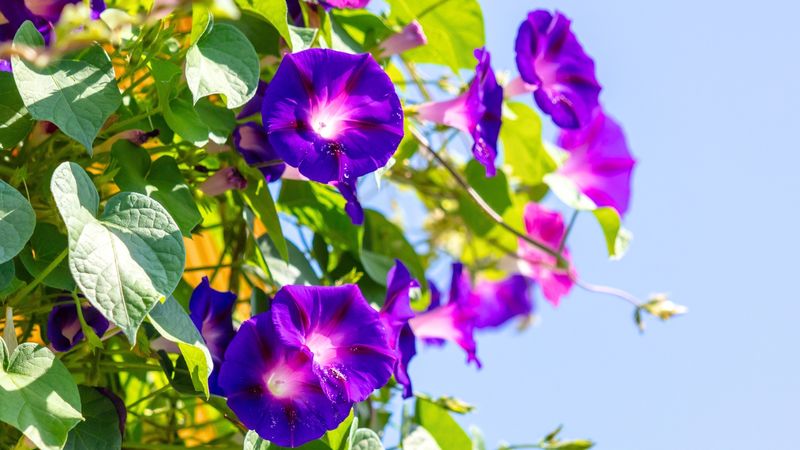
Morning Glory, with its heart-shaped leaves and vibrant trumpet-shaped flowers, is a favorite among gardeners. These climbers thrive in full sun, rapidly covering trellises and fences with their lush foliage and colorful blooms. Known for their stunning blue, purple, or pink flowers, Morning Glories open in the morning and close by afternoon. Despite requiring minimal care, they bring a touch of nostalgia to gardens. As annuals, they reseed easily, ensuring a new crop of flowers season after season. Morning Glories’ rapid growth and enchanting blooms make them an ideal choice for sunny, vertical spaces.
17. Rudbeckia
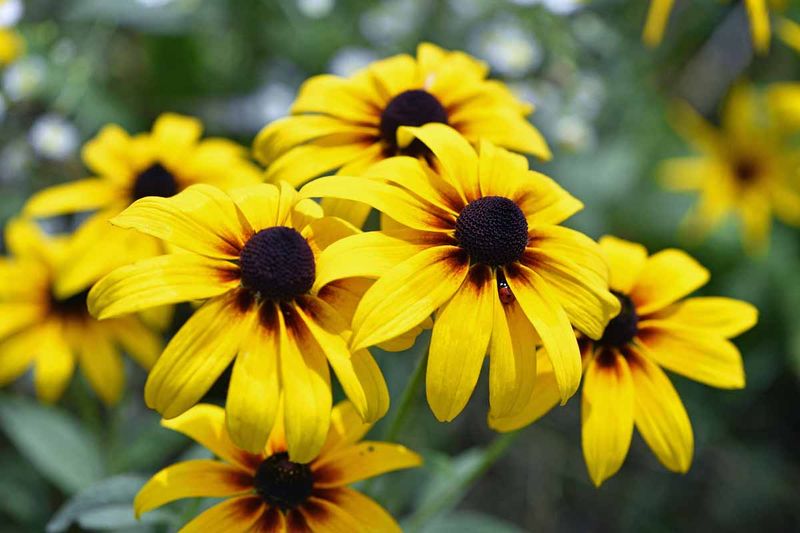
Rudbeckia, commonly called black-eyed Susan, is celebrated for its cheerful yellow blooms with dark centers. These hardy perennials thrive in full sun, providing long-lasting color from mid-summer to fall. Rudbeckia’s bold flowers stand out in any garden setting, attracting bees and butterflies. They’re easy to grow, tolerant of various soil types, and drought-resistant. Their robust nature makes them a staple in wildflower meadows and garden borders alike. With minimal maintenance, Rudbeckia ensures a vibrant display year after year. Its sunny disposition and resilience make it an excellent choice for beginner and experienced gardeners.
18. Gazania
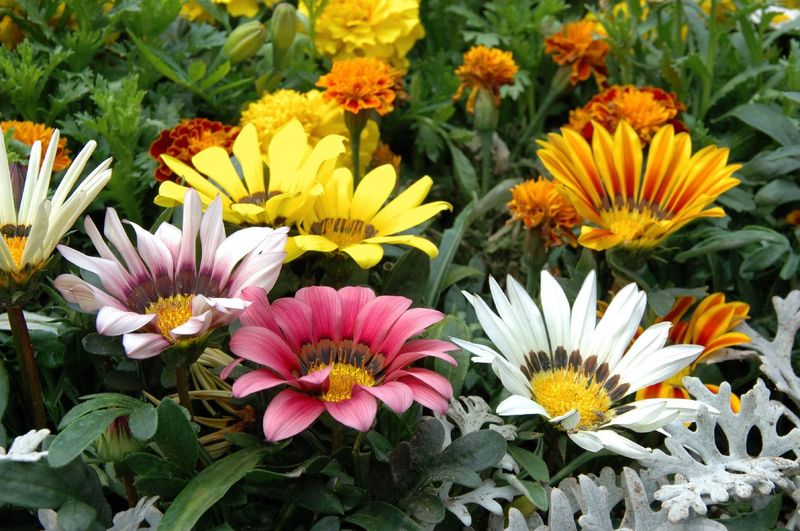
Gazania, known for its daisy-like flowers, brings a splash of color to sunny gardens. These South African natives thrive in full sun and poor, sandy soils. Gazania’s vibrant blooms open in sunlight and close at night, displaying hues of orange, pink, and yellow. Their drought tolerance and low maintenance needs make them ideal for rockeries and borders. Despite their delicate appearance, Gazanias are tough, enduring heat and dry conditions. Their cheerful, sun-loving flowers attract pollinators, enhancing garden biodiversity. With Gazania, create a bright, welcoming garden that thrives in even the sunniest spots.
19. Portulaca
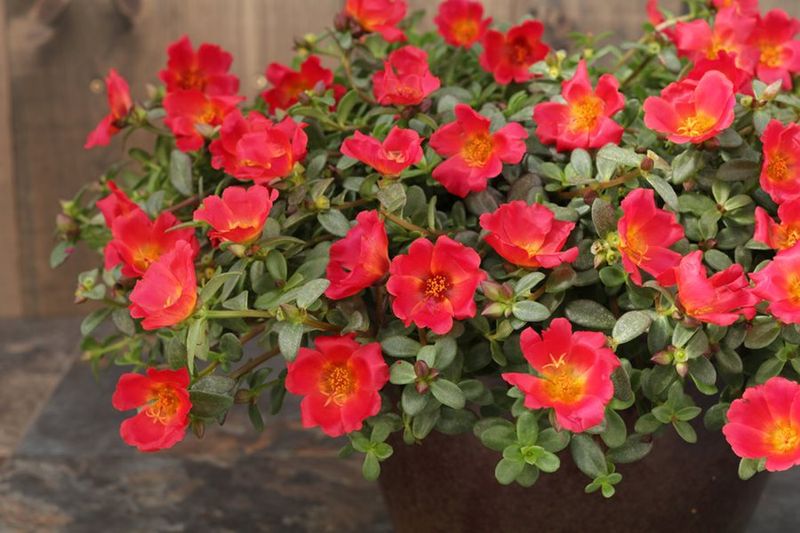
Portulaca, or moss rose, is a sun-loving annual known for its small, vibrant blooms and succulent leaves. These flowers thrive in hot, dry conditions, making them perfect for rock gardens and containers. Portulaca’s low-growing habit and bright, jewel-tone colors add a cheerful touch to any landscape. Despite its delicate appearance, this plant is incredibly resilient, requiring minimal care. Portulaca’s flowers open with the sun, closing at dusk, providing daily bursts of color. Its drought tolerance and easy propagation make it a favorite among gardeners looking for low-maintenance beauty and vibrant displays.
20. Plumbago
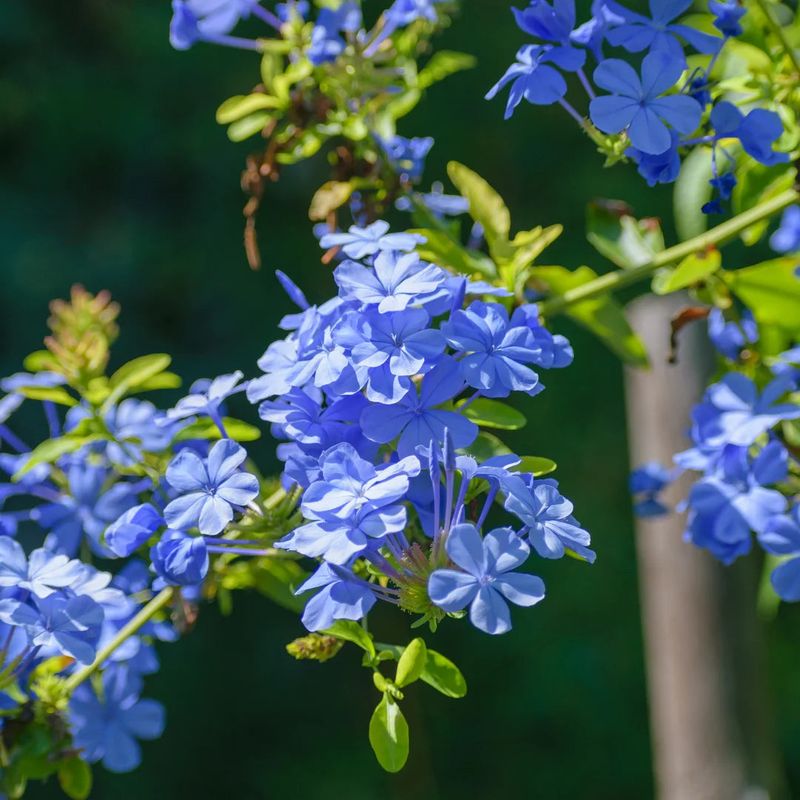
Plumbago, with its clusters of sky-blue flowers, adds a touch of elegance to sunny gardens. This evergreen shrub thrives in warm climates, displaying blooms throughout the growing season. Its long, trailing branches make it suitable for trellises and borders. Plumbago’s low water needs and tolerance for poor soils make it ideal for xeriscaping. Despite its delicate appearance, it’s a robust plant that withstands heat and drought. Whether used as ground cover or a climbing plant, Plumbago offers a serene, blue backdrop that complements other garden colors beautifully. Its sun-loving nature ensures vibrant, prolonged displays.
21. Heliotrope
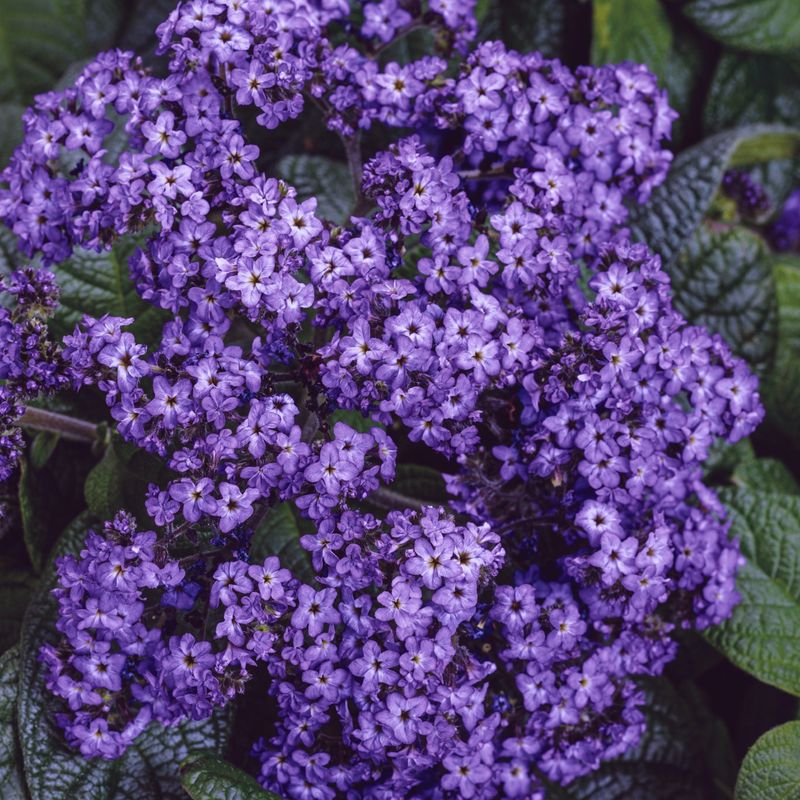
Heliotrope, with its clusters of fragrant purple flowers, is a beloved addition to sunny gardens. Known for its sweet, vanilla-like scent, it attracts pollinators such as bees and butterflies. Heliotrope thrives in full sun, requiring well-drained soil to flourish. Its compact growth habit makes it ideal for borders and containers. While tender perennials in warmer climates, they are often grown as annuals elsewhere. Heliotrope’s historical use in perfumes adds a touch of nostalgia to modern gardens. With its aromatic blooms and vibrant color, it enhances sensory appeal in any sunlit landscape.
22. Agastache
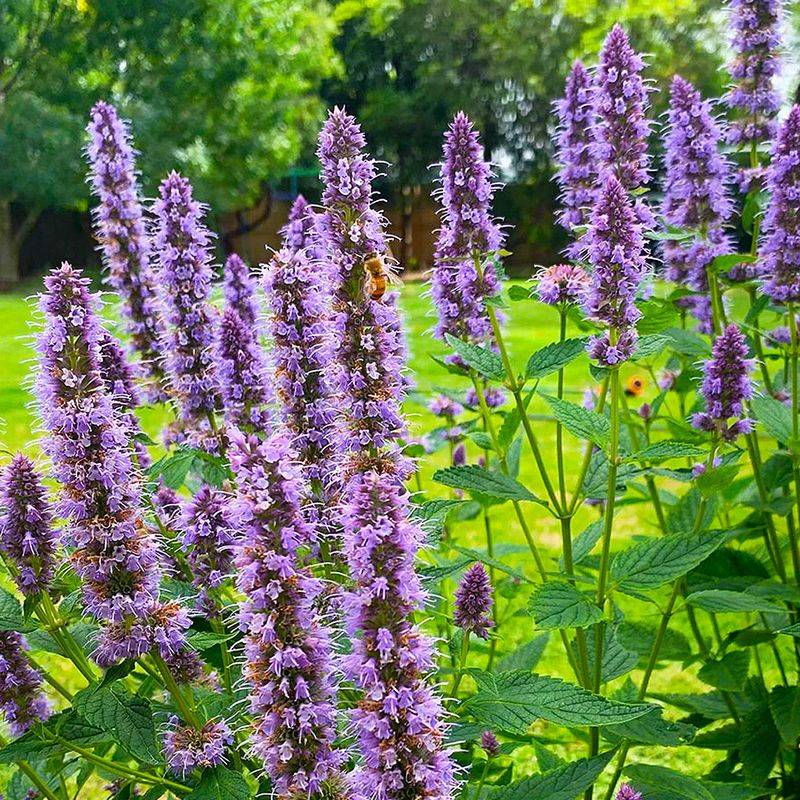
Agastache, also known as hummingbird mint, is a sun-loving perennial celebrated for its aromatic foliage and tall spikes of tubular flowers. These blooms attract hummingbirds and butterflies, adding lively movement to gardens. Agastache thrives in full sun and well-drained soil, showing remarkable drought tolerance once established. Its diverse color palette ranges from blue to orange, offering visual interest throughout the season. This plant’s upright habit makes it suitable for borders and wildflower gardens. Agastache’s ease of care and dynamic presence enhance any landscape, providing a vibrant, nectar-rich haven for pollinators.
23. Dianthus
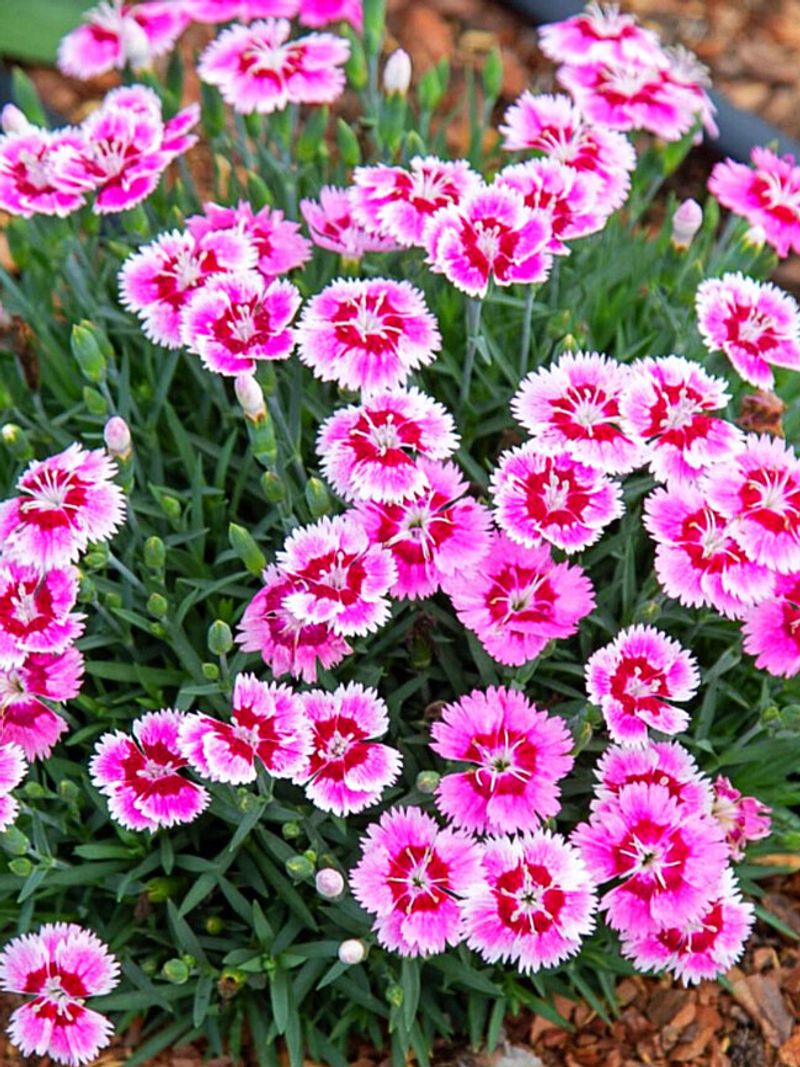
Dianthus, also known as pinks, are charming sun-loving perennials noted for their fringed petals and spicy fragrance. These compact plants bloom profusely, offering a wide color range from pink to red. Dianthus thrive in well-drained soil and full sun, requiring minimal care. Their compact growth makes them ideal for borders, rock gardens, and containers. Popular in cottage gardens, Dianthus’ historical use dates back to ancient Greece. Their long-lasting blooms and sweet scent attract butterflies, adding life to gardens. Embrace Dianthus for a touch of nostalgia and continuous color in sunny spots.
24. Yarrow
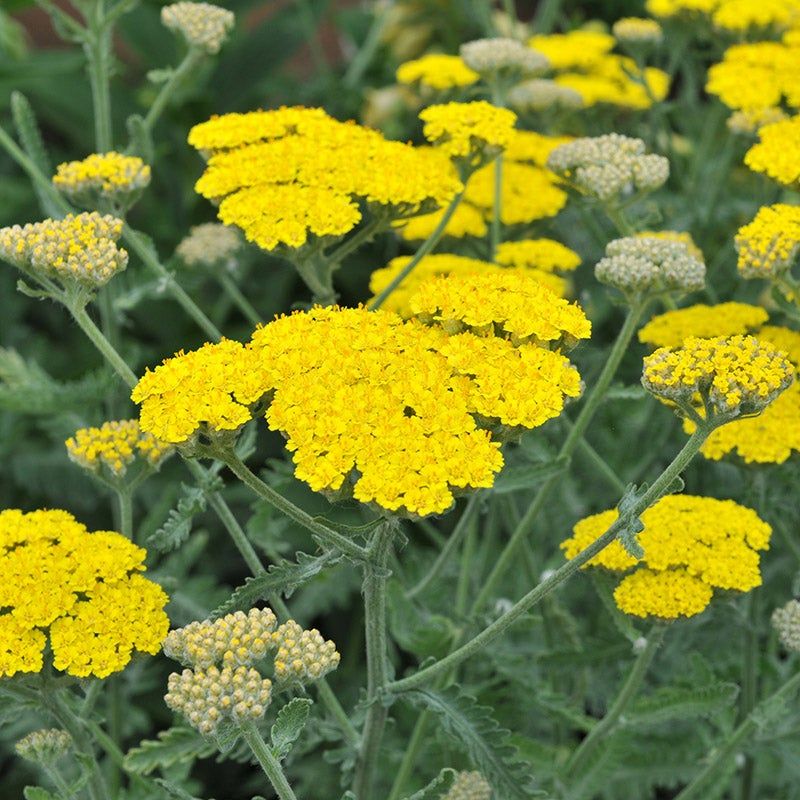
Yarrow, with its flat-topped clusters of flowers, thrives in the sunniest of gardens. Known for its feathery foliage and vibrant blooms, it attracts a variety of pollinators. Yarrow’s historical use in medicine and dyeing adds depth to its garden appeal. This hardy perennial requires minimal care, tolerating poor soil and drought conditions. Its long blooming period and ability to naturalize make it a favorite among gardeners seeking low-maintenance beauty. Yarrow’s resilience and adaptability ensure it remains an integral part of perennial gardens, offering both visual interest and ecological benefits.
25. Gaura
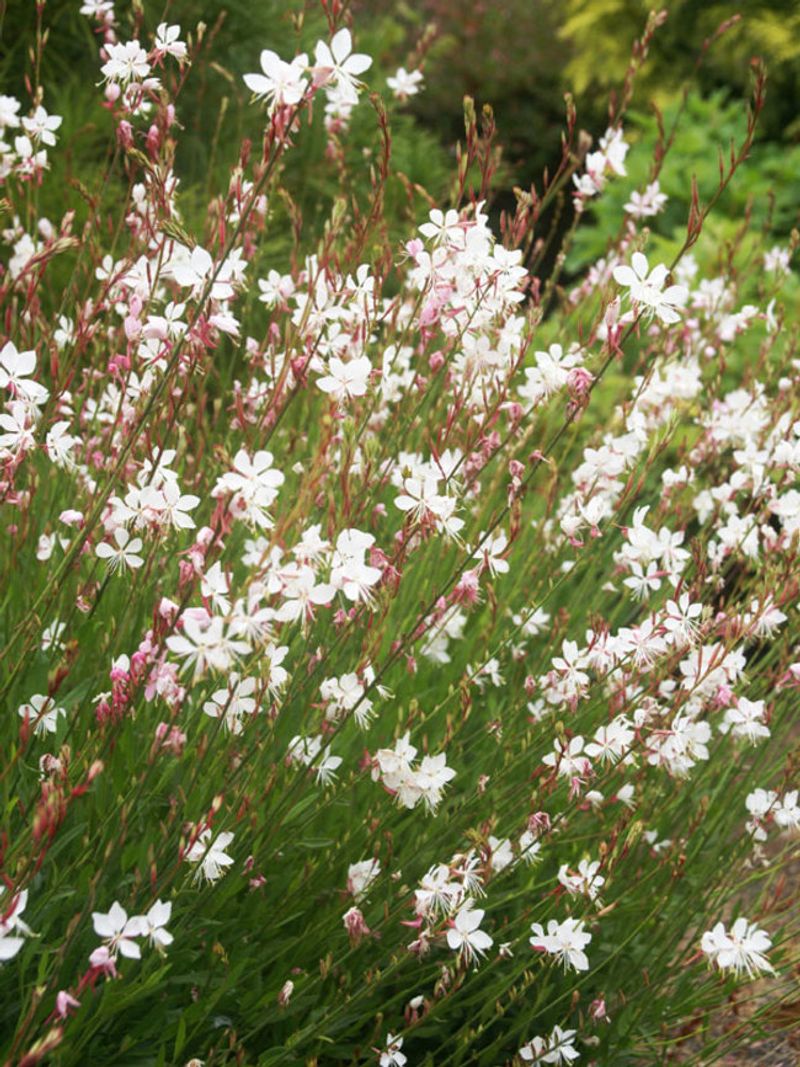
Gaura, with its airy, butterfly-like blooms, adds a whimsical touch to sunny gardens. These perennial plants are known for their long, wand-like stems adorned with delicate pink or white flowers. Thriving in full sun, Gaura is drought-tolerant and requires little maintenance. Its graceful movement in the breeze creates a dynamic display, enhancing garden aesthetics. Gaura’s extended blooming season ensures continuous color from spring through fall. Its wildflower charm and resilience make it ideal for naturalistic plantings and mixed borders. With Gaura, gardens gain an ethereal quality, captivating both gardeners and pollinators alike.
26. Tithonia
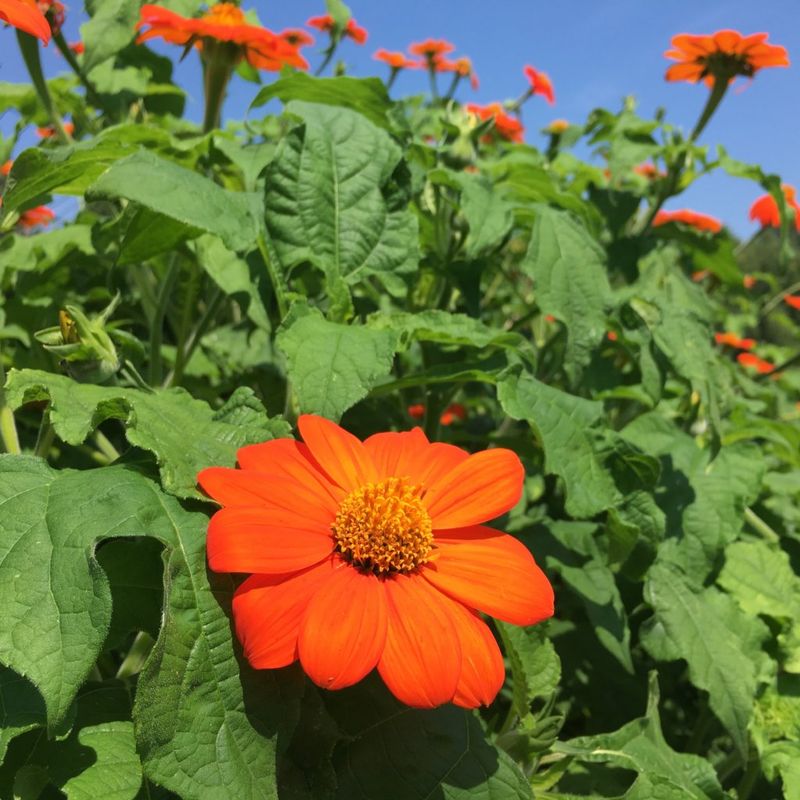
Tithonia, also known as Mexican sunflower, is a show-stopping annual that thrives in full sun. Its large, fiery orange flowers attract butterflies and hummingbirds, adding dynamic movement to gardens. Tithonia’s tall, bushy habit makes it a striking background plant in sunny borders. Known for its heat and drought tolerance, Tithonia grows vigorously in poor soils, requiring minimal maintenance. Its brilliant blooms persist from summer to fall, ensuring a vibrant display. With its bold color and towering presence, Tithonia brings a touch of tropical flair to gardens, creating a lively and inviting atmosphere.
27. Canna
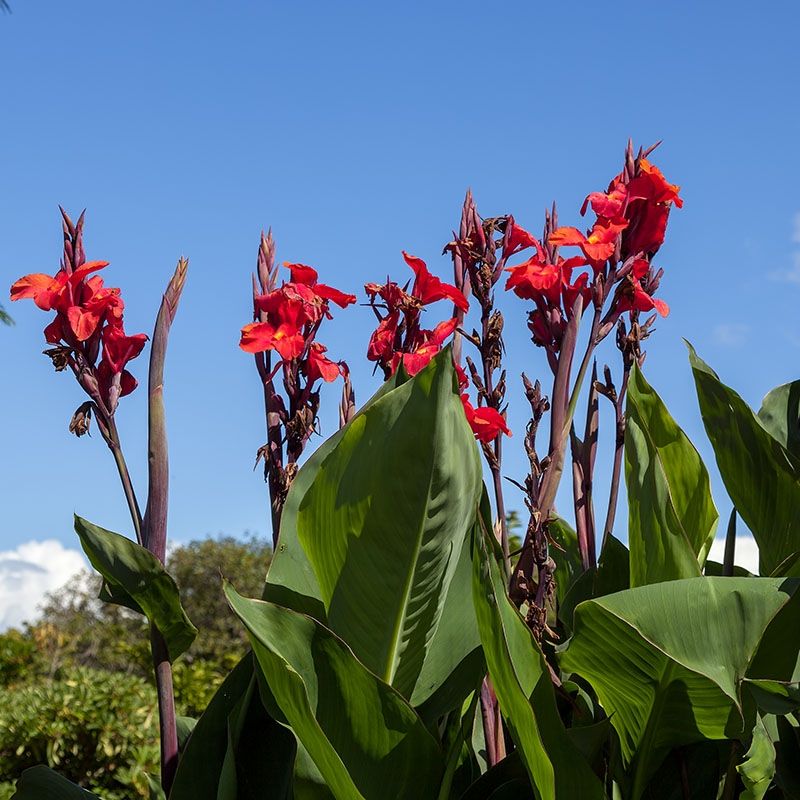
Canna lilies, with their bold, tropical appearance, thrive in sunny gardens. These perennials feature large, dramatic flowers in shades of red, orange, and yellow. Canna’s lush, banana-like foliage adds a touch of the tropics to gardens. Known for their heat tolerance, they flourish in full sun and moist soil conditions. Canna’s towering presence makes it ideal for creating privacy screens or as focal points in garden designs. Their vibrant blooms attract hummingbirds, enhancing garden biodiversity. Whether planted in containers or beds, Cannas bring exotic beauty and dramatic flair to sunlit landscapes.
28. Hibiscus
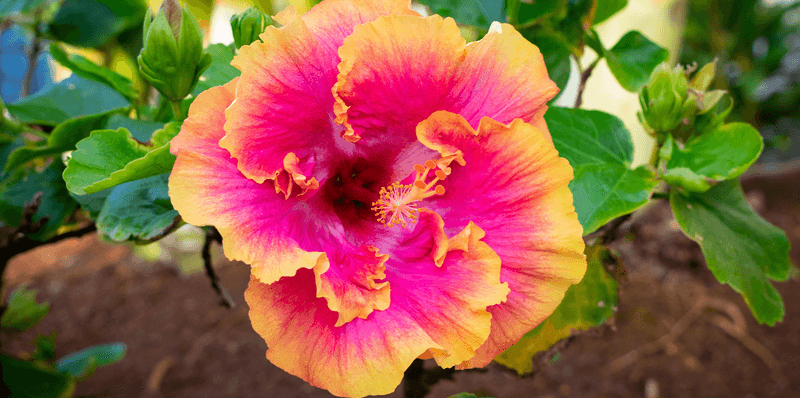
Hibiscus, known for its enormous, tropical blooms, brings a vacation vibe to sunny gardens. These deciduous shrubs thrive in full sun, producing flowers in a spectrum of colors. Hibiscus requires well-drained soil and regular watering to maintain its lush appearance. Its showy blooms draw pollinators, including hummingbirds and bees. While often associated with warm climates, Hibiscus can be grown as annuals in cooler regions. Their striking flowers and lush foliage create a tropical oasis, making them popular in garden borders and containers. With Hibiscus, every garden gains a splash of exotic elegance.
29. Bougainvillea
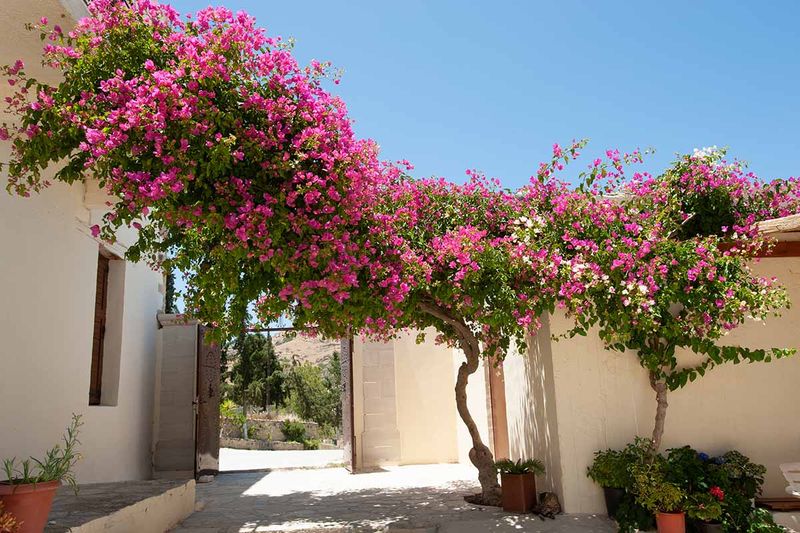
Bougainvillea, with its vivid, papery bracts, adds vibrant color to sunny landscapes. This vigorous climber thrives in full sun, cascading over trellises and walls with ease. Bougainvillea’s drought tolerance and ability to flourish in poor soil make it ideal for xeriscaping. Its flowers come in various colors, including magenta, red, and orange, creating eye-catching displays. Bougainvillea’s rapid growth and minimal maintenance needs make it a favorite for quick coverage. Despite its thorny nature, the plant’s stunning beauty and resilience ensure it remains a staple in tropical and subtropical gardens worldwide.
30. Oleander
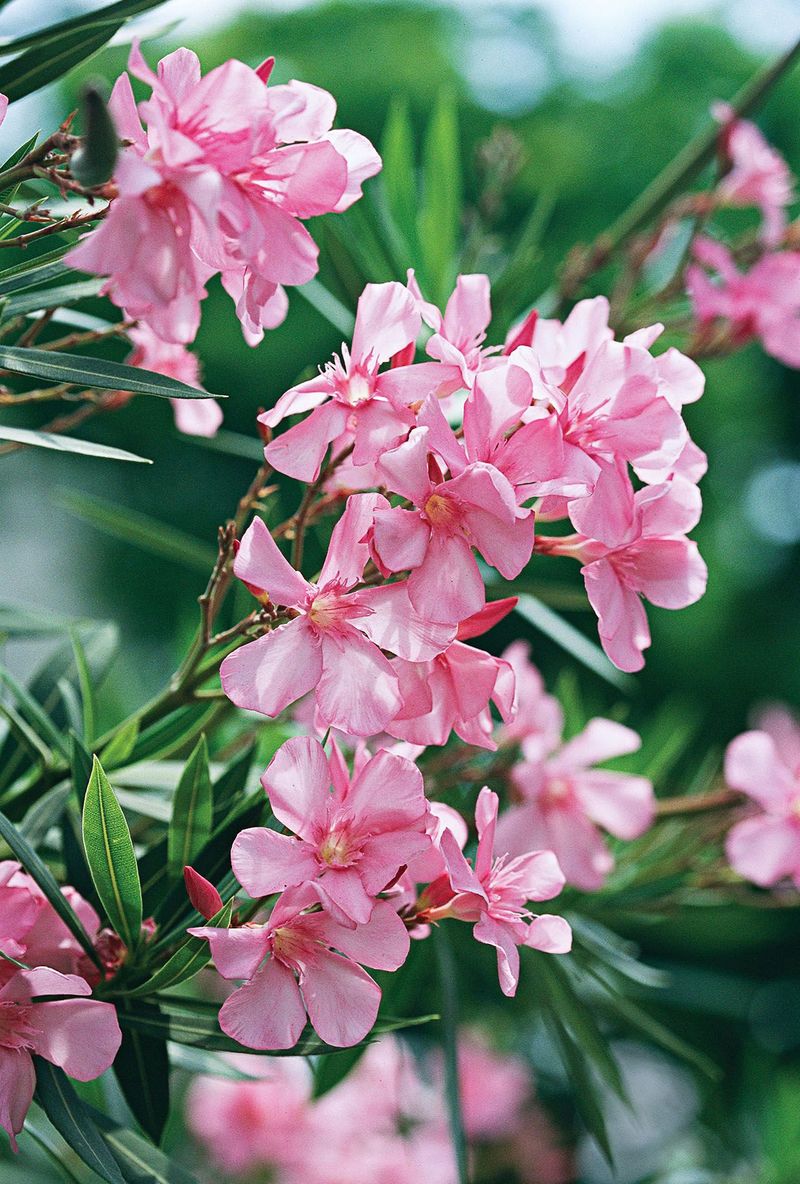
Oleander, with its evergreen foliage and fragrant blooms, is a beloved choice for sunny gardens. This hardy shrub thrives in full sun, displaying pink, white, or red flowers throughout the growing season. Oleander’s tolerance for poor soils and drought conditions makes it a popular choice for landscapes requiring minimal care. Despite its beauty, all parts of the plant are toxic, so caution is advised when planting near children or pets. Oleander’s long-lasting blooms and lush appearance add elegance to garden borders and hedges, creating a serene, Mediterranean-inspired atmosphere.
31. Blanket Flower (Gaillardia)
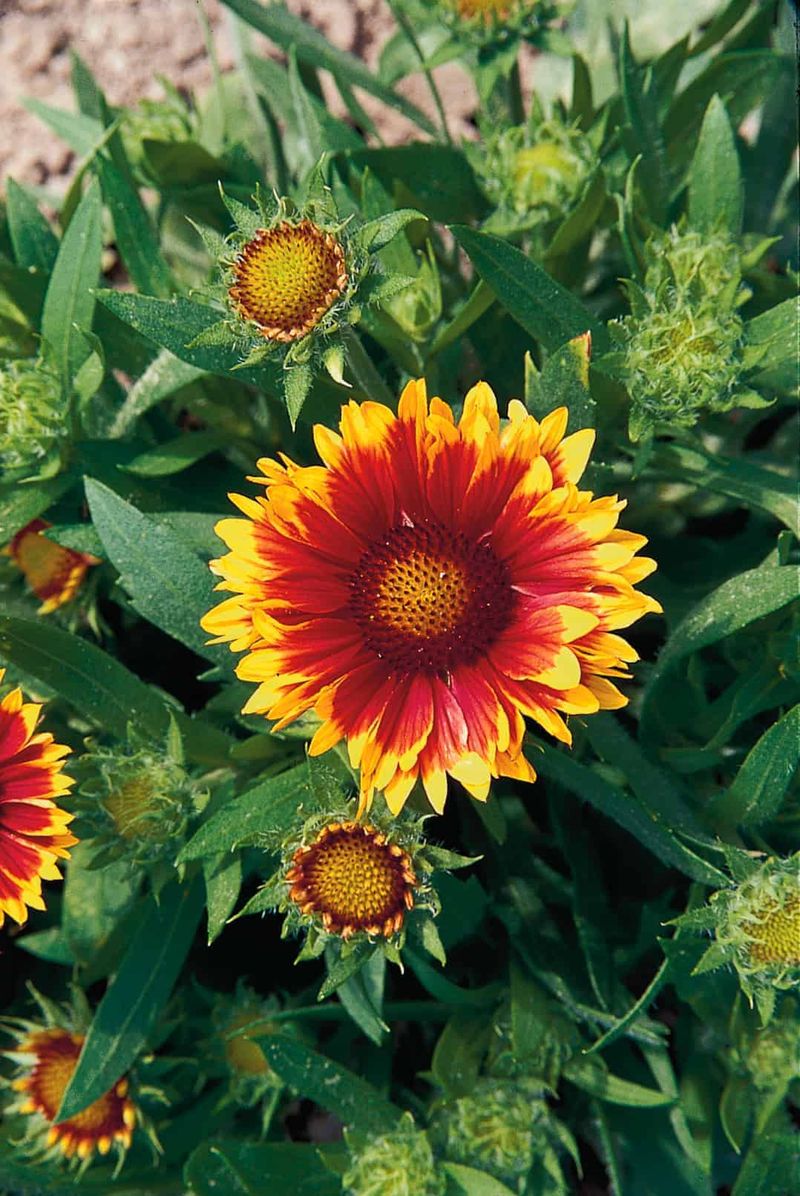
The Blanket Flower, known for its bright, daisy-like blooms, is a true sun worshipper. Its petals, painted in vivid shades of red and yellow, stand resilient against the sun’s full glare. This flower’s beauty lies in its carefree spirit; it needs no coddling or shade.
Originating from the American prairies, the Blanket Flower is as hardy as it is stunning. Its ability to bloom continuously through the summer months makes it a gardener’s delight. With little water and care, it flourishes, spreading warmth with every petal.
Not just a visual treat, it attracts pollinators like bees and butterflies, adding life to any garden.