
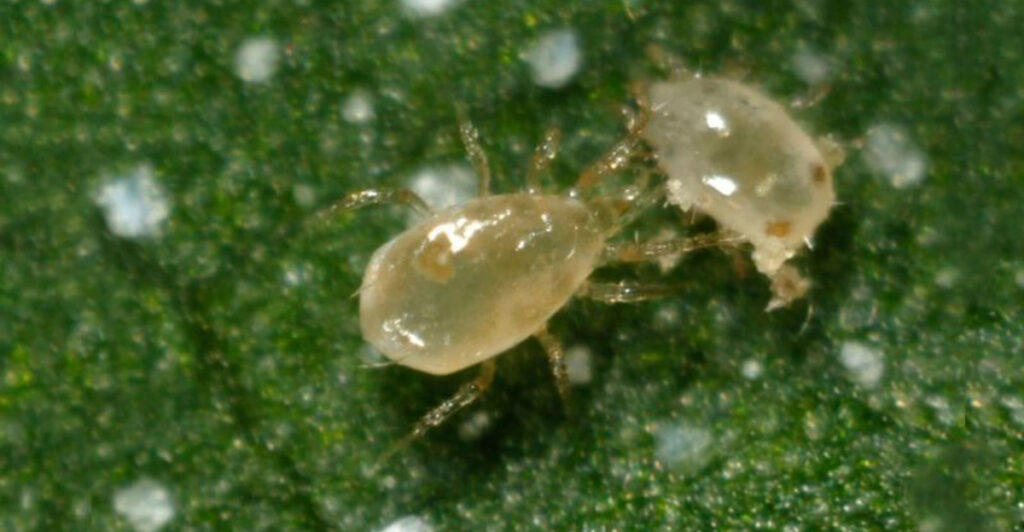
Soil mites play various roles in soil ecosystems, from decomposing organic matter to feeding on plant roots or controlling pests. Understanding these diverse species is key to effective garden and agricultural management. Here’s a detailed look at ten common soil mite species and how to manage them effectively.
1. Oribatid Mites (Beetle Mites)
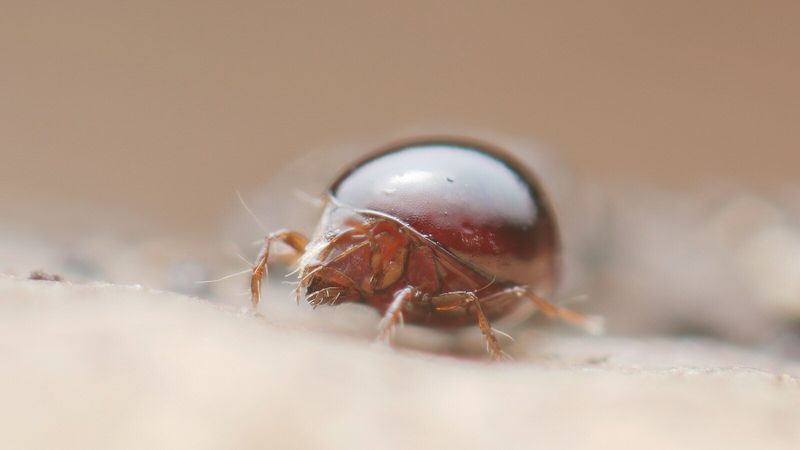
Oribatid mites are like miniature beetles, slow and round with hard shells. They play a vital role in breaking down organic matter in the soil, acting as natural decomposers. While generally harmless, they can become a nuisance if they overpopulate, especially in moist soils. To manage them, reduce excess mulch or compost and improve the drainage of your soil. By maintaining a balanced environment, these mites can continue their beneficial work without overwhelming your garden.
2. Mesostigmatid Mites (Predatory Mites)
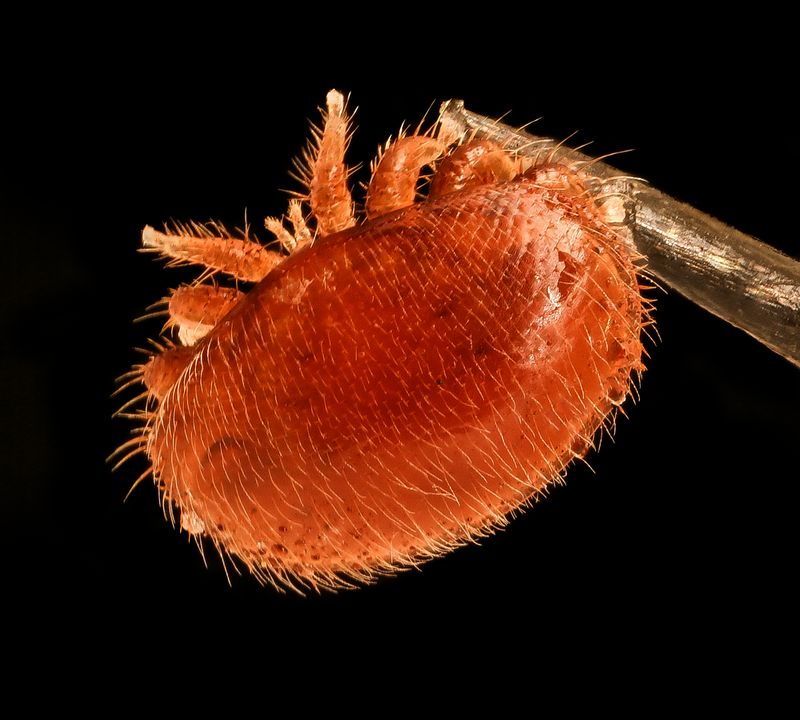
Mesostigmatid mites are nature’s little helpers, with their fast-moving, shiny, elongated bodies. They are beneficial predators, feeding on harmful nematodes, insect larvae, and other mites. There is no concern associated with these mites as they are allies in your garden. To protect them, avoid using broad-spectrum pesticides that might harm their population. Encourage their presence to maintain a healthy, pest-free environment in your garden.
3. Astigmatid Mites (Fungal & Scavenger Mites)
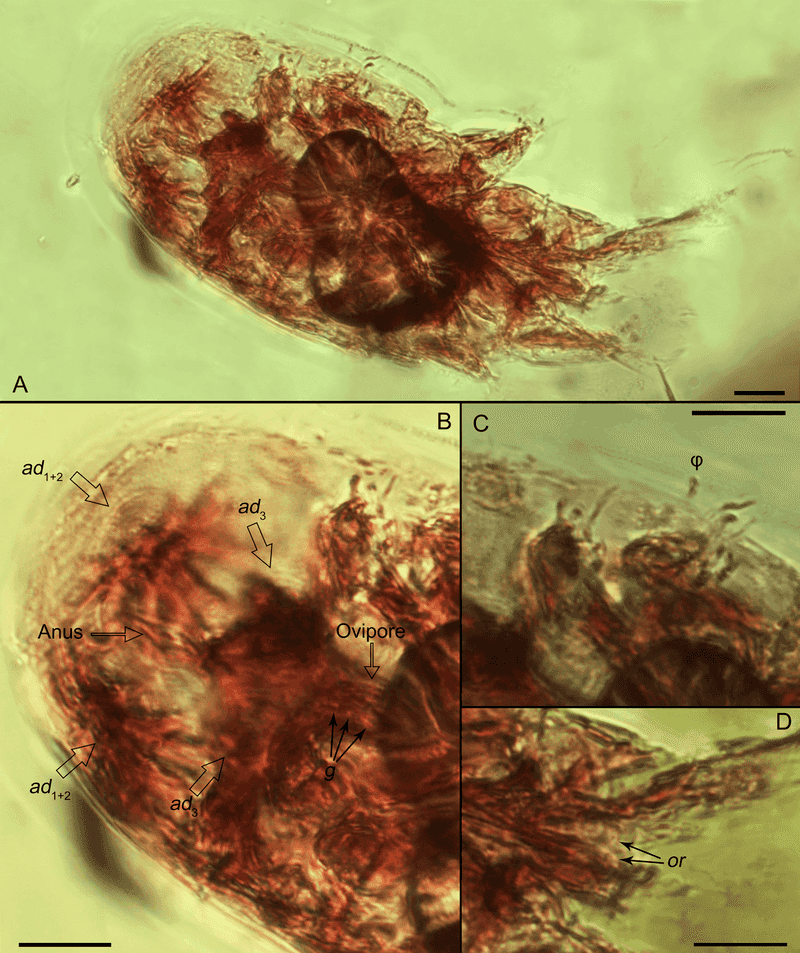
Soft-bodied and pale, Astigmatid mites thrive in high-moisture environments. They primarily feed on fungi and decaying matter but can occasionally damage plant roots. In large numbers, they pose a threat to seedlings. To manage them, allow the soil to dry out between waterings and use cinnamon, a natural fungicide, to control their numbers. By maintaining balanced moisture levels, you can prevent these mites from becoming problematic while preserving their useful functions.
4. Root-Knot Mites (Rhizoglyphus spp.)
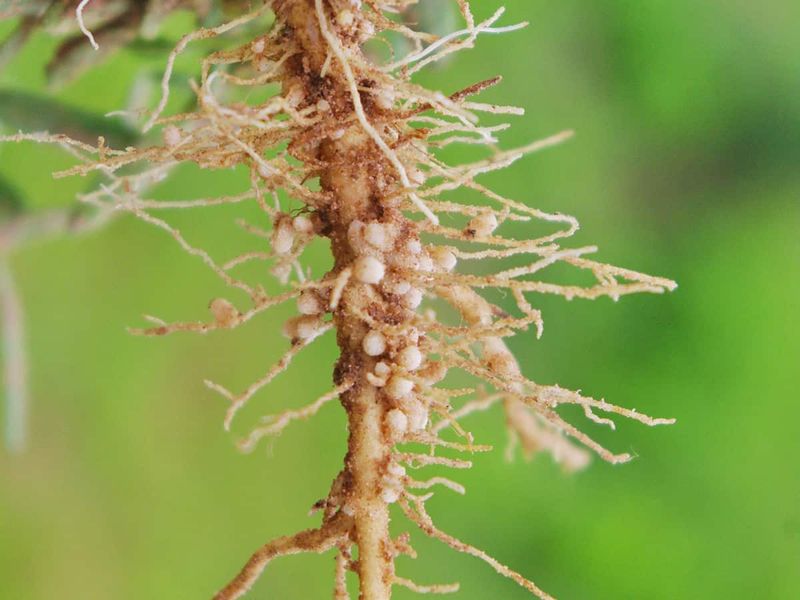
Root-Knot mites, with their tiny, white, bulbous bodies, are known pests. They attack bulbs, tubers, and roots such as those of lilies, onions, and orchids. This can lead to stunted growth and root rot, causing significant damage to your plants. Management involves using neem oil drenches and removing any infected plants to prevent further spread. Vigilant care and timely intervention can help keep these destructive mites at bay, ensuring healthy plant growth.
5. Spider Mites (Tetranychidae – Surface Dwellers)
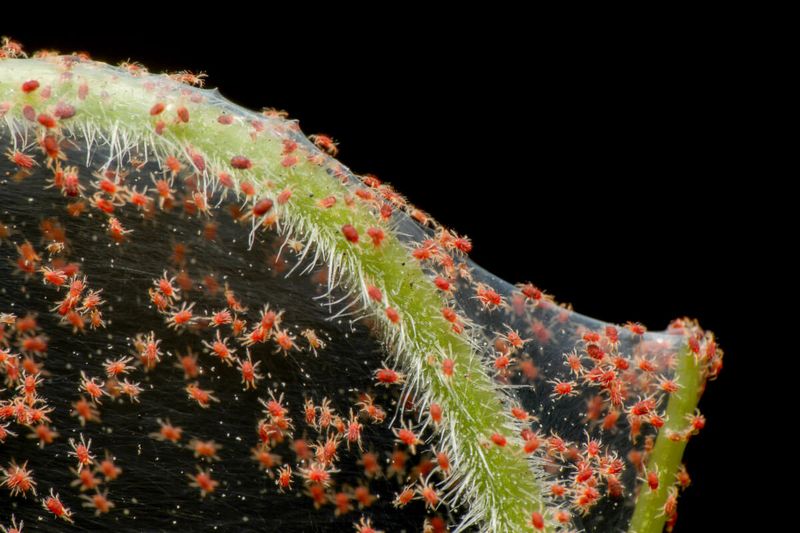
Spider mites, often red or brown and notorious for their web production, are not true soil mites but can invade soil environments. They are pests that suck sap from leaves and stems, causing yellowing, webbing, and eventually plant death. To manage them, regularly spray plants with water to disrupt their webs and introduce predatory mites such as Phytoseiulus persimilis. These natural predators can help control spider mite populations effectively, safeguarding your plants.
6. Mold Mites (Tyrophagus spp.)
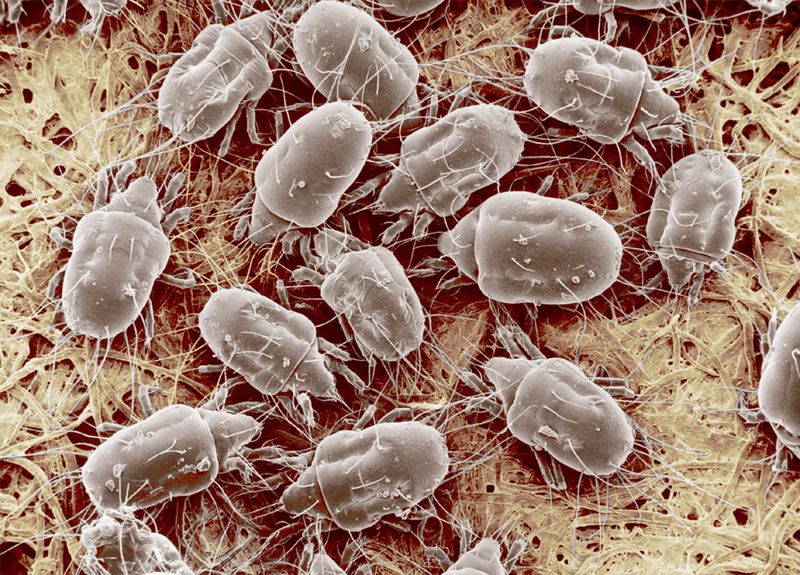
Mold mites are tiny and pale, thriving in moldy and damp conditions. They feed on fungi and decaying organic matter and can infest stored grains or compost piles. While they may irritate allergies, their presence indicates too much moisture. Reduce humidity and store compost or grains in dry conditions to manage their population. Proper storage and moisture control can prevent these mites from becoming a nuisance and help maintain a healthy environment.
7. Hypoaspis Miles (Stratiolaelaps scimitus)
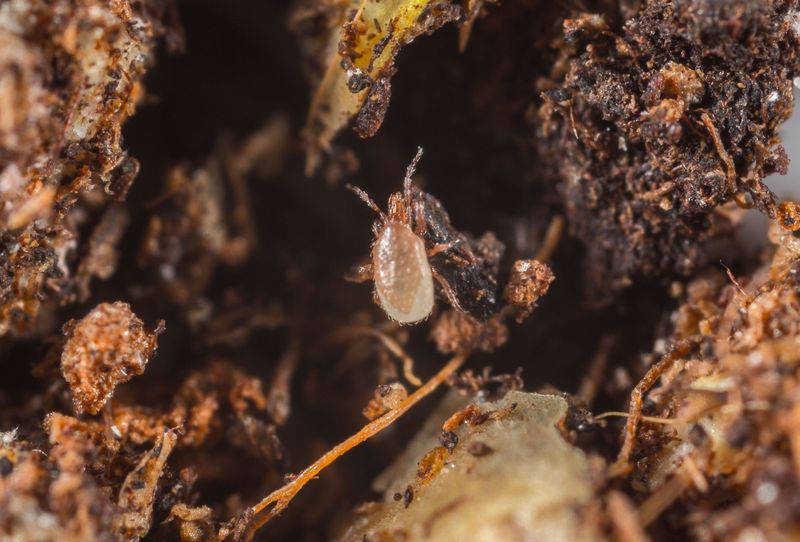
Hypoaspis Miles, small and tan, are beneficial mites with a fast-moving nature. These biocontrol heroes prey on fungus gnats, thrips, and pest mites, making them invaluable in pest control. There is no concern with these mites, and they can be introduced intentionally to manage pest populations. By encouraging their presence, you can maintain a natural balance in your garden or greenhouse, reducing the need for chemical interventions and supporting ecological health.
8. Tarsonemid Mites (Broad Mites & Cyclamen Mites)
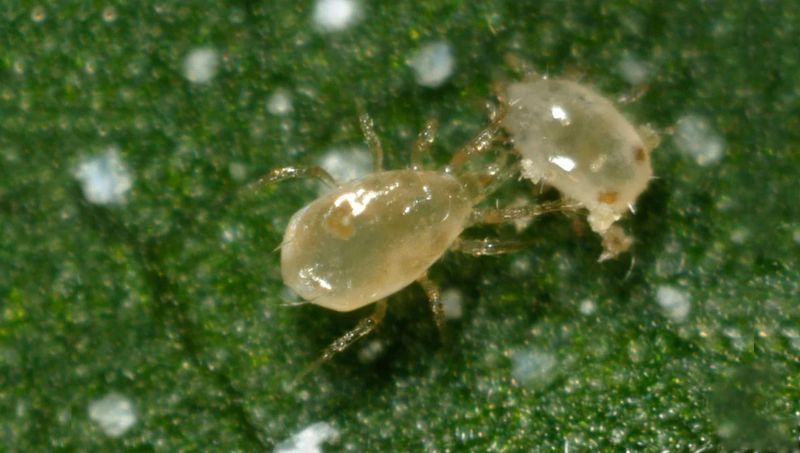
Microscopic and translucent, Tarsonemid mites are notorious pests. They distort new plant growth, affecting plants like peppers and strawberries. Damage manifests as curled leaves and stunted plants. Management includes applying sulfur sprays and removing infested plants to curb their spread. By taking timely action and employing natural remedies, you can effectively manage these pests and protect your plants’ health and vitality, ensuring robust growth and fruitfulness.
9. Gamasid Mites (Parasitic Mites)
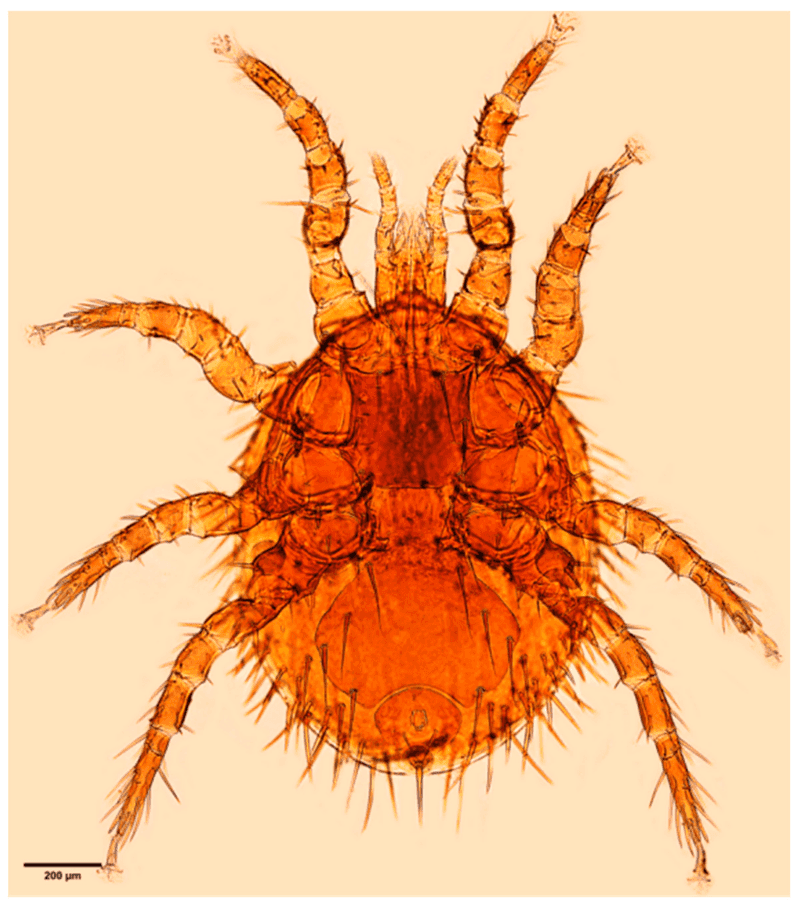
Gamasid mites are tiny and often red or dark-colored. Some prey on insects, while others parasitize small animals. Although they rarely harm plants, they can bite humans or pets if disturbed. To manage them, use diatomaceous earth and keep the soil well-aerated. Proper management can prevent these mites from becoming a nuisance while allowing beneficial ones to thrive, contributing to a balanced ecosystem in your garden.
10. Prostigmatid Mites (Diverse Group)
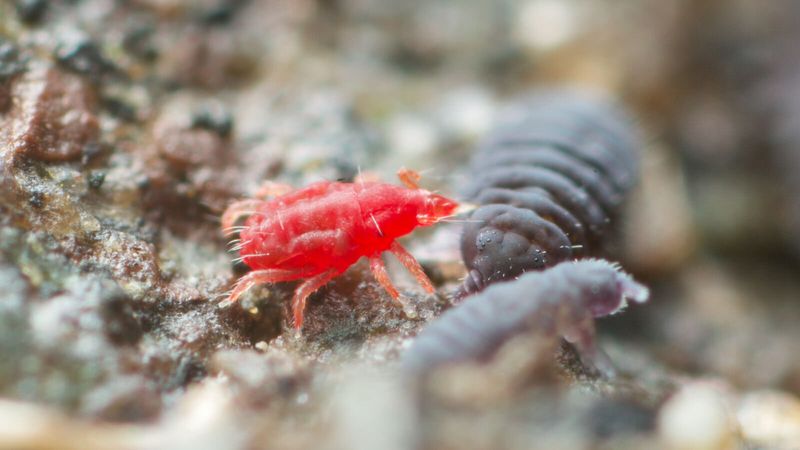
Prostigmatid mites are diverse, with varying appearances. Some are predatory and help control pests, while others feed on plants and can damage crops. Identification is key, often requiring a microscope to determine their role. Management involves introducing beneficial nematodes to target pest species. By fostering beneficial mite populations and managing harmful ones, you can maintain a healthy garden environment and ensure productive plant growth.