
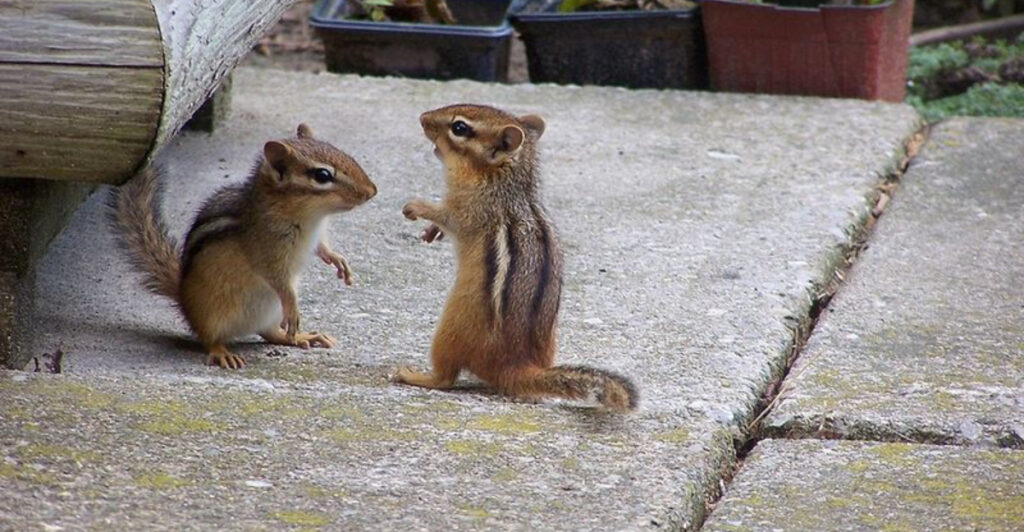
Chipmunks, though endearing in their petite size and agile movements, can be surprisingly destructive.
Their behaviors often lead to significant damage in residential areas, where they manage to undermine structures, ruin gardens, and create safety hazards.
Here, we explore 13 surprising ways chipmunks can wreak havoc in our surroundings.
1. Undermining Foundations with Burrows
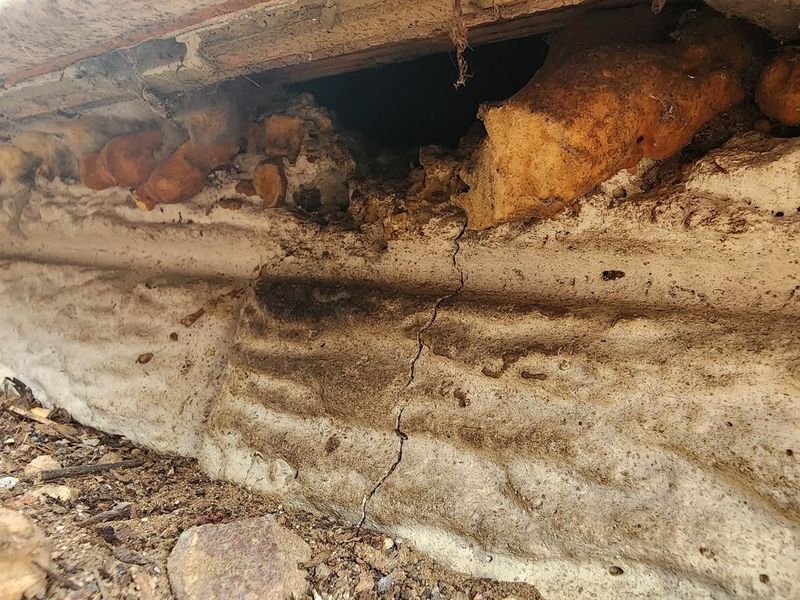
Chipmunks are master architects of underground networks, often digging under sidewalks, patios, and home foundations. These burrow systems can cause the ground to shift over time. Small cracks can appear, which might seem harmless at first. However, as the burrows expand, structural integrity weakens, leading to more noticeable sinking and damage. Homeowners may find this particularly troubling as it can lead to costly repairs. Additionally, these burrows can become pathways for water to seep in, exacerbating the problem. With every inch they dig, chipmunks chip away at our structures’ stability.
2. Wreaking Havoc on Garden Beds
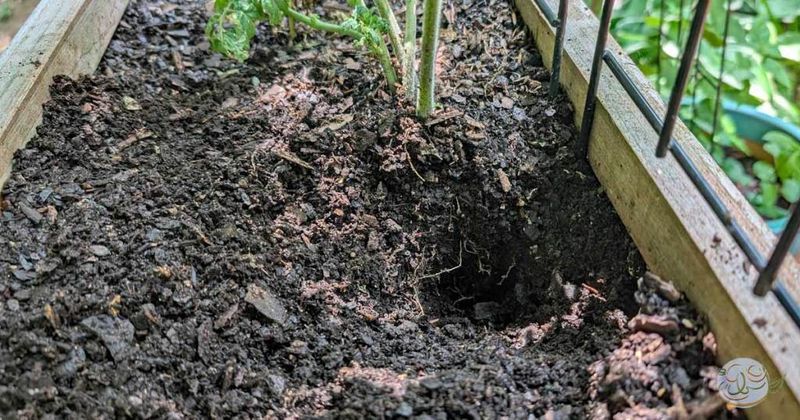
In a garden, chipmunks are like little tornadoes. Their search for food involves digging that can be quite disruptive. Newly planted bulbs are often unearthed, and delicate seedlings find themselves uprooted. Those painstakingly arranged flower beds? Consider them a playground for chipmunks. Their tiny claws swiftly ruin the aesthetics and structure of well-maintained gardens. Gardeners often face an uphill battle trying to protect their plants. The damage isn’t just visual; it can also stunt plant growth. Finding a garden untouched by chipmunks is a rare sight indeed.
3. Raiding Bird Feeders
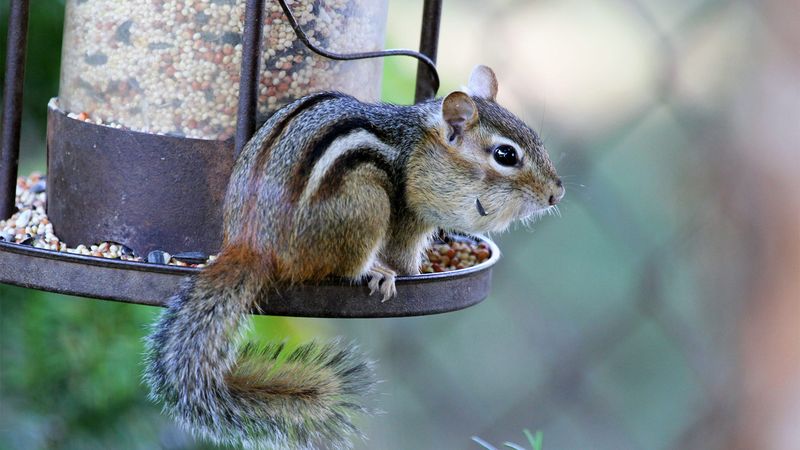
With agility and determination, chipmunks target bird feeders. Their love for seeds is endless, and bird feeders become their favorite diners. Climbing or leaping, they find ways to access these treasures, often scattering food across the ground. This not only deprives birds of their meals but can also attract other pests. The mess left behind can be frustrating for bird enthusiasts. Despite numerous deterrents, chipmunks persist, making bird feeding a challenging endeavor. Their antics at the bird feeders are a testament to their cunning nature and relentless pursuit of food.
4. Stealing Fruits and Veggies
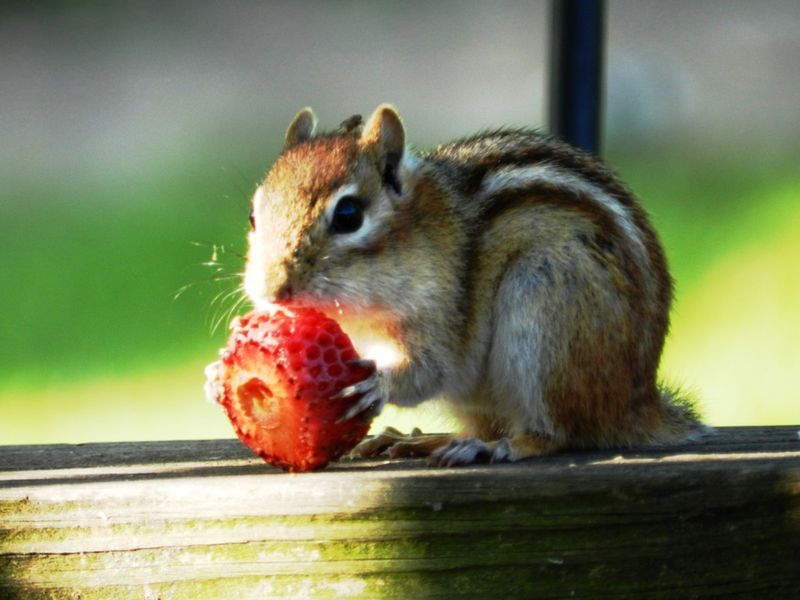
Chipmunks have an insatiable taste for fruits and vegetables. A vegetable garden quickly becomes a target, with tomatoes, strawberries, and squash falling victim to their nibbling. Often, they take just a bite before moving on, leaving a trail of half-eaten produce. This behavior frustrates gardeners, who find their hard work spoiled. The garden, once a source of pride, becomes a battlefield. Protecting these crops requires creativity and vigilance. The chipmunk’s appetite for fresh produce is both impressive and destructive, turning gardens into their personal buffets.
5. Chewing on Wires and Insulation
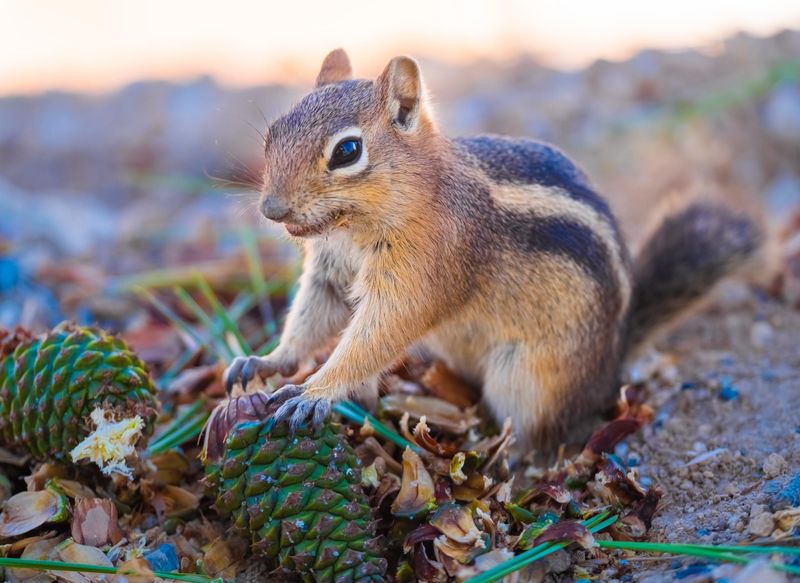
In hidden corners of homes, chipmunks find cozy nesting spots. Crawl spaces, attics, and garages provide shelter, but also a plethora of chewable items. Electrical wires become targets, potentially leading to hazardous situations like fires. Insulation, too, suffers as chipmunks tear it apart for nesting materials. Homeowners face expensive repairs and safety concerns. The damage isn’t just physical; it can also affect a home’s value. Chipmunks, though small, have a significant impact, reminding us that their presence indoors is far from benign. Vigilance is key in deterring these intruders.
6. Spreading Fleas and Ticks
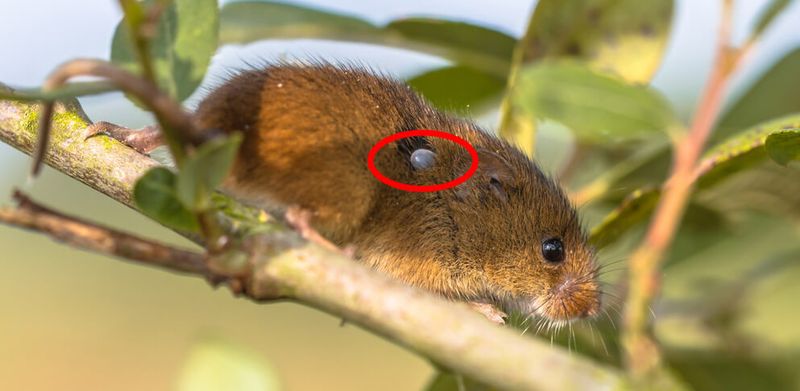
Chipmunks, like many wild rodents, can be carriers of fleas and ticks. When they nest close to homes, pets and even homeowners can encounter these parasites. A yard frequented by chipmunks might see an uptick in these unwanted guests. This poses health risks, particularly for pets who roam these areas. Fleas and ticks are more than nuisances, as they can transmit diseases. The connection between chipmunks and these parasites is a reminder of the hidden risks they bring. Managing chipmunk populations can be vital in maintaining a healthy environment.
7. Destroying Lawns with Entrance Holes
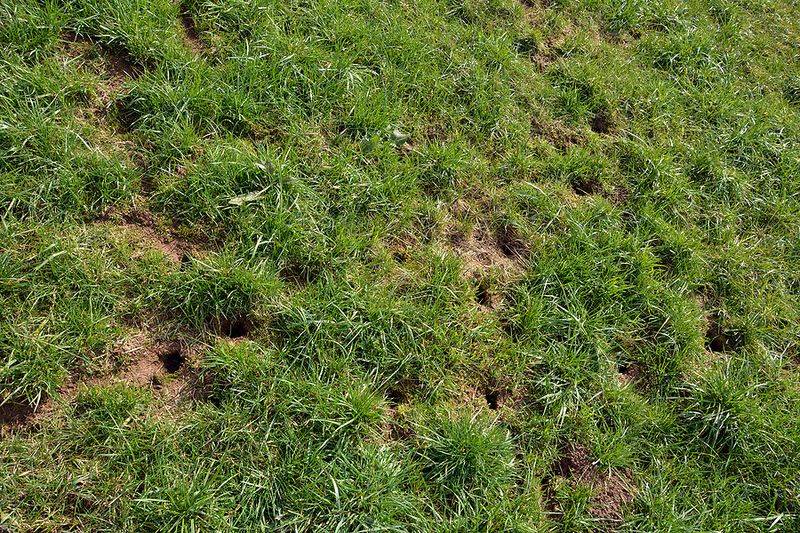
The small entrance holes of chipmunk burrows are deceptively damaging. While they may seem harmless, their numbers can make a lawn look patchy and unsightly. Tripping hazards abound, and mowing becomes a challenge. Homeowners may find themselves constantly trying to fill these holes to no avail. The persistence of chipmunks in creating new entrances makes it a losing battle. Beyond aesthetics, these holes can also lead to soil erosion. The constant digging and burrowing create an ever-changing landscape, complicating lawn maintenance efforts.
8. Attracting Predators
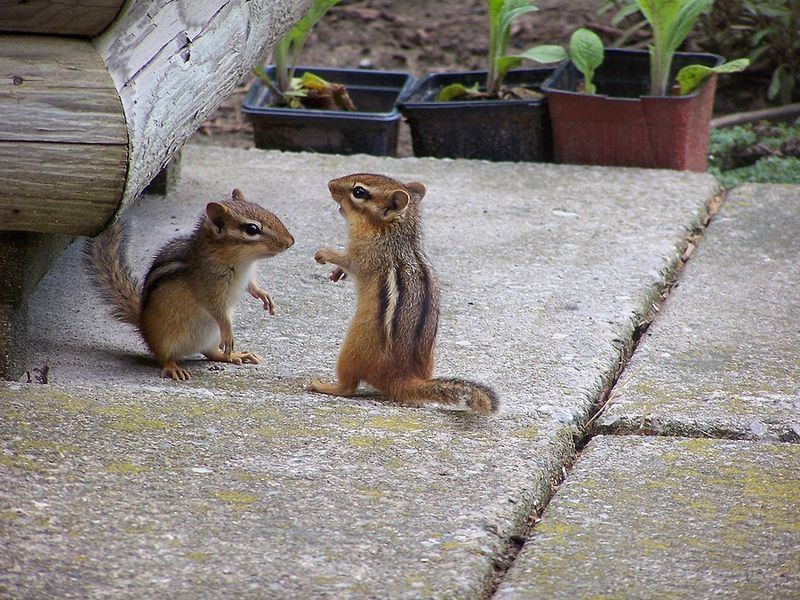
Where chipmunks go, predators follow. Their presence can attract a variety of natural predators like hawks, foxes, and snakes. Even domestic cats and dogs find themselves intrigued by chipmunks. This influx of predators can create a backyard spectacle, but also potential dangers. Pets may find themselves in risky encounters, and homeowners might face unwanted wildlife in close proximity. The circle of life plays out in the backyard, turning a peaceful setting into an unpredictable one. Chipmunks inadvertently invite this wild drama into our lives.
9. Rapid Reproduction = Fast Infestation
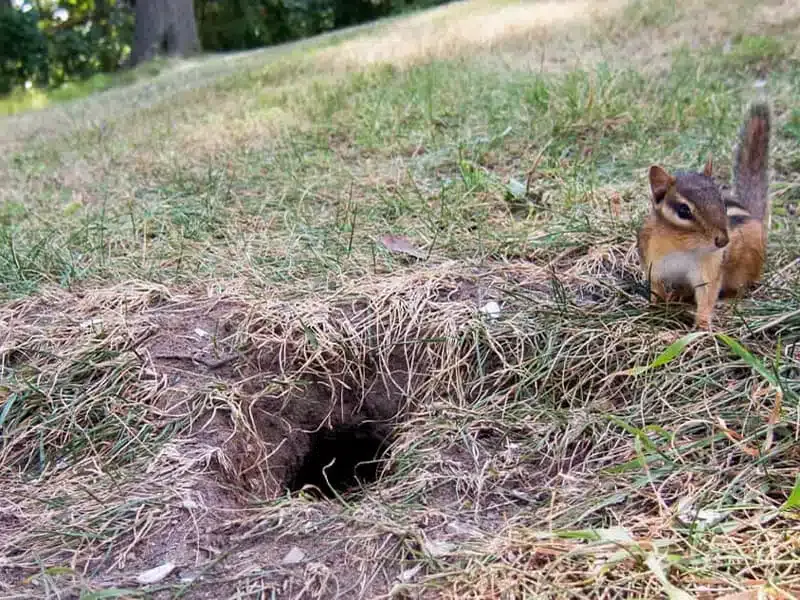
Chipmunks reproduce at an astonishing rate. A couple can transform into a bustling population within a year. With two litters annually, each averaging several offspring, numbers grow exponentially. Homeowners may not notice until the infestation is in full swing. This rapid growth turns a minor nuisance into a major problem. Gardens, lawns, and structures all suffer as the chipmunk population booms. Addressing this requires proactive measures, as waiting too long can mean facing an overwhelming challenge. The speed of their reproduction is a key factor in the havoc they wreak.
10. Invading Sheds, Garages, and Crawlspaces
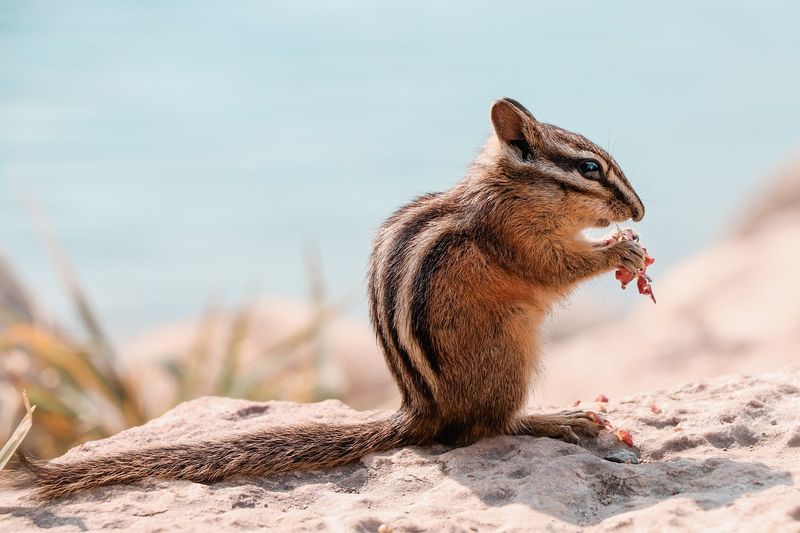
Chipmunks find sheds, garages, and crawlspaces irresistible. These areas offer shelter and abundant nesting materials. Boxes, fabrics, and other stored items become victims of their gnawing. The damage extends beyond physical destruction. Droppings and debris accumulate, creating unsanitary conditions. Homeowners discover the mess often too late, leading to costly clean-ups. This invasion turns storage spaces into chipmunk havens, complicating organization and cleanliness. Despite efforts to block entrances, chipmunks persist, finding new ways in. Their tenacity in claiming these spaces is a testament to their adaptability.
11. Disrupting Potted Plants
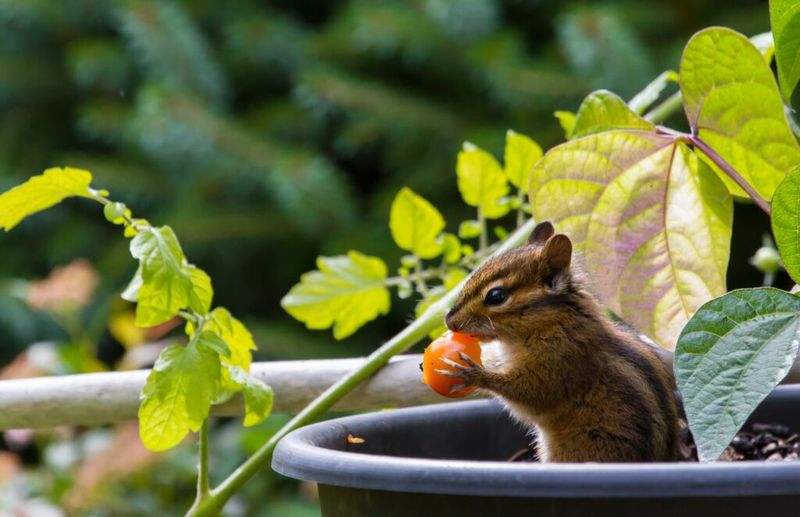
Potted plants fall victim to chipmunks’ curious nature. Their digging scatters soil and disrupts root systems, leaving plants vulnerable. Indoor or outdoor, no potted plant is safe from their tiny paws. For plant enthusiasts, this behavior is particularly disheartening. The effort put into nurturing potted plants is undone in moments. Chipmunks turn these serene settings into chaotic scenes of soil and foliage. Protecting potted plants from these small marauders requires inventive solutions. The challenge lies in balancing the beauty of plants with the risk posed by these persistent diggers.
12. Contaminating Water Sources
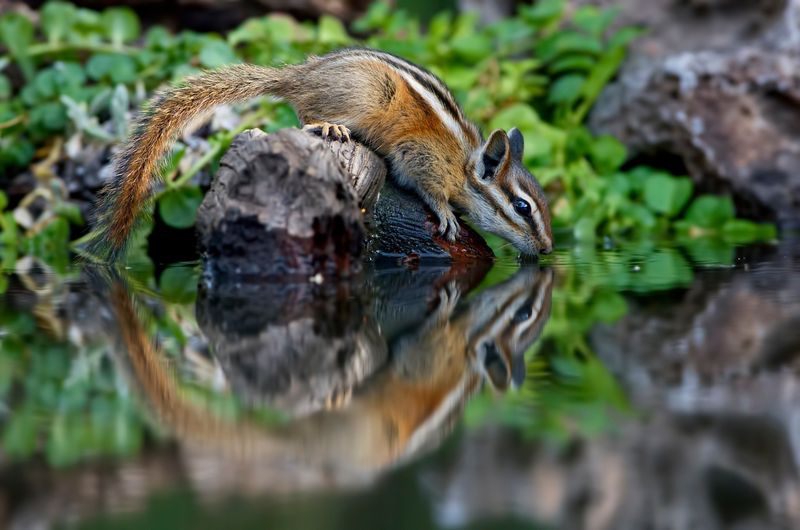
Water sources like birdbaths, small ponds, or pet bowls become unwitting targets for chipmunks. Their waste and nesting materials can contaminate these areas, posing health risks to pets and wildlife. A birdbath polluted by chipmunks loses its appeal to feathered visitors. Homeowners face the challenge of keeping these water sources clean and safe. The presence of chipmunks around these areas demands constant vigilance. Ensuring the purity of water sources becomes a task of its own, as chipmunks continue to frequent them. Their impact reaches beyond land, affecting water as well.
13. They’re Hard to Deter
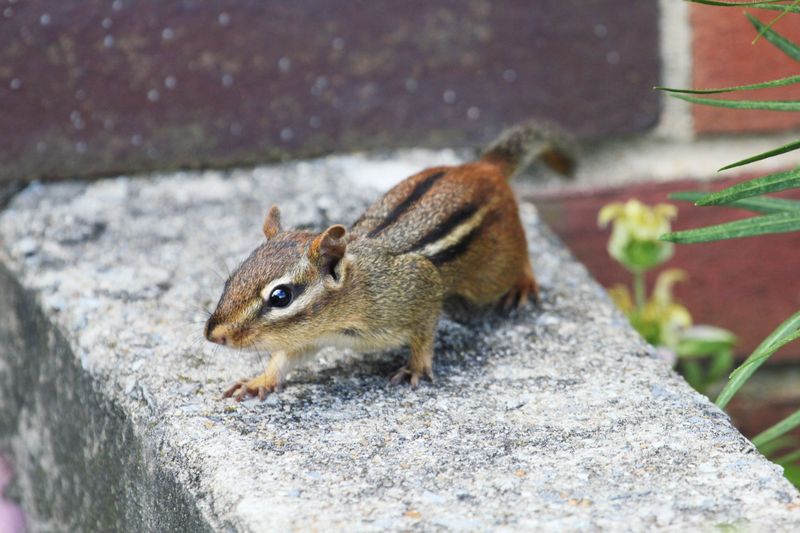
Chipmunks are notoriously difficult to deter. Once they establish themselves, their cleverness comes into play. Traps are evaded, and many repellents simply ignored. Homeowners find themselves in a constant battle to keep chipmunks away. Even when one issue is resolved, another arises. This unyielding persistence makes controlling chipmunk populations challenging. The use of multiple deterrents becomes necessary to manage their presence. Each battle won is temporary, as chipmunks continue to test boundaries. Their resilience is a hallmark of their nature, demanding creativity and patience from those affected.