
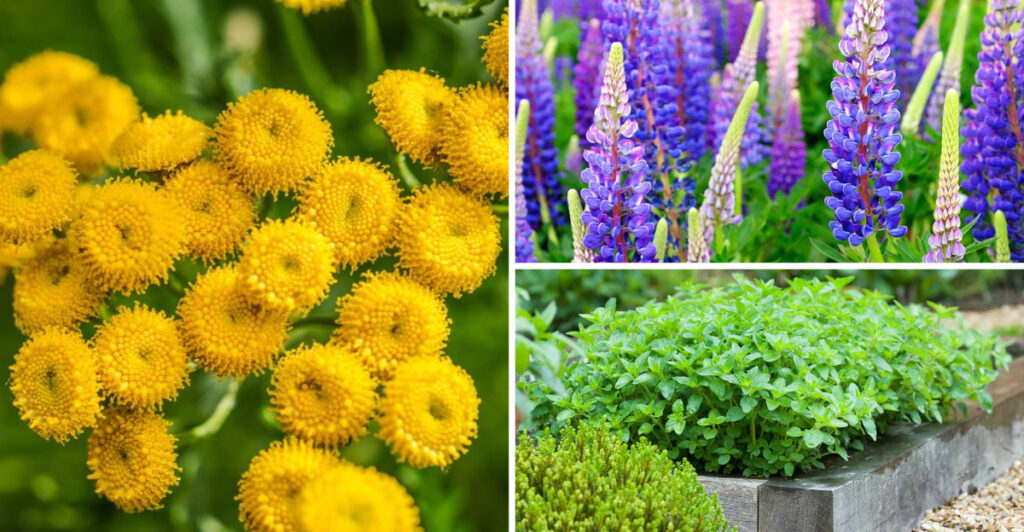
Discover the power of companion planting with our detailed guide to growing 28 different plants under fruit trees. This practice not only boosts fruit production but also offers natural pest control, making it a sustainable choice for gardeners.
Each plant has unique benefits, from enriching the soil to attracting beneficial insects. Explore how these plants work in harmony with fruit trees, enhancing your garden’s health and yield.
1. Comfrey
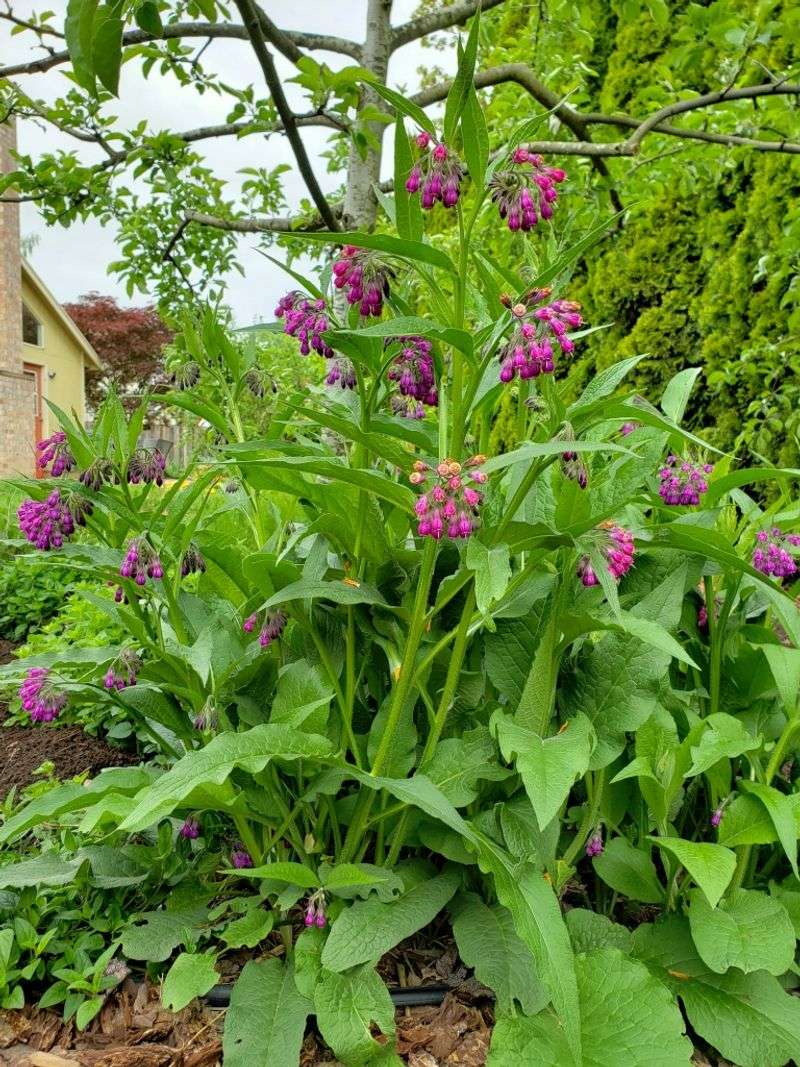
Comfrey, known for its deep roots, draws nutrients from the soil, making it an excellent companion to fruit trees. It helps improve soil structure and attracts beneficial insects. This plant’s leaves can be used as mulch, enriching the soil with nitrogen. Comfrey is a resilient and hardy plant, thriving in various conditions. Its beautiful purple flowers add a touch of color beneath the green canopy of fruit trees.
2. Lupines
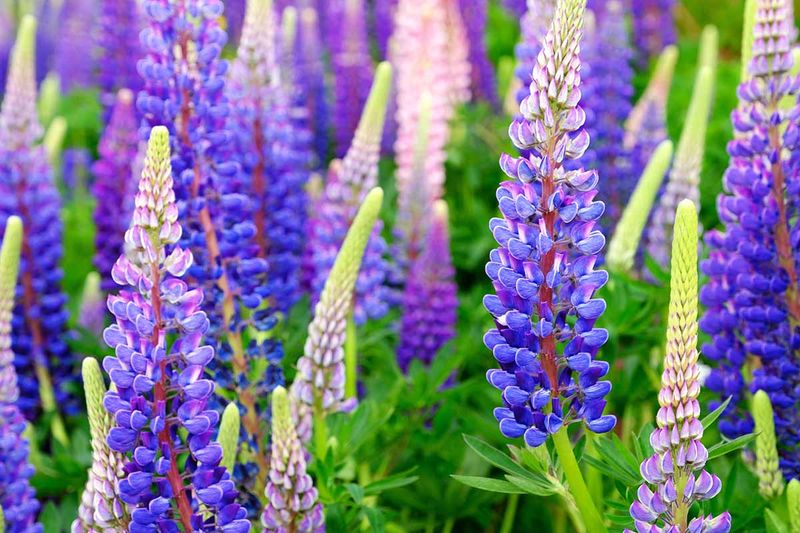
Lupines offer more than just their striking beauty. They fix nitrogen in the soil, enhancing soil fertility. Their tall, vibrant blooms attract pollinators like bees and butterflies, promoting a healthy ecosystem. With a preference for sunny spots, lupines add vertical interest to the space beneath fruit trees. Their ability to improve soil health makes them a valuable addition to any orchard or garden setting.
3. Clover (Red or White)
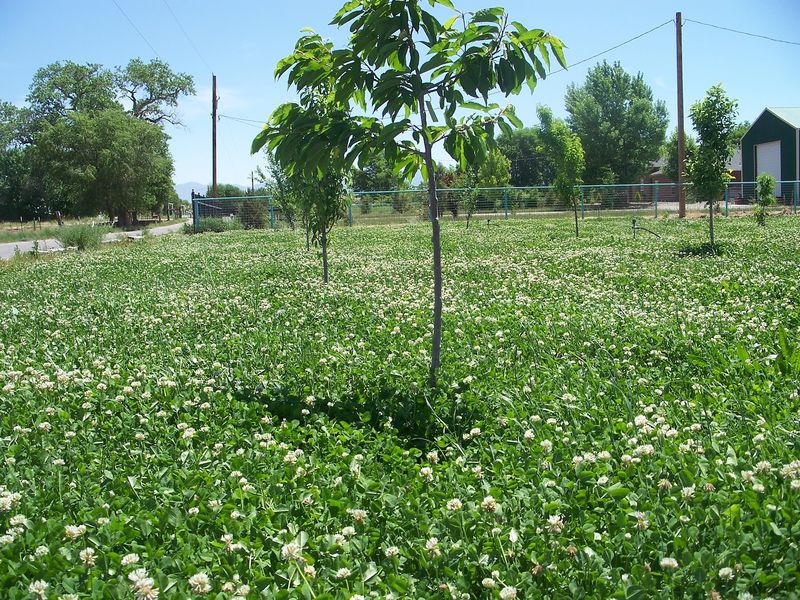
Clover, both red and white varieties, serves as a natural ground cover under fruit trees. It improves soil health by fixing nitrogen, which is essential for plant growth. This resilient plant suppresses weeds and retains moisture in the soil. Additionally, clover attracts beneficial insects like bees, enhancing pollination. Its lush green foliage and delicate flowers create a visually appealing landscape under the dappled shade of fruit trees.
4. Garlic
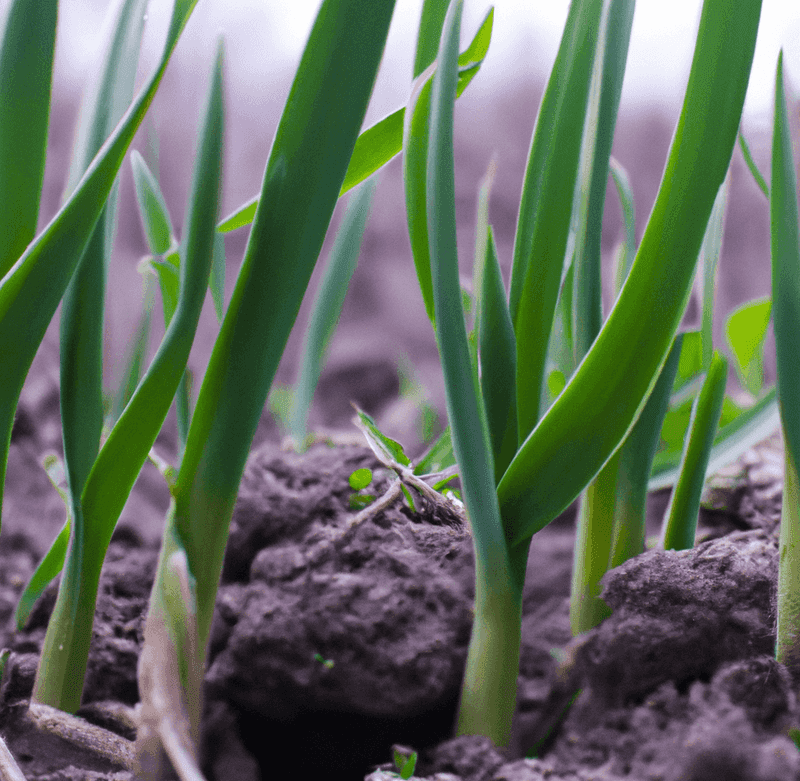
Garlic is not only a culinary staple but also a powerful companion plant. It deters a variety of pests, including aphids and Japanese beetles, making it a natural protector for fruit trees. This hardy plant thrives in well-drained soil and sunny environments. Garlic’s pungent aroma is its secret weapon, repelling unwanted insects while enhancing the garden’s biodiversity. Its presence under fruit trees adds both utility and charm.
5. Chives
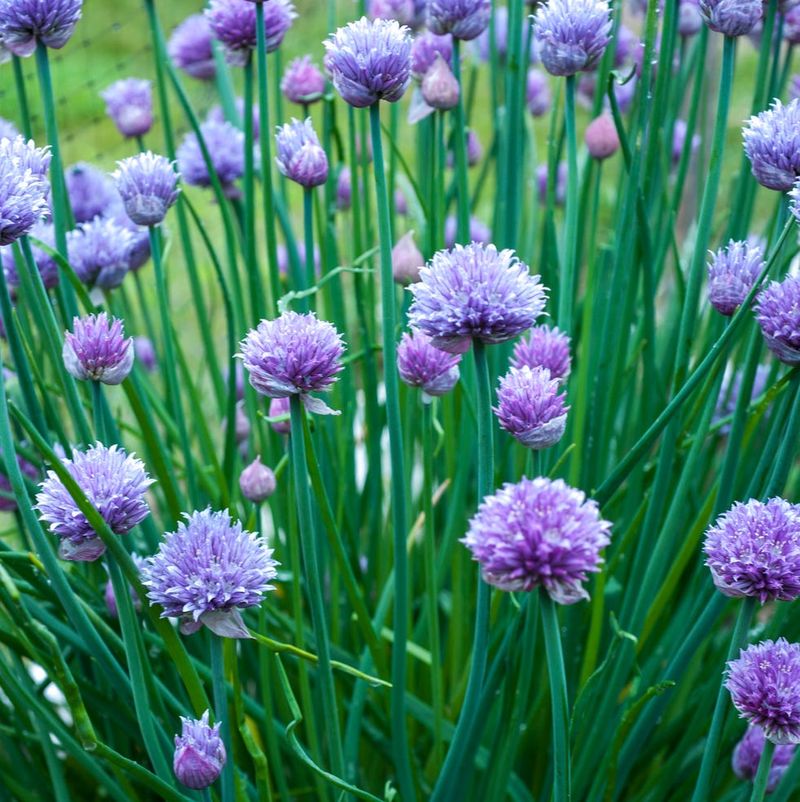
Chives, with their mild onion flavor, are a delightful addition to the garden. They repel pests like aphids and carrot flies, offering natural pest control. These perennial herbs thrive in sunny locations and well-drained soil. Their delicate, edible flowers add a splash of color and can be used in culinary dishes. Growing chives under fruit trees not only enhances the garden’s beauty but also promotes a thriving ecosystem.
6. Tansy
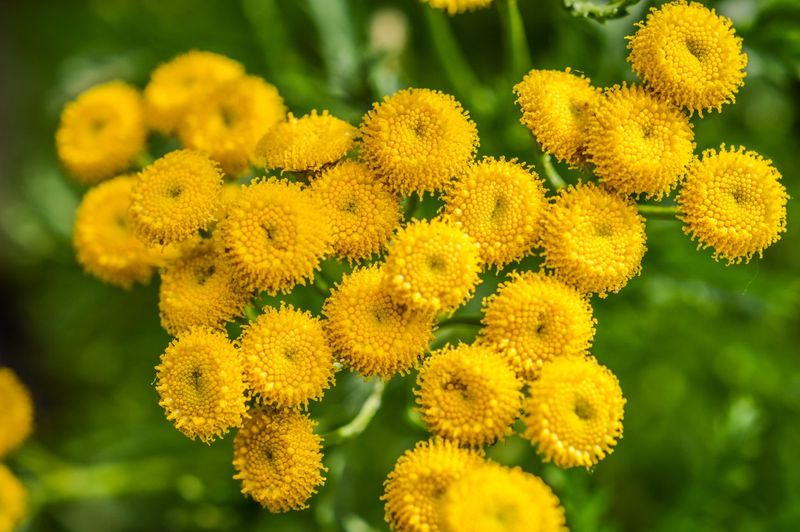
Tansy is a robust plant known for its pest-repelling properties. It deters ants, beetles, and more, protecting fruit trees naturally. With its feathery foliage and sunny yellow blooms, tansy adds beauty to any garden. It thrives in sunny conditions and well-drained soil. This plant’s aromatic leaves can be used in natural insect repellents. Tansy’s presence under fruit trees supports a healthier and more balanced garden ecosystem.
7. Marigolds
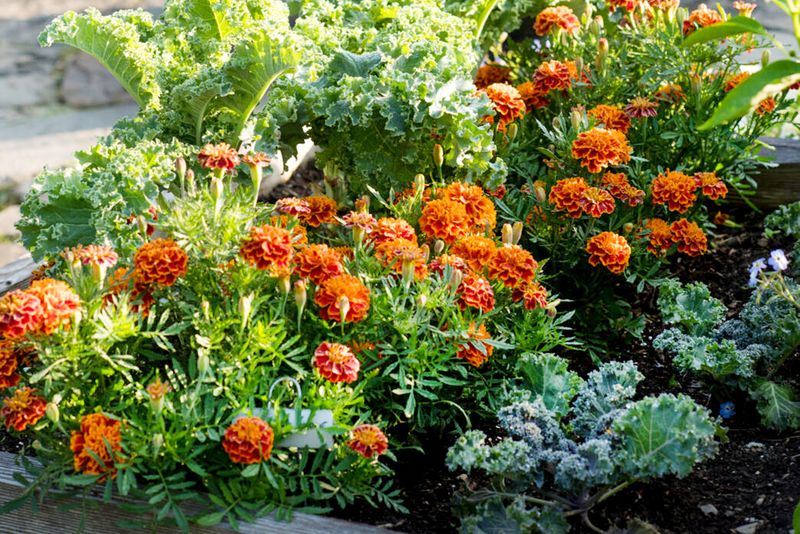
Marigolds are beloved for their vibrant colors and pest-repelling abilities. They deter nematodes and other harmful insects, aiding fruit tree health. These hardy flowers thrive in sunny spots and well-drained soil. Beyond pest control, marigolds attract beneficial insects like ladybugs and hoverflies. Their cheerful blooms add a splash of color under fruit trees, making them a popular choice for companion planting in orchards.
8. Onions
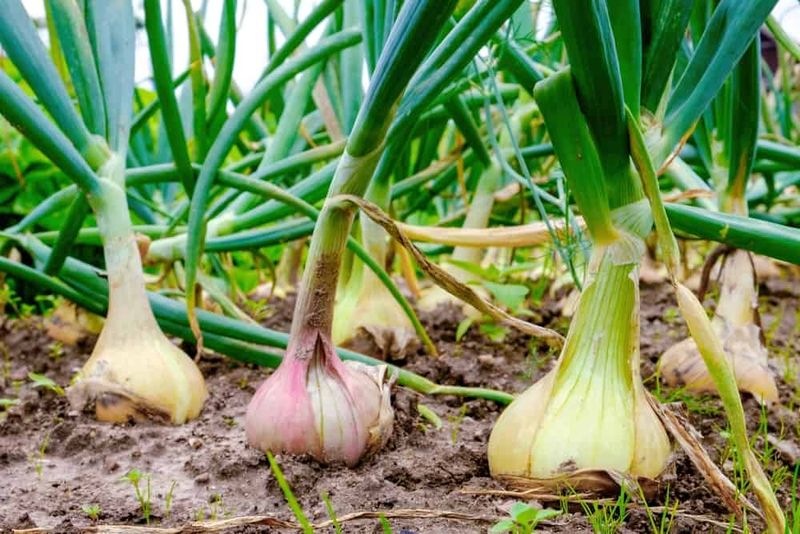
Onions are a versatile addition to any garden, offering both culinary and protective benefits. They repel pests such as aphids and carrot flies, safeguarding fruit trees. Onions thrive in full sun and well-drained soil, making them ideal companions. Their pungent aroma deters unwanted insects, while their green tops and bulbous roots add visual interest. Under fruit trees, onions contribute to a diverse and healthy garden environment.
9. Leeks
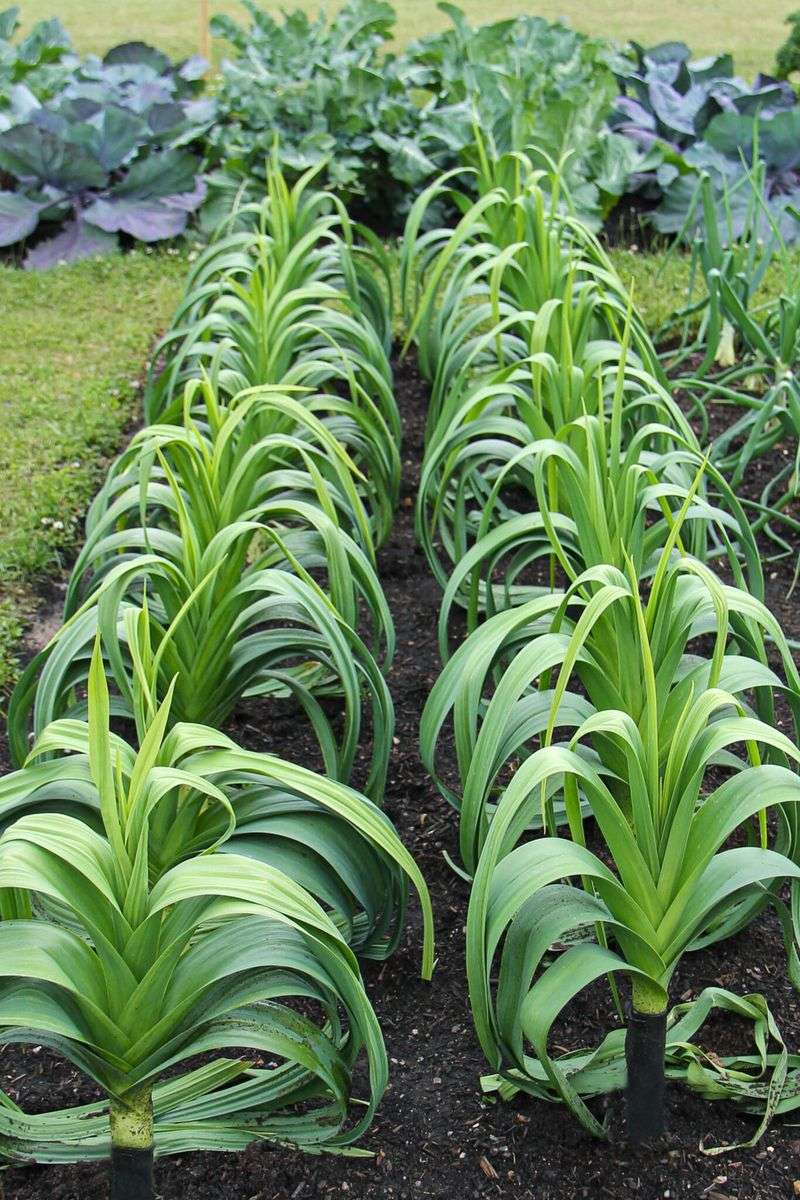
Leeks are a hardy plant, well-suited for growing under fruit trees. They deter pests like carrot flies and aphids, providing natural protection. Leeks prefer sunlit areas and rich soil, thriving in well-tended gardens. Their deep green leaves and robust white stalks add structure and interest beneath trees. Besides their pest-repelling properties, leeks are a delicious addition to a variety of culinary dishes, enhancing their value in the garden.
10. Borage
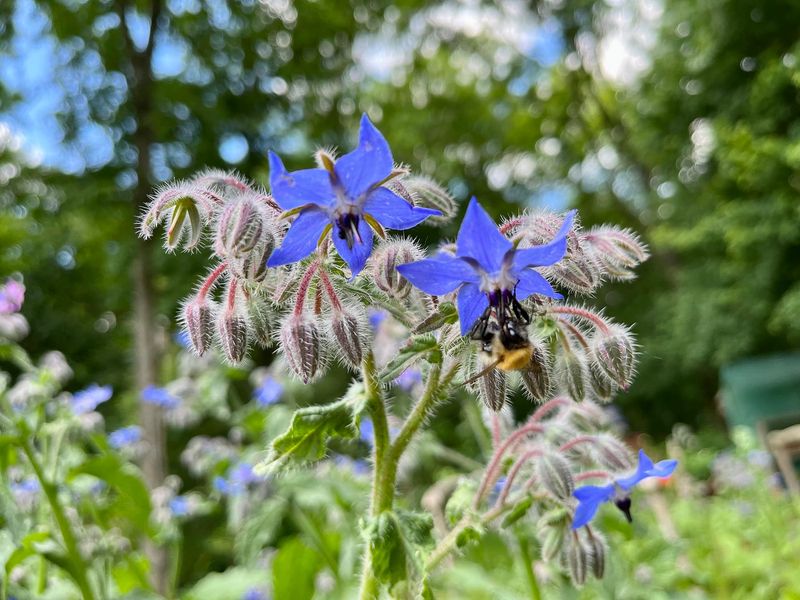
Borage is a charming addition to the garden, featuring star-shaped blue flowers that attract bees and other pollinators. It enhances pollination efficiency, benefiting nearby fruit trees. Borage thrives in sunny, well-drained areas and offers a splash of color with its vibrant blooms. This plant’s leaves can be used in salads, adding a cucumber-like flavor. Its presence under fruit trees supports a diverse garden ecosystem, promoting overall health.
11. Yarrow
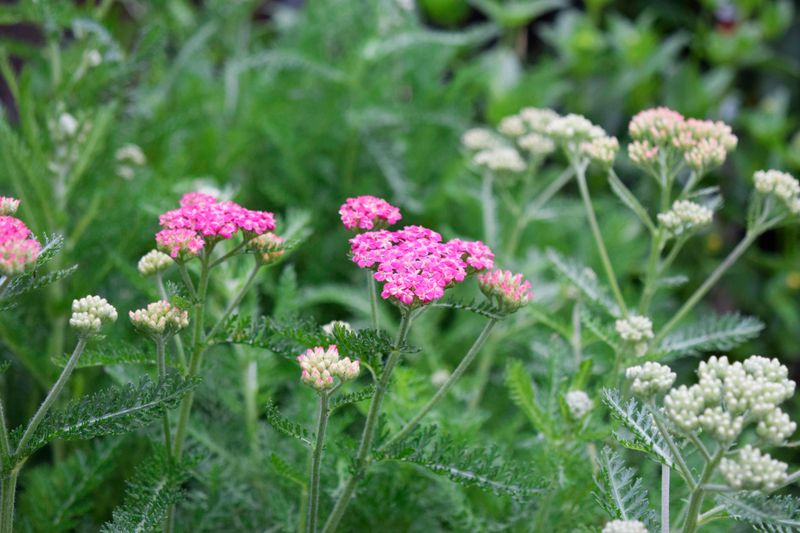
Yarrow is celebrated for its ability to attract beneficial insects like ladybugs and butterflies. Its feathery foliage and white blooms add delicate beauty beneath fruit trees. Yarrow enhances soil fertility by improving nutrient absorption, making it a valuable companion plant. Thriving in sunny, well-drained areas, yarrow contributes to a resilient and balanced garden ecosystem. Its aromatic leaves can also be used in herbal remedies, boosting its garden appeal.
12. Calendula
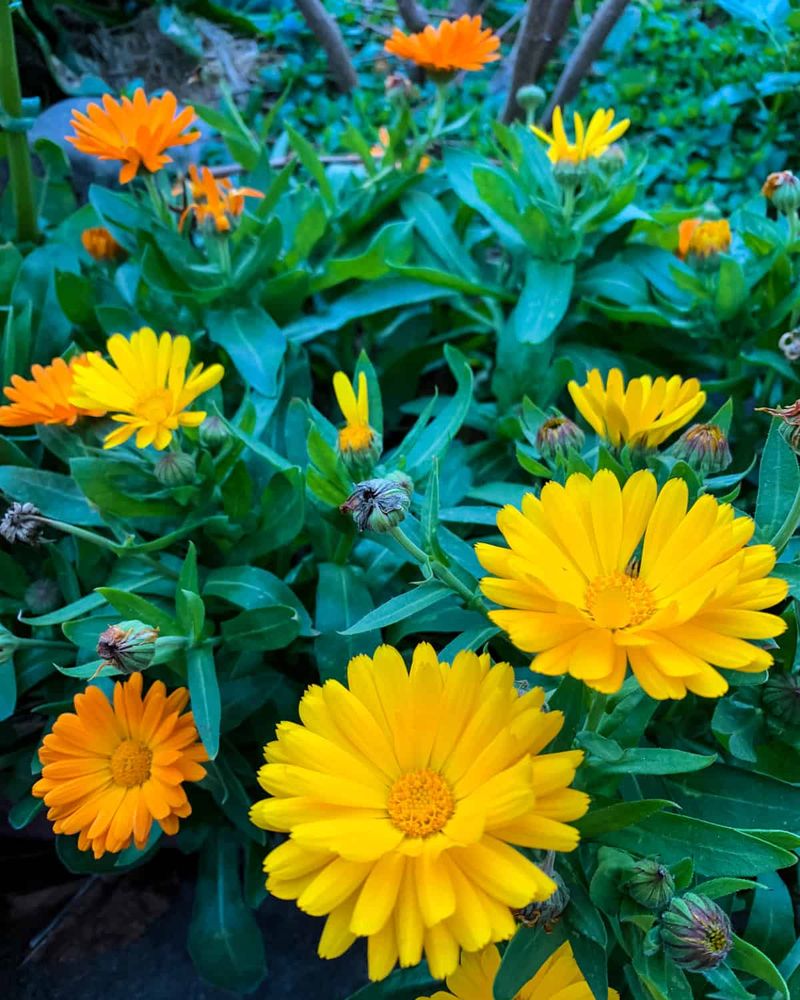
Calendula, with its bright and sunny blooms, brings joy to any garden. Its flowers attract pollinators and beneficial insects, improving the health of fruit trees. Calendula thrives in well-drained soil and full sun, adding vibrant color beneath trees. Its petals can be used in teas and salves, offering medicinal benefits. By supporting the garden’s ecosystem, calendula ensures a thriving environment for both plants and beneficial creatures.
13. Strawberries
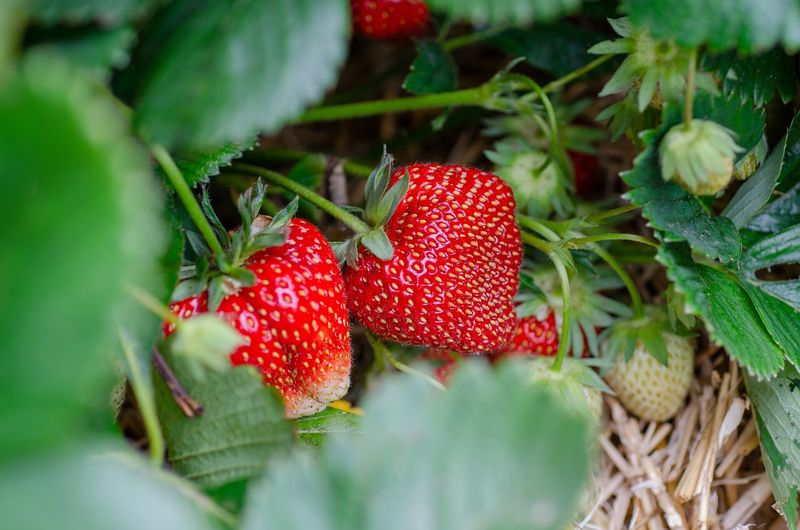
Strawberries are a delicious and practical choice for planting under fruit trees. They provide ground cover, suppressing weeds and retaining moisture. Their sweet fruits attract beneficial insects, enhancing pollination. Strawberries prefer sunny spots and well-drained soil, making them ideal companions in orchard settings. Their vibrant red berries and lush foliage add beauty and productivity to the garden, creating a bountiful and harmonious environment.
14. Creeping Thyme
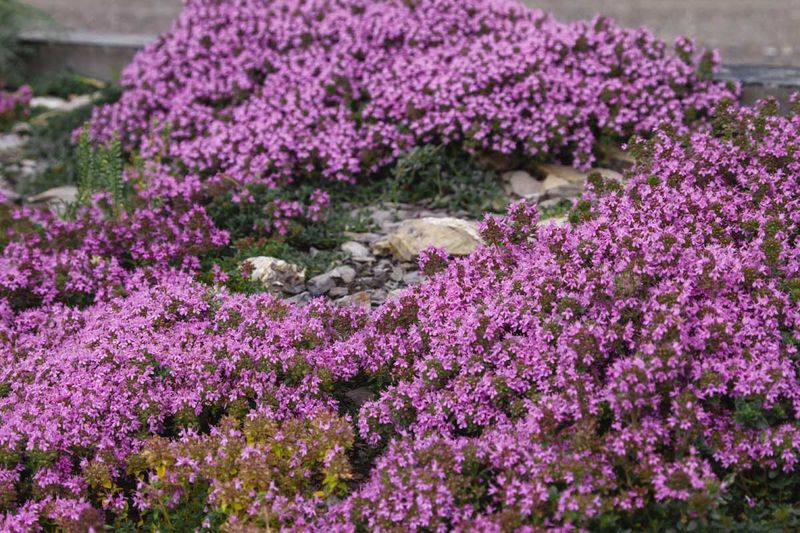
Creeping thyme forms a fragrant ground cover beneath fruit trees, suppressing weeds and conserving moisture. Its tiny purple flowers attract bees, supporting pollination. This hardy herb thrives in well-drained soil and sunny conditions, making it an excellent companion. Creeping thyme’s aromatic foliage can be used in cooking, adding flavor to dishes. Its low-growing nature and pleasant scent enhance the garden’s aesthetics and ecosystem health.
15. Sweet Woodruff
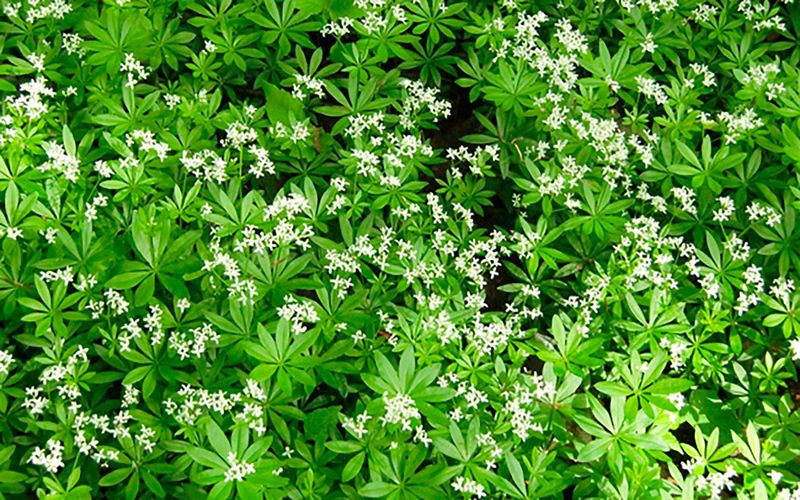
Sweet woodruff thrives in the dappled shade under fruit trees, adding charm with its delicate white flowers. This plant’s whorled leaves form a lush ground cover, suppressing weeds. Sweet woodruff’s sweet aroma and attractive appearance make it a popular choice for shady garden spots. It prefers moist, well-drained soil. Often used in herbal teas and potpourris, sweet woodruff enhances the garden’s beauty and biodiversity, creating a peaceful retreat.
16. Nasturtiums
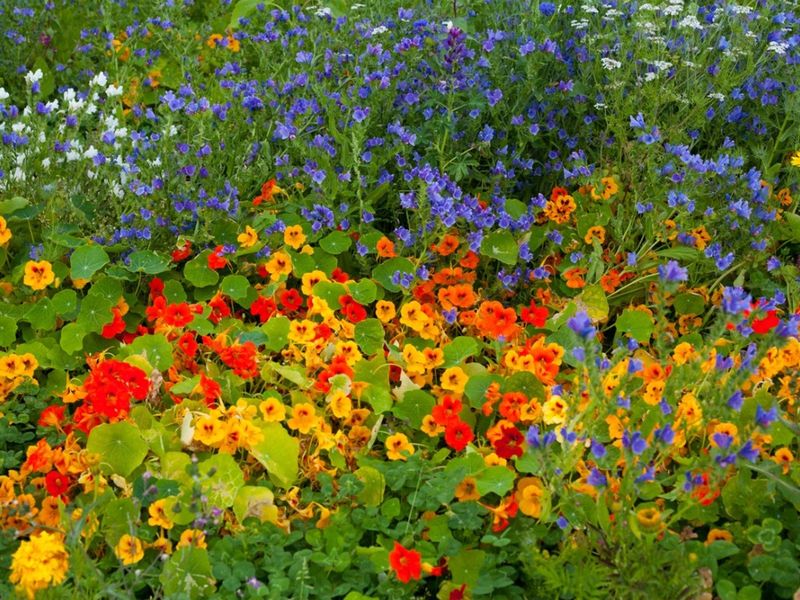
Nasturtiums bring vibrancy to the garden with their bright, fiery blooms. Their presence deters pests like aphids, protecting fruit trees naturally. Nasturtiums thrive in sunny areas and well-drained soil, making them ideal companions. Their edible flowers and leaves add peppery flavor to salads. With their bold colors and pest-repelling properties, nasturtiums contribute to a lively and healthy garden environment, supporting a robust ecosystem.
17. Mustard Greens
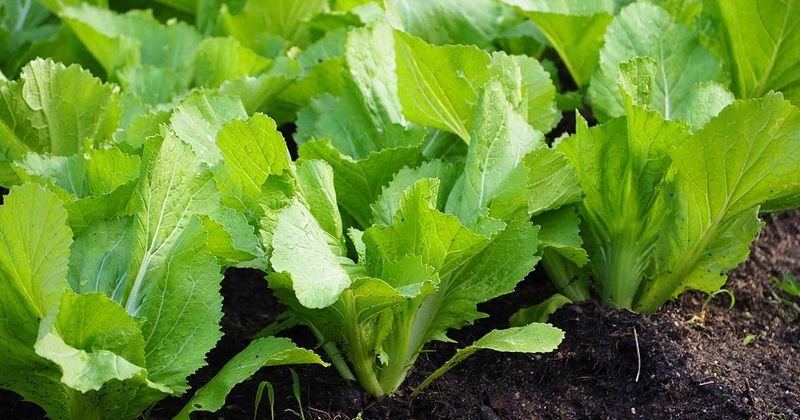
Mustard greens are more than just a nutritious addition to meals. They improve soil health by suppressing nematodes and other soil-borne pests. Thriving in sunny conditions and well-drained soil, mustard greens are easy to grow. Their peppery leaves add flavor to culinary dishes. By planting mustard greens under fruit trees, gardeners benefit from enhanced soil quality and a reduction in harmful pests, promoting a healthier orchard environment.
18. Dandelion
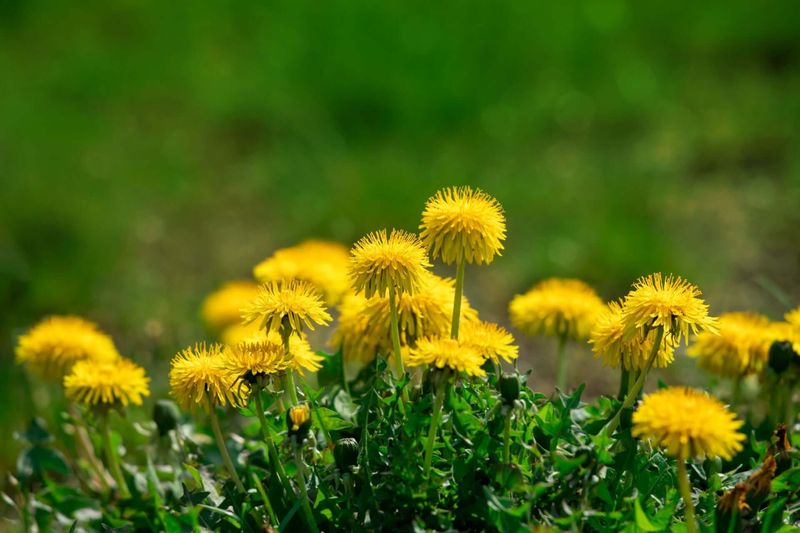
Dandelions, often seen as weeds, actually provide numerous benefits in the garden. Their deep roots aerate the soil, improving nutrient absorption for fruit trees. Dandelions attract pollinators with their bright yellow flowers. They thrive in various conditions, requiring little maintenance. Despite their humble appearance, dandelions contribute to a healthy garden ecosystem by enhancing soil structure and supporting beneficial insects, making them valuable companions.
19. Chicory
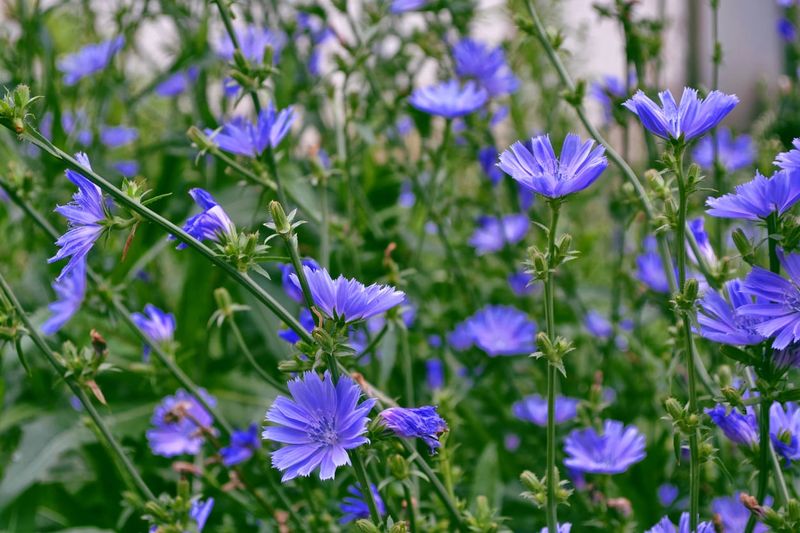
Chicory is a hardy plant known for its beautiful blue blooms and ability to improve soil health. Its deep roots break up compacted soil, promoting better water infiltration. Chicory attracts pollinators, enhancing the garden’s biodiversity. This plant thrives in sunny spots and is drought-tolerant, making it a resilient choice. Chicory’s leaves can be used in salads, adding a slightly bitter flavor. Its presence under fruit trees supports a vibrant and balanced garden.
20. Fennel
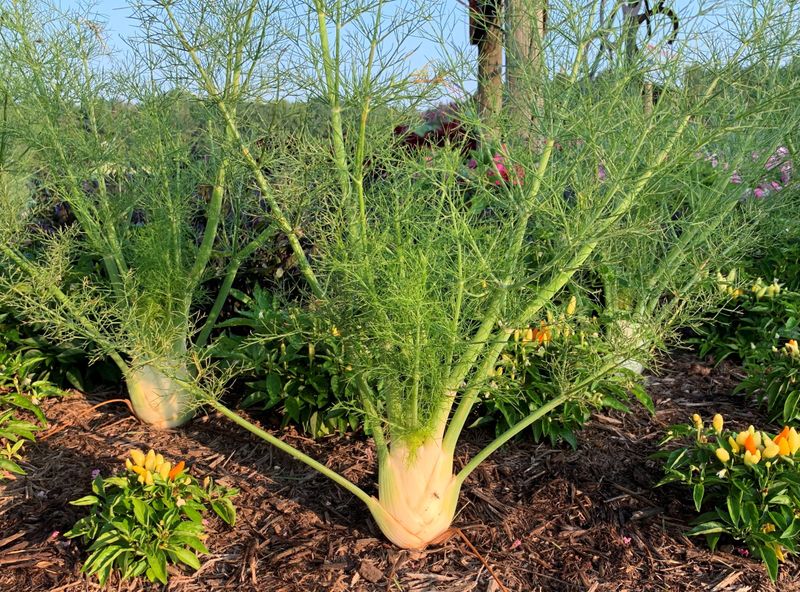
Fennel, with its feathery foliage and aromatic scent, is a unique addition to the garden. It attracts beneficial insects like ladybugs and bees, supporting pollination. Fennel’s deep roots improve soil structure, making it a valuable companion for fruit trees. Thriving in sunny and well-drained areas, fennel adds visual interest with its yellow blooms. Its leaves and seeds are used in cooking, enhancing culinary dishes with their distinct flavor.
21. Southernwood
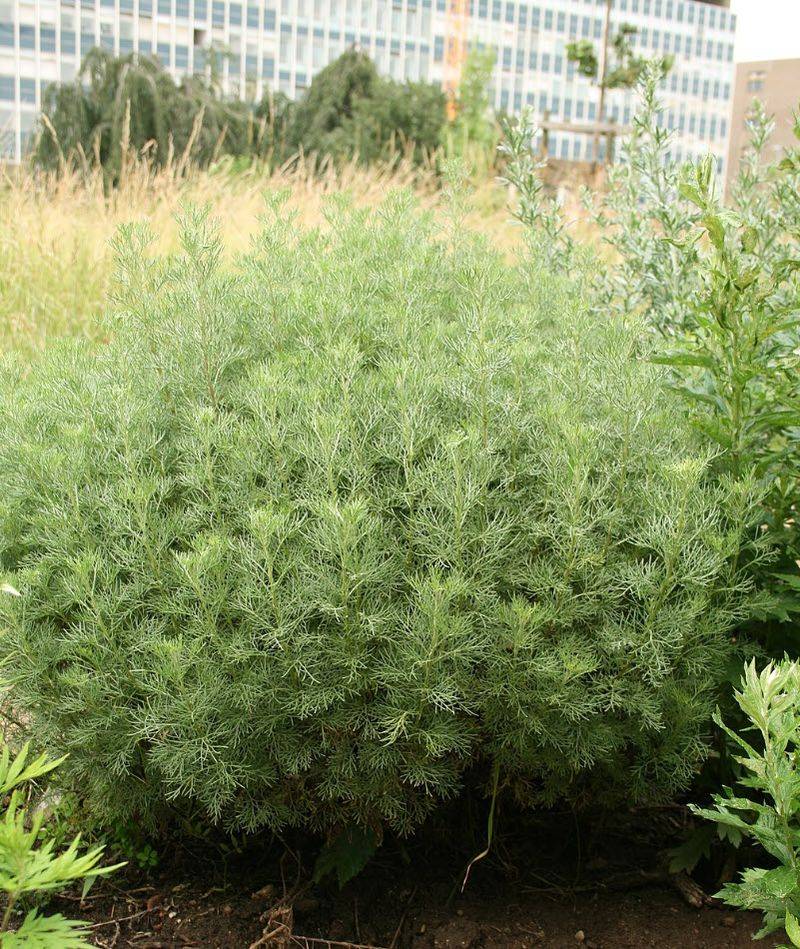
Southernwood, known for its aromatic foliage, naturally repels pests, protecting fruit trees. This shrub thrives in sunny conditions and well-drained soil. Its feathery gray-green leaves add texture and interest beneath trees. Southernwood is easy to maintain, requiring minimal care. Its fragrant leaves are often used in sachets and herbal remedies. By planting southernwood under fruit trees, gardeners benefit from a natural pest control solution and a more diverse landscape.
22. Sweet Alyssum
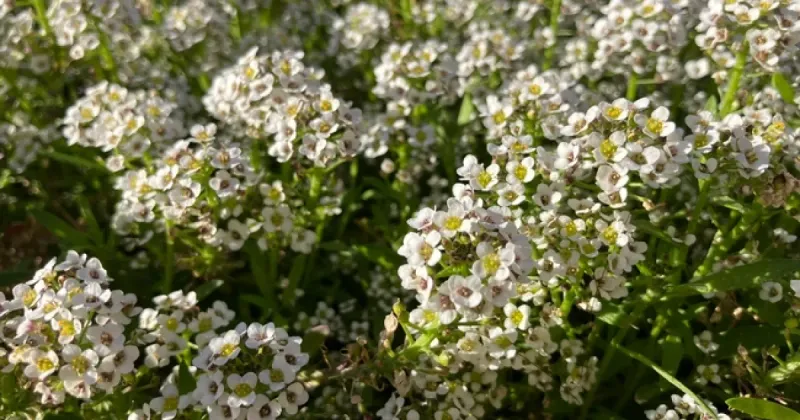
Sweet alyssum is a charming ground cover known for its sweet fragrance and petite white blooms. It attracts beneficial insects, enhancing pollination for fruit trees. Thriving in sunny, well-drained conditions, sweet alyssum suppresses weeds and retains soil moisture. Its cascading growth habit adds visual appeal under trees. Sweet alyssum’s ability to attract pollinators and provide natural pest control makes it a valuable addition to any orchard or garden.
23. Lemon Balm
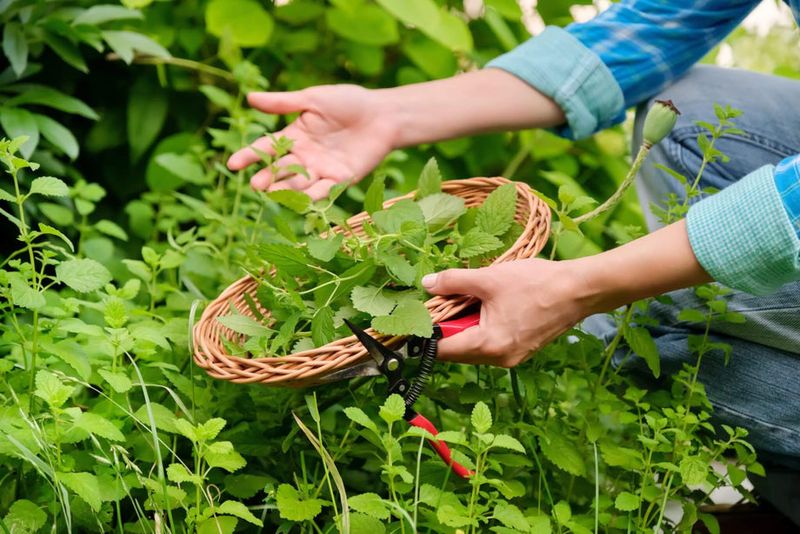
Lemon balm, with its citrus aroma, repels pests such as mosquitoes, benefiting fruit trees nearby. This herb thrives in sunny locations with well-drained soil, making it an excellent companion. Lemon balm’s fragrant leaves can be used in teas and culinary dishes, adding a lemony flavor. Its lush foliage provides ground cover, suppressing weeds. By incorporating lemon balm under fruit trees, gardeners enhance their garden’s health and enjoy its delightful scent.
24. Oregano
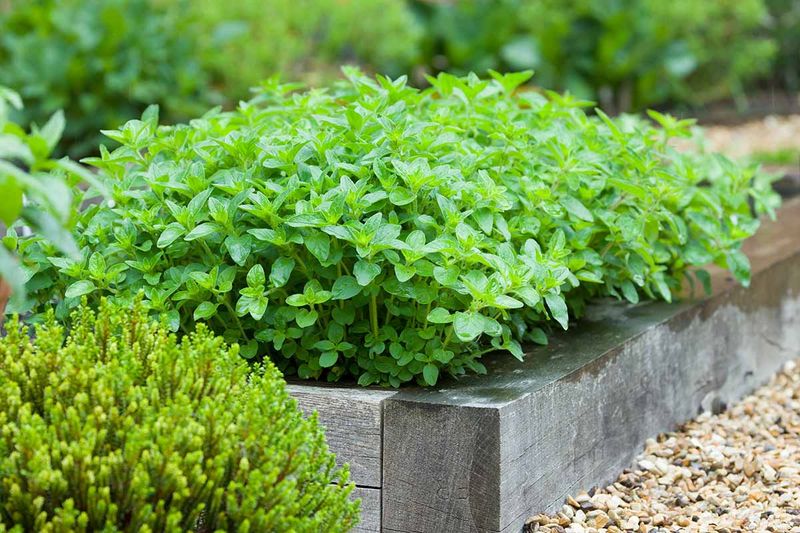
Oregano, known for its culinary uses, also offers benefits in the garden as a companion plant. It repels pests like aphids and attracts beneficial insects. Thriving in well-drained soil and sunny spots, oregano is a hardy herb. Its aromatic leaves add flavor to dishes and can be used fresh or dried. Under fruit trees, oregano provides both aesthetic appeal and natural pest control, enhancing the garden’s overall health and vitality.
25. Violets
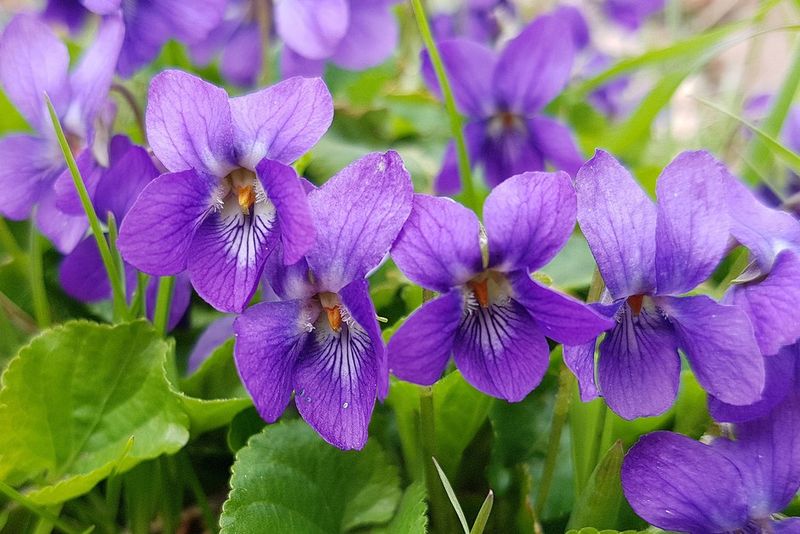
Violets thrive in the dappled shade under fruit trees, bringing an air of elegance with their delicate purple blooms. They form a lush ground cover, suppressing weeds and conserving soil moisture. Violets attract pollinators, supporting the garden’s ecosystem. With their charming appearance and ability to thrive in shady conditions, violets enhance the beauty and biodiversity of the garden, creating a serene and harmonious environment beneath fruit trees.
26. Basil
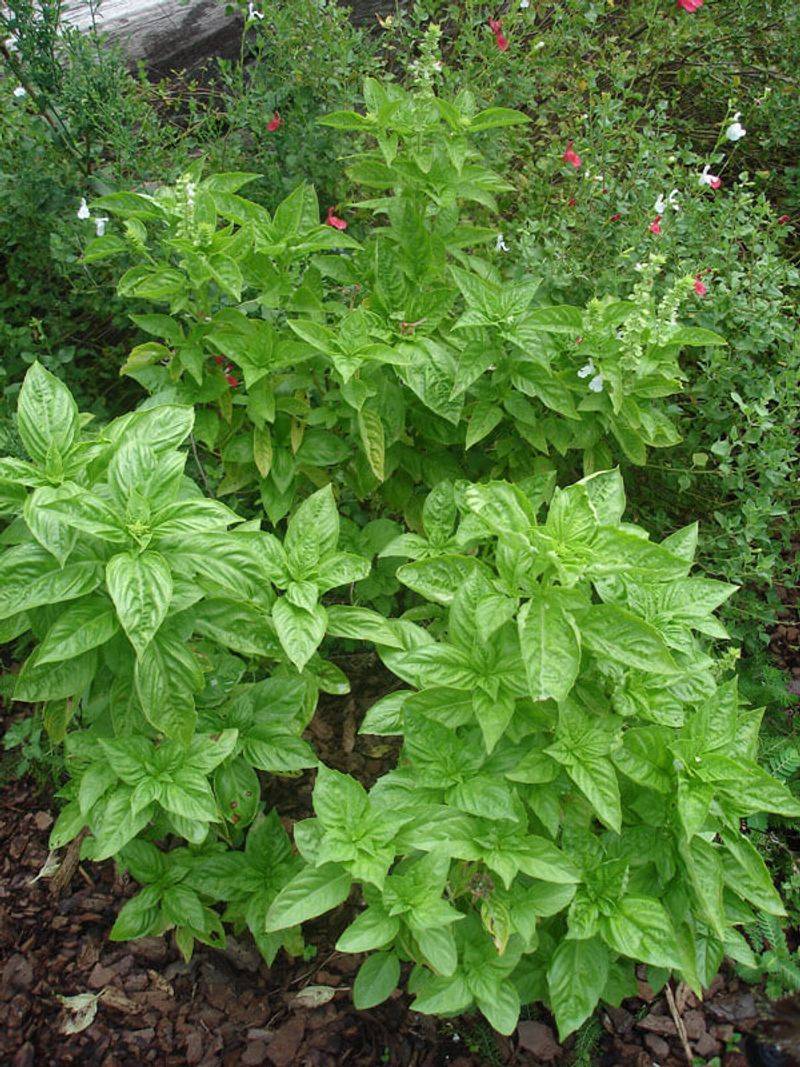
Basil, a favorite in kitchens, offers more than flavor; it deters pests like mosquitoes and flies. Thriving in sunny, well-drained areas, basil is a versatile companion. Its aromatic leaves can be used fresh in culinary dishes. Under fruit trees, basil enhances the garden’s aroma and provides natural pest control. With its vibrant green foliage and delicate blooms, basil contributes to a productive and fragrant garden environment.
27. Mint
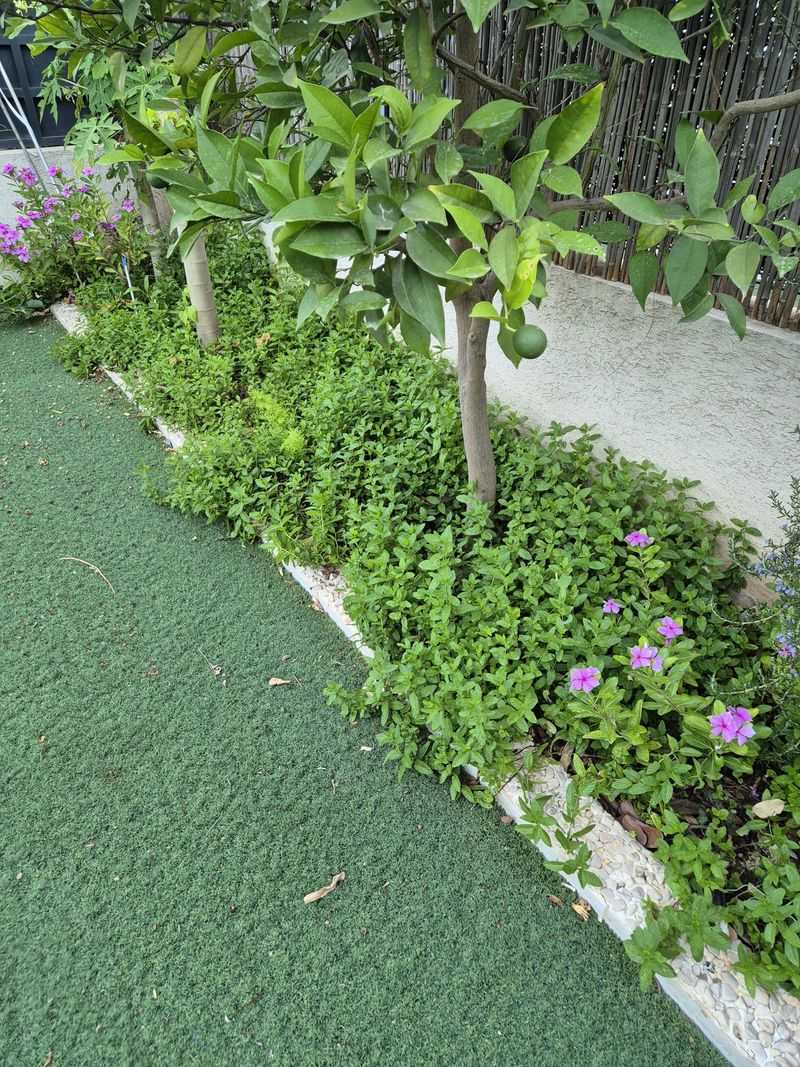
Mint, known for its refreshing scent, is a vigorous grower that thrives under fruit trees. It repels pests like ants and aphids, safeguarding the garden. Mint’s aromatic leaves can be used in teas and culinary dishes, adding a burst of flavor. This hardy herb prefers sunny spots and well-drained soil. By planting mint under fruit trees, gardeners enjoy both its pest-repelling benefits and its contribution to a vibrant, aromatic garden space.
28. Lemongrass
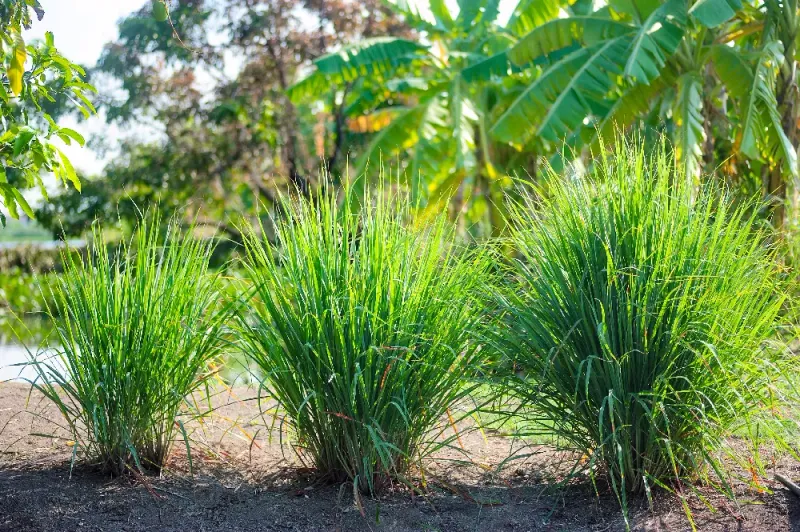
Lemongrass, with its citrus scent, naturally repels pests like mosquitoes, enhancing garden health. It thrives in sunny, well-drained spots, making it an ideal companion for fruit trees. Lemongrass’s tall, grassy foliage adds texture and height to the garden. Its leaves can be used in teas and cooking, offering a lemony flavor. By incorporating lemongrass under fruit trees, gardeners benefit from natural pest control and a refreshing garden aroma.