
Heirloom vegetables, cherished for their rich history and unique flavors, offer a taste of the past and a connection to our agricultural heritage. These 19 varieties were once on the brink of extinction, but thanks to dedicated growers, they’ve been brought back to our gardens and tables. Each vegetable tells a story of resilience and flavor, embodying the spirit of cultural perseverance and culinary delight. From the smoky-sweet Cherokee Purple Tomato to the vibrant Dragon Carrot, these heirloom wonders are not just plants; they’re living histories ready to be enjoyed once more.
1. Cherokee Purple Tomato
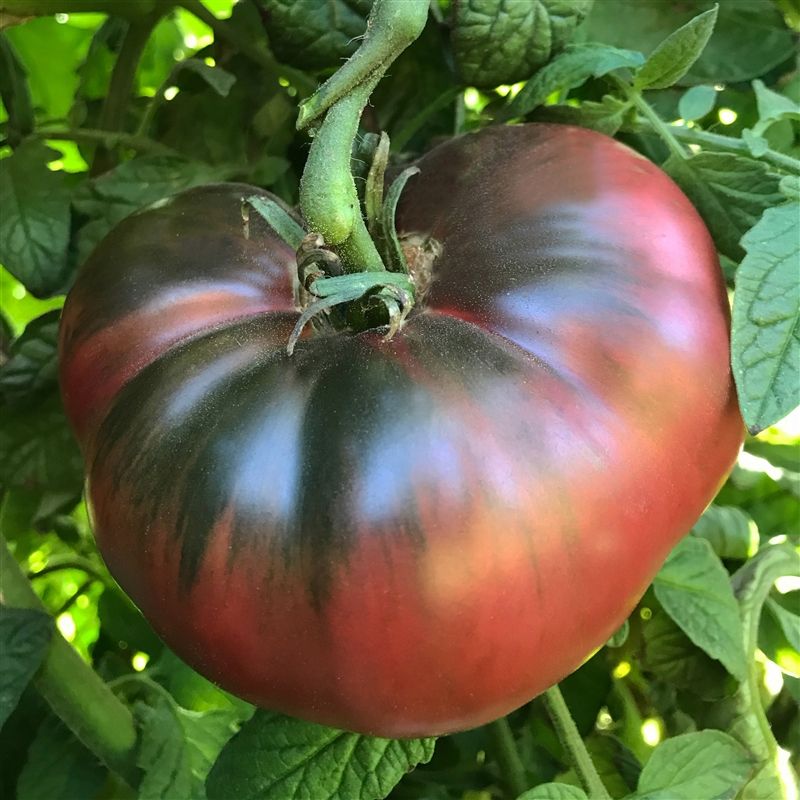
Once a staple among the Cherokee people, the Cherokee Purple Tomato boasts a flavor as rich as its history. This deep-purple fruit offers a smoky sweetness that’s unparalleled by modern varieties. In the 1900s, it nearly vanished but was saved by seed-saving enthusiasts who recognized its culinary value.
Today, this tomato is celebrated for its complex taste and heirloom appeal. Its thin skin and juicy interior make it a favorite for fresh eating and gourmet dishes alike. Enjoy the Cherokee Purple Tomato in salads or simply sliced with a sprinkle of salt.
2. Glass Gem Corn
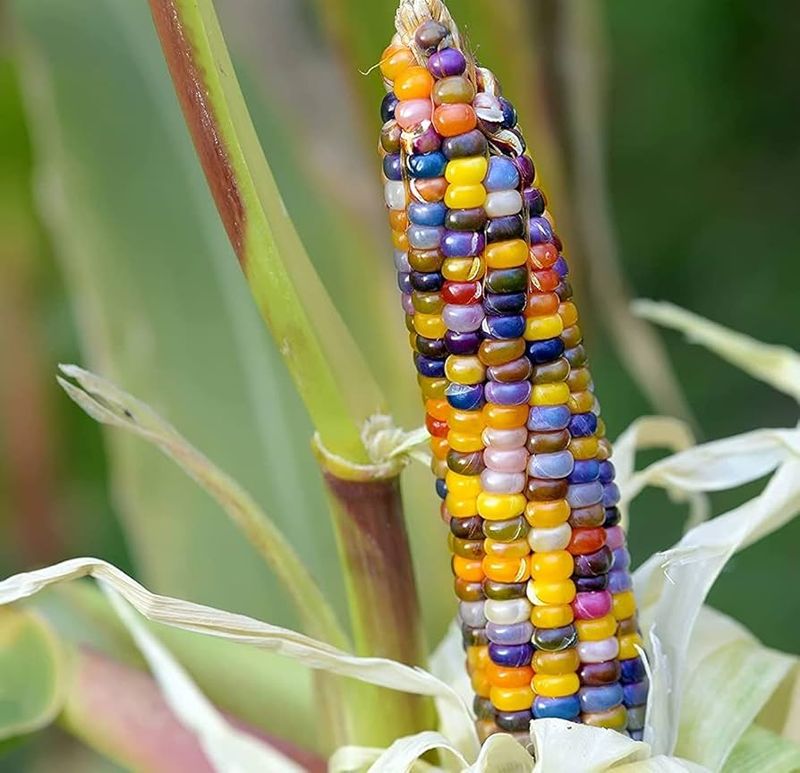
A masterpiece of nature, Glass Gem Corn is as visually stunning as it is historic. Developed by Cherokee farmer Carl Barnes, its rainbow-hued kernels were almost lost to time. Revered for its beauty, this corn was rediscovered in Barnes’ seed collections, sparking a renewed interest.
Though too tough for fresh eating, Glass Gem Corn is perfect for popcorn and flour, transforming dishes with its eye-catching colors. It’s not just corn; it’s a celebration of agricultural art. With each kernel, we’re reminded of the diversity and resilience found in heirloom crops.
3. Moon & Stars Watermelon
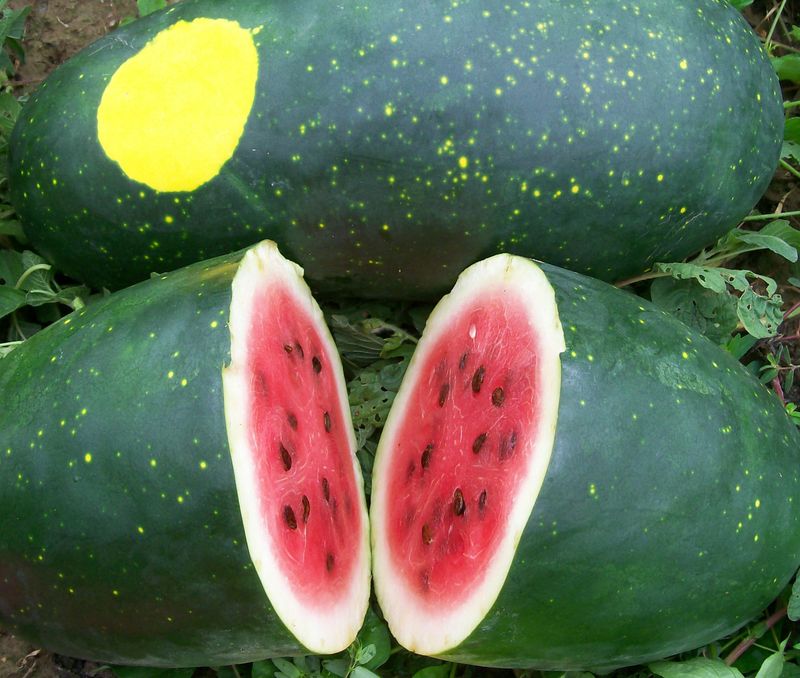
With a name as enchanting as its appearance, the Moon & Stars Watermelon is a celestial delight. This variety features a dark green rind adorned with bright yellow speckles (the stars) and a larger spot (the moon). Rediscovered by a Missouri farmer in the 1980s, it offers an old-school sweetness that’s hard to beat.
The flesh is juicy and deeply flavored, reminiscent of summer picnics and carefree days. This watermelon isn’t just for eating; it’s a visual and gustatory experience, bringing both beauty and nostalgia to any table.
4. Fish Pepper
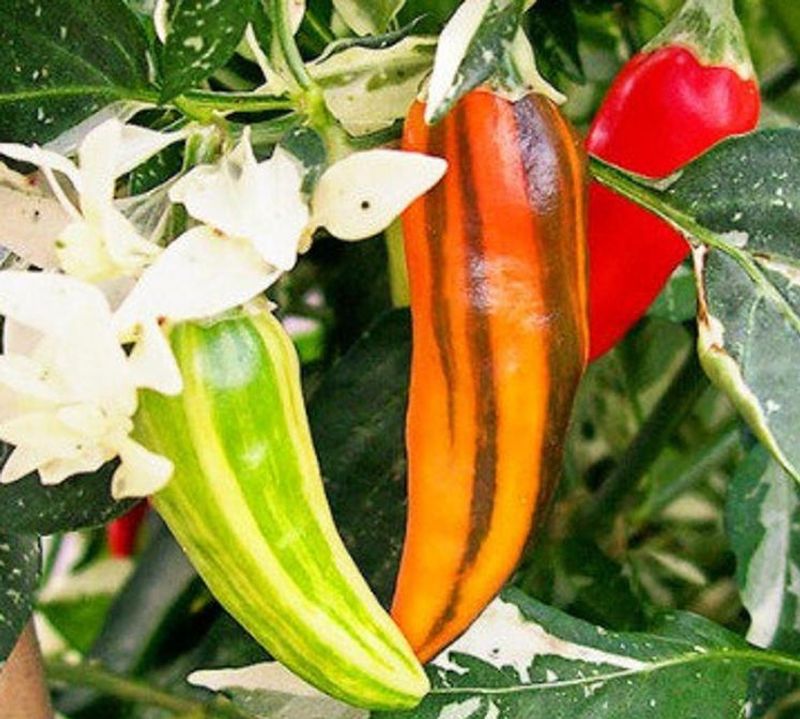
The Fish Pepper’s legacy is as spicy as its flavor. Used in African-American cooking in the 1800s, its bold, striped appearance adds a striking visual to gardens and plates alike. Rediscovered in the 1940s by a Baltimore gardener, this pepper’s journey is one of cultural preservation.
Its heat and beauty make it a standout in sauces and pickles, adding both spice and history to culinary creations. Each bite tells a story of resilience and flavor, echoing the rich traditions of those who cherished it. The Fish Pepper is a badge of honor for any spice lover.
5. Long Island Cheese Pumpkin
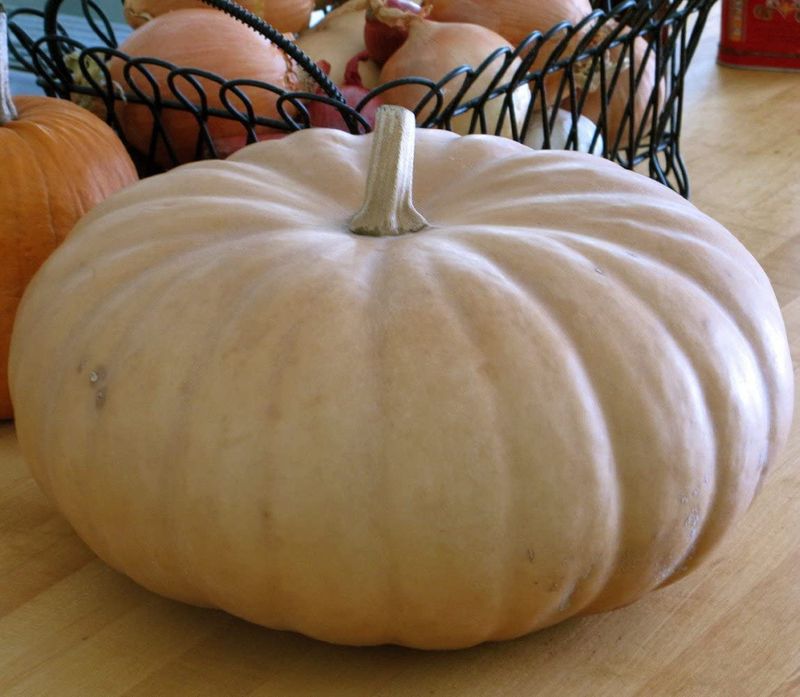
Resembling a cheese wheel, the Long Island Cheese Pumpkin is a baker’s delight. Almost lost to more commercial varieties, its smooth, tan skin and rich, sweet flesh make it ideal for pies and pastries.
With a flavor profile that’s both comforting and robust, this pumpkin is a testament to the culinary traditions of yesteryear. Its flat shape and wheel-like appearance add a touch of rustic charm to any kitchen. Celebrate the flavors of fall with this heirloom gem, perfect for creating heartwarming, nostalgic dishes.
6. Jimmy Nardello’s Sweet Pepper
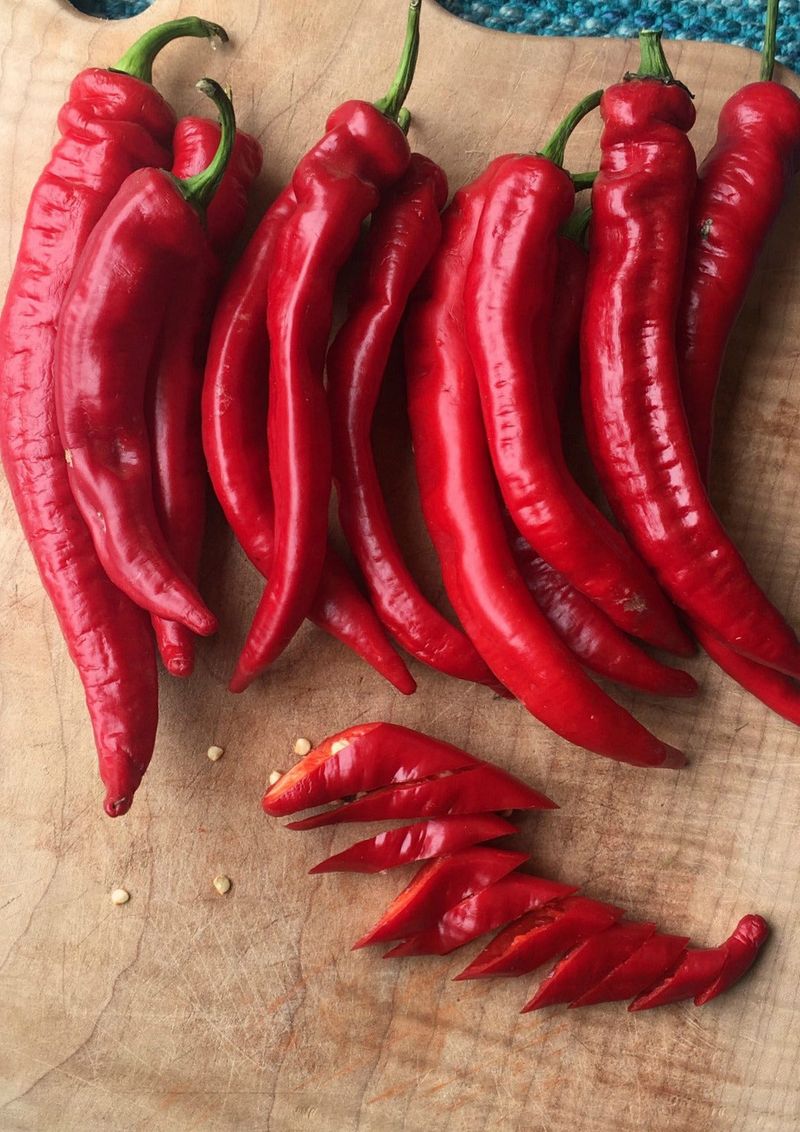
Brought to America in 1887 by Italian immigrants, Jimmy Nardello’s Sweet Pepper is a culinary treasure. Its long, red fruits are intensely sweet, especially when roasted, offering a candy-like treat that’s hard to resist.
Almost disappearing in the 20th century, this pepper’s resurgence speaks to its exceptional flavor and versatility. Whether fried, roasted, or eaten fresh, its sweet profile elevates any dish. This pepper isn’t just food; it’s a bridge connecting past and present, celebrating the rich tapestry of immigrant culinary contributions.
7. Black Spanish Radish
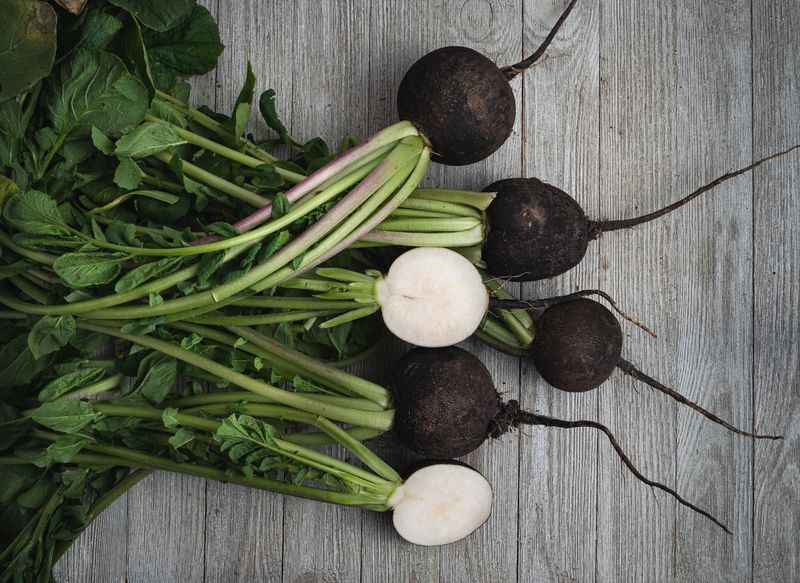
With its coal-black skin and robust flavor, the Black Spanish Radish is a striking addition to any pantry. Known for its use in folk medicine, this radish boasts detoxifying properties and the ability to store for months.
Despite its pungency, it offers a complex taste that can be both refreshing and bold. This heirloom variety is a testament to the culinary and medicinal traditions passed down through generations. Whether grated into salads or incorporated into wellness recipes, the Black Spanish Radish is both a health ally and a culinary curiosity.
8. Lutz Green Leaf Beet
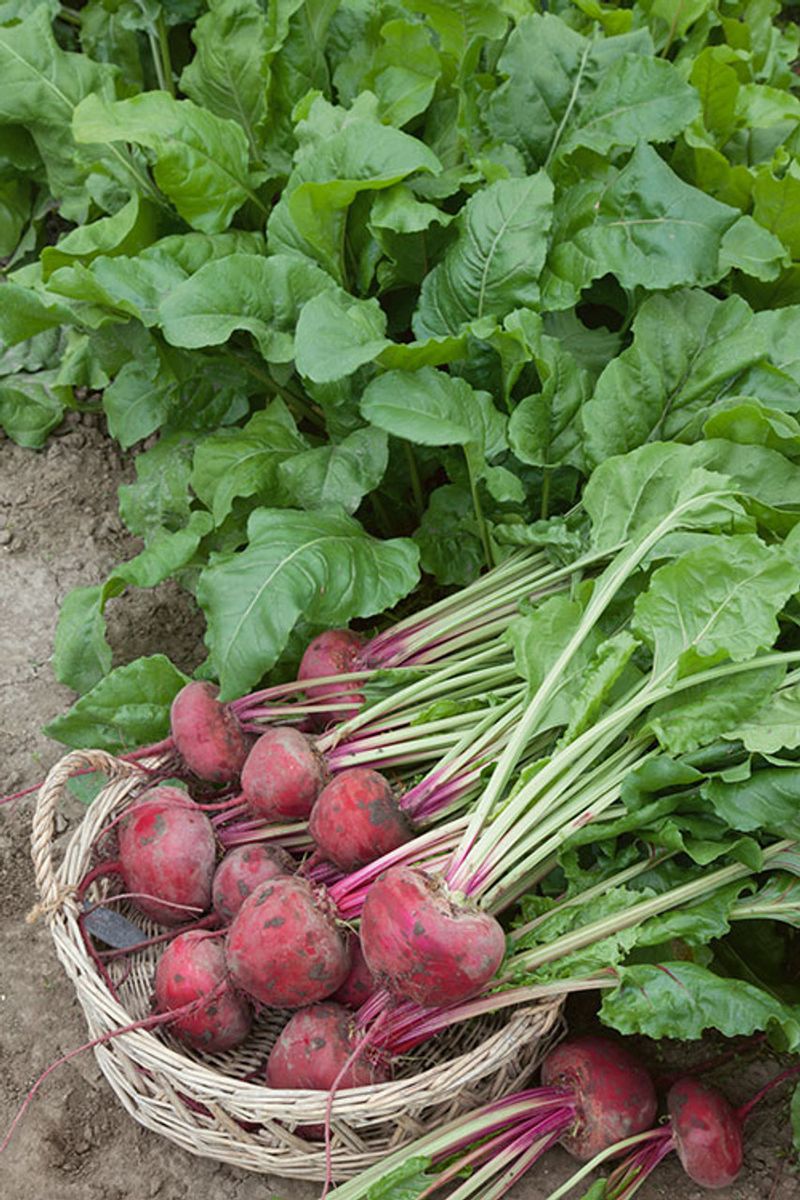
The Lutz Green Leaf Beet is a garden marvel, known for its size and resilience. Introduced in the 1940s, this beet was overshadowed by smaller hybrids, but its cold-hardiness and tender leaves make it a gardener’s favorite.
The leaves remain tender even when the beet grows large, perfect for greens and roots dishes. Its robust and earthy flavor profile adds depth to culinary creations. As a symbol of endurance and taste, the Lutz Green Leaf Beet is ideal for those who value both flavor and heritage in their gardens and kitchens.
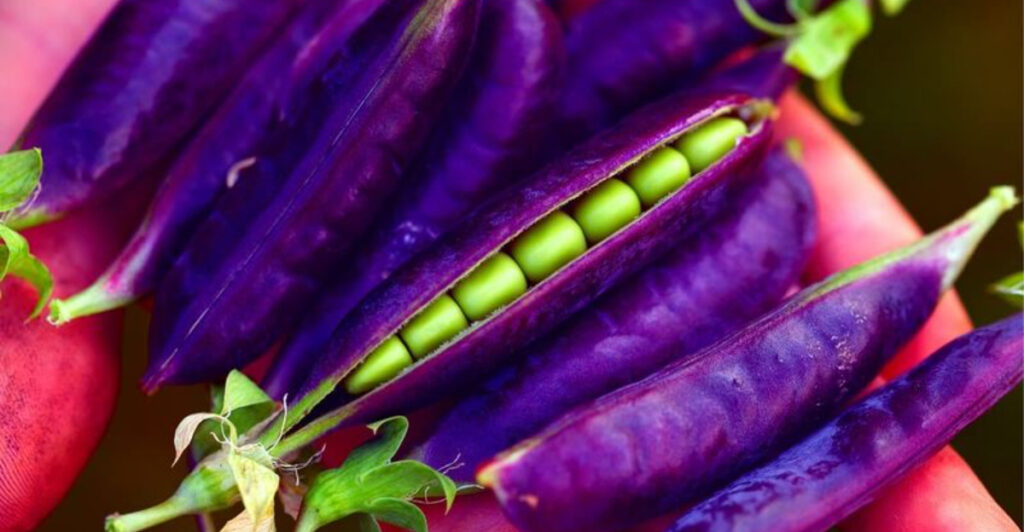
9. Purple Podded Peas
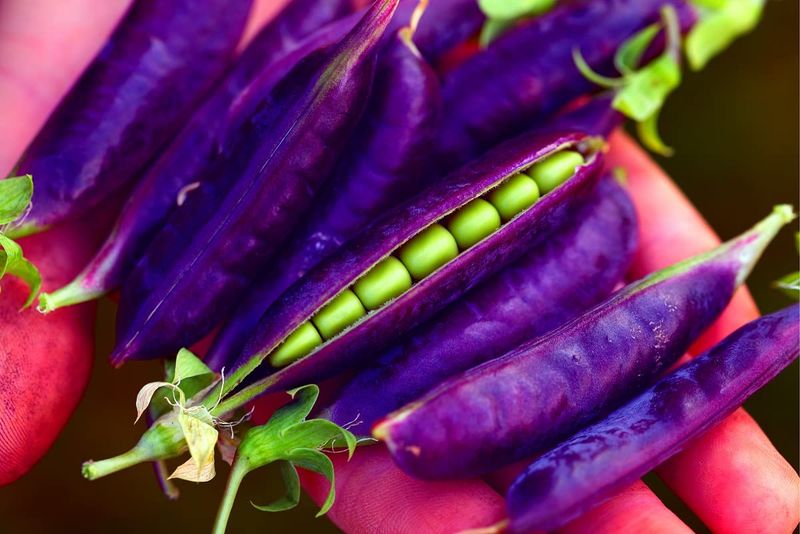
Rare and beautiful, Purple Podded Peas are a gardener’s dream. This pre-1700s variety features striking purple pods that house sweet peas within. Nearly extinct by the 1900s, these peas have been revived for their unique appearance and flavor.
The contrast of the purple pods against green vines is a visual treat, while their sweet taste delights the palate. Perfect for salads or as a cooked side, these peas bring both aesthetic appeal and culinary satisfaction. Embrace a piece of history with each tender pod, celebrating the legacy of heirloom gardening.
10. White Egg Turnip
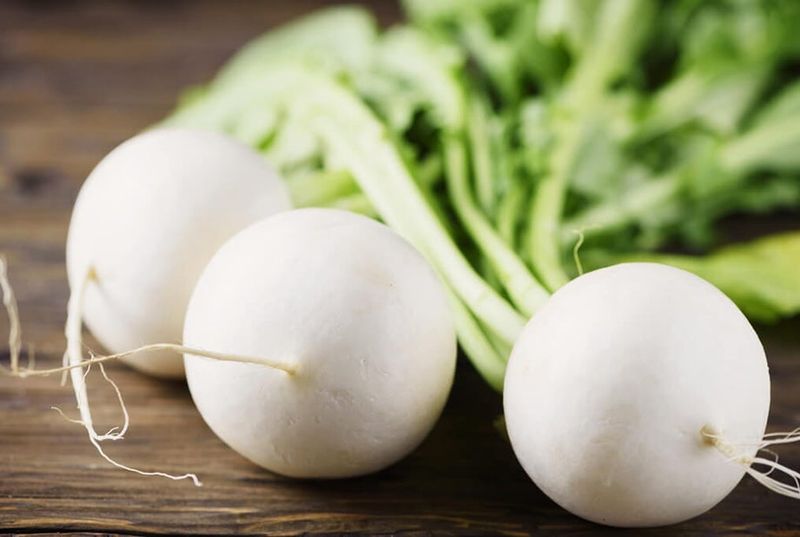
Once a favorite in 1800s kitchens, the White Egg Turnip is cherished for its mild, creamy flavor. This variety was popular for its smooth texture and versatility in cooking, offering a gentle taste that lacks the bitterness of other turnips.
Whether enjoyed raw or cooked, its delicate flavor makes it a culinary staple. Its resurgence in modern gardens is a nod to its enduring appeal and adaptability. The White Egg Turnip is not just a root vegetable; it’s a reminder of the simple pleasures and flavors of traditional cooking.
11. Tennis Ball Lettuce
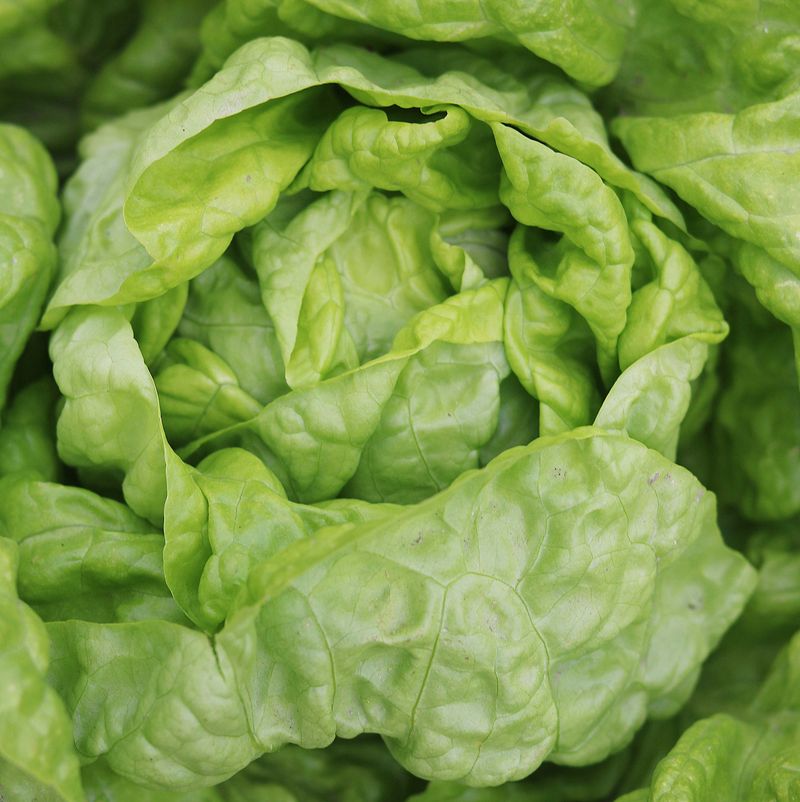
Beloved by Thomas Jefferson, Tennis Ball Lettuce is a historical gem. Nearly lost until Monticello’s gardens revived it, this lettuce offers tiny, tender heads with a perfect buttery texture that’s a delight in salads.
The leaves are soft and delicate, making them ideal for fresh, light dishes. This heirloom’s revival speaks to its exceptional taste and historical significance. Enjoying a salad with Tennis Ball Lettuce is like taking a culinary journey back in time, savoring a piece of history with every bite.
12. Nebraska Wedding Tomato
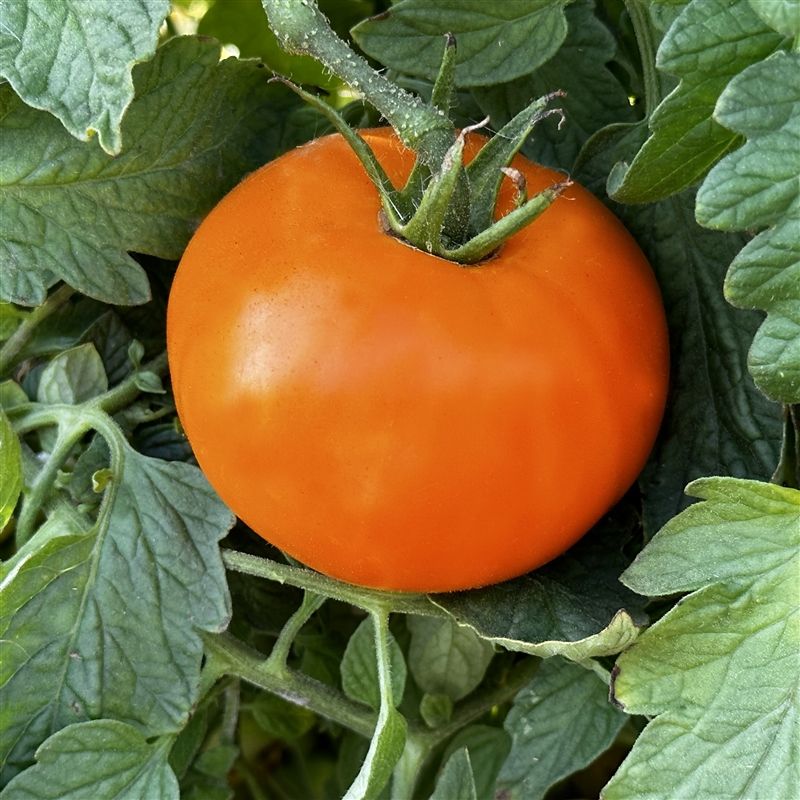
With roots in Russian immigrant gardens, the Nebraska Wedding Tomato is a fruitful symbol of heritage. Its pink, juicy fruits are low in acidity, offering a sweet and productive bounty that has survived generations in family gardens.
Its unique flavor profile makes it a standout in both fresh and cooked dishes. The Nebraska Wedding Tomato isn’t just a plant; it’s a testament to the perseverance of immigrant traditions and the delicious rewards of heirloom gardening. Celebrate this tomato’s rich history and productive nature in your garden.
13. Red Fig Tomato
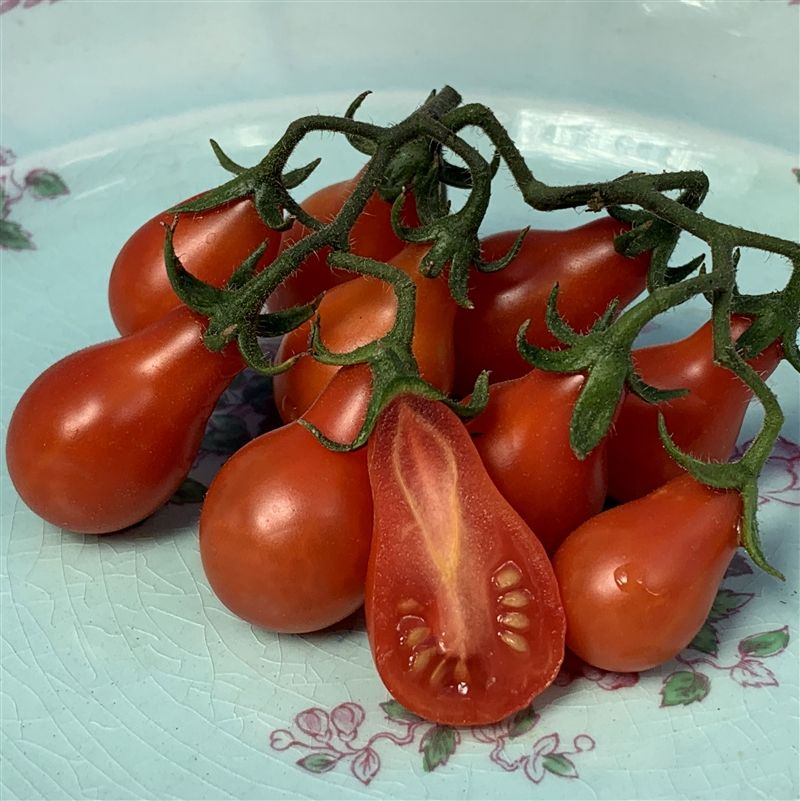
Once used in 1800s preserves, the Red Fig Tomato is a tiny treasure with a history of culinary delight. Its pear-shaped fruits are intensely flavorful, making them ideal for drying or sauces.
This heirloom’s resurgence highlights the importance of preserving culinary traditions and enjoying genuine flavors. Its sweet and robust taste is a reminder of the past, when tomatoes were more than just a grocery staple. Let the Red Fig Tomato bring a touch of history and intensity to your kitchen, celebrating both flavor and heritage.
14. Aunt Molly’s Ground Cherry
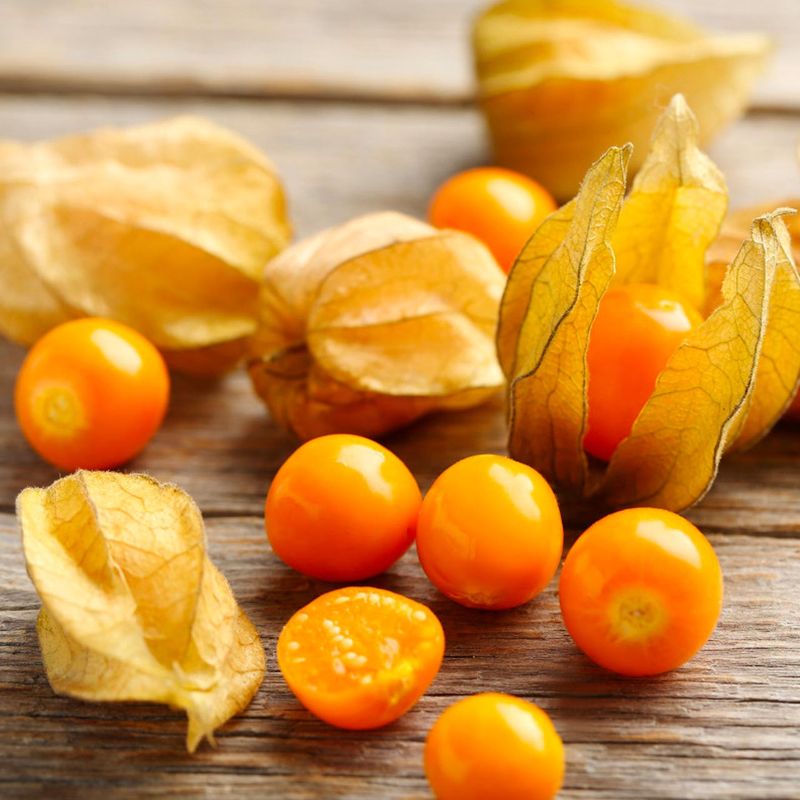
Aunt Molly’s Ground Cherry is a rare gem with a story as sweet as its flavor. Almost forgotten in the U.S., this husk cherry from Poland offers a delightful taste blend of pineapple and vanilla.
Its tropical sweetness is perfect for jams, desserts, or fresh eating. This heirloom’s revival is a testament to the importance of preserving unique flavors and culinary diversity. Enjoy the exotic taste of Aunt Molly’s Ground Cherry and savor a piece of history with every bite, celebrating the fusion of global and local culinary traditions.
15. Bull’s Blood Beet
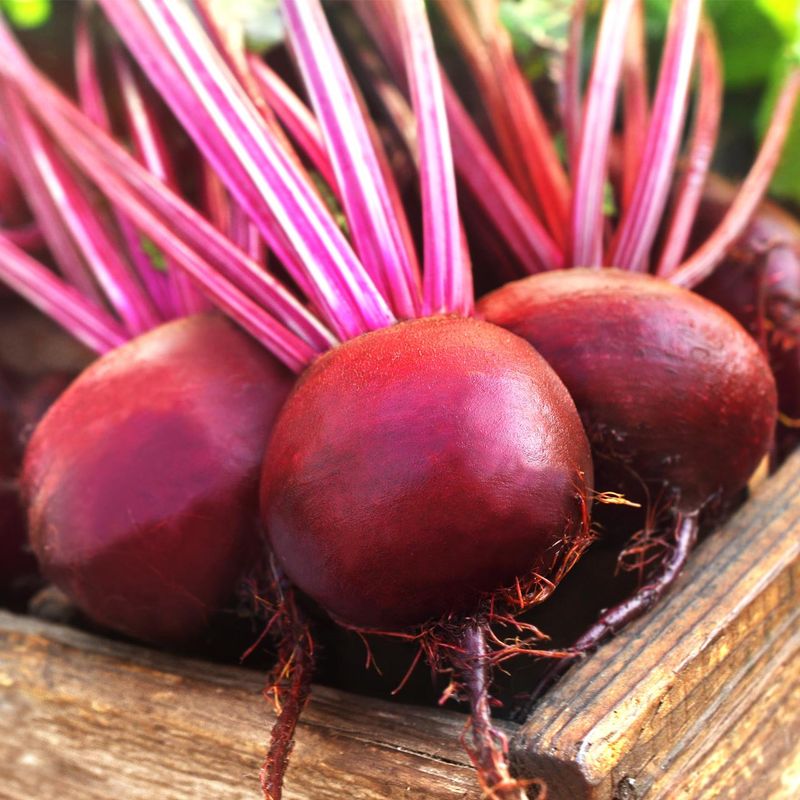
Grown since the 1840s, Bull’s Blood Beet is renowned for its dark red leaves and roots, offering both aesthetic appeal and robust flavor. Its striking foliage is as stunning in the garden as it is on the plate.
The earthy-sweet taste of its roots complements the tender, flavorful leaves, making it a versatile addition to any culinary repertoire. This beet isn’t just a vegetable; it’s a celebration of nature’s beauty and bounty, perfect for those who appreciate both visual and gustatory delights in their garden and kitchen.
16. Yellow Pear Tomato
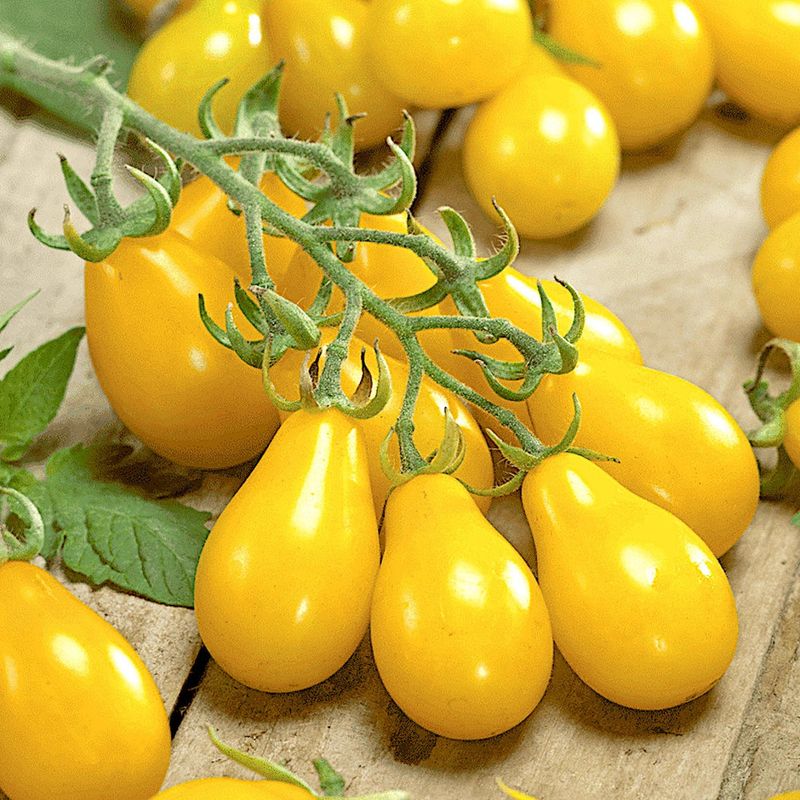
A favorite in colonial gardens, the Yellow Pear Tomato is a cheerful addition to any garden. Its tiny, pear-shaped fruits are prolific and perfect for snacking, offering a burst of sweetness with each bite.
This heirloom variety’s abundance and delightful flavor make it a staple for both novice and experienced gardeners. The Yellow Pear Tomato is more than just a snack; it’s a joyful reminder of the simple pleasures of gardening and the enduring appeal of heirloom varieties. Enjoy the sunny, sweet taste of history with every handful.
17. Stowell’s Evergreen Corn
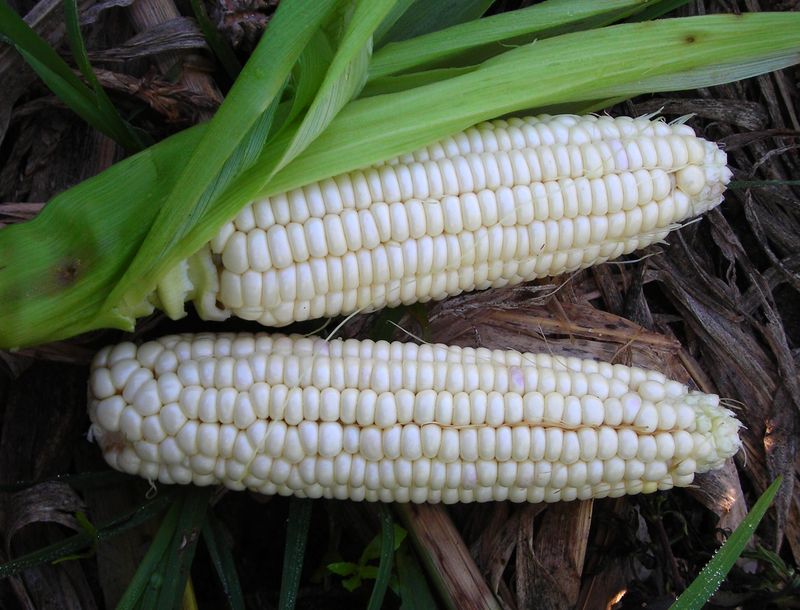
Introduced in 1848, Stowell’s Evergreen Corn is a staple of sweet corn history. Its white kernels stay sweet longer than modern corn, offering a nostalgic taste of summer with each bite.
This variety’s resilience and flavor have kept it a favorite among gardeners and cooks alike. Stowell’s Evergreen Corn isn’t just about taste; it’s a testament to the enduring quality of heirloom crops and the joy of growing one’s own food. Enjoy the sweet, tender kernels that bring a piece of agricultural heritage to your table.
18. Chioggia Beet
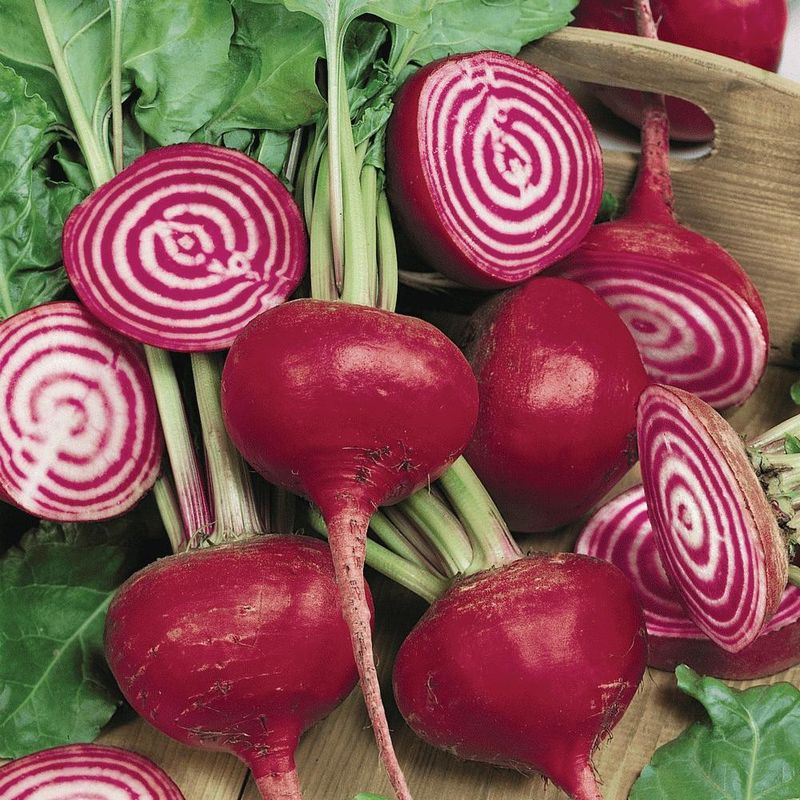
The Chioggia Beet is an Italian marvel, known for its stunning red-and-white candy-striped flesh that brings visual flair to any dish. Its mild flavor is perfect for salads, offering a sweet, earthy taste that’s less intense than red beets.
This heirloom variety’s beauty and flavor make it a chef’s favorite, adding both aesthetic and culinary appeal to meals. The Chioggia Beet isn’t just about looks; it’s a celebration of taste and tradition, bringing a touch of art to your culinary creations.
19. Dragon Carrot
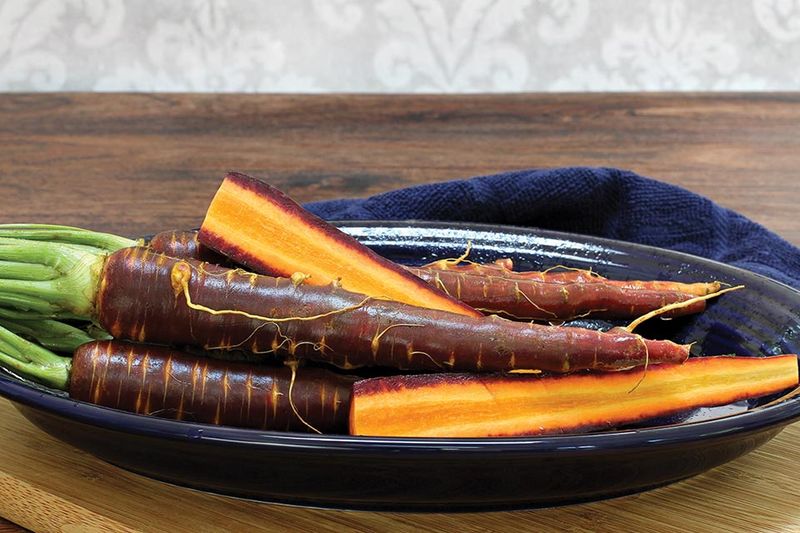
With its striking purple skin and orange interior, the Dragon Carrot is a feast for the eyes and palate. Originating from the 1700s, this carrot is packed with antioxidants, offering both health benefits and visual appeal.
Its sweet, robust flavor is perfect for fresh eating or cooking, bringing a bold splash of color and nutrition to dishes. The Dragon Carrot isn’t just a vegetable; it’s a vibrant piece of history, celebrating the diverse and colorful world of heirloom gardening. Enjoy its unforgettable color and taste in your next meal.