
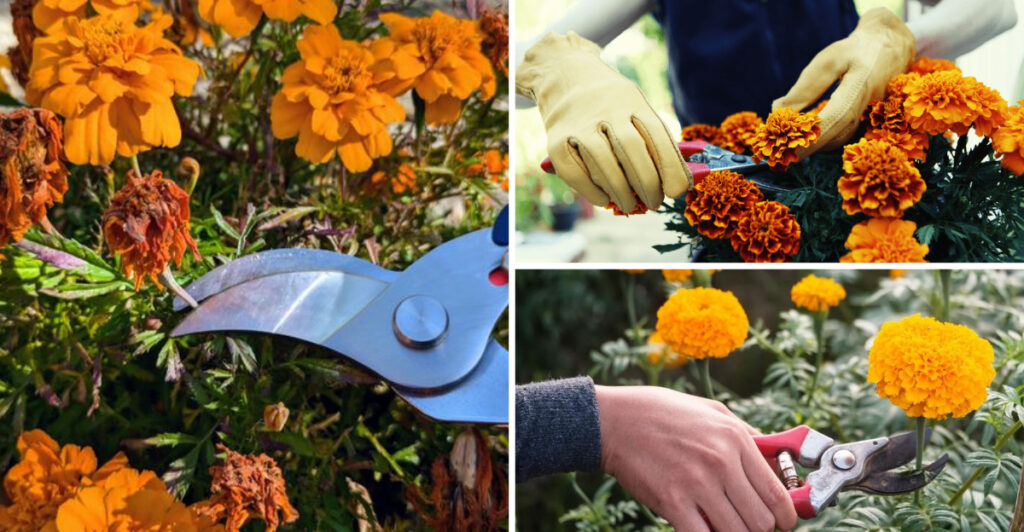
Marigolds, with their vibrant hues and resilient nature, are a favorite among gardeners. However, unlocking their full potential requires mastering the art of pruning. Whether you’re aiming for a longer blooming season, larger flowers, or a healthier plant overall, these pruning secrets will transform your garden into a marigold paradise. As you delve into each tip, consider how these techniques can be woven into your existing gardening routine, enhancing the beauty and vitality of your marigolds.
1. The Morning Trim

The best time to prune marigolds is in the morning when the plants are fresh and temperatures are cooler. This timing reduces stress on the plants and ensures the cuts heal quickly. It’s like giving your marigolds a refreshing morning routine, invigorating them for the day ahead.
Starting your day with a pruning session not only benefits the plants but also provides a peaceful, meditative start for you. Embrace the tranquility of a garden awakening, and notice how morning-pruned marigolds seem to stand a little taller, basking in the early light.
2. Pinching for Fuller Growth
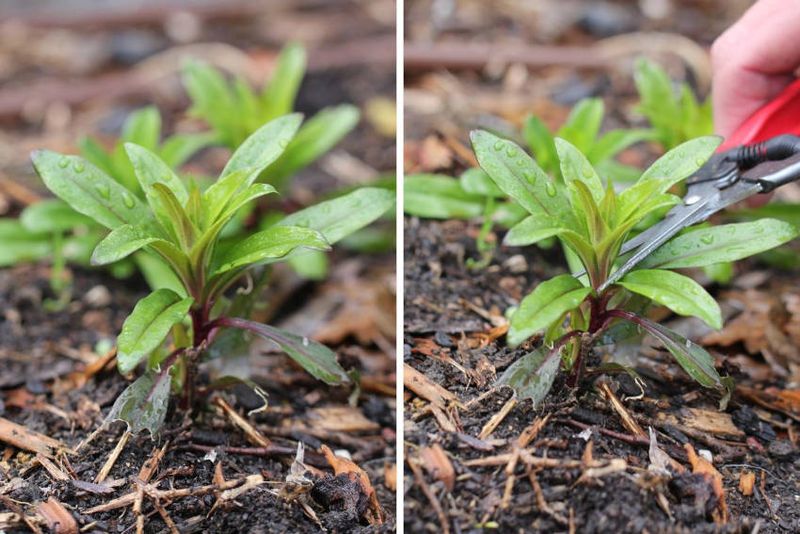
Pinching involves removing the tips of the marigold stems, encouraging bushier growth. By systematically pinching back the stems, you trigger the plant to develop more side shoots, resulting in a fuller, more robust appearance.
This method is akin to a natural growth hack, stimulating your marigolds to branch out and thrive. It’s fascinating to witness how a simple pinch can lead to such a dramatic transformation, filling your garden with vibrant, densely packed blooms.
3. Deadheading for Continuous Blooms
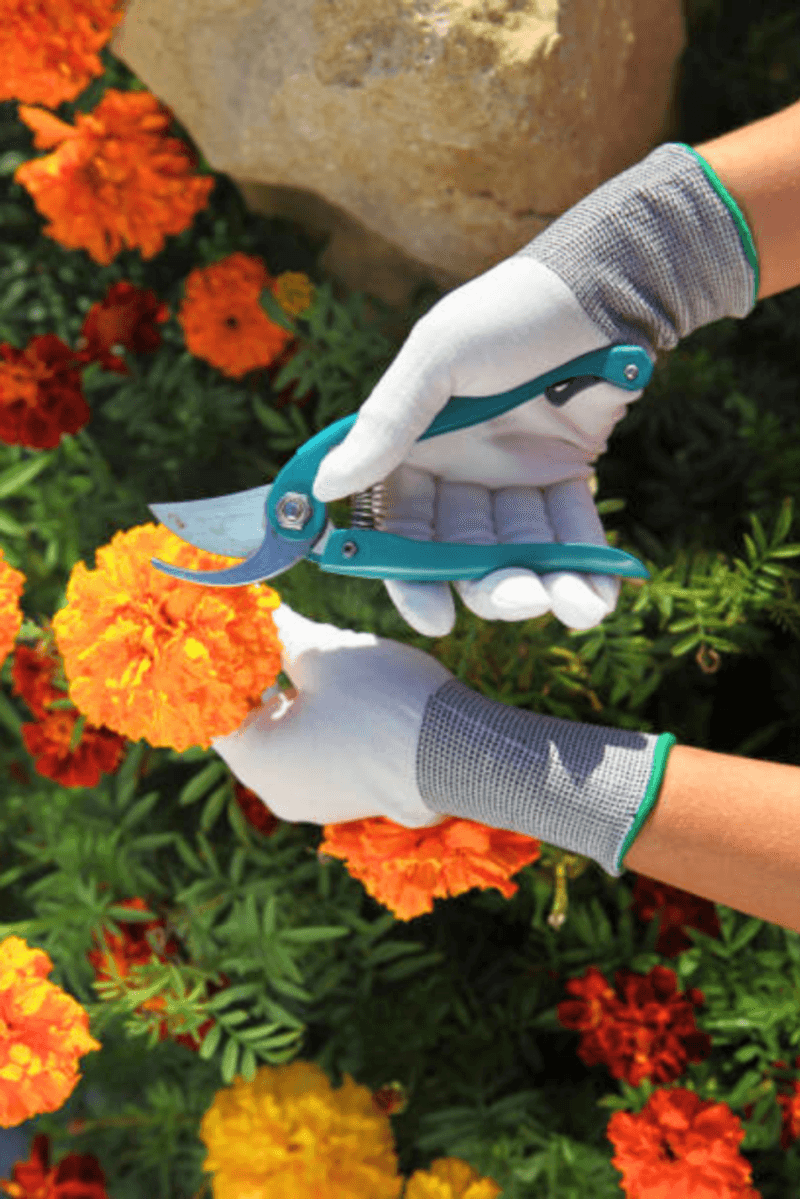
Deadheading is the practice of removing spent flowers to encourage new blooms. This technique keeps your marigolds looking fresh and vibrant throughout the growing season.
Think of it as a gentle nudge, reminding your plants to keep producing flowers. Regular deadheading not only enhances beauty but also extends the flowering period significantly. Your garden remains lively and colorful, a testament to the transformative power of thoughtful gardening practices.
4. Strategic Stem Cutting
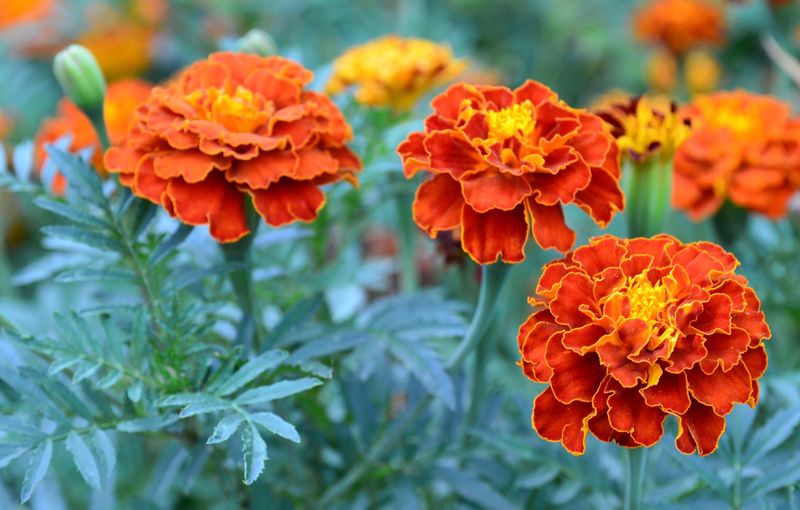
Cutting back stems strategically can help manage the size and shape of your marigold plants. By doing this, you control their growth pattern, ensuring they don’t become too leggy or unruly.
Imagine sculpting your garden to perfection, each cut made with precision and purpose. This technique keeps your marigolds neat and compact, enhancing their aesthetic appeal while promoting healthy growth.
5. Pruning for Pest Control

Pruning isn’t just about aesthetics; it’s a crucial step in pest management. Removing damaged or diseased parts of the marigold prevents pests from gaining a foothold.
It’s like giving your plants a health check-up, ensuring they remain strong and resilient against potential threats. By regularly inspecting and pruning, you maintain a healthy garden ecosystem, deterring pests naturally and effectively.
6. Seasonal Pruning Adjustments

Each season requires different pruning techniques for marigolds. Spring calls for shaping, while summer focuses on maintaining blooms, and autumn involves cutting back for winter preparation.
Adapting your pruning methods to the changing seasons ensures your marigolds remain healthy and vibrant year-round. It’s a dynamic dance with nature, responding to its rhythms and keeping your garden in harmony with the environment.
7. Nutrient-Boost Pruning
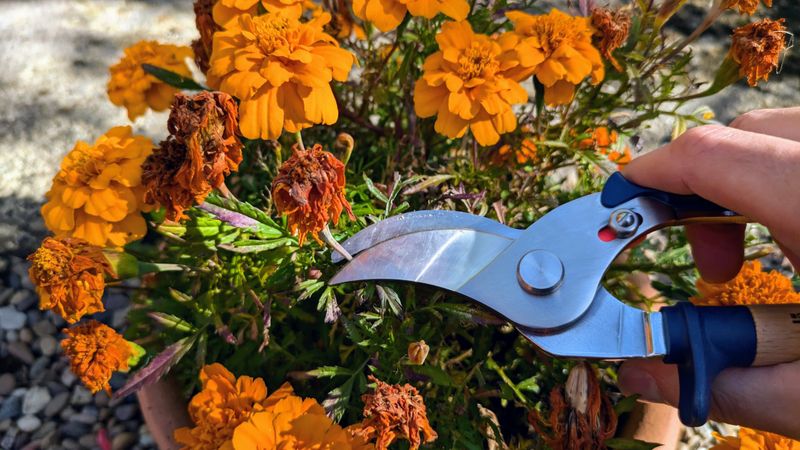
Pairing pruning with nutrient supplementation can significantly boost marigold growth. After pruning, applying a layer of compost or well-balanced fertilizer helps the plants recover quickly and promotes vigorous growth.
Think of it as a nutritious meal following a workout, replenishing the energy spent and fostering new development. This combination ensures your marigolds have everything they need to flourish magnificently.
8. The Art of Thinning
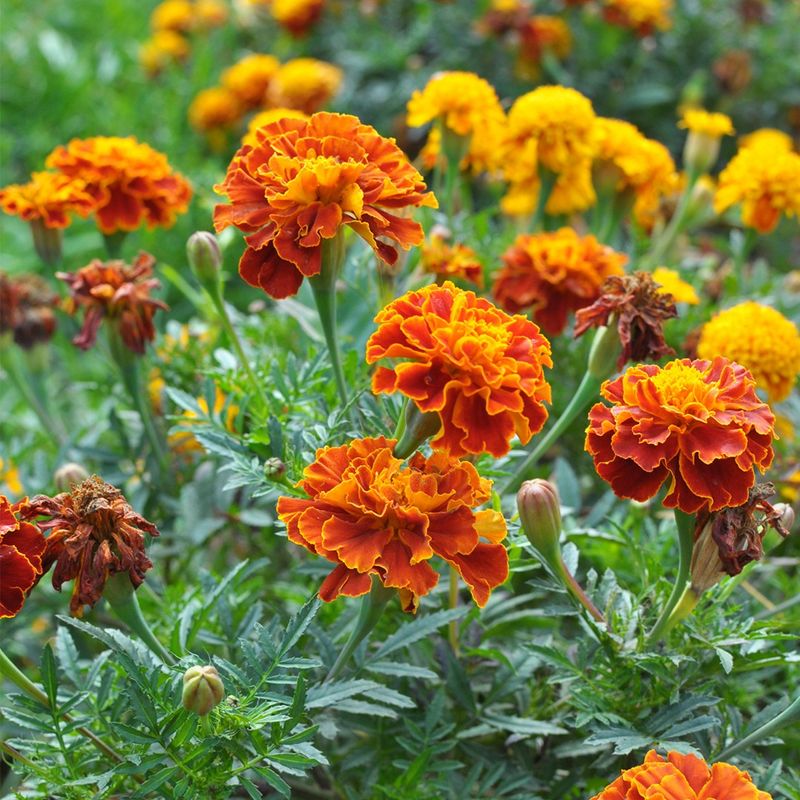
Thinning involves removing some plants to prevent overcrowding, which enhances air circulation and reduces the risk of disease. This technique is vital for maintaining a healthy and thriving marigold garden.
Imagine creating space for each marigold to breathe and grow to its fullest potential, like orchestrating a harmonious balance within the garden. Thinning transforms a crowded plot into an airy, vibrant oasis.
9. Shaping Young Marigolds
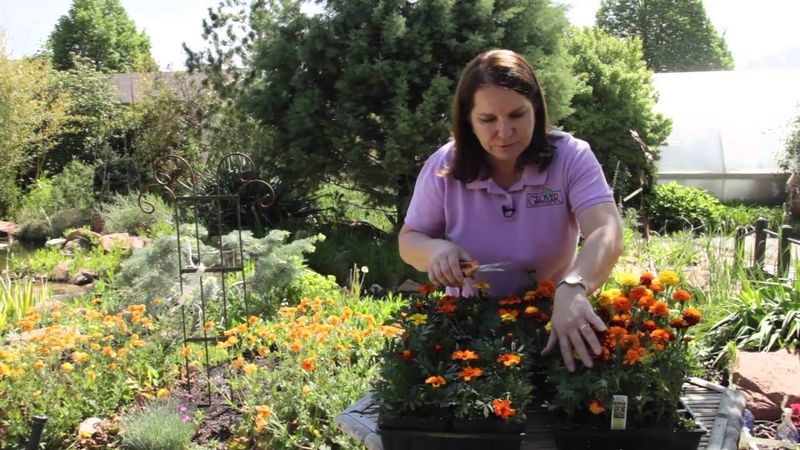
Shaping young marigolds sets the foundation for their future growth. By pruning early, you guide their development, ensuring they grow into the shape and size you envision for your garden.
This proactive approach allows you to craft your garden’s future, sculpting marigolds with an artist’s touch. Shaping young plants is an investment in beauty and symmetry, resulting in a visually stunning display.
10. Pruning for Enhanced Aroma

Pruning marigolds can enhance their natural aroma, intensifying the scents that waft through your garden. Removing old or excess growth allows the plant to focus its energy on producing fragrant blooms.
Imagine your garden as a perfume of nature’s making, each snip of the shears unleashing waves of fresh, floral scents. This attention to aromatic detail elevates your gardening experience, transforming the air into a sensory delight.
11. Overcoming Weather Challenges
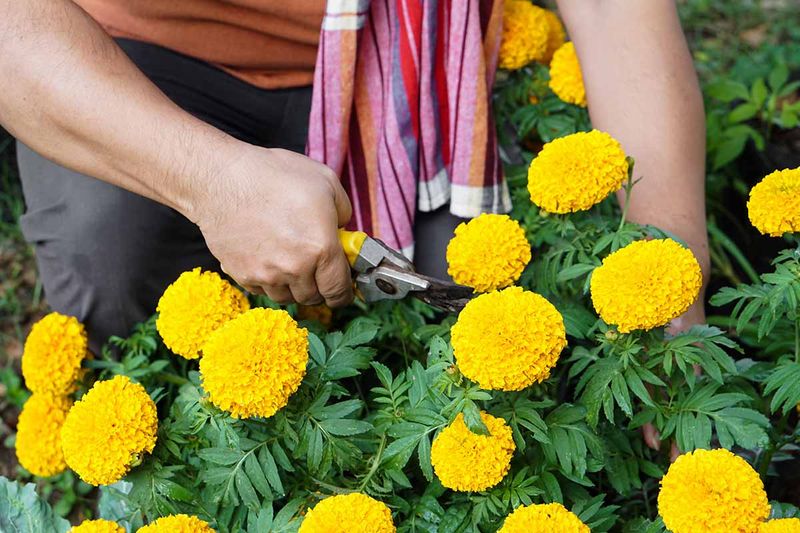
Weather can be unpredictable, but thoughtful pruning can mitigate its effects on marigolds. Pruning damaged or weak parts of the plant after storms reinforces its structure and resilience.
Picture your garden as a fortress, standing strong against the elements. By addressing weather challenges head-on, you ensure your marigolds survive and thrive, regardless of the forecast.
12. The Healing Power of Pruning
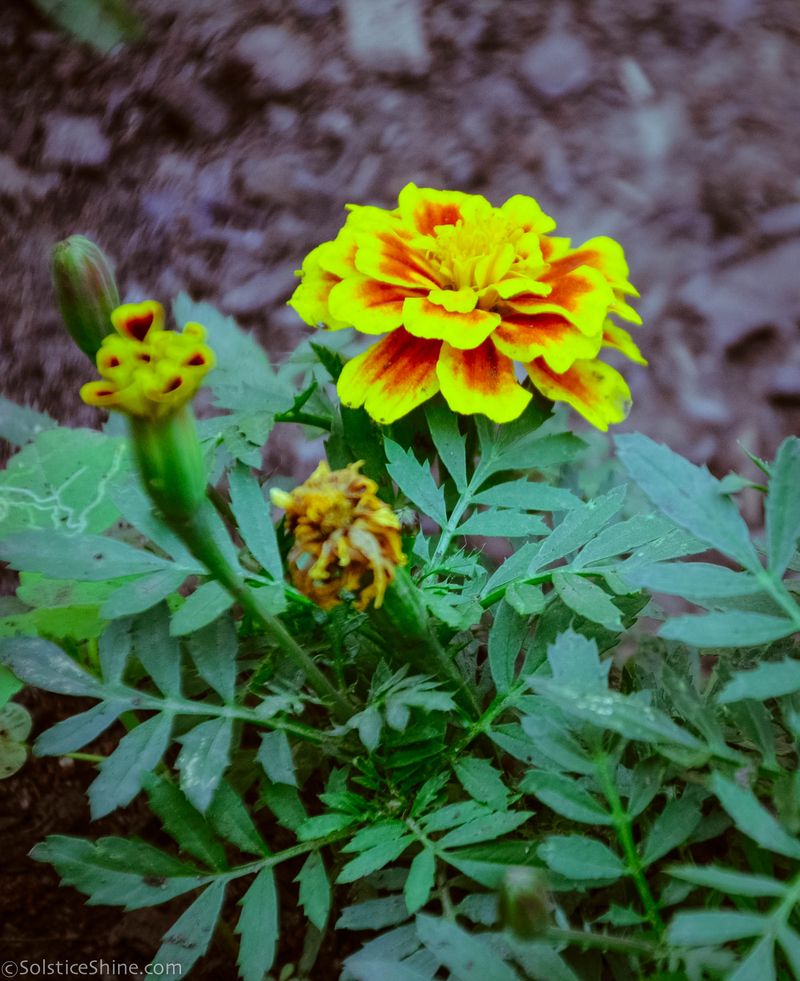
Pruning can be a healing process for marigolds, removing parts that no longer serve the plant’s health or beauty. By cutting away the old, you make way for the new, invigorating the plant’s overall vitality.
This transformative power of pruning is akin to shedding the past, allowing fresh growth and rejuvenation. It’s a testament to nature’s resilience and the role pruning plays in nurturing this cycle of renewal.
13. Pruning for Flower Size
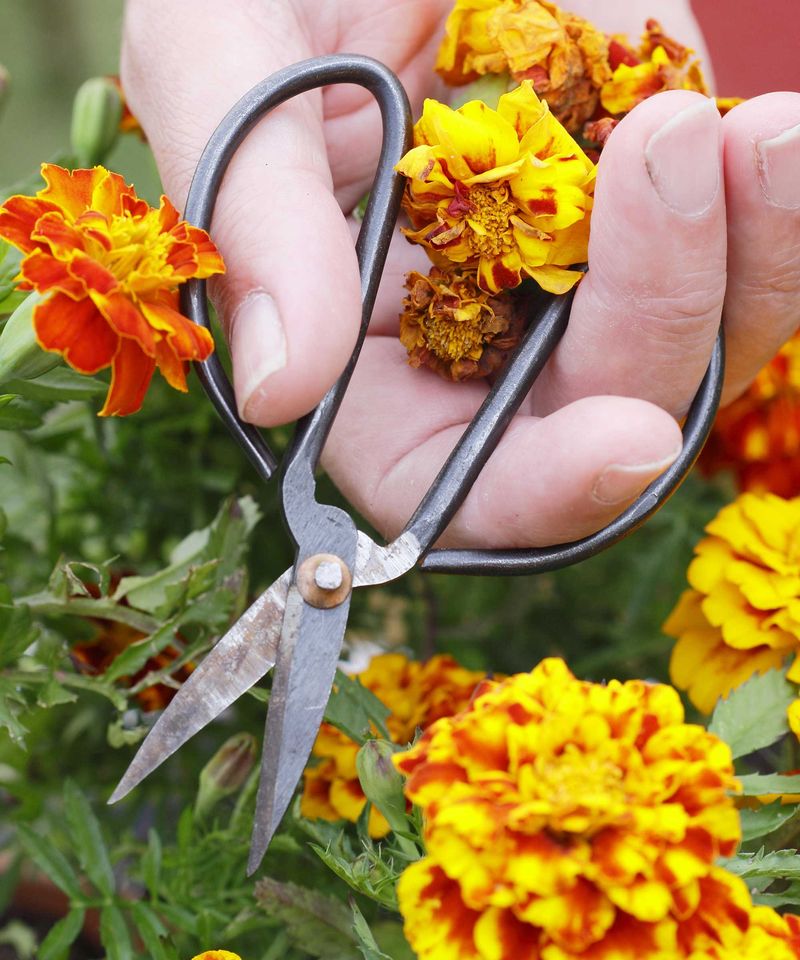
Selective pruning can impact the size of marigold blooms. By focusing on fewer flower buds, the plant directs its energy into producing larger, more impressive blossoms.
Visualize a garden where each bloom is a masterpiece, commanding attention with its size and vibrancy. This technique showcases the potential within each marigold, a testament to the power of focused care and precision.
14. Encouraging New Growth

Pruning encourages marigolds to produce new shoots and leaves, rejuvenating the plant’s appearance. This continuous cycle of growth ensures your garden remains lush and dynamic throughout the season.
Envision a garden alive with vitality, where each new leaf and stem tells a story of renewal. The act of pruning becomes a celebration of life, fostering a perpetually fresh and flourishing environment.
15. Pruning for Color Enhancement
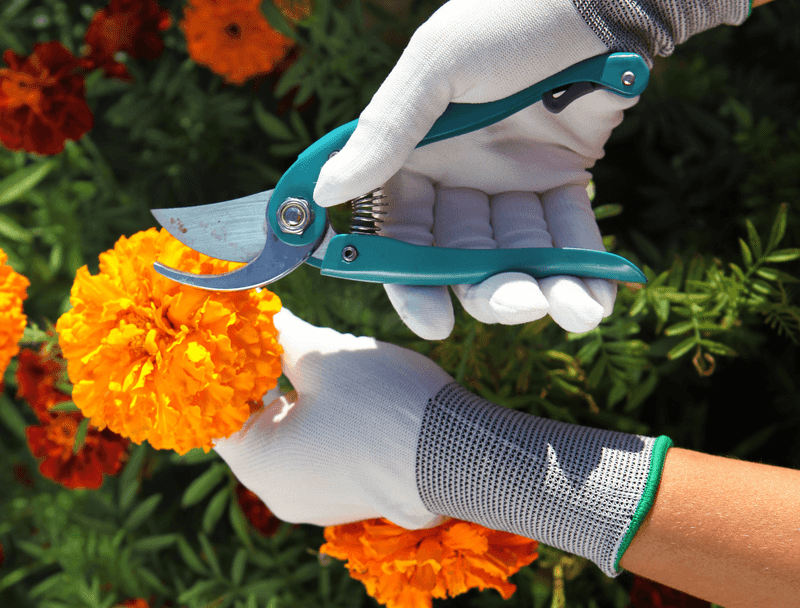
Pruning can intensify the color of marigold blooms by removing faded or less vibrant flowers, allowing the plant to focus on producing richer hues.
Imagine a canvas painted in bold, vivid colors, where each marigold is a stroke of brilliance. This technique enhances the visual appeal of your garden, transforming it into a living masterpiece filled with radiant beauty.
16. The Impact of Age on Pruning

The age of marigold plants influences pruning techniques. Mature plants may require more significant pruning to maintain health and vitality, while younger plants benefit from gentle shaping.
This understanding reflects a deep respect for the life cycle of your plants, acknowledging the wisdom that comes with age. Tailoring your approach to their stage in life ensures a thriving garden, full of diverse and healthy blooms.
17. Balancing Aesthetics and Health

Striking a balance between aesthetics and health is crucial when pruning marigolds. Prioritizing both ensures a garden that is not only beautiful but also sustainable.
Picture a symphony where every element plays its part in creating a harmonious whole. This holistic approach to pruning celebrates both form and function, resulting in a garden that thrives visually and biologically.