
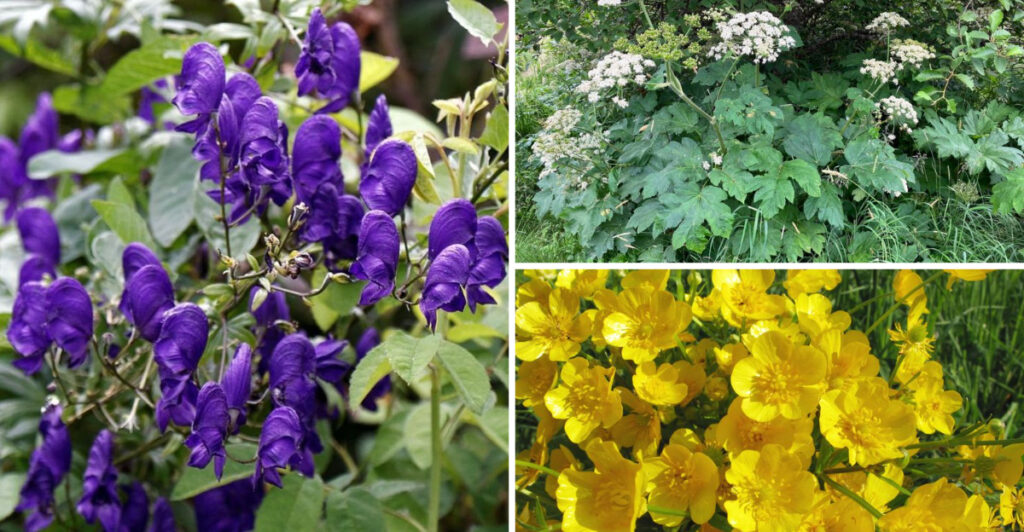
Gardens are often viewed as tranquil sanctuaries, brimming with vibrant blooms and lush greenery. However, lurking among these serene landscapes can be plants that pose hidden dangers. Many common garden plants contain toxins that, when touched, can irritate or even burn your skin. To help you stay safe, we have compiled a list of 23 plants that may cause skin reactions. Learn to recognize these plants and understand the warning signs, so you can enjoy your garden without worry.
1. Giant Hogweed
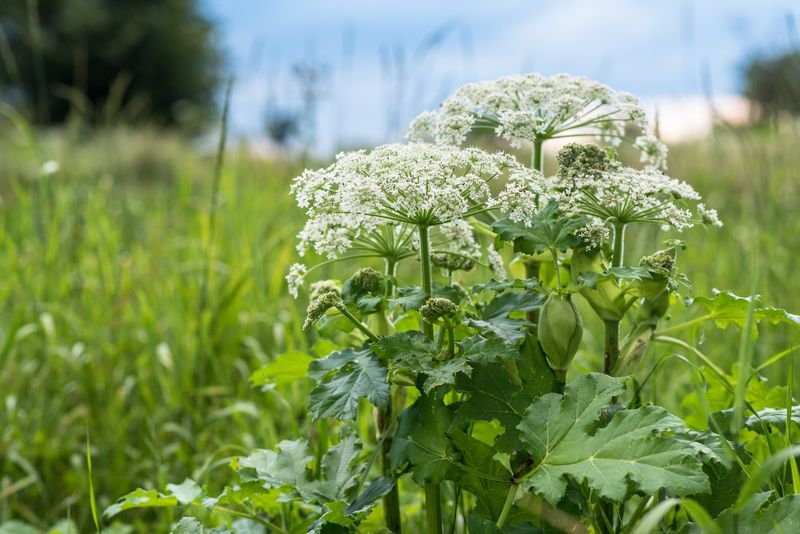
Standing tall and majestic, the Giant Hogweed is a sight to behold, but beware of its toxic sap. When exposed to sunlight, it can cause severe skin burns and blisters. Native to the Caucasus region, this invasive species can grow up to 14 feet high. Even brushing against its leaves, stems, or flowers can trigger a painful reaction. The plant’s towering size and white, umbrella-like flower clusters make it easy to spot. While it may look like Queen Anne’s Lace, its harmful effects are far more severe, making it a plant to handle with extreme caution.
2. Poison Ivy
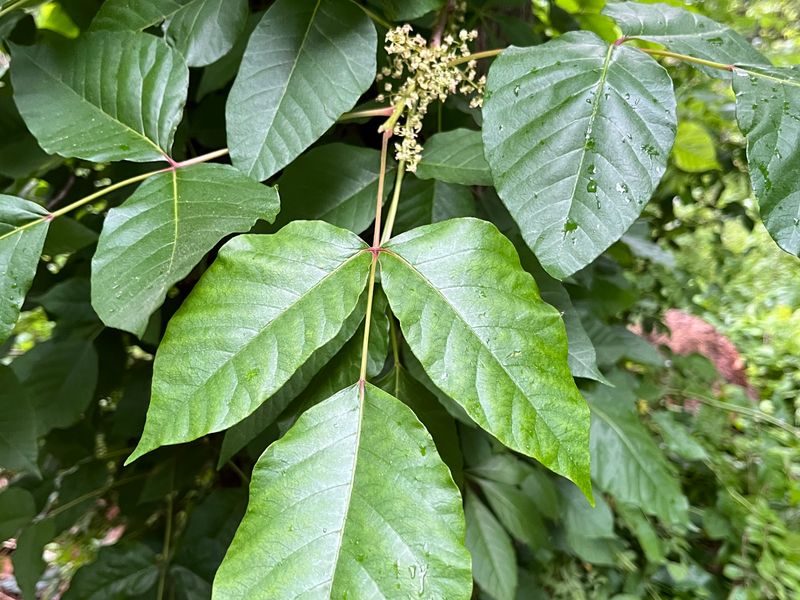
“Leaves of three, let it be,” is more than just a saying—it’s a wise warning about Poison Ivy. This notorious plant contains an oil called urushiol, which can cause itchy and painful rashes. Found throughout North America, Poison Ivy’s leaves can vary in appearance but often form in clusters of three. An encounter with this plant might leave you scratching for days, as the rash can spread on the body. Its ability to blend into its surroundings makes it a hidden hazard for hikers and gardeners alike.
3. Wild Parsnip
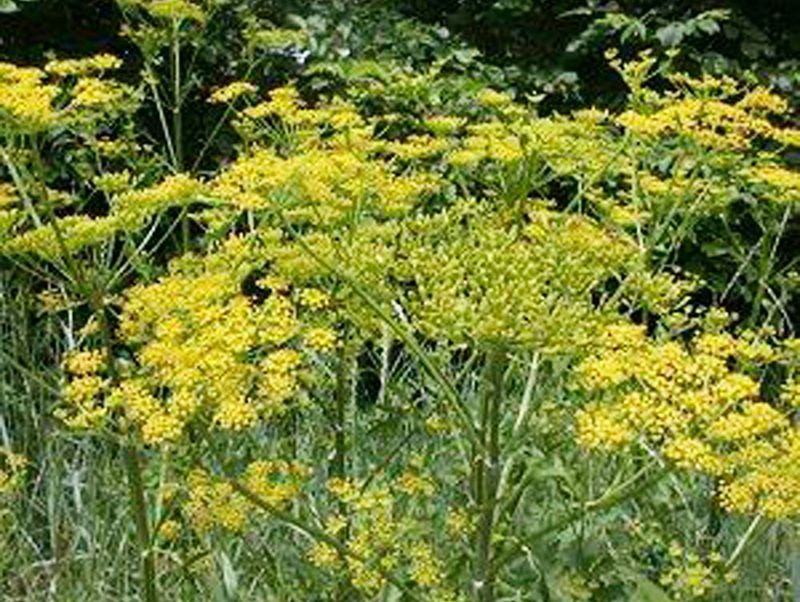
Wild Parsnip may look like a cheerful meadow flower, but its sap can cause serious skin irritation. Originating from Europe and Asia, this plant has spread across North America. When the sap comes into contact with skin and sunlight, it can lead to painful burns and blisters. Characterized by its yellow umbrella-like flower clusters, Wild Parsnip is often found along roadsides and fields. While it adds color to landscapes, it’s best admired from a distance to avoid its nasty skin reactions.
4. Stinging Nettle
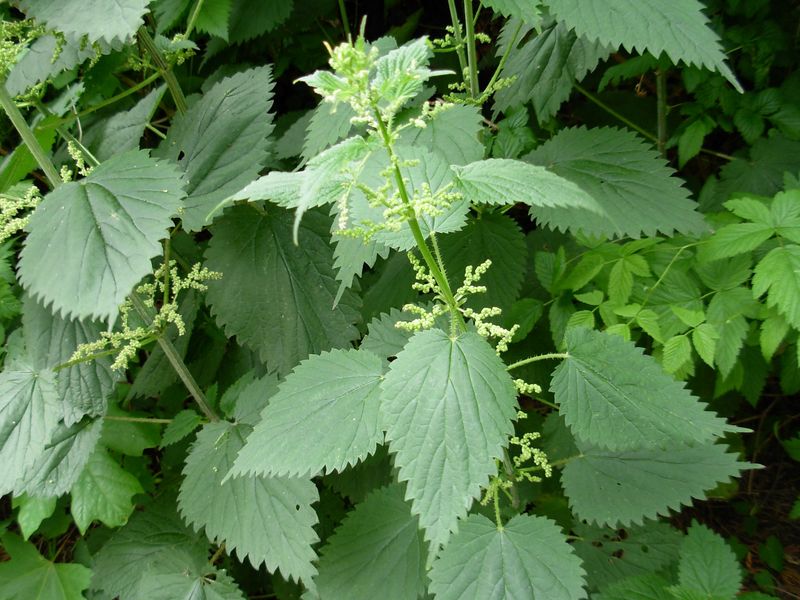
Stinging Nettle may sound like a medieval torture device, but it’s a common garden plant with a surprising sting. This plant is covered in tiny, hair-like structures that release histamines upon contact, causing a burning sensation. A native to Europe, Asia, and North America, it thrives in damp, shady areas. While it can be used for teas and soups, handling it without gloves can leave you with itchy, inflamed skin. Its jagged-edged leaves and tiny greenish flowers make it a distinctive, if not entirely agreeable, garden inhabitant.
5. Poison Oak
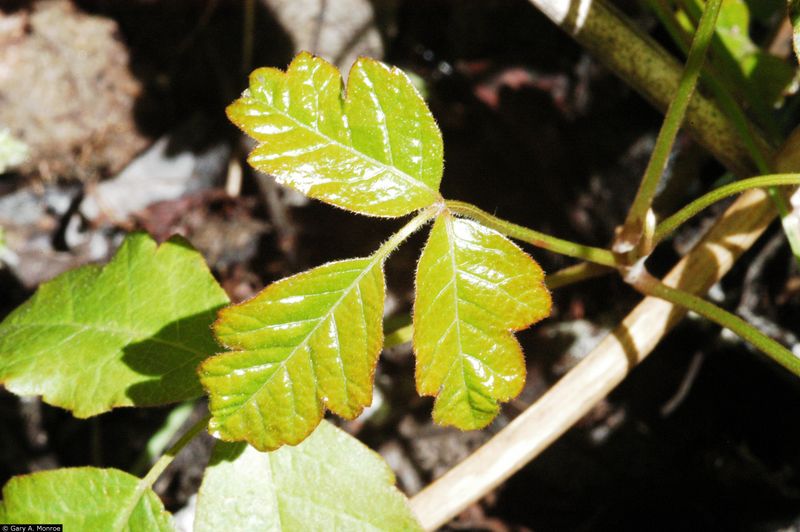
Like its cousin Poison Ivy, Poison Oak is a skin irritant waiting to happen. Found mainly in the western United States, its leaves resemble those of an oak tree but are grouped in threes. The plant produces urushiol, a potent oil that can cause itchy rashes and blisters. Even touching clothing or pets that have brushed against it can lead to an unpleasant reaction. With its shiny leaves and small white berries, Poison Oak is a plant that demands respect and cautious navigation.
6. Cow Parsnip
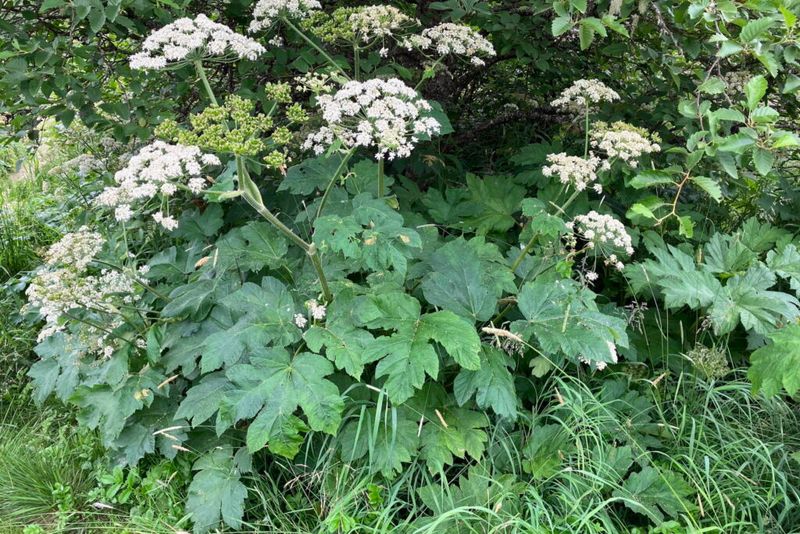
Cow Parsnip might sound like a farmer’s ally, but touching it can lead to skin irritation. This towering plant, reaching heights of up to 8 feet, is native to North America. Its sap contains furanocoumarins, which, when activated by sunlight, can cause burns. The plant’s broad leaves and white flower clusters resemble those of Giant Hogweed, though on a smaller scale. While less aggressive, Cow Parsnip still requires caution, especially when hiking in open fields where it commonly grows.
7. Rhubarb
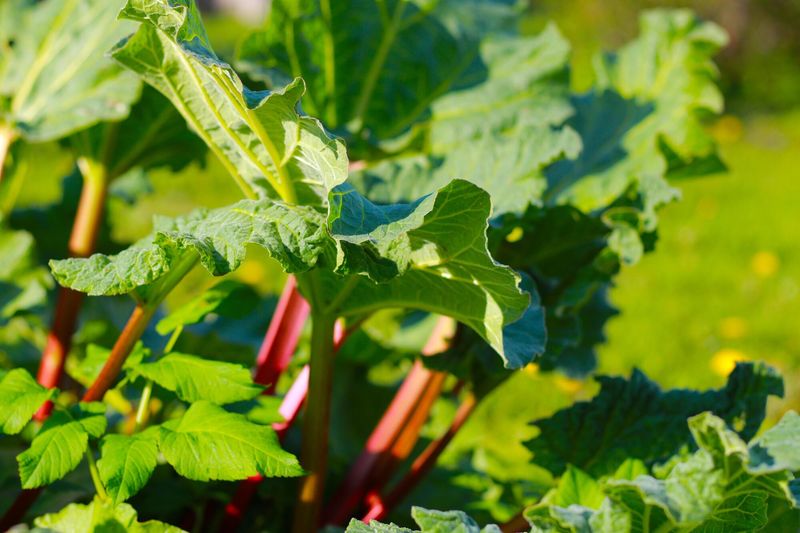
Rhubarb is a favorite in pies, but its leaves are best avoided. Containing oxalic acid, they can cause skin irritation upon contact. Originating in Asia, rhubarb is now grown worldwide for its tart stalks. The large, crinkled leaves are visually striking, but they hold hidden dangers. Handling them can result in a mild to severe rash, especially in sensitive individuals. While the stalks are a culinary delight, the leaves must be handled with care, making rhubarb a plant of both gastronomic and cautionary interest.
8. Monkshood
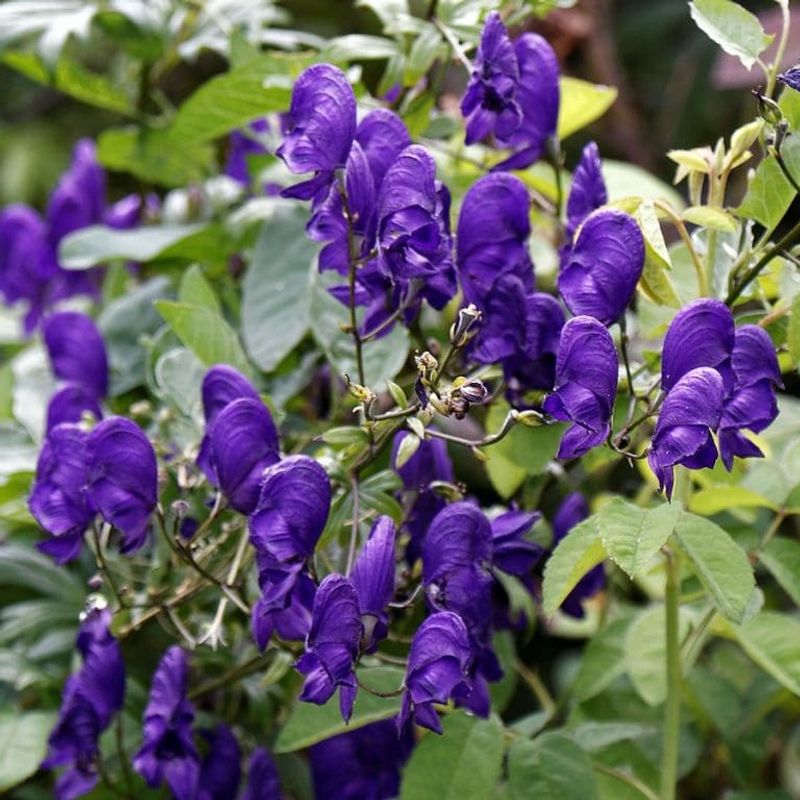
Monkshood, with its enchanting blue flowers, has a dark side. Also known as wolfsbane, it contains toxins that can cause skin numbness and tingling. Native to mountainous regions of Europe and Asia, it prefers cool, shaded areas. All parts of the plant are toxic, making gloves essential for handling. Despite its beauty, Monkshood is a reminder of nature’s duality: alluring yet potentially harmful. Its unique, helmet-shaped blossoms add intrigue and danger to any garden setting, encouraging admiration from a respectful distance.
9. Buttercup
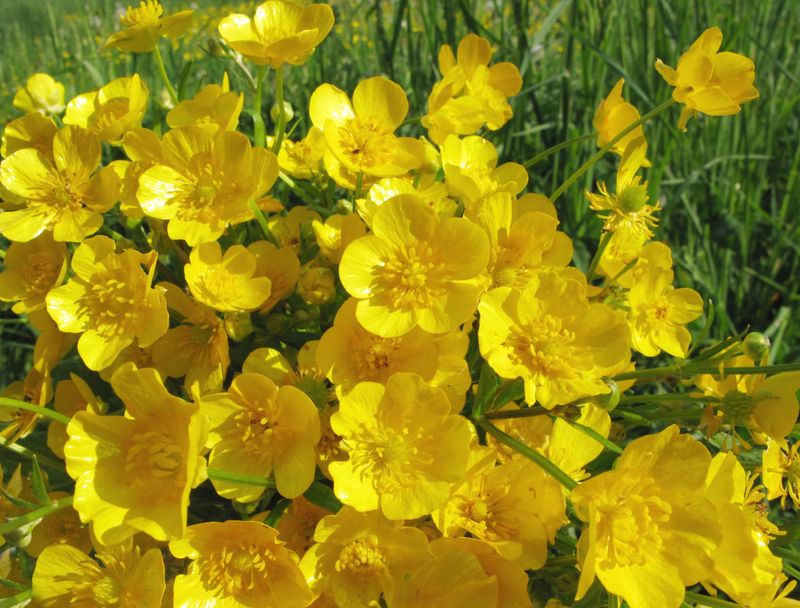
Buttercups may evoke memories of childhood games, but their sap can irritate the skin. Found in temperate regions across the globe, these cheerful yellow flowers belong to the Ranunculus family. While they brighten meadows and gardens, the juice from crushed leaves or stems can cause blisters. A symbol of innocence and joy, the buttercup’s delicate beauty hides its potential for harm. Its glossy petals and playful appearance serve as a gentle reminder to admire its charm without touching.
10. Spurge
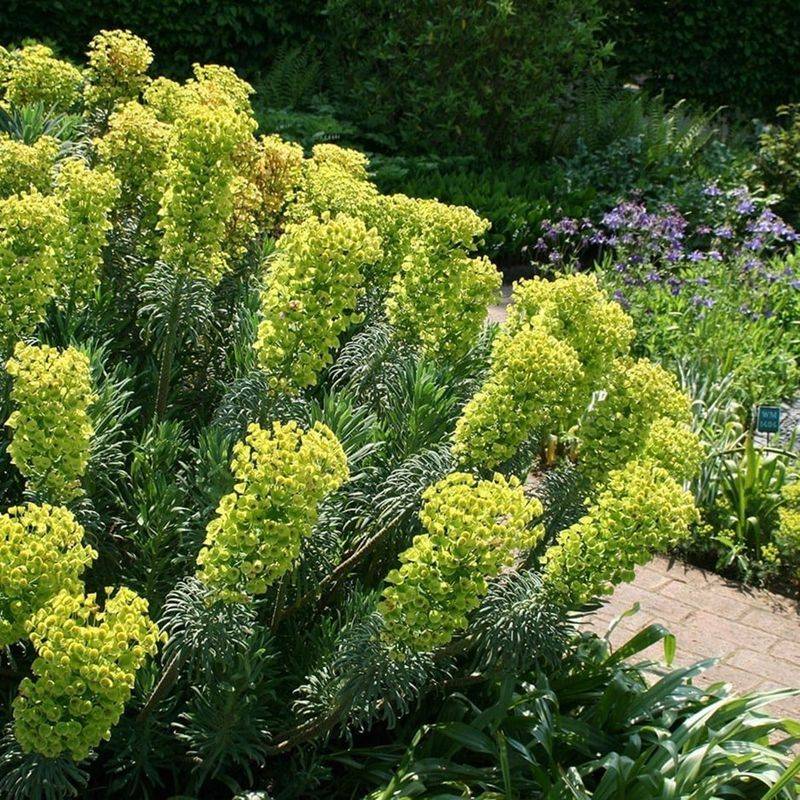
The spurge family of plants is known for its strange yet alluring appearance. However, the milky sap can cause burning sensations on the skin. Originating from diverse habitats, these plants can be found almost anywhere. Their intricate flower structures and unique growth patterns make them a fascinating addition to gardens. Yet, the sap, often used by the plant as a defense mechanism, makes it wise to handle with care. Gloves are recommended to avoid the surprising sting that accompanies spurge’s alluring presence.
11. Rue
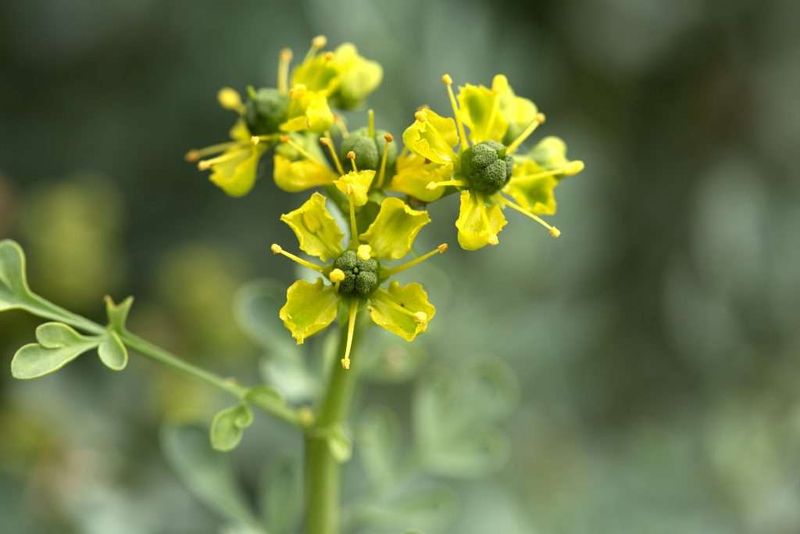
Rue, with its soft, lace-like leaves, might seem harmless, but it holds a secret. This plant contains furocoumarins, which react under sunlight to cause phytophotodermatitis.
Imagine brushing against its foliage on a sunny day, only to notice itchy, blistering patches hours later. Known historically as the ‘Herb of Grace’, rue was once believed to ward off witches and evil spirits.
Yet, it requires caution and respect. Wear gloves when handling and enjoy its beauty from a safe distance. Its history is fascinating, but its potential for harm is real.
12. Chrysanthemum
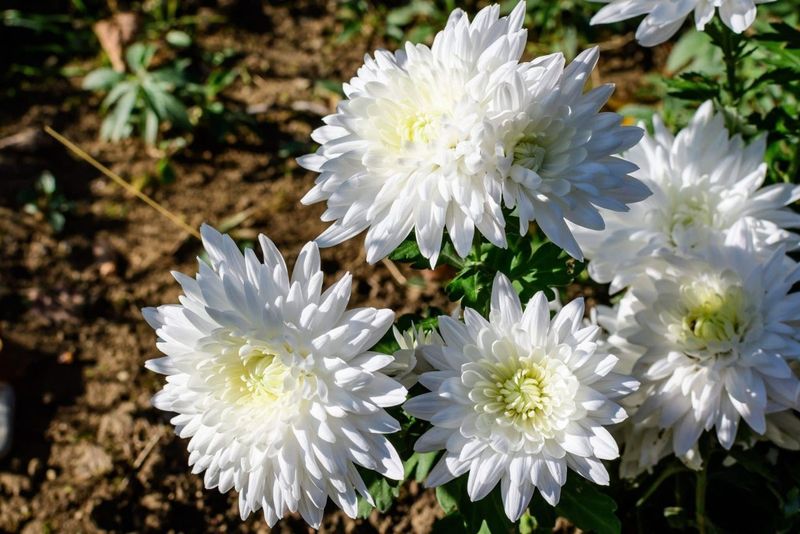
Chrysanthemums, often adored for their vibrant hues, can cause allergic reactions in sensitive individuals.
Their leaves and flowers contain sesquiterpene lactones, which may lead to rashes or irritation upon contact. Picture a sunny autumn day, with chrysanthemums adding splashes of color to gardens, yet concealing this hidden danger.
Gardeners should take precautions, especially if they experience itching or redness after touching these plants. Despite their allure, chrysanthemums remind us that nature’s beauty hides some secrets best admired from afar.
13. Elephant Ear
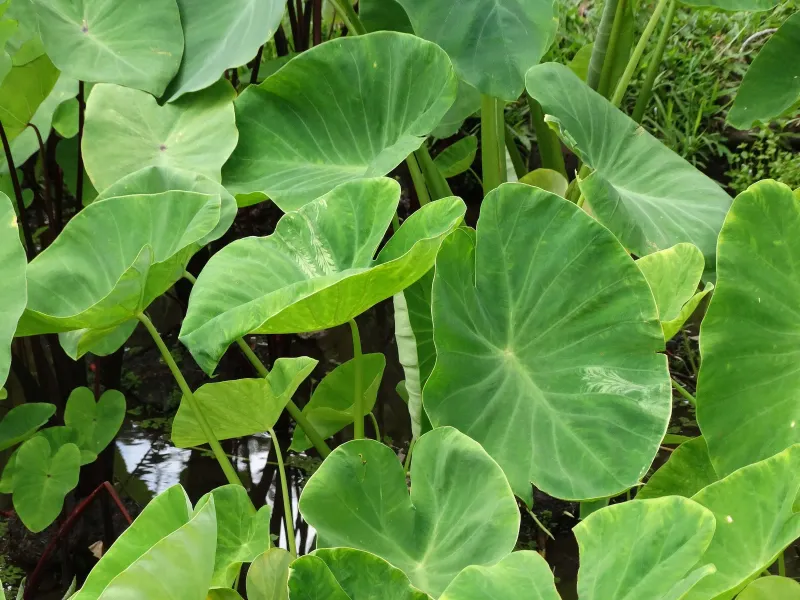
The elephant ear plant, with its grandiose leaves, often adds tropical flair to gardens. However, its calcium oxalate crystals can irritate skin or eyes if touched.
A gentle brush against its leaves might lead to stinging sensations or redness. In folklore, these plants were believed to bring good luck, yet they demand caution.
Their vivid green allure is undeniable, making them a favorite among gardeners. To enjoy without harm, admire them without direct contact or use protective gear when necessary, ensuring both beauty and safety co-exist.
14. Fennel
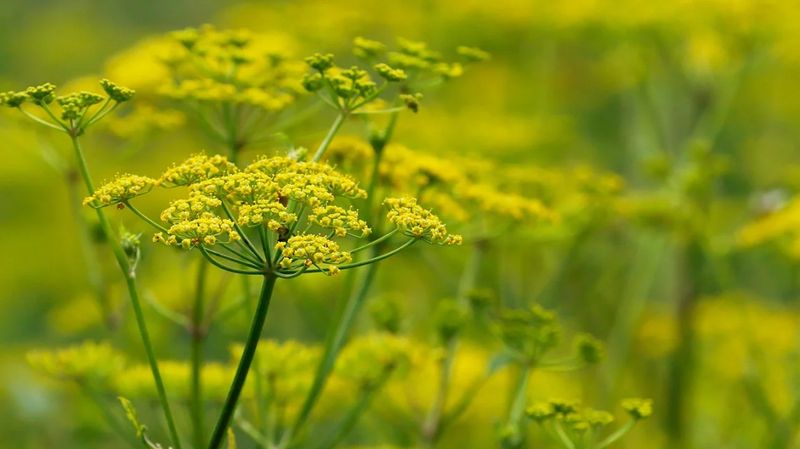
Fennel, well-known for its culinary uses, might surprise gardeners with its potential to irritate the skin.
When handling, its essential oils can cause photosensitivity, leading to rashes in people with sensitive skin. It’s fascinating to consider that this aromatic plant, often linked to culinary delight, hides such a secret.
For centuries, fennel symbolized strength and courage. While its historical uses are intriguing, gardeners should remember to wear gloves when handling it. Its dual nature as both food and potential irritant makes fennel a plant of mystery.
15. Poinsettia

Poinsettias, synonymous with holiday joy, are less harmful than once believed, but can still cause mild irritation.
The sap, if in contact with skin, may lead to itchiness or redness. Picture decorating your home with these bright plants, unaware of their potential to irritate.
Though not as dangerous as myths suggest, it’s wise to handle them with care, keeping their beauty intact while ensuring safety. Embrace their festive charm, knowing they hold a gentle reminder of nature’s unpredictable traits.
16. Larkspur
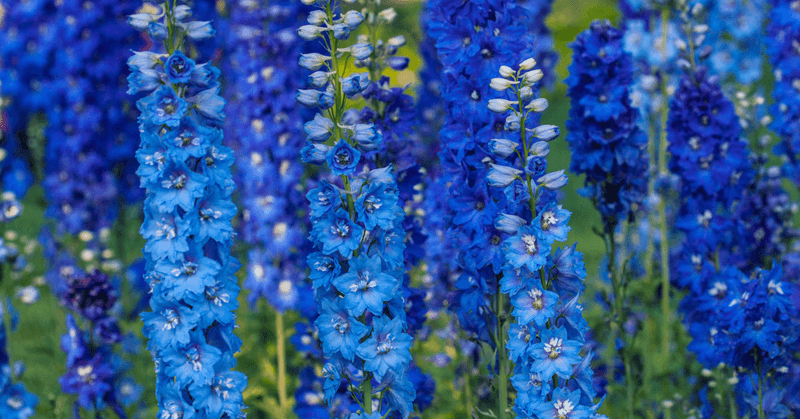
Larkspur’s delicate blossoms add an elegant touch to gardens. Yet, its beauty belies a toxic side.
The alkaloids present can irritate the skin and, if ingested, are even more harmful. Imagine wandering through a garden, enchanted by larkspur’s allure, only to discover its hidden dangers.
Gardeners should approach with care, appreciating its beauty from a distance. This plant serves as a reminder of the thin line between the enchanting and the dangerous in nature’s garden.
17. Sweet Pea
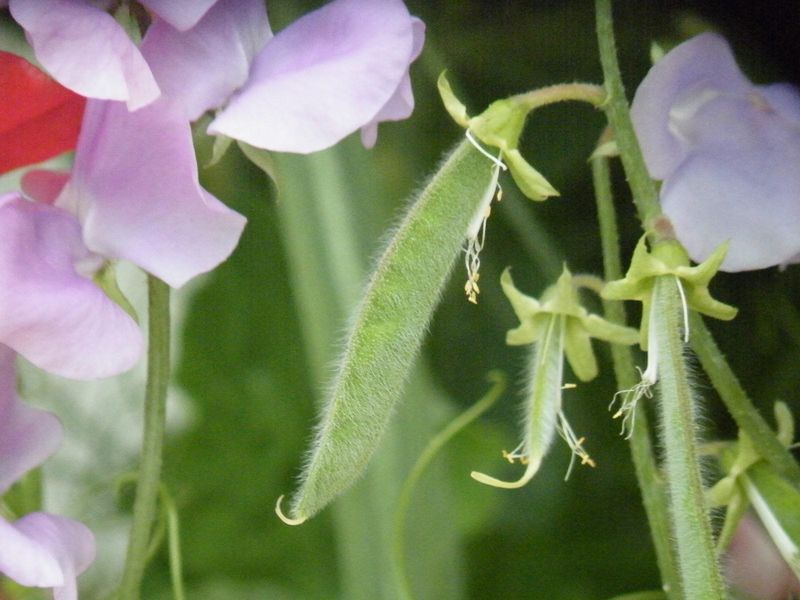
Sweet pea, celebrated for its lovely fragrance and colorful blooms, harbors a lesser-known irritant quality.
The plant’s seeds and pods contain chemicals that can cause skin irritation, particularly when handling without protection. Imagine the irony of such a sweet-scented plant causing discomfort.
Historically associated with delicate pleasures, sweet peas are better enjoyed for their visual and olfactory delight, steering clear of unnecessary contact. Their charm is undeniable, yet they urge us to respect boundaries, reminding us of nature’s dualities.
18. Foxglove
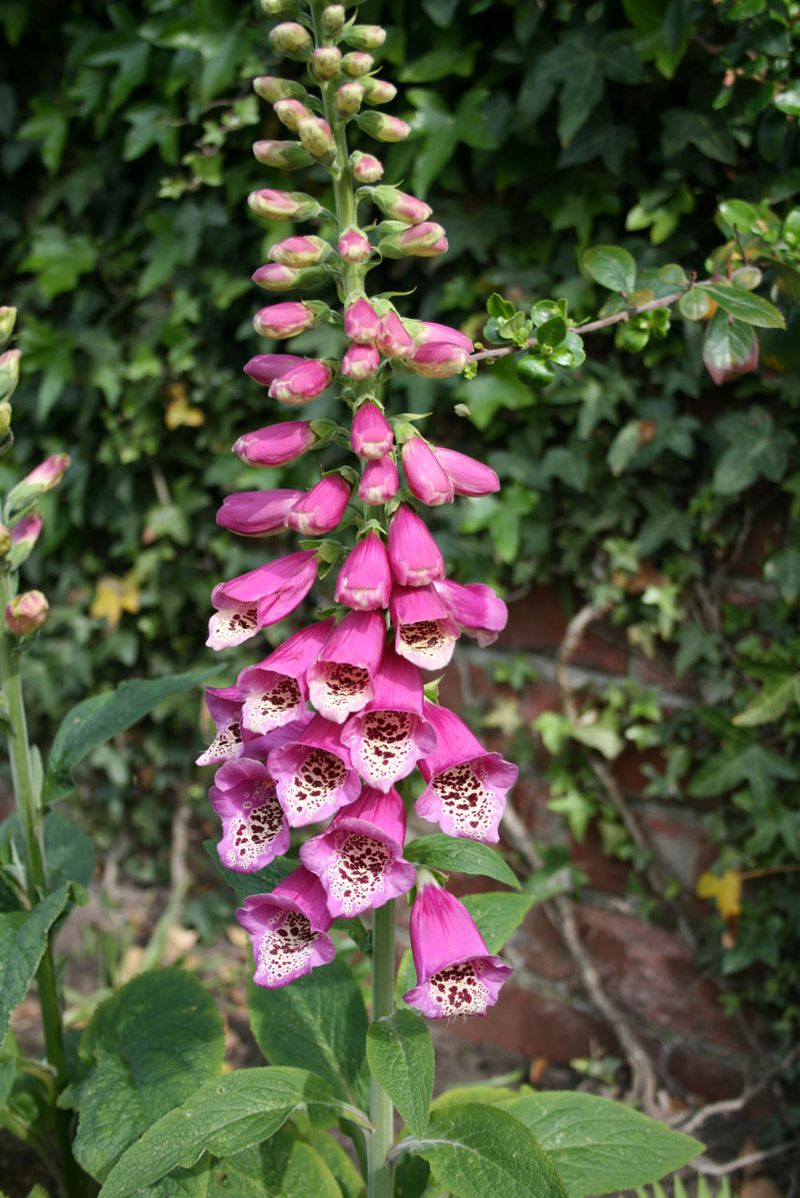
Foxglove’s towering spires and bell-shaped flowers are unmistakable in any garden. Though admired for their elegance, these plants are poisonous and can irritate the skin.
Their leaves contain digitalis, a compound used medically in controlled doses but toxic otherwise. Picture a fairytale garden where beauty coexists with danger.
Gardeners should wear gloves and avoid touching their leaves. Foxgloves remind us of nature’s complexity, where allure often comes with risk, urging admiration with caution.
19. Borage
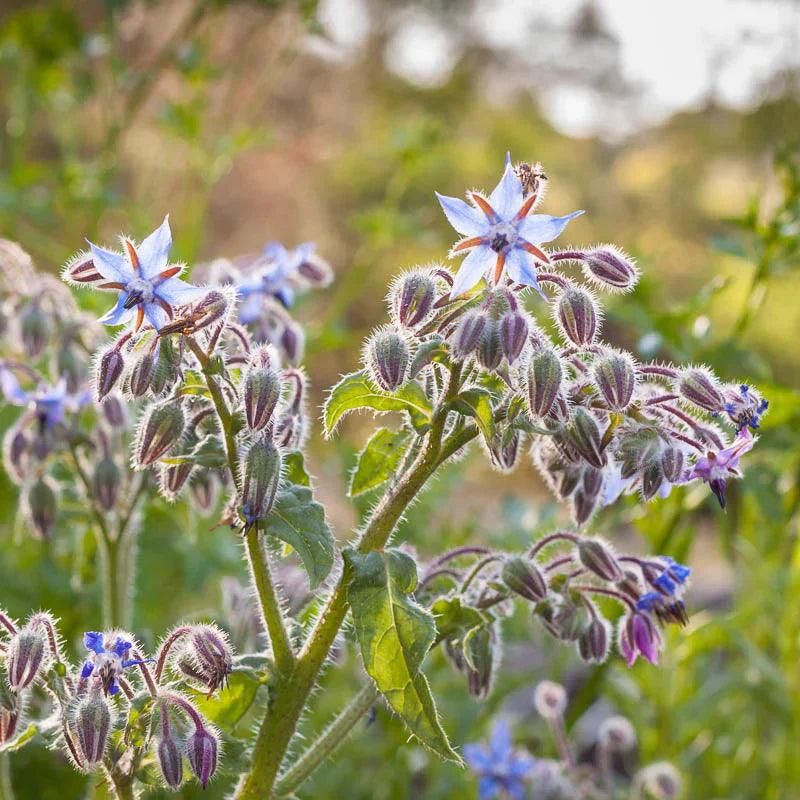
Borage, known for its nutritional benefits and vibrant flowers, can cause contact dermatitis in sensitive individuals.
A touch may result in an itchy or red rash, a surprising trait for such a wholesome plant. Envision a garden filled with borage, its beauty a testament to nature’s paradox.
While its leaves make excellent garnishes, it’s wise to handle with gloves. This plant embodies the balance of beneficial and irritating qualities, a true reflection of nature’s dual character.
20. Hyacinth
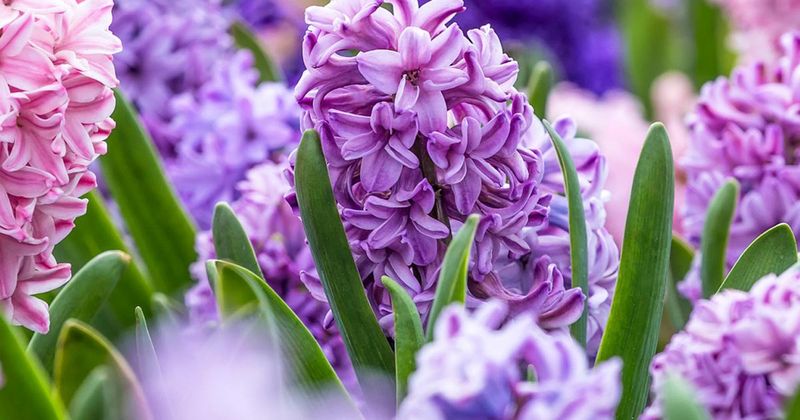
Hyacinths, with their intoxicating fragrance and striking colors, captivate gardeners worldwide. Yet, their bulbs contain oxalic acid, which can irritate the skin.
Handling these bulbs often leads to ‘hyacinth itch’, a condition gardeners recognize well. Imagine planting these spring jewels only to find your skin protesting.
Their allure is immense, but caution is advised when handling bulbs. Hyacinths perfectly encapsulate the duality of attraction and caution, a lesson in respecting nature’s gentle warnings.
21. Pellitory
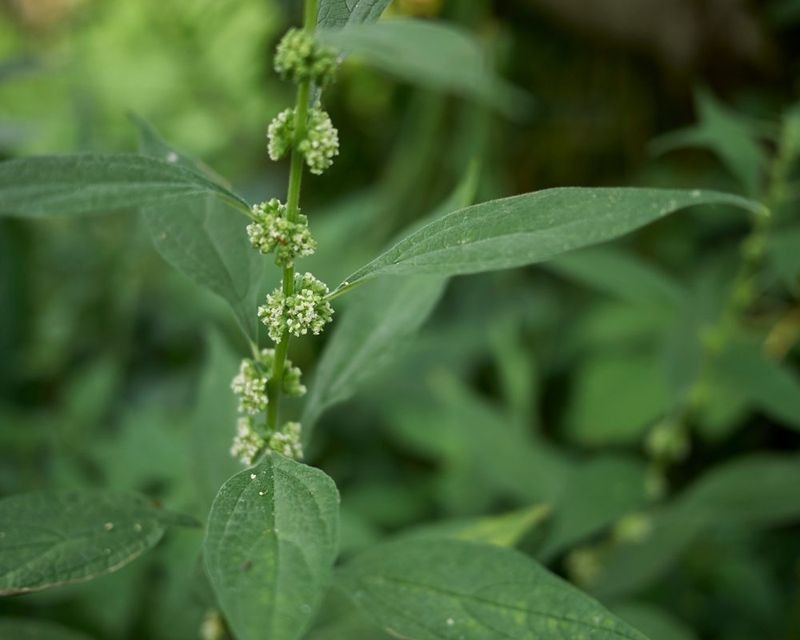
Pellitory, often overlooked in gardens, possesses a hidden power to irritate skin.
This plant’s hairs can cause contact dermatitis, a surprising trait for such an unassuming plant. Imagine brushing past it, only to find a rash forming later.
Though not as flashy as its peers, pellitory’s presence in the garden is a reminder of unseen potentials. It urges respect and caution, ensuring both beauty and safety coexist harmoniously.
22. Tansy
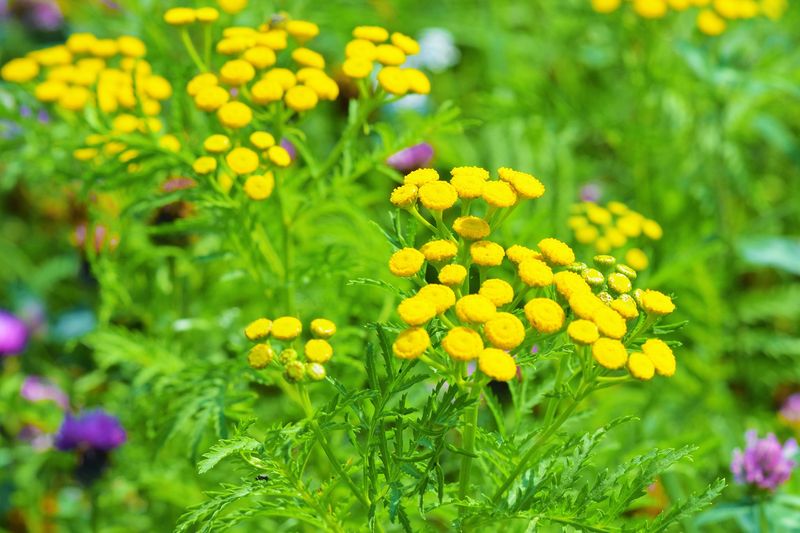
Tansy, with its vibrant yellow flowers, carries a rich history of medicinal use. However, it also holds the potential to irritate skin.
The plant contains thujone, a compound that can cause contact dermatitis in susceptible people. Picture a garden where tansy’s golden blooms catch the eye, yet pose a hidden challenge.
Gardeners should be mindful, enjoying its beauty while maintaining a respectful distance. Tansy serves as a reminder of nature’s capacity for both healing and harm.
23. Primrose
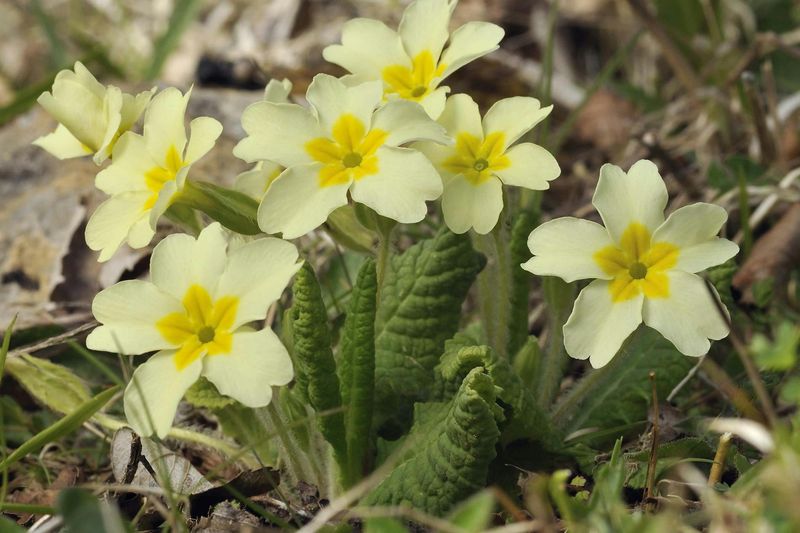
Primrose, cherished for its early blooms, can surprise gardeners with its skin irritating qualities.
The plant’s sap may cause contact dermatitis, a fact often overshadowed by its charming appearance. Envision a spring garden, where primroses herald the season’s renewal, yet whisper caution.
Despite their small size, they urge gardeners to handle them with care. Primroses highlight the subtle balance between allure and risk, instilling respect for nature’s complexities.