
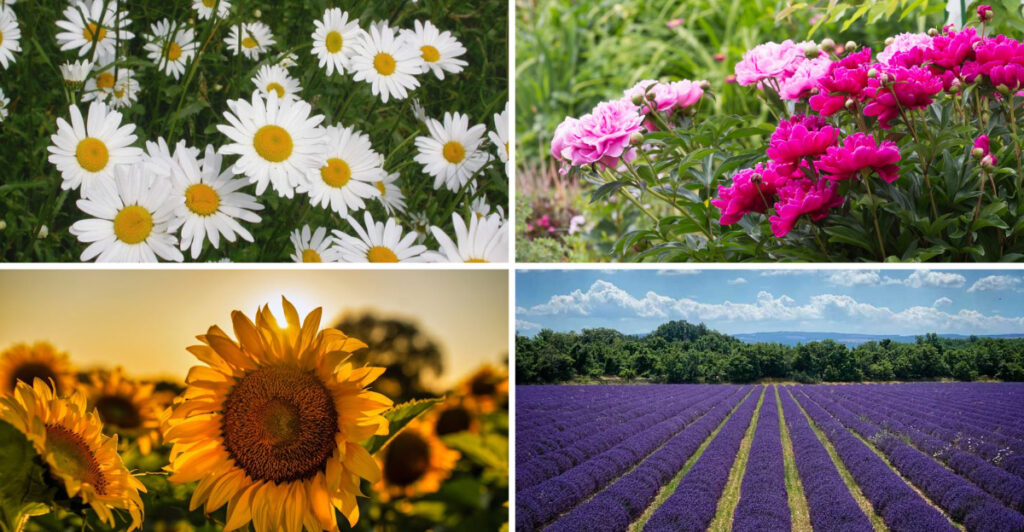
The summer solstice marks the longest day of the year, a time when the sun seems to hang in the sky, casting its warmth upon the earth. This celestial event also heralds the blooming of certain flowers that only reveal their beauty when magic peaks. These 17 flowers, each unique in their allure, are timed perfectly with the solstice, making them a wondrous sight to behold.
1. Sunflower
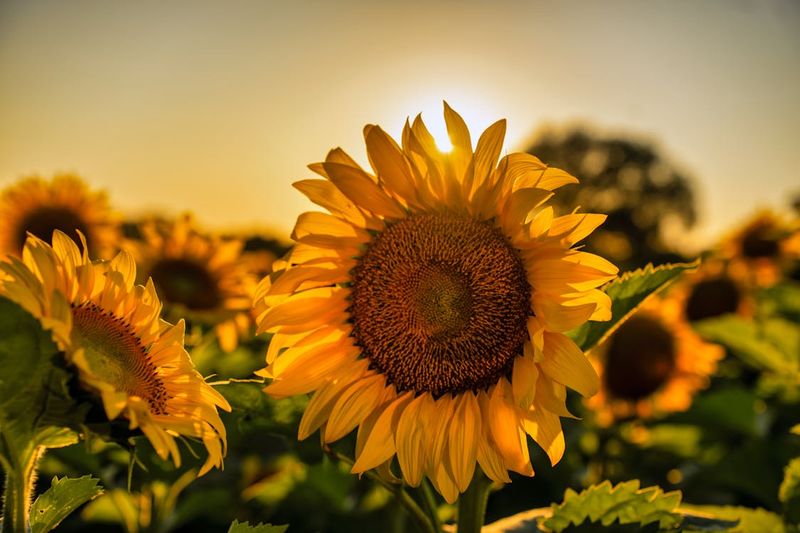
Standing tall and proud, the sunflower is the embodiment of summer’s warmth and vitality. With their golden petals and towering stalks, they seem to reach for the sky, following the path of the sun.
These cheerful blooms are a favorite among gardeners and wildlife alike, attracting bees and birds with their abundant nectar. Sunflowers have been cultivated for thousands of years, symbolizing adoration and loyalty.
Their seeds provide nourishment and are a staple in various cuisines. With their sun-like appearance, they remind us of the endless possibilities that summer holds.
2. Lavender
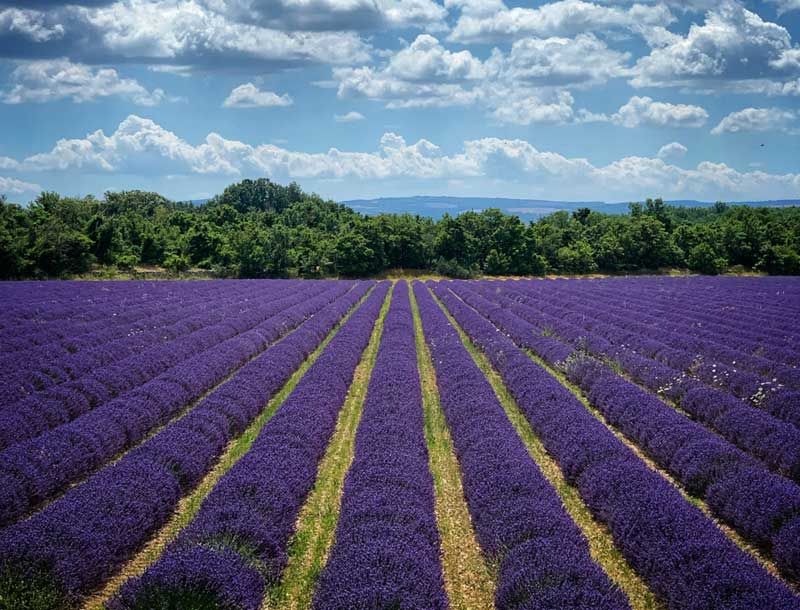
Lavender exudes a calming fragrance that has been cherished for centuries. Its purple blooms sway gently in the breeze, creating a sea of tranquility.
Known for its soothing properties, lavender is often used in aromatherapy to promote relaxation and sleep. This perennial flower is a staple in gardens, beloved for its beauty and versatility.
With a history rooted in ancient times, lavender was used by Romans in their baths and by medieval herbalists to ward off evil. Its timeless charm and healing properties make it a true symbol of serenity.
3. Peony
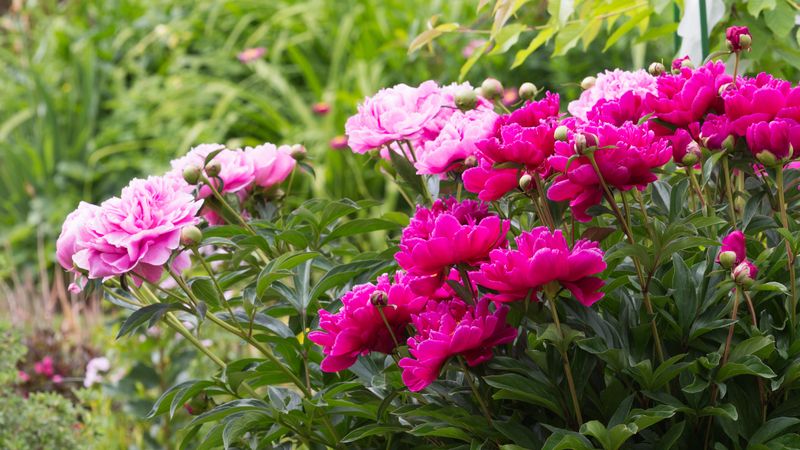
Peonies are the floral aristocrats of the garden, known for their lush, full blooms and intoxicating fragrance. Each blossom is a masterpiece of layered petals, creating an air of elegance and romance.
These flowers have been cultivated for over 2,000 years, often associated with wealth and honor in Chinese culture. Their blooms coincide perfectly with the summer solstice, adding a touch of splendor to any landscape.
Peonies can live for decades, returning each year with renewed vigor. Their enduring beauty and historical significance make them a cherished addition to any garden.
4. Daylily
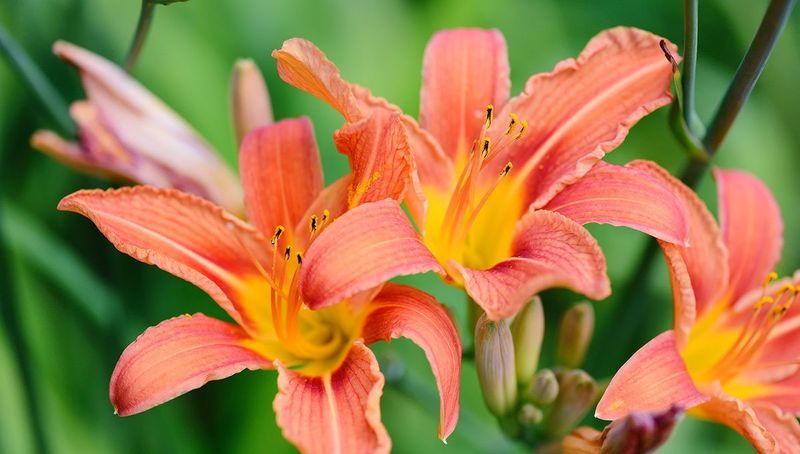
Daylilies are the epitome of fleeting beauty, with each bloom lasting just a single day. Yet, what they lack in longevity, they make up for in abundance, with new flowers emerging daily.
These resilient plants thrive in diverse climates and are a gardener’s delight for their low maintenance. Their vibrant colors and trumpet-shaped flowers are a magnet for pollinators, adding life to any garden.
Originating in Asia, daylilies have traveled the world, symbolizing motherly love in their native land. Their brief but brilliant blooms are a reminder to savor every moment.
5. Hibiscus
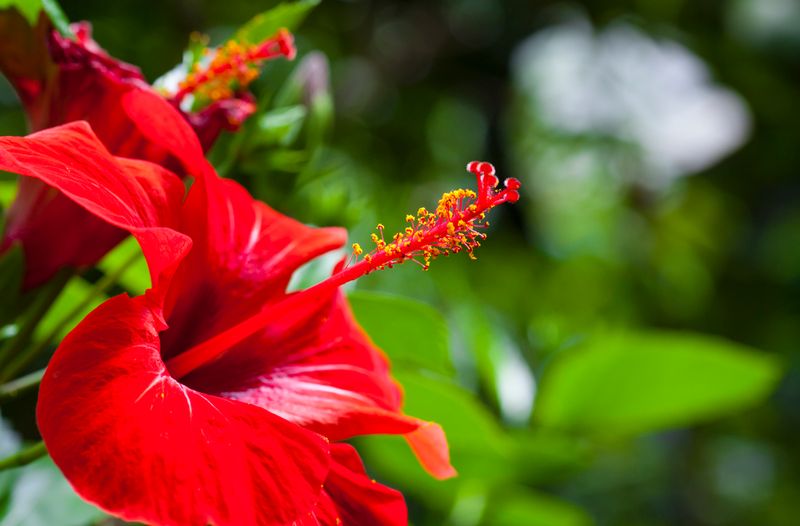
Hibiscus flowers are the tropical jewels of the garden, boasting large, vibrant blooms that capture the essence of exotic beauty. Each petal is a work of art, displaying hues that range from fiery reds to soft pinks.
These flowers are not just visually stunning but also hold cultural significance in many regions, symbolizing hospitality and warmth. Hibiscus tea, brewed from the dried petals, is a refreshing beverage enjoyed worldwide.
Their ability to thrive in warm climates and their striking appearance make them a popular choice for summer gardens, where they shine brightest under the sun.
6. Poppy
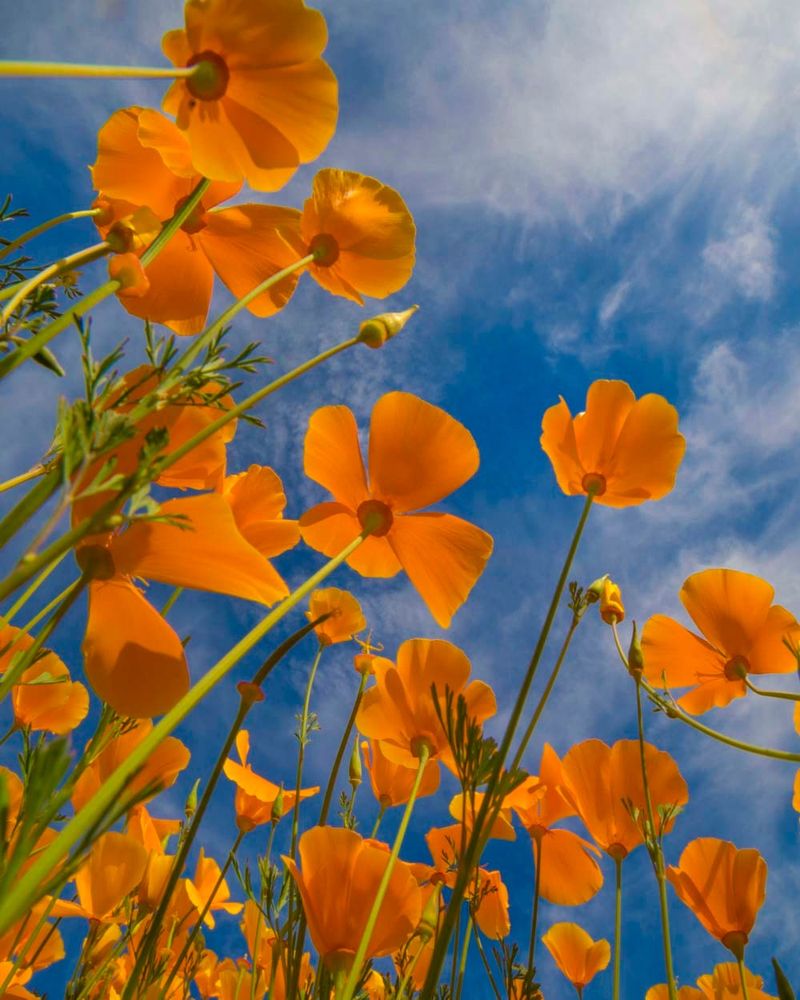
Poppies are the wildflowers of whimsy, known for their delicate, papery petals and vibrant colors. They dance in the wind, creating a mesmerizing display that captivates all who pass by.
Historically, poppies have been a symbol of remembrance and hope, often associated with the fields of Flanders from World War I. Their seeds can lie dormant for years, only to burst into life when conditions are just right.
These resilient blooms are a testament to nature’s ability to renew and surprise. With their ephemeral beauty, poppies remind us of the magic in everyday moments.
7. Foxglove
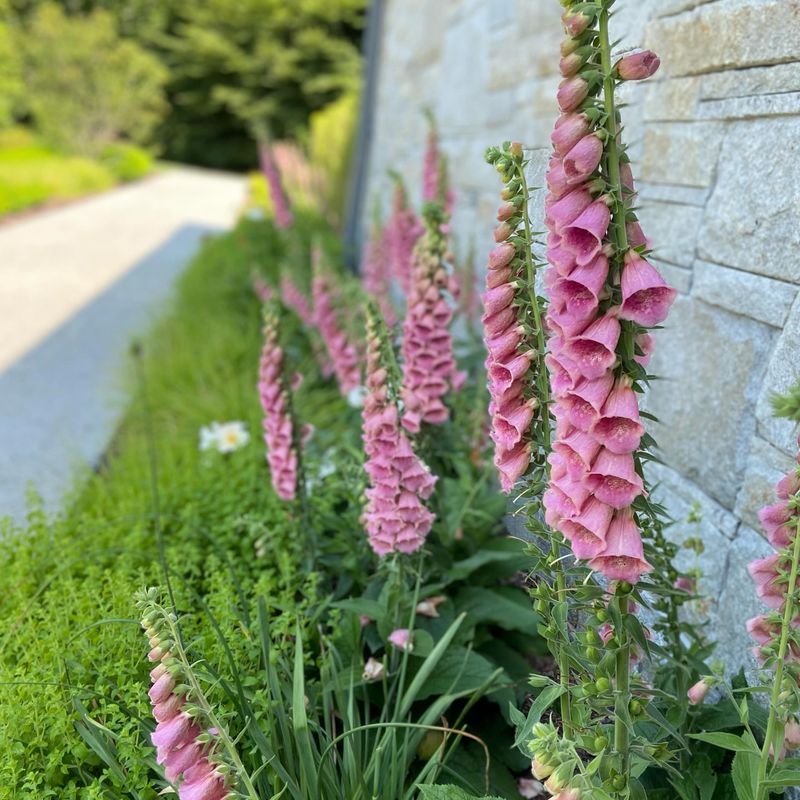
Foxgloves are the enchanting spires of the garden, with tall stalks adorned with bell-shaped flowers that seem to whisper secrets of the forest. These blooms come in shades of pink, purple, and white, adding a touch of mystique to any landscape.
They have a storied history in folklore, often associated with fairies and woodland magic. Despite their beauty, foxgloves are also known for their toxic properties, a reminder of nature’s balance between allure and danger.
Their striking appearance and mythical associations make foxgloves a captivating choice for gardeners seeking a touch of enchantment.
8. Daisy
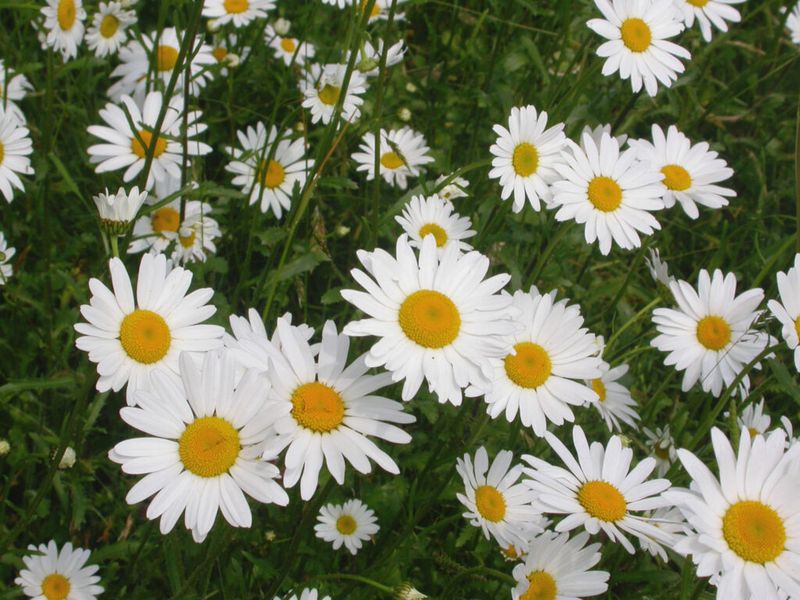
Daisies are the epitome of simplicity and joy, with their bright white petals and sunny yellow centers. They dot meadows and gardens, bringing cheer and light wherever they bloom.
These flowers are often associated with innocence and purity, making them a popular choice for bridal bouquets and springtime celebrations. Daisies are incredibly resilient, thriving in various conditions and requiring minimal care.
Their name is thought to derive from “day’s eye,” due to the way they open at dawn and close at dusk. Daisies remind us of the beauty in life’s simple pleasures.
9. Marigold
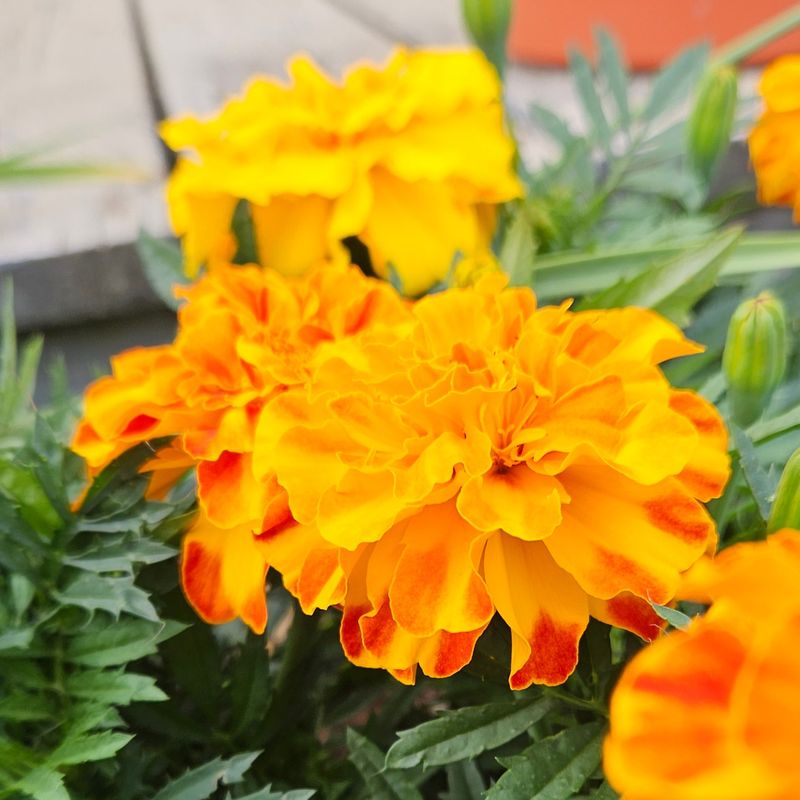
Marigolds are the fiery blossoms of the garden, known for their vibrant orange and yellow hues. These cheerful flowers are a gardener’s favorite, often used to add color and repel pests naturally.
In many cultures, marigolds hold spiritual significance and are used in celebrations and rituals, symbolizing the sun and rebirth. Their ability to thrive in various conditions makes them a practical and beautiful addition to any garden.
With their bold colors and rich history, marigolds are a testament to the power of nature’s palette, bringing warmth and vitality wherever they grow.
10. Iris
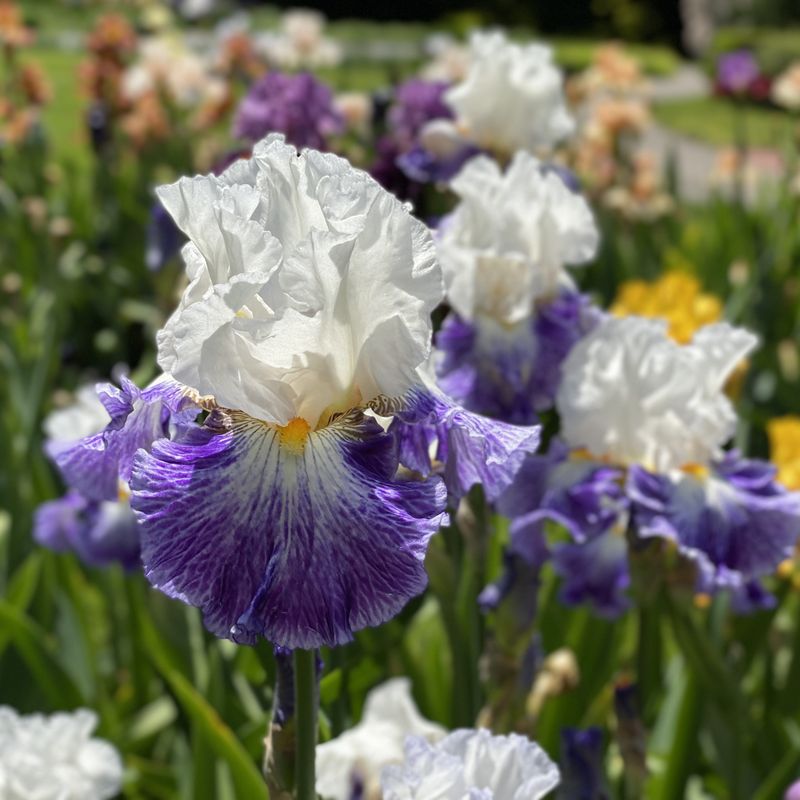
Irises are the artists of the flower world, with their intricate, ruffled petals and striking colors. Each bloom is a masterpiece, showcasing shades of blue, purple, yellow, and white.
These flowers have a rich history, named after the Greek goddess of the rainbow, and have been cultivated for over 2,000 years. Irises are a symbol of hope and wisdom, often used in art and literature.
Their unique beauty and historical significance make them a cherished addition to gardens worldwide. Irises remind us of the elegance and grace found in the natural world.
11. Lupine
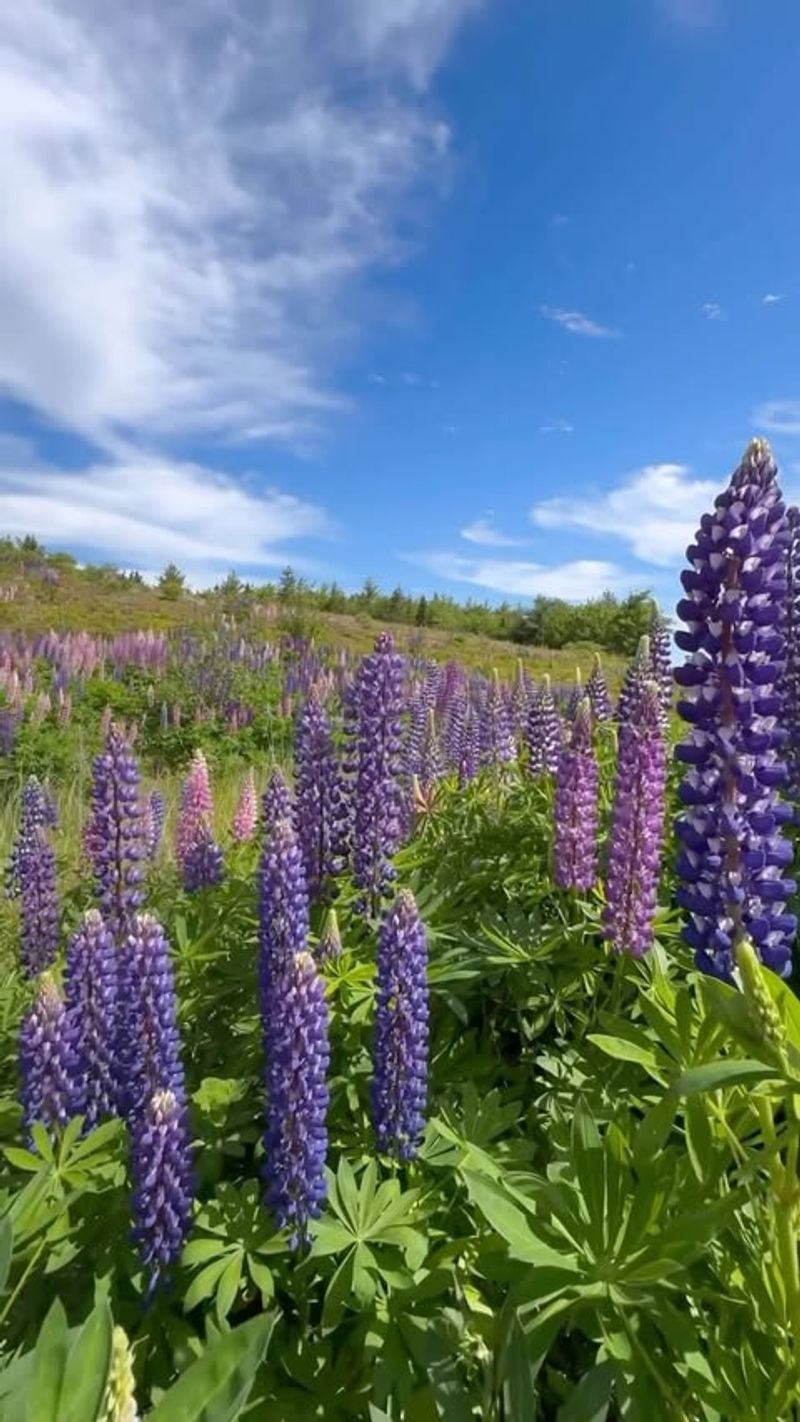
Lupines are the architectural marvels of the garden, with tall, spiky blooms that command attention. Their flowers come in a variety of colors, from deep blues and purples to vibrant pinks and yellows.
These plants are not only beautiful but also beneficial to the environment, as they fix nitrogen in the soil, improving fertility. Lupines have a wild, untamed allure, often found in meadows and along roadsides.
Their ability to thrive in poor soil conditions makes them a gardener’s ally. Lupines remind us of nature’s resilience and its capacity to transform and restore.
12. Zinnia
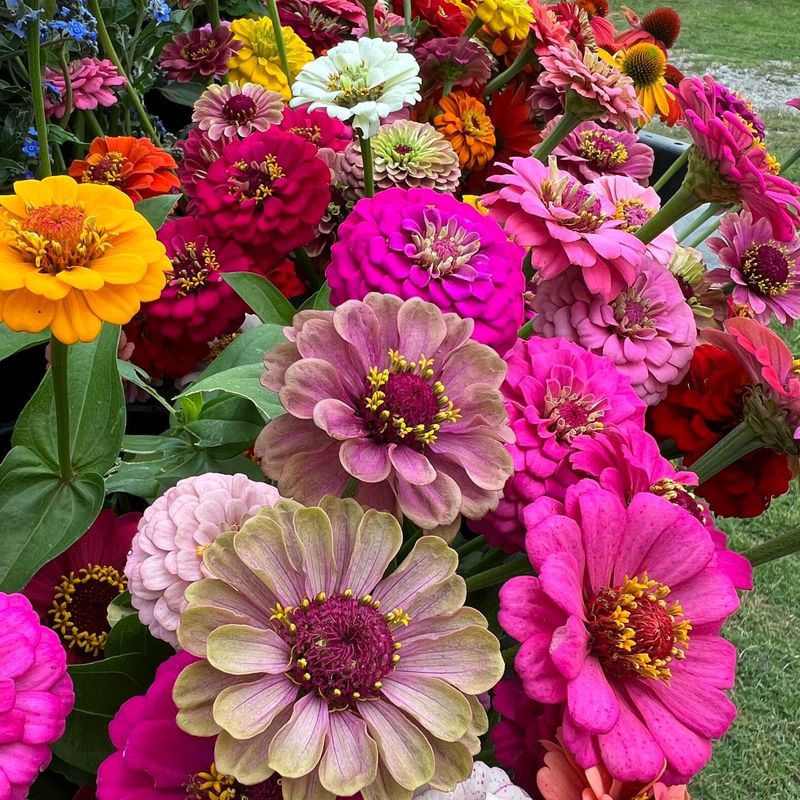
Zinnias are the vibrant performers of the flower world, bursting with color and life. Their blooms come in a rainbow of hues, from bold reds and oranges to soft pinks and purples.
These flowers are a favorite among gardeners for their long-lasting blooms and ability to attract butterflies. Zinnias are easy to grow and thrive in sunny locations, making them a staple in summer gardens.
Originating in Mexico, they were named after the German botanist Johann Zinn. Zinnias remind us of the joy and exuberance that summer brings, with their cheerful presence illuminating any space.
13. Cosmos
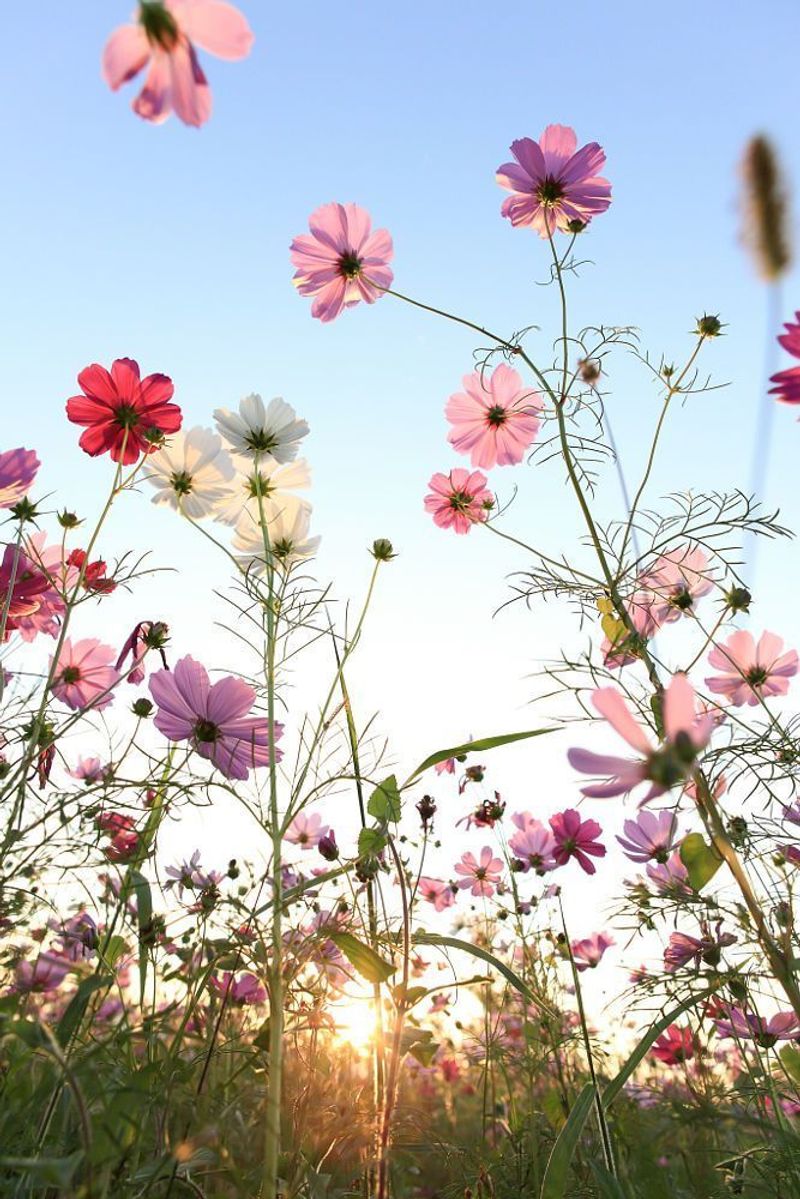
Cosmos are the carefree dancers of the garden, with delicate, airy blooms that sway gracefully in the wind. Their flowers, in shades of pink, white, and red, create a dreamy, ethereal landscape.
These plants are beloved for their ease of care and ability to attract pollinators, making them a valuable addition to any garden. Cosmos are native to Mexico, where they grow wild along roadsides and in fields.
Their name, meaning “harmony” in Greek, reflects their well-balanced beauty. Cosmos remind us to find joy in the simple pleasures of life, with their gentle elegance.
14. Gladiolus
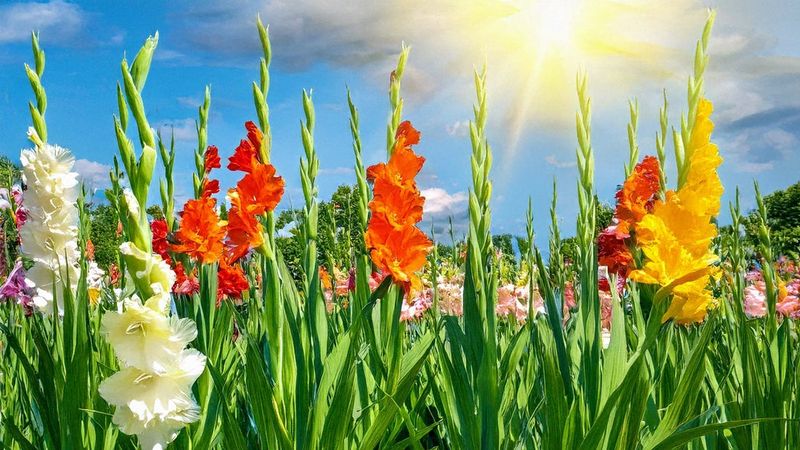
Gladiolus are the stately sentinels of the garden, with tall, sword-like spikes of flowers that command attention. Their blooms come in a spectrum of colors, from soft pastels to bold, vibrant shades.
These flowers have a rich history, symbolizing strength and integrity, and were considered the flower of the gladiators in ancient Rome. Gladiolus are often used in floral arrangements for their striking appearance.
Their ability to stand tall and proud in the garden makes them a popular choice for summer displays. Gladiolus remind us of the power and grace inherent in nature’s design.
15. Black-eyed Susan
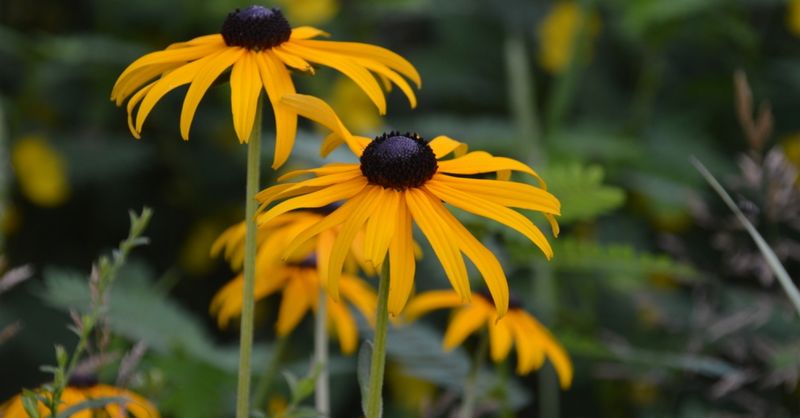
Black-eyed Susans are the sunny optimists of the garden, with bright yellow petals and dark, contrasting centers. Their cheerful blooms are a staple in meadows and wildflower gardens, bringing a touch of sunshine wherever they grow.
These flowers are known for their resilience, thriving in various conditions and requiring minimal care. They are often used in prairie restoration projects due to their ability to attract pollinators and support wildlife.
Their name is thought to derive from an old English poem, symbolizing justice and fairness. Black-eyed Susans remind us of the warmth and vitality of summer.
16. Coreopsis
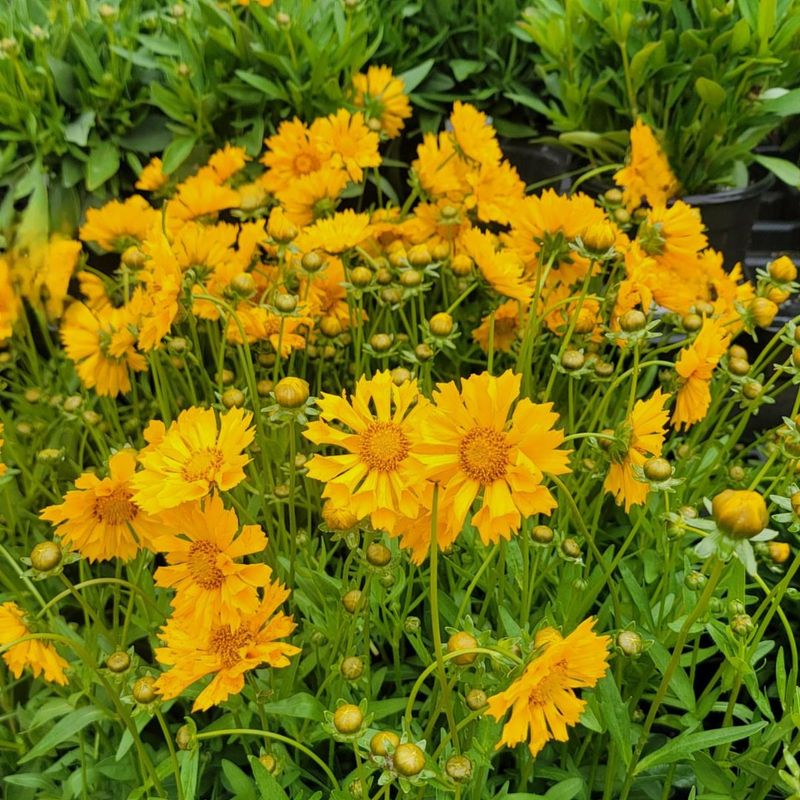
Coreopsis are the cheerful beacons of the garden, known for their bright yellow blooms and delicate, fern-like foliage. These flowers are a gardener’s delight, bringing color and life to any sunny spot.
Often referred to as “tickseed,” coreopsis are prized for their long blooming season and ability to attract butterflies. They are easy to care for, thriving in a variety of soil conditions and requiring little water.
Native to North America, coreopsis have a natural, wild beauty that makes them a favorite in meadow plantings. These flowers remind us of the joy and brightness that nature brings.
17. Morning Glory
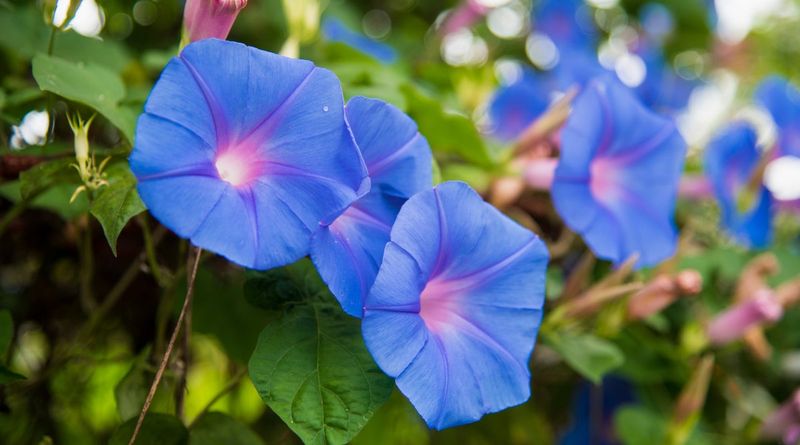
Morning glories are the early risers of the garden, with their trumpet-shaped blooms unfurling at dawn to greet the day. These climbing plants add vertical interest and charm to any garden, with flowers in shades of blue, pink, and purple.
Morning glories are known for their rapid growth and ability to cover fences and trellises in no time. Their blooms only last a single day, but new flowers open each morning, creating a continuous display.
These flowers are often associated with love and affection, symbolizing the fleeting beauty of life. Morning glories remind us to cherish each day as it comes.