
Gardening enthusiasts often turn to popular tips to enhance their gardens. However, not every piece of advice is beneficial. In fact, some can be downright disastrous. Here, I share eight gardening tips that nearly led my garden to ruin. From planting mishaps to watering woes, these experiences taught me invaluable lessons. Join me as I navigate the pitfalls of following well-meaning but ill-advised gardening tips.
1. Over-Watering Woes
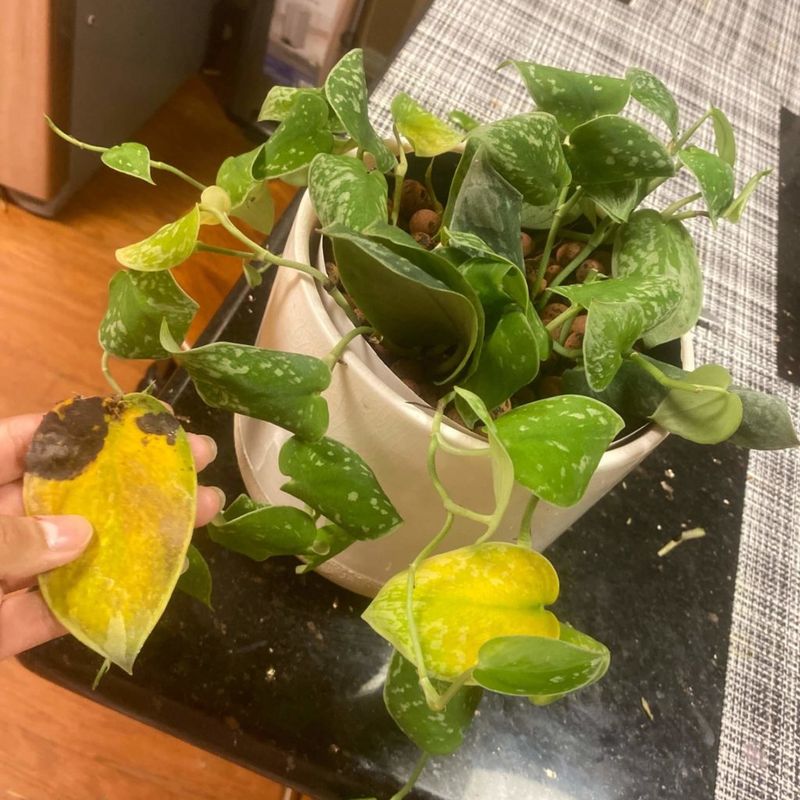
Over-watering is a common mistake among gardeners, myself included. “More water, better growth,” I thought. But my plants soon began to wilt. Excess water suffocated the roots, leading to disease. Not all plants require the same watering schedule. The key is observing the soil. If it’s damp, hold off. I learned to trust nature’s cues. Now, my garden thrives with just the right moisture. A moisture meter can be handy. It provides a more accurate reading than guesswork. Remember, too much of a good thing can spell disaster. Water wisely to maintain a flourishing garden.
2. Chemical Fertilizer Fiasco
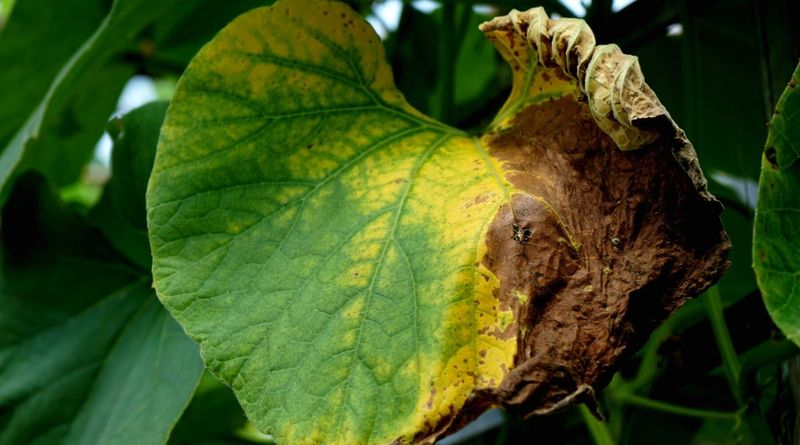
The allure of fast growth led me to chemical fertilizers. I imagined vibrant blooms and rapid vegetable growth. Instead, my plants showed signs of burn. The chemicals were too harsh. Organic alternatives, like compost, provide nutrients without the risk of damage. They enrich the soil gradually. It’s essential to read fertilizer labels and understand plant needs. Each species has unique requirements. Over-fertilization can lead to salt buildup and root damage. Less is often more when it comes to feeding plants. Embrace organic solutions for sustainable growth.
3. Pruning Panic
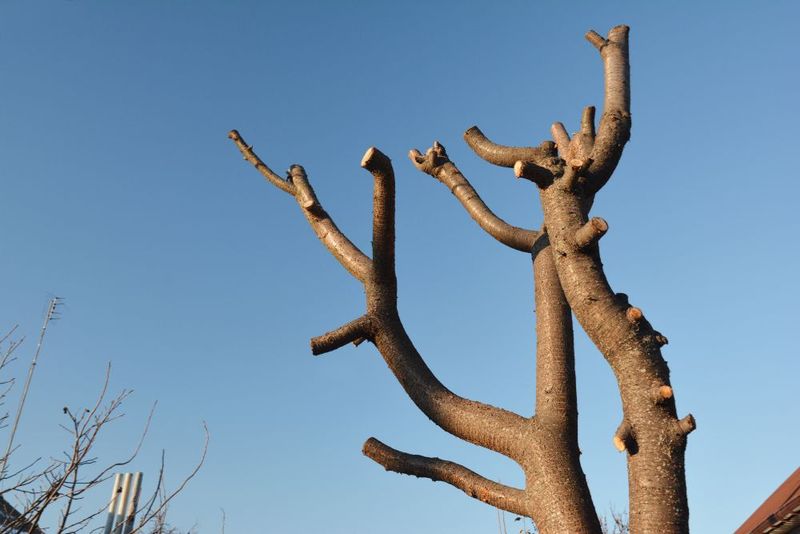
Eager to promote growth, I pruned excessively. “More pruning, less crowding,” was my mantra. But the shock was too much. Plants need time to recover from cuts. Over-pruning exposes them to pests and disease. It’s crucial to research specific pruning techniques for each plant. Timing matters, too. Some species prefer late winter, others early spring. The art of pruning lies in balance. Remove dead or diseased branches first. Then, trim lightly to shape. Patience is key. A well-pruned plant is healthier and more resilient.
4. Mulching Mayhem
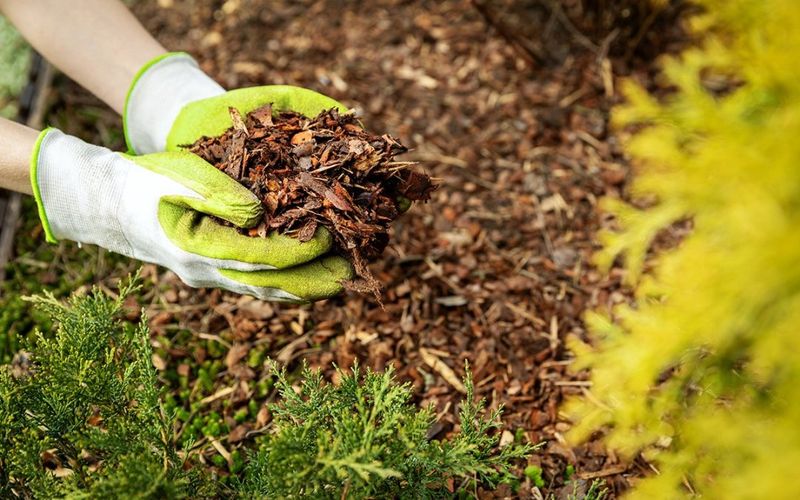
Mulch is a gardener’s friend, but too much can smother plants. I learned this the hard way. A thick layer retained moisture but restricted airflow. Root rot set in. It’s vital to use mulch sparingly and keep it away from stems. An inch or two suffices. Mulch acts as a blanket, maintaining soil temperature and moisture. Yet, moderation is crucial. Different materials offer various benefits. Choose wisely based on plants and climate. Avoid the urge to overdo it. A well-mulched garden is a happy garden.
5. Planting Proximity Problems
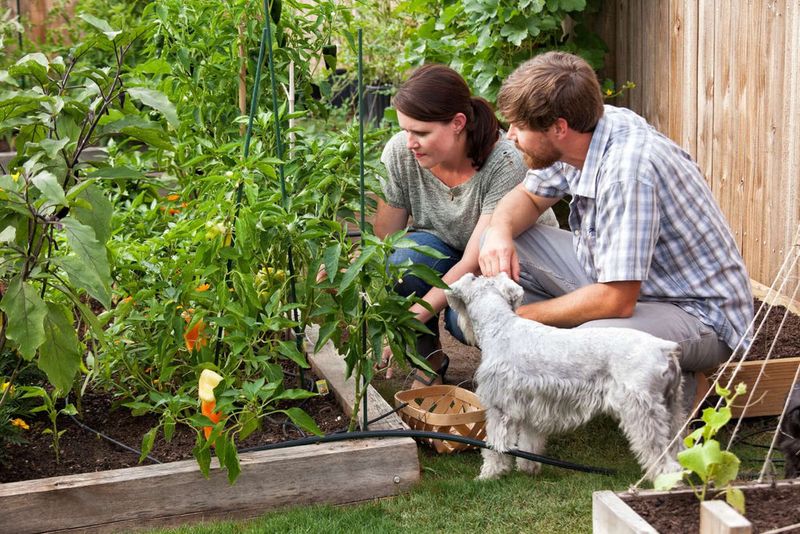
In my enthusiasm, I planted seeds too close. “More plants, more yield,” I thought. But this led to competition for space and nutrients. Air circulation suffered, inviting disease. Each plant needs room to breathe and grow. Proper spacing ensures healthier plants and better yields. It also makes maintenance easier. Crowded beds can be more susceptible to pests. As I learned, quality trumps quantity. Plan your layout and resist the urge to cram. A spacious garden allows for robust growth and a bountiful harvest.
6. Pest Control Paradox

In my fight against pests, I went overboard with pesticides. The result? Beneficial insects were wiped out alongside the pests. This upset the garden’s balance. Integrated pest management is the way forward. It combines natural predators and minimal chemical use. Plants can self-regulate if given the chance. Too many chemicals harm the ecosystem. Target only the problematic pests and preserve the helpers. A balanced garden is more resilient. Embrace diversity. Each creature plays a role in maintaining harmony.
7. Companion Planting Chaos
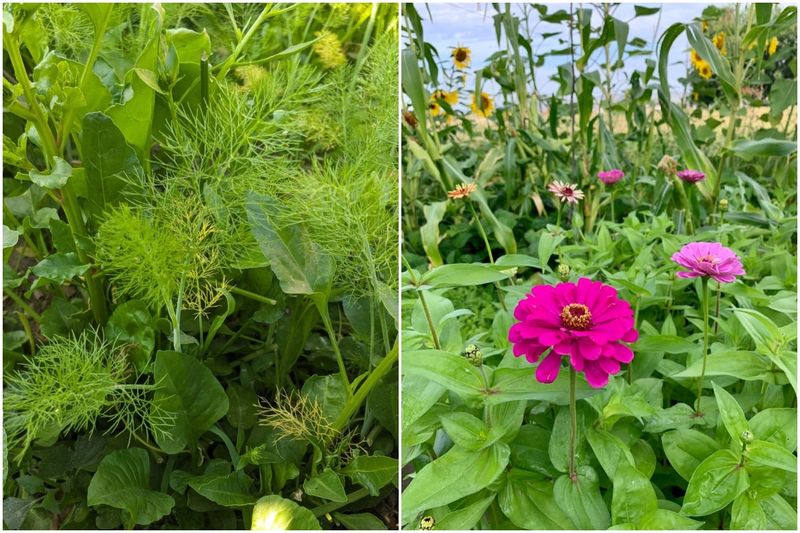
Companion planting intrigued me. I hoped for mutual benefits. But not all plants play well together. Some emit chemicals that hinder neighbors. For example, fennel and dill can stunt each other’s growth. Research is vital before pairing plants. Learn about beneficial combinations. They can deter pests and enhance flavors. Yet, incompatibility can spell trouble. My garden taught me that knowledge is power. Plan carefully and observe. Successful companion planting creates a thriving, interconnected environment. Balance and harmony lead to a fruitful garden.
8. Soil Amendment Adventures
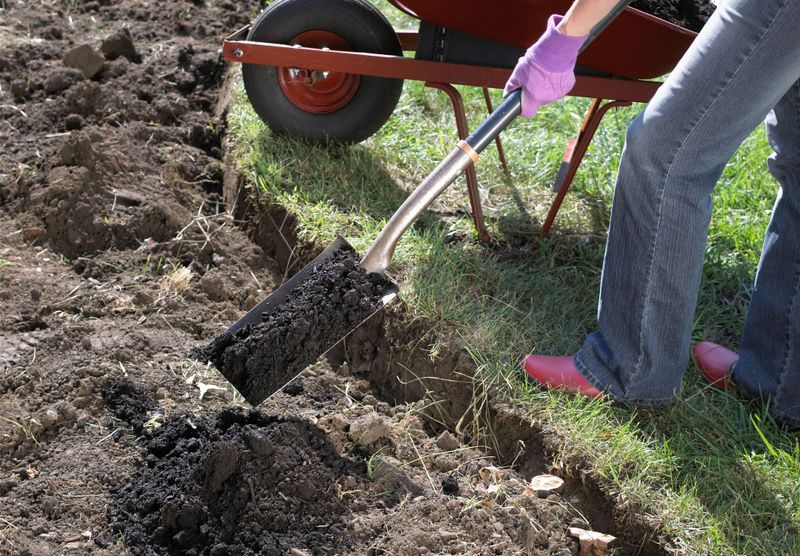
I eagerly amended my soil, expecting miracles. But my hasty additions led to imbalance. pH levels skewed and plants struggled. Soil testing is essential. It reveals deficiencies and guides appropriate amendments. Each plant has unique soil preferences. Tailor your amendments accordingly. Lime can alter pH, while compost boosts nutrients. It’s not a one-size-fits-all approach. The wrong amendment can do more harm than good. Patience and research are key. Tailored care nurtures a thriving garden. Remember, it’s all about balance and understanding.
9. Coffee Grounds Catastrophe
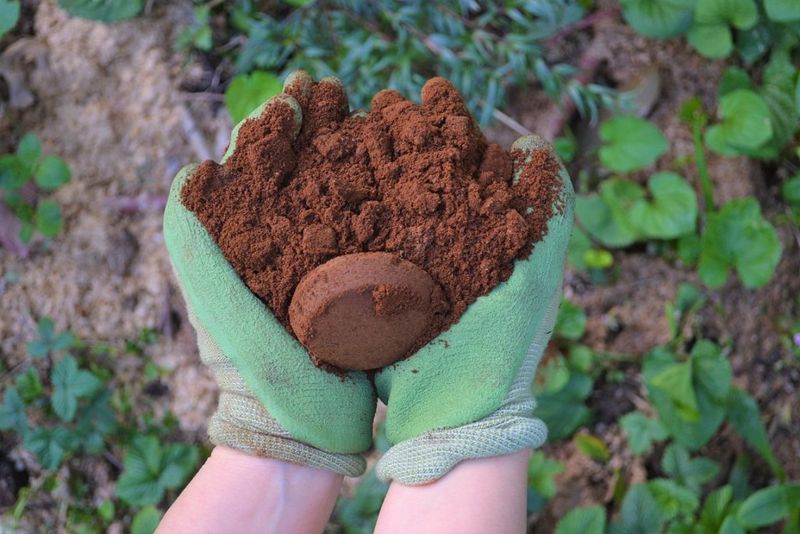
Sprinkling coffee grounds seemed like an eco-friendly fertilizer. However, it created a crusty surface, blocking water penetration. I noticed my plants wilting, their roots unable to access moisture. The rich aroma attracted pests, too, which was unexpected.
Trying this in my sunny backyard, the grounds dried quickly, making matters worse. I had to carefully rake the grounds into the soil to alleviate the damage. Lesson learned: moderation is key.
A surprising downside was the persistent smell, which lingered more than I liked, affecting the garden’s natural fragrance.
10. Eggshell Excess
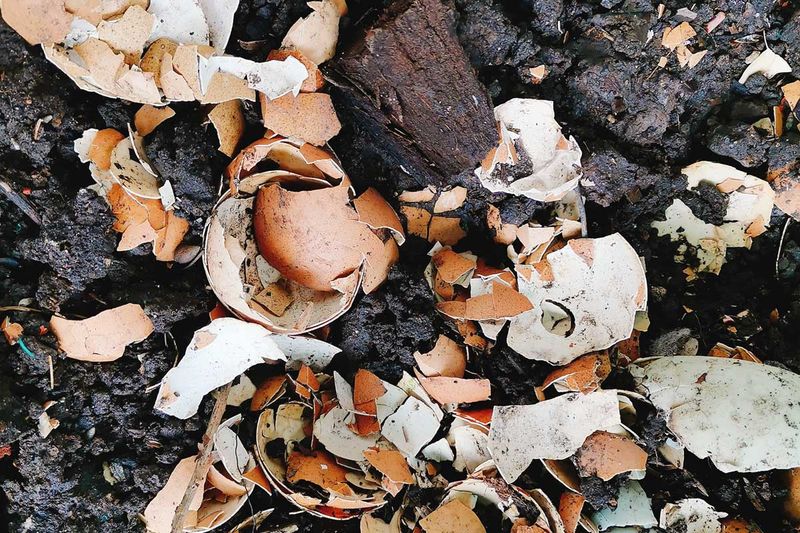
Crushed eggshells promised to deter pests and enrich the soil. Yet, my garden became littered with sharp shell pieces, creating a hazard. Instead of repelling pests, it seemed to attract more adventurous insects.
The shells didn’t break down as swiftly as anticipated, leaving an unsightly mess. My plants, instead of thriving, showed mild distress.
This method required more patience and processing than I initially thought. The sharp edges also posed a risk while walking barefoot. Now, I know to crush them finer or compost them first.
11. Vinegar Weed Woes
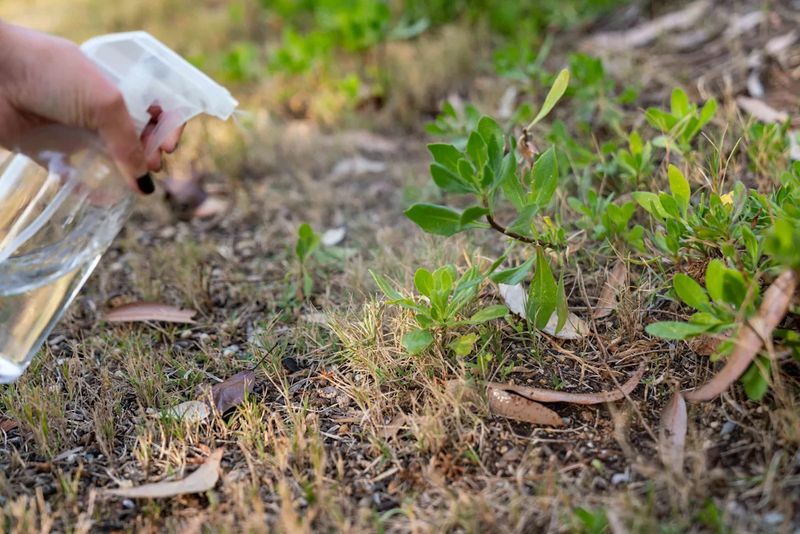
Using vinegar as a natural weed killer sounded perfect. But it led to unexpected results. Not only did it affect the weeds, but my cherished plants showed signs of stress.
The acidity was too much for delicate flowers, causing leaf burn. I had to remove the damaged leaves carefully and wash the soil.
This tip, although seemingly effective, needs precision and spot treatment. Broad application can lead to more harm than good, especially in a mixed garden environment.
12. Banana Peel Blunder
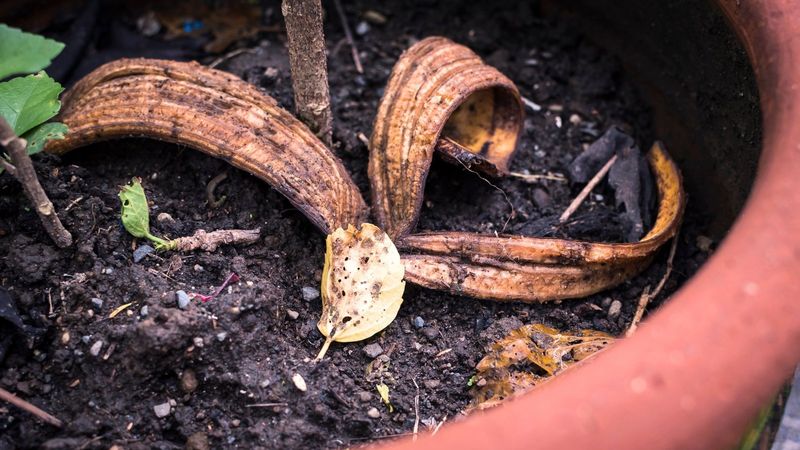
I tried using banana peels for a potassium boost. While it seemed logical, the results were disappointing. The peels attracted unwanted pests like flies and ants.
Instead of decomposing quickly, they lingered, causing my plants’ leaves to yellow. The nutrient imbalance was evident, demanding immediate correction.
The idea of recycling kitchen waste was appealing, but execution mattered. I’ve since buried them deeper or composted them first to avoid surface problems. This experience taught me to research thoroughly before applying such tips.
13. Over-Mulching Madness
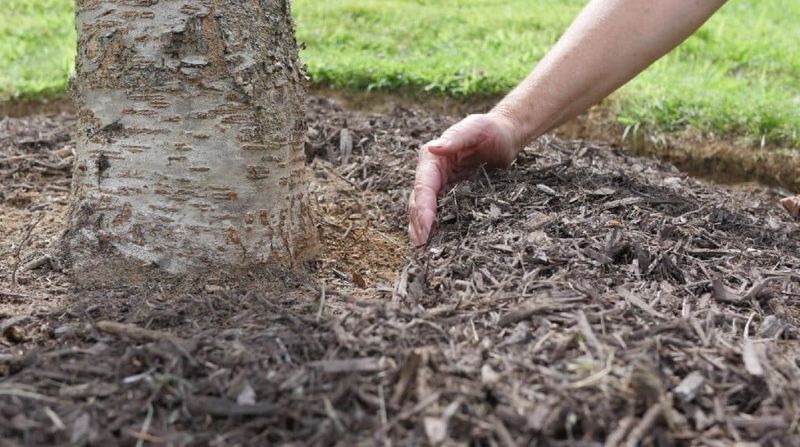
Mulching too much seemed harmless, yet it suffocated my plants. The thick layer trapped moisture, creating a humid microclimate. My plants showed signs of fungal growth and slowed growth.
I had to thin the mulch to allow better air circulation. This tip is often misunderstood, where less can indeed be more.
The challenge was maintaining the right balance to protect roots without harming them. A lesson in moderation, this experience emphasized the need for careful application.
14. Soap Spray Snafu
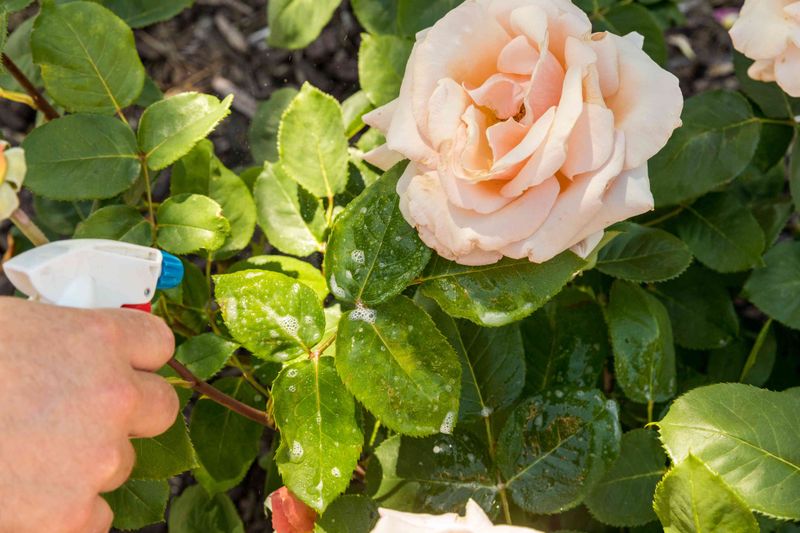
Homemade soap spray for pest control was my DIY disaster. The solution was too strong, leaving plants with dry, curling leaves.
I underestimated the soap’s potency, applying it in the heat of midday. This exacerbated the issue, causing more damage than pests would.
The experience highlighted the importance of dilution and timing. I learned to test on a small area first. This was a classic case of good intention leading to adverse effects, reminding me to approach DIY solutions with caution.
15. Baking Soda Blight
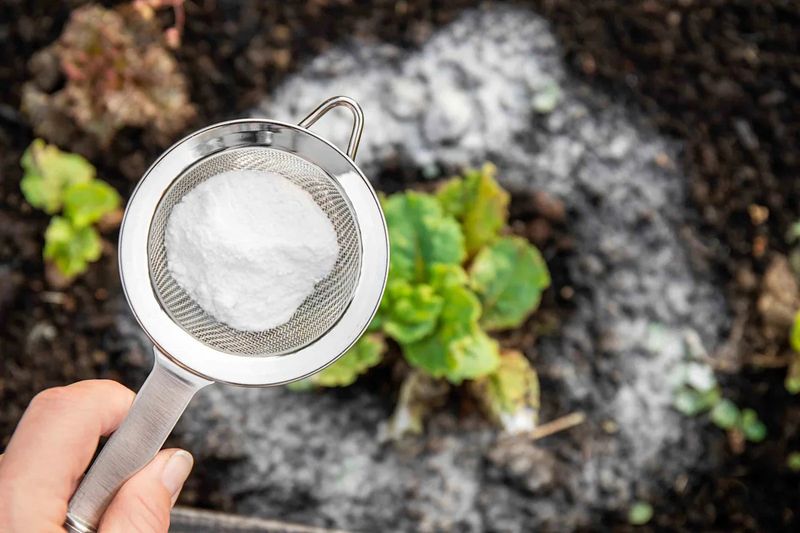
Using baking soda to combat fungus seemed ideal. However, its high pH was harsh, leaving a white residue and causing wilting.
My plants struggled with this unexpected side effect, requiring a gentle wash and soil adjustment. The baking soda, while versatile, was not a one-size-fits-all solution.
The application required more finesse and less frequency. I discovered the importance of understanding the chemical impact on delicate ecosystems. This was a stark lesson in chemistry experimentation gone awry.
16. Epsom Salt Excess
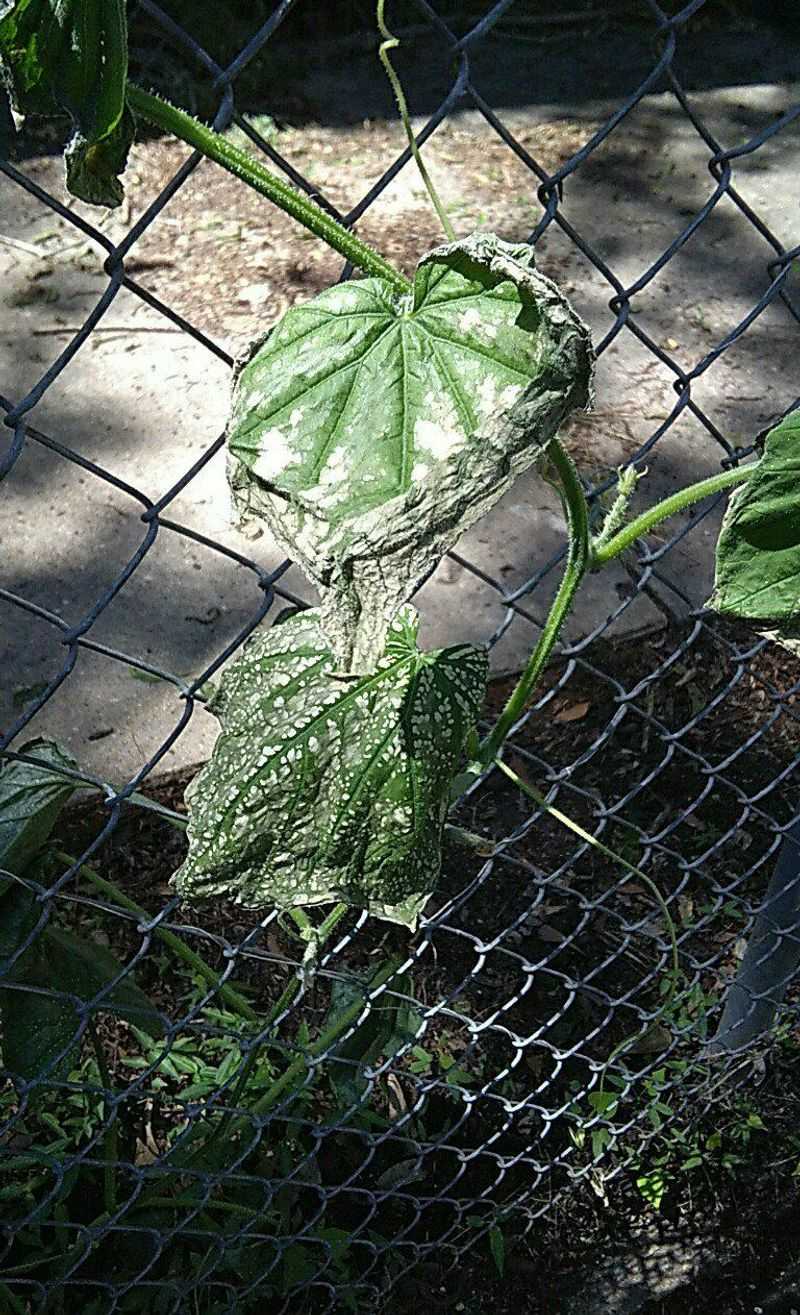
Epsom salt for greener leaves backfired. My garden showcased dark spots instead. The sulfur and magnesium content was too high for my soil.
Instead of invigorating growth, it stressed the plants. I had to flush the soil to restore balance. This tip required soil testing, which I overlooked initially.
It’s crucial to assess soil needs before adding supplements indiscriminately. This experience taught me the value of precision in gardening. Less sometimes truly is more in plant care.
17. Hydrogen Peroxide Hiccup
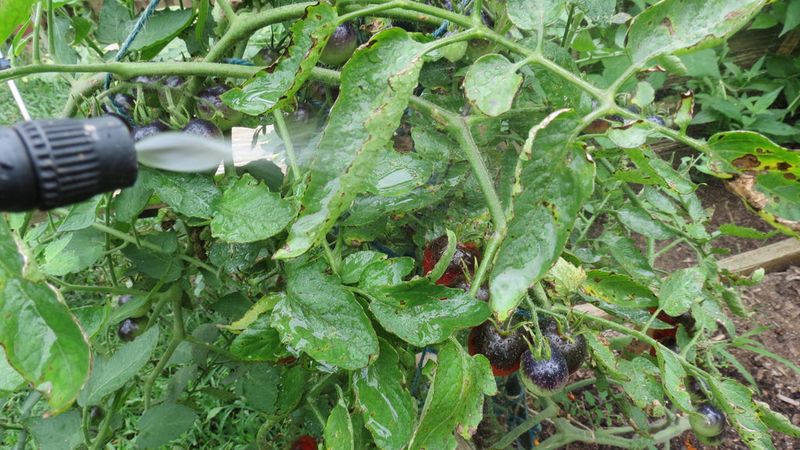
Hydrogen peroxide seemed a miraculous cure for root rot. In reality, it bleached my plants’ leaves and caused more harm than healing.
Applying it directly was my mistake, leading to leaf burn and stressed roots. I had to dilute it significantly and apply with caution.
This incident underscored the importance of thorough research and testing. What’s often touted as a cure-all can be detrimental if misused. It’s a reminder that natural remedies require knowledge and care.
18. Salt Scatter

Using salt to deter slugs seemed clever but was disastrous. It dried out the soil, causing my plants to droop.
The method backfired, requiring immediate soil flushing to save my garden. Salt, while effective in moderation, was too harsh in my application.
I learned the hard way that some tips need more consideration and understanding of their repercussions. This experience taught me to prioritize plant health over quick fixes. Precision and care in gardening techniques are irreplaceable.
19. Beer Trap Trouble
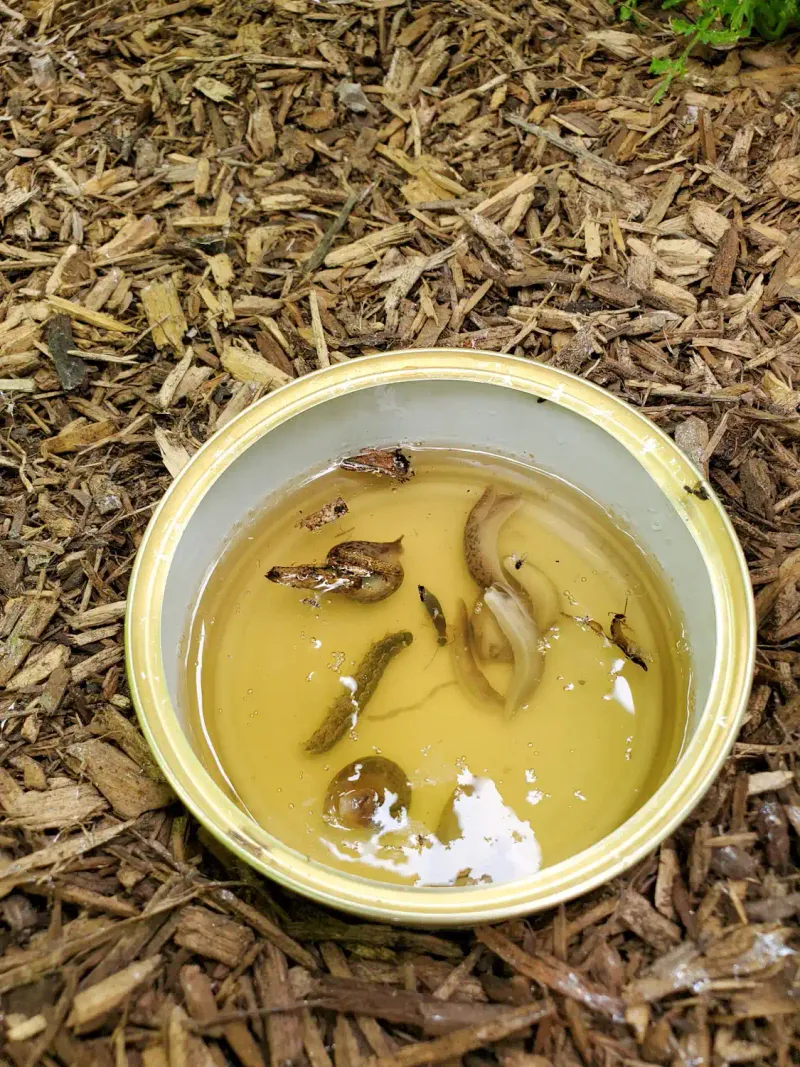
Setting up beer traps for slugs was initially promising yet proved ineffective. While it did attract slugs, it left a slimy residue and caught only a few.
The traps needed frequent changing, and the smell was off-putting. My garden’s aesthetics suffered, and the slug problem persisted.
This approach required more maintenance than anticipated, with marginal results. I’ve since explored alternative methods, deciding that innovation should not compromise cleanliness or efficacy. This was a clear lesson in evaluating practicality and result.