 Complete Gardening
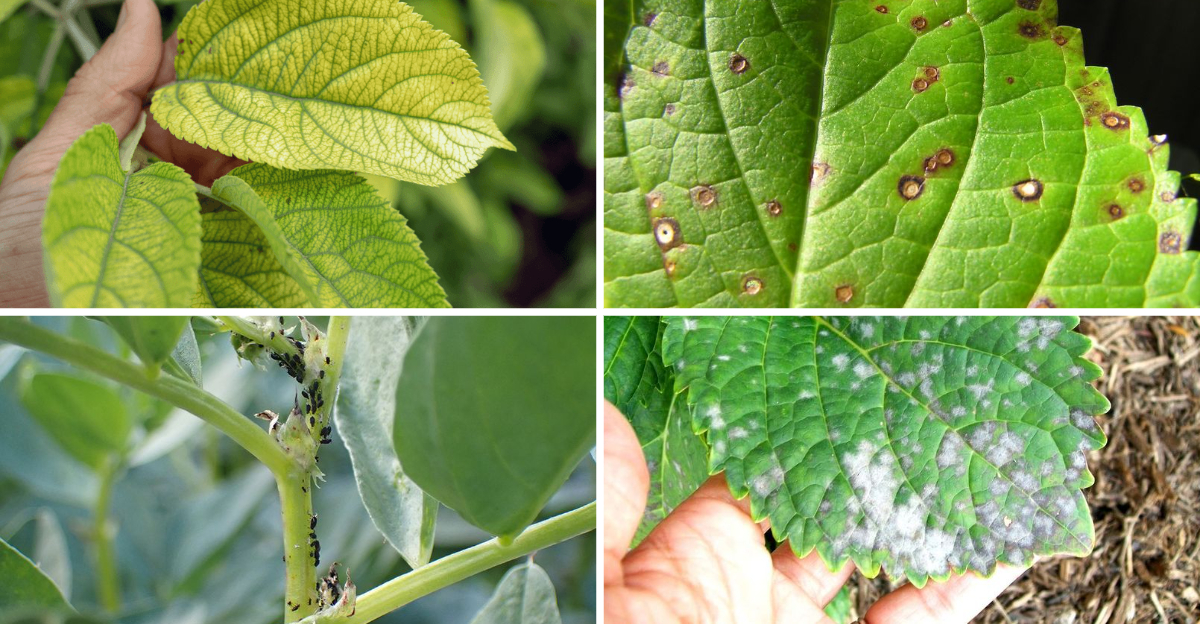
Hydrangeas, with their lush blooms and vibrant colors, are a favorite among gardeners. However, their beauty can be deceiving as they require specific care to thrive. This guide explores 17 hidden threats that could be lurking in your garden, unknowingly harming your hydrangeas. From pests to environmental challenges, we uncover the culprits. But fear not! We also delve into 13 effective strategies to boost their growth, ensuring your garden remains a floral paradise. Whether you’re a seasoned gardener or a budding enthusiast, these tips will provide the knowledge you need to keep your hydrangeas flourishing.
1. Root Rot: The Silent Killer
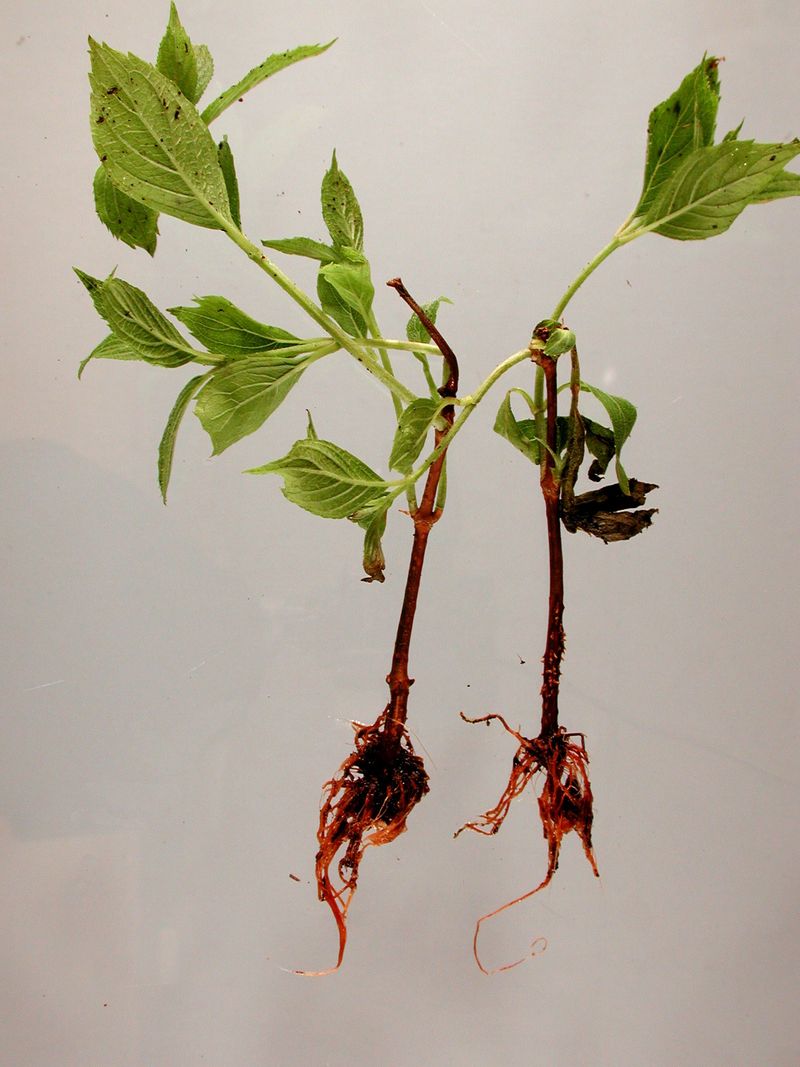
Root rot is a deceiver, quietly attacking your hydrangeas from beneath the soil. This fungal disease thrives in overly wet conditions. When the roots are starved of oxygen, they suffocate, leading to wilting and yellowing leaves. The first sign is often poor plant growth.
Avoid overwatering, and ensure proper drainage to prevent this lethal threat. A well-drained soil mix can be your hydrangea’s best friend. Catching root rot early can save your beautiful blooms.
Did you know? Rot can disguise itself as nutrient deficiency, making it tricky to identify at first glance.
2. Powdery Mildew Menace
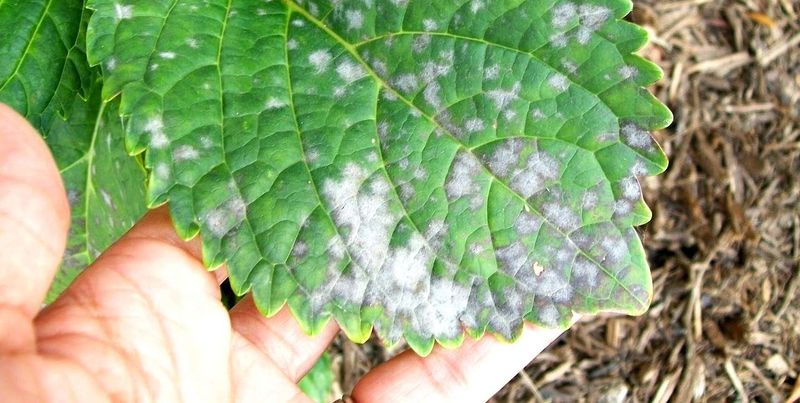
Powdery mildew loves cloudy, humid conditions. It appears as a white dust on leaves and stems, blocking photosynthesis and weakening the plant. This fungus spreads quickly if not addressed.
Use a fungicide or homemade remedy to tackle the spread. Ensuring good air circulation around your plants can prevent mildew from settling.
Did you know? Powdery mildew isn’t just a nuisance; it can seriously stunt your hydrangea’s growth if left unchecked.
3. Aphid Invasion
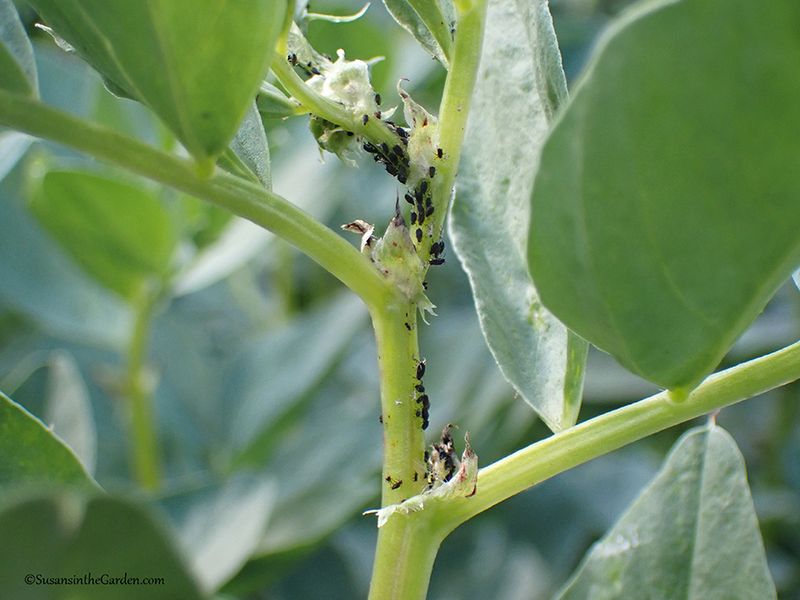
Tiny and troublesome, aphids can quickly become a gardener’s nightmare. These pests suck sap from plants, causing leaves to curl and distort. Aphids often leave a sticky residue, attracting more pests.
Introducing ladybugs or using insecticidal soap can combat these intruders. Keep a close watch, as aphids reproduce rapidly.
Fun fact: Did you know that a single aphid can give birth to up to 12 offspring a day? Their numbers can explode in no time!
4. Snail and Slug Assault
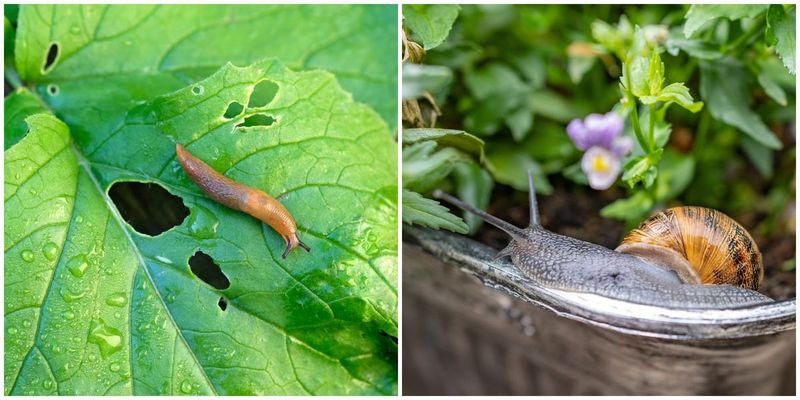
Snails and slugs feast on hydrangeas under the cover of night. Their munching habits create holes and jagged edges on leaves. These creatures thrive in damp, shady environments.
Using barriers or natural predators, like ducks, can help control their population.
Interesting tidbit: Slugs can travel up to 13 inches per hour, leaving a trail of destruction behind!
5. Leaf Spot Trouble
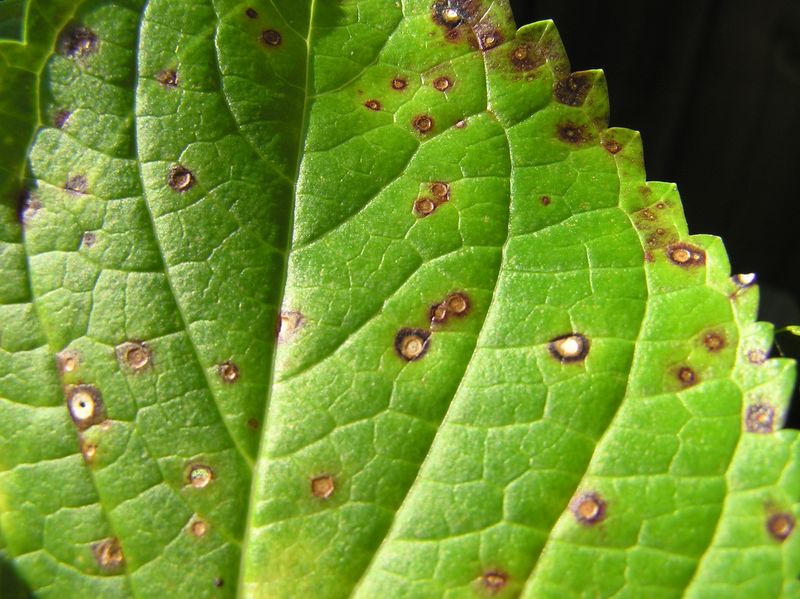
Leaf spot disease manifests as unattractive brown or black spots on foliage. These blemishes can merge, leading to larger areas of dead tissue and weakened plants.
Prune affected leaves and apply a fungicide to protect your hydrangeas. Keeping leaves dry can minimize the risk of infection.
Did you know? Leaf spot diseases are most prevalent in late spring and early summer, coinciding with the blooming season.
6. Chlorosis: The Yellowing Curse
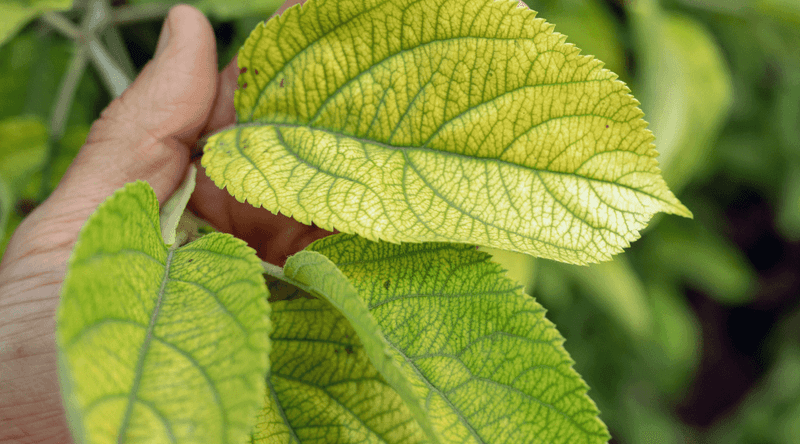
Chlorosis turns lush, green leaves into pale, yellow shadows of their former selves. This condition arises from iron deficiency, impacting photosynthesis.
Soil amendments and iron supplements can reverse the damage. Testing the soil can pinpoint nutrient imbalances.
Fun fact: Chlorosis can affect many plants, but hydrangeas are particularly susceptible due to their specific soil pH needs.
7. Improper Pruning Practices
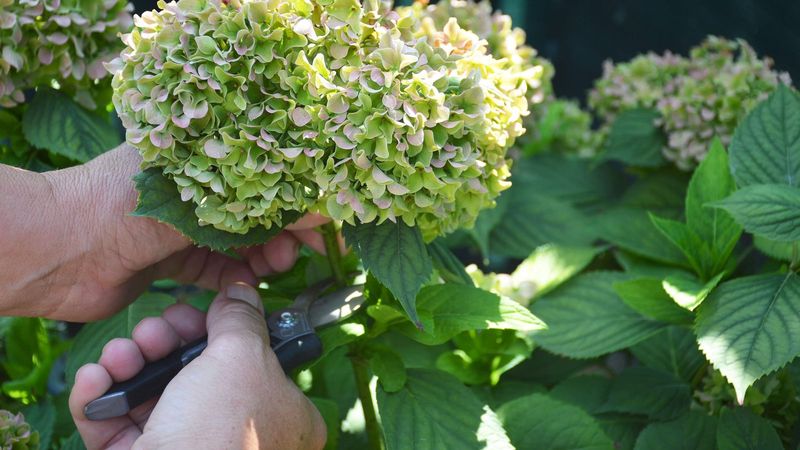
Pruning hydrangeas incorrectly can stunt their growth and future blooms. Different hydrangea species require specific pruning techniques.
Regularly check reference guides to ensure correct timing and methods for pruning. Understanding your specific hydrangea type is crucial for its well-being.
Did you know? Pruning at the wrong time can remove next year’s blooms, leaving your plant flowerless!
8. Deer Delight
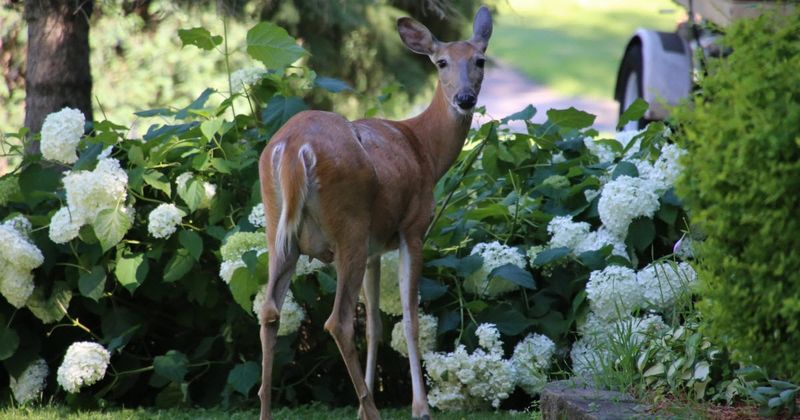
Deer view hydrangeas as a delightful snack, especially in the spring when new growth is tender. Their browsing can strip plants of foliage and flowers.
Fencing or using deer repellents can deter these garden visitors. Planting deer-resistant plants nearby may also help.
Interesting tidbit: Deer can consume up to five pounds of plant material a day, making them a formidable threat to gardens!
9. Frost Damage Fiasco
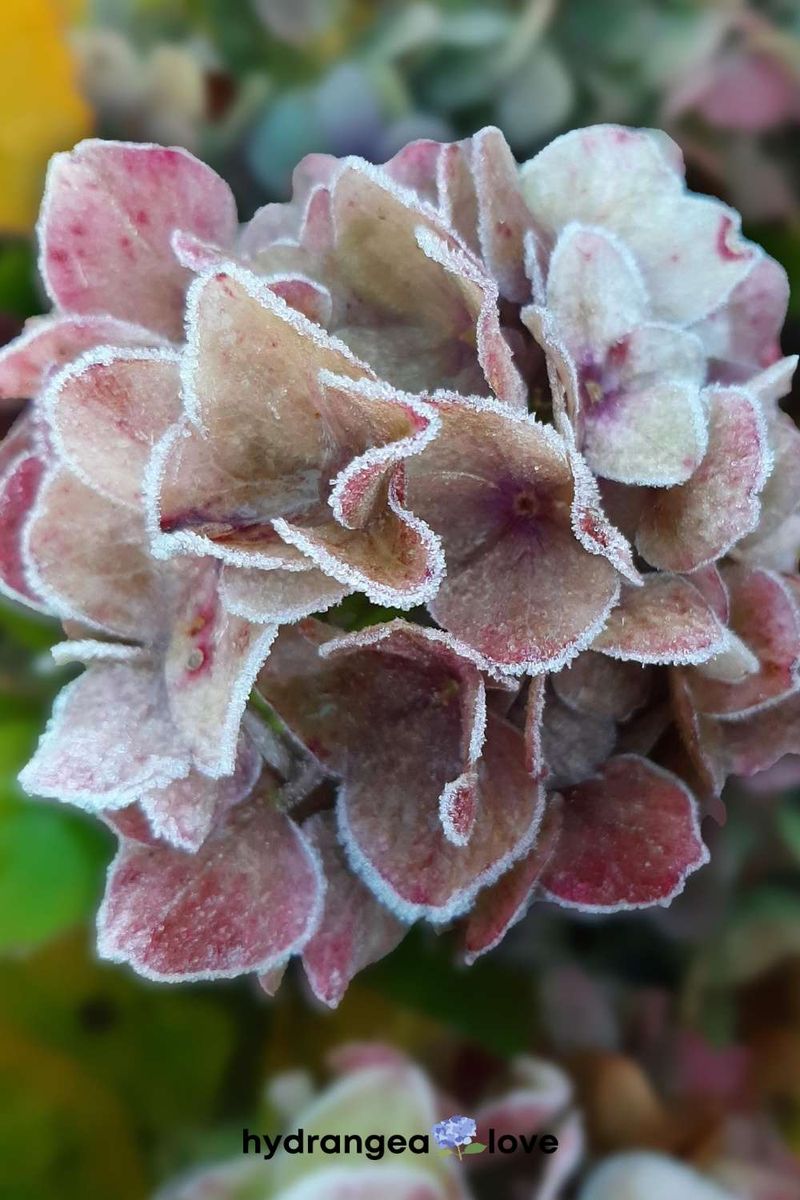
A late spring frost can be devastating, damaging tender buds and leaves. This can result in stunted growth and loss of blooms for the season.
Covering plants during unexpected cold snaps can protect them. Choosing frost-tolerant varieties is another strategy.
Did you know? Frost damage is often mistaken for pest problems due to similar symptoms like browning and wilting.
10. Excessive Sun Exposure
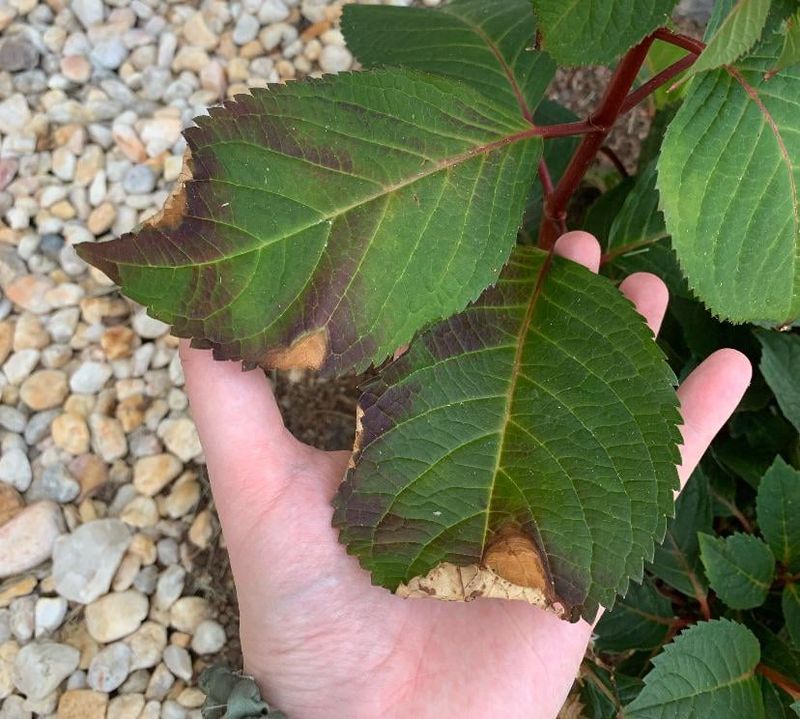
While sun is essential, too much can cause leaf scorch. This results in brown, crispy edges and overall plant stress.
Providing partial shade during peak sunlight hours can help mitigate this issue.
Fun fact: Hydrangeas thrive best in morning sun and afternoon shade, making their placement in the garden crucial.
11. Borer Beetle Threat
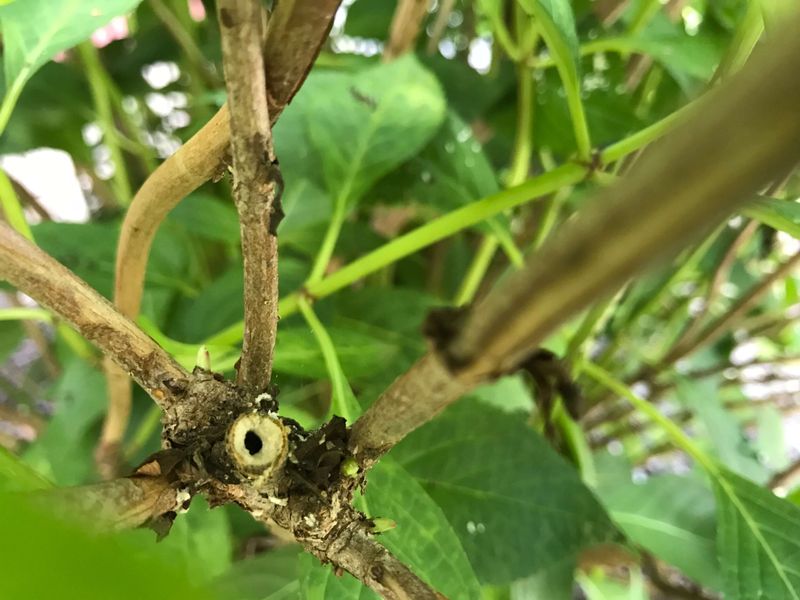
Borer beetles burrow into hydrangea stems, disrupting water transport and weakening the plant structure.
Regular inspection and removal of affected stems can control these pests. Insecticides may be necessary for severe infestations.
Did you know? Borer beetles are often attracted to stressed or weakened plants, making good plant health a natural deterrent.
12. Improper Soil pH
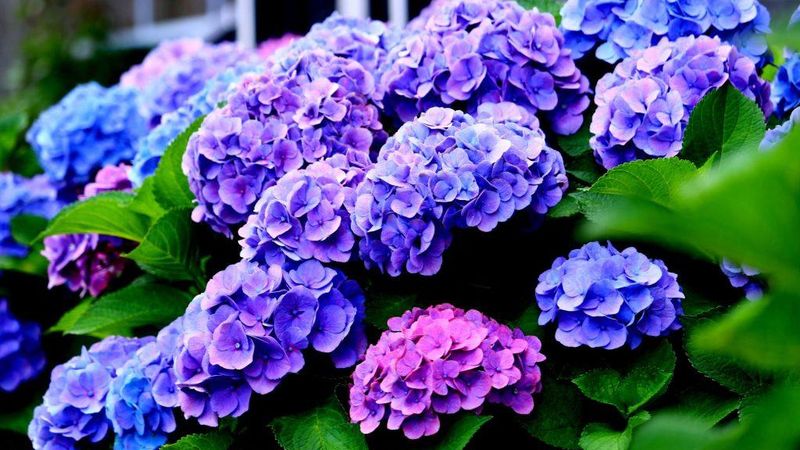
The soil pH can make or break a hydrangea’s health. Too acidic or alkaline conditions interfere with nutrient uptake.
Regular soil testing and amendments like lime or sulfur can adjust pH levels.
Fun fact: The color of hydrangea blooms can change with pH—blue in acidic soils and pink in alkaline ones.
13. Nutrient Imbalance Issues
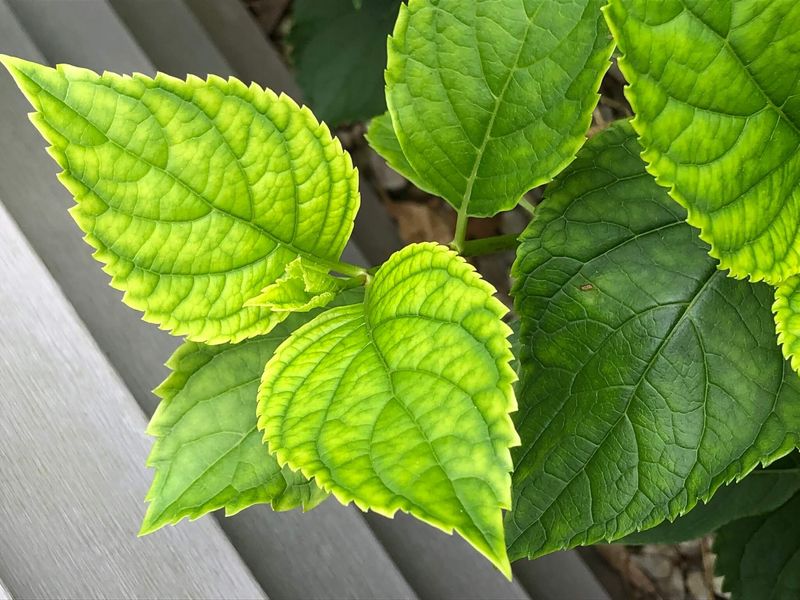
Nutrient imbalances can manifest as poor growth, discolored leaves, and reduced flowering. Hydrangeas need a balanced diet of nitrogen, phosphorus, and potassium.
Using appropriate fertilizers and monitoring plant health can maintain balance. Soil testing helps identify specific deficiencies.
Did you know? Over-fertilizing can be as harmful as under-fertilizing, leading to lush foliage but few blooms.
14. Drought Stress Struggles
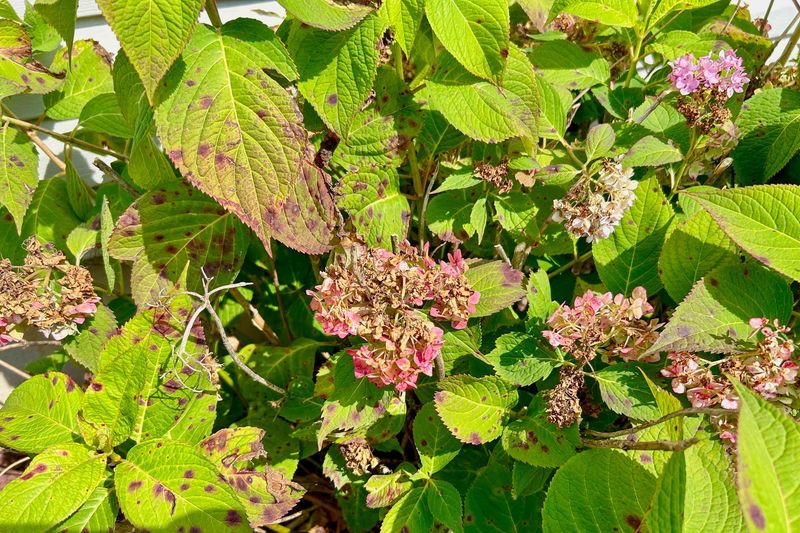
Hydrangeas are water lovers, and drought conditions can leave them wilting and stressed. Dry soil leads to crispy leaves and fewer blooms.
Consistent watering and mulch application can help retain soil moisture.
Fun fact: Despite their love for water, hydrangeas need well-drained soil to prevent root rot.
15. Invasive Weed Competition
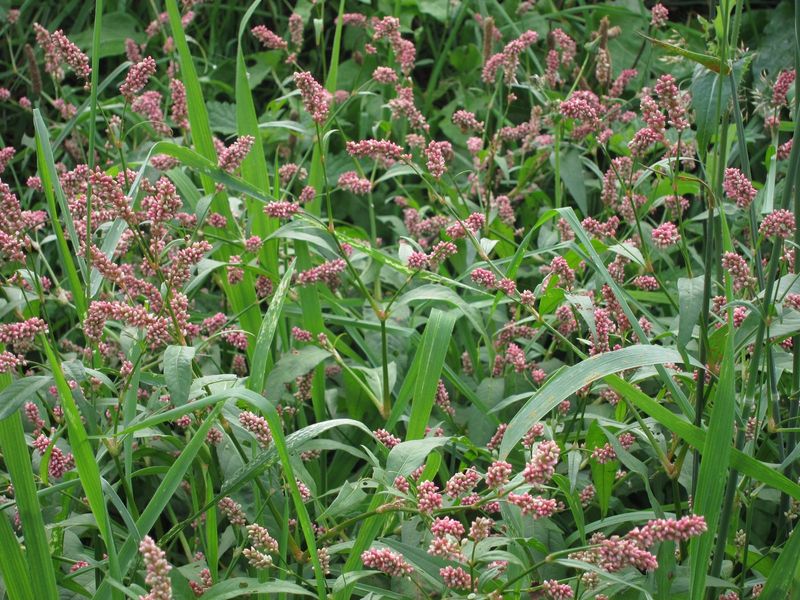
Invasive weeds compete with hydrangeas for nutrients, water, and light. This competition can stunt growth and reduce flowering.
Regular weeding and using mulch to suppress weed growth can protect your plants.
Did you know? Some weeds release chemicals that inhibit the growth of surrounding plants, making them more than just a physical nuisance.
16. Hydrangea Scale Insects
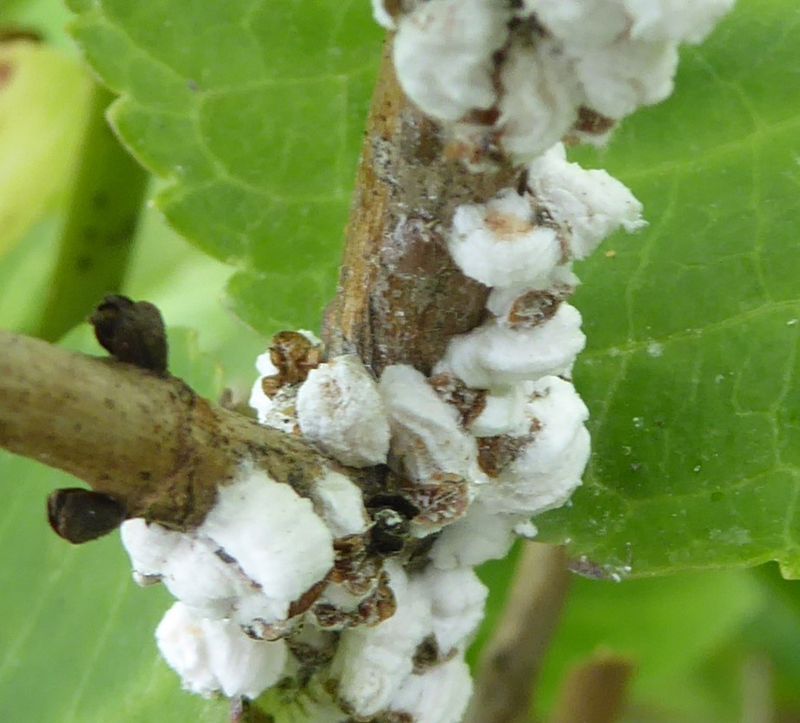
Scale insects attach themselves to stems, sucking sap and weakening the plant. They appear as small, white bumps and can cause leaf drop.
Insecticidal sprays or horticultural oils can control these pests. Early detection is key.
Interesting tidbit: Some scale insects are so tiny they can be mistaken for plant growths at first glance.
17. Beneficial Companion Planting
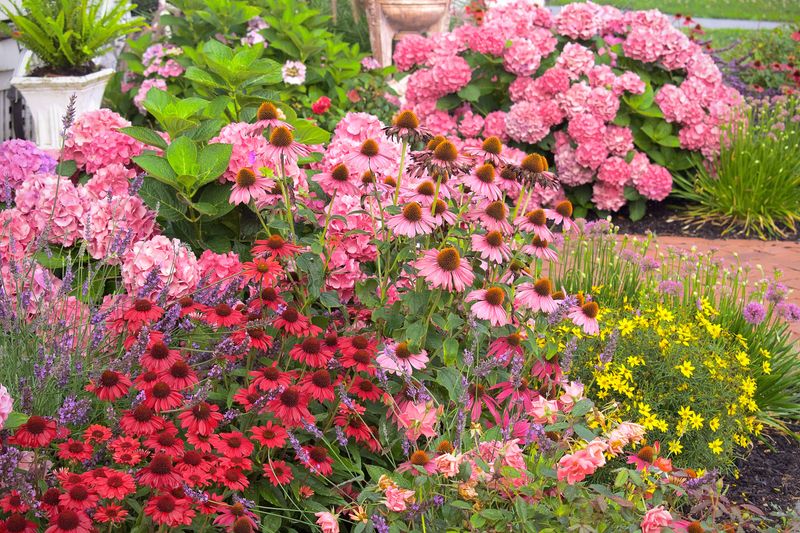
Certain plants, like marigolds and lavender, can enhance hydrangea growth by repelling pests and attracting beneficial insects. Companion planting creates a balanced ecosystem.
Integrating these companions into your garden design can boost hydrangea health.
Fun fact: Marigolds are known for their ability to deter nematodes, which can harm hydrangea roots.
18. Compost Enrichment
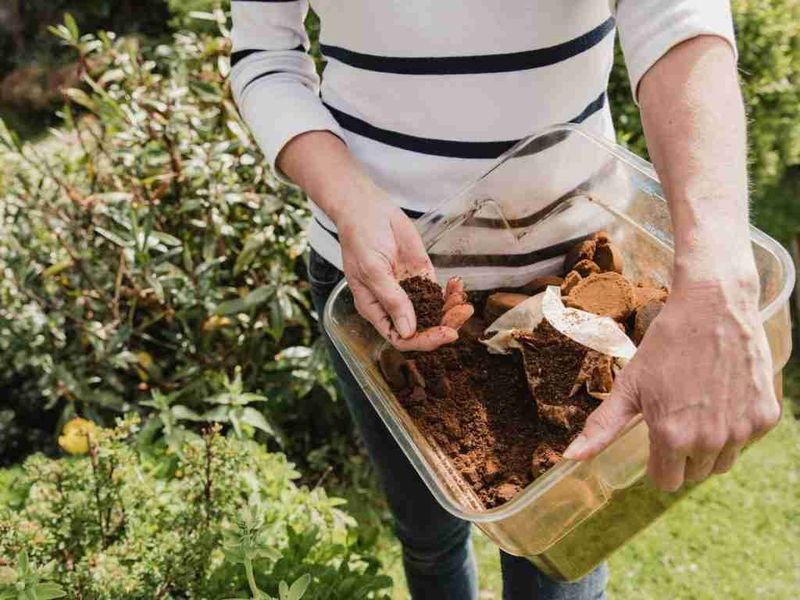
Compost adds vital nutrients and improves soil structure, promoting healthy growth. It’s a sustainable way to nourish your hydrangeas.
Regularly applying compost can enhance soil fertility and water retention.
Did you know? Composting not only benefits plants but also reduces garden waste, making it an eco-friendly gardening practice.
19. Mulch Magic
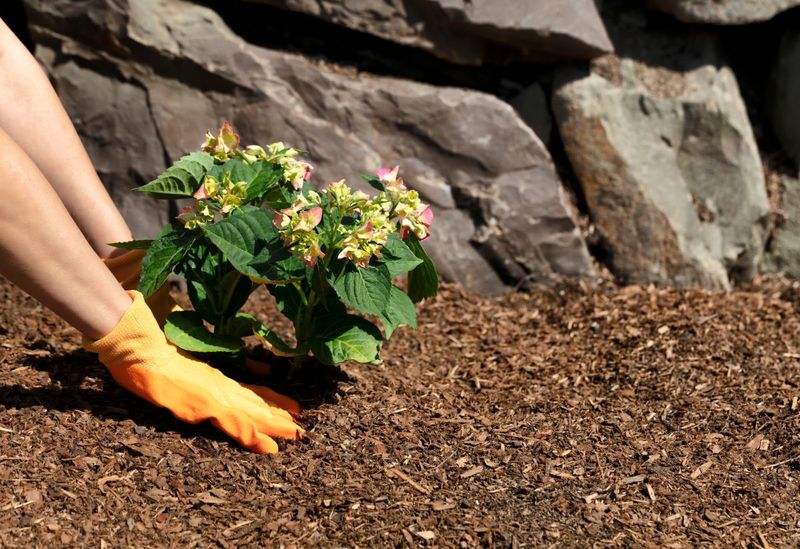
Mulch retains soil moisture, suppresses weeds, and provides nutrients as it breaks down. It’s a gardener’s secret weapon for healthy hydrangeas.
Applying a thick layer of mulch can protect roots and maintain even soil temperatures.
Fun fact: Organic mulch, like bark or straw, breaks down over time, adding organic matter to the soil.
20. Proper Watering Technique
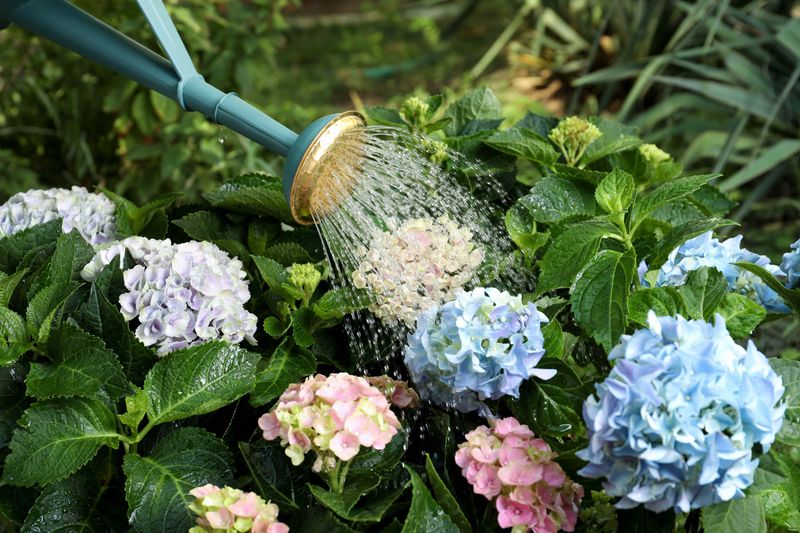
Hydrangeas require consistent moisture but not waterlogged conditions. Proper watering techniques ensure healthy growth.
Using soaker hoses or drip irrigation can provide even moisture without wetting leaves, which minimizes disease risk.
Did you know? Watering early in the day reduces evaporation and allows plants to absorb moisture more effectively.
21. Ample Sunlight
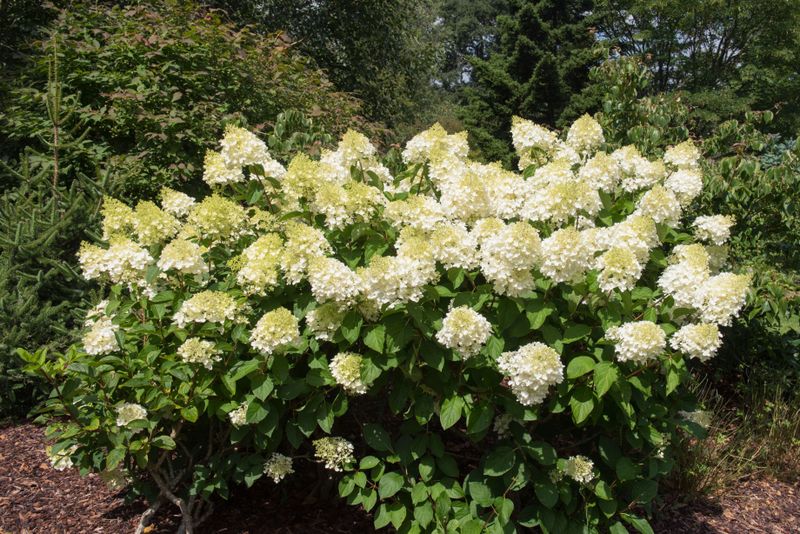
Hydrangeas thrive in partial shade but need some sunlight to bloom profusely. Finding the right balance is key.
Planting them where they receive morning sun and afternoon shade can optimize growth.
Fun fact: Too much shade can lead to fewer flowers, while too much sun can cause leaf scorch.
22. Balanced Fertilization
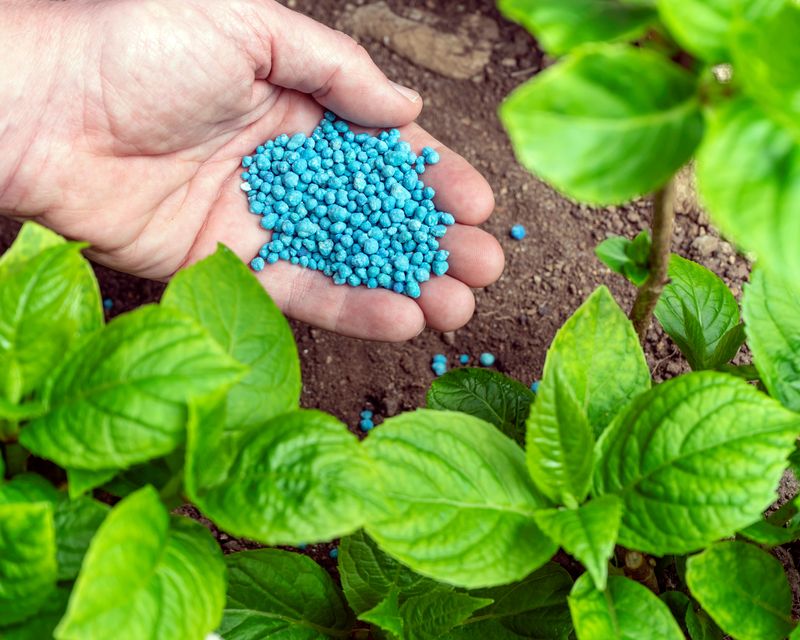
A well-balanced fertilizer can enhance bloom production and overall plant health. Hydrangeas benefit from regular feeding during the growing season.
Choosing the right formulation and following application guidelines is essential.
Did you know? Over-fertilizing can cause more harm than good, leading to lush leaves but fewer flowers.
23. Wind Protection Measures
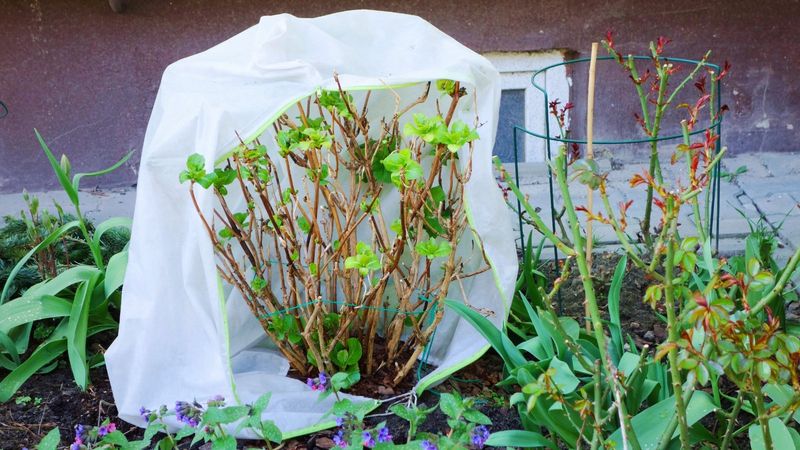
Strong winds can damage hydrangea stems and leaves, hindering growth. Providing wind protection ensures they remain upright and healthy.
Using natural windbreaks or installing fences can shield your plants.
Fun fact: Wind stress can cause physical damage and increase water loss through evaporation, stressing the plant.
24. Regular Pruning Routine
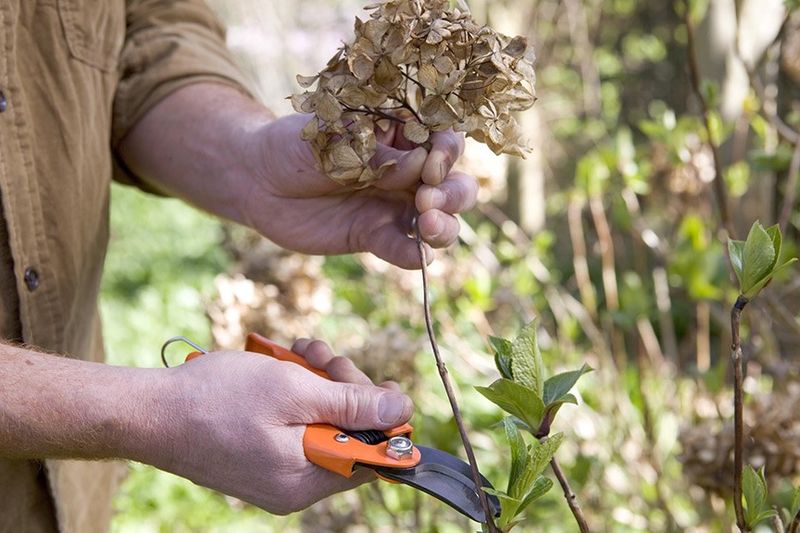
Regular pruning encourages robust growth and more blooms. Removing dead wood and shaping plants stimulates healthy development.
Understanding the specific needs of your hydrangea variety will guide effective pruning.
Did you know? Different hydrangea species require unique pruning times and methods for optimal results.
25. Disease-Resistant Varieties
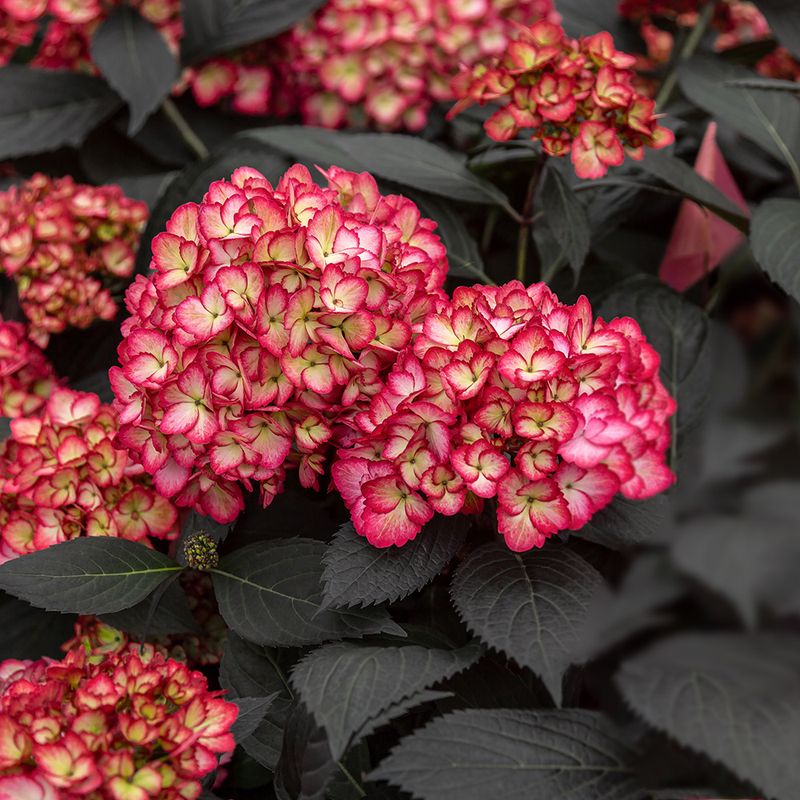
Choosing disease-resistant varieties can minimize common hydrangea problems. These cultivars are bred to withstand typical threats like mildew and leaf spot.
Selecting the right plants for your garden conditions can lead to a more resilient garden.
Fun fact: Breeders continuously develop new varieties to offer improved resistance and stunning aesthetics.
26. Seasonal Soil Amendments
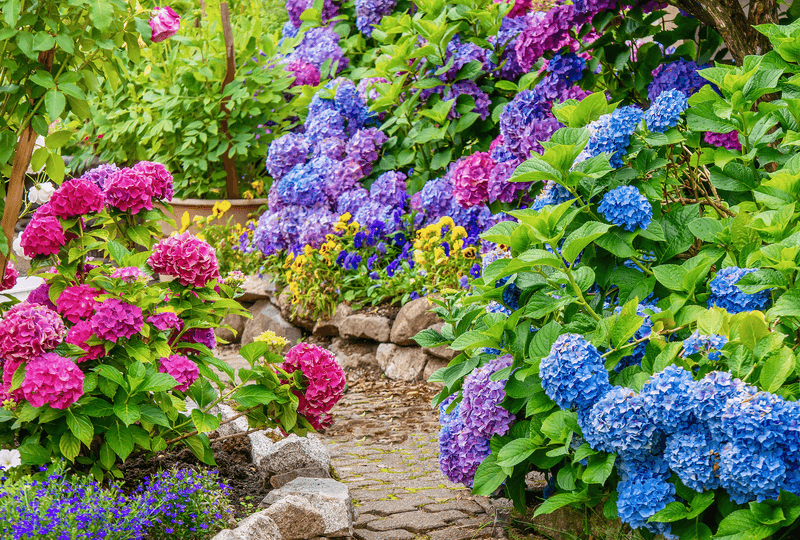
Seasonal soil amendments ensure optimal growing conditions for hydrangeas year-round. Adjusting soil pH and nutrient levels can enhance growth.
Applying amendments like lime or sulfur based on soil tests ensures a healthy plant environment.
Did you know? Regular soil testing helps tailor amendments to specific plant needs, promoting vibrant growth.
27. Incorporating Native Plants
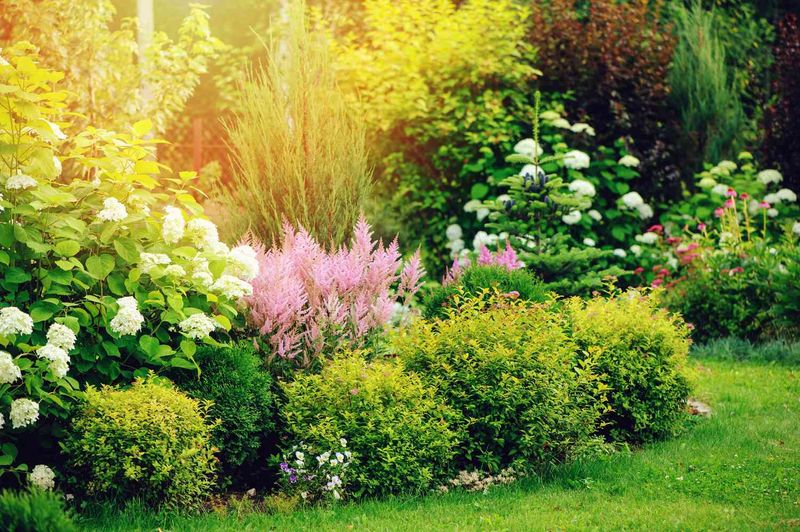
Native plants create a supportive environment for hydrangeas by attracting beneficial insects and improving soil health.
Planting natives alongside hydrangeas can foster a balanced ecosystem and reduce maintenance.
Fun fact: Native plants are adapted to local conditions, making them resilient and easy to care for alongside exotic species.
28. Using Organic Pesticides
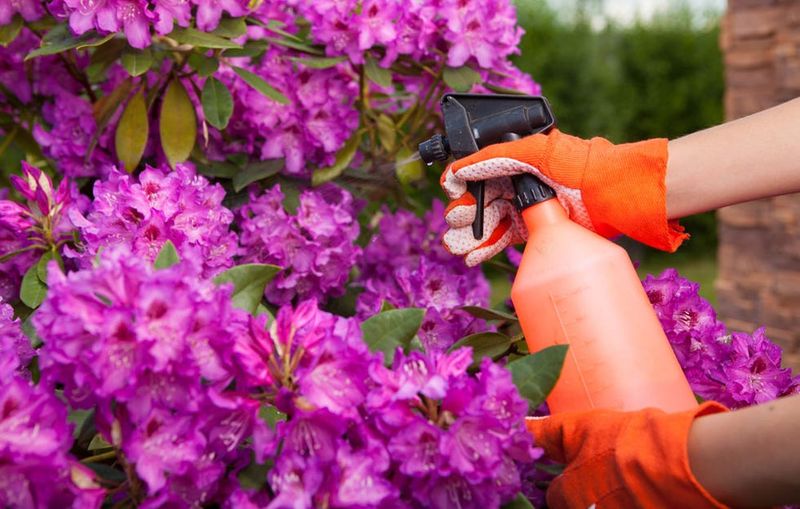
Organic pesticides offer a safer alternative to chemical treatments for pest control. These options can effectively manage infestations without harming beneficial insects.
Choosing organic methods aligns with sustainable gardening practices.
Did you know? Neem oil is a popular organic pesticide that controls a wide range of garden pests.
29. Hydrangea Fungus Frontier
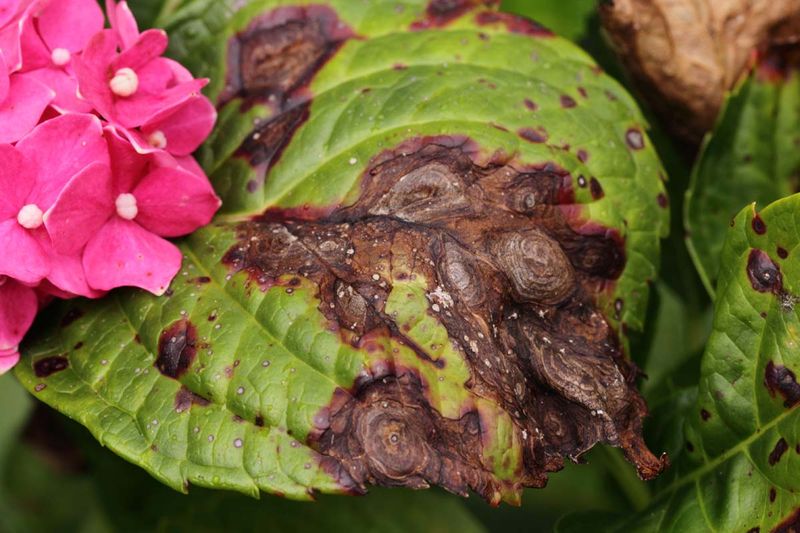
A garden’s enemy often comes in the form of an invisible menace. Hydrangea fungus is a sneaky adversary, silently spreading through moist environments. Fungal spores latch onto leaves, causing discoloration and wilting.
In the early morning dew, these spores multiply. A vigilant gardener must act quickly, removing affected leaves and ensuring proper air circulation.
Did you know? Fungal infections in hydrangeas date back centuries, a battle fought by generations of gardeners. Maintaining a dry environment is crucial. A hydrangea’s beauty can be preserved with diligence and care.
30. Beneficial Insect Allies
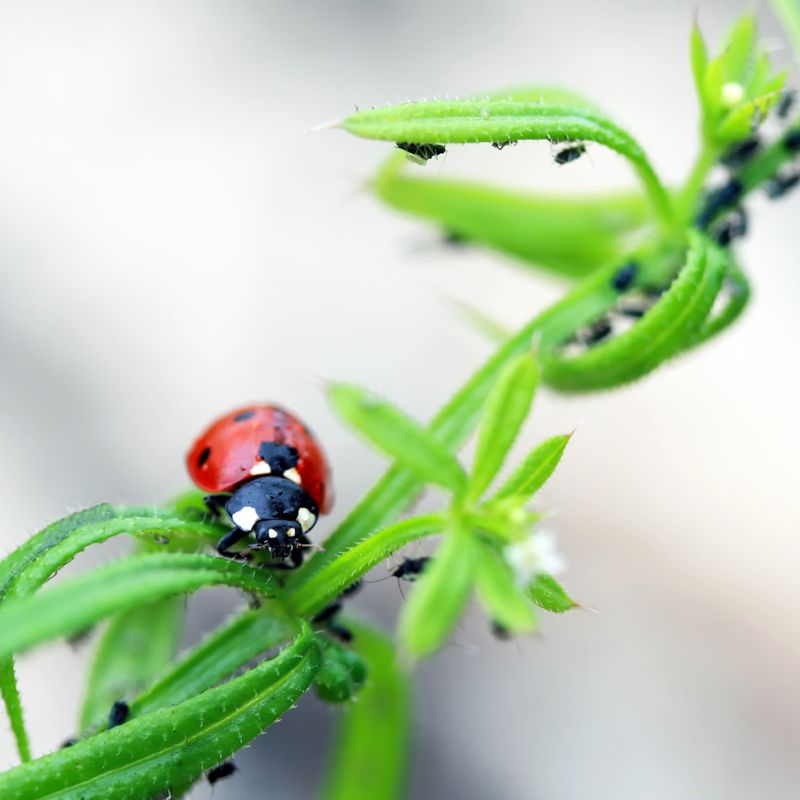
In the hidden corners of your garden, allies are lurking. Beneficial insects like ladybugs are a gardener’s best friend, preying on harmful pests.
These insects provide natural pest control, reducing the need for chemical interventions. Imagine a lively dance of ladybugs amidst your hydrangeas.
Fun fact: Ladybugs have been used in gardens since the Middle Ages to protect crops. Encouraging these natural helpers ensures hydrangeas remain healthy and thriving, enhancing their lush beauty with nature’s gentle touch. A harmonious garden is only a few bugs away.