
Growing a massive onion garden is both an art and a science. With the right care, onions can thrive and provide a bountiful harvest. These 15 tips will guide you on how to cultivate a thriving onion garden, ensuring you get the best yield possible. From soil preparation to pest control, each step is crucial in fostering a healthy growth environment. Let’s explore each method in detail.
1. Soil Preparation
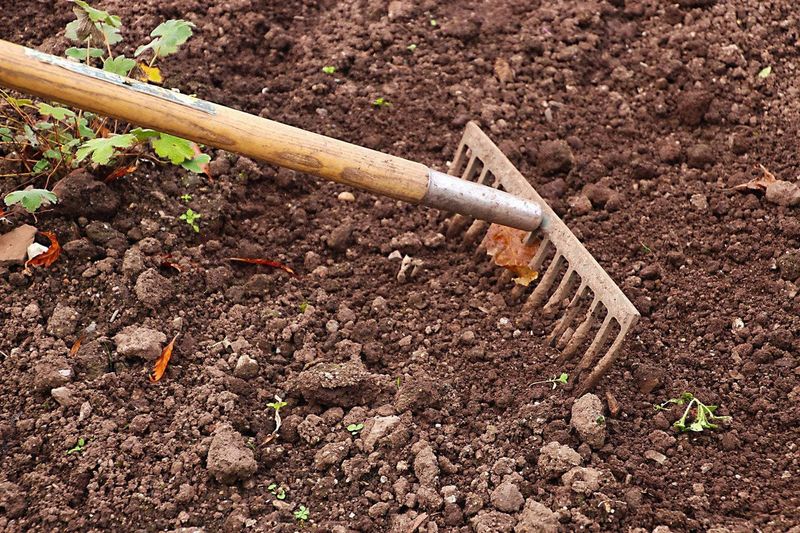
The foundation of a successful onion garden lies in its soil. Rich, loamy soil is ideal for onions, allowing roots to penetrate easily and access nutrients. To enhance soil quality, incorporate organic matter such as compost or well-rotted manure.
Test the soil’s pH level, aiming for a neutral range of 6.0 to 7.0. This balance supports optimal nutrient uptake. Ensure proper drainage by adding sand if necessary, preventing waterlogged conditions that can hinder growth. Remember, well-prepared soil is the cornerstone of a thriving harvest!
2. Selecting Varieties
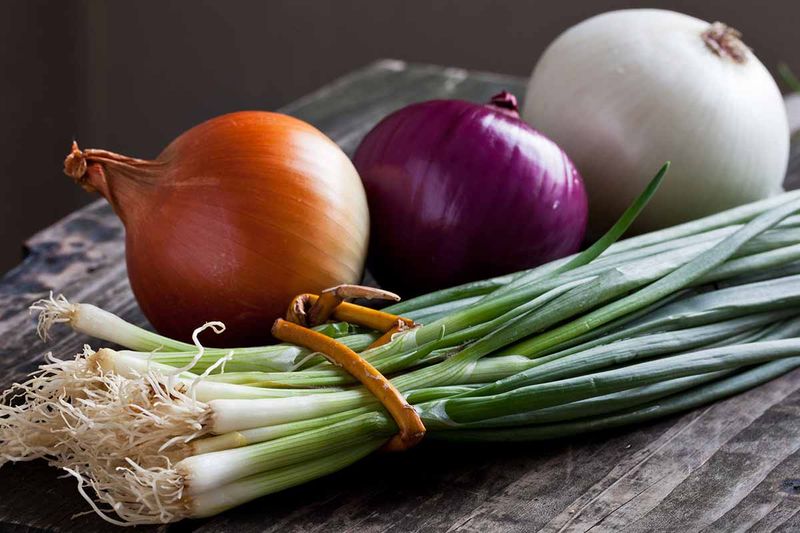
Choosing the right onion variety is crucial for success. Consider your climate and growing conditions when selecting your onions. Different varieties thrive in specific environments, so research is key.
For a colorful garden, mix red, yellow, and white onions. Each type offers unique flavors and uses in the kitchen. Additionally, choose between short-day and long-day onions based on daylight hours in your region. This selection process ensures a diverse and robust onion garden.
3. Seed Starting Indoors
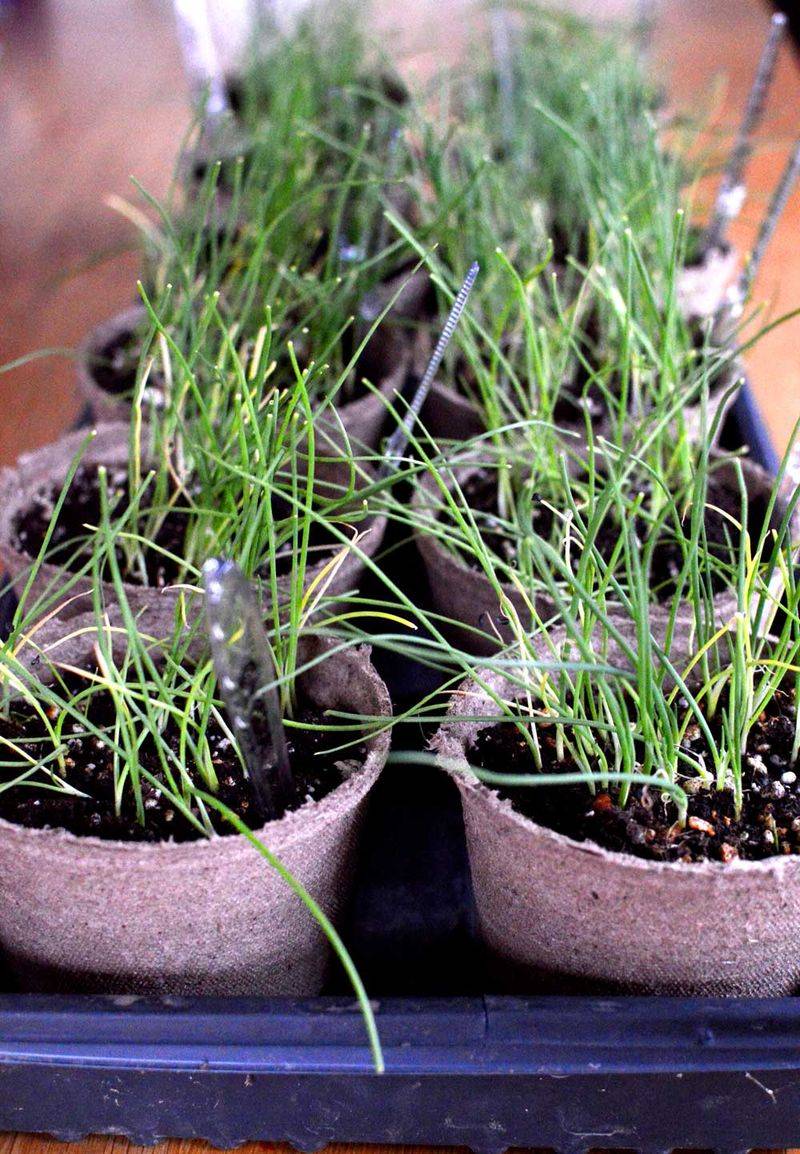
Starting onion seeds indoors gives them a head start in the growing season. Use small pots filled with seed starting mix, ensuring each seed has ample space to grow.
Position pots under a grow light to provide consistent light, mimicking natural conditions. Keep soil moist but not soggy, and watch for sprouts. Transplant seedlings outdoors once they reach a few inches in height and weather conditions permit. This early start leads to healthier, more productive plants.
4. Transplanting Techniques
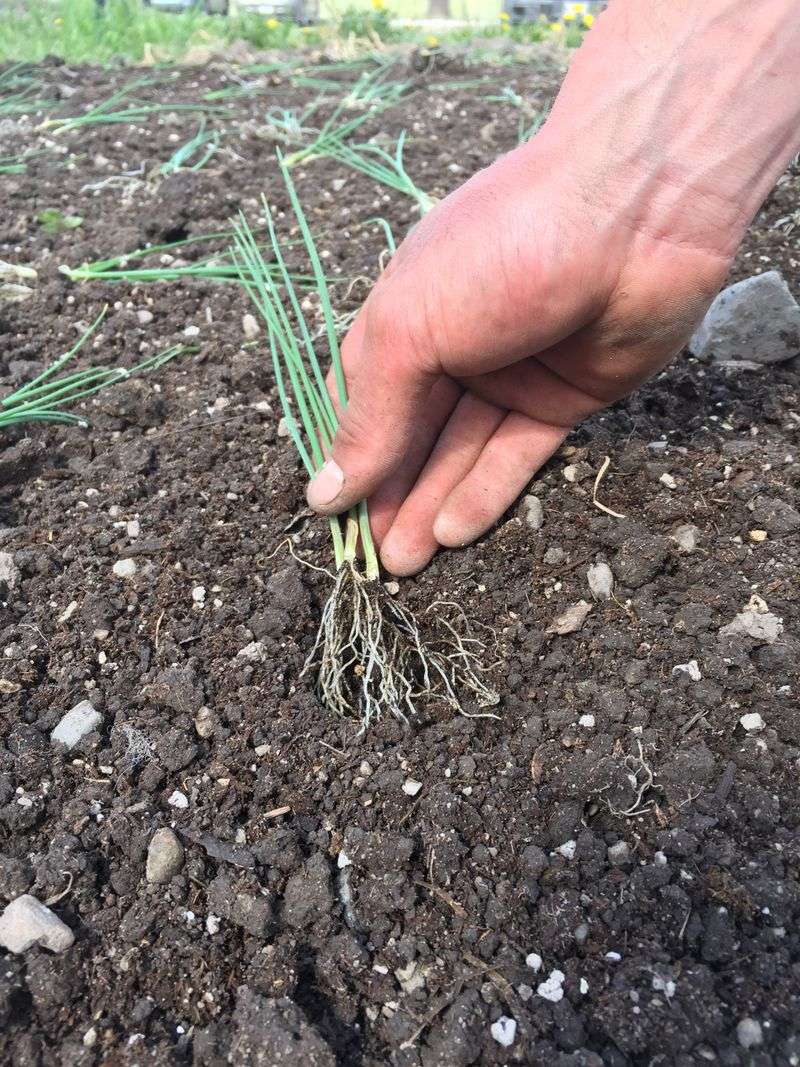
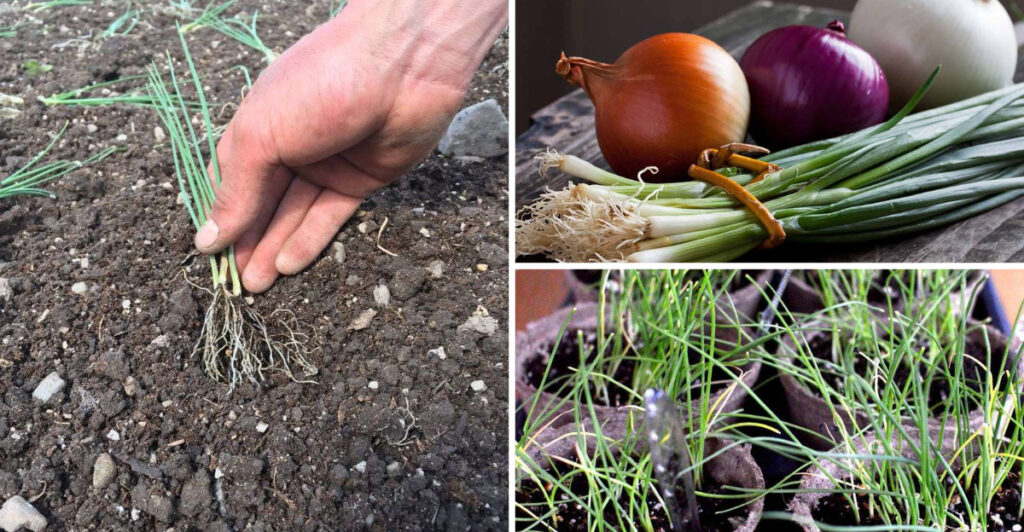
Proper transplanting techniques are essential for minimizing stress on young plants. When transplanting onions, choose a cool, cloudy day or late afternoon to reduce shock.
Carefully remove seedlings from pots, keeping the root system intact. Plant them in well-spaced rows, allowing room for bulb expansion. Water immediately after transplanting to settle the soil around roots. This method promotes strong growth and a bountiful harvest.
5. Watering Methods
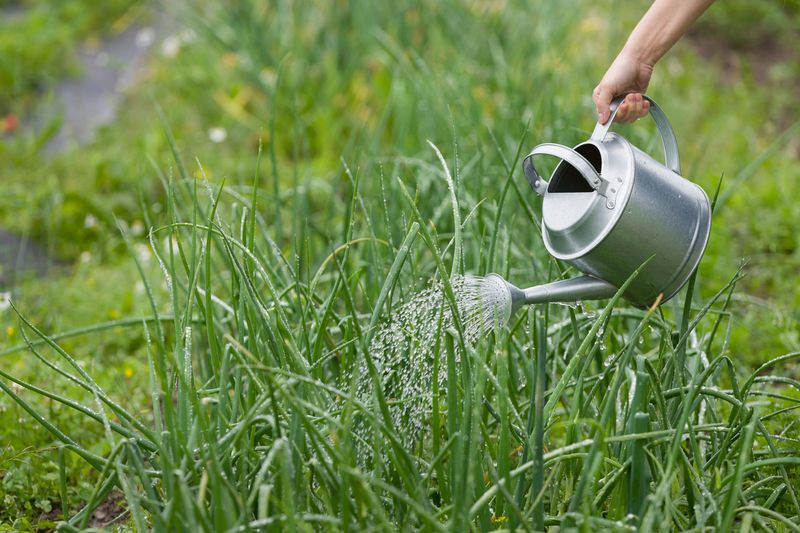
Consistent watering is key to healthy onions. Onions require about an inch of water per week, delivered evenly across the garden. Drip irrigation systems are ideal, providing a steady supply of moisture directly to the roots.
Avoid overhead watering as it can lead to fungal diseases. Monitor soil moisture, ensuring it remains damp but not saturated. Adjust watering based on weather conditions, increasing during dry spells. Proper hydration supports robust onion growth.
6. Weed Control
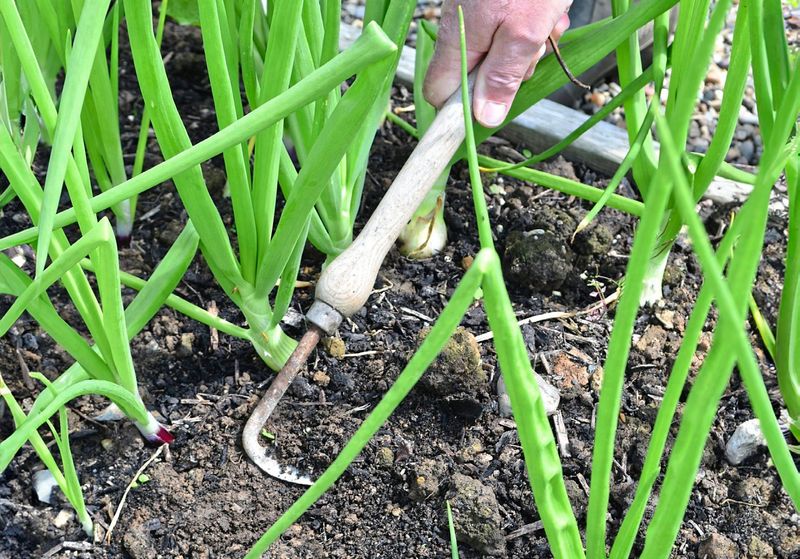
Weed control is vital to prevent competition for nutrients and water. Regularly inspect the garden, removing weeds close to onion bases to avoid root disruption.
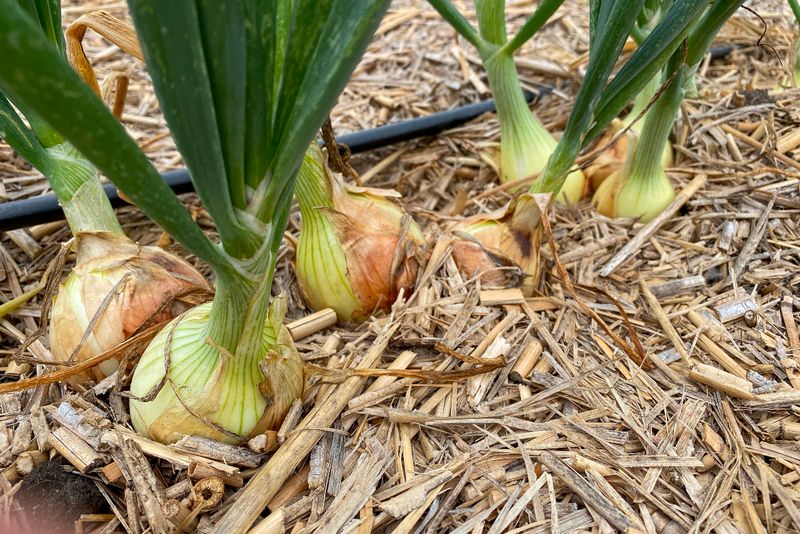
Use mulch to suppress weed growth and retain soil moisture. Organic mulches like straw or shredded leaves are beneficial, breaking down over time to enrich soils. Vigilant maintenance ensures onions receive the resources they need to thrive, free from weed competition.
7. Pest Management
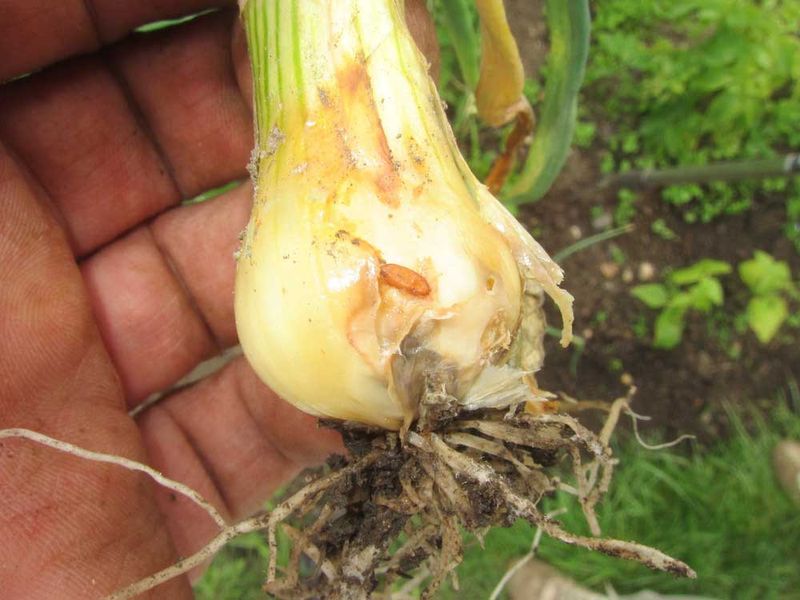
Pests can devastate an onion garden if left unchecked. Regularly inspect plants for signs of damage or infestation. Use organic methods like neem oil or insecticidal soap to deter common pests such as onion flies and thrips.
Encourage beneficial insects like ladybugs to naturally control pest populations. A balanced ecosystem in the garden helps maintain healthy plants, reducing reliance on chemical treatments. Vigilant pest management ensures a healthy harvest.
8. Fertilization Schedule
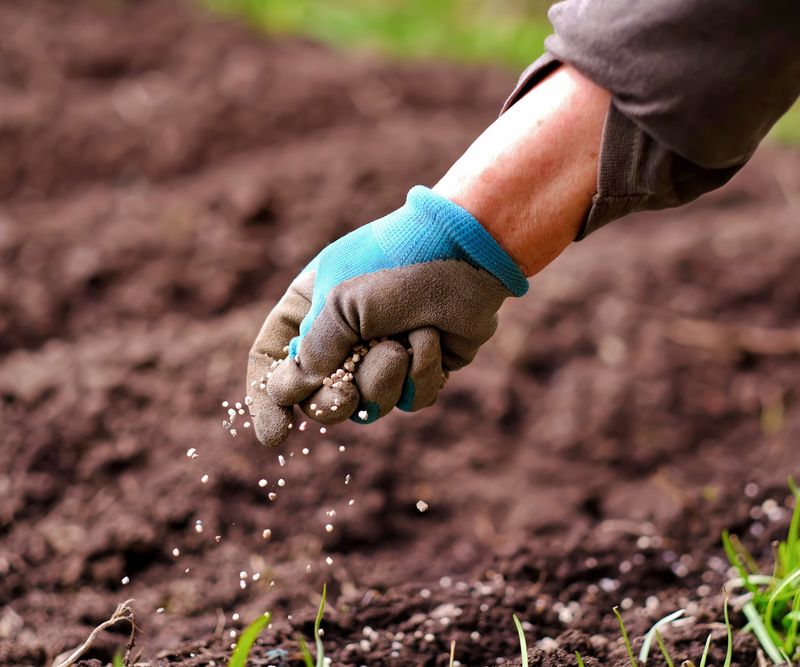
A consistent fertilization schedule supports onion growth and bulb development. Begin with a balanced organic fertilizer at planting, followed by side-dressing every few weeks.
Pay attention to nitrogen levels, as too much can lead to excessive foliage and small bulbs. A well-planned fertilization regimen encourages sturdy plants and large, flavorful onions. Adjust nutrients based on soil tests to meet your garden’s specific needs.
9. Mulching Benefits
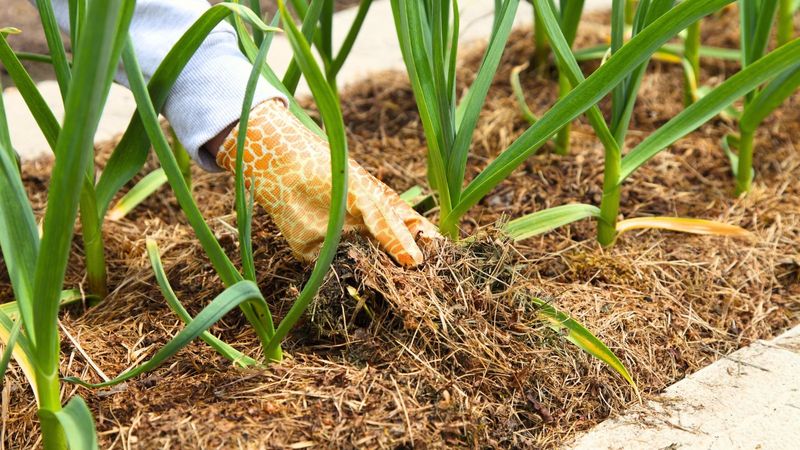
Mulching offers numerous benefits for an onion garden. It conserves soil moisture, suppresses weeds, and regulates temperature. Organic mulches like straw or wood chips break down, enriching soil with nutrients.
Apply mulch after transplanting, ensuring it doesn’t cover the onion bulbs. Maintain a consistent layer throughout the growing season for optimal results. Mulching is a simple yet effective technique to enhance onion growth.
10. Crop Rotation
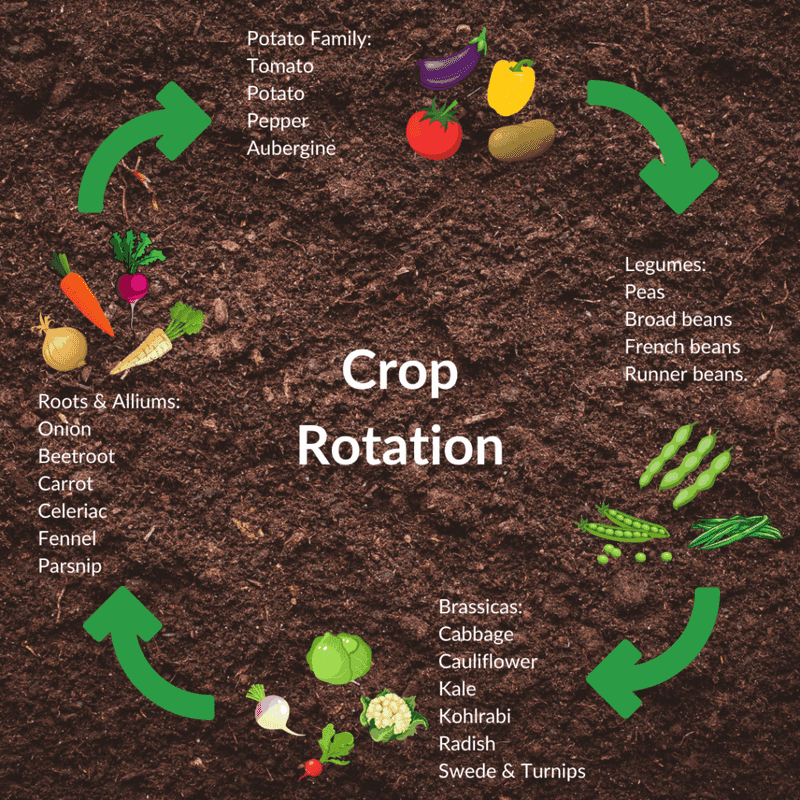
Crop rotation is a fundamental practice in sustainable gardening. By rotating onion crops with legumes or brassicas, you prevent soil depletion and disrupt pest cycles.
This practice reduces the risk of disease and promotes soil health. Plan rotations carefully, ensuring no onion family plants occupy the same space consecutively. Crop rotation supports a vibrant, long-lasting garden.
11. Companion Planting
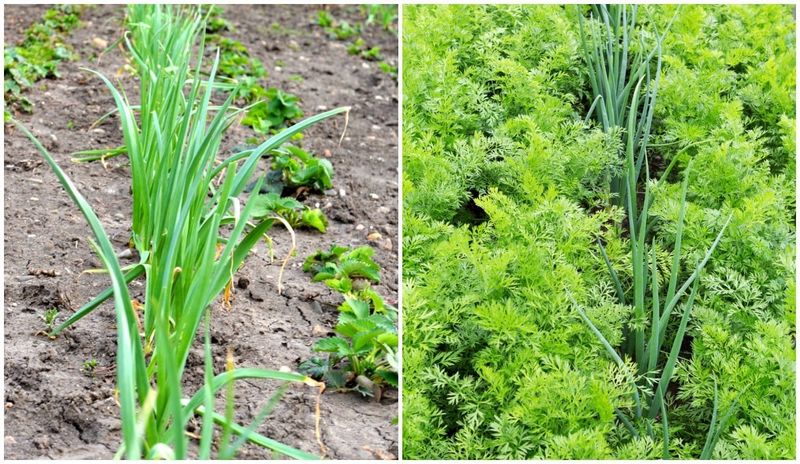
Companion planting enhances onion growth by pairing them with beneficial plants. Carrots, lettuce, and tomatoes are excellent companions, promoting a balanced ecosystem.
These plants deter pests and improve nutrient availability. Avoid planting onions near peas or beans, as they can hinder growth. Thoughtful companion planting fosters a thriving garden, supporting robust onion development.
12. Harvest Timing
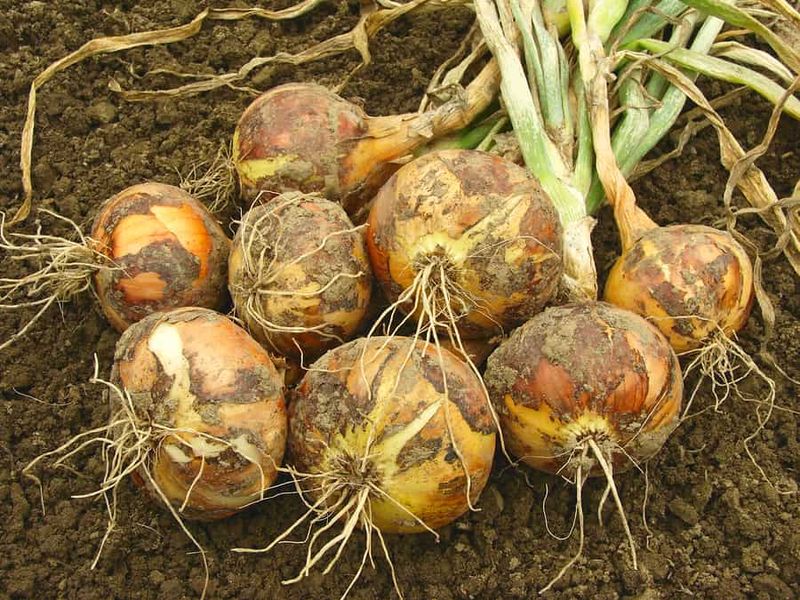
Timing is crucial when harvesting onions. Wait until the tops fall over and turn brown, indicating maturity. Gently pull onions from the ground, avoiding any damage to bulbs.
Cure onions in a dry, well-ventilated area for several weeks before storage. This process strengthens skins and extends shelf life. Proper harvest timing ensures flavorful, long-lasting onions ready for culinary use.
13. Storage Techniques
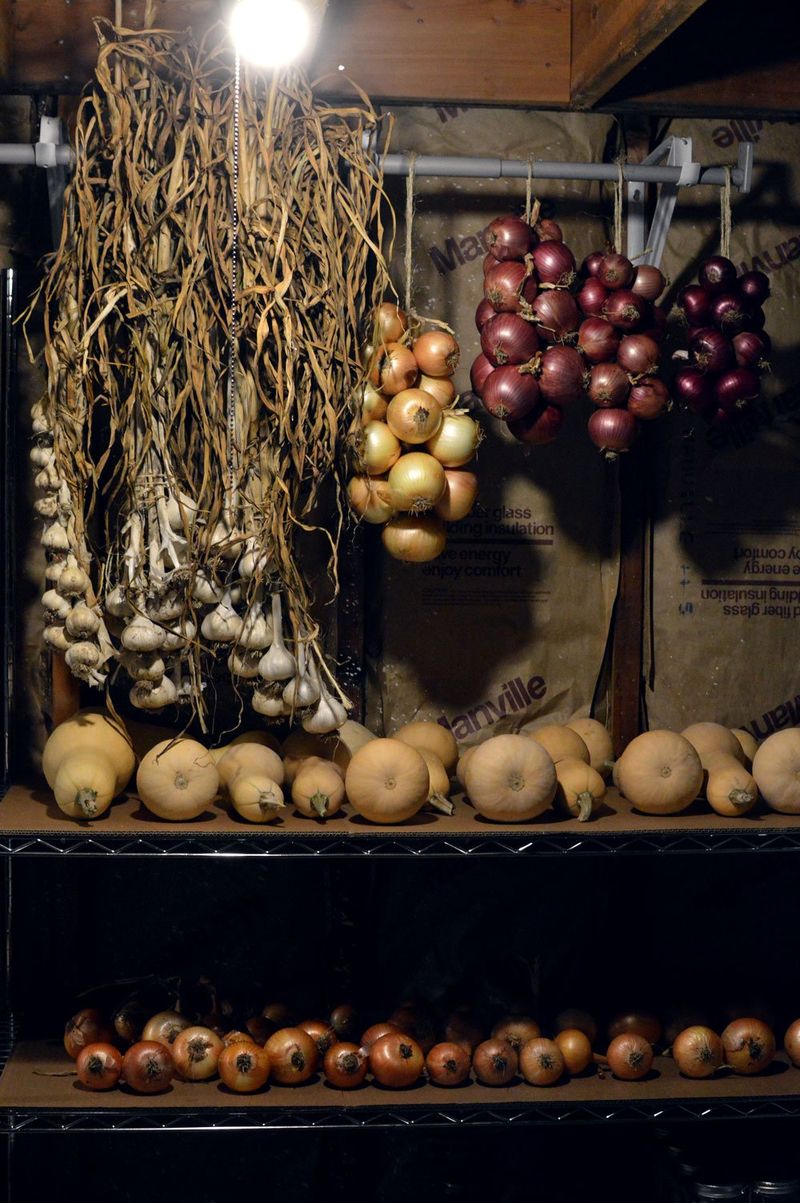
Proper storage techniques preserve onion quality and extend shelf life. After curing, store onions in a cool, dry place with good air circulation, such as a cellar.
Avoid storing with potatoes, as they release moisture that can cause spoilage. Use mesh bags or baskets to prevent bruising and allow airflow. Following these methods keeps onions fresh and ready for use throughout the year.
14. Disease Prevention
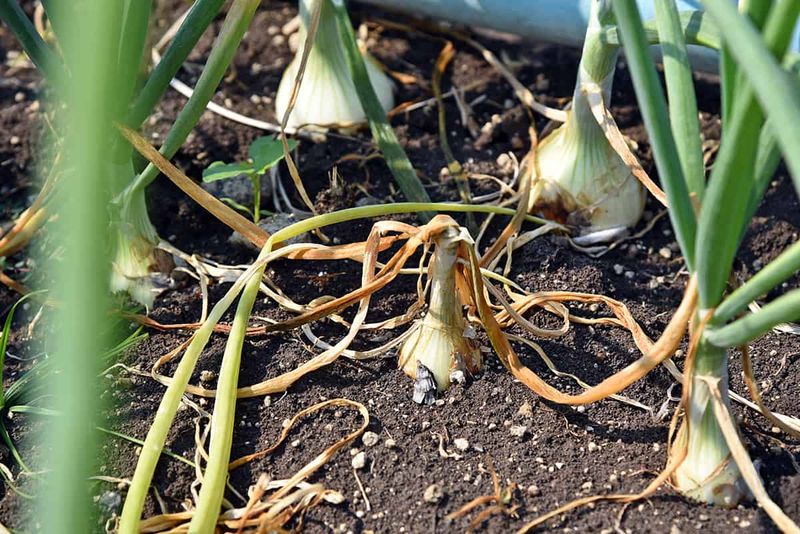
Preventing disease is key to maintaining a healthy onion garden. Practice crop rotation and ensure proper spacing to reduce the risk of fungal infections like downy mildew.
Regularly inspect plants for signs of disease, removing affected foliage promptly. Use resistant varieties and apply organic fungicides as needed. A proactive approach to disease prevention safeguards your onion harvest.
15. Season Extension Techniques
Extending the growing season ensures a bountiful onion harvest. Utilize row covers or cloches to protect onions from frost in spring or fall.
These methods create a microclimate, allowing onions to thrive despite adverse weather. Season extension techniques maximize growing potential, resulting in a more abundant harvest. Embrace these strategies to enjoy onions over an extended season.