 Complete Gardening
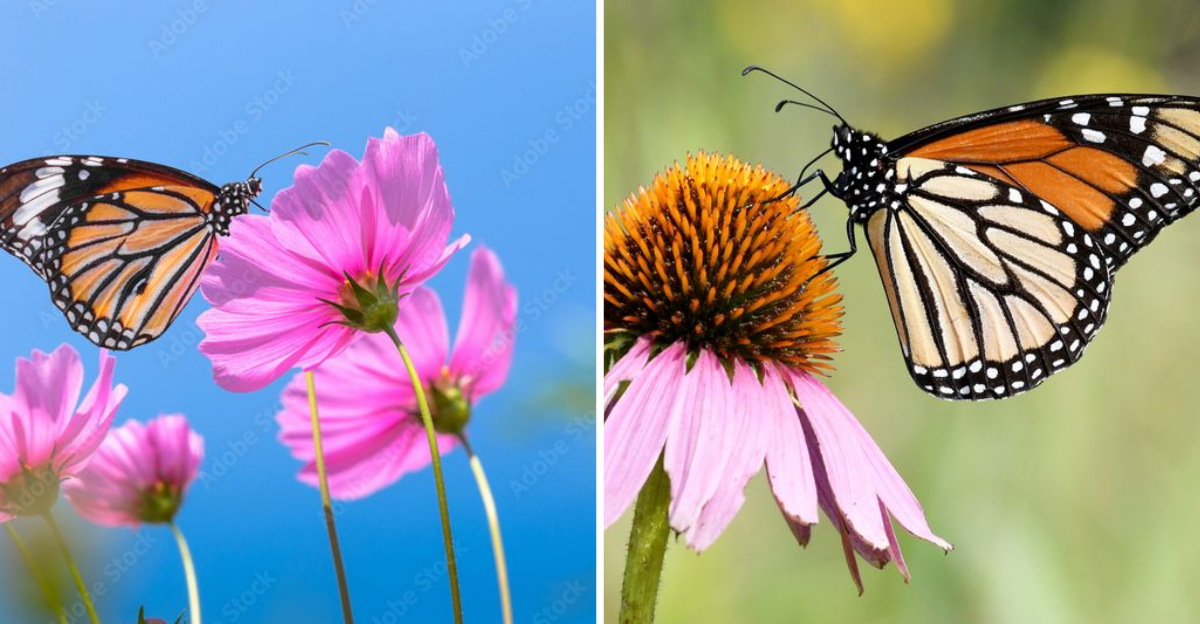
Creating a butterfly garden is a beautiful way to invite nature’s most colorful pollinators into your yard. Butterflies are not only charming to watch but also play a crucial role in the ecosystem. By selecting the right flowers, you can create a vibrant space that fosters biodiversity and supports the life cycle of these graceful insects.
1. Swamp Milkweed
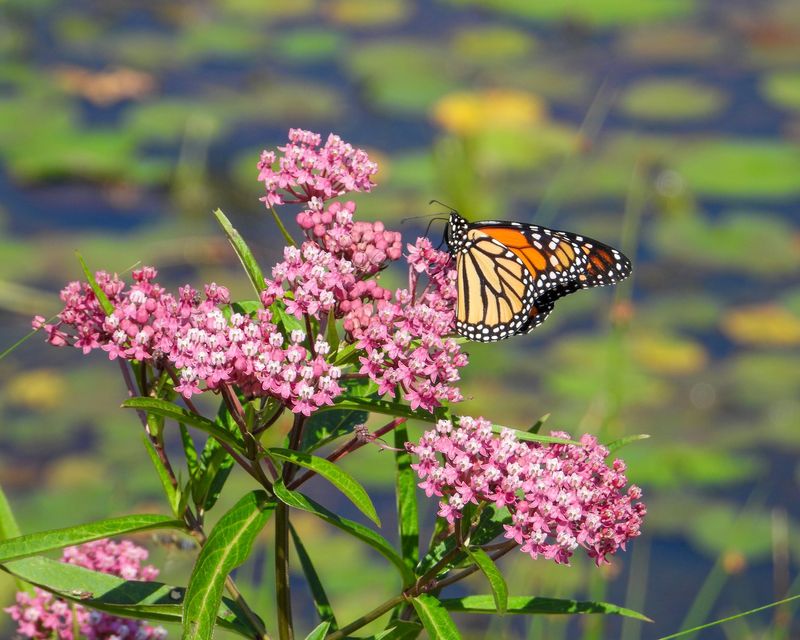
Swamp Milkweed, a favorite among monarchs, offers more than just beauty. Its clusters of pink flowers emit a sweet fragrance that lures in butterflies from afar. Plant this hardy perennial in moist soil, and watch it thrive in full sun.
This milkweed variety also serves as a crucial host plant for monarch caterpillars, playing a pivotal role in their life cycle. Its tall, elegant stems can reach up to five feet, providing both a visual spectacle and a sanctuary for wildlife.
Swamp Milkweed not only supports butterflies but also enhances garden biodiversity. A true garden gem.
2. Purple Coneflower
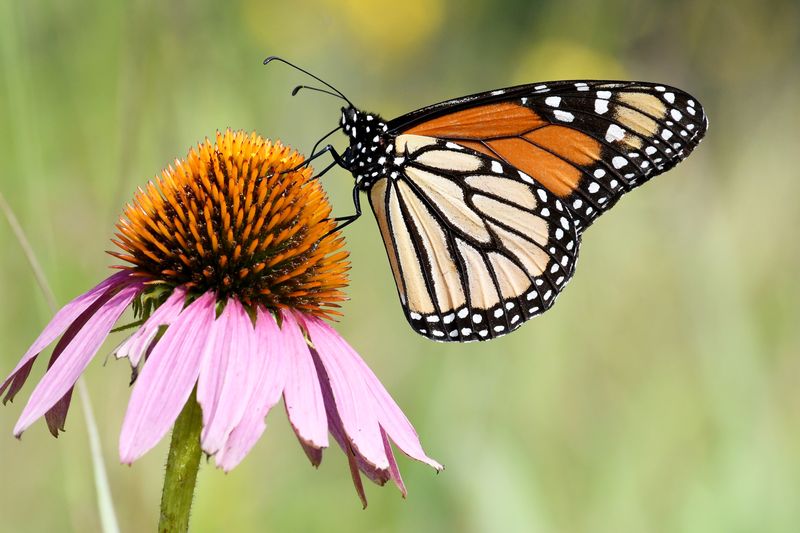
Purple Coneflower stands out with its striking daisy-like blossoms. A magnet for butterflies, this resilient plant thrives in various conditions, making it a garden staple. Its bright purple petals and conical centers are not only eye-catching but provide a rich nectar source.
Once established, it’s drought-tolerant and requires little maintenance, offering long-lasting blooms throughout summer. The tall, sturdy stems add architectural interest, while the spent seed heads attract birds in the fall.
This native flower is a versatile choice for any butterfly garden, blending beauty with ecological benefits.
3. Lantana
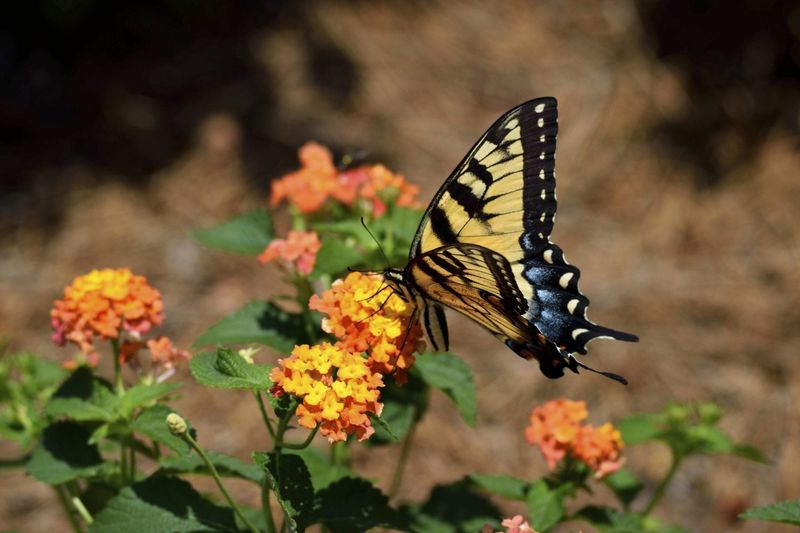
Lantana, known for its vibrant hues, is a butterfly favorite. Its small, clustered flowers come in a riot of colors, attracting butterflies throughout the season. Perfect for sunny spots, Lantana thrives with minimal care, offering continuous blooms.
This versatile plant can be grown in pots or garden beds, making it an excellent choice for butterfly gardens of all sizes. In warmer climates, it can even become a perennial, adding long-term beauty to your landscape.
With its captivating colors and easygoing nature, Lantana brightens any garden while supporting vital pollinators.
4. Butterfly Bush
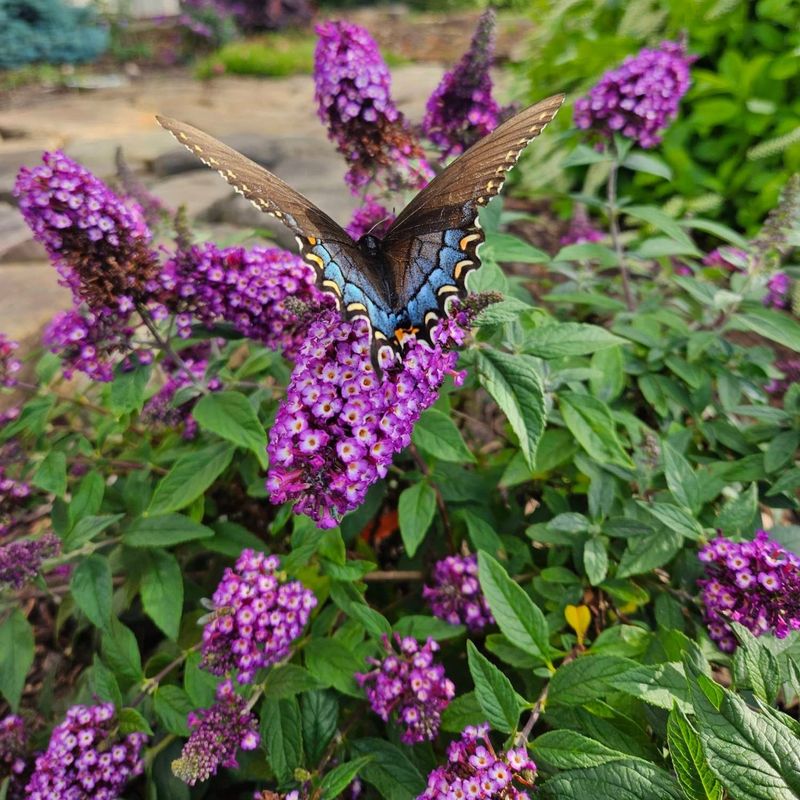
The Butterfly Bush is aptly named, as it draws butterflies like a magnet. Its arching sprays of fragrant flowers bloom in vibrant shades of violet, pink, and white, creating a striking garden centerpiece.
Requiring well-drained soil and full sun, this shrub grows quickly, providing a backdrop for your butterfly haven. Its long blooming season ensures a continual food source for butterflies and bees alike.
While beautiful, it’s essential to monitor its growth, as it can become invasive in some regions. Nevertheless, its charm and ecological benefits are undeniable.
5. Zinnia
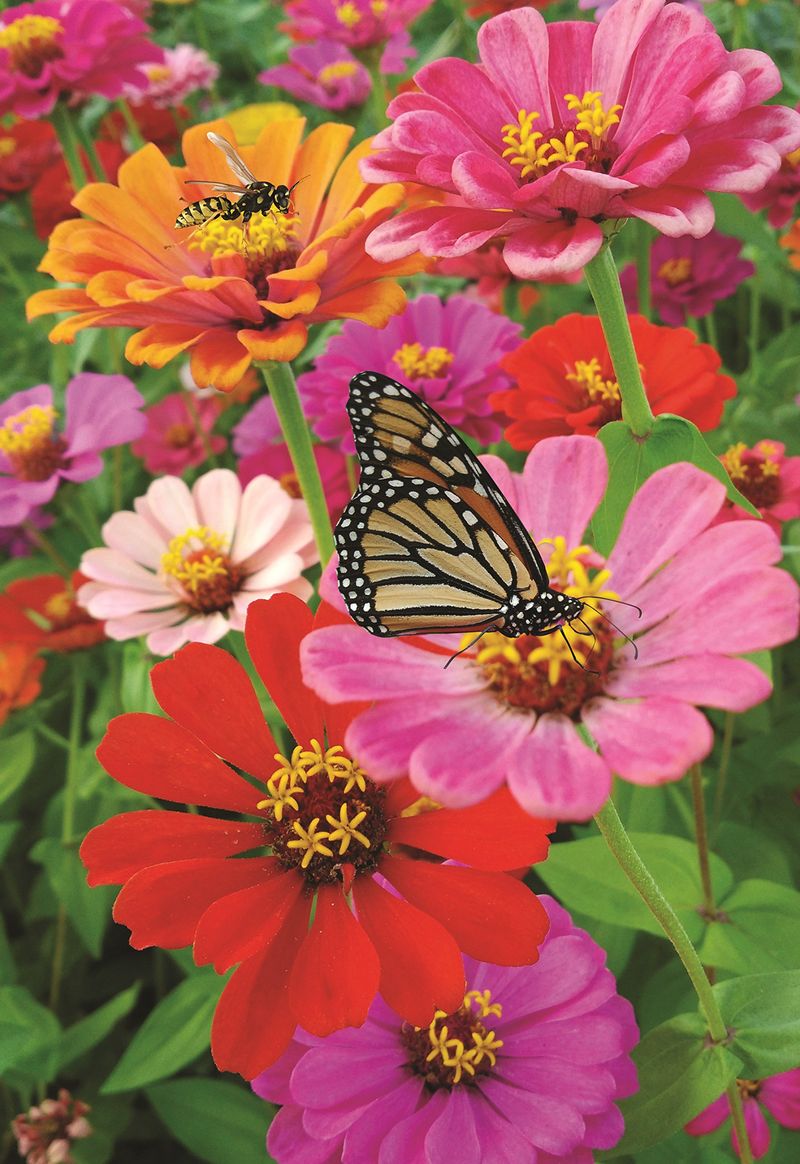
Zinnias are a kaleidoscope of colors, offering vibrant blooms that attract butterflies in droves. Easy to grow from seed, they flourish in sunny locations, providing a splash of color all summer long.
Their wide range of heights and hues makes them versatile, fitting into any garden design. As a bonus, zinnias are excellent cut flowers, bringing their cheerful presence indoors.
Perfect for filling gaps in the garden, they also entice beneficial pollinators, making them a must-have for a thriving butterfly paradise.
6. Bee Balm
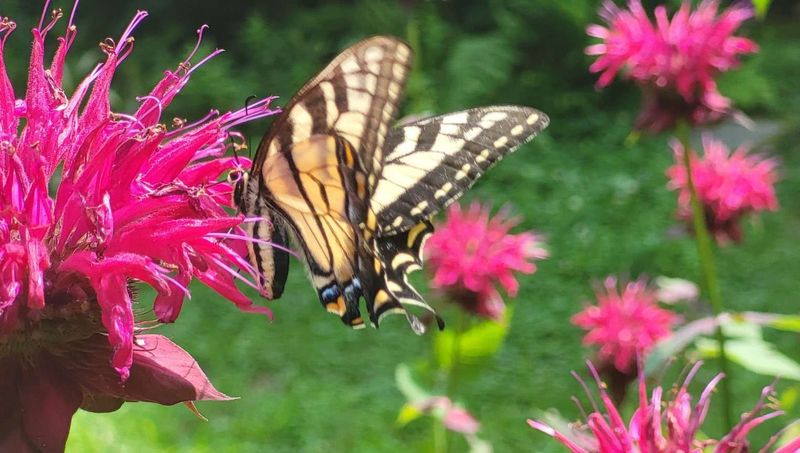
Bee Balm, also known as Monarda, is a showstopper with its spiky, red blooms. This perennial plant is a favorite among pollinators, offering nectar-rich flowers that butterflies and bees can’t resist.
Thriving in full sun to partial shade, Bee Balm also has a delightful fragrance that adds an aromatic dimension to the garden. Its long flowering period ensures that the garden is alive with activity throughout the summer months.
Beyond its beauty, Bee Balm is also known for its medicinal properties, making it a functional addition to any garden.
7. Cosmos
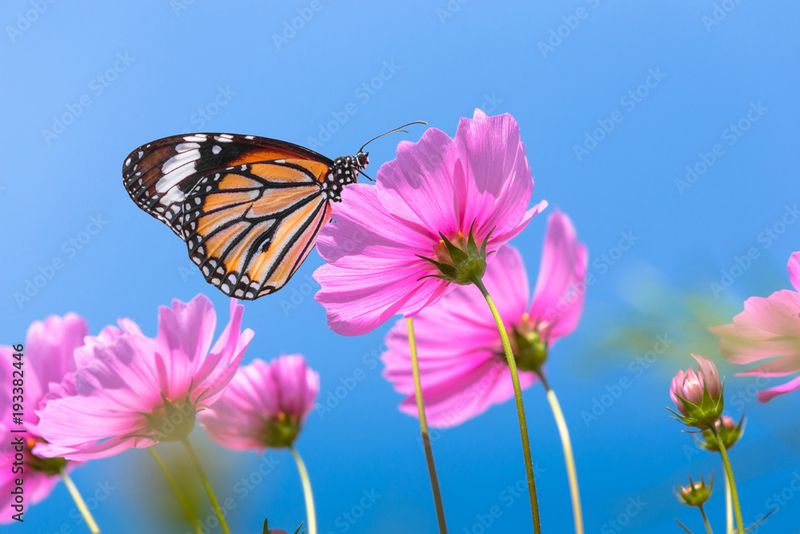
Cosmos, with its airy foliage and delicate blooms, adds a whimsical touch to any garden. These flowers are easy to grow, thriving in poor soil and full sun, making them ideal for low-maintenance gardens.
Their pastel pink and white petals create a soothing palette that attracts butterflies and other pollinators. Cosmos continue to bloom until the first frost, providing a consistent nectar source.
These flowers are not only beautiful but also promote biodiversity, offering a habitat for beneficial insects. A charming addition to any butterfly garden.
8. Sunflower
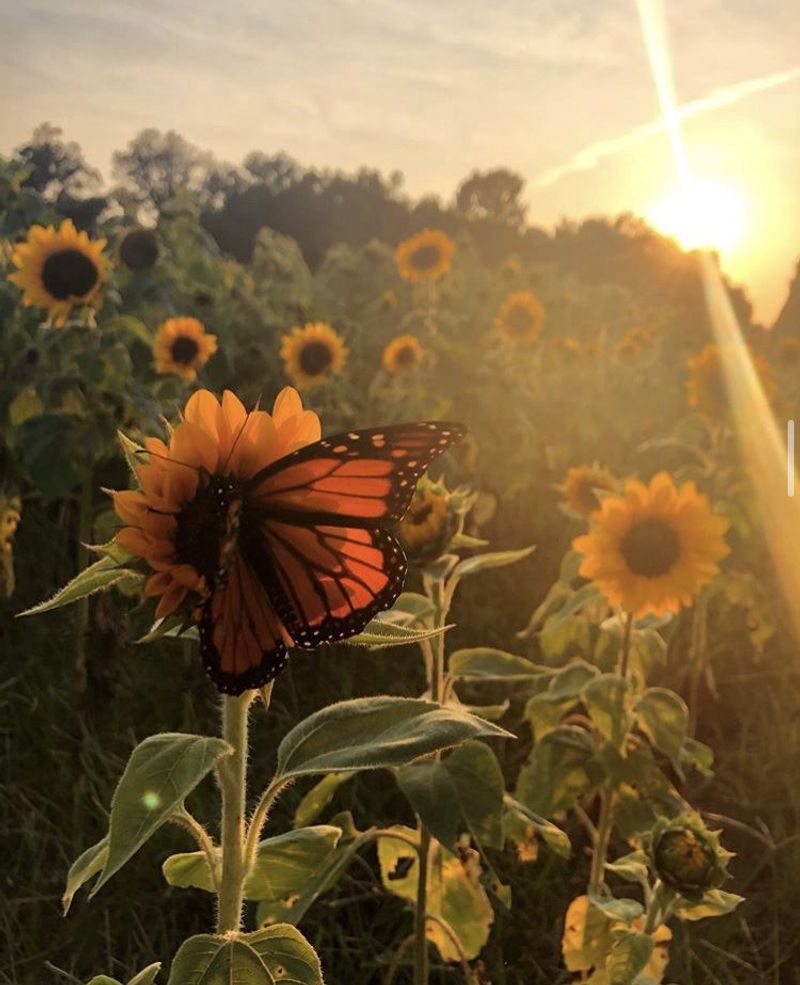
Sunflowers, with their towering presence and cheerful disposition, are a garden classic. Their sunny faces provide a striking backdrop for butterflies, which flock to their generous nectar and pollen offerings.
Thriving in sunny spots, sunflowers are easy to grow from seed, reaching impressive heights. They also provide seeds for birds and can be enjoyed throughout the fall.
With their delightful appearance and ecological benefits, sunflowers are a must-have for any butterfly garden, offering a joyful spectacle of color and life.
9. Aster
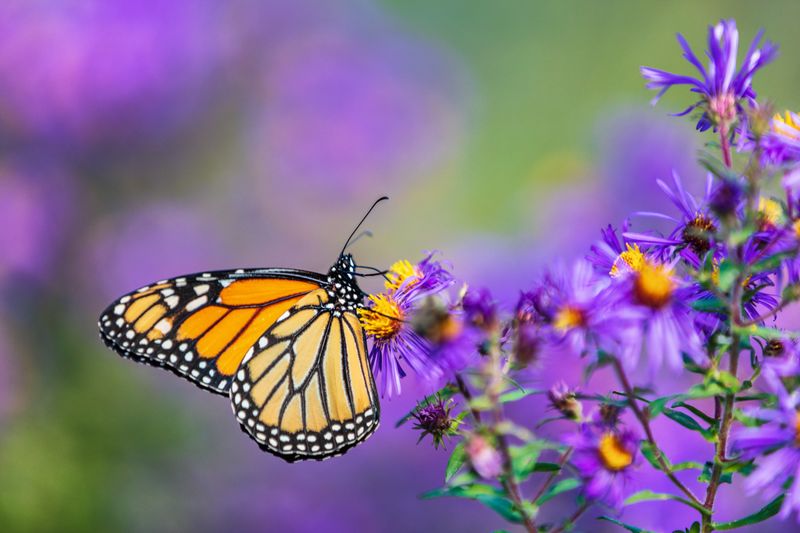
Asters, with their star-like flowers, bring a burst of color to the late summer garden. These perennials thrive in full sun, producing vibrant purple and blue blooms that attract butterflies in abundance.
Their late flowering period ensures that nectar is available when other flowers have faded, supporting the butterfly population through the fall.
Asters are not only beautiful but also resilient, requiring minimal care once established. They make excellent companions in any butterfly garden, blending color and ecological value harmoniously.
10. Daisy
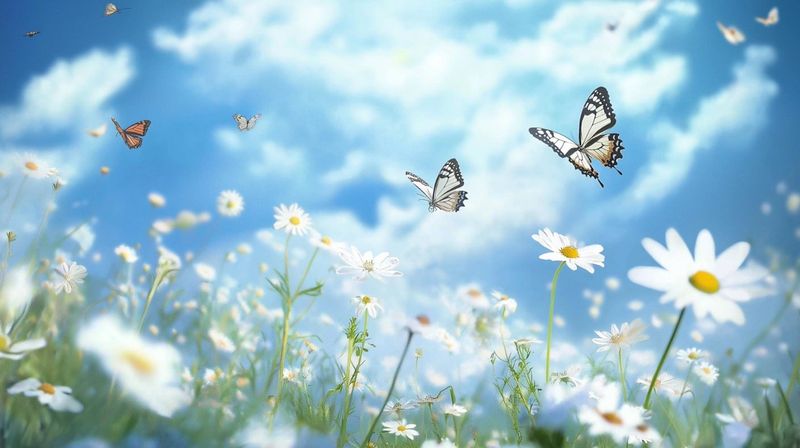
Daisies, with their classic charm and simple beauty, are a timeless addition to any garden. Their white petals and sunny centers create a cheerful landscape that attracts butterflies and other pollinators.
Low-maintenance and adaptable, daisies thrive in various conditions, making them a versatile choice for gardeners. They bloom from late spring to early autumn, ensuring a consistent food source for butterflies.
With their cheerful appearance and ease of growth, daisies enhance the visual appeal and biodiversity of butterfly gardens, offering both charm and ecological benefits.
11. Salvia
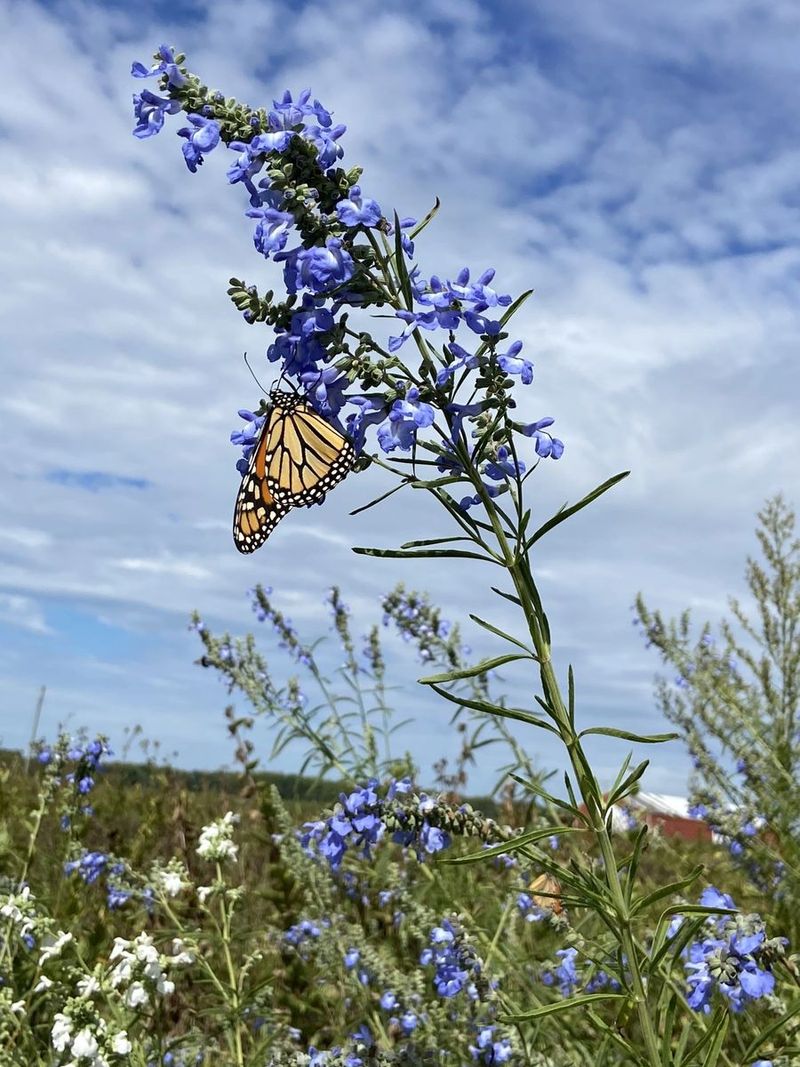
Salvia, with its tall spikes of vibrant flowers, is a magnet for butterflies and bees. Available in stunning shades of blue and purple, this perennial thrives in sunny locations, offering a long blooming season.
Its aromatic leaves add an extra sensory dimension to the garden, making it a delightful place for both wildlife and gardeners. Salvia’s drought tolerance and low-maintenance nature make it a practical choice for sustainable gardening.
By incorporating salvia, you not only enhance your garden’s beauty but also support essential pollinators in their vital roles.
12. Marigold
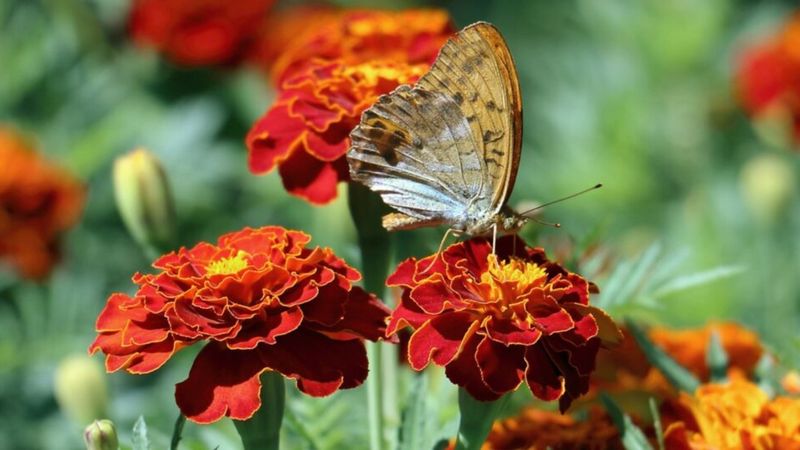
Marigolds bring a splash of sunshine to any garden with their bright orange and yellow blooms. These annuals are easy to grow, thriving in full sun and well-drained soil, making them perfect for beginners.
Their strong scent deters pests, providing a natural protective barrier for the garden while attracting butterflies. Marigolds are also known for their ability to improve soil health, making them a beneficial companion plant.
Their vibrant colors and practical benefits make marigolds a delightful addition to any butterfly garden, ensuring a lively and thriving environment.
13. Verbena
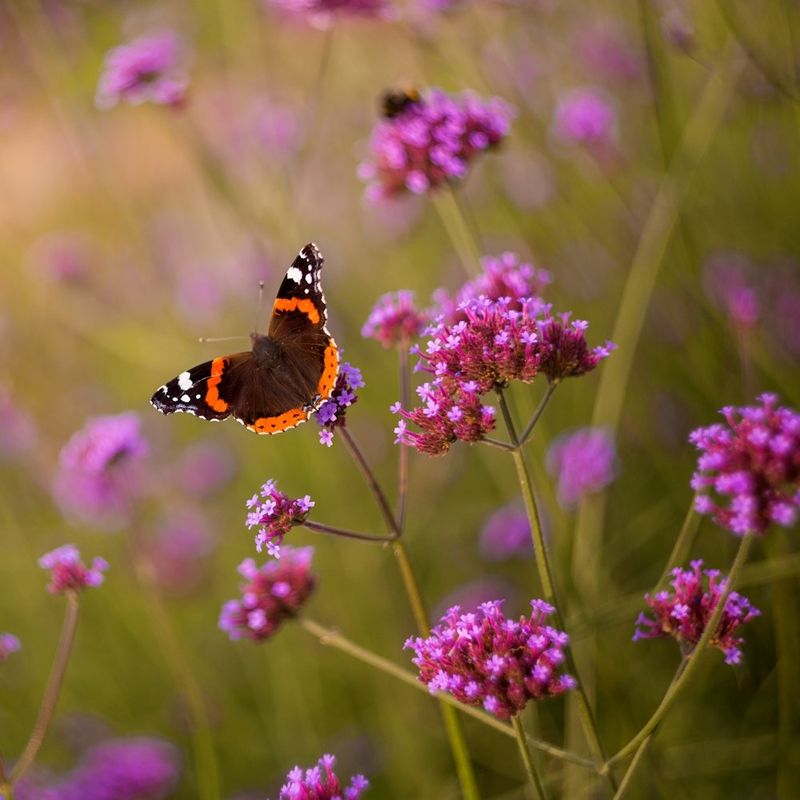
Verbena, with its cascading clusters of purple blooms, adds elegance to any garden space. This perennial thrives in sunny locations, offering a continuous display of flowers that attract butterflies and other pollinators.
Its low-growing habit makes it ideal for borders and containers, providing versatility in garden design. Verbena’s resilience and minimal care requirements make it a practical choice for gardeners seeking beauty without hassle.
By adding verbena, you create a vibrant and inviting atmosphere for butterflies, enhancing both the aesthetic and ecological value of your garden.
14. Yarrow
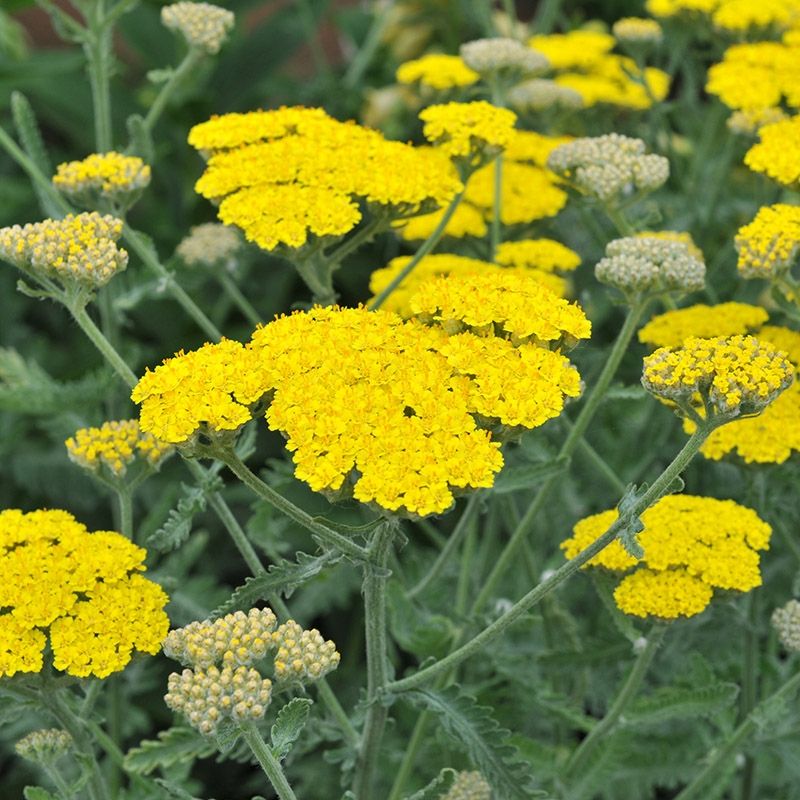
Yarrow, with its flat-topped clusters of tiny flowers, is a staple for butterfly gardens. Available in various colors, yarrow thrives in sunny, well-drained locations, offering both beauty and resilience.
Its long blooming period ensures a steady supply of nectar, attracting a plethora of butterflies throughout the growing season. Yarrow’s feathery foliage adds texture to the garden, complementing other plants.
With its drought tolerance and ease of growth, yarrow is a valuable addition to any butterfly garden, promoting biodiversity and visual interest.
15. Lavender
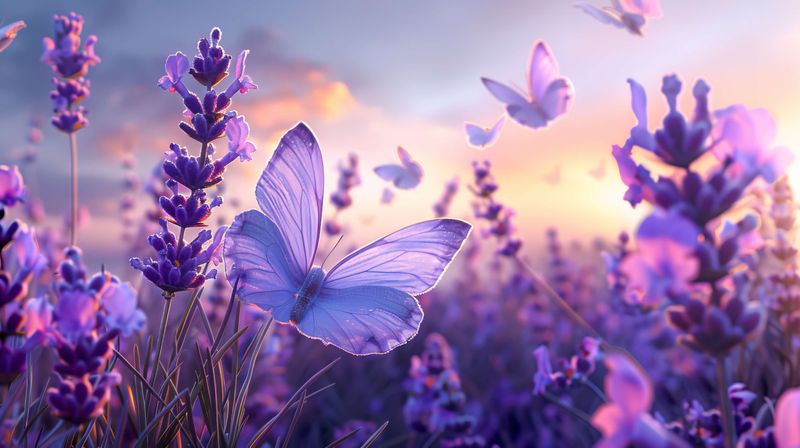
Lavender, with its soothing scent and purple blooms, brings tranquility to any garden. This Mediterranean herb thrives in sunny, well-drained conditions, offering a haven for butterflies and bees.
Its aromatic foliage and long-lasting flowers make it a garden favorite, providing both visual appeal and ecological benefits. Lavender’s versatility allows it to be used in various garden styles, from formal to cottage.
With its fragrant charm and pollinator-friendly nature, lavender is an ideal choice for creating a serene butterfly paradise.
16. Joe-Pye Weed
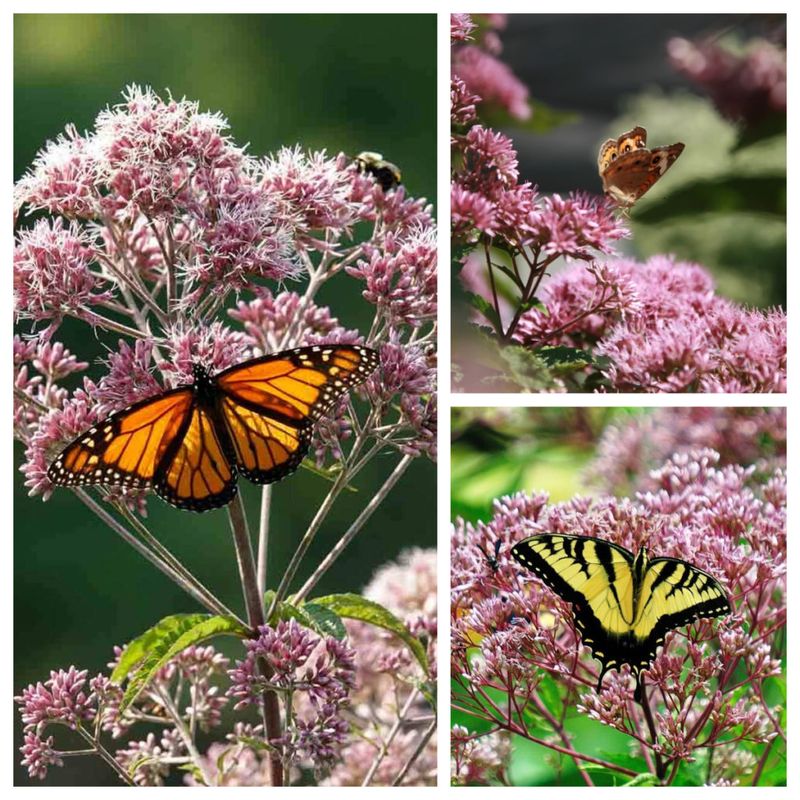
Joe-Pye Weed, with its towering presence and delicate pink blooms, is a butterfly magnet. This native perennial thrives in moist conditions, offering a spectacular display in late summer.
Its large flower heads provide a rich nectar source, attracting butterflies and other pollinators in droves. Joe-Pye Weed’s tall stature adds vertical interest to the garden, complementing lower-growing plants.
By incorporating Joe-Pye Weed, you enhance the biodiversity and beauty of your butterfly garden, creating a dynamic and lively ecosystem.
17. Black-Eyed Susan
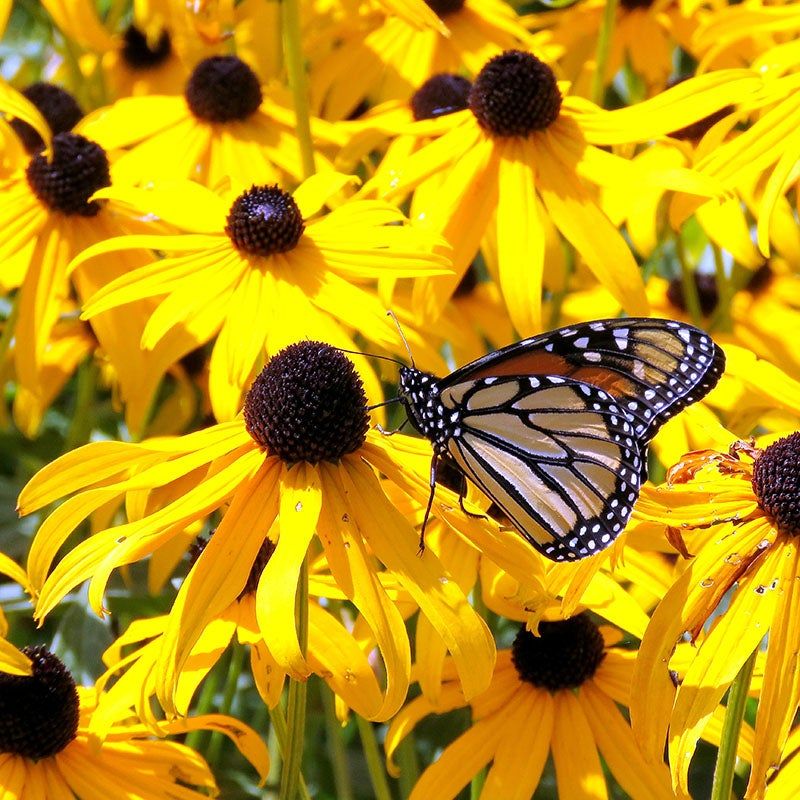
Black-Eyed Susans, with their sunny yellow petals and dark centers, bring warmth to any garden. These hardy perennials thrive in various conditions, offering a reliable nectar source for butterflies.
Their long blooming period ensures that butterflies have plenty to feed on throughout the summer and into the fall. Black-Eyed Susans are also deer-resistant, adding a layer of protection to the garden.
With their vibrant color and durability, these flowers are a delightful addition to any butterfly haven, promoting ecological diversity and visual charm.