
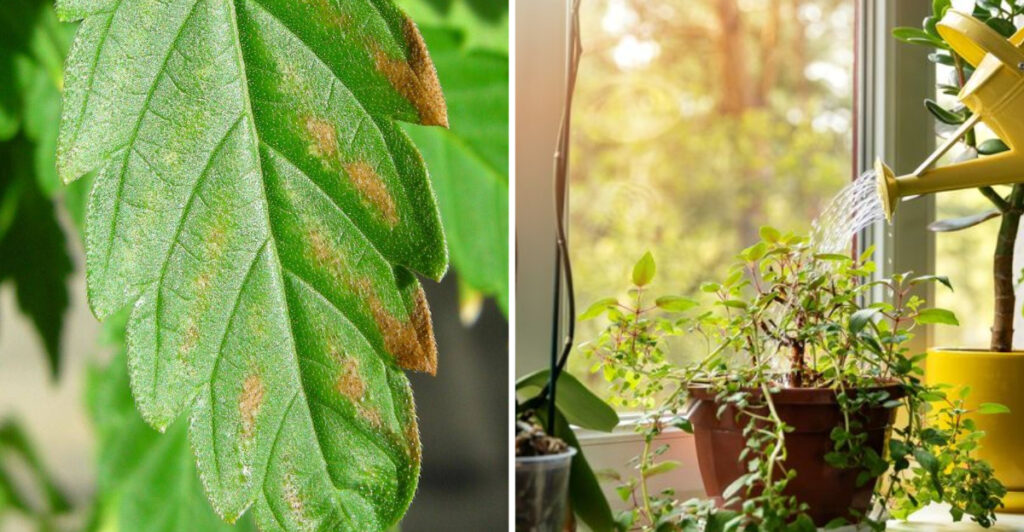
Gardening is an art that thrives on knowledge and intuition. As a seasoned gardener, I discovered that breaking away from certain ingrained habits could lead to astonishing growth and vitality in my garden. Here, I share the top 15 habits I abandoned, which resulted in a flourishing paradise of plants and blooms.
1. Overwatering
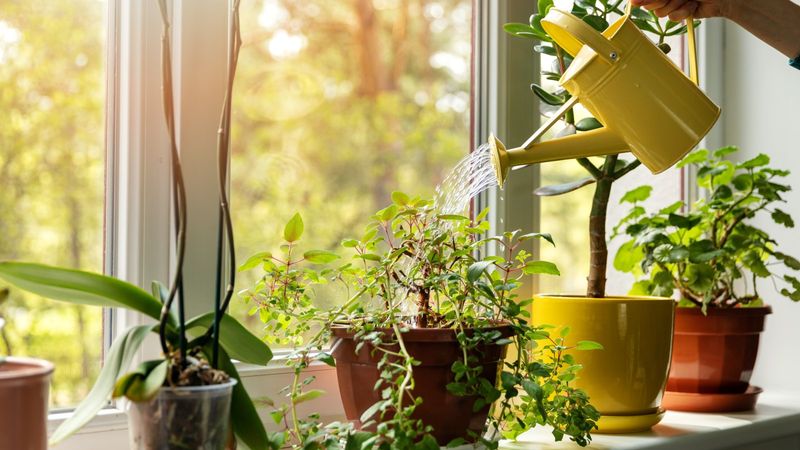
I used to think more water meant healthier plants. However, overwatering often leads to root rot and disease. I learned to check the soil moisture before watering. This practice not only conserved water but also improved plant health.
2. Over-fertilizing
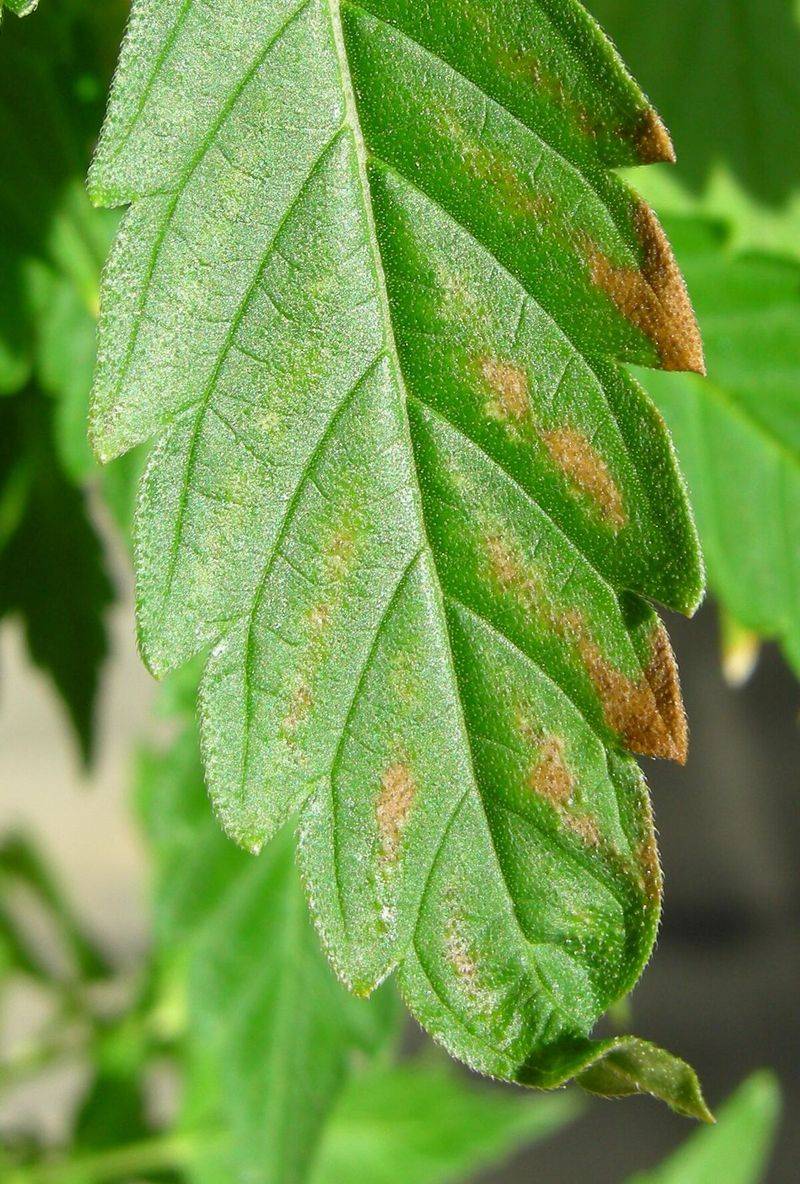
Excess fertilizer was my go-to for plant growth, but it led to salt buildup and nutrient imbalance. Now, I use organic compost and slow-release fertilizers sparingly, enhancing soil health and plant vitality.
3. Ignoring Native Plants
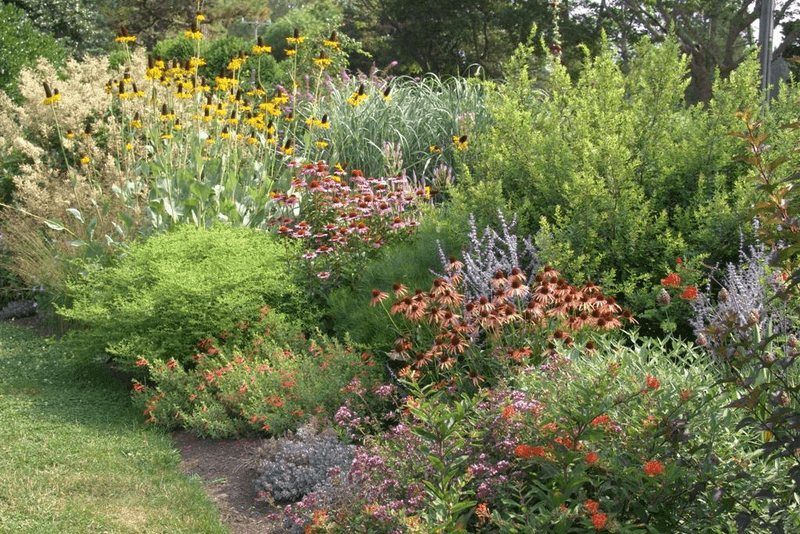
I often overlooked native plants, opting for exotic species. Native plants, however, are adapted to local conditions, reducing the need for chemicals and water. Embracing them brought resilience and beauty to my garden.
4. Crowding Plants
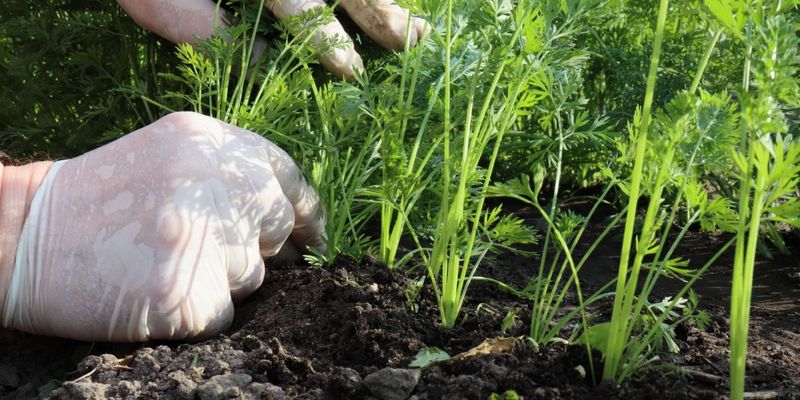
Planting too close was a mistake I made often. Crowded plants compete for resources and are prone to disease. Now, I give them room to breathe and grow, which enhances their overall health and bloom.
5. Neglecting Soil Health
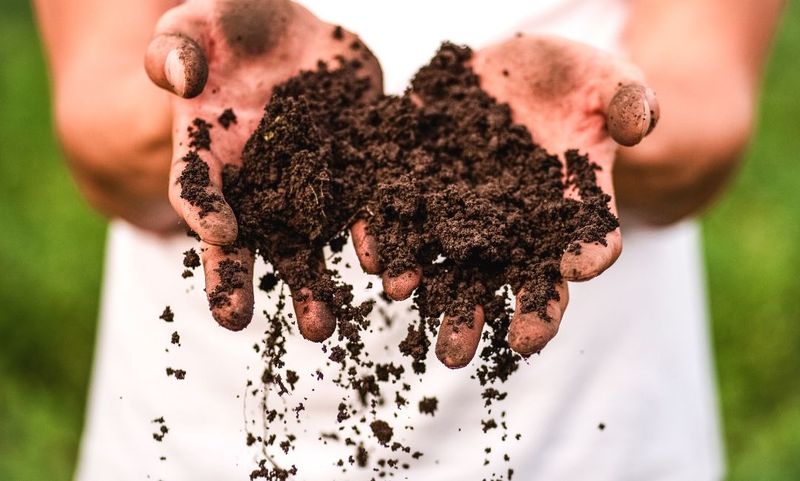
I used to focus solely on plants, ignoring the soil. Healthy soil is the foundation of a thriving garden. Regular testing and amending with organic matter have revitalized my garden’s ecosystem.
6. Using Pesticides Excessively
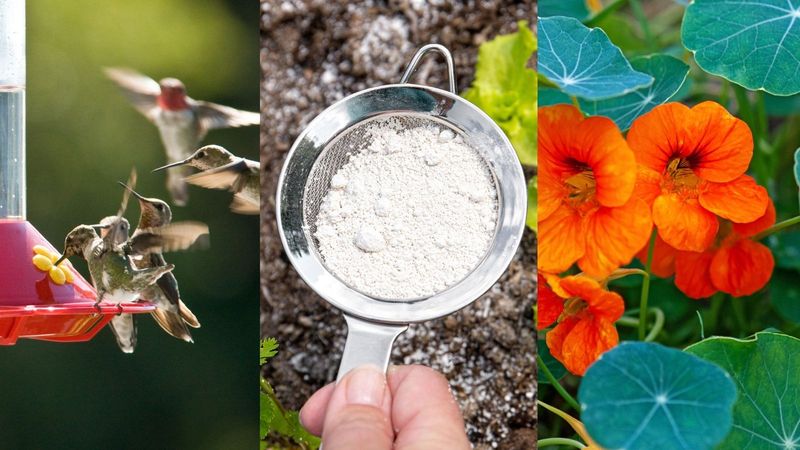
Heavy pesticide use often backfired, harming beneficial insects and the environment. I turned to natural pest control methods, like companion planting and encouraging beneficial insects, to maintain balance.
7. Ignoring Seasonal Maintenance

I used to neglect seasonal garden tasks, leading to chaos and decline. Now, I follow a seasonal maintenance schedule, which keeps my garden tidy and thriving year-round.
8. Avoiding Mulching
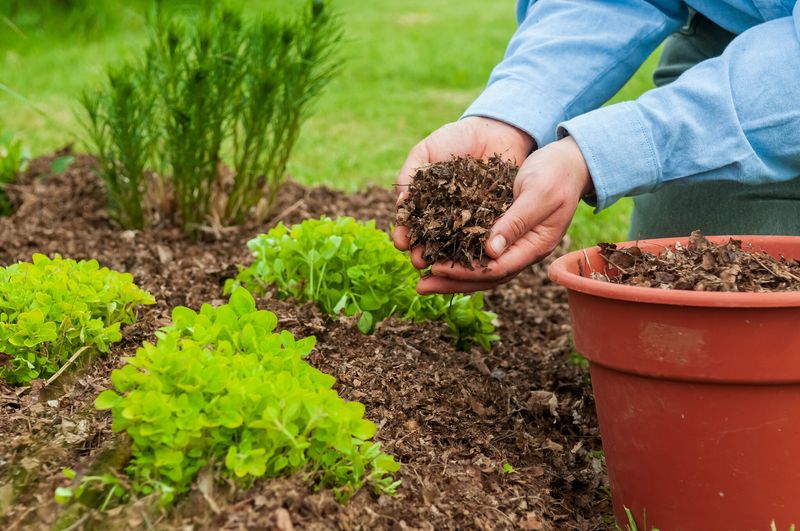
I underestimated mulching, but it’s a game changer for moisture retention and weed suppression. A layer of organic mulch improved my garden’s resilience and appearance.
9. Pruning Improperly
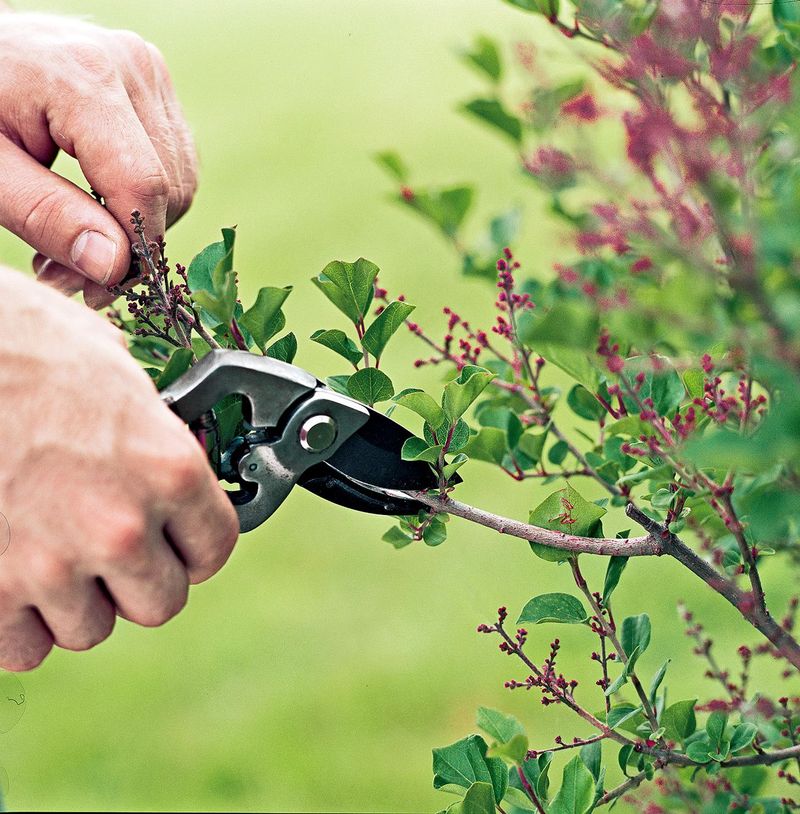
Improper pruning led to weak growth and poor blooms. Learning correct pruning techniques for each plant type improved their structure and flowering, making my garden more beautiful.
10. Disregarding Plant Companionship
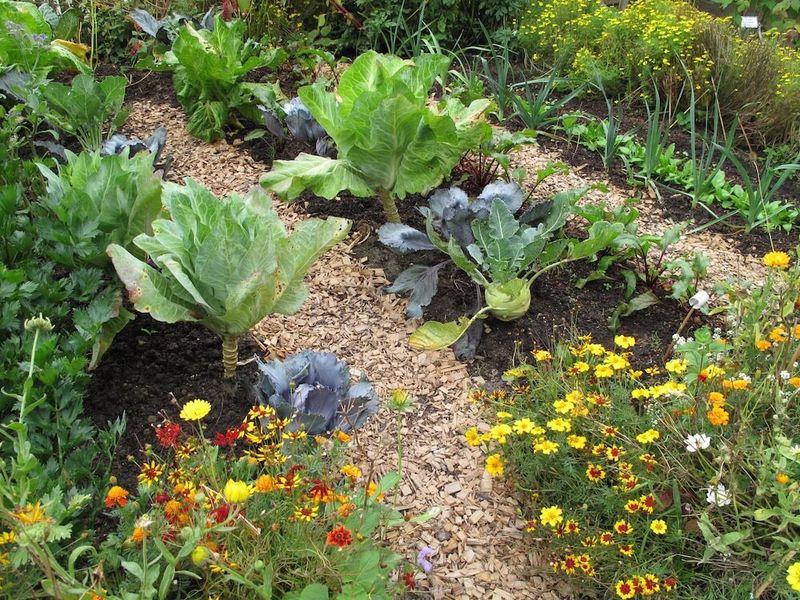
I ignored plant companionship, but certain plant pairings enhance growth and deter pests. Embracing this strategy has optimized my garden’s health and productivity.
11. Not Rotating Crops
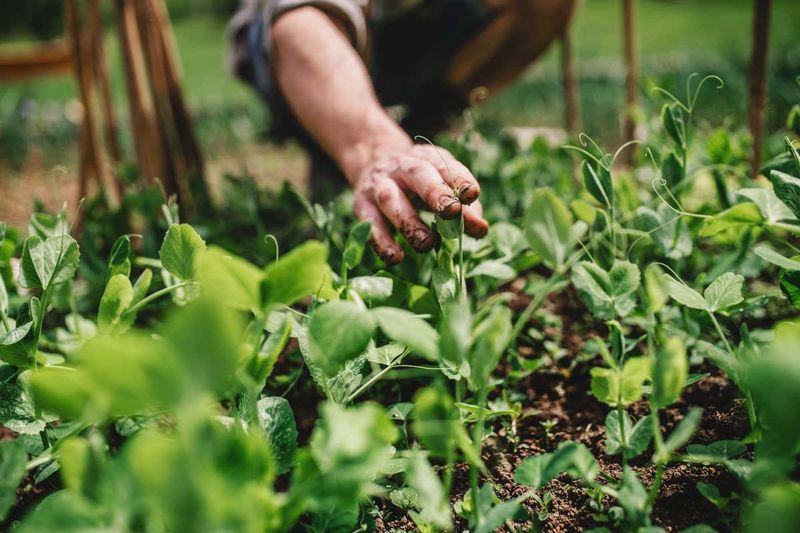
I rarely rotated crops, leading to soil depletion and pest buildup. Crop rotation keeps soil fertile and reduces pests, boosting yield and soil health.
12. Using Non-Permeable Surfaces
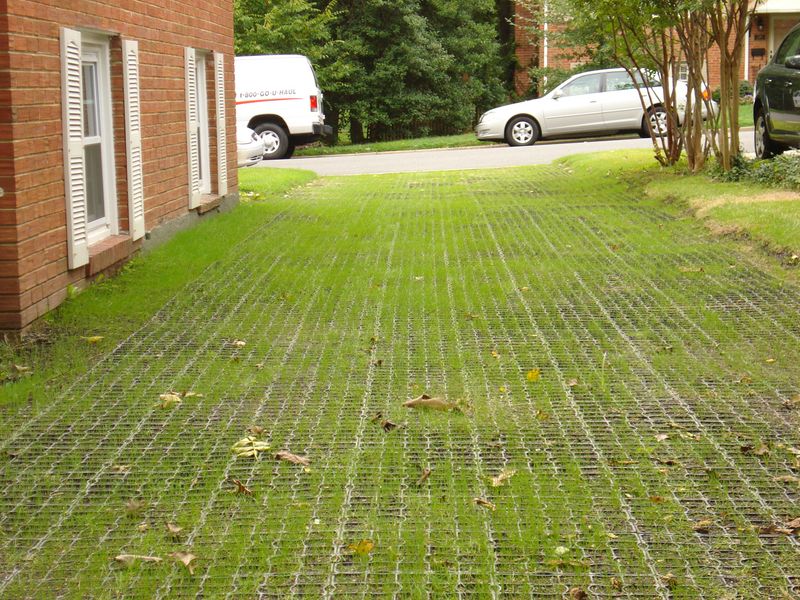
Non-permeable surfaces caused water runoff and erosion. I’ve switched to permeable paths, enhancing water absorption and reducing erosion in my garden.
13. Ignoring Microclimates
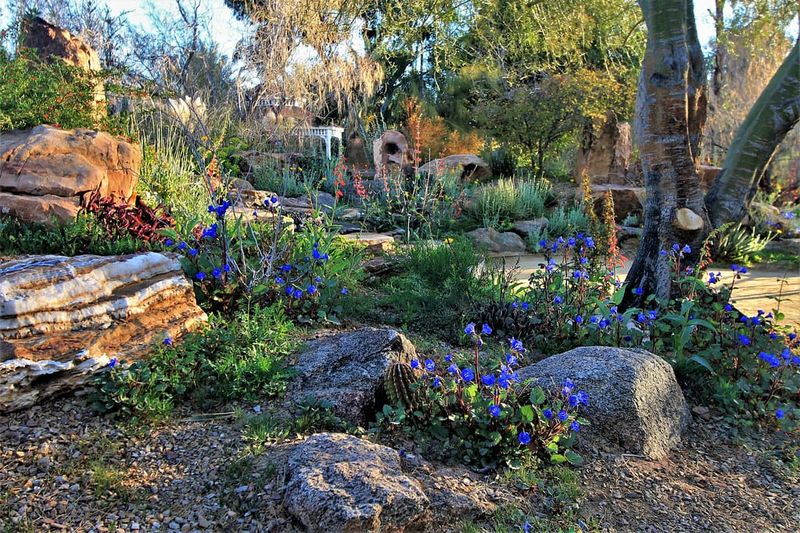
Ignoring microclimates meant missed opportunities for diverse planting. By identifying and utilizing them, I’ve created a garden that supports a wider variety of plants.
14. Neglecting Pollinators
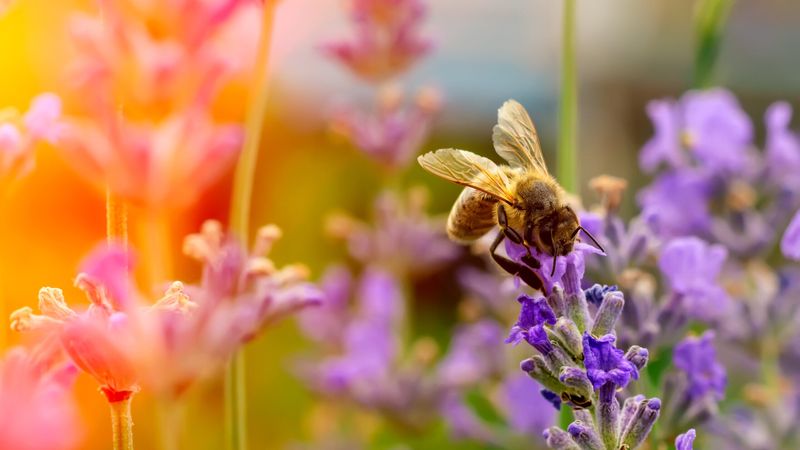
Pollinators are essential for a thriving garden. I now plant with pollinators in mind, attracting bees and butterflies, which has increased my garden’s productivity and beauty.
15. Not Composting
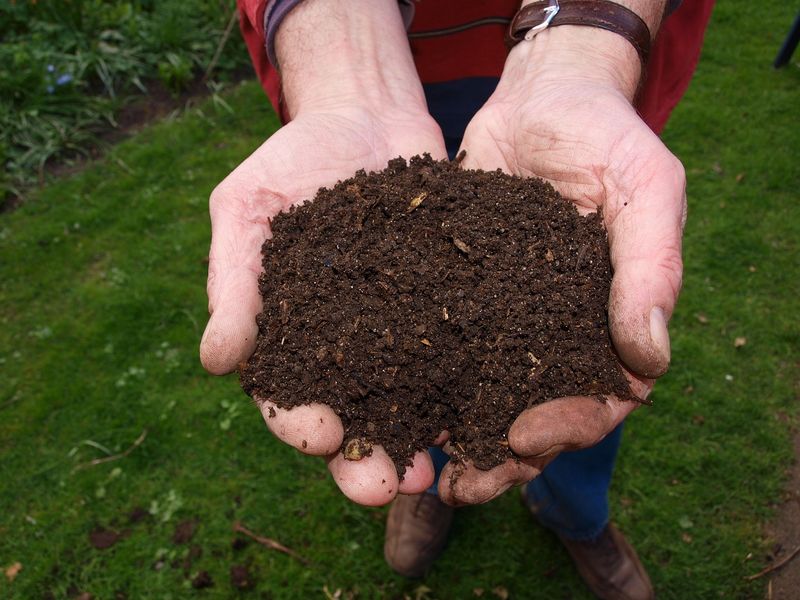
I once discarded organic waste, missing out on nutrient-rich compost. Composting has become integral to my garden, enriching the soil and reducing waste.