 Complete Gardening
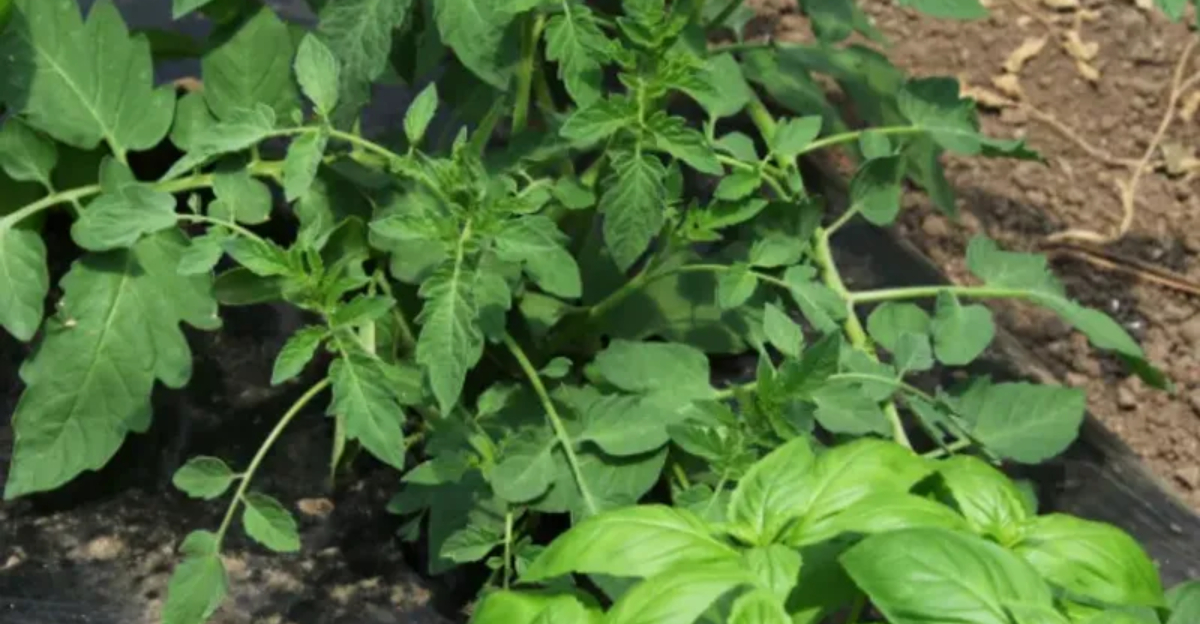
Growing basil can be a rewarding experience, but many enthusiasts unknowingly make mistakes that hinder their plants’ full potential. While basil is a relatively easy herb to grow, there are hidden techniques and insights that can dramatically improve your harvest. In this post, we’ll explore 21 secrets that expert gardeners often keep to themselves, each aimed at helping you cultivate the most fragrant and lush basil possible. From soil composition to sunlight nuances, these tips will transform your gardening journey. Let’s unlock the mysteries of growing basil like a pro.
1. Secret 1: Morning Sunlight
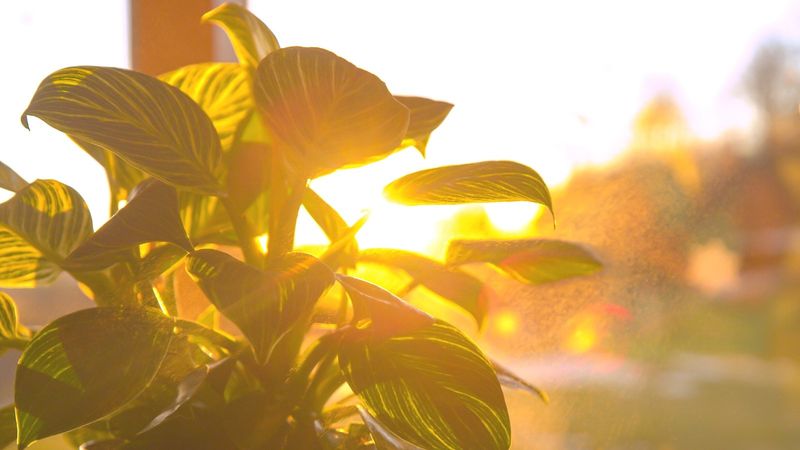
Morning sunlight is a game-changer for basil growth. The gentle rays of the morning provide warmth without the intensity of midday sun, which can scorch the leaves. A location that receives morning light will nurture basil’s growth, making it flourish.
Basil thrives in consistency, and starting the day with gentle sunlight sets a nurturing rhythm. By ensuring your basil plants soak in those morning rays, you’ll notice a more vibrant and robust plant.
Ensure your garden or window spot captures those early beams, and witness the transformation in your basil’s health and vitality.
2. Secret 2: Soil pH Level
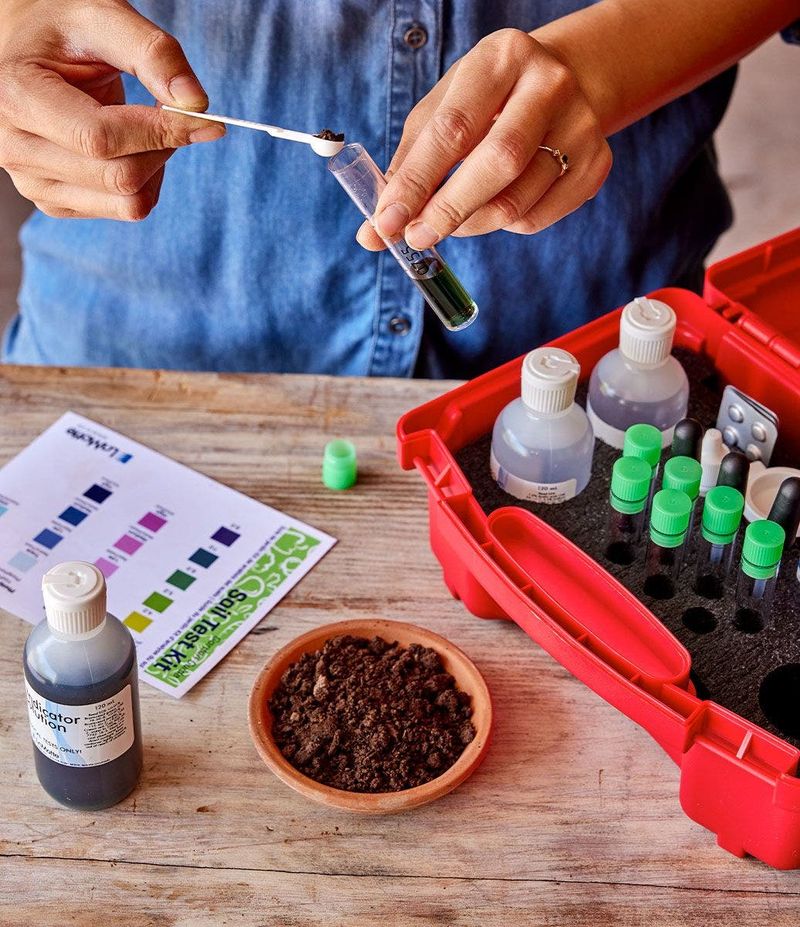
A little-known secret to growing thriving basil is maintaining the right soil pH. Basil prefers a slightly acidic to neutral pH, typically between 6.0 and 7.5. This range allows the plant to absorb nutrients effectively, promoting healthy growth.
Testing your soil’s pH is essential. With a simple pH meter or test kit, you can determine if adjustments are needed.
Consider adding lime to raise the pH or sulfur to lower it. These adjustments can make a world of difference in your basil’s health, transforming it from ordinary to extraordinary.
3. Secret 3: Pruning Properly
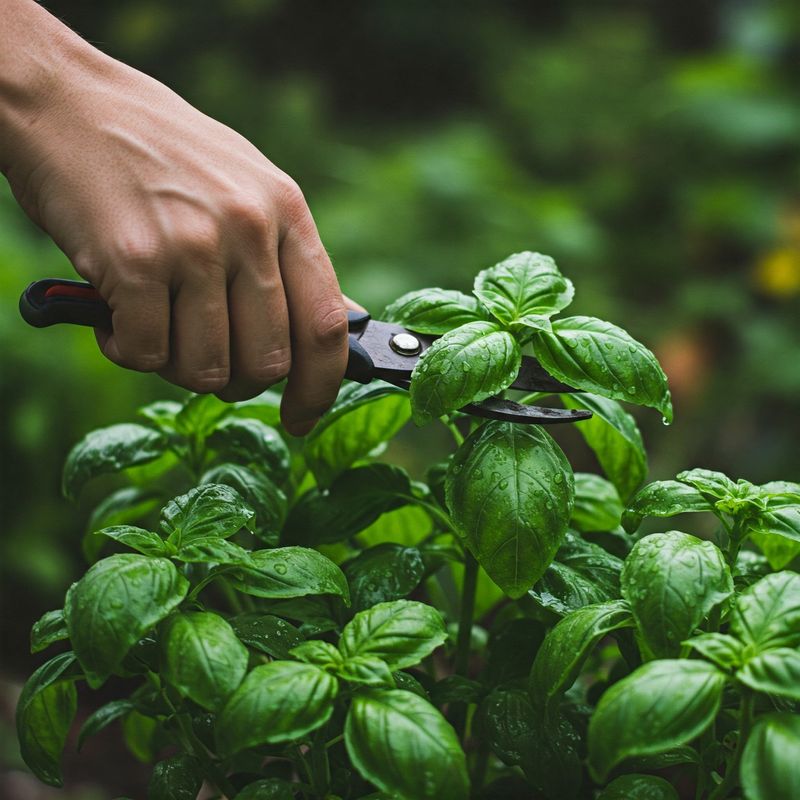
Pruning is an art in basil cultivation. By pinching off the top leaves regularly, you encourage the plant to grow outward rather than upward. This leads to a bushier basil plant, with more leaves for harvesting.
Proper pruning involves cutting just above a leaf node, where new branches sprout. Regular trimming also prevents the plant from flowering too soon, which can affect flavor.
Mastering this technique ensures a continuous supply of fresh, aromatic basil, enhancing your culinary endeavors. With every snip, you’re shaping a lush, productive plant.
4. Secret 4: Companion Planting
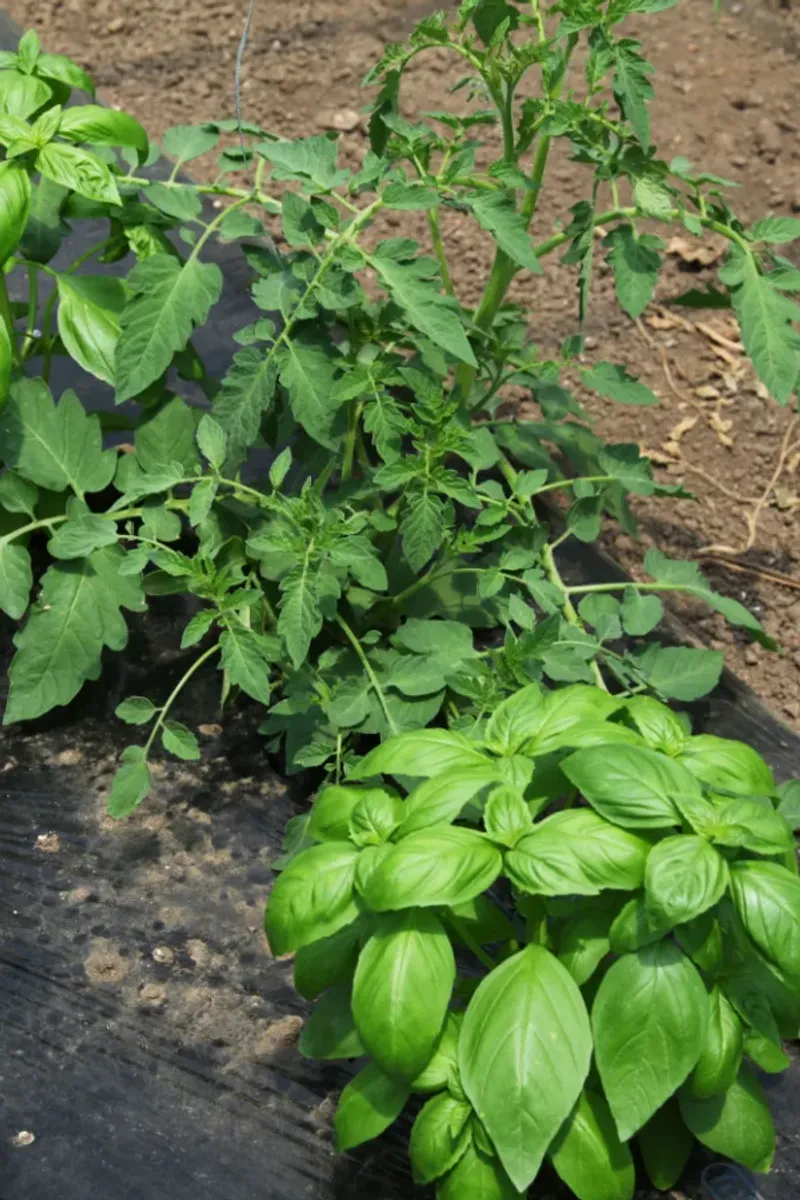
Companion planting is a strategic method to boost basil’s productivity. When planted alongside tomatoes, peppers, or marigolds, basil benefits from shared resources and pest control. The aromatic nature of basil can deter harmful insects naturally.
This symbiotic relationship also enhances the flavors of nearby plants, creating a more harmonious garden ecosystem.
Experiment with different companions to find the perfect match for your garden. You’ll discover that these partnerships can lead to healthier plants and a more bountiful harvest, redefining your gardening experience.
5. Secret 5: Watering Wisely
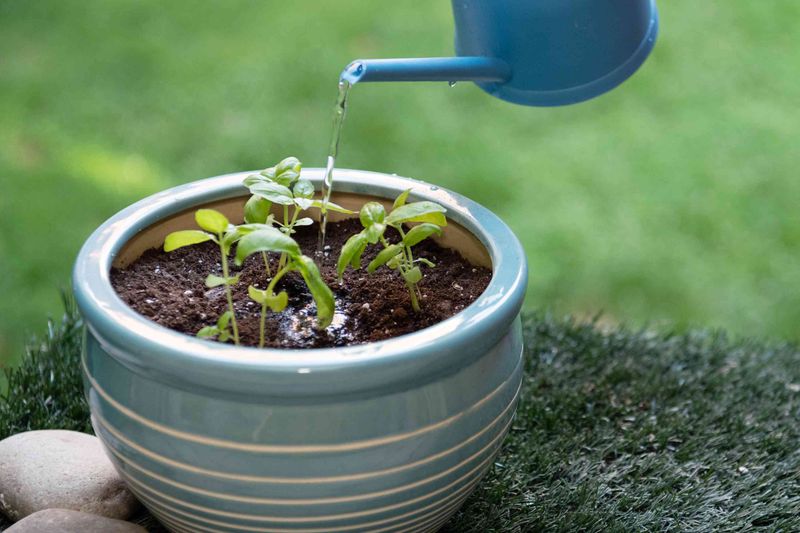
The way you water basil can make or break its growth. Basil prefers consistent moisture, but overwatering can lead to root rot. The key is to water the soil directly, avoiding the leaves, and ensuring it remains damp but not soggy.
Check the soil’s top inch; if it’s dry, it’s time to water. Early morning watering is best, allowing the plant to absorb moisture before the day’s heat.
This mindful approach to hydration will result in a resilient plant, boasting lush leaves ready for your next culinary creation.
6. Secret 6: Fertilization Timing
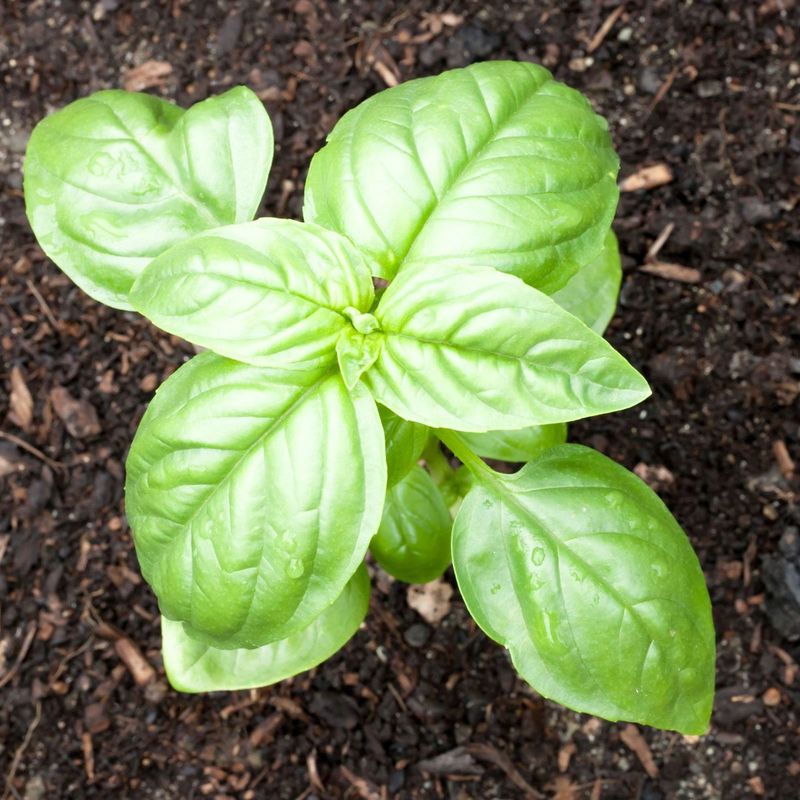
Timing is everything when it comes to fertilizing basil. Experts suggest feeding basil every four to six weeks for optimal growth. A balanced fertilizer, rich in nitrogen, phosphorous, and potassium, will support leaf development and overall health.
Applying fertilizer in the early morning or late afternoon ensures the nutrients are absorbed efficiently, without the risk of scorching the plant in the midday sun.
By adhering to a regular fertilization schedule, your basil will thrive, providing an aromatic and abundant harvest throughout the growing season.
7. Secret 7: Avoiding Cold Drafts
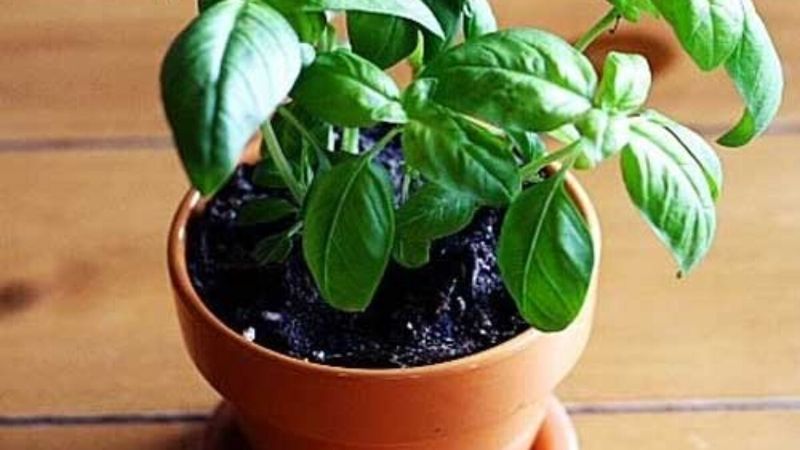
Basil is sensitive to cold drafts, which can hinder its growth. Ensuring your basil is situated in a warm, stable environment is crucial for its development. A spot away from drafty windows or doors in your home is ideal.
The optimal temperature range for basil is between 70°F and 80°F. Maintaining this warmth encourages robust growth and prevents stress on the plant.
By creating a cozy environment, your basil will flourish, producing lush leaves that are perfect for any recipe. A warm basil plant is a happy plant, ready to enhance your dishes.
8. Secret 8: Proper Spacing
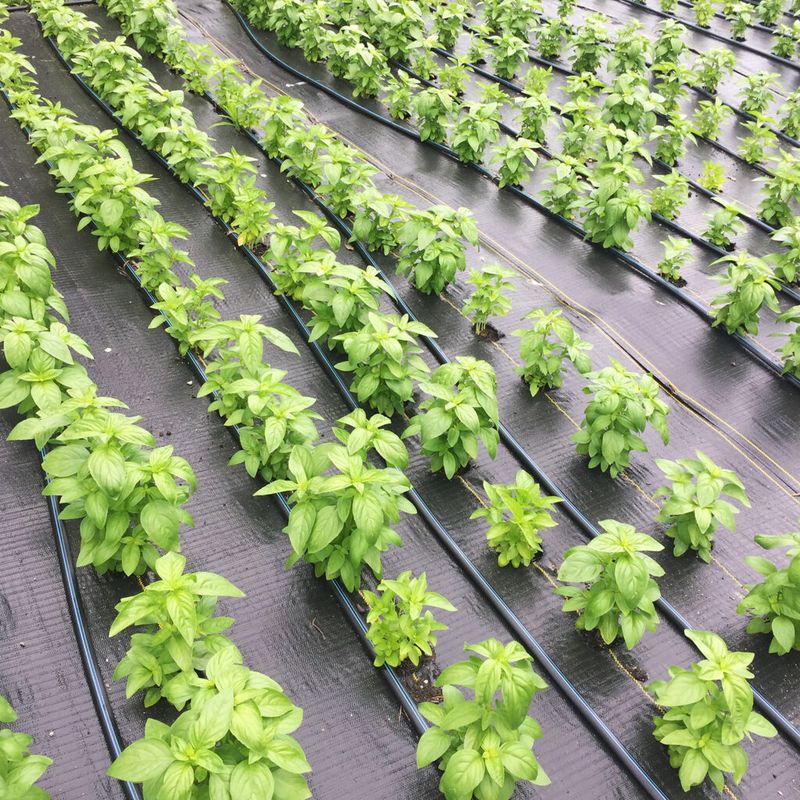
Proper spacing is a critical factor in growing basil successfully. Crowded plants compete for resources, leading to stunted growth and increased susceptibility to disease. Aim for a gap of 12 to 18 inches between each plant.
This spacing allows basil ample room to expand, ensuring each plant gets sufficient sunlight, air circulation, and nutrients.
By giving your basil space to breathe, you encourage robust growth, resulting in a healthier, more productive plant. This simple adjustment can vastly improve your basil yield and its aromatic intensity.
9. Secret 9: Avoiding Overcrowding
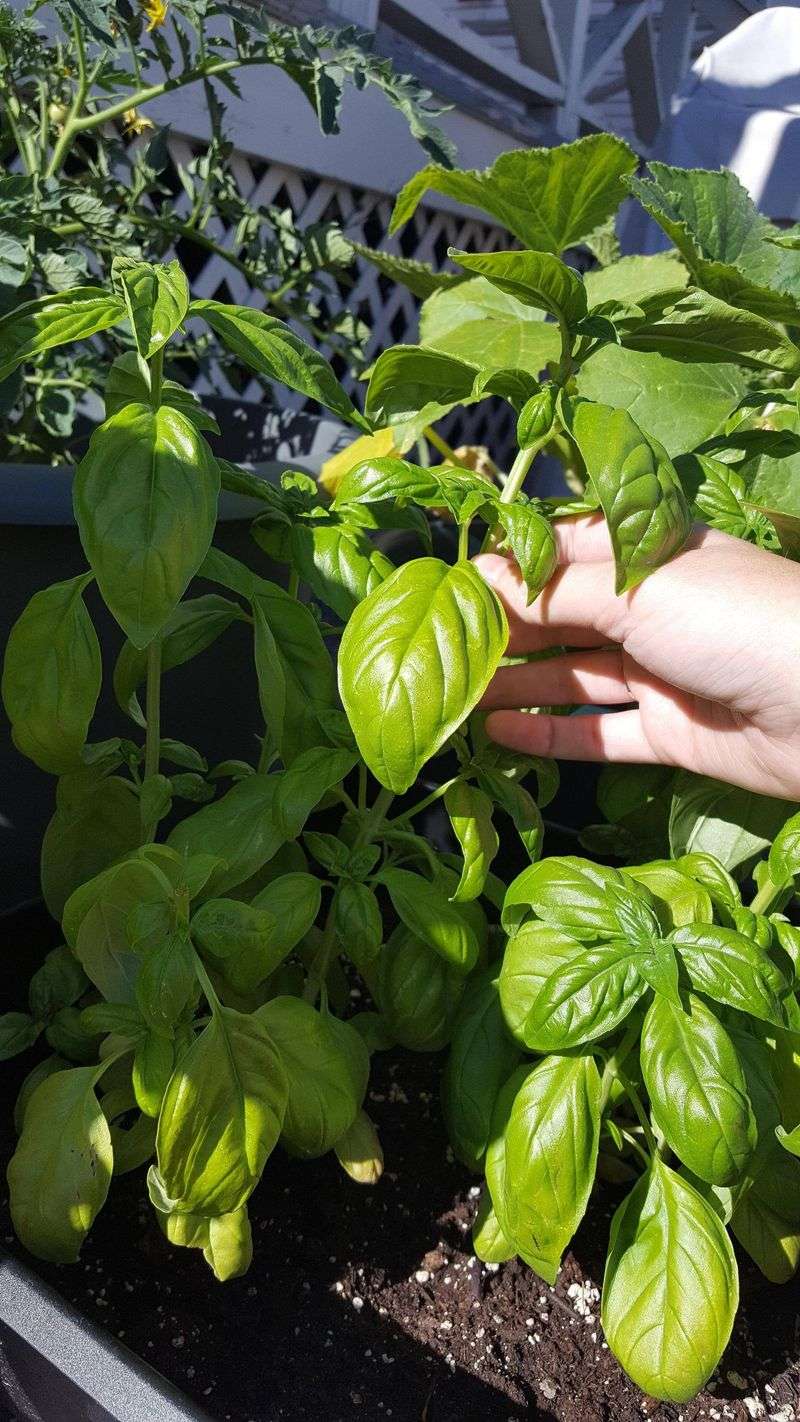
Overcrowding basil plants creates a struggle for sunlight, nutrients, and airflow. This can lead to weak plants that are prone to disease. Thinning out excess plants ensures each one has the space to thrive.
When you notice congestion, gently remove weaker or excess plants to give the remaining ones a better chance.
This practice not only improves growth but also enhances the flavor of your basil. A well-spaced basil plant is not only more productive but also more aromatic, turning your garden into a fragrant, lush paradise.
10. Secret 10: Mulching Benefits
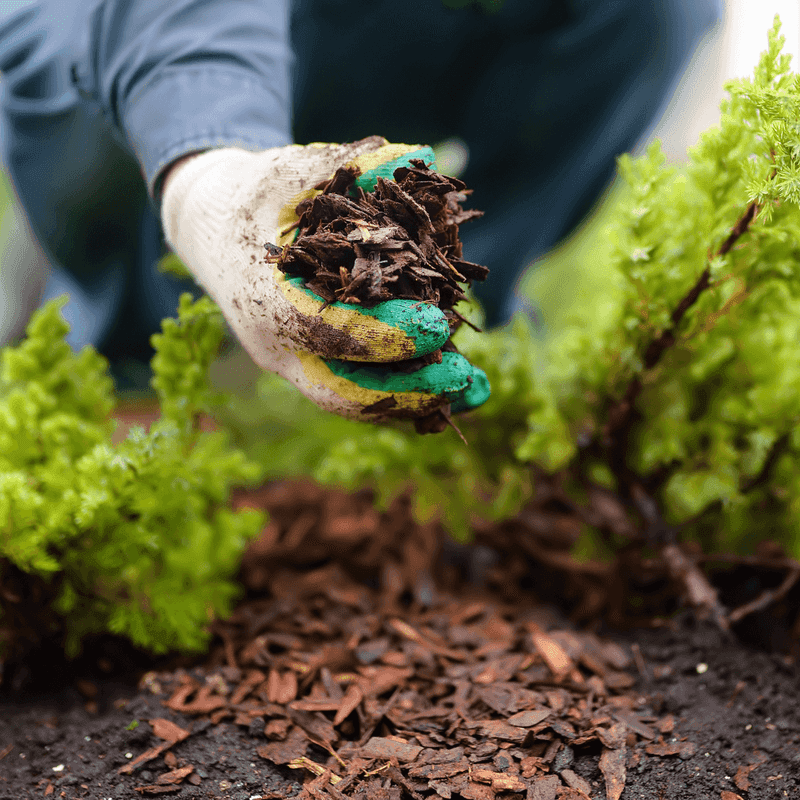
Mulching offers numerous benefits for basil plants. It retains moisture, suppresses weed growth, and regulates soil temperature. An organic mulch, like straw or bark, provides essential nutrients as it decomposes.
Apply a 2-inch layer around the base of your basil, ensuring it doesn’t touch the stem to prevent rot. This protective layer acts as a buffer against temperature fluctuations and helps maintain consistent moisture levels.
By using mulch, you’ll notice a healthier basil plant with vibrant leaves, as it reduces stress and fosters a more stable growing environment.
11. Secret 11: Natural Pest Control
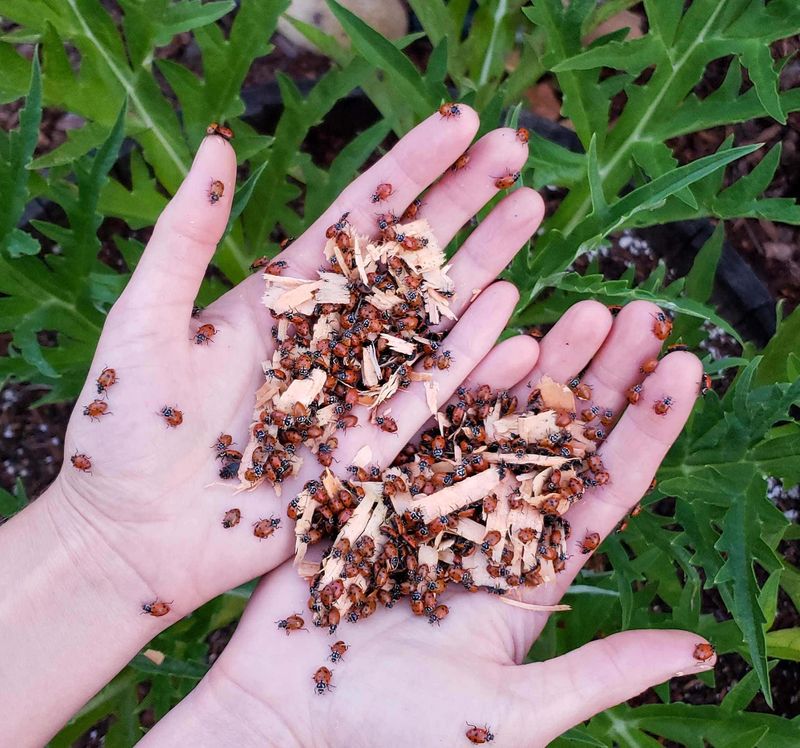
Natural pest control is an eco-friendly way to protect basil. Introducing beneficial insects like ladybugs and lacewings can naturally manage aphid populations. These tiny guardians keep your basil healthy without chemicals.
Another method is using neem oil or insecticidal soap, which deters pests without harming the plant or the environment.
By adopting these natural strategies, your basil will thrive, free from pests that can damage leaves and stunt growth. This approach not only ensures a robust plant but also contributes to a healthier garden ecosystem.
12. Secret 12: Rotating Crops
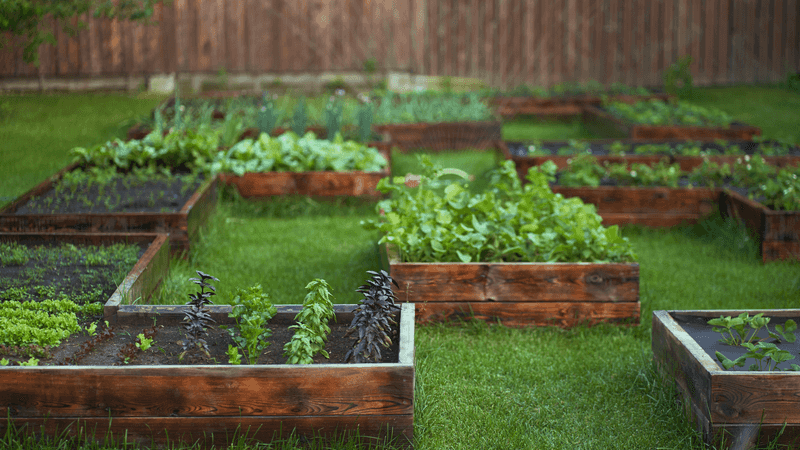
Rotating crops is a vital practice to prevent soil-borne diseases and nutrient depletion. Basil benefits greatly from being part of a crop rotation plan, which minimizes pest buildup and maintains soil health.
Change the planting location each season, alternating with plants that have different nutrient needs. This prevents overexploitation of soil nutrients and disrupts pest life cycles.
By rotating your basil crops, you’ll enjoy healthier plants and avoid common pitfalls associated with continuous planting in the same spot. This technique ensures your basil remains a vibrant part of your garden.
13. Secret 13: Sowing Seeds Indoors
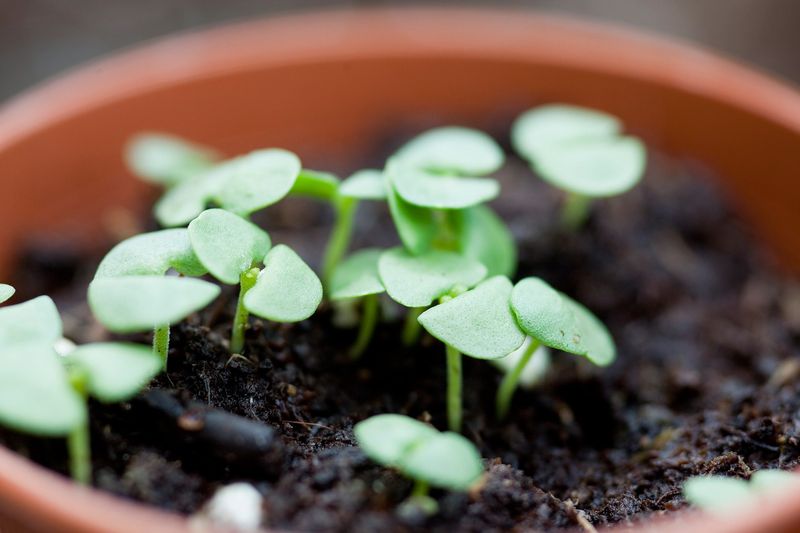
Starting basil indoors gives you a head start on the growing season. Sow seeds in trays about six to eight weeks before the last frost date. Use a light potting mix and ensure adequate light, either from a sunny window or grow lights.
This controlled environment allows seedlings to establish strong roots before transplanting outdoors.
Transferring robust seedlings to the garden ensures a higher success rate and healthier plants, ready to flourish in their new environment. Indoor sowing is a proactive approach to getting the most out of your basil season.
14. Secret 14: Harvesting Technique
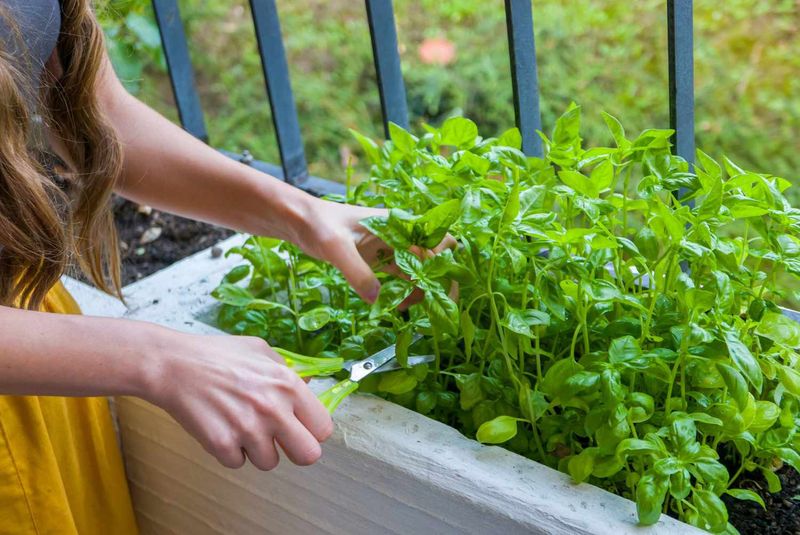
Harvesting basil correctly ensures continuous growth. Always pick leaves from the top of the plant, which encourages bushier growth and prevents flowering. This method also allows the plant to produce more leaves over time.
Avoid stripping too many leaves at once; leave enough foliage to support the plant’s energy production. Regular harvesting also keeps the plant from becoming leggy.
By mastering this technique, your basil plant will yield an ongoing supply of fresh leaves, enhancing your culinary creations with its vibrant flavor and aroma.
15. Secret 15: Pest-Resistant Varieties
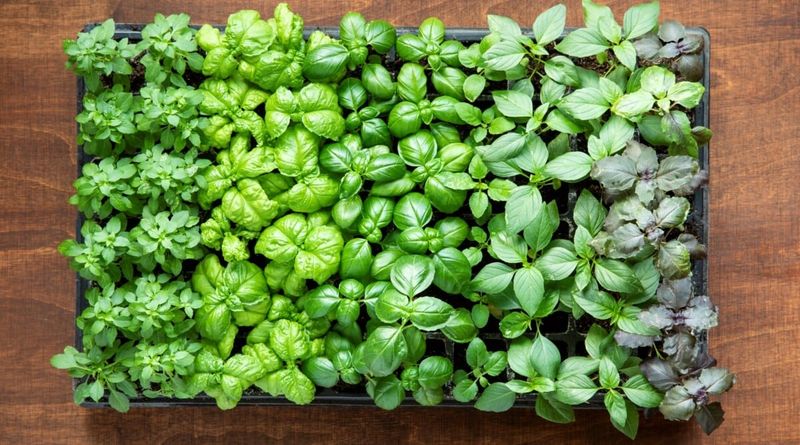
Choosing pest-resistant basil varieties can save you a lot of trouble in the garden. Genovese and Lemon basil are known for their ability to withstand common basil pests like aphids and whiteflies.
These varieties not only reduce the need for chemical interventions but also offer unique flavor profiles. Planting pest-resistant types enhances your garden’s resilience and ensures a continuous supply of fresh basil.
Embracing these varieties means less worry about infestations, allowing you to focus on enjoying the lush, aromatic leaves these basil plants produce.
16. Secret 16: Wind Protection
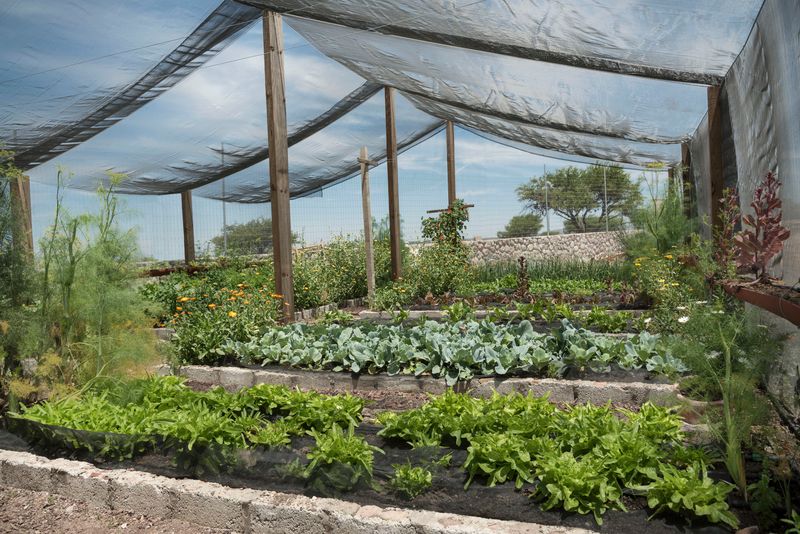
Protecting basil from strong winds is crucial, as it can cause physical damage and stress the plant. Use windbreaks, such as fences or hedges, to shield your basil plants, especially in exposed garden areas.
This protection not only prevents damage but also helps maintain optimal humidity levels around the plants.
By creating a calm microenvironment, your basil will thrive, free from the harsh effects of wind. This attention to environmental factors is key to cultivating a robust, healthy plant that stands strong in any garden.
17. Secret 17: Strategic Shade
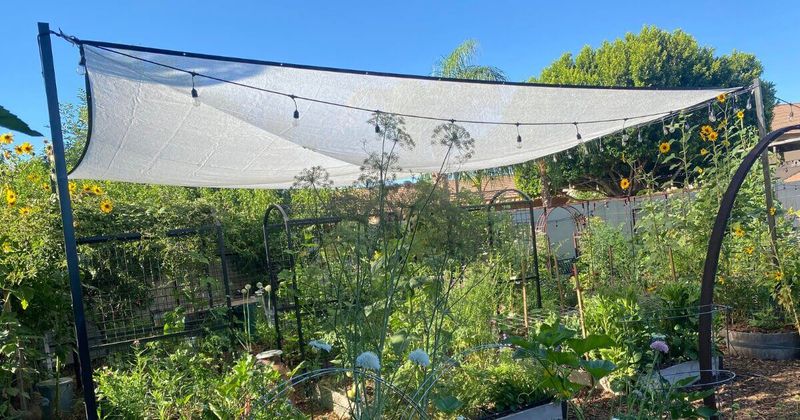
Strategic use of shade can benefit basil by preventing leaf scorch during intense midday sun. Plant basil near taller companions, like tomatoes or sunflowers, which can provide partial shade and reduce stress.
This approach mimics natural plant environments, where taller plants offer protection to their smaller counterparts.
The balance of sun and shade ensures your basil receives enough light for growth while protecting it from excessive heat. This nuanced understanding of plant needs leads to healthier, more vibrant basil in your garden.
18. Secret 18: Humidity Control
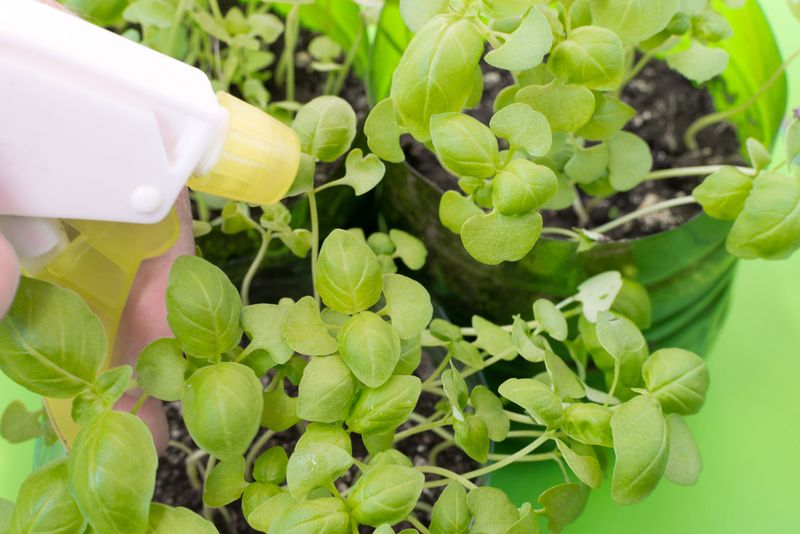
Controlling humidity is vital for basil’s health. It thrives in relative humidity between 40% and 60%. Too dry, and the plant wilts; too humid, and diseases can develop.
Using a hygrometer can help maintain optimal conditions, especially in indoor settings. Misting the plant or using a humidifier provides added moisture, while good ventilation prevents excess humidity.
By managing humidity levels, you create a balanced environment for your basil, fostering strong, vibrant growth and reducing the risk of disease. This careful attention to detail enhances your plant’s overall wellbeing.
19. Secret 19: Importance of Drainage
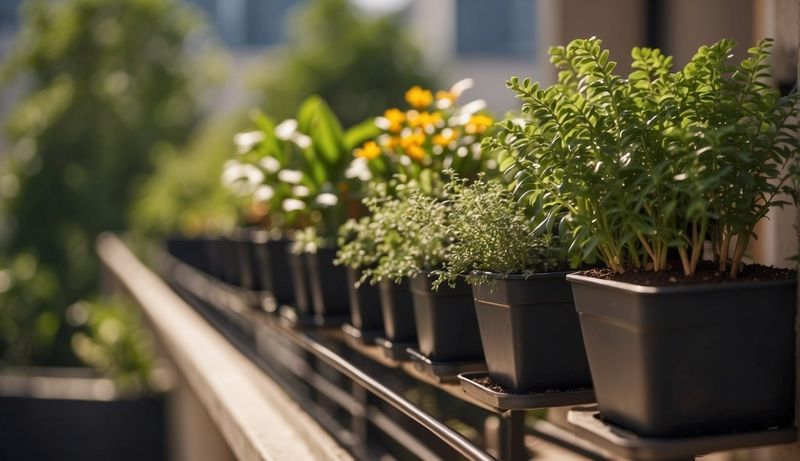
Good drainage is essential for basil to thrive, as it prevents waterlogging and root rot. Ensure pots have adequate drainage holes and use well-draining soil mixes. Elevated garden beds can also improve drainage in outdoor settings.
This setup allows excess water to escape, maintaining balanced moisture levels for optimal plant health.
By focusing on drainage, you safeguard your basil plants against overwatering issues, leading to robust, healthy growth. It’s a simple yet effective way to ensure your basil remains lush and productive all season long.
20. Secret 20: Optimal Temperature
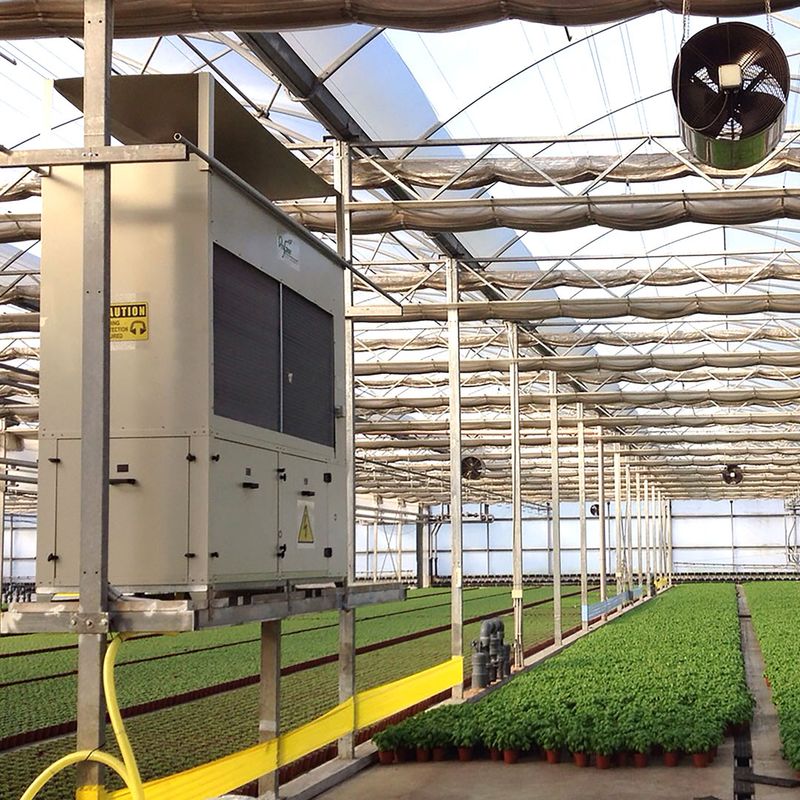
Basil is sensitive to temperature, flourishing best between 70°F and 85°F. Extreme temperatures can stunt growth or damage leaves. Monitoring temperature ensures your basil remains in its comfort zone, promoting vigorous development.
Using a thermometer in your garden or indoor growing area can help track fluctuations. Taking measures to protect plants during cold snaps or heatwaves can prevent stress.
Maintaining optimal temperature conditions is crucial for a flourishing basil plant, ensuring it remains healthy, vibrant, and ready to enhance your culinary creations with fresh, fragrant leaves.
21. Secret 21: Basil Varieties
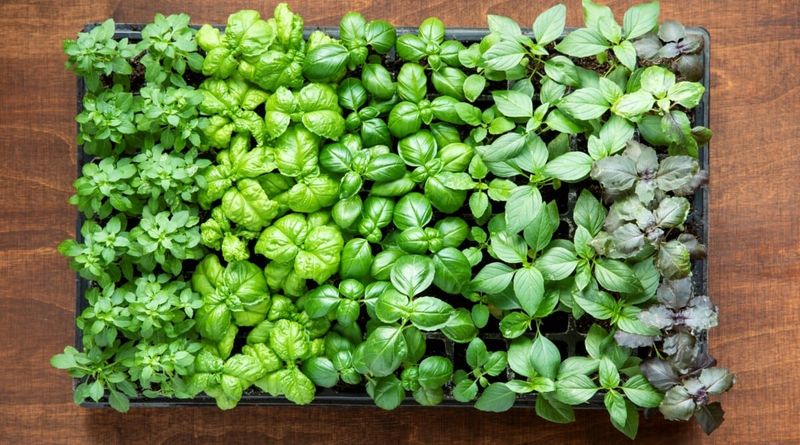
Exploring different basil varieties can enhance your gardening experience. Each type offers unique flavors, aromas, and growth habits. From the classic Genovese with its sweet, spicy scent to the citrusy Lemon basil, the diversity is astounding.
Experiment with varieties like Thai, Purple, and Holy basil to discover new culinary possibilities and garden aesthetics.
Growing multiple types adds richness to your culinary dishes and visual appeal to your garden. This exploration of basil’s diversity is a journey of taste and discovery, enriching your herb gardening with delightful surprises.