
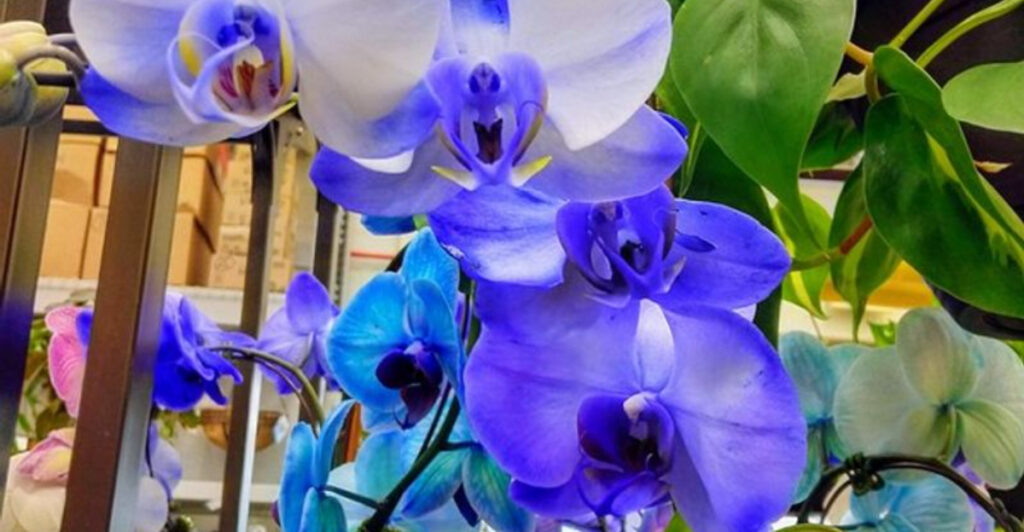
Blue orchids captivate flower lovers with their stunning electric-blue petals that seem almost magical. These exotic blooms stand out in any collection and have become increasingly popular in recent years.
But behind their breathtaking appearance lies a fascinating secret that most admirers don’t know about—one that challenges everything we assume about these mysterious flowers.
1. The Artificial Beauty Trick
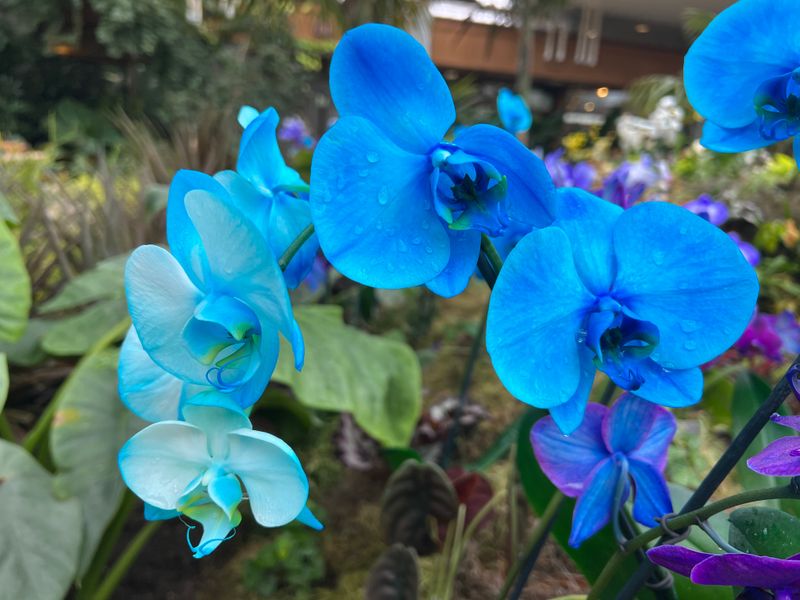
Ever bought a blue orchid only to be shocked when it rebloomed white? That’s because most commercial blue orchids are actually white phalaenopsis orchids injected with blue dye! Florists insert the dye through the stem, where it travels up to the flowers, creating that eye-catching electric blue.
The process is purely cosmetic and doesn’t change the plant’s genetics. When your orchid produces new blooms, they’ll emerge in their natural color—usually white or pale pink. Many buyers feel deceived when they discover this horticultural sleight-of-hand.
Despite the deception, dyed orchids remain wildly popular gifts and decorative pieces, especially for special occasions when that perfect blue matches a theme or décor.
2. Naturally Blue Orchids Do Exist (But They’re Different)
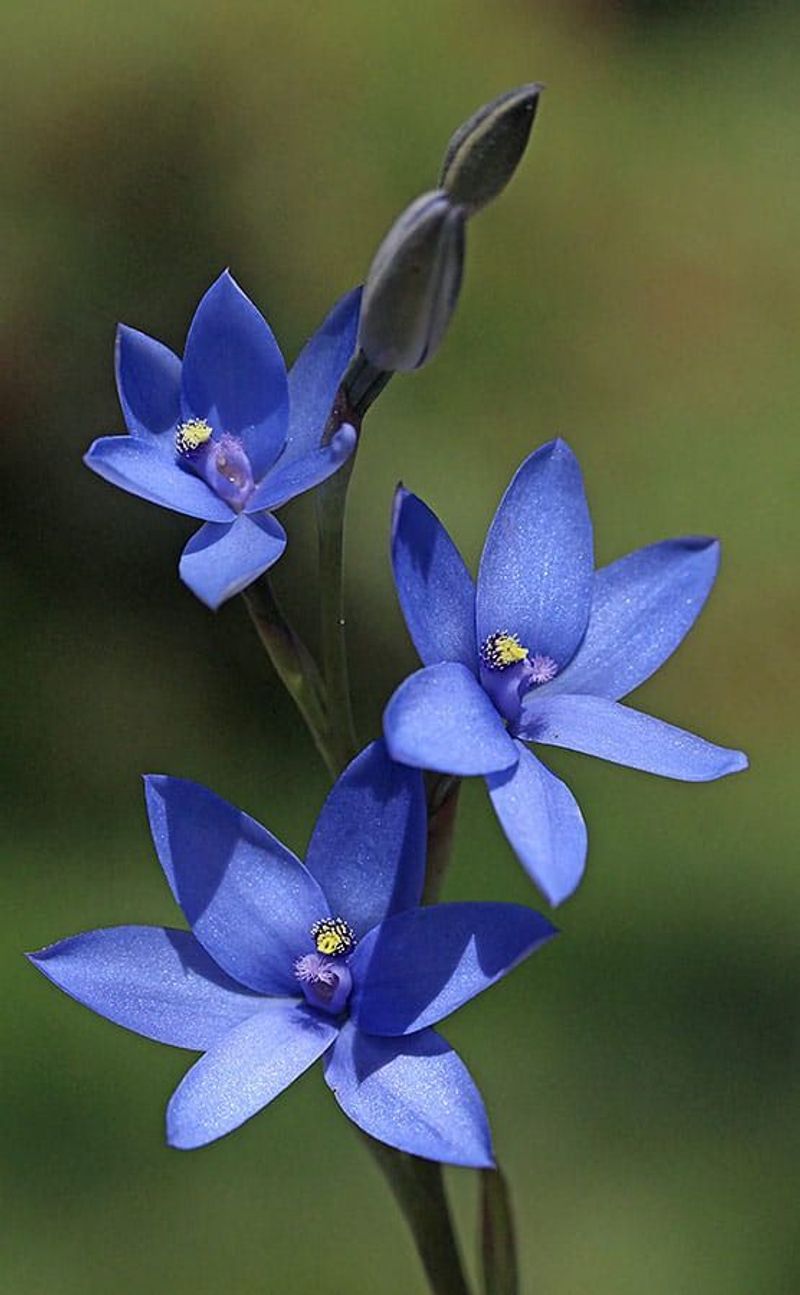
Mother Nature does create blue orchids, but they’re exceedingly rare treasures. The Australian Blue Lady Orchid (Thelymitra crinita) displays a natural sky-blue color that can take your breath away. Unlike the artificially colored varieties, these genuine blue blooms evolved their color through natural selection.
Another authentic blue beauty is Vanda coerulea, aptly nicknamed the ‘Blue Vanda.’ Its delicate periwinkle-blue petals show natural variations of blue-violet hues. These natural specimens never achieve the electric neon blue seen in dyed orchids.
Wild blue orchids typically grow in specific habitats with unique soil conditions that support their distinctive coloration.
3. The One-Time Color Show
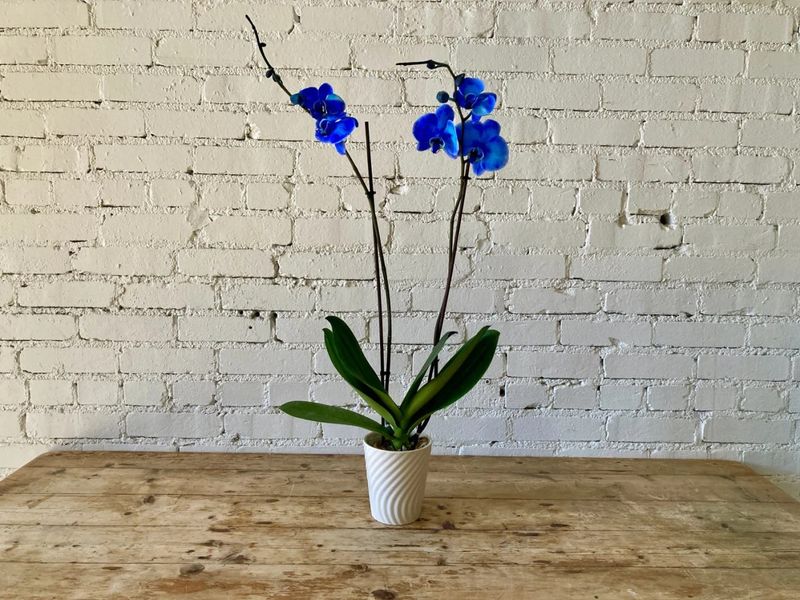
Surprise awaits first-time blue orchid owners when their beloved azure flower eventually drops its petals. The replacement blooms emerge completely white! The dye only affects the current flowers, not the plant’s genetic makeup or future blooms.
This transformation often disappoints buyers who expected the blue color to be permanent. Some florists fail to mention this temporary nature, leading to confused customers wondering what they did wrong with their plant care.
For those determined to maintain the blue appearance, the only option is purchasing another dyed orchid or attempting to re-dye the plant—a risky procedure that can damage the delicate stems and roots.
4. Marketing Magic That Captivates Consumers
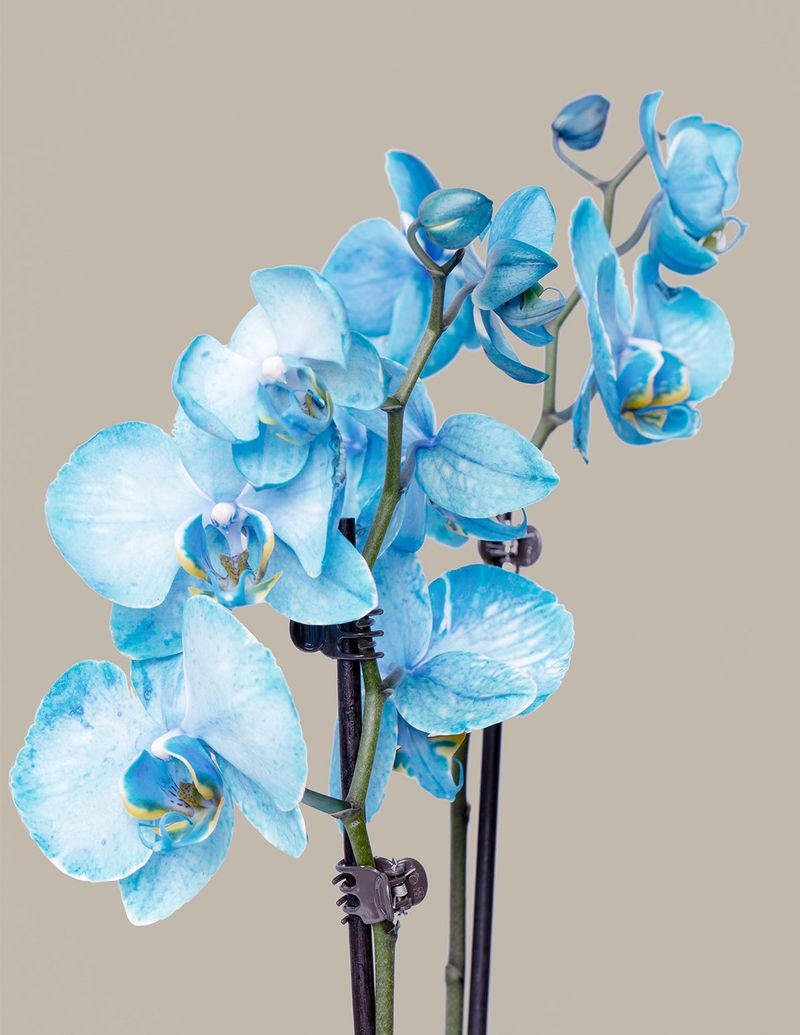
Blue flowers command attention because they’re naturally scarce in the plant kingdom. Florists and marketers capitalize on this rarity, knowing our psychological attraction to unusual colors. Studies show blue flowers often trigger feelings of tranquility and uniqueness.
The marketing genius lies in creating something that nature doesn’t readily provide. Blue orchids typically occupy premium shelf space in stores, drawing customers with their otherworldly appearance. Social media has amplified their popularity, with countless posts showcasing these striking blooms.
Savvy retailers rarely volunteer information about the dyeing process unless specifically asked. The allure of owning something seemingly rare and exotic drives sales, regardless of the artificial origins.
5. Paying Premium for Pretenders
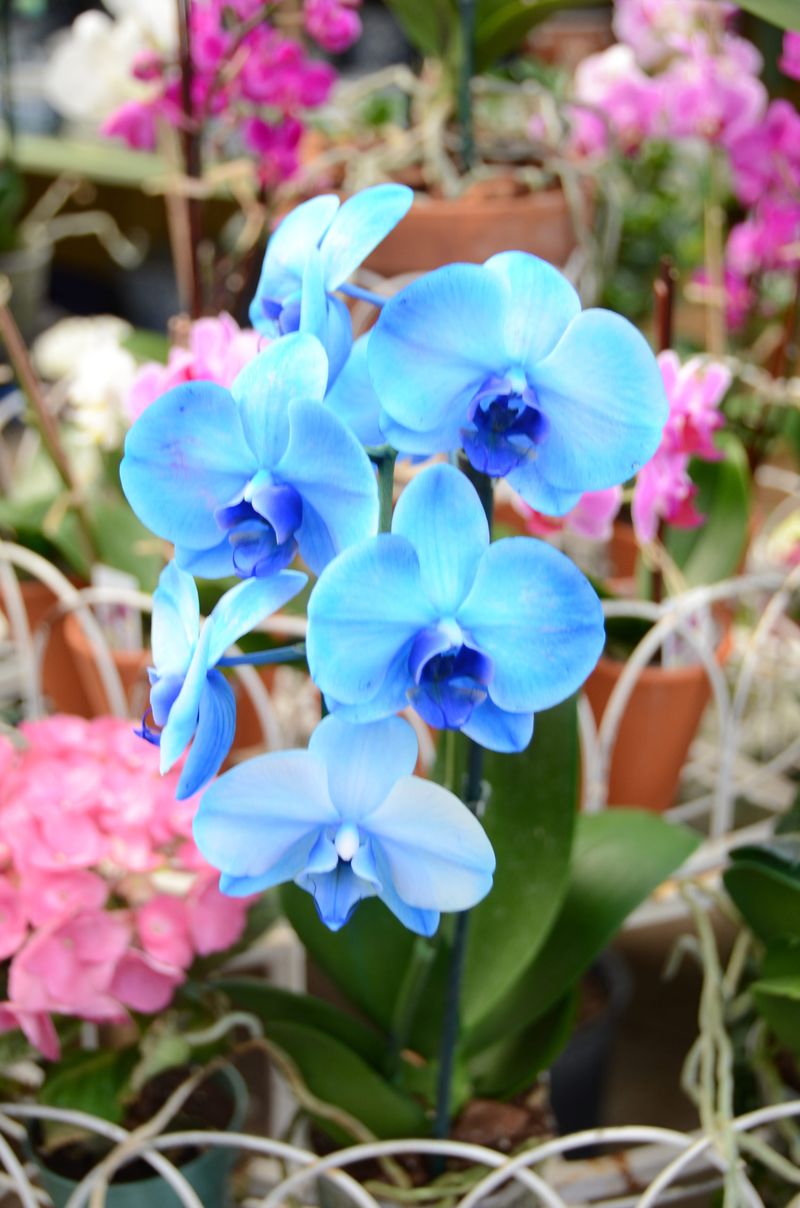
Walk into any flower shop and you’ll notice blue orchids command prices 20-30% higher than their natural white counterparts. The irony? They’re genetically identical plants—you’re paying extra for a simple dye job!
The manufacturing process adds minimal cost to producers. The blue dye and labor involved cost mere pennies compared to the markup consumers willingly pay. Retailers justify the premium by highlighting their ‘exotic’ and ‘rare’ qualities.
Smart shoppers who understand the truth often opt for natural white orchids and appreciate their authentic beauty. For the cost difference, you could purchase plant food or an additional orchid rather than funding this colorful deception.
6. The Hidden Health Impact
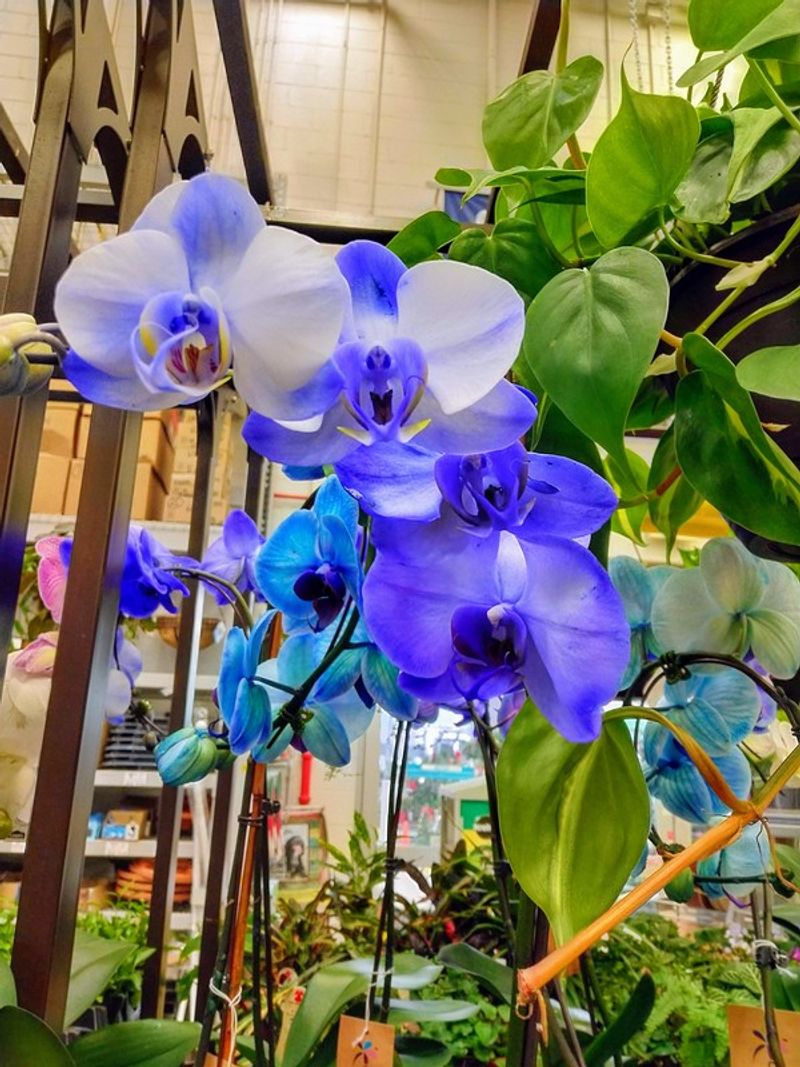
Beneath the spectacular blue facade lies potential harm to the plant itself. The dyeing process involves puncturing the stem or roots to inject colored solutions, creating wounds that can become entry points for bacteria and fungi. Many dyed orchids show reduced vigor after treatment.
Horticulturists report that dyed specimens often experience shorter blooming periods and may take longer to rebloom. The chemicals can interfere with the plant’s natural processes, sometimes causing stunted growth or weakened immune responses.
Professional growers generally avoid this practice for their personal collections. They recognize that while the blue color sells well commercially, it comes at a biological cost that compromises the plant’s long-term health and vitality.
7. Authentic Alternatives for Blue Flower Lovers
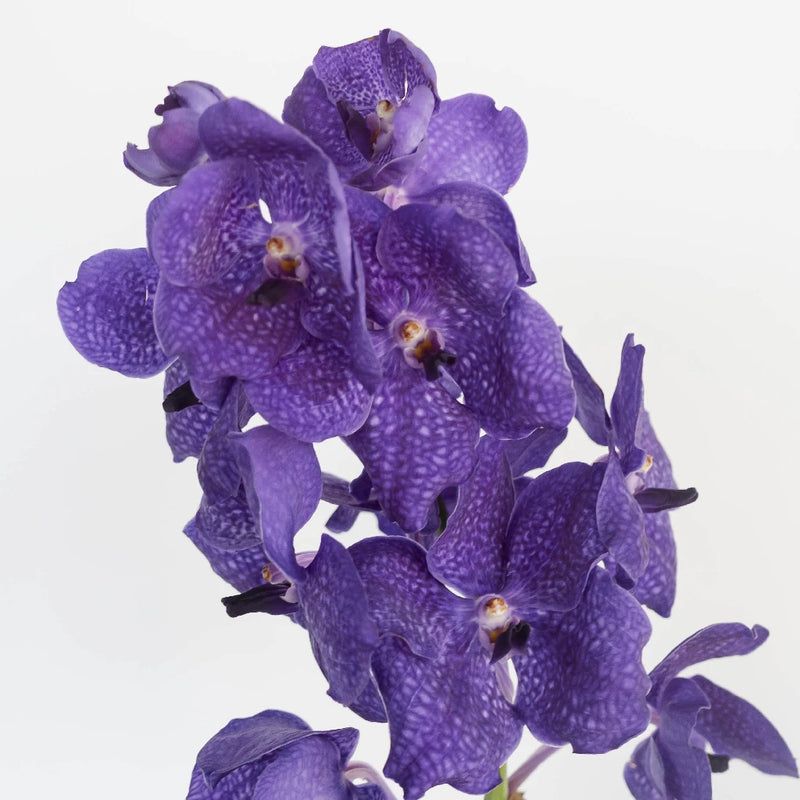
Craving genuine blue blooms? Several naturally blue flowering plants offer authentic azure hues without deception. The Blue Vanda orchid (Vanda coerulea) produces stunning lavender-blue flowers that, while more subtle than dyed varieties, carry an elegant natural beauty.
Beyond orchids, delphinium and hydrangeas deliver spectacular blue displays when grown in acidic soil. Morning glories offer climbing vines covered with true blue flowers that open fresh each day. For indoor options, African violets come in lovely blue-violet shades that thrive on windowsills.
These alternatives may not match the electric blue of dyed orchids, but they offer something more valuable—authentic natural beauty that will return season after season without disappointment.