 Complete Gardening
Many homeowners enjoy the lush aesthetic that houseplants bring to a living space, but not all greenery is suitable for indoor life. Some plants are toxic, invasive, high-maintenance, or cause allergies, making them poor choices for households with pets, children, or limited space.
This guide explores 34 common houseplants that, despite their popularity, may not be the best fit for your home. Understanding each plant’s characteristics can help make informed decisions for a safer, more harmonious living environment.
1. Dieffenbachia (Dumb Cane)
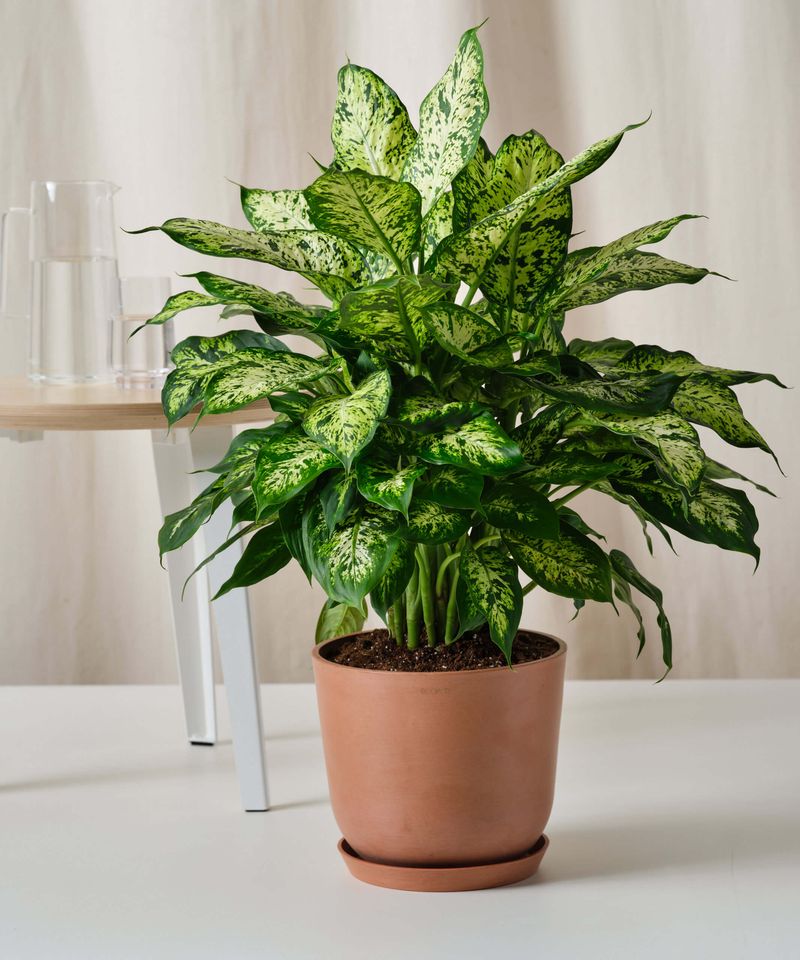
Dieffenbachia, often known for its striking, large leaves, can pose serious risks in the home. This plant is highly toxic if ingested, causing symptoms like swelling, pain, and irritation in the mouth and throat. Pets and children are particularly vulnerable. Despite its beauty, Dieffenbachia should be handled with care, ensuring it is placed out of reach. Its lush appearance often lures plant enthusiasts, but caution must be exercised to prevent harmful incidents.
2. Philodendron
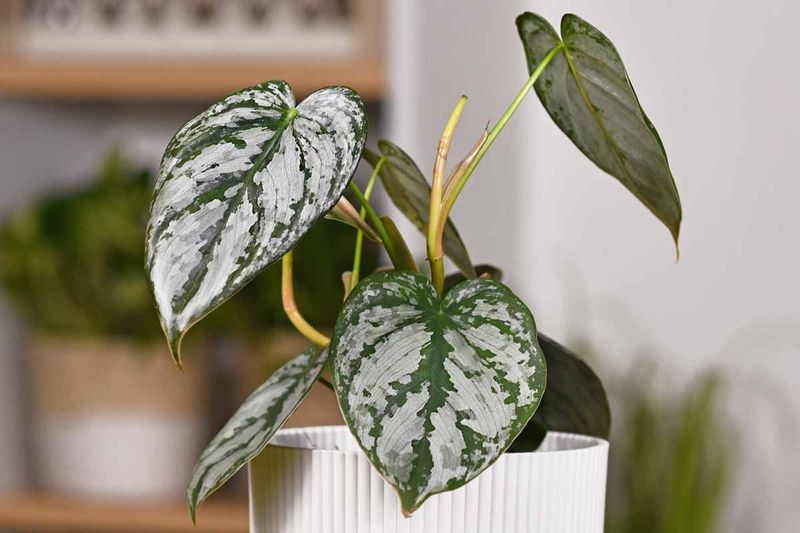
Philodendrons, with their heart-shaped leaves and easy-care nature, are a popular indoor choice. However, they contain calcium oxalate crystals, which can be harmful if ingested. These crystals cause irritation and swelling in the mouth and digestive tract. This plant’s appeal is undeniable, yet it’s crucial to keep it away from pets and children. Its vines can also overgrow their designated space, requiring regular trimming to maintain a tidy appearance.
3. Peace Lily (Spathiphyllum)
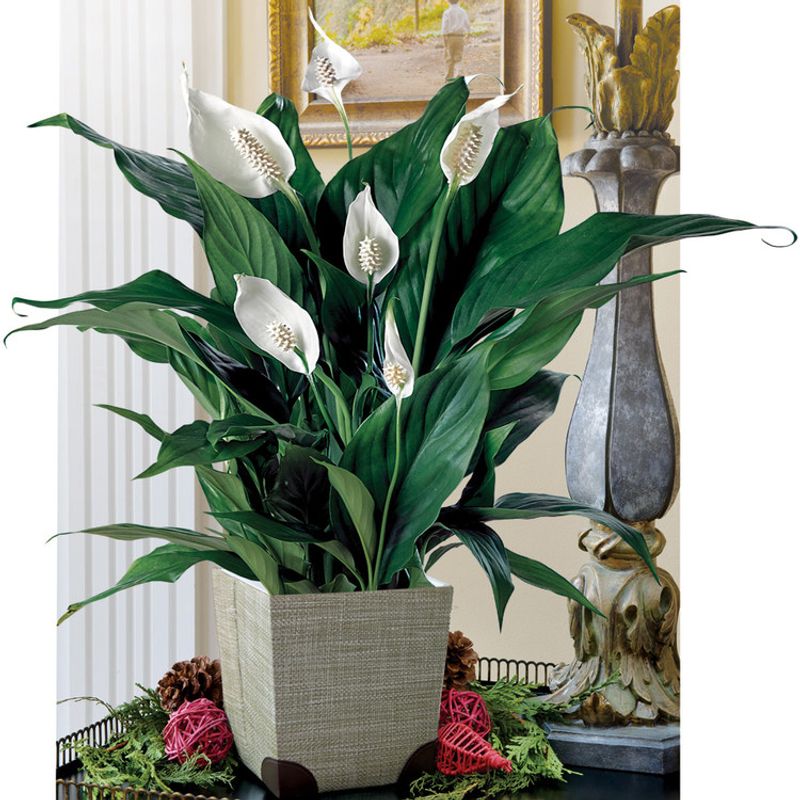
The Peace Lily is admired for its delicate white blooms and air-purifying qualities. However, it poses a danger to cats and dogs if consumed. The plant contains compounds that lead to vomiting and difficulty swallowing. While it adds a touch of elegance to interiors, careful consideration is needed to place it safely. Its ability to thrive in low light adds to its popularity, yet safety precautions are essential for pet-friendly homes.
4. Pothos (Epipremnum aureum)
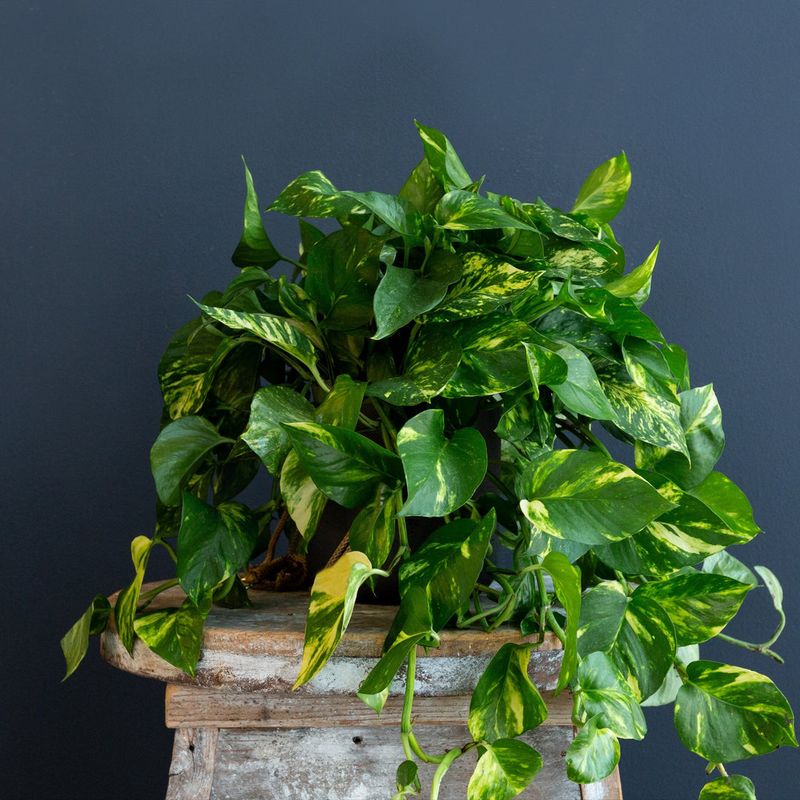
Pothos, with its trailing vines and vibrant green leaves, is a favored houseplant. It’s particularly dangerous for pets if chewed on, as it contains harmful substances leading to oral irritation and stomach upset. Its resilience makes it a popular choice for plant enthusiasts, especially beginners. However, placement is key to prevent any mishaps with curious pets or children. Regular pruning can help contain its vigorous growth.
5. ZZ Plant (Zamioculcas zamiifolia)
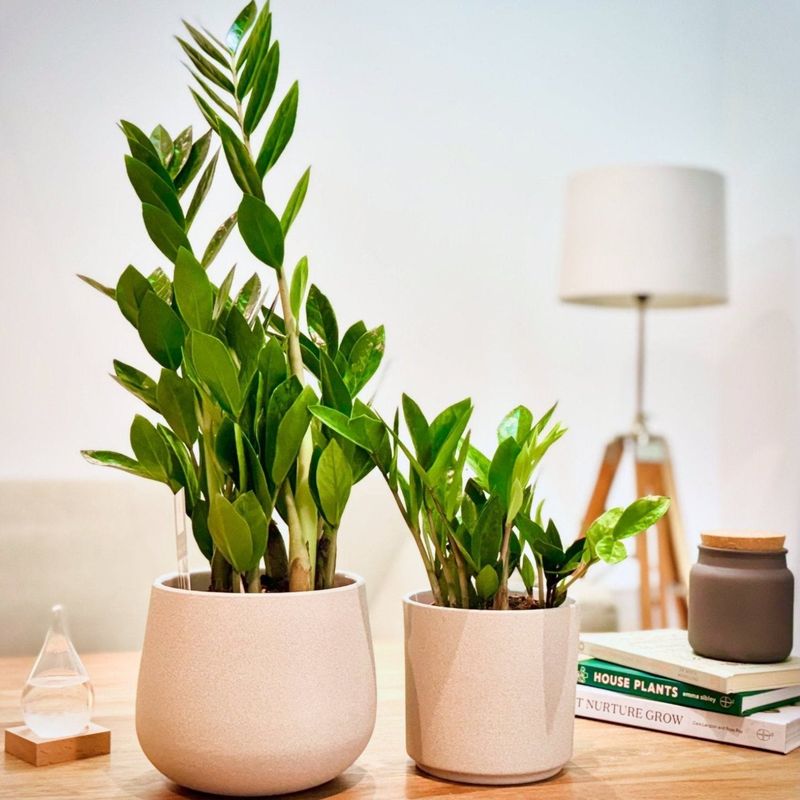
ZZ Plants are celebrated for their durability and low maintenance, making them a staple in many homes. Despite this, they are mildly toxic and can cause skin irritation or discomfort if ingested. Its waxy leaves add a modern touch to interiors, but caution is advised to prevent accidental ingestion by pets or children. These plants thrive in low light, making them versatile, yet awareness of their potential risks is necessary.
6. Oleander
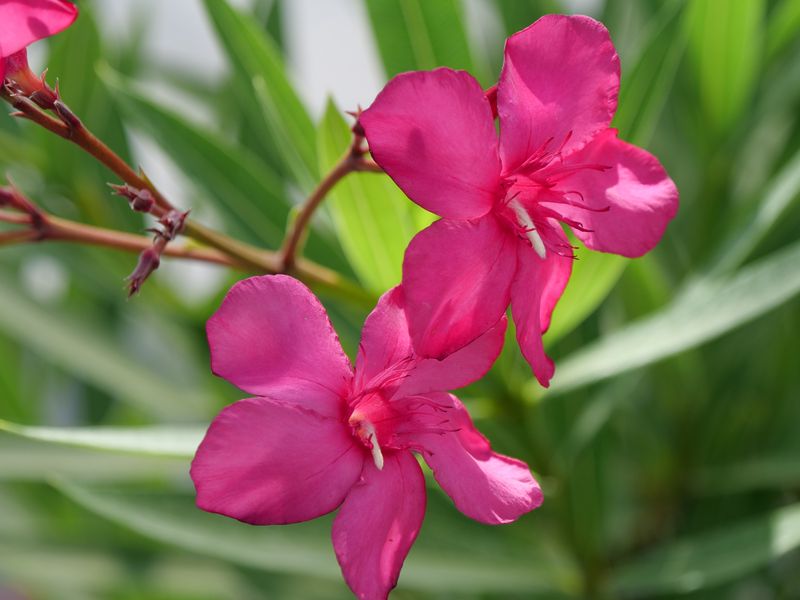
Oleanders are known for their stunning flowers, but they are extremely toxic and not suitable for indoor environments. All parts of the plant are poisonous, posing severe health risks if ingested. The dangers outweigh the beauty it brings, necessitating strict precautions if kept in households with pets or children. While its vibrant blossoms are tempting, oleander is best admired from a safe distance, ideally in outdoor settings.
7. Sago Palm (Cycas revoluta)
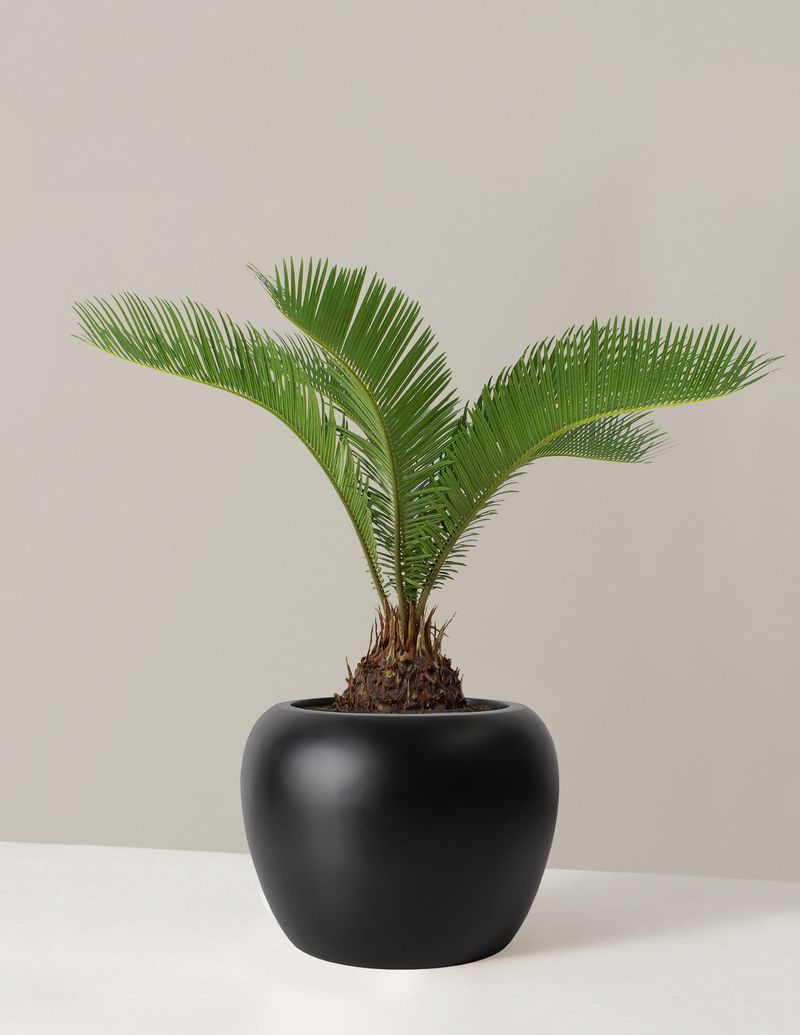
Sago Palms, with their exotic appearance, are a popular choice for plant lovers. However, they are highly toxic, with all parts of the plant containing harmful compounds. Ingestion can lead to severe symptoms and even be fatal for pets. Their striking fronds add a touch of the tropics to interiors, but safety must be prioritized when considering this plant. Proper care and placement are critical to avoid tragic accidents.
8. Snake Plant (Sansevieria trifasciata)
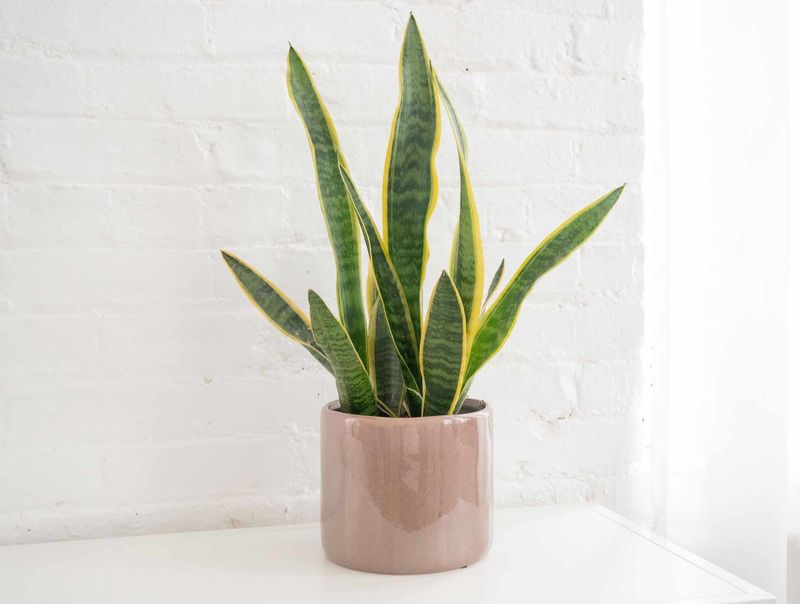
Snake Plants are known for their architectural beauty and air-purifying abilities. While considered low in toxicity, they can still cause mild symptoms if ingested. Pets might experience gastrointestinal upset upon consumption. This resilient plant thrives in various conditions, adding character to any space. Its striking leaves make it a popular choice, yet awareness of its potential risks ensures it remains a safe addition to homes.
9. English Ivy (Hedera helix)
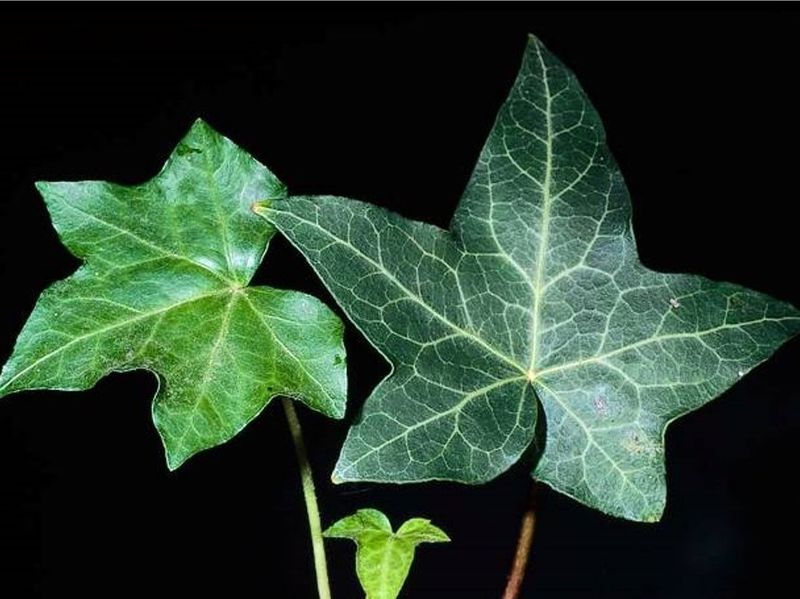
English Ivy is admired for its lush, trailing vines, often used to create a charming, natural look indoors. However, it is both toxic and invasive, making it a questionable choice for households with children or pets. Its sap can cause skin irritation, and indoor growth can become unmanageable. While it adds a touch of elegance, careful placement and maintenance are required to prevent unwanted spread and potential health risks.
10. Bird of Paradise (Strelitzia)
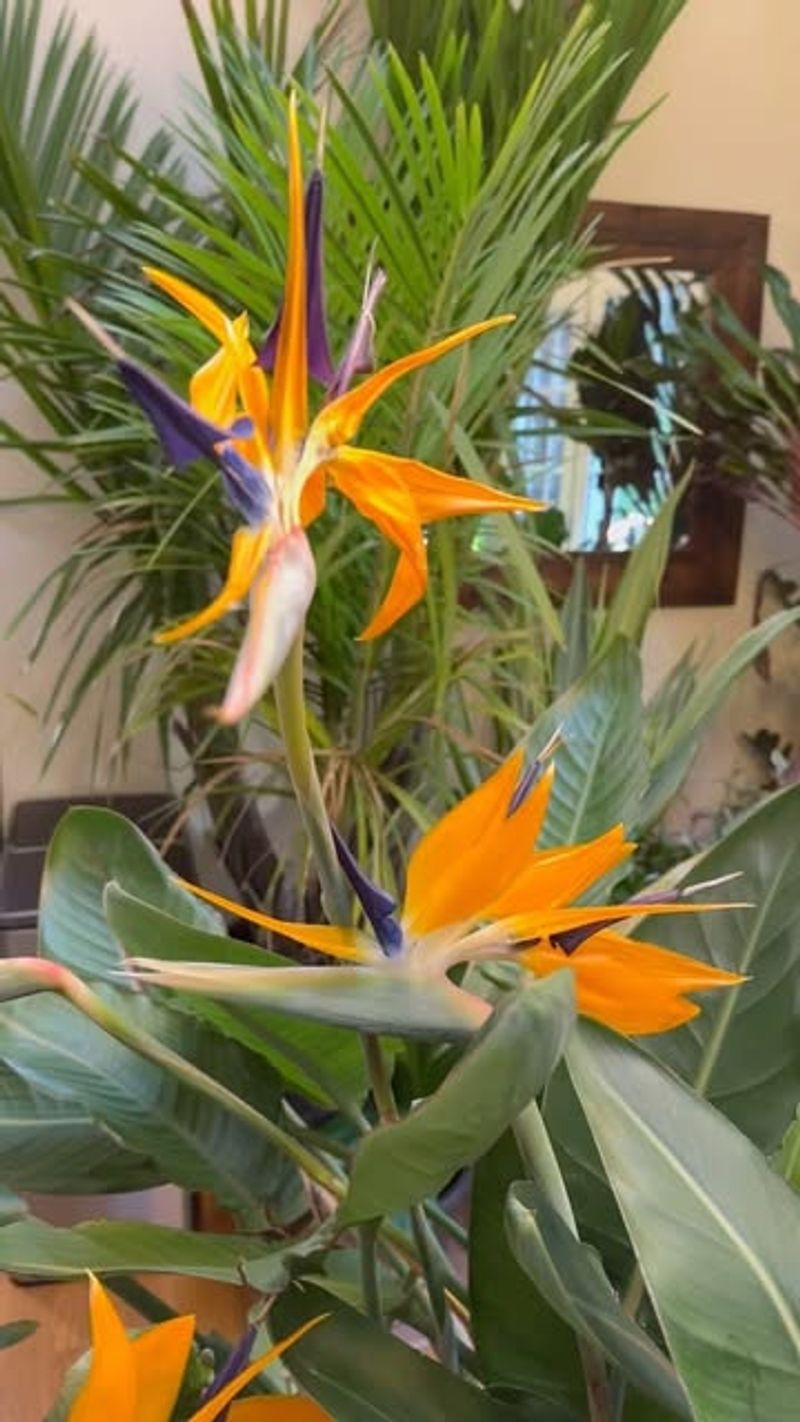
The Bird of Paradise is celebrated for its exotic flowers resembling a tropical bird. Despite its beauty, it is toxic if ingested by pets, leading to digestive issues. This plant demands ample sunlight and space to flourish, making it a statement piece in any room. While its vibrant colors captivate, ensuring it’s kept away from curious pets and children is essential to maintain both its allure and household safety.
11. Mint (Mentha spp.)
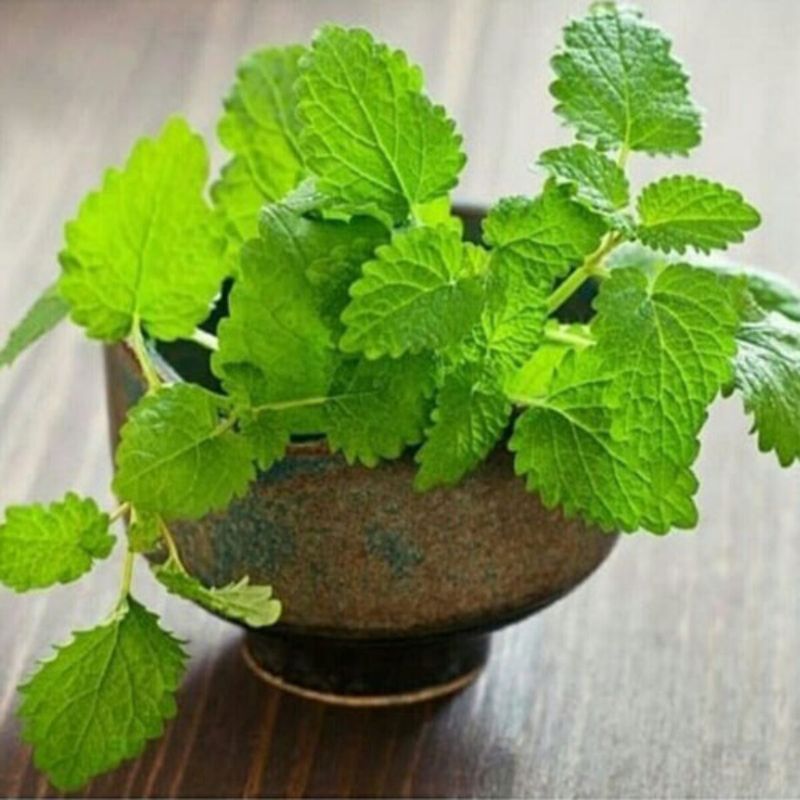
Mint, with its refreshing scent and culinary versatility, is a tempting choice for indoor gardeners. However, it grows aggressively, quickly outgrowing containers and spreading beyond control. Its invasive nature requires careful management to prevent it overtaking other plants. While it’s a delight for the senses, ensuring proper containment is critical. Mint thrives in bright light, making it a kitchen favorite, but vigilance is needed to manage its growth.
12. Spiderwort (Tradescantia)
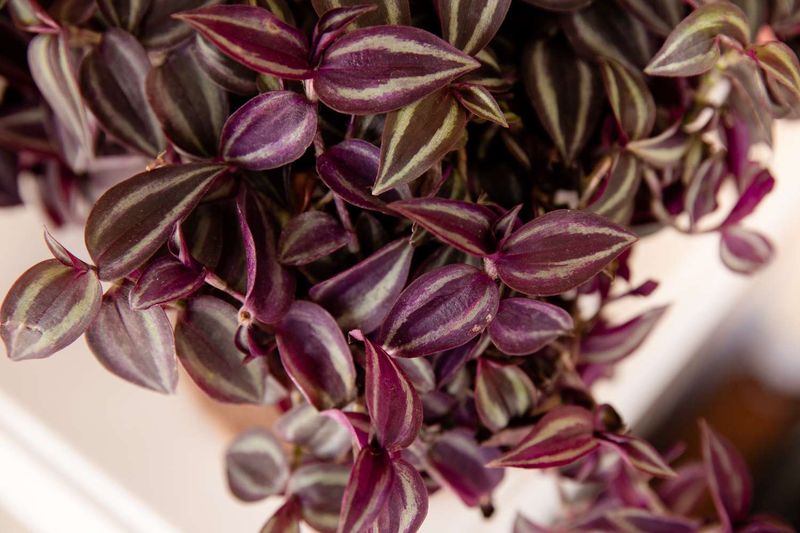
Spiderwort is loved for its vibrant foliage and ease of care. Yet, it can be invasive and its sap may cause skin irritation. This fast-growing plant can quickly dominate its surroundings, needing regular pruning to remain contained. Its colorful leaves add a unique touch to spaces, but caution is advised to prevent unwanted spread. While it’s a visual treat, managing its growth ensures it remains a balanced part of indoor greenery.
13. Bamboo (Lucky Bamboo / True Bamboo)
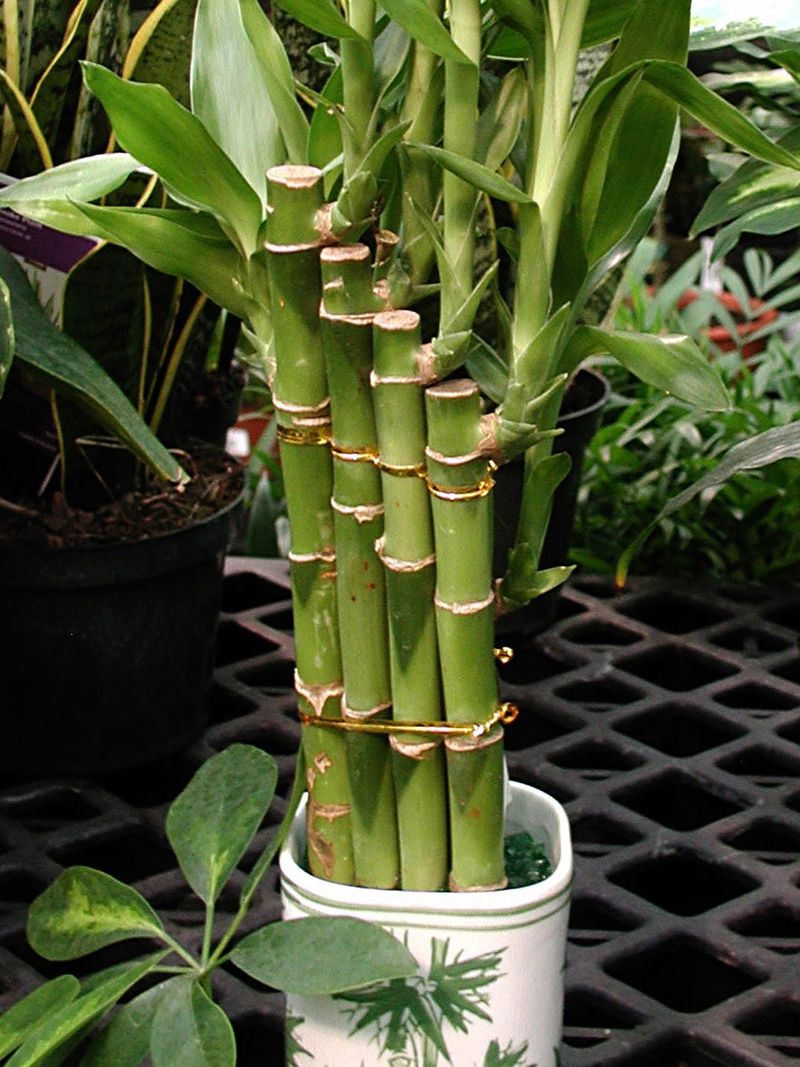
Bamboo, whether the lucky variety or true species, is admired for its elegance and symbol of prosperity. However, it can outgrow its containers and become unmanageable indoors. Its fast growth requires constant attention and care. While it’s a stunning feature in Asian-inspired decor, managing its size and ensuring it doesn’t dominate the space is crucial. Keeping bamboo in check is key to maintaining its aesthetic appeal without hassle.
14. Asparagus Fern (Asparagus setaceus)
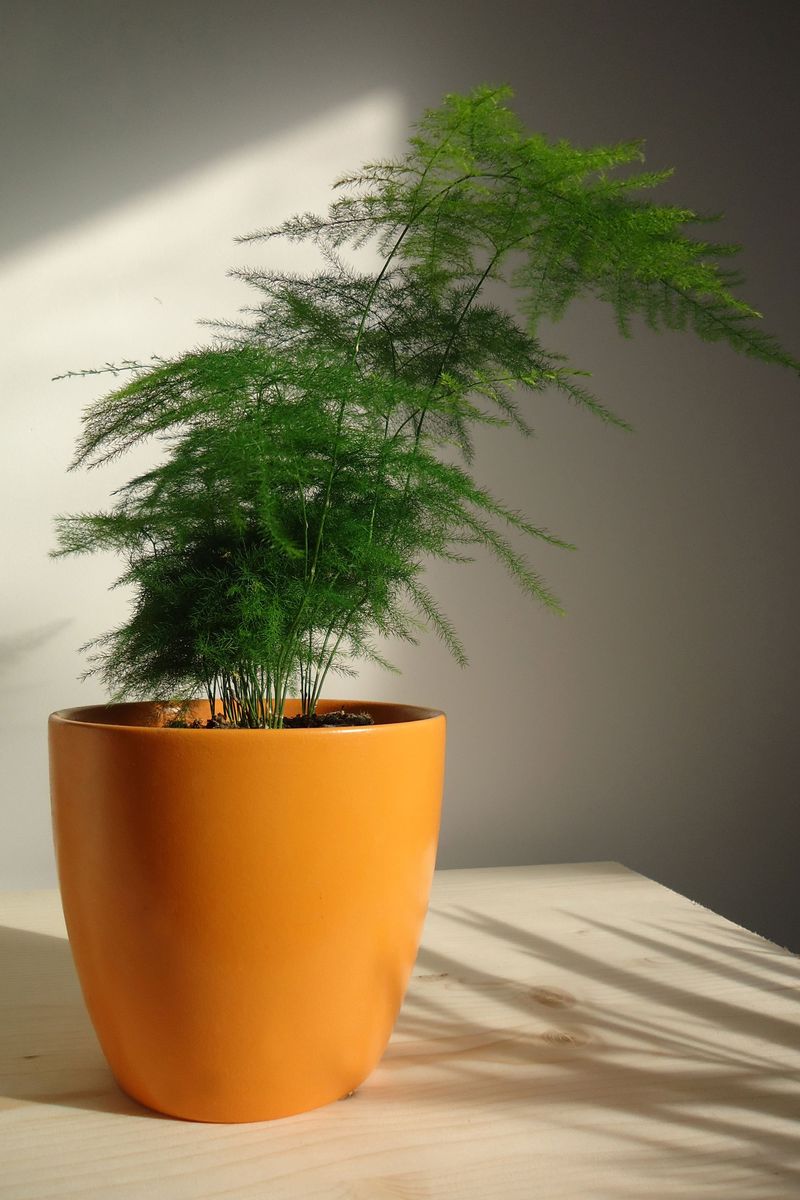
Asparagus Ferns captivate with their feathery, delicate foliage. Despite their beauty, they spread easily and possess thorns, posing challenges indoors. This plant thrives with ample sunlight, but managing its growth is necessary to prevent it from overtaking other plants. Its elegant appearance is a draw for plant enthusiasts, yet awareness of its invasive potential and careful placement ensures it remains a graceful addition to any space.
15. Ginger (Zingiber officinale)
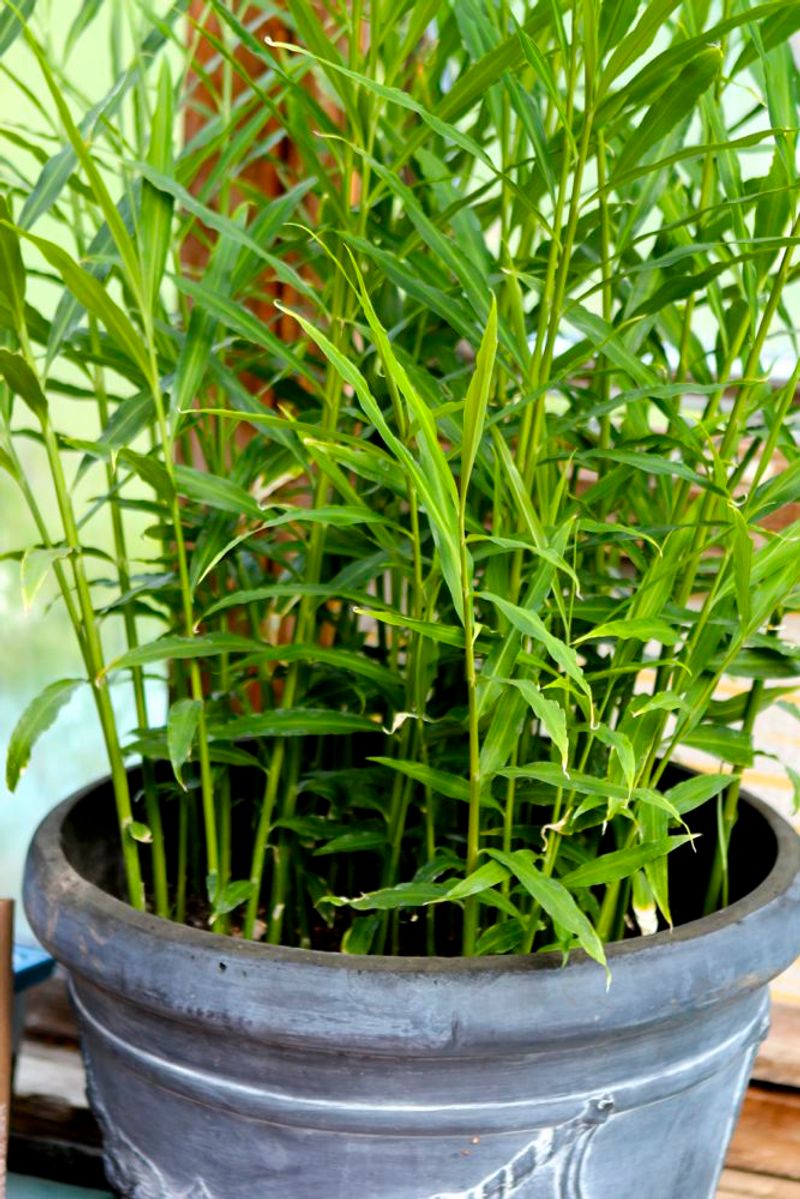
Ginger is not just a spice but also a striking plant with lush foliage. However, growing ginger indoors can be challenging due to its need for ample space and warmth. Its rhizomes require well-drained soil, and the plant demands bright, indirect light to thrive. While it adds a tropical touch to interiors, ensuring proper conditions and space is crucial. Ginger’s aromatic qualities are enticing, but it’s best suited for dedicated plant enthusiasts.
16. Ficus Benjamina (Weeping Fig)
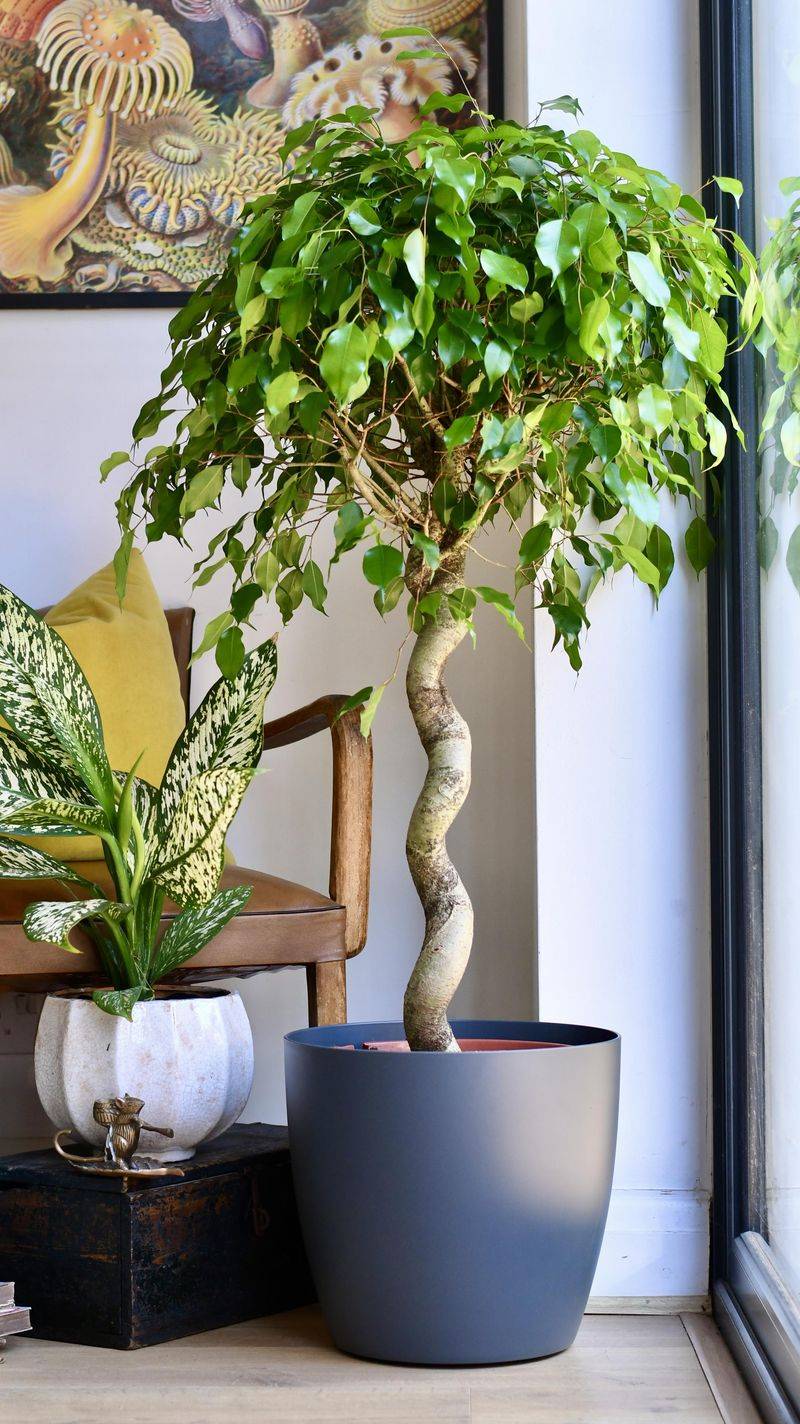
The Weeping Fig, with its graceful arching branches, is a classic indoor tree. However, it can grow quite large and is notorious for dropping leaves, especially when moved or stressed. This plant needs bright, indirect light and stable conditions to thrive. It adds a touch of elegance to interiors, but regular maintenance is required to manage its size and prevent leaf litter. Despite its beauty, it demands a commitment to care.
17. Sweet Potato Vine (Ipomoea batatas)
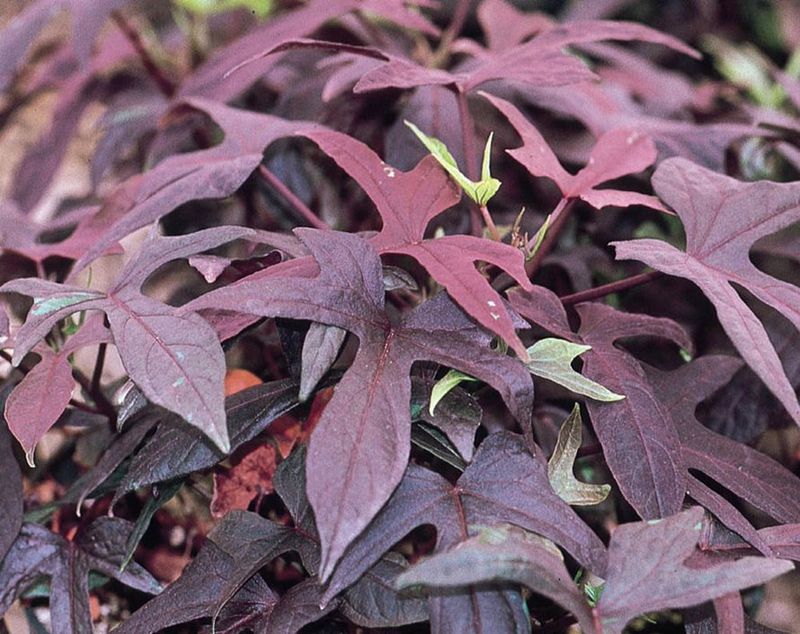
The Sweet Potato Vine is adored for its colorful foliage and quick growth. Indoors, it can become overly aggressive, requiring frequent trimming to keep its vines in check. This plant thrives in bright light, adding a lively touch to any room. While its vibrant leaves are aesthetically pleasing, managing its rapid growth is essential to prevent it from overwhelming other plants. Its energetic nature makes it both a challenge and a delight.
18. Virginia Creeper
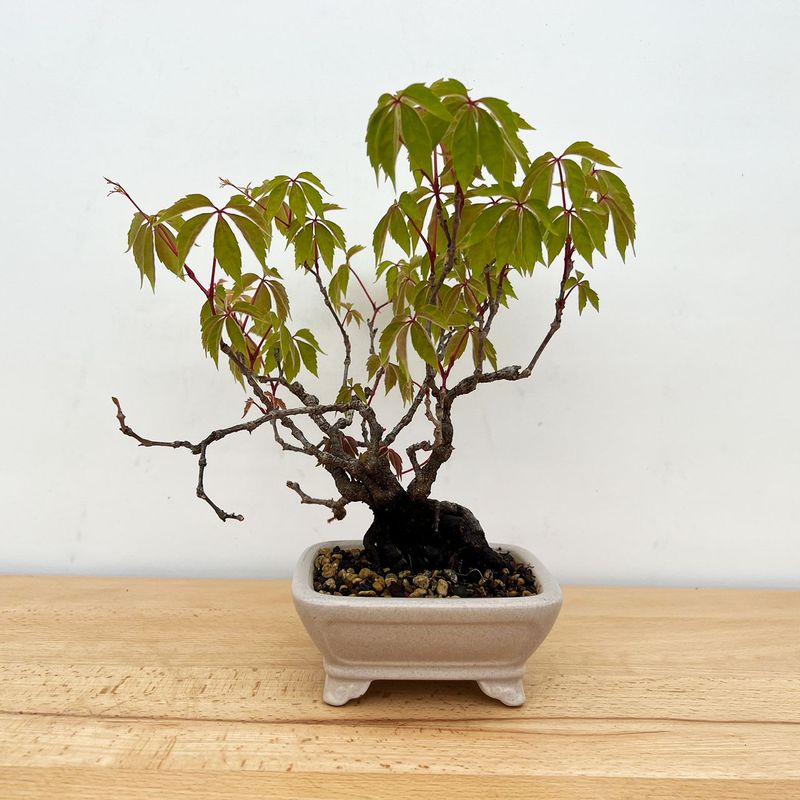
Virginia Creeper is known for its lush foliage and vibrant fall colors. However, it is invasive and not well-suited for indoor containers. This vigorous climber requires ample space and can quickly outgrow its surroundings. While it can add a natural touch to patios or sunrooms, keeping it indoors demands consistent management. Its ability to spread rapidly makes it a challenging choice for indoor plant enthusiasts who desire control.
19. Croton (Codiaeum variegatum)
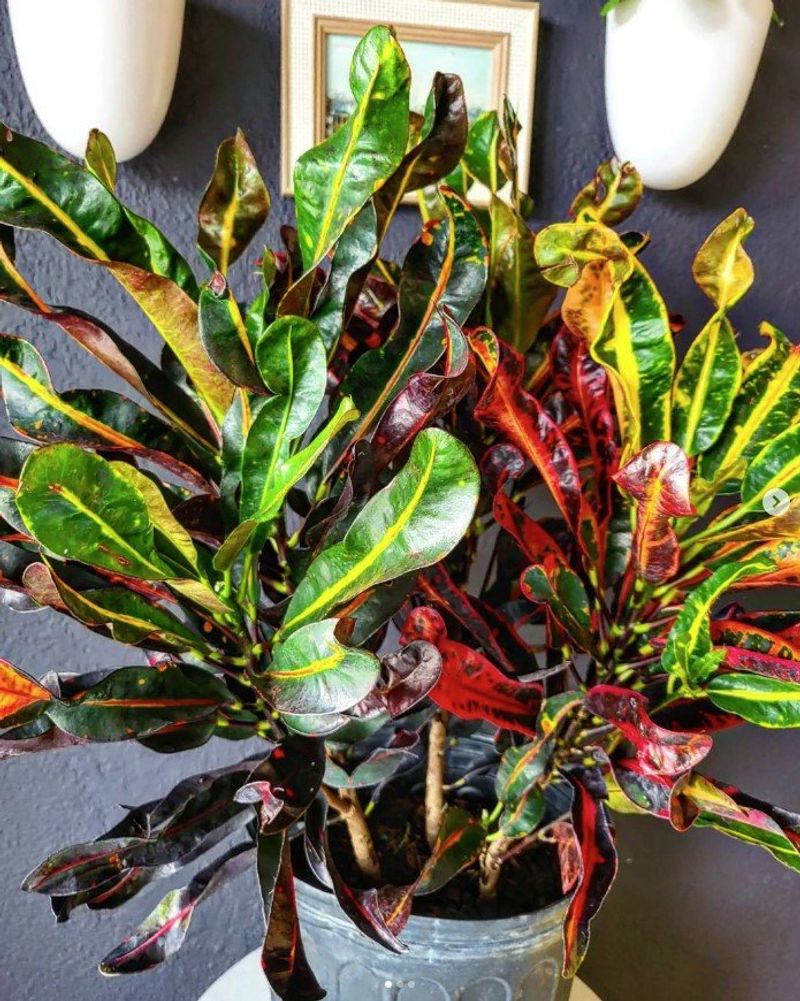
Croton is renowned for its bold, colorful foliage, making it a striking indoor feature. However, it is quite particular about humidity and light, requiring a stable environment to thrive. This plant demands consistent care to maintain its vivid colors and health. While it enhances the visual appeal of interiors, ensuring the right conditions can be a challenge. Croton’s dramatic colors attract attention, but it requires dedication to sustain its beauty.
20. Nerve Plant (Fittonia)
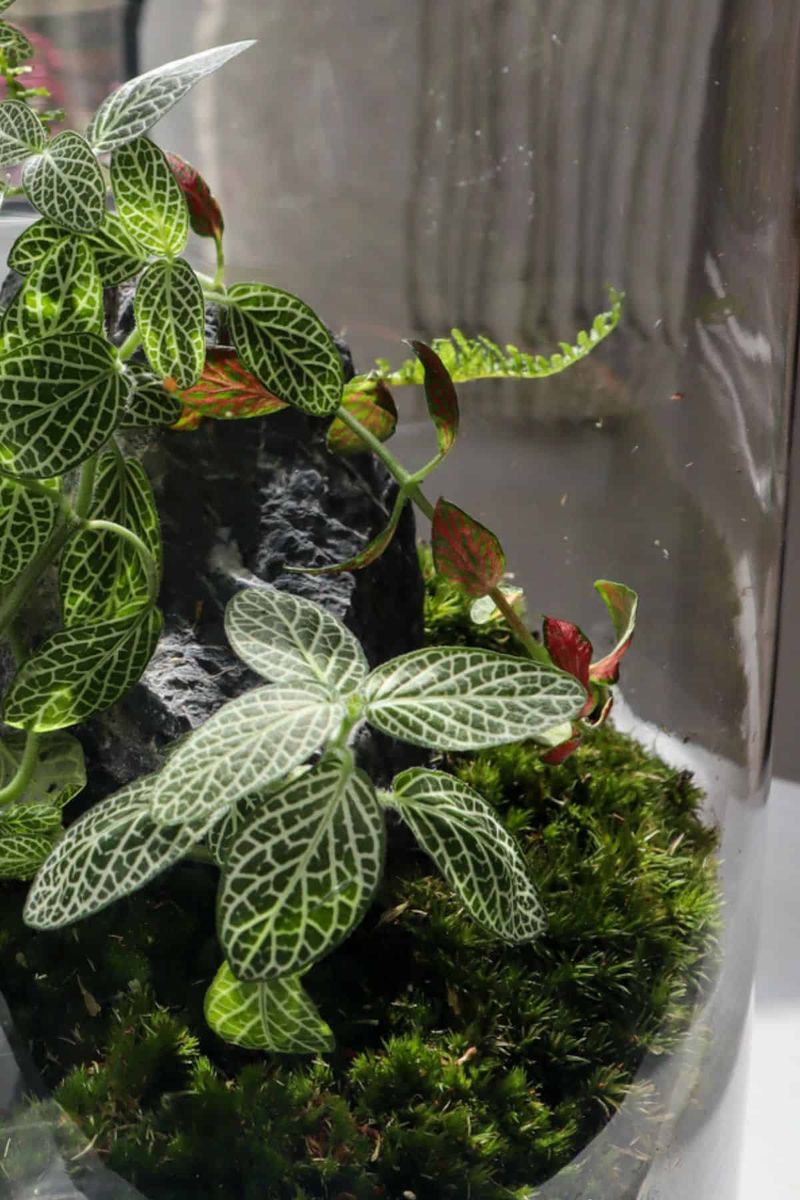
The Nerve Plant, with its vibrant, veined leaves, is an eye-catching addition to any collection. However, it is sensitive and wilts easily, requiring consistent moisture and humidity. This plant thrives in terrariums or humid environments, demanding attentive care. Its vibrant patterns make it a popular choice, yet its sensitivity can be challenging for beginners. Providing the right environment is key to enjoying its unique beauty without constant worry.
21. Caladium
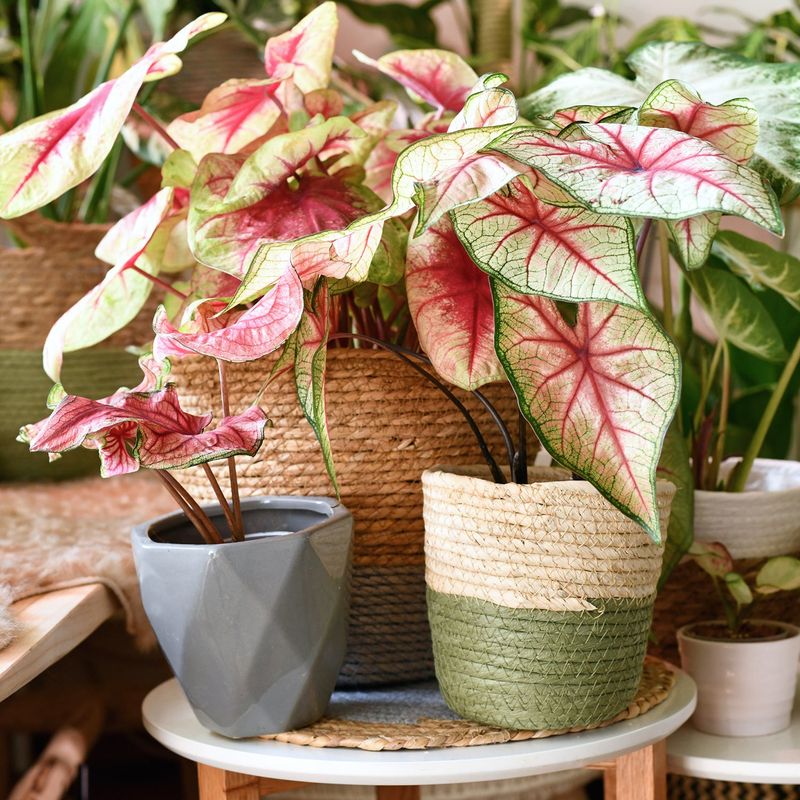
Caladium is cherished for its heart-shaped, colorful leaves that brighten any space. However, it needs high humidity and a period of dormancy, making indoor care complex. This plant prefers shaded areas and consistent moisture. While its vibrant foliage is captivating, maintaining the right conditions can be demanding. Caladium’s seasonal nature requires patience and understanding, offering a rewarding experience for those willing to meet its needs.
22. Gardenia
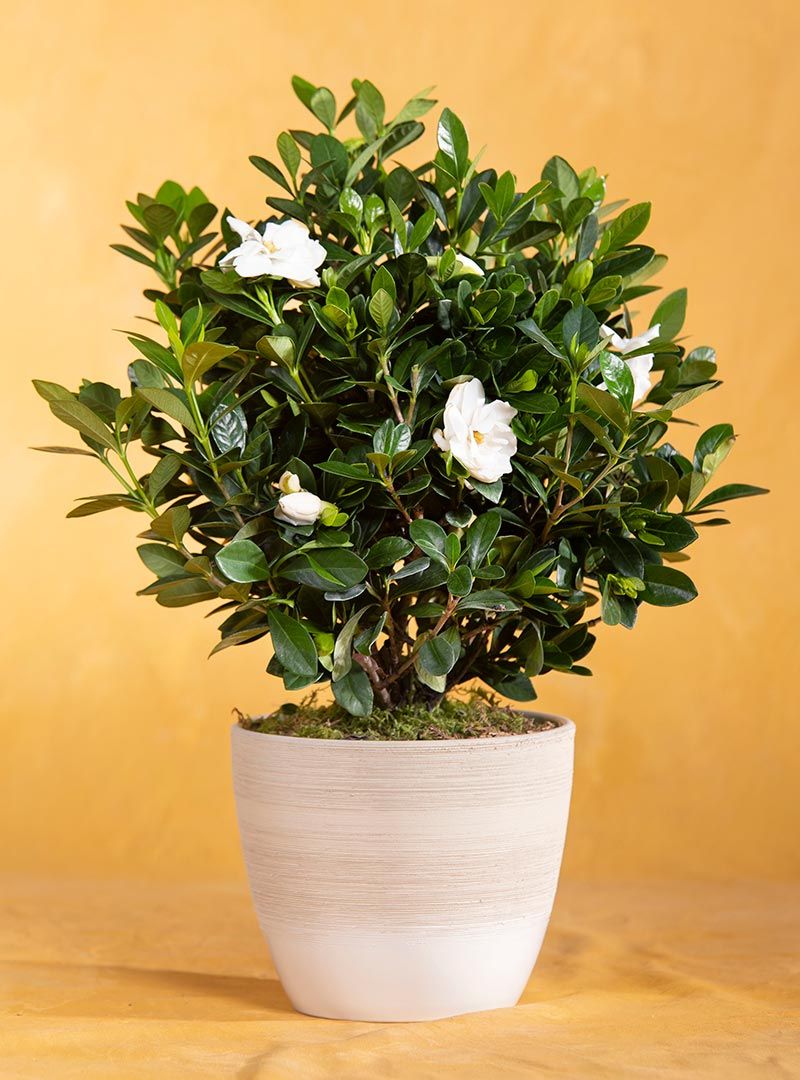
Gardenias, with their fragrant white flowers, are beloved by many. Yet, they are notoriously difficult to maintain indoors, needing bright light and high humidity to bloom. This plant’s beauty comes with the challenge of matching its outdoor environment as closely as possible. While its scent is intoxicating, achieving indoor flowering requires dedication. Gardenia’s allure is undeniable, but its care demands the attention of experienced gardeners.
23. Fuchsia
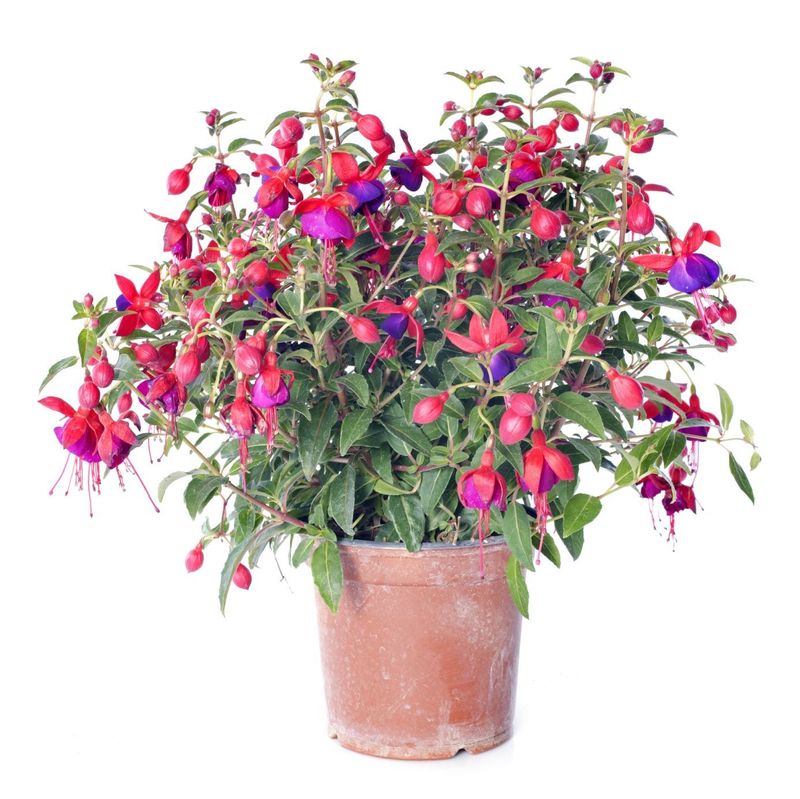
Fuchsia plants are admired for their vivid, pendulous blooms that brighten any setting. However, they often struggle to thrive long-term indoors without ample sunlight and humidity. These plants require consistent watering and attention to environmental conditions. While their flowers are a visual treat, maintaining their health indoors can be demanding. Fuchsia offers vibrant beauty, yet it poses a challenge for those without the right conditions.
24. Tuberous Begonia
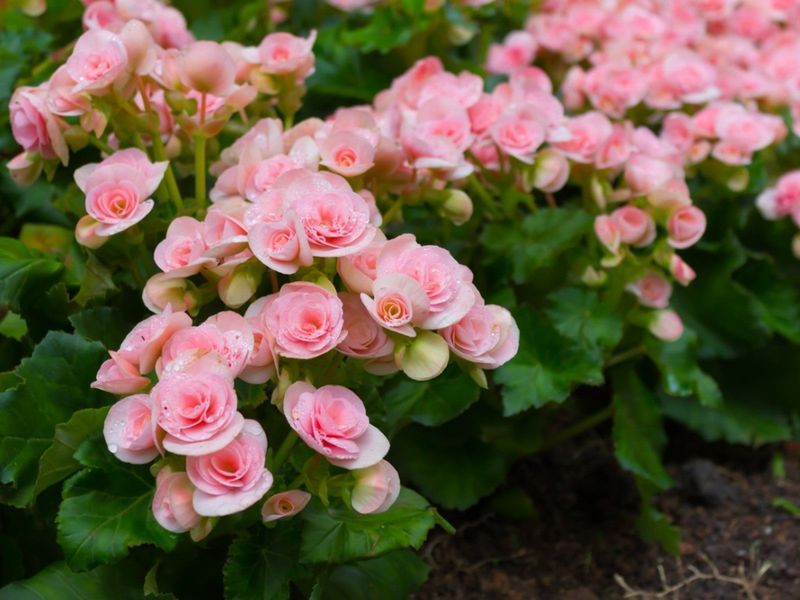
Tuberous Begonias are appreciated for their showy blooms and lush foliage. However, they prefer outdoor conditions, struggling with indoor environments lacking humidity and air circulation. These plants thrive in partial shade and require regular watering. While their flowers add charm, they demand care that mimics outdoor habitats. Tuberous Begonia’s appeal is evident, but it requires a commitment to recreate suitable conditions indoors.
25. Carnivorous Plants (Venus Flytrap, Pitcher Plant)
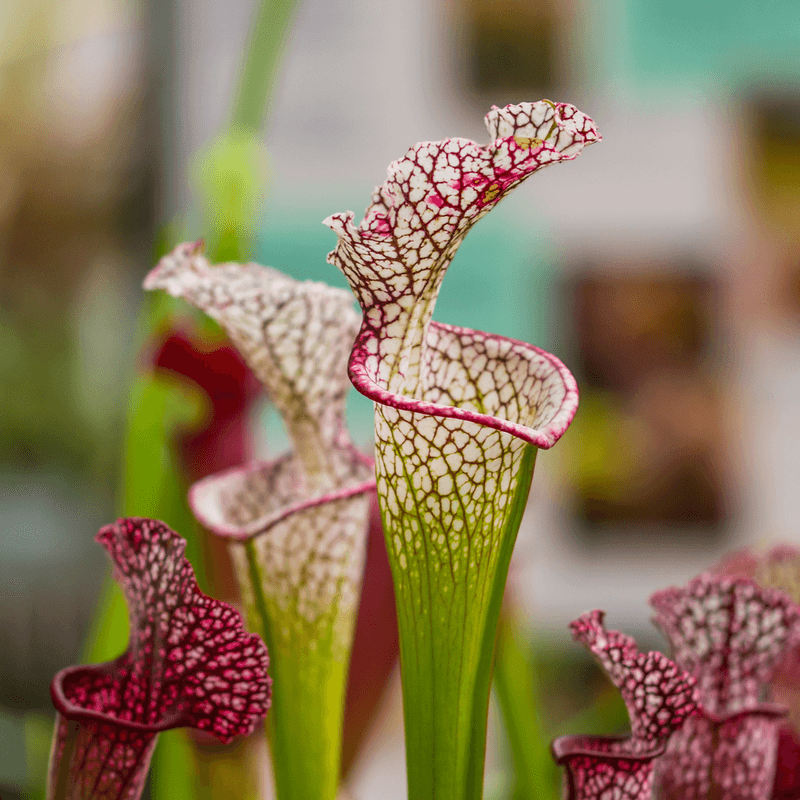
Carnivorous plants, like the Venus Flytrap and Pitcher Plant, fascinate with their unique insect-eating capabilities. Despite their intrigue, they pose challenges indoors, needing high humidity and specific soil conditions. These plants require bright, indirect light and distilled water to thrive. While their ability to catch prey is captivating, maintaining the right environment can be demanding. Carnivorous plants are a fun addition but need commitment to proper care.
26. Ornamental Peppers
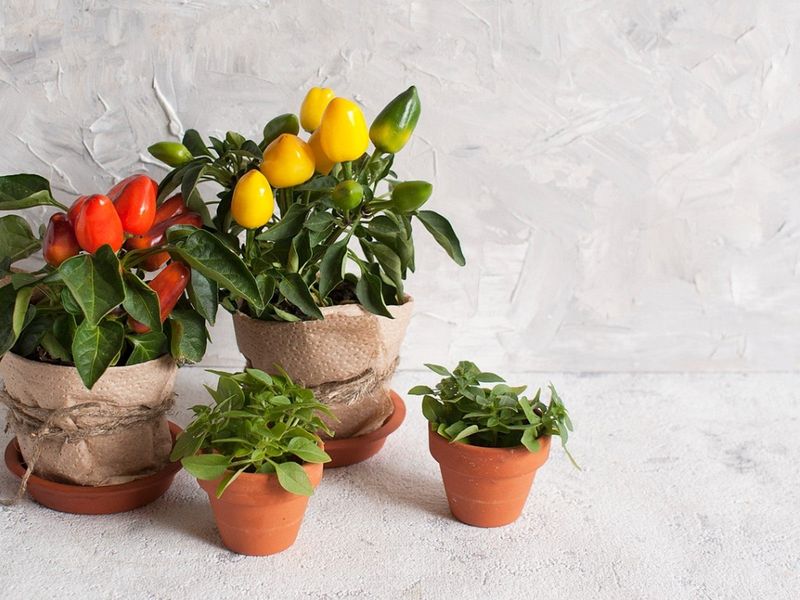
Ornamental Peppers are loved for their vivid, colorful fruits that add a decorative touch to interiors. However, they are short-lived and can be toxic if ingested. These plants require bright light and careful watering to maintain their appearance. While their colors are eye-catching, ensuring they remain healthy indoors can be challenging. Ornamental Peppers offer a splash of color but require attentive care to sustain their vibrancy and safety.
27. Citrus Trees (Lemon, Orange)
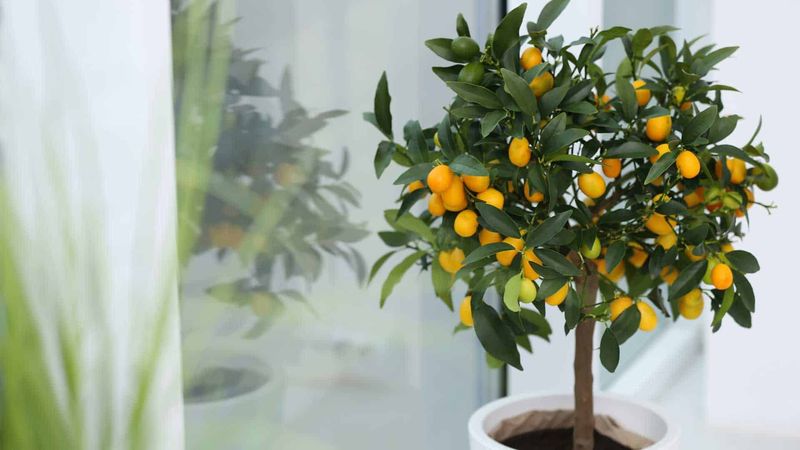
Citrus Trees, such as lemon and orange, bring a fresh, vibrant feel to homes with their fragrant blooms and fruits. However, they demand very bright light and ample space to thrive indoors. These trees require regular feeding and watering to produce fruit. While their scent and fruits are delightful, ensuring they receive enough light can be challenging. Citrus Trees offer a taste of the tropics but need commitment to their care.
28. Dracaena Marginata
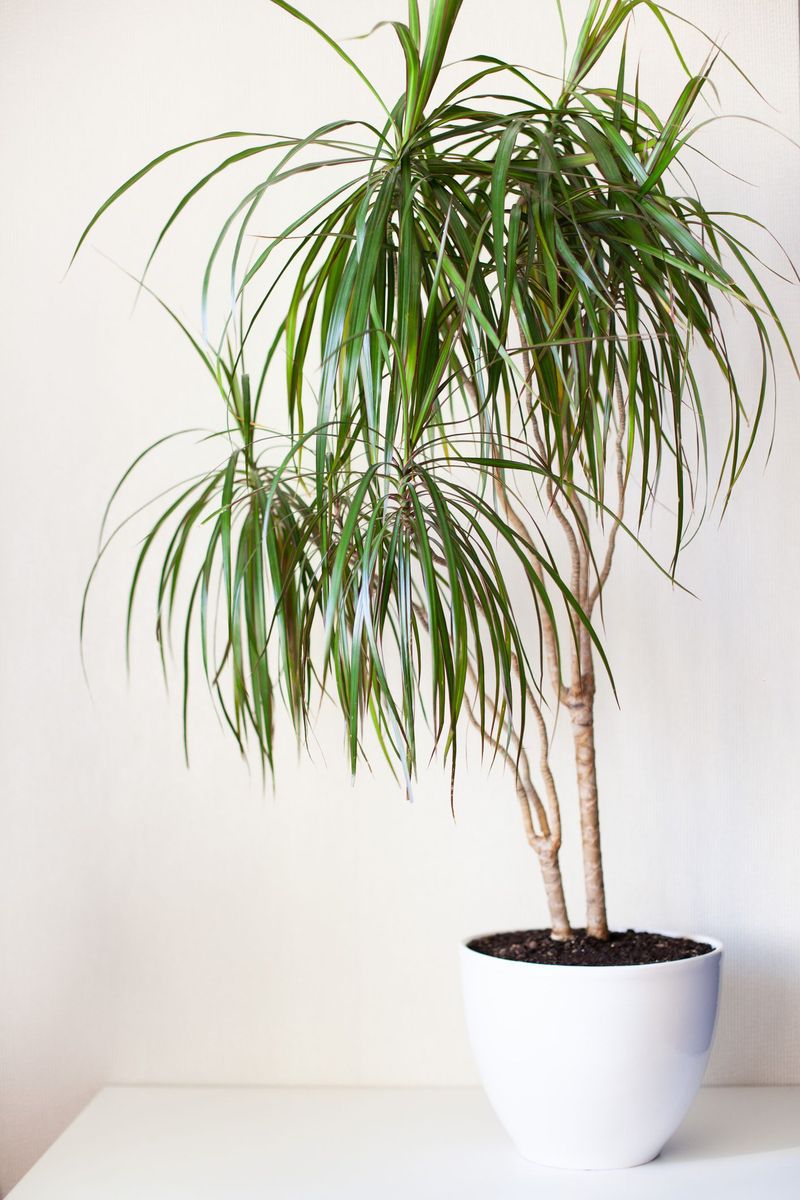
Dracaena Marginata is appreciated for its striking form and ease of care. However, it’s toxic if ingested and sensitive to water quality. This plant thrives in filtered light and requires minimal watering, making it a favorite for busy environments. While its dramatic foliage adds elegance, ensuring it remains out of reach of pets is crucial. Dracaena Marginata is a stylish choice, yet awareness of its needs and risks is essential.
29. Juniper Bonsai
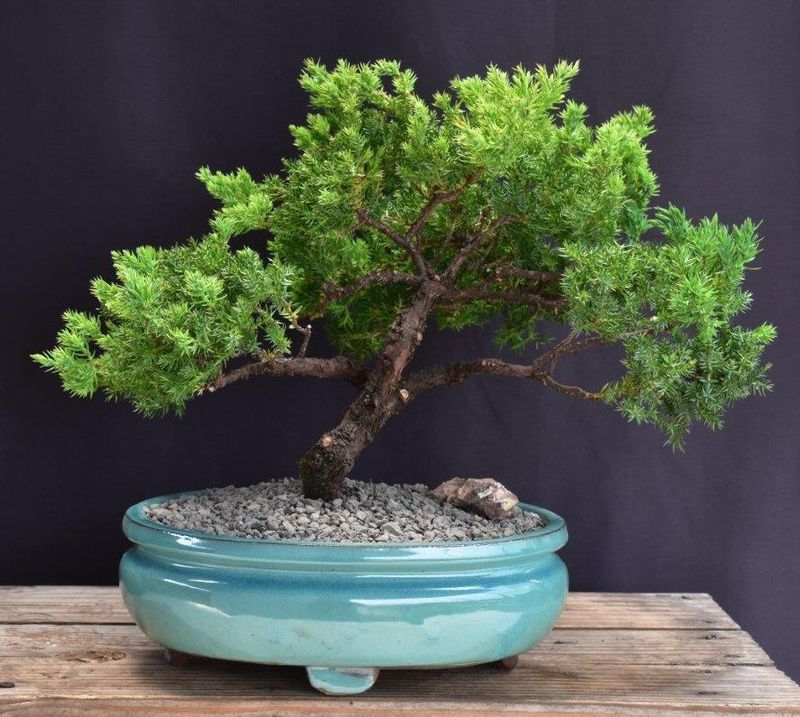
Juniper Bonsai is admired for its miniature, artistic form that brings a touch of nature indoors. However, its pollen and strong scent can be irritating to some. This bonsai requires regular care to maintain its shape and health. While its appearance is calming and beautiful, ensuring that it doesn’t cause allergies is important. Juniper Bonsai offers a peaceful aesthetic but requires careful placement and regular attention.
30. Pencil Cactus (Euphorbia tirucalli)
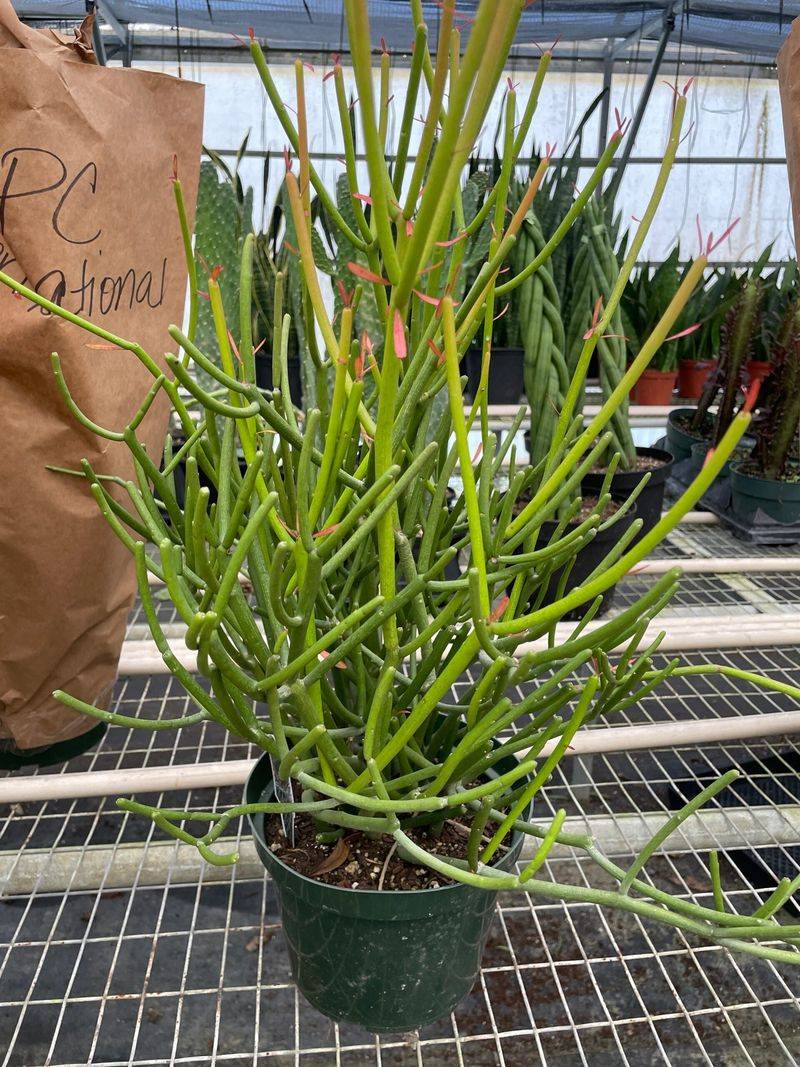
Pencil Cactus is noted for its unique, sculptural form that adds interest to modern decor. However, its sap can cause skin burns and irritation, posing risks if not handled carefully. This cactus thrives in bright light and dry conditions, requiring minimal water. While its striking appearance is appealing, caution is advised to avoid contact with its sap. Pencil Cactus is a conversation piece, yet it demands respect and care.
31. Crown of Thorns (Euphorbia milii)
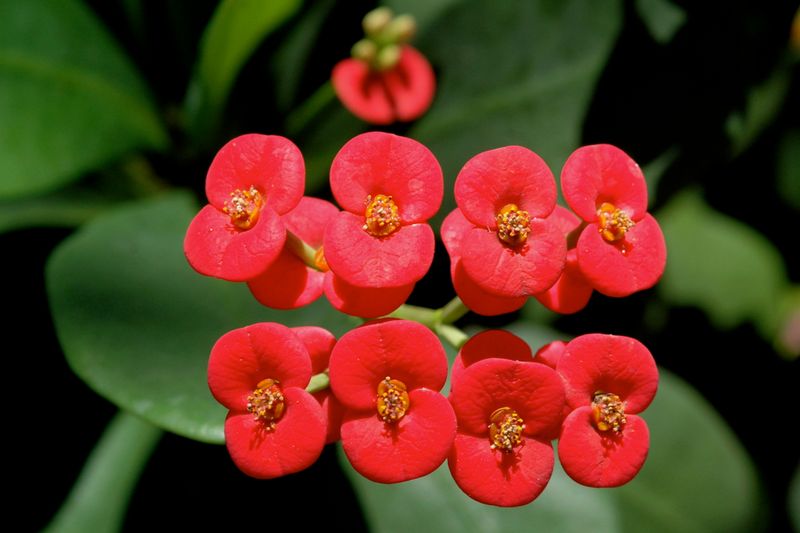
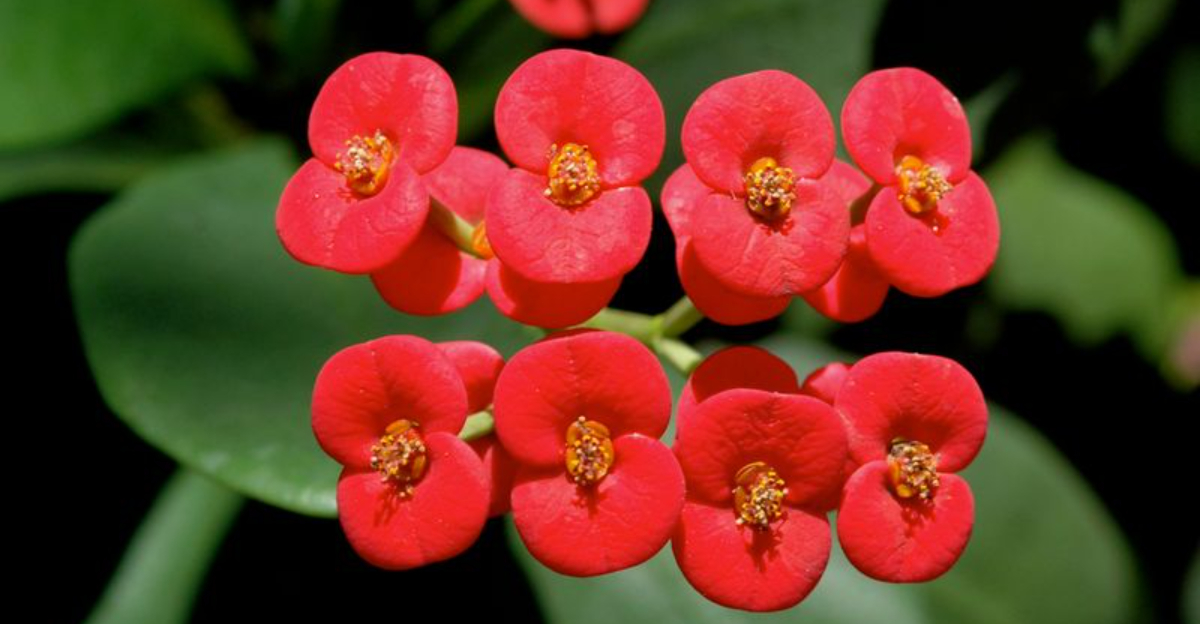
Crown of Thorns is loved for its continuous blooming and resilience. However, its prickly stems and irritating sap require careful handling. This plant thrives in sunny spots, needing little water to maintain its vibrant display. While it’s a durable choice for bright conditions, ensuring it is kept out of reach from curious hands and pets is vital. Crown of Thorns offers enduring beauty, but it requires mindful placement and care.
32. Tamarind Tree (as bonsai or ornamental)
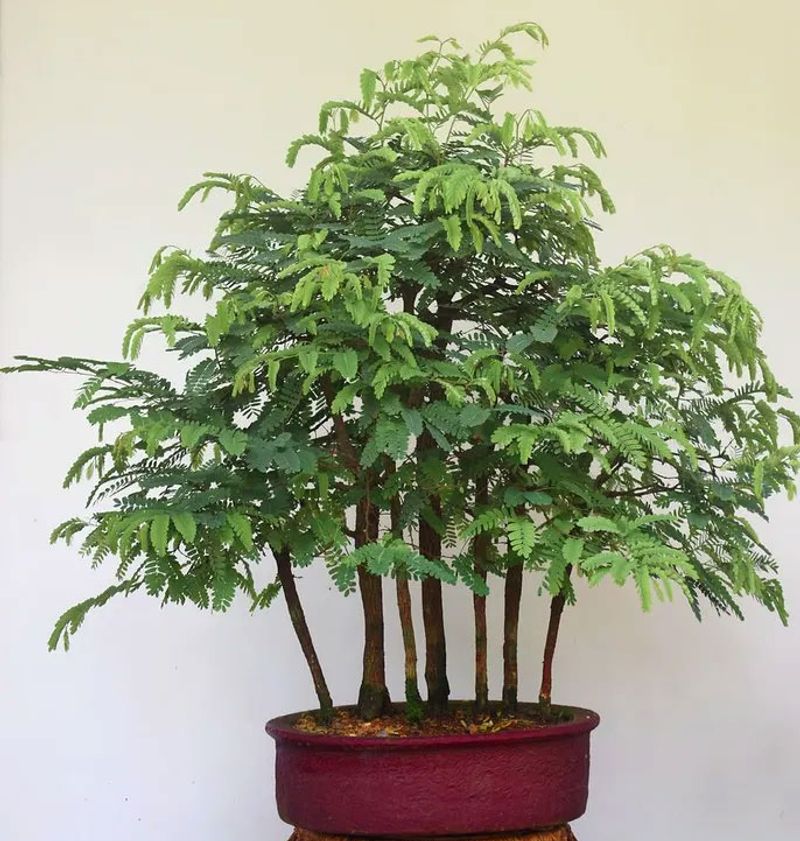
Tamarind Trees, particularly as bonsai, are admired for their elegant, fern-like leaves and exotic appeal. However, they shed leaves frequently and can attract pests indoors, making them a challenging choice. This plant requires bright light and regular pruning to maintain its shape. While its appearance is striking, managing leaf drop and pest control can be demanding. Tamarind Trees offer a touch of the tropics but need careful attention indoors.
33. Tithonia (Mexican Sunflower)
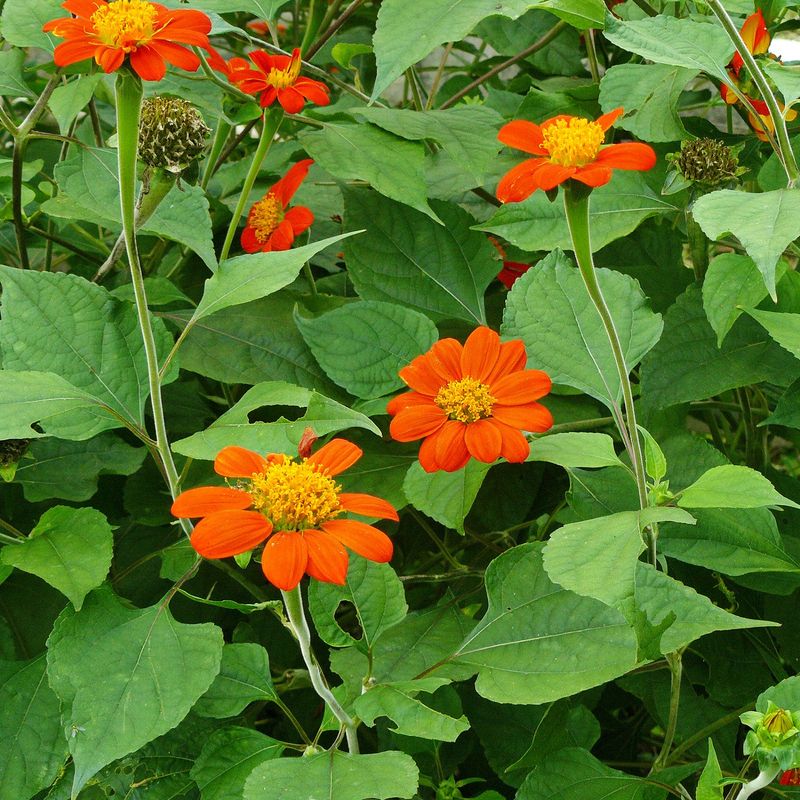
Tithonia, or Mexican Sunflower, is known for its bold, vibrant blooms that attract attention. However, it is not suited for confined spaces due to its size and potential for allergenic reactions. This plant thrives in sunny conditions and requires ample space to flourish. While its flowers are a dazzling spectacle, providing enough room and managing allergy concerns are essential. Tithonia offers brilliance but is best enjoyed in spacious, outdoor settings.
34. Castor Bean Plant (Ricinus communis)
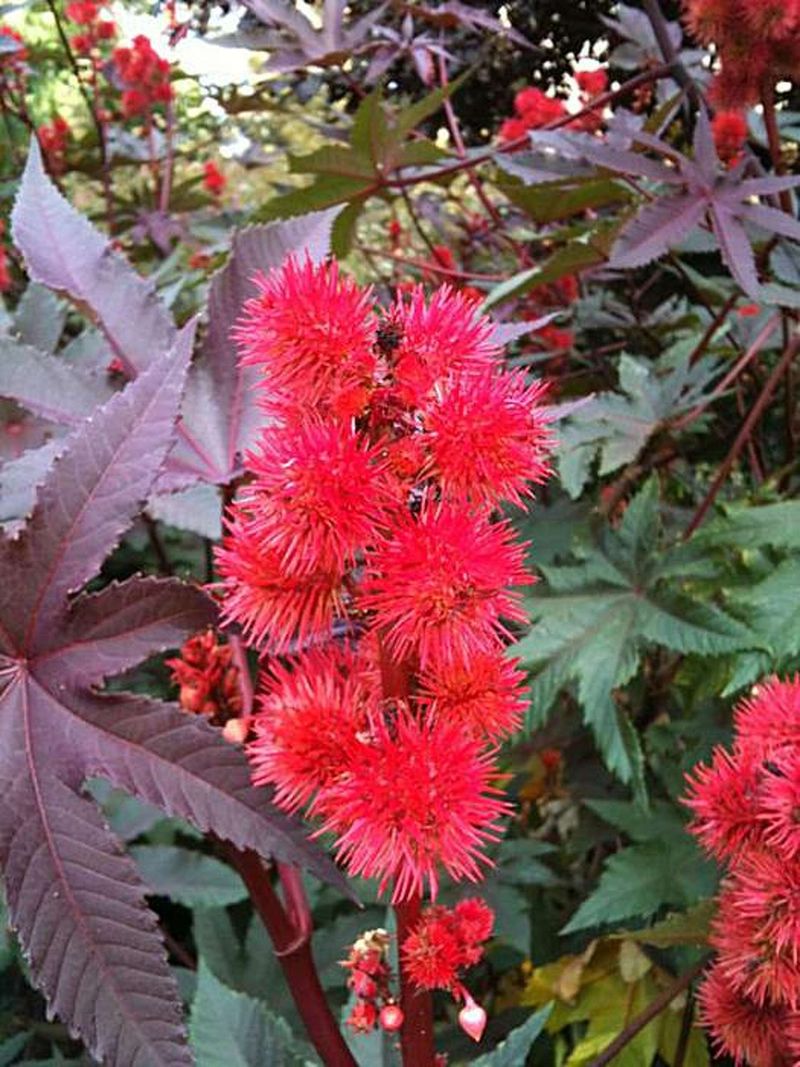
The Castor Bean Plant is valued for its dramatic foliage, but it is extremely toxic and should never be grown indoors. All