
While indulging in certain foods occasionally can be a treat, overconsumption can lead to serious health issues. Here’s a list of 10 items that should be eaten in moderation to maintain a healthy lifestyle.
1. Processed Meats (Bacon, Sausage, Hot Dogs)

Bursting with flavor, processed meats like bacon and sausages are often a breakfast favorite. Yet, beneath the savory taste lies a health concern. These meats are high in sodium and nitrates, which contribute to heart disease and elevated blood pressure. Additionally, the saturated fats present can clog arteries over time. Recent studies link processed meats to increased cancer risks, particularly colorectal cancer. While a crispy strip of bacon can be delightful, moderation is key to avoiding the associated health risks. Finally, always consider the long-term impact on your heart and digestive system.
2. Artificial Sweeteners (Aspartame, Sucralose)

Artificial sweeteners promise sweetness without the calories, sparking interest among those watching their waistline. Yet, the story isn’t all sweet. Some research suggests these substitutes can disrupt gut bacteria balance. This disruption might lead to increased sugar cravings, counteracting their intended purpose. Furthermore, the debate continues over potential links to metabolic disorders and even cancer. The conversation remains ongoing, with more studies needed. For now, appreciating natural sweetness might be a safer path, blending caution with curiosity. Enjoy sweet treats sparingly, understanding the potential implications.
3. Energy Drinks (Red Bull, Monster)

For a quick boost, many turn to energy drinks like Red Bull and Monster. While they promise heightened alertness, the high caffeine and sugar contents carry risks. Excessive consumption can lead to heart palpitations, elevated blood pressure, and insomnia. In extreme cases, sudden cardiac events have been reported. The sugar spike also affects insulin levels, leading to potential long-term health concerns. Despite the allure of increased energy, consider the potential health drawbacks. Choosing natural alternatives for an energy lift aligns better with health goals.
4. Deep-Fried Foods (French Fries, Fried Chicken)

Few can resist the crunchy texture of fried foods like French fries and fried chicken. However, their appeal disguises a health challenge. These foods often contain trans fats and acrylamide, a carcinogen formed during the frying process. The consumption of such fats is linked to obesity and heart disease. Furthermore, inflammation processes within the body are exacerbated by these fats. Balancing occasional indulgence with healthier cooking methods can help mitigate risks. Rather than give up fried delights, moderation becomes the savory solution.
5. Sugary Cereals (Frosted Flakes, Lucky Charms)
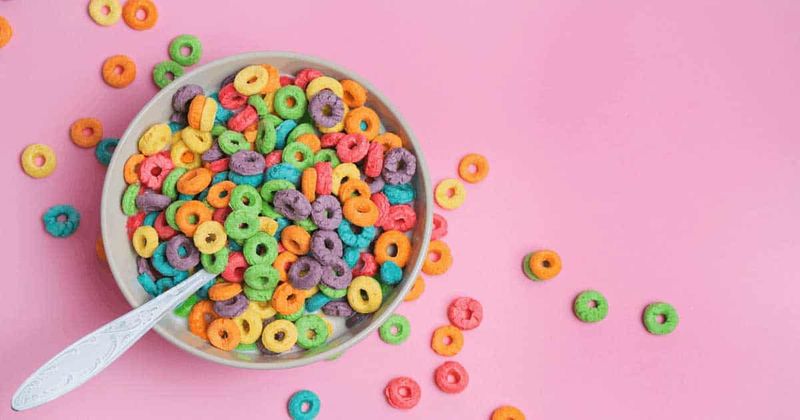
Bright and appealing, sugary cereals like Frosted Flakes beckon many in the morning. Yet, the high sugar content poses a significant concern. These cereals lack fiber, leading to rapid blood sugar spikes followed by crashes. This cycle increases the risk of insulin resistance and potentially type 2 diabetes. Choosing whole-grain alternatives provides a healthier breakfast option, maintaining energy levels throughout the day. Balancing the allure of colorful cereals with nutritional wisdom supports better long-term health outcomes.
6. Canned Soups & Instant Noodles
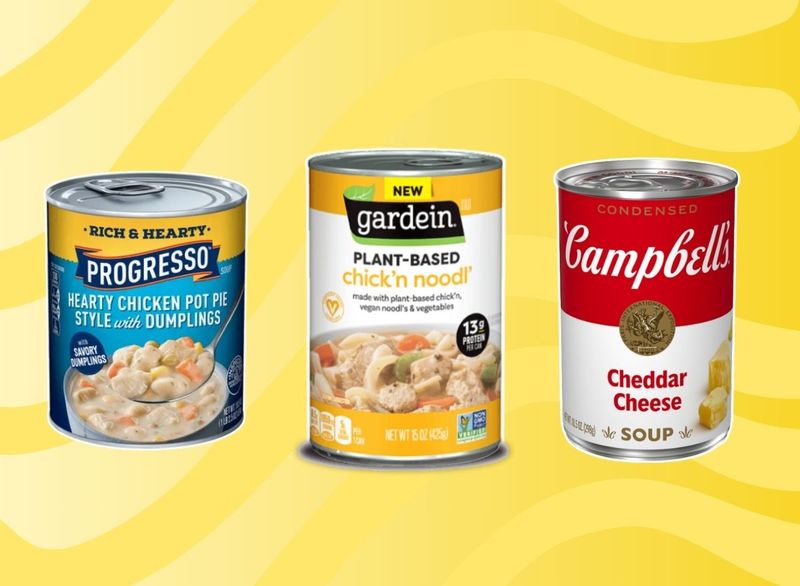
Convenience often draws people to canned soups and instant noodles. However, behind the easy preparation lies a sodium surge. Some servings carry a day’s worth of sodium, leading to bloating and high blood pressure. This excessive intake strains the kidneys, potentially leading to long-term health issues. Opting for fresh, homemade soups or low-sodium alternatives provides a healthier choice. While the convenience is undeniable, being mindful of sodium intake helps maintain vascular and kidney health.
7. Margarine & Hydrogenated Oils

Margarine and hydrogenated oils often replace butter for those seeking lower cholesterol options. Yet, they contain trans fats which raise bad cholesterol (LDL) while lowering good cholesterol (HDL). This imbalance increases the risk of heart disease. The choice between convenience and health becomes pivotal. Moderation and opting for healthier fats like olive oil provide a balanced approach. Understanding the impact on cholesterol levels guides better food choices, supporting cardiovascular well-being.
8. Raw Cashews (From the Shell)
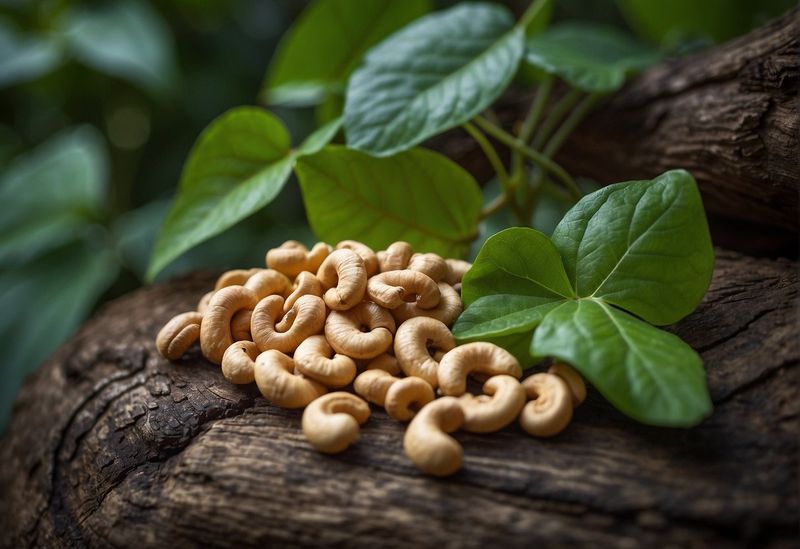
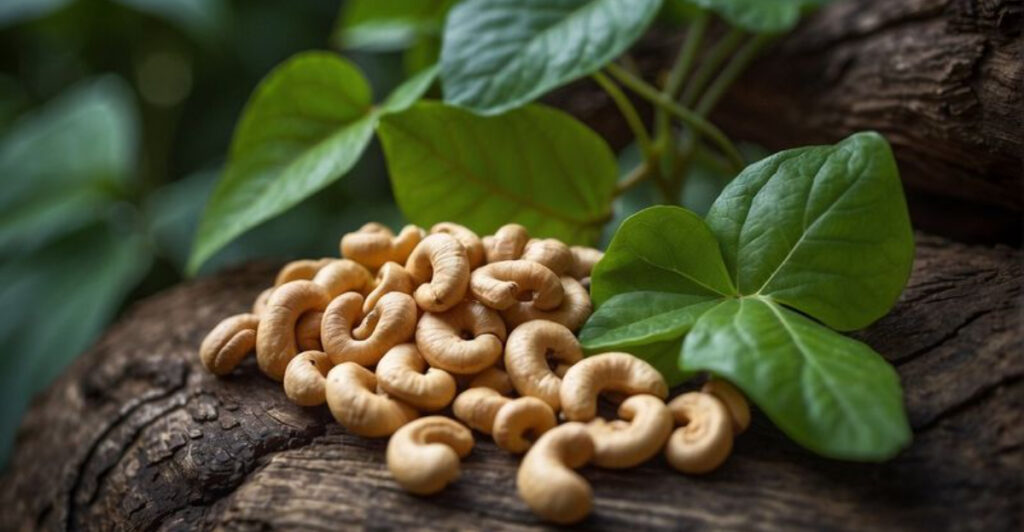
Cashews, often enjoyed as a healthy snack, require caution when raw. The shell contains urushiol, the same compound in poison ivy, leading to severe allergic reactions. Fortunately, store-bought “raw” cashews are steamed, removing toxins. However, handling true raw cashews necessitates care. Understanding the process that makes them safe for consumption highlights the importance of food preparation methods. Choosing processed cashews ensures enjoyment without health risks.
9. Licorice (Especially Black Licorice)

Licorice, particularly the black variety, brings a unique flavor to confections. However, it contains glycyrrhizin, which can dangerously lower potassium levels. This imbalance may cause high blood pressure, muscle weakness, and even heart arrhythmias. Moderation remains essential, especially for those with existing heart conditions. Enjoy the distinct taste sparingly to avoid health complications. Licorice’s impact on electrolyte balance emphasizes cautious consumption.
10. Nutmeg (In Large Amounts)
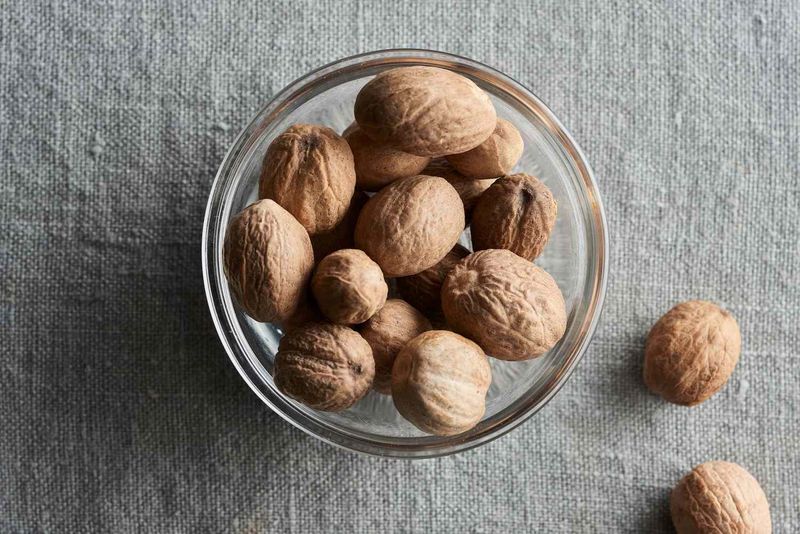
Nutmeg, a common spice in baking, hides a risky secret when overconsumed. It contains myristicin, which in large amounts can lead to hallucinations and dizziness. In extreme cases, organ failure may occur. While it adds warmth and flavor to dishes, the potential for toxicity necessitates careful use. Recognizing the balance between enhancing culinary creations and ensuring safety is crucial. Using nutmeg sparingly keeps meals enjoyable and safe for all.