 Complete Gardening
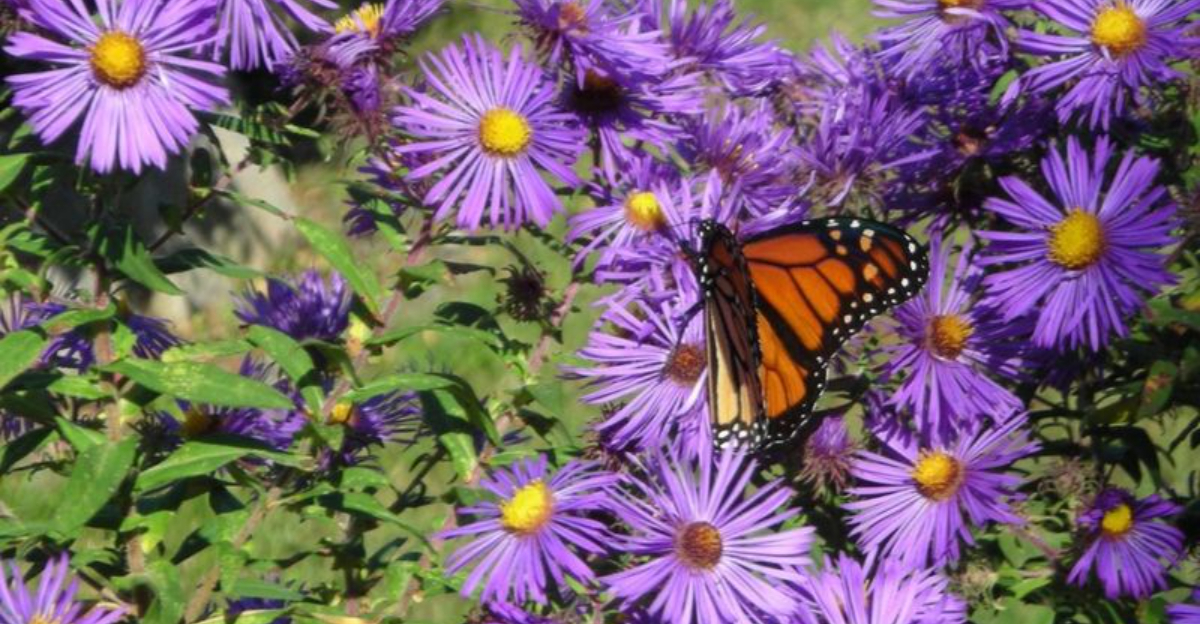
Discover the enchanting world of native flowers that are known to attract beneficial insects to your garden. By planting these blooms, you not only adorn your outdoor space but also create a haven for crucial pollinators and pest-eaters. Each flower has its unique charm and role in maintaining ecological balance, making them a delightful addition to any garden. Here’s a look at 12 native flowers that can enhance your garden’s allure while supporting helpful insects.
1. Goldenrod (Solidago spp.) – The Ultimate Pollinator Magnet
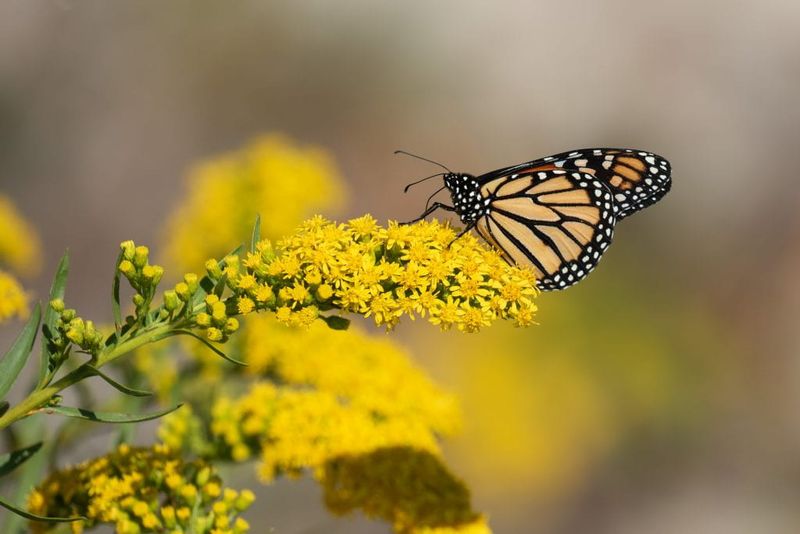
Goldenrod, often misunderstood due to its resemblance to allergy-causing plants, is a beacon for pollinators. Its vibrant yellow blooms attract a host of beneficial insects, including bees, butterflies, and predatory wasps that keep aphid populations in check.
Did you know? Goldenrod pollen is heavy and rarely airborne, making it harmless to allergy sufferers. This robust plant thrives in various conditions, offering a splash of color from late summer into fall.
Embrace goldenrod in your garden for its beauty and the vital ecological role it plays. Its presence heralds a bustling, healthy habitat.
2. Purple Coneflower (Echinacea purpurea) – A Ladybug Hangout
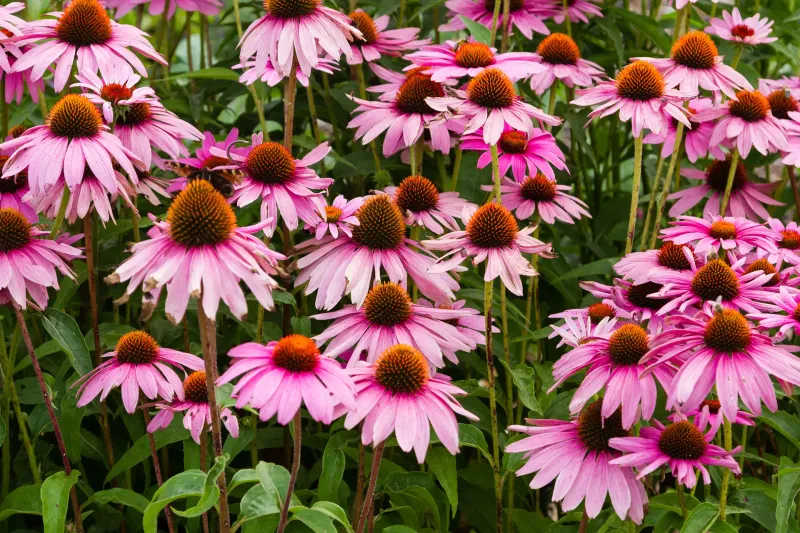
Purple coneflower, with its striking purple petals, serves as a favorite hangout for ladybugs. These beneficial insects lay their eggs on the leaves, leading to larvae that feast on aphids.
Echinacea is not just a pest controller; it’s also a drought-tolerant plant revered for its medicinal properties, often found in immune-boosting teas.
Incorporate this resilient flower in your garden for its dual benefits—ornamental beauty and natural pest control. Its presence guarantees a vibrant, lively garden ecosystem. This flower is a testament to nature’s ingenuity at work.
3. Milkweed (Asclepias spp.) – Monarchs & Beneficial Beetles
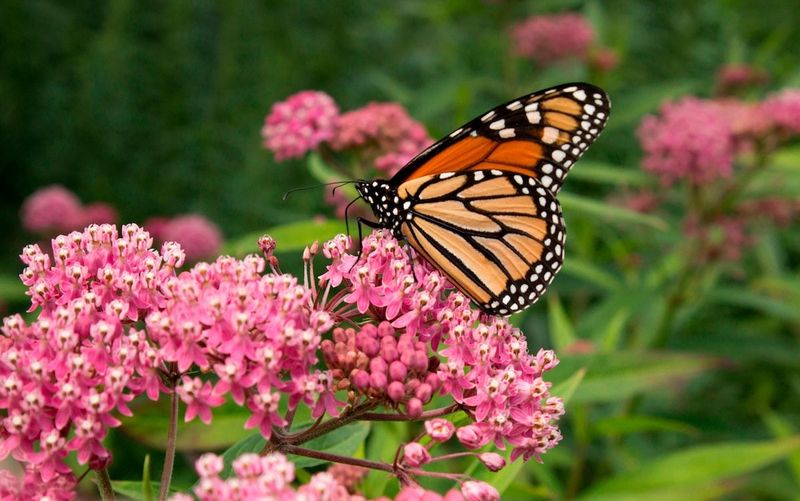
Milkweed is a lifeline for monarch butterflies, providing critical habitat and nourishment. Beyond monarchs, milkweed attracts tachinid flies, which help control pest populations by parasitizing caterpillars and squash bugs.
Its sticky sap adds another layer of defense by trapping aphids, deterring them from nearby plants. Milkweed’s role extends beyond beauty; it’s a cornerstone species for many beneficial insects.
Plant milkweed to witness the delicate dance of monarchs and the hidden efforts of beetles and flies in your garden. This plant embodies the intricate relationships within nature.
4. Yarrow (Achillea millefolium) – Lacewing Nursery

Yarrow is a chosen nursery for lacewings, the unsung heroes of aphid control. Lacewings are drawn to its tiny, nectar-rich flowers, where they sip and lay eggs, leading to larvae that are voracious aphid-eaters.
Beyond its insect-attracting prowess, yarrow has historical significance as a natural wound healer, famously used by Achilles.
Plant yarrow for its delicate beauty and its role in sustaining helpful insect populations. This flower’s presence in your garden ensures a thriving, pest-managed ecosystem. Yarrow turns your garden into a lively, balanced sanctuary.
5. Sunflower (Helianthus annuus) – The Bird & Bug Buffet
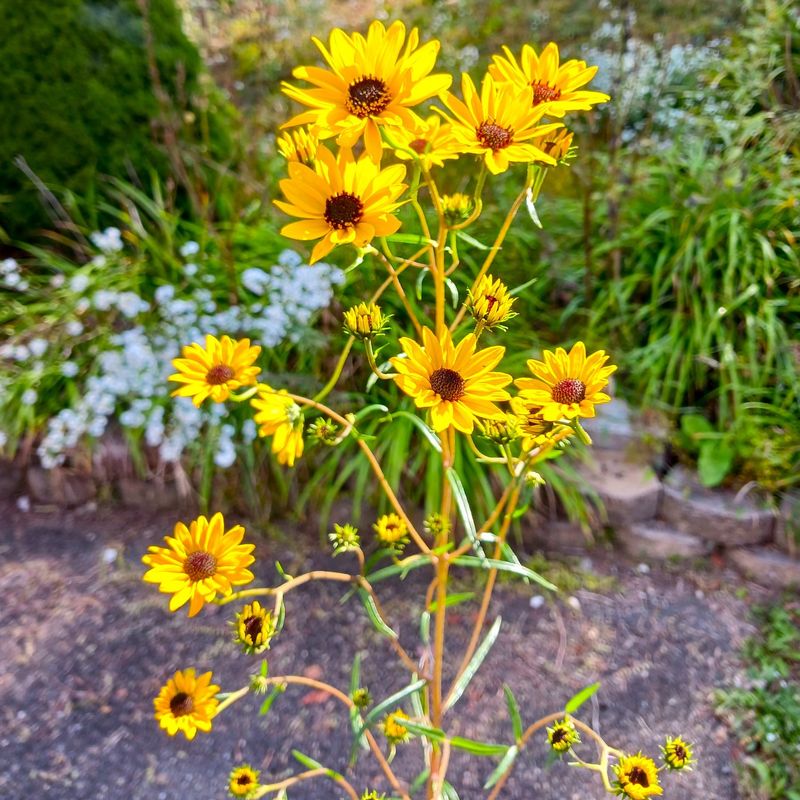
Sunflowers are more than just cheerful giants; they offer a buffet for both birds and beneficial insects. Soldier beetles, known for munching on soft-bodied pests, are frequent visitors to these towering flowers.
Additionally, seed-eating birds flock to sunflowers, simultaneously feasting on pests that threaten your garden. Tall sunflower varieties also provide shade for cool-weather crops.
Embrace sunflowers for their sunny disposition and ecological bounty. They’re not only a visual delight but a cornerstone of natural pest management. Sunflowers stand as guardians in the garden, offering shelter and sustenance.
6. Wild Bergamot/Bee Balm (Monarda fistulosa) – The Wasp Whisperer
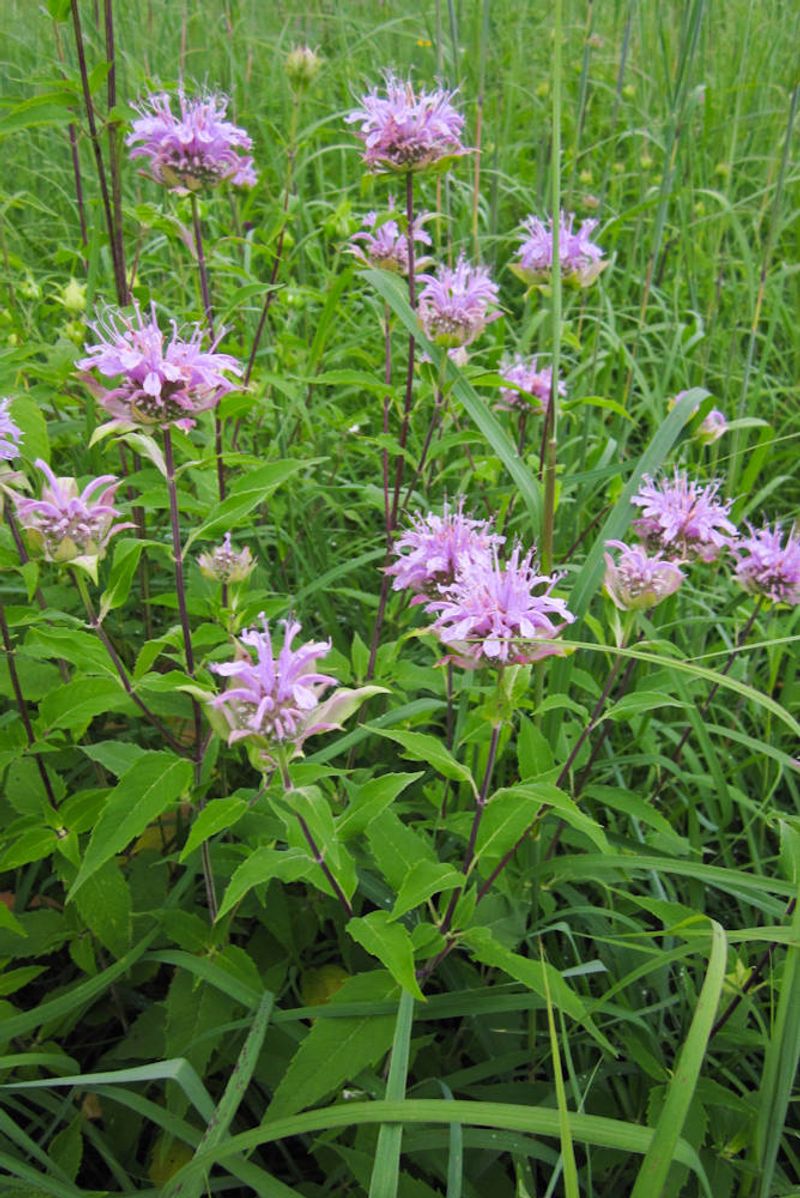
Wild bergamot, or bee balm, whispers to wasps, especially those that target tomato hornworms. These wasps are drawn to its aromatic nectar, which serves as both a lure and sustenance.
The plant itself offers more than just insect attraction; its leaves can be harvested for a citrusy tea reminiscent of Earl Grey.
Introduce wild bergamot to your garden to invite a plethora of beneficial wasps and enjoy its dual-purpose leaves. This plant infuses your garden with both fragrance and function, enhancing its natural harmony.
7. Joe-Pye Weed (Eutrochium purpureum) – Hoverfly Central
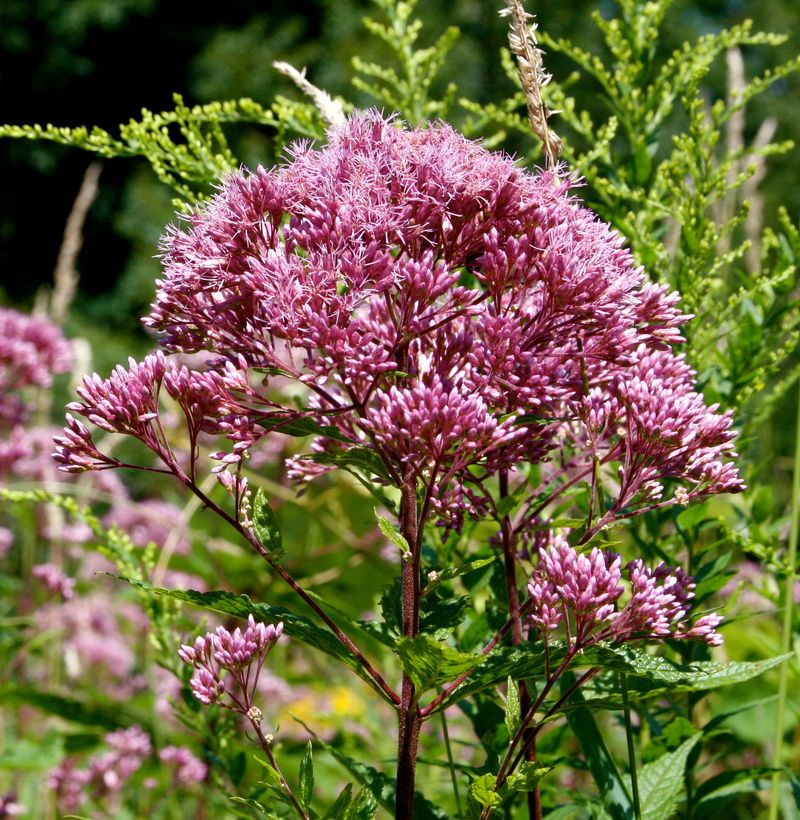
Joe-Pye weed stands tall, offering a sanctuary for hoverflies. These industrious insects devour aphids during their larval stage before transforming into pollinators.
Its towering vanilla-scented flowers are a majestic addition to rain gardens, reaching heights of up to 7 feet.
Include Joe-Pye weed in your landscape for its grandeur and the bustling hoverfly activity it supports. This plant provides an aromatic and visually stunning habitat, weaving together beauty and ecological purpose in your garden.
8. Black-Eyed Susan (Rudbeckia hirta) – The Ground Beetle Beacon

With its sunny demeanor, the Black-Eyed Susan beckons ground beetles, nocturnal creatures that feast on pests. These beetles find refuge under its broad leaves, emerging at night to patrol the garden.
This self-seeding plant is remarkably low-maintenance, providing long-lasting blooms that brighten any space.
Welcome the Black-Eyed Susan into your garden to enjoy its sunny flowers and the hard-working beetles it attracts. This plant’s presence ensures a garden alive with natural pest control, offering a splash of color and a home for helpful insects.
9. New England Aster (Symphyotrichum novae-angliae) – The Late-Season Lifeline
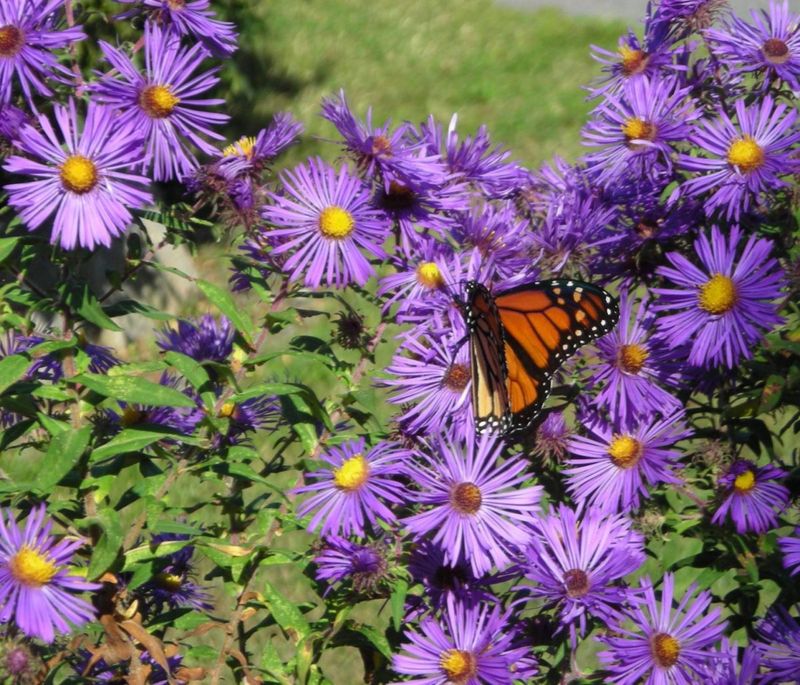
As autumn approaches, the New England Aster provides a lifeline for migrating monarchs and overwintering bees. Its nectar-rich purple flowers glow under the fall sun, a vital resource when other blooms fade.
Beyond its ecological role, the aster adds stunning beauty to fall bouquets, with its radiant hue capturing the essence of the season.
Plant New England Aster for its late-season bloom and the critical support it offers to pollinators. This flower ensures your garden remains a vibrant haven, even as the days grow cooler and shorter.
10. Virginia Mountain Mint (Pycnanthemum virginianum) – The All-In-One Insect Hub
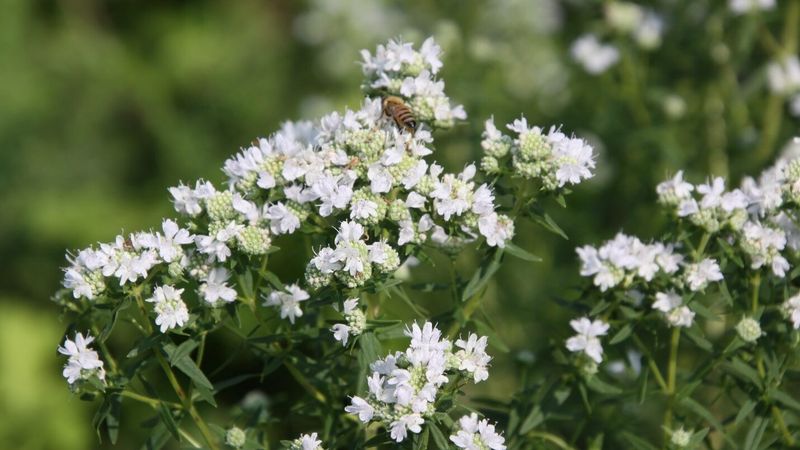
Virginia Mountain Mint is an all-in-one hub for beneficial insects, attracting lacewings, parasitic wasps, and predatory beetles. Its aromatic leaves add a minty fragrance that naturally repels mosquitoes.
This plant stands as a powerhouse in the garden, offering both beauty and functionality. Its dense clusters of white flowers create a stunning contrast against the green foliage.
Introduce Virginia Mountain Mint to your landscape for its insect-attracting prowess and its refreshing scent. This plant harmonizes aesthetics with practicality, making it an invaluable addition to any garden.
11. Spotted Beebalm (Monarda punctata) – The Sand Wasp Superfood
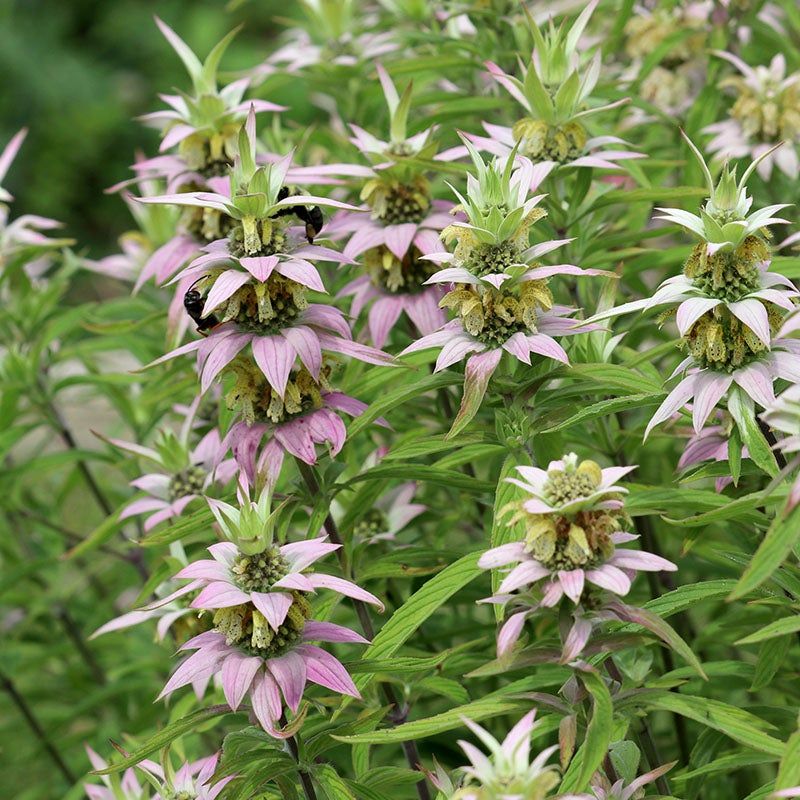
Spotted Beebalm, or Monarda punctata, is a vibrant addition to any garden, famed for attracting sand wasps. These wasps are excellent pollinators, helping your garden flourish. With its striking flower spikes and aromatic leaves, Spotted Beebalm offers visual and olfactory delight. Its blooms create a captivating spectacle during summer. Beyond beauty, it forms a crucial part of the food web, supporting various insect species. This hardy perennial thrives in sandy soils and full sun, making it ideal for challenging garden spots. A notable characteristic is its ability to withstand drought, ensuring resilience in dry spells.
12. Swamp Milkweed (Asclepias incarnata) – The Aphid Bodyguard
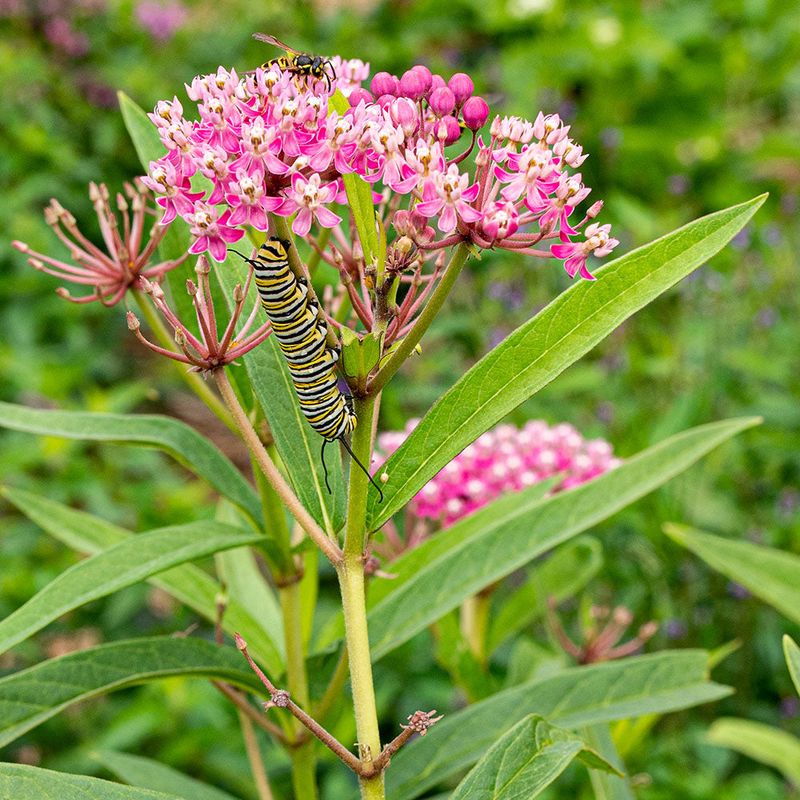
Tall and elegant, Swamp Milkweed is nature’s aphid combatant. This towering perennial attracts ladybugs and lacewings, both avid aphid predators. Its pink blossoms lure beneficial insects, offering a safe haven in your garden. Found in wetlands, it adapts well to garden settings with moist soil. Swamp Milkweed’s roots offer stability against erosion, making it perfect for landscaping near water. Its nectar-rich flowers also entice monarch butterflies, supporting their lifecycle. With a slender silhouette and fragrant blooms, it adds height and charm to your plantings. Its role in pest control is invaluable.