
In gardening, trap crops serve as decoys, attracting pests away from your cherished vegetables. They act as natural protectors, drawing pests toward themselves and away from your main crops. These 13 trap crops have been tried and tested by gardeners and have shown remarkable effectiveness in safeguarding vegetable gardens. Planted strategically, these crops can save you from the hassle of dealing with destructive pests, ensuring a bountiful harvest. Let’s explore each one, complete with engaging anecdotes, varied tones, and actionable insights that can transform your gardening experience.
1. Nasturtiums – The Aphid Magnet
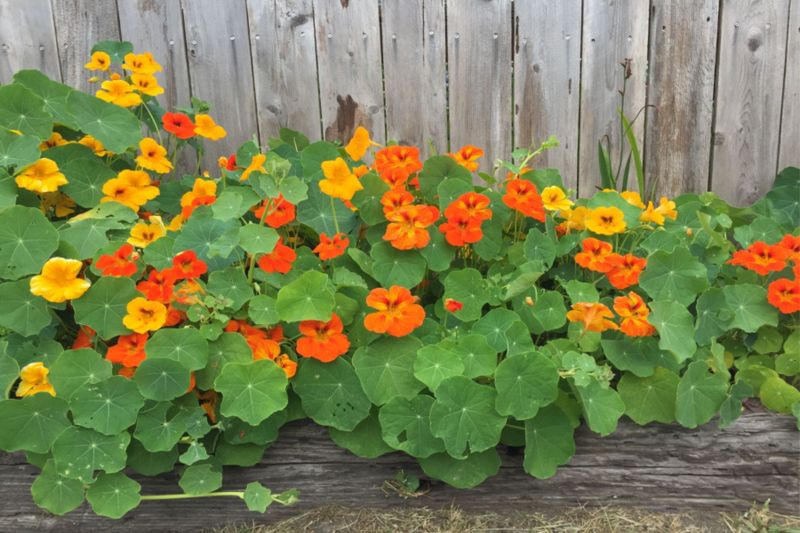
Drawing aphids like a magnet, nasturtiums stand as a vibrant protector in the garden. With their bright and cheerful blooms, they lure aphids away from nearby tomatoes and cucumbers. Gardeners often plant them as a natural border or beneath fruit trees, creating a colorful and effective barrier against pests. Curiously enough, while aphids swarm the nasturtiums, your vegetables thrive nearby. Enhance your garden’s beauty and defense with these lovely flowers, a preferred feast for whiteflies and squash bugs too. Their alluring presence and sacrificial nature make them a gardener’s cherished ally.
2. Radishes – The Flea Beetle Decoy
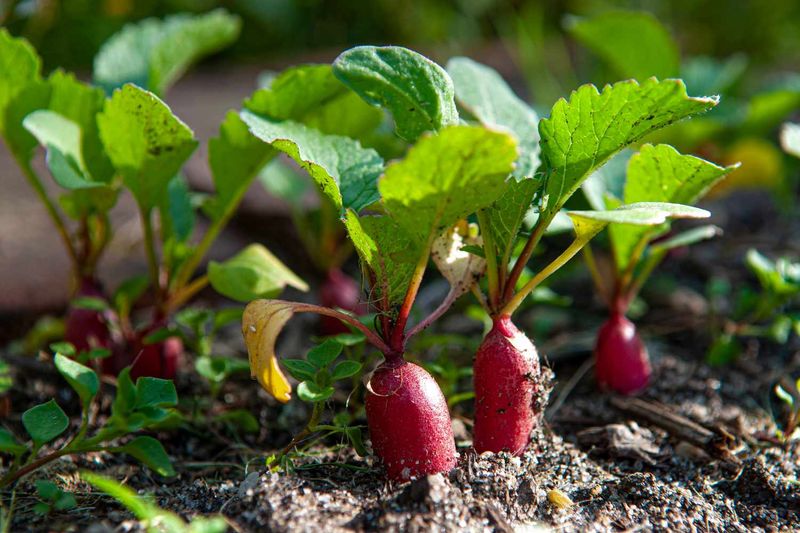
Radishes, with their rapid growth and hardy demeanor, serve as a haven for flea beetles. These pests prefer munching on radish leaves, sparing your precious eggplants, kale, and arugula. The bonus? Harvest the spicy roots before they bolt! This dual-purpose plant offers both protection and produce, making it a versatile choice for any garden. Positioned thoughtfully, radishes distract and contain the beetles, leaving other plants unharmed. Whether you’re a novice or a seasoned gardener, radishes offer a simple solution to a pesky problem. Let them lead the charge against flea beetles!
3. Chervil – The Slug & Snail Trap
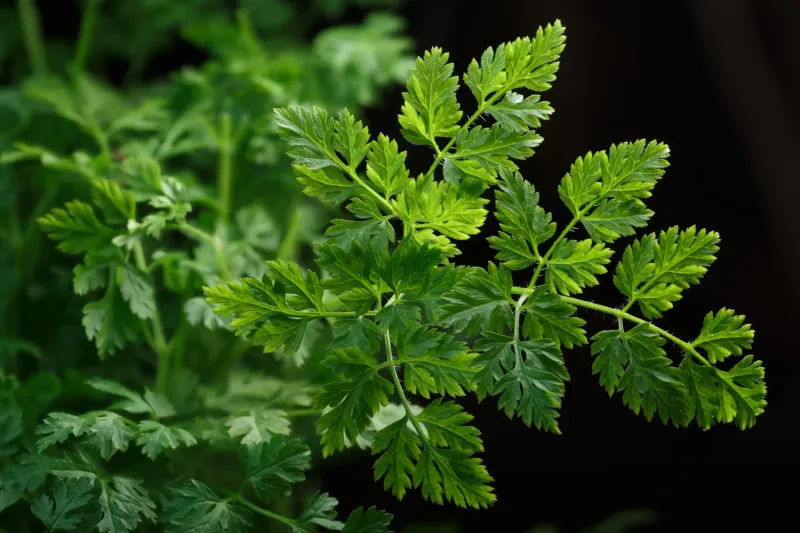
Love slugs and snails more than your greens do, chervil acts as a tempting target for these pests. Plant it in damp, shady spots, and watch as the slugs abandon your lettuce and strawberries in favor of chervil’s tender leaves. With its delicate appearance and aromatic scent, chervil draws unwanted visitors away from your main crops. Use this to your advantage by positioning chervil strategically in your garden. While the pests feast on chervil, your other plants flourish unscathed. A small sacrifice for a greater good, chervil is every gardener’s secret weapon against slime trails.
4. Sunflowers – The Stink Bug Sanctuary

Towering sunflowers provide an irresistible haven for stink bugs. These vibrant giants lure the pests away from tomatoes, peppers, and beans, offering them a temporary home. Stink bugs cluster on the sunflowers, making them easy to hand-pick or spray. Their bold presence adds beauty to any garden while serving a vital protective role. By concentrating the pests in one accessible spot, sunflowers simplify pest management. Plant them strategically, and let their towering forms guard your garden. They bring color and charm while ensuring your vegetables remain untouched by unwelcome guests.
5. Dill – The Tomato Hornworm Bait
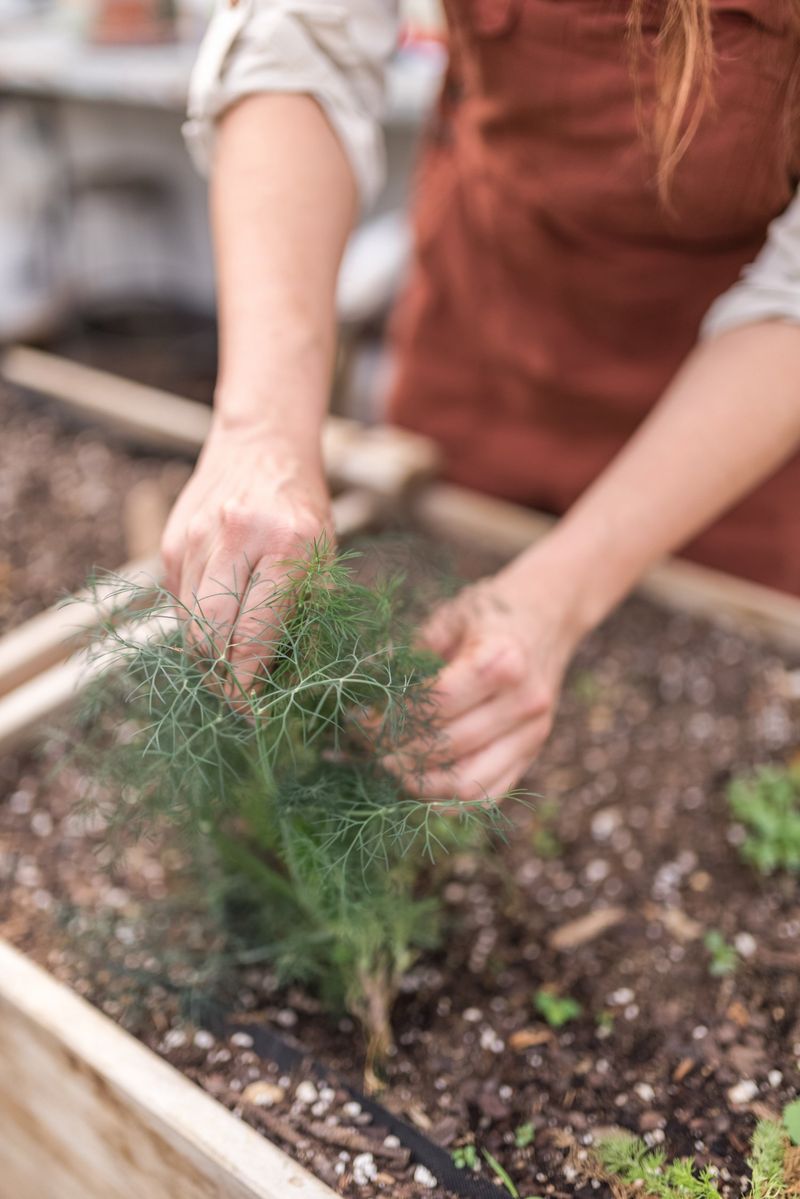
Dill’s feathery fronds are a favorite for tomato hornworms, drawing them away from your prized tomatoes and peppers. These pests feast on dill, leaving your main crops untouched. Sacrificing a few dill plants can save your tomatoes from devastation, a trade-off many gardeners are happy to make. Beyond its pest-attracting prowess, dill adds a culinary touch to your garden, offering both flavor and protection. Pair dill with tomatoes, and watch as it diverts the hornworms elsewhere. A small sacrifice for the greater good, dill proves its worth in every garden it graces.
6. Mustard Greens – The Harlequin Bug Trap
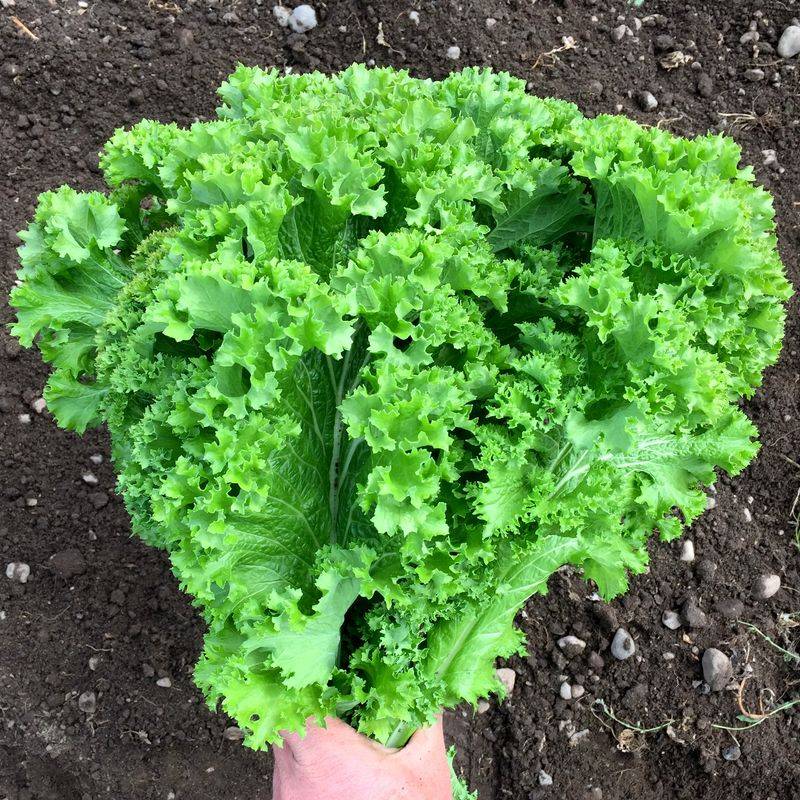
Mustard greens stand as a bold lure for harlequin bugs and cabbage worms, drawing them away from delicate broccoli and cabbage. Plant them early, and watch as these pests flock to the mustard, sparing your main crops. The pungent aroma of mustard greens is irresistible to bugs, making them an effective trap crop. As a bonus, mustard greens are edible, offering a fiery kick to salads and dishes. This dual-purpose plant provides protection and produce, a win-win for gardeners. Let mustard greens be your garden’s first line of defense against unwelcome invaders.
7. Blue Hubbard Squash – The Ultimate Squash Vine Borer Trap
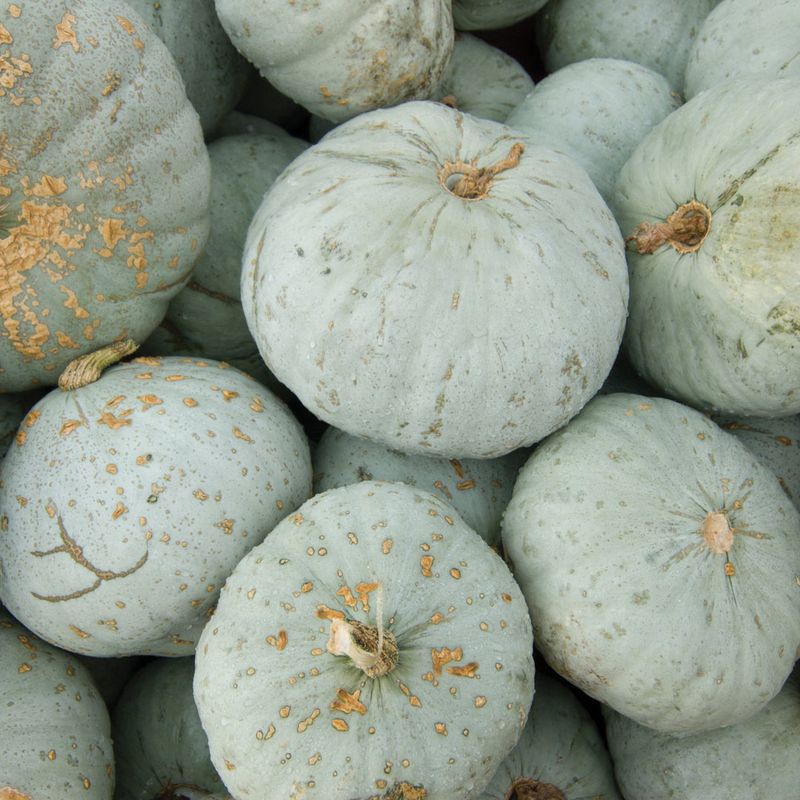
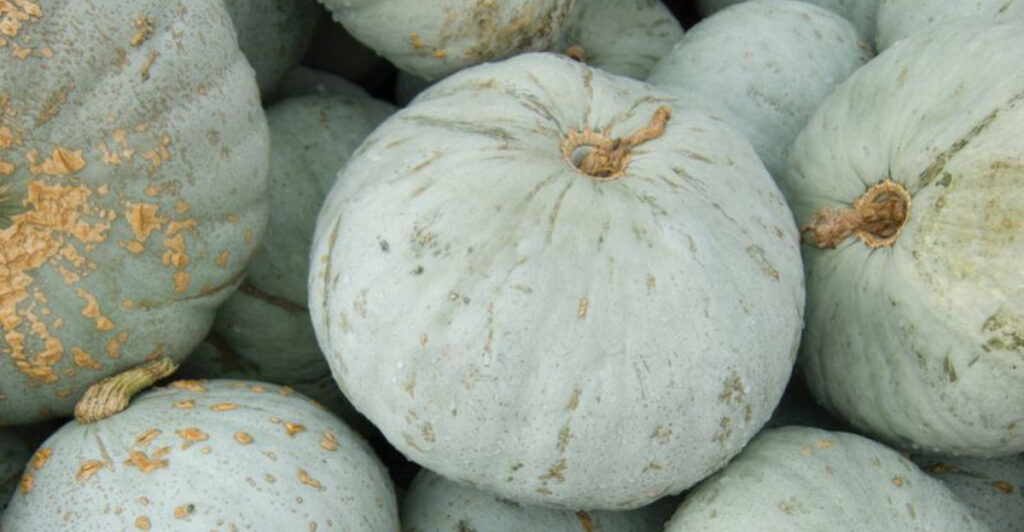
Gardeners’ secret weapon, Blue Hubbard squash, is a preferred feast for squash vine borers. These pests are drawn to its thick vines, sparing your zucchini, pumpkins, and cucumbers from their destructive grasp. By planting Blue Hubbard as a sacrificial crop, you protect your main harvest. Its robust presence in the garden serves as a beacon for pests, diverting them away from more vulnerable plants. Blue Hubbard’s large, sprawling vines offer a sanctuary for the borers, while your main crops thrive nearby. A strategic choice for any serious gardener, it’s the garden’s unsung hero.
8. Marigolds – The Nematode Fighter
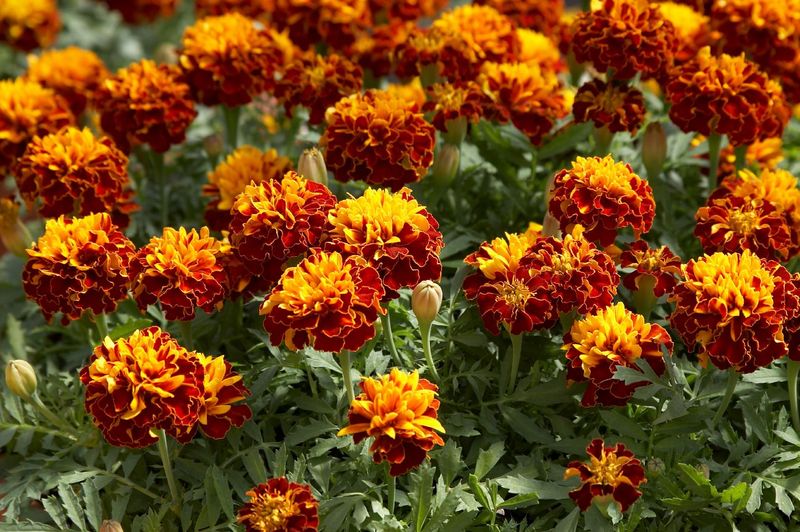
Marigolds, with their bright blooms, serve as the garden’s nematode fighters. Their roots release a chemical that suppresses root-knot nematodes, protecting carrots, potatoes, and tomatoes from damage. Planting marigolds as a cover crop or among vegetables offers a natural solution to a common problem. Their vibrant flowers attract beneficial insects, enhancing the garden’s ecosystem. This dual-purpose plant adds beauty, fragrance, and protection. While they battle nematodes below ground, their blooms light up the garden. Marigolds’ cheerful presence and protective prowess make them an invaluable addition to any vegetable garden.
9. Borage – The Tomato Worm Distraction
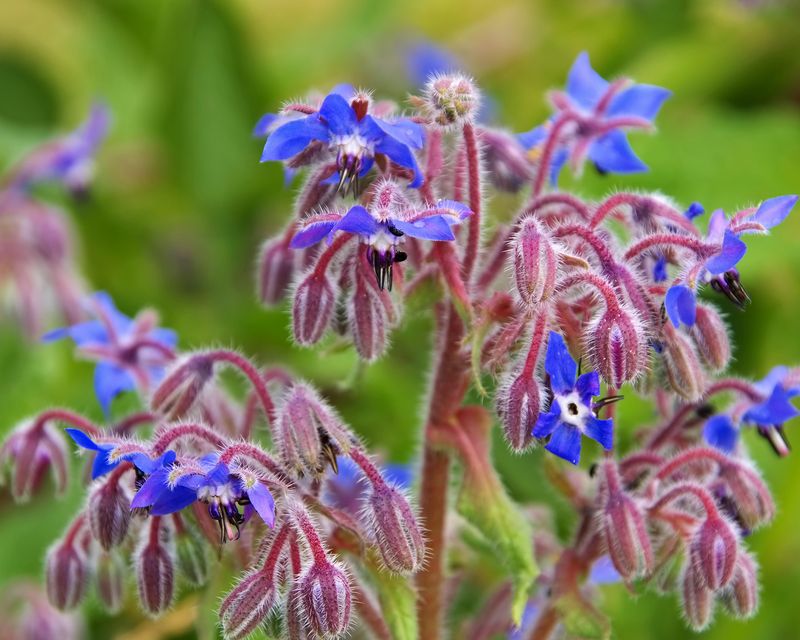
Borage, known for its star-shaped blue flowers, distracts tomato hornworms from your precious tomatoes and brassicas. Hornworms feast on borage, leaving other plants to thrive. This herb serves a dual purpose, attracting pollinators while protecting your crops. Its vibrant blooms add a splash of color to the garden, enhancing both its visual appeal and ecological balance. Plant borage near tomatoes and enjoy the benefits of its protective nature. A natural ally in the fight against pests, borage stands as a beautiful and effective garden addition, transforming your space with its charm and utility.
10. Collard Greens – The Cabbage Moth Magnet
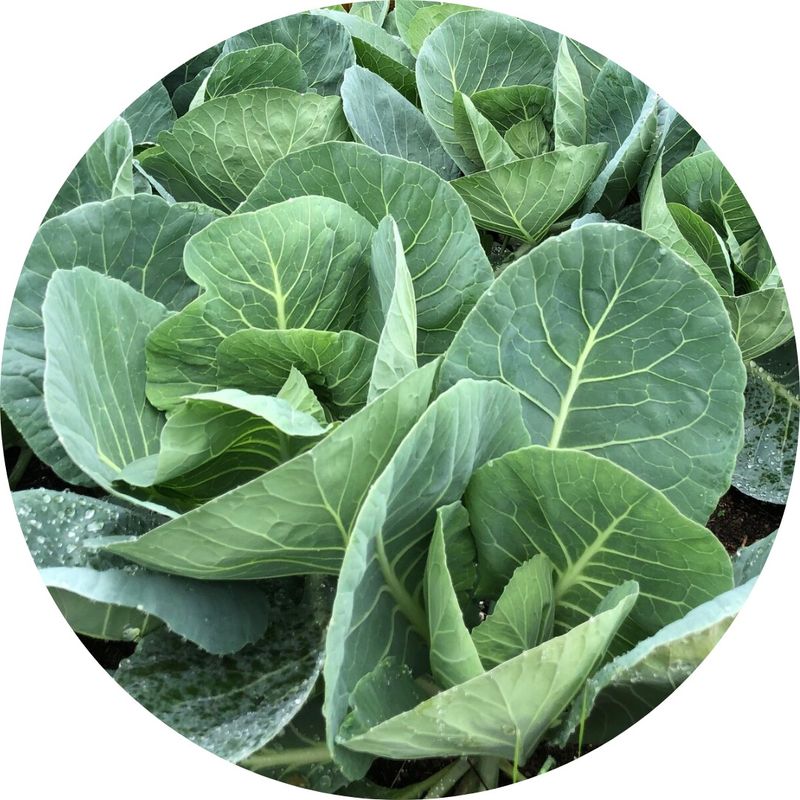
Cabbage moths find collard greens irresistible, laying their eggs on these leafy plants. By attracting moths to collards, other crops like broccoli and Brussels sprouts are spared from their hungry larvae. Regularly check the collards for eggs, and destroy them before they hatch. This tactic keeps the pests in check, ensuring a healthy garden. Collard greens offer more than just pest protection; they provide nutrient-rich leaves for the table. A staple in many southern dishes, collards are a versatile plant. Use them as a protective barrier, and enjoy their culinary delights as well.
11. Sweet Alyssum – The Aphid & Thrips Trap
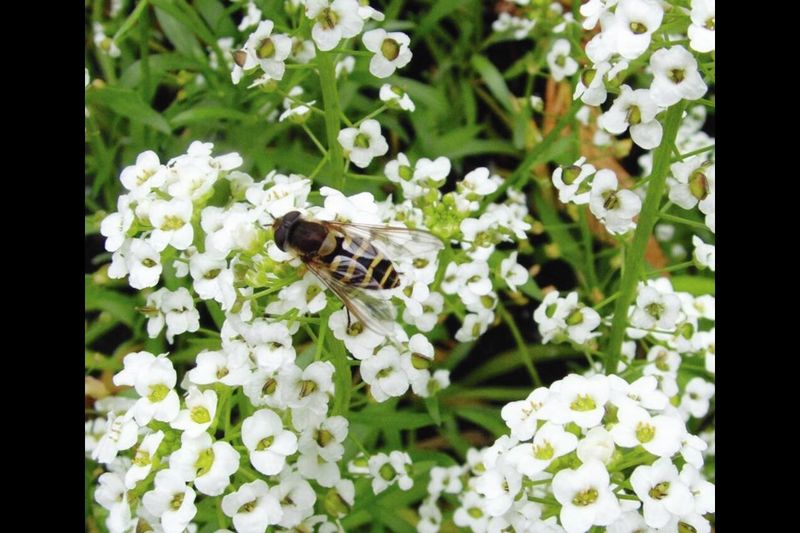
Sweet alyssum, with its honey-like scent, lures aphids and thrips away from lettuce, roses, and peppers. Its fragrance and delicate flowers attract beneficial hoverflies, known predators of aphids. Plant sweet alyssum around your garden to create a fragrant and effective pest barrier. This low-growing plant adds charm and utility, serving both decorative and protective roles. Its blossoms create a carpet of flowers, inviting pollinators and enhancing the garden’s ecosystem. Sweet alyssum offers a natural, aromatic solution to pest woes, making it a favorite among gardeners seeking beauty and balance in their plots.
12. Okra – The Japanese Beetle Trap
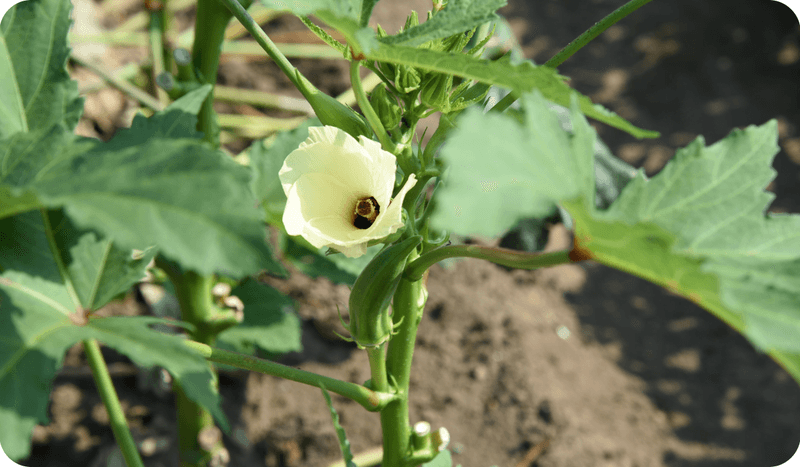
Okra’s broad leaves offer a feast for Japanese beetles, diverting them from more valuable crops like beans, raspberries, and grapes. These beetles find okra irresistible, making it an effective trap plant. Shake the beetles from the leaves into soapy water for easy removal. Okra offers more than just protection; it provides a tasty vegetable enjoyed in many cuisines. Its tall, striking presence adds structure to the garden, serving dual purposes of beauty and defense. Use okra strategically, and enjoy both its protective benefits and culinary offerings. A versatile plant, it’s a gardener’s ally against beetles.
13. Zinnias – The Japanese Beetle & Leafhopper Decoy
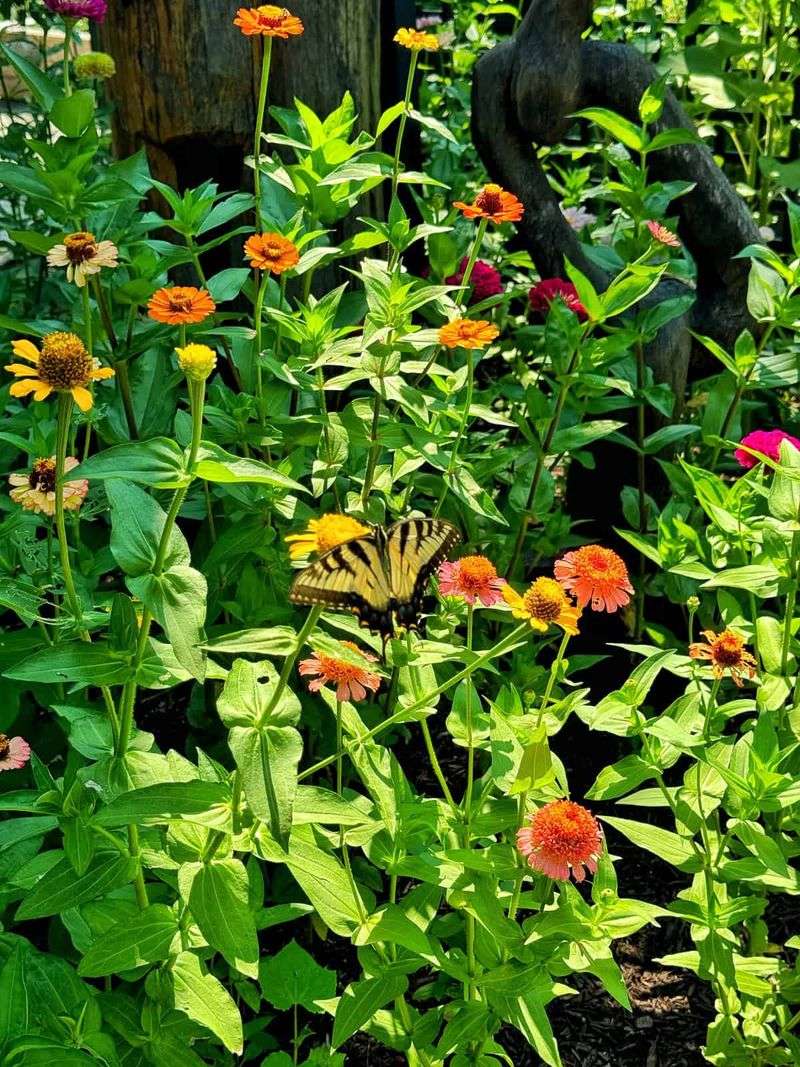
Zinnias, with their vibrant colors, lure Japanese beetles and leafhoppers away from beans, roses, and basil. These pests prefer the zinnias, allowing other plants to thrive. Their bright blossoms add a cheerful note to the garden, complementing their role as a pest decoy. Planting zinnias strategically offers an attractive and functional solution to pest problems. They invite beneficial insects, enhancing the garden’s biodiversity. With their bold presence and sacrificial nature, zinnias stand as both a visual delight and a protective force. Embrace their colorful charm, and let them safeguard your garden with style.