
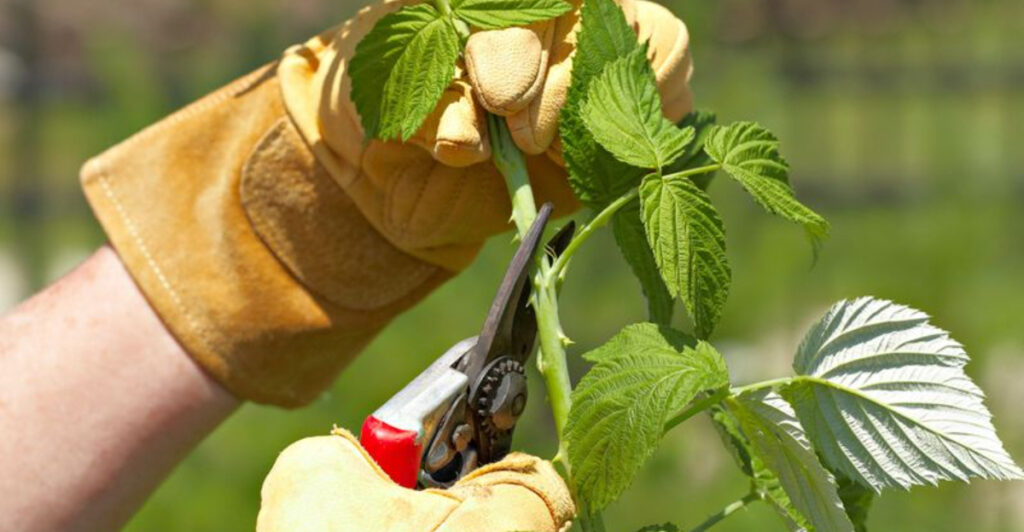
Pruning plants in July is not just a summer task; it’s essential for ensuring their survival through the cold winter months. By cutting back certain plants during this time, you help them conserve energy, promote healthy growth, and prevent diseases. Here’s a guide to the 11 plants that require July pruning to thrive come winter.
1. Roses (Repeat-Blooming Varieties)
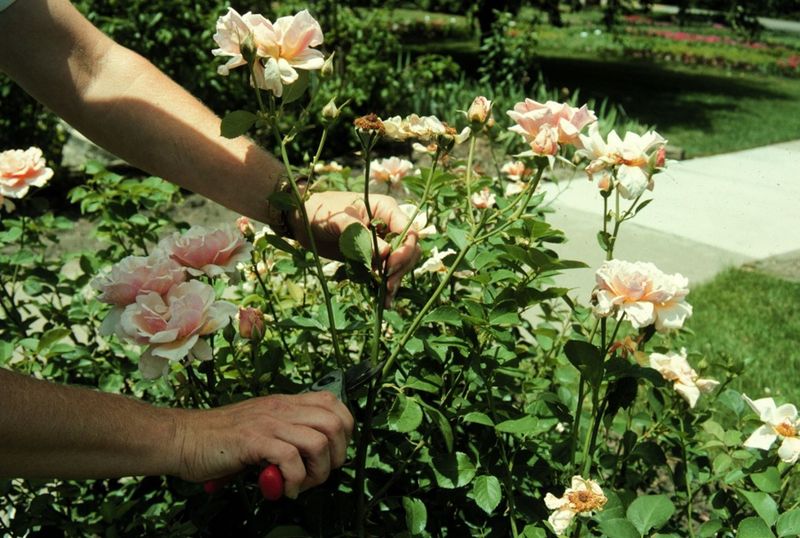
With their delicate blooms, repeat-blooming roses are a summer garden highlight. Trimming them in July encourages a vibrant fall display and wards off fungal diseases that thrive on old flowers. It’s crucial to deadhead the faded blooms and trim leggy stems by a third, ensuring the plant allocates resources efficiently. However, preserving the old-growth canes is vital as they provide a shield against the winter’s chill. By fostering a healthy pruning routine, you not only enhance the aesthetic appeal but also ensure the roses’ robust health, ready to brave the cold months ahead.
2. Lavender
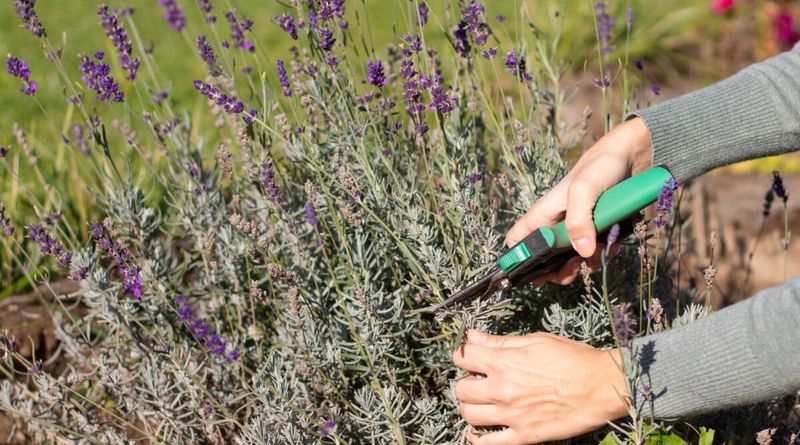
Lavender, with its soothing fragrance, is a staple in many gardens, but without proper care, it can become woody and brittle. July is the perfect time to prune, promoting vigorous new growth while avoiding cuts into old wood, which doesn’t regenerate. By trimming a third of the green growth and leaving some foliage, you maintain the plant’s shape and resilience. This practice not only keeps the plant looking tidy but also strengthens it against the harsh winter elements, ensuring that it remains a beloved garden fixture year after year.
3. Fruit Trees (Apples, Pears, Cherries)
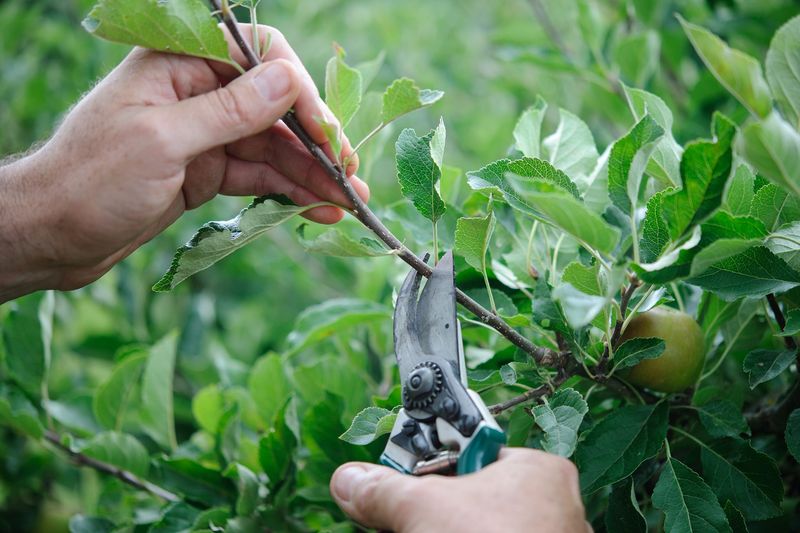
Fruit trees such as apples, pears, and cherries benefit immensely from July pruning. This practice helps control diseases like fire blight and directs energy towards fruit production rather than excessive growth. By removing water sprouts and branches growing inward, you open up the canopy, improving air circulation and sunlight penetration. However, it’s important not to remove more than 20% of the canopy to prevent sunburn of branches. These careful measures ensure that the trees are healthy and ready to bear luscious fruit, even as the cooler months approach.
4. Hydrangeas (Panicle & Smooth Types)
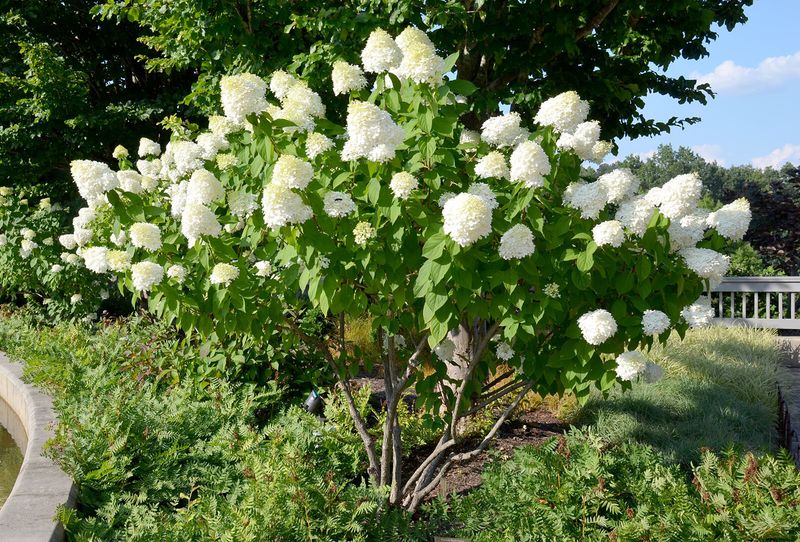
Hydrangeas, particularly panicle and smooth types, require thoughtful pruning in July to secure next year’s blossoms. By deadheading spent flowers and thinning out crowded stems, you promote healthy growth and prevent disease. It’s important to note that mopheads should not be pruned at this time, as they bloom on old wood. By focusing on the right types, you ensure that the hydrangeas continue to grace the garden with their stunning blooms, providing a burst of color and life even as the seasons change.
5. Raspberries (Summer-Bearing)
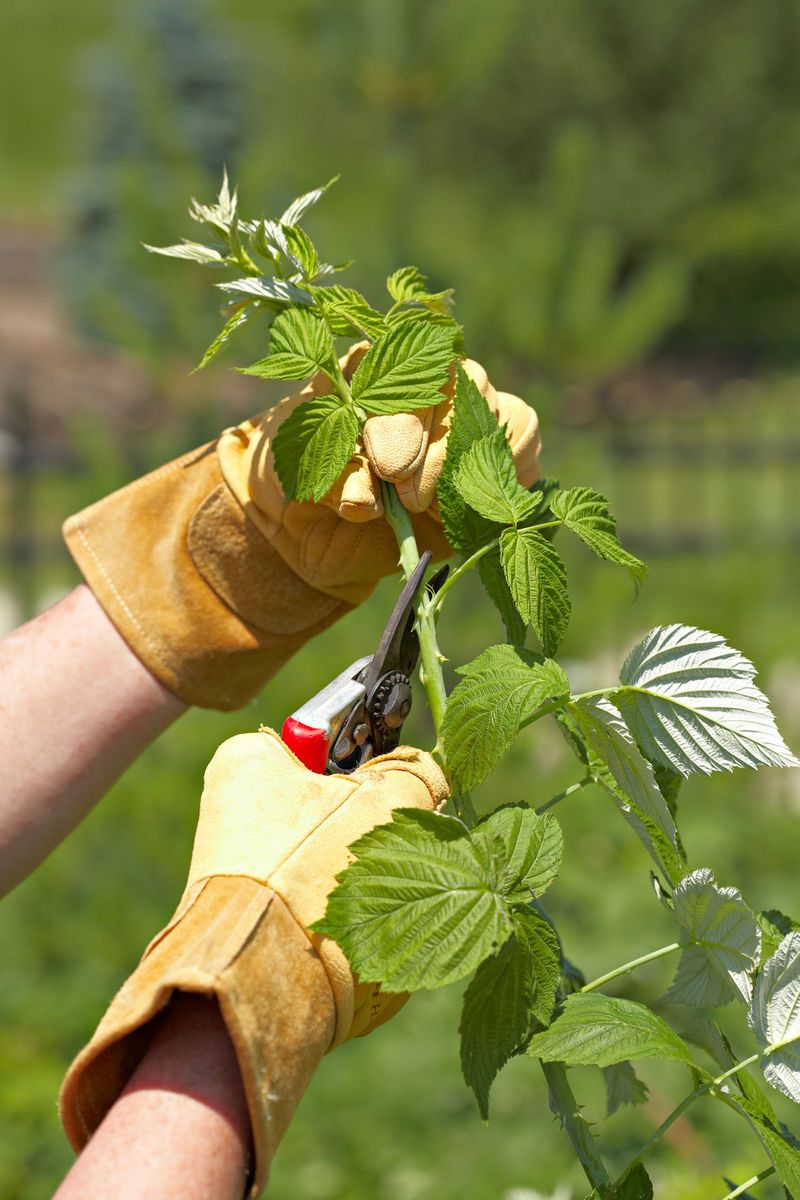
Summer-bearing raspberries need precise pruning to boost next year’s yield and prevent disease. By cutting back the brown, fruited canes to the ground, you allow new canes the space to grow and flourish. It’s crucial to avoid cutting the new green canes, as they will produce the next season’s fruit. This careful attention not only enhances the plant’s productivity but also supports a healthy, thriving raspberry patch, ready to deliver its sweet rewards as the weather warms again.
6. Wisteria
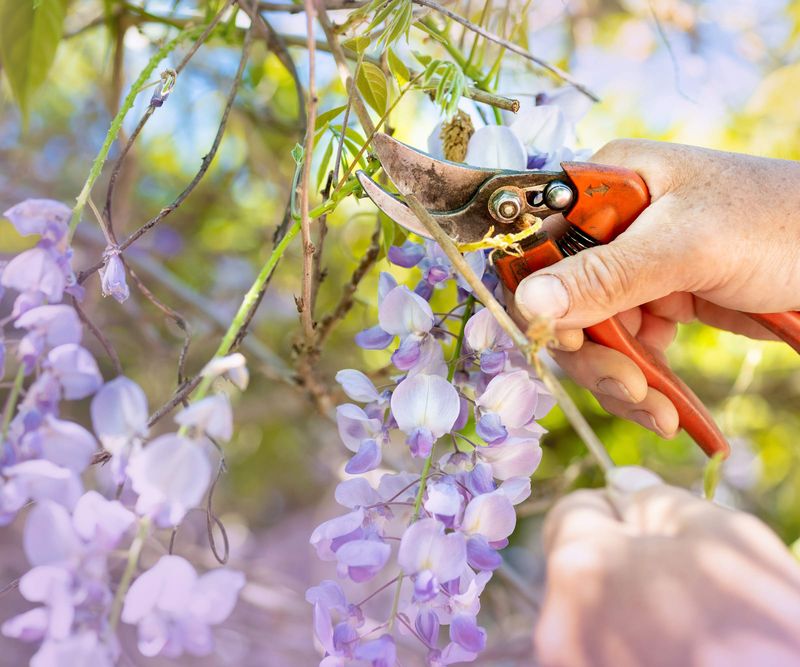
Wisteria’s enchanting blooms can become unruly without regular pruning. July is the time to tame its aggressive growth, preparing it for winter storms. By trimming side shoots back to 5-6 leaves from the main stem, you maintain its shape without triggering excessive new growth. Avoid cutting too harshly, as this can cause the plant to produce more shoots. This balanced approach ensures that wisteria remains a stunning feature in the garden, its cascading flowers ready to delight once spring returns.
7. Boxwood
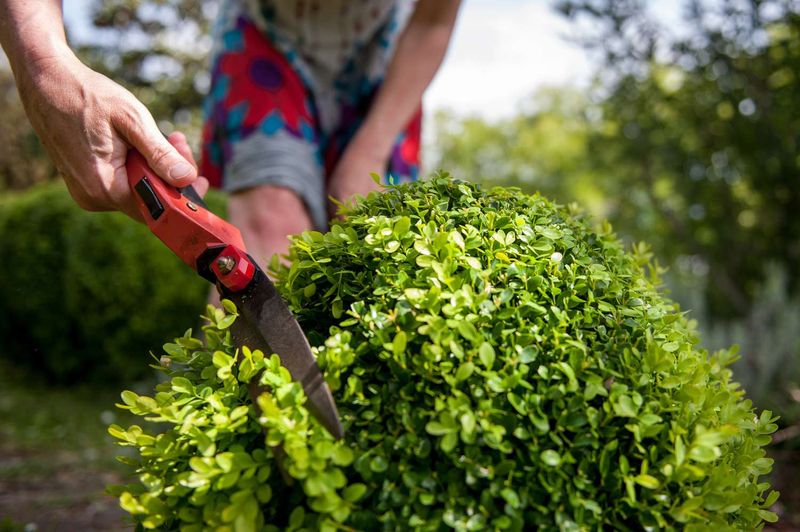
Boxwood, with its neatly clipped appearance, requires July pruning to prevent damage from snow and ice. By thinning out the inner branches, you promote better airflow, reducing the risk of winter burn and disease. It’s important not to prune after August, as new growth may not harden off in time for winter. This strategic care keeps boxwood looking pristine and ensures that it continues to be a classic element in any landscape, providing structure and form amid the winter white.
8. Butterfly Bush (Buddleia)
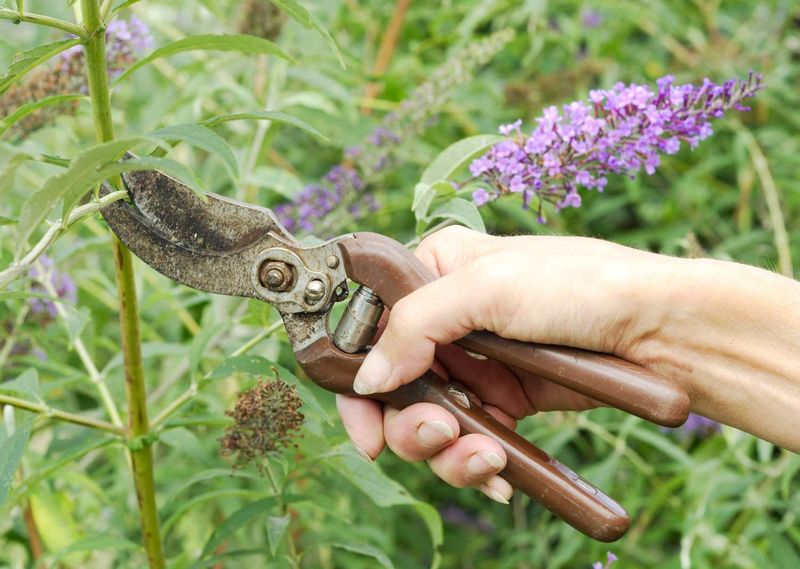
The butterfly bush, known for attracting pollinators, benefits from a July pruning to stop self-seeding and strengthen its stems. Deadheading flowers and trimming straggly growth keeps the plant healthy and encourages robust blooms. It’s essential not to cut into old wood, as the plant blooms on new growth. This careful maintenance ensures the butterfly bush remains a vibrant, pollinator-friendly feature in the garden, delighting with its colorful displays as warmer days return.
9. Sage & Rosemary
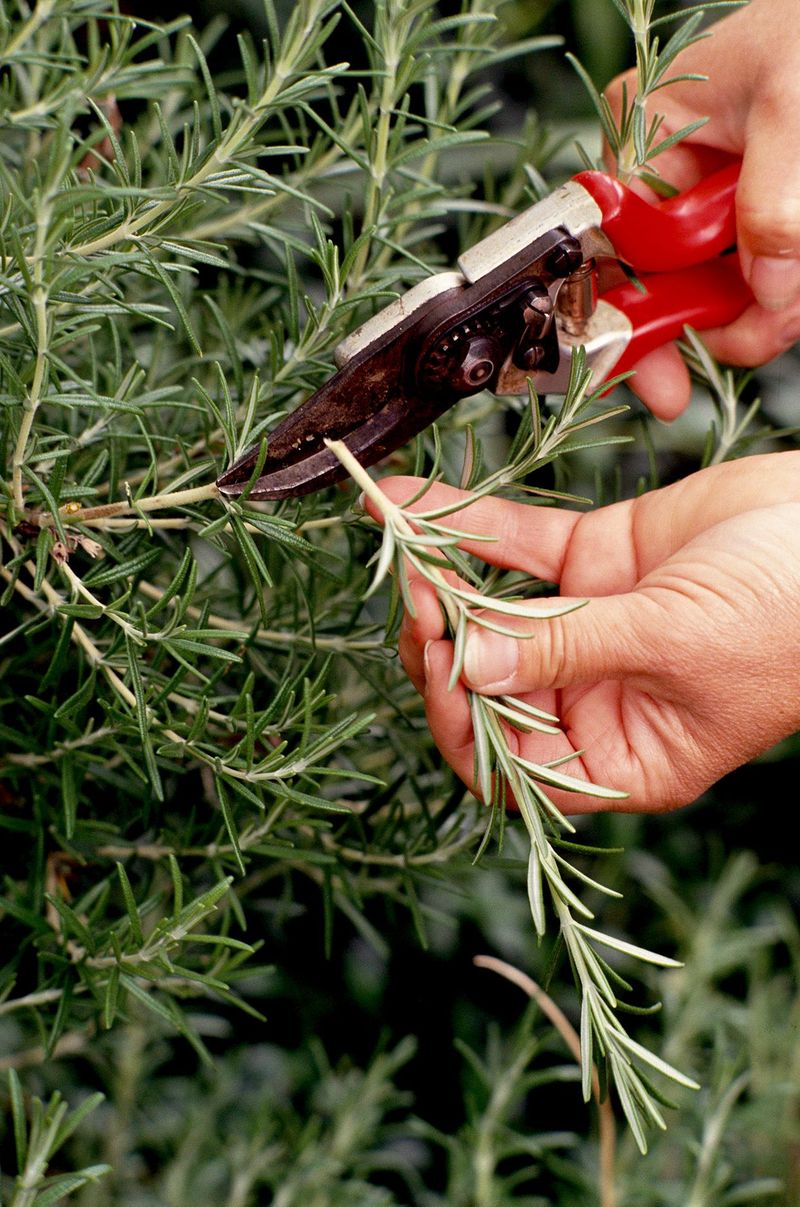
Sage and rosemary, beloved for their culinary uses, need attention in July to prevent woody stems that can snap in winter. By harvesting and pruning the tips, you encourage bushiness and maintain a healthy structure. It’s crucial not to cut more than a third of the plant, as this can stress it. This ongoing care ensures these herbs continue to thrive, offering their aromatic leaves to enhance dishes and their beauty to grace the garden throughout the seasons.
10. Clematis (Group 3 Varieties)
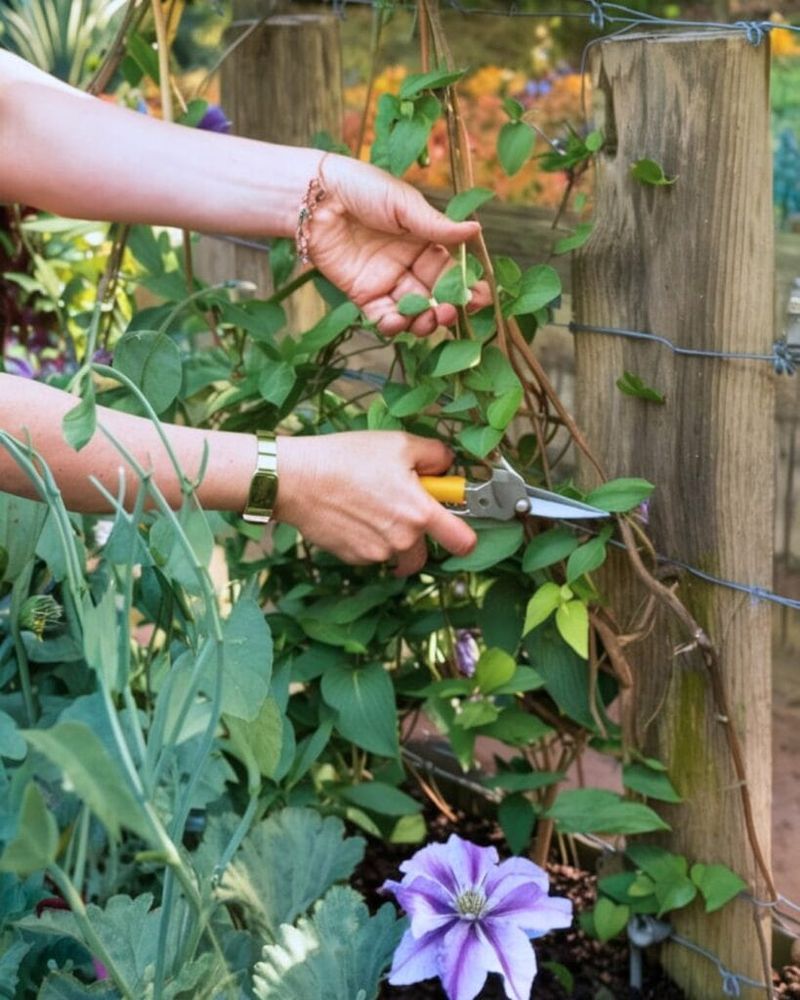
Clematis, especially Group 3 varieties, rewards July pruning with vigorous blooms the following year. Cutting stems back to 12–18 inches encourages new growth and prevents tangling. It’s vital to distinguish these from Group 1 or 2 clematis, which bloom on old wood. This attentive care ensures the clematis remains a focal point with its lush, vibrant flowers, ready to captivate and charm as spring unfolds once more.
11. Ornamental Grasses (Like Miscanthus)
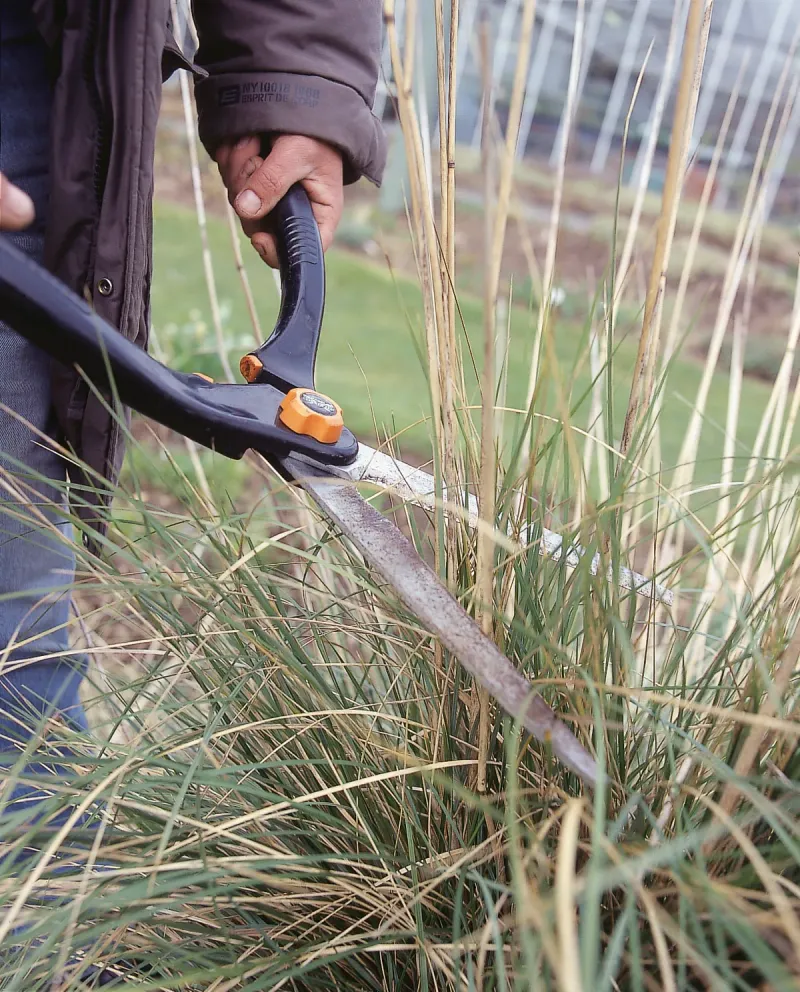
Ornamental grasses, such as Miscanthus, require a delicate touch in July to prevent rot and snow damage. Trimming only the dead tips maintains the plant’s health while leaving the bulk of the grass until spring. This approach allows birds to feed on the seeds during fall and keeps the garden lively. By ensuring these graceful grasses remain robust, they continue to offer texture and movement, enhancing the garden’s beauty even in winter’s grasp.