
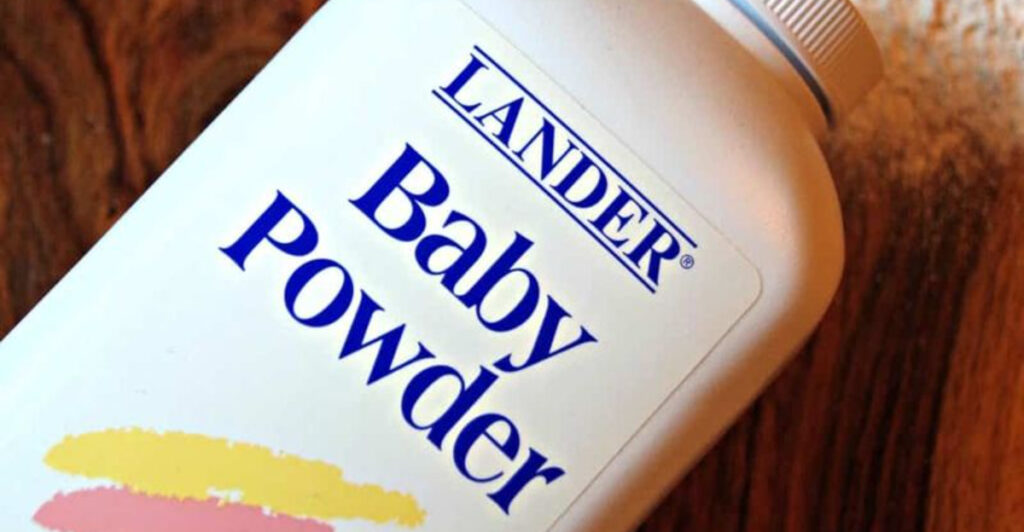
Gardening enthusiasts often seek natural and effective solutions to common garden problems. Surprisingly, baby powder, usually found in nurseries, provides ingenious solutions. Discover these 13 remarkable uses for baby powder in your garden that deliver tangible results.
1. Keep Ants Out of Your Plants
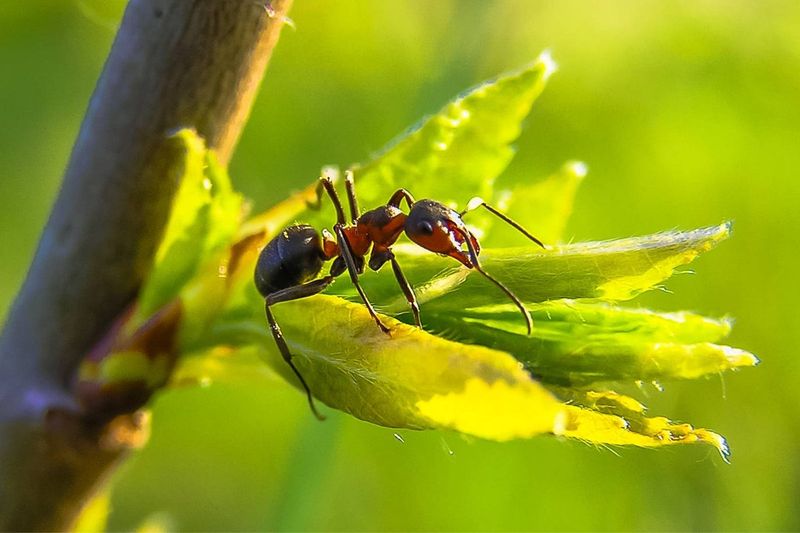
Ants can be a persistent nuisance in any garden. By sprinkling baby powder around your beloved plants or directly onto ant trails, you can effectively deter these tiny invaders. The texture of talc is something ants find unbearable, making it an excellent natural barrier.
This simple, eco-friendly technique offers peace of mind, protecting both plants and soil from unwanted ant activity.
It’s not only effective but also safe for the environment, providing a chemical-free alternative to traditional repellents.
2. Deter Rabbits & Deer
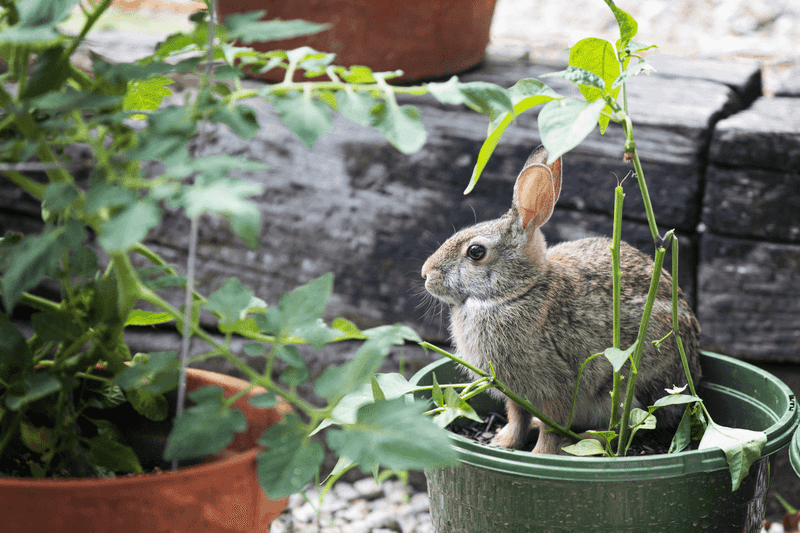
Rabbits and deer, while charming to observe, can wreak havoc in a garden. Dusting your plant leaves or spraying a mixture of baby powder and water deters these nibbling pests. Their sensitive noses dislike the powder’s scent and texture.
This natural deterrent maintains the tranquility of your garden without harming the local wildlife.
Such innovative use of baby powder not only preserves your garden’s beauty but also supports a sustainable gardening practice, free of harmful chemicals.
3. Stop Slugs & Snails in Their Tracks
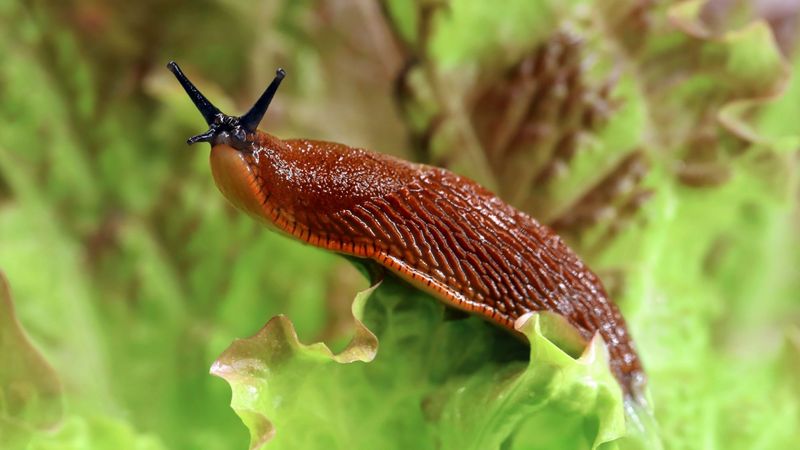
Slugs and snails can be a gardener’s nightmare, leaving trails of destruction in their wake. Creating a ring of baby powder around your plants forms a formidable barrier. The powder’s drying properties disrupt their slimy movement, causing them to retreat.
This talc-based intervention is both effective and gentle on the environment. It offers a humane way to manage garden pests without resorting to harsh chemicals, celebrating the elegance of natural solutions.
4. Prevent Blossom-End Rot in Tomatoes
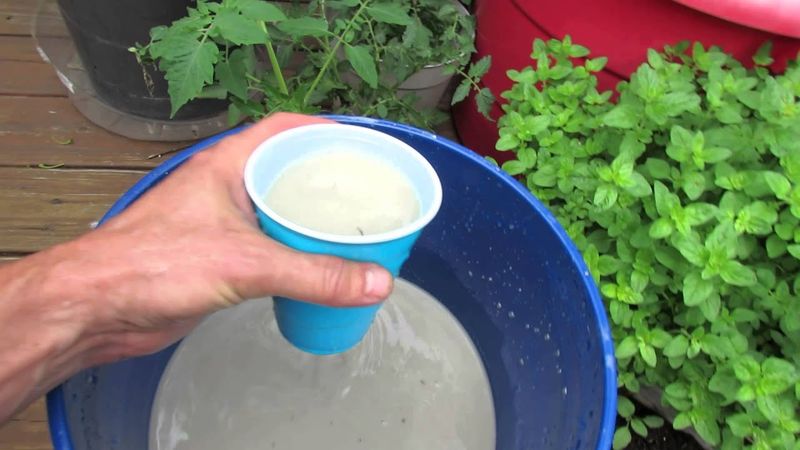
Tomato plants often suffer from blossom-end rot, a disappointing issue for gardeners. Mixing baby powder with water and spraying it onto the soil introduces calcium, reducing this ailment. The calcium in talc acts similarly to lime, fortifying the plants.
This method nurtures the plants, preventing rot and enhancing their vigor. Utilizing baby powder as a gentle, nourishing agent supports sustainable tomato cultivation, ensuring your gardening efforts culminate in a bountiful harvest.
5. Keep Squash Bugs Away
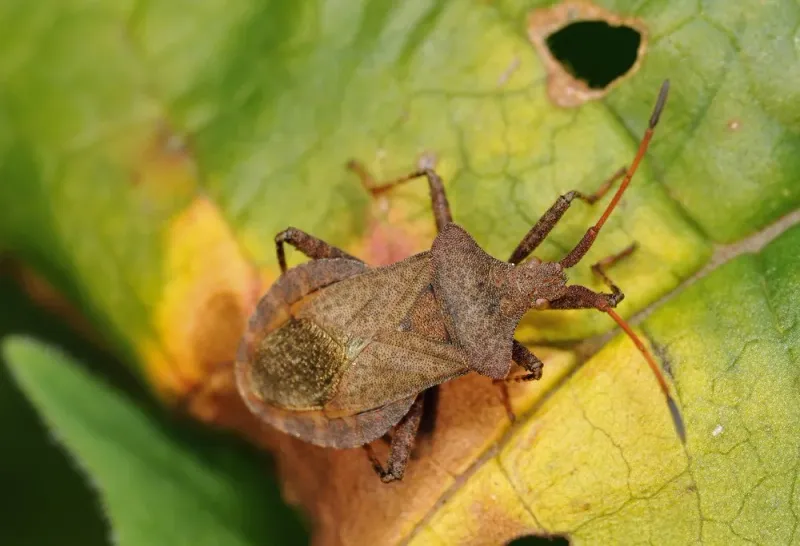
Squash bugs are notorious for damaging plants, but baby powder offers a surprising solution. By dusting the leaves and stems, you can create a protective layer that bugs are inclined to avoid.
The powdery residue acts as a shield, safeguarding your plants from harm. This approach not only protects your garden but also aligns with eco-conscious gardening practices, utilizing a resource commonly found in households for a greater purpose.
6. Make DIY Seed Tape
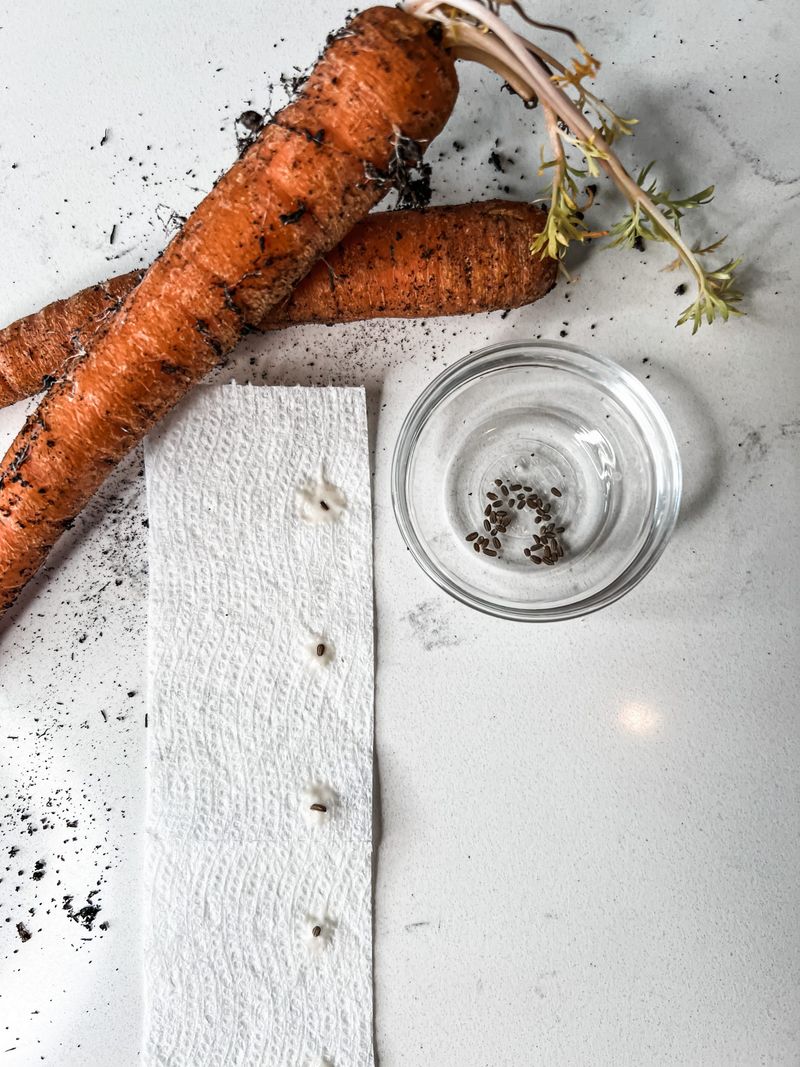
Ensuring seeds are evenly spaced is crucial for optimal growth, and baby powder can assist in this task. Mixing seeds with baby powder allows for precise placement, making it visible and manageable.
Utilizing baby powder in seed planting is a testament to resourceful gardening, merging practicality with creativity to enhance your garden’s success.
7. Stop Fungus Gnats in Houseplants
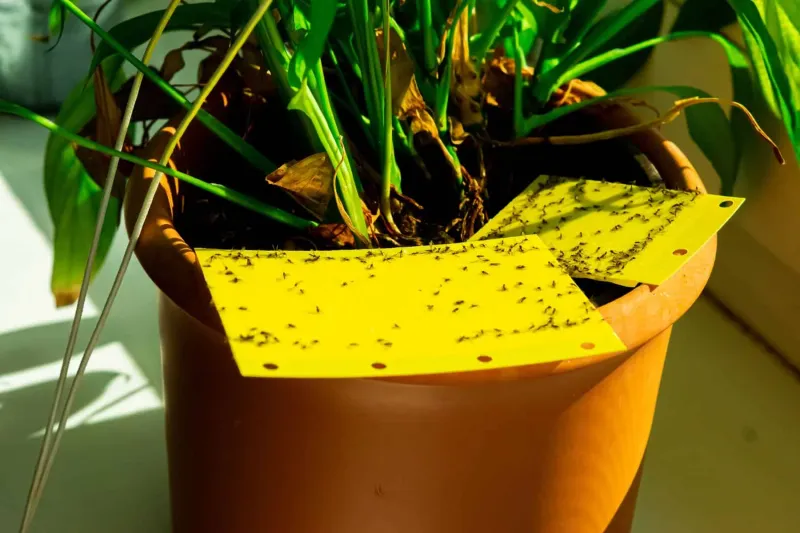
Fungus gnats can be a persistent issue, particularly indoors where houseplants thrive. A thin layer of baby powder on the soil surface addresses this problem by smothering larvae and deterring adult gnats. .
The application of baby powder is not only effective but also a simple, non-toxic way to maintain plant vitality indoors.
8. Keep Mice Out of Sheds & Greenhouses

Mice can be detrimental to sheds and greenhouses, but baby powder provides a crafty deterrent. Sprinkling it along entry points creates a line that mice are reluctant to cross.
It’s a humane way to manage pests without resorting to traps or poisons, aligning with environmentally friendly practices.
9. Reduce Transplant Shock
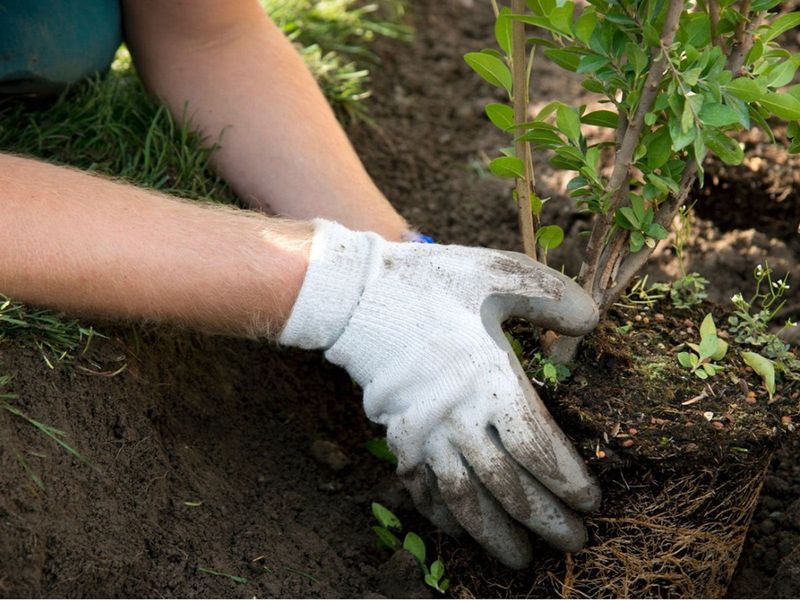
Transplanting can be stressful for plants, but a dusting of baby powder on the roots can help mitigate shock. This practice prevents excessive moisture loss during the move.
Employing baby powder in this way underscores a thoughtful approach to gardening, prioritizing plant health and successful cultivation.
10. Protect Bulbs from Rot
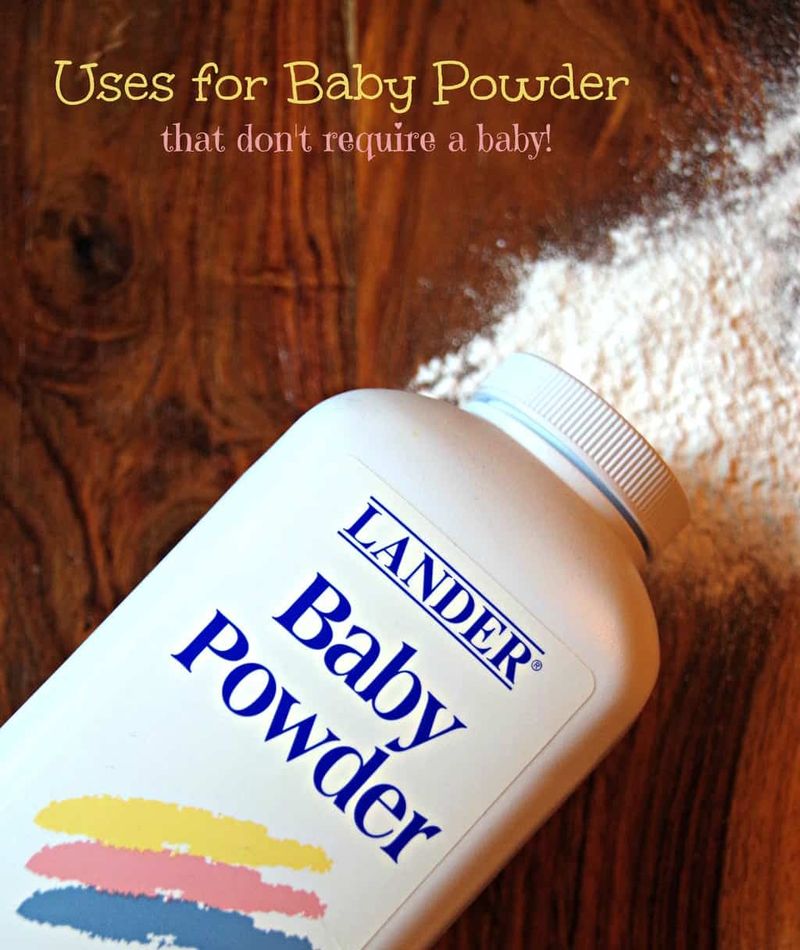
Bulbs are vulnerable to rot, particularly during storage, but baby powder can provide protection. Coating bulbs in baby powder absorbs excess moisture, preventing mold and decay.
Utilizing baby powder in bulb storage is a practical, preventive measure that ensures your gardening efforts are rewarded with vibrant blooms.
11. Stop Weeds in Pavement Cracks
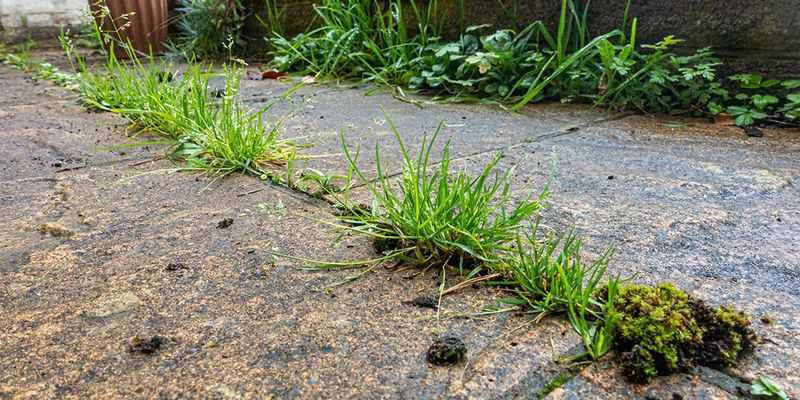
Weeds pushing through pavement cracks can be unsightly and persistent. Sprinkling baby powder in these crevices creates a barrier that slows their growth.
It’s a simple yet effective application of baby powder, demonstrating its versatility and potential in garden maintenance.
12. Keep Garden Gloves Fresh
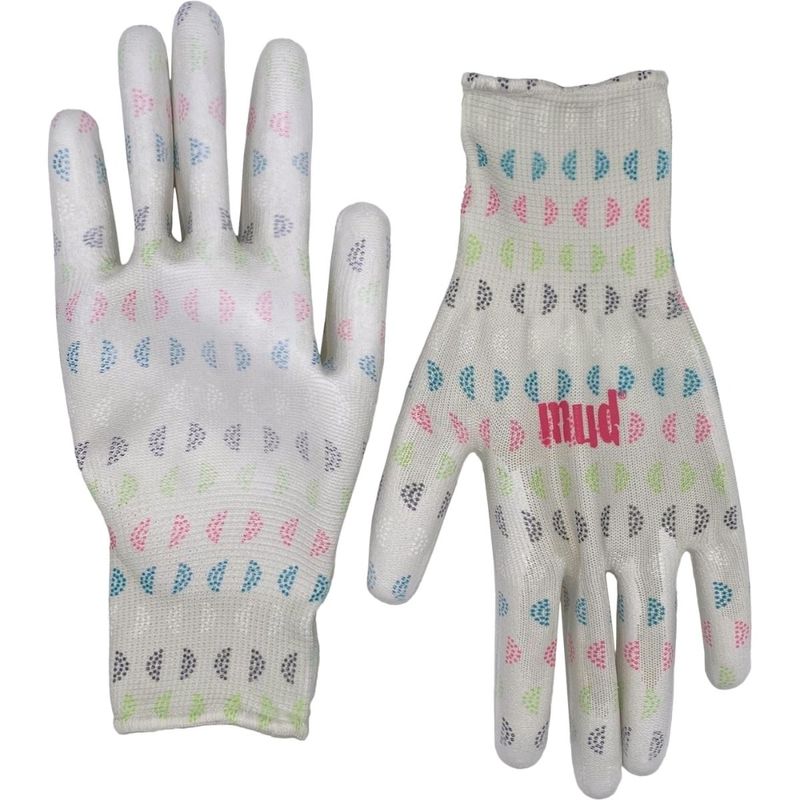
Garden gloves can become unpleasantly sweaty and odorous over time. Shaking baby powder inside after use absorbs moisture, ensuring they remain fresh.
It’s a small, thoughtful way to keep your gardening gear in top condition, ensuring every session is enjoyable and productive.
13. Repel Japanese Beetles
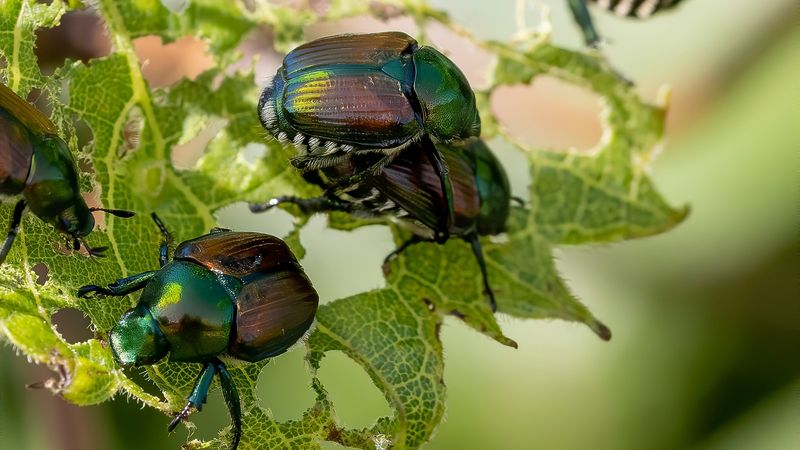
Japanese beetles can be destructive, but baby powder offers an unexpected deterrent. Lightly dusting affected plants creates a texture they find unappealing, keeping them at bay.
Using baby powder in this way highlights a creative approach to pest control, emphasizing natural and non-invasive methods.