
Our planet harbors fascinating ancient plants that have witnessed the grandeur of the dinosaur era. These resilient species have survived mass extinctions and continue to thrive, offering a glimpse into Earth’s prehistoric past. Today, you can cultivate these remarkable plants in your own garden or home. Their unique characteristics and historical significance make them an exciting addition to any plant enthusiast’s collection. Explore these 15 ancient plants that have stood the test of time, each with its own unique charm and story to tell.
1. Ginkgo biloba (Maidenhair Tree)
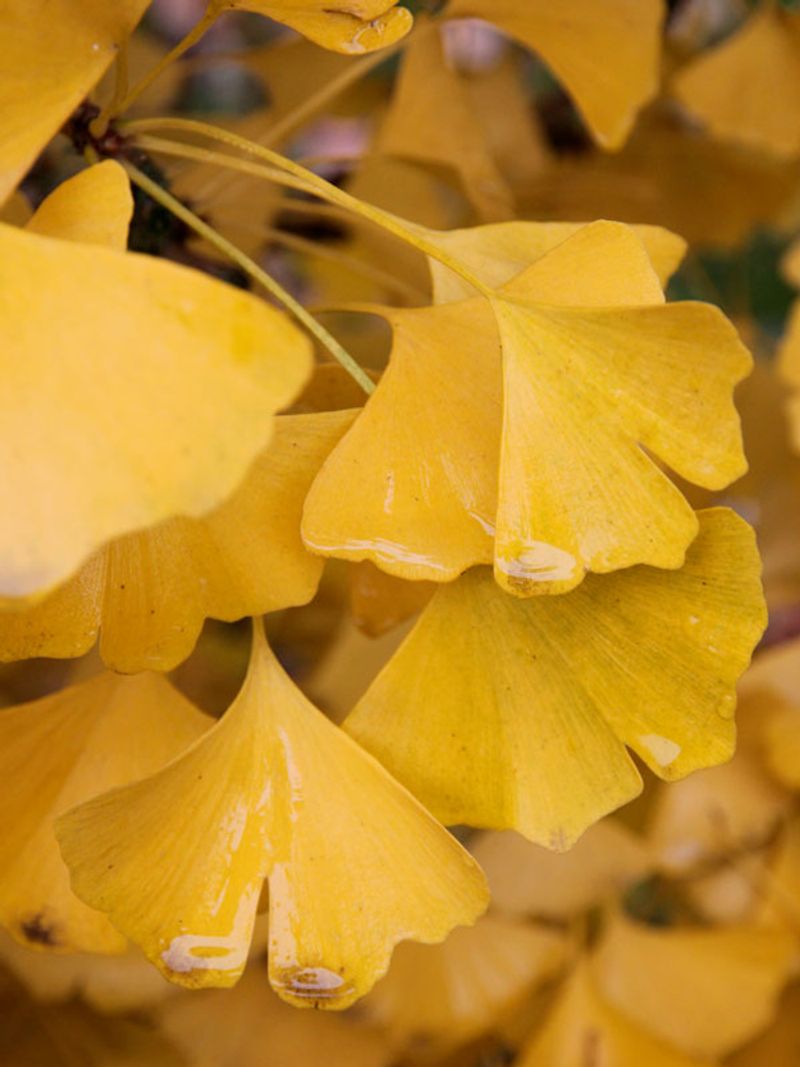
Standing as a living relic, the Ginkgo biloba is a testament to nature’s resilience. These striking trees, with fan-shaped leaves that transform into a golden spectacle each fall, are pollution-resistant and can thrive in urban environments. Known as “living fossils,” these trees have remained unchanged for 270 million years. Their unique beauty and historical lineage make them a prized addition to gardens in grow zones 3 to 9. Imagine the dinosaurs that once roamed beneath their branches, and you’ll understand why this tree continues to captivate.
2. Cycads (Sago Palm Family)
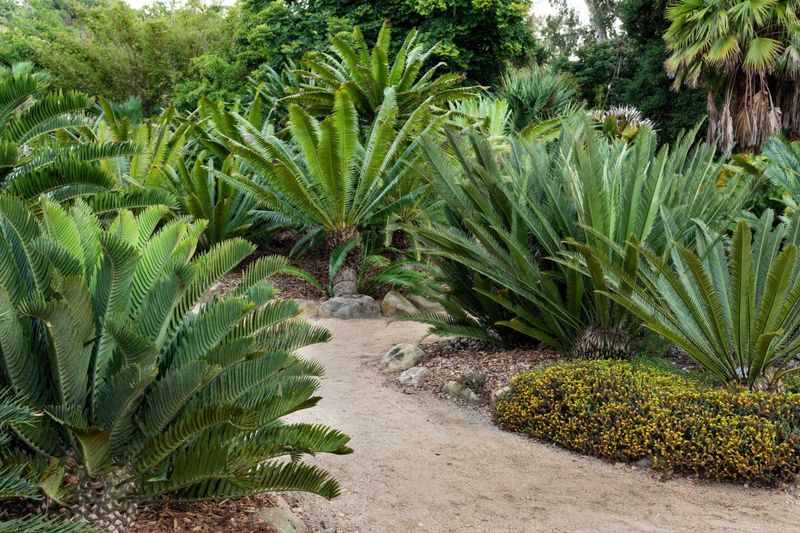
Resembling a regal palm, cycads have withstood the test of time since the age of dinosaurs. These ancient plants feature thick, woody trunks and lush, feather-like leaves. Despite their slow growth, cycads offer a striking presence in any garden. They thrive in grow zones 9 to 11 or as an indoor botanical marvel. Not only are they drought-tolerant, but their prehistoric lineage adds an air of mystique. Once grazed upon by dinosaurs, cycads now grace our gardens, reminding us of Earth’s distant past.
3. Horsetail (Equisetum)
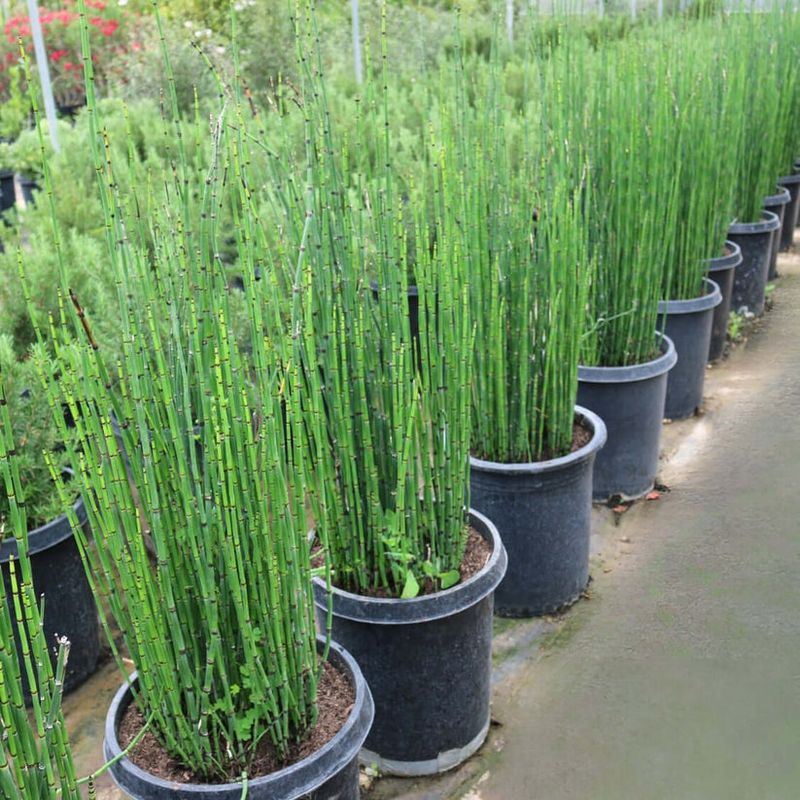
Horsetail, a plant that dates back 350 million years. Known for its tall, segmented stems, horsetail is often planted in containers to control its invasive nature. This plant thrives across a wide range of zones, from 3 to 11, making it versatile for many climates. Its history and unique appearance, reminiscent of its prehistoric counterparts, make horsetail a fascinating addition to gardens seeking a touch of ancient elegance.
4. Ferns (Various Species)
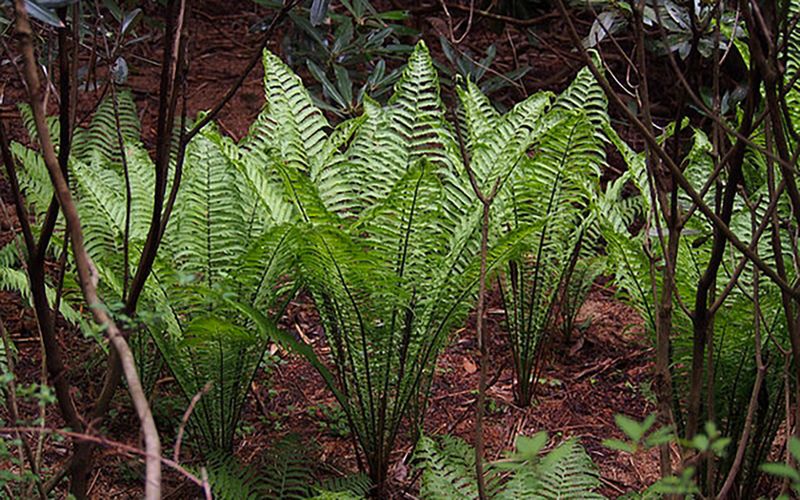
Ferns transport us to an era of lush, prehistoric forests teeming with life. These verdant wonders have graced the Earth for 360 million years. Whether it’s the Boston, maidenhair, or ostrich fern, these plants bring an enchanting, Jurassic Park-like vibe to any garden. Thriving in shaded areas, ferns are versatile and adaptable. Their intricate fronds add texture and elegance, making them a timeless favorite. Imagine the world of dinosaurs and experience a piece of that ancient magic by growing ferns in your space.
5. Wollemi Pine (Wollemia nobilis)
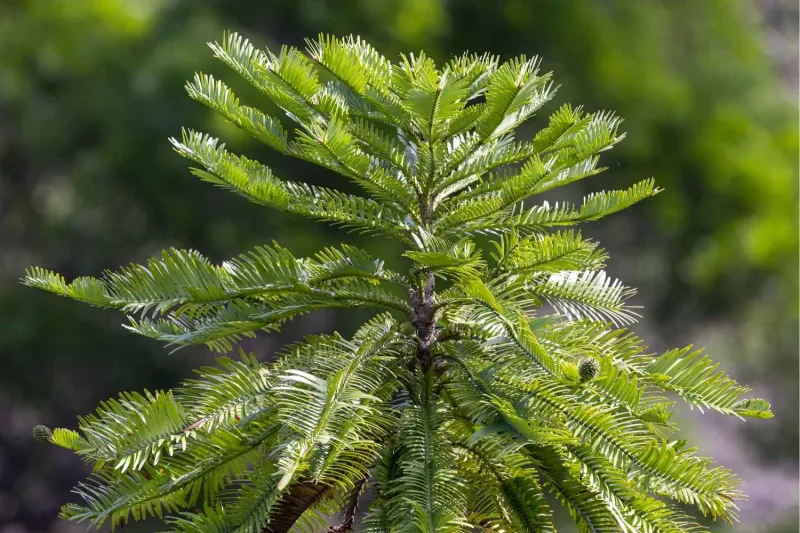
Once thought extinct, the Wollemi Pine was rediscovered in 1994, earning its nickname as the “dinosaur tree.” This Australian native, with its peculiar knobbly bark and lush foliage, has a lineage tracing back 200 million years. Ideal for grow zones 7 to 11 or greenhouses, it offers a rare glimpse into prehistoric flora. Its resilience and unique appearance make the Wollemi Pine a conversation starter. Cultivating this living fossil allows you to own a piece of Earth’s ancient history, right in your backyard.
6. Monkey Puzzle Tree (Araucaria araucana)
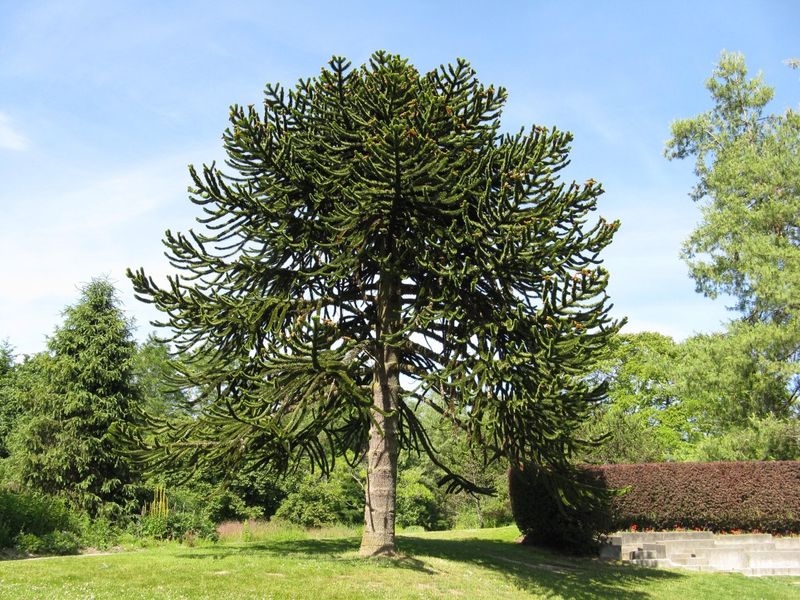
The Monkey Puzzle Tree, with its spiky branches, stands as a living testament to its dinosaur-era past. Dating back 200 million years, this tree is both an architectural wonder and a botanical relic. Its dramatic height and distinctive appearance make it an eye-catching addition to gardens in zones 7 to 10. Known to have been a meal for dinosaurs, the Monkey Puzzle Tree now graces our landscapes with its historic grandeur. Its unique structure and history make it a must-have for plant enthusiasts.
7. Magnolias
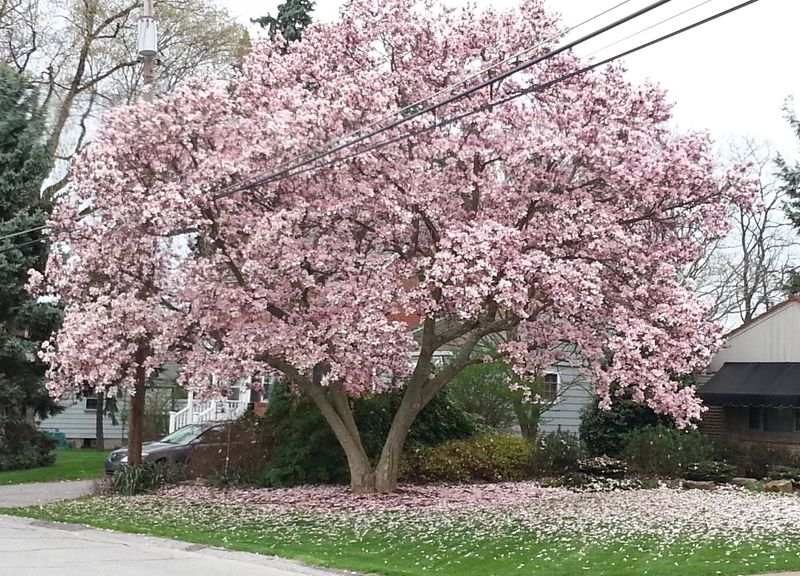
Magnolias, among the first flowering plants, boast a history dating back 95 million years. These elegant trees, with their lavish blooms, are pollinated by beetles rather than bees, a nod to their ancient origins. Thriving in grow zones 4 to 9, magnolias enchant with their beauty and scent. Their large, fragrant flowers make them a focal point in any garden. The legacy of magnolias lies in their enduring allure, capturing the essence of Earth’s rich botanical history with every bloom.
8. Dawn Redwood (Metasequoia)
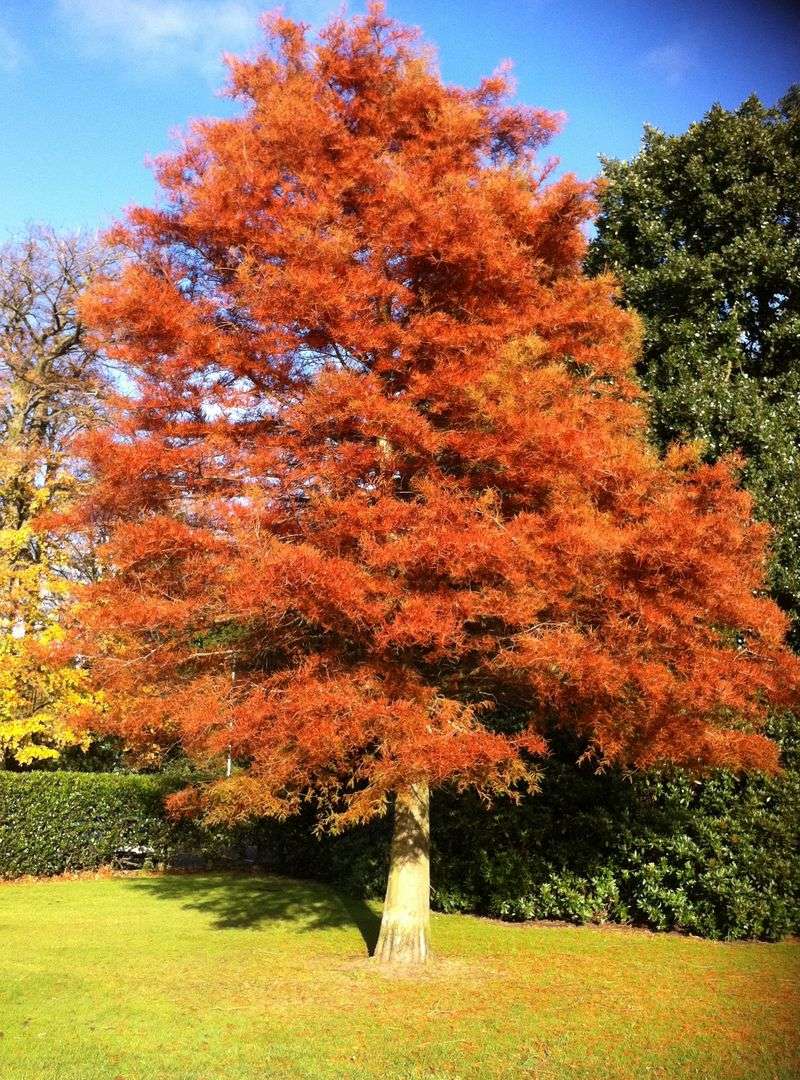
The Dawn Redwood, a deciduous conifer, was once thought extinct until rediscovered in China in the 1940s. With roots over 100 million years deep, it offers a window into ancient ecosystems. Its lush, feathery foliage is reminiscent of its prehistoric past, while its fiery autumn colors captivate. Ideal for grow zones 4 to 8, the Dawn Redwood adds a stately presence to any landscape. Embrace a piece of history by cultivating this living fossil, and watch as its timeless beauty unfolds each season.
9. Tree Ferns (Dicksonia, Cyathea)
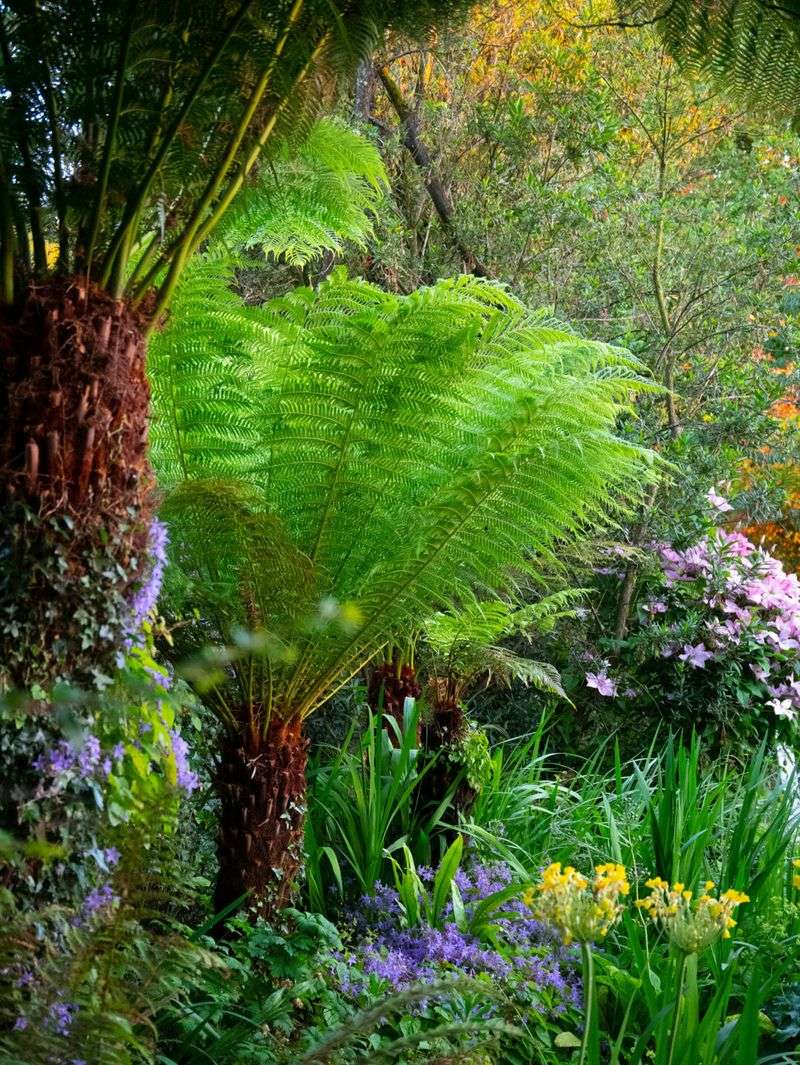
Towering tree ferns, with their lush, arching fronds, evoke images of primeval forests where dinosaurs once thrived. These ancient plants, dating back 300 million years, require humidity and shade to flourish. Suitable for grow zones 9 to 11 or indoor cultivation, they bring a touch of the exotic to any space. Their striking appearance and historical significance make them a captivating addition. Imagine the prehistoric world as you nurture these verdant giants, adding a mystical aura to your garden.
10. Mosses (Bryophytes)
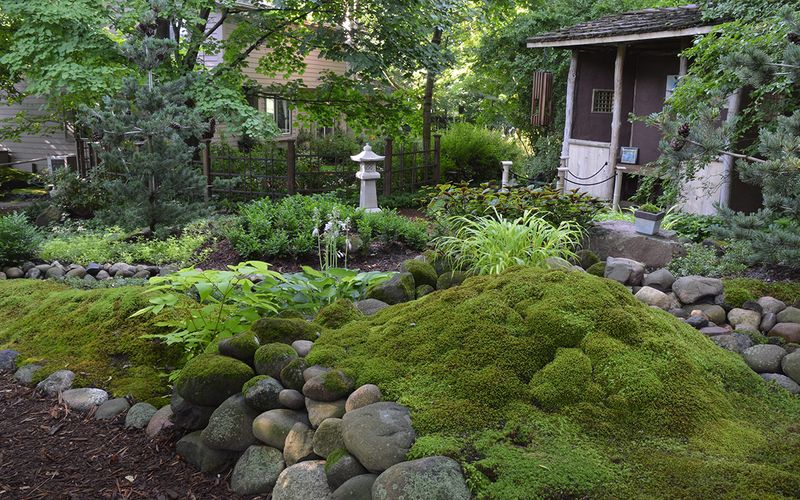
Mosses, among Earth’s earliest land plants, have survived for 470 million years with their simple yet resilient nature. These tiny pioneers can thrive nearly anywhere, from terrariums to damp garden corners. Their soft, lush carpets provide tranquility and texture, reminiscent of the first steps of life on land. Mosses offer a serene beauty and a connection to Earth’s prehistoric landscapes. Cultivating moss is like crafting a miniature world, where ancient meets modern in a tranquil harmony.
11. Welwitschia (Welwitschia mirabilis)
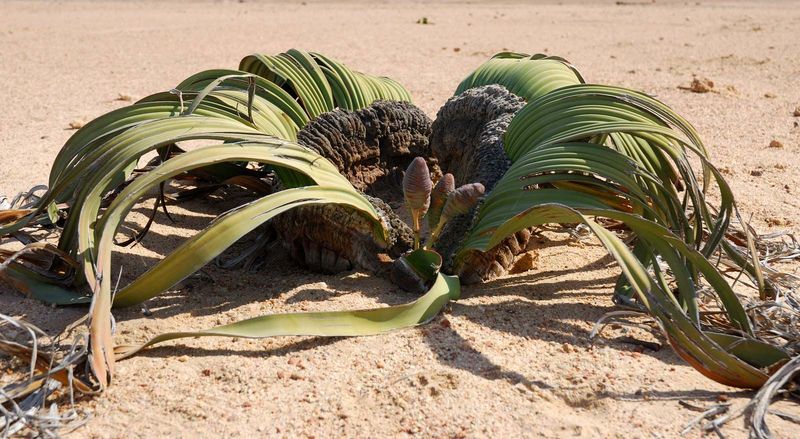
The Welwitschia, a marvel of the desert, grows only two leaves that continuously elongate over centuries. Its origins trace back 146 million years, showcasing nature’s ingenuity. Thriving in grow zones 10 to 11, this plant is a symbol of endurance in harsh climates. Its bizarre, sprawling appearance fascinates and intrigues botanists and enthusiasts alike. Cultivating a Welwitschia is like nurturing a piece of living history, a reminder of life’s ability to adapt and persist through time.
12. Papyrus (Cyperus papyrus)
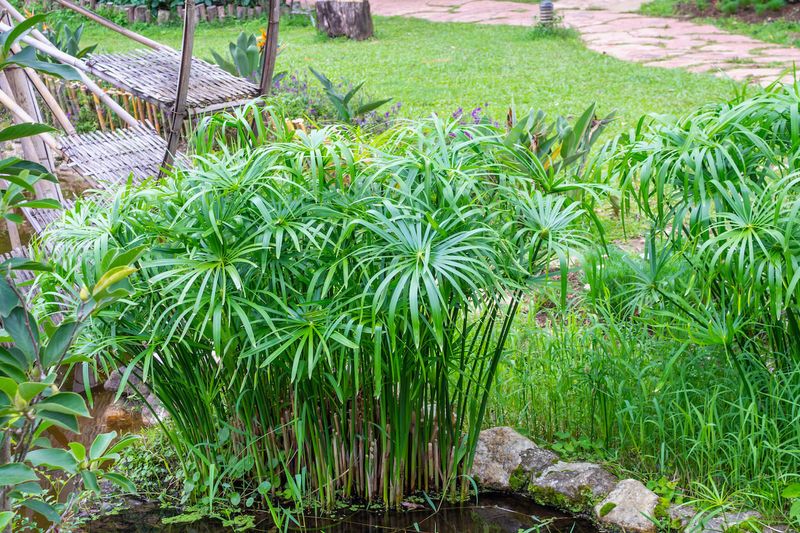
Papyrus, an emblem of ancient Egypt, holds a history spanning over 50 million years. Known for its tall, graceful stems and tufted tops, it thrives in aquatic settings, adding elegance to ponds. Once a crucial resource for paper-making, papyrus carries a legacy of human innovation. Suitable for grow zones 9 to 11, it brings a slice of history to modern gardens. The papyrus plant invites you to explore its role in the ancient past while enjoying its beauty in contemporary landscapes.
13. Club Moss (Lycopodium)
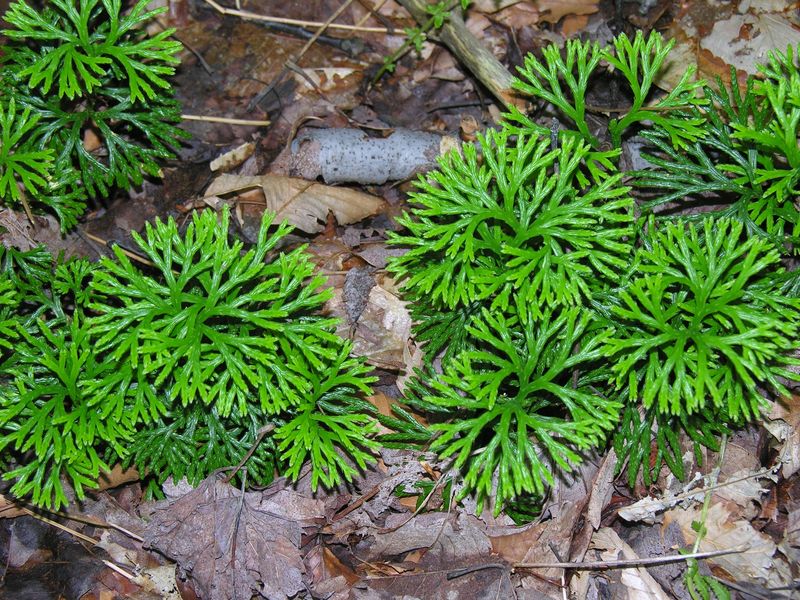
Club mosses, resembling miniature pines, have a heritage reaching back 410 million years. These prehistoric ground covers thrive in shaded areas, adding a lush, verdant touch to gardens. Once part of towering forests, today’s club mosses bring a piece of Earth’s ancient tapestry to modern landscapes. Suitable for grow zones 3 to 9, they offer a rich texture and historic charm. Embrace the ancient allure of club mosses and transform your outdoor spaces into a reflection of prehistoric times.
14. Cinnamon Fern (Osmundastrum cinnamomeum)
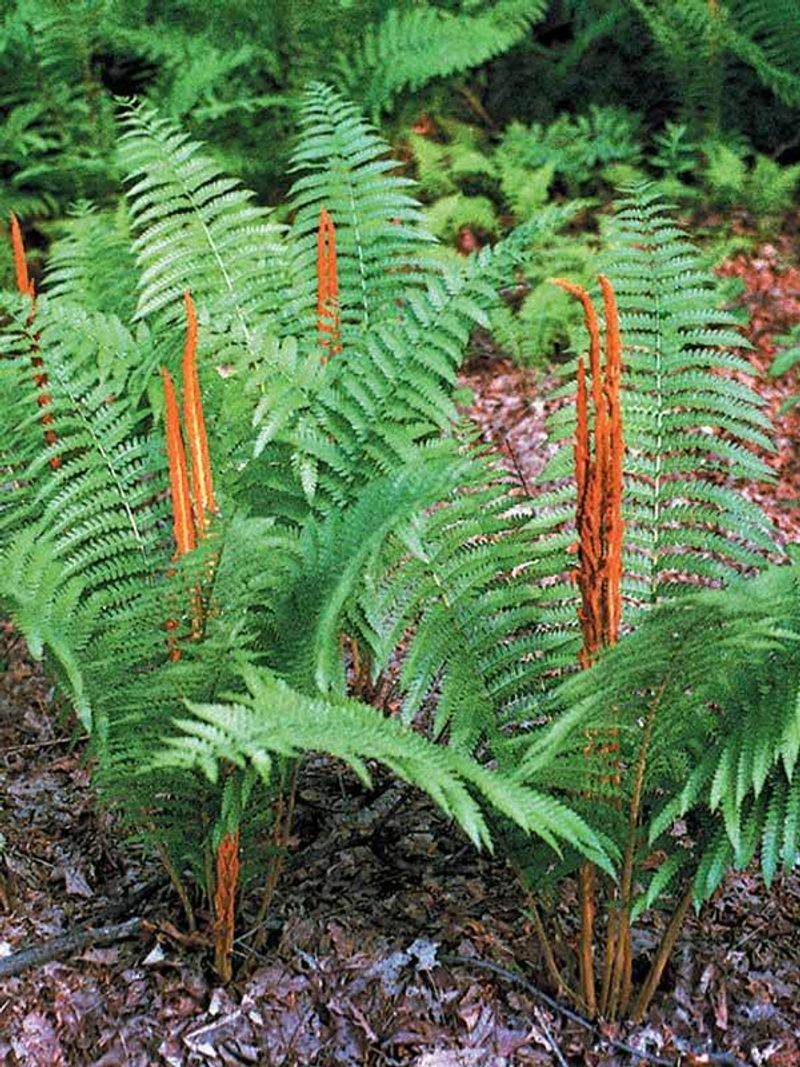
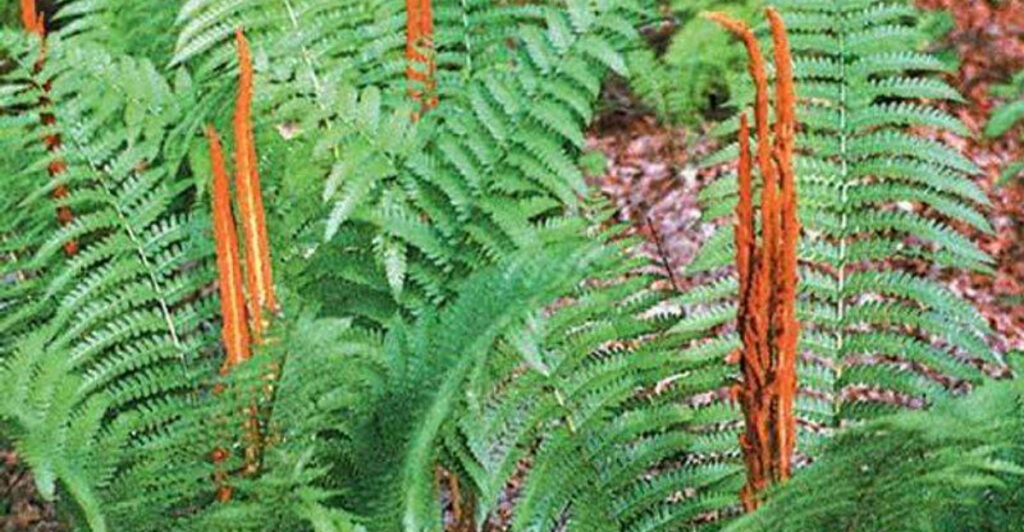
Cinnamon ferns, with their fuzzy, cinnamon-colored fronds, have a lineage extending 75 million years. These ferns, loved by herbivorous dinosaurs, thrive in moist, shaded environments. Their striking appearance and prehistoric roots make them a captivating choice for gardens in grow zones 3 to 9. Adding cinnamon ferns to your garden invites a touch of the ancient world, where their unique hues and textures can be appreciated. Experience the allure of history through the graceful presence of cinnamon ferns.
15. Norfolk Island Pine (Araucaria heterophylla)
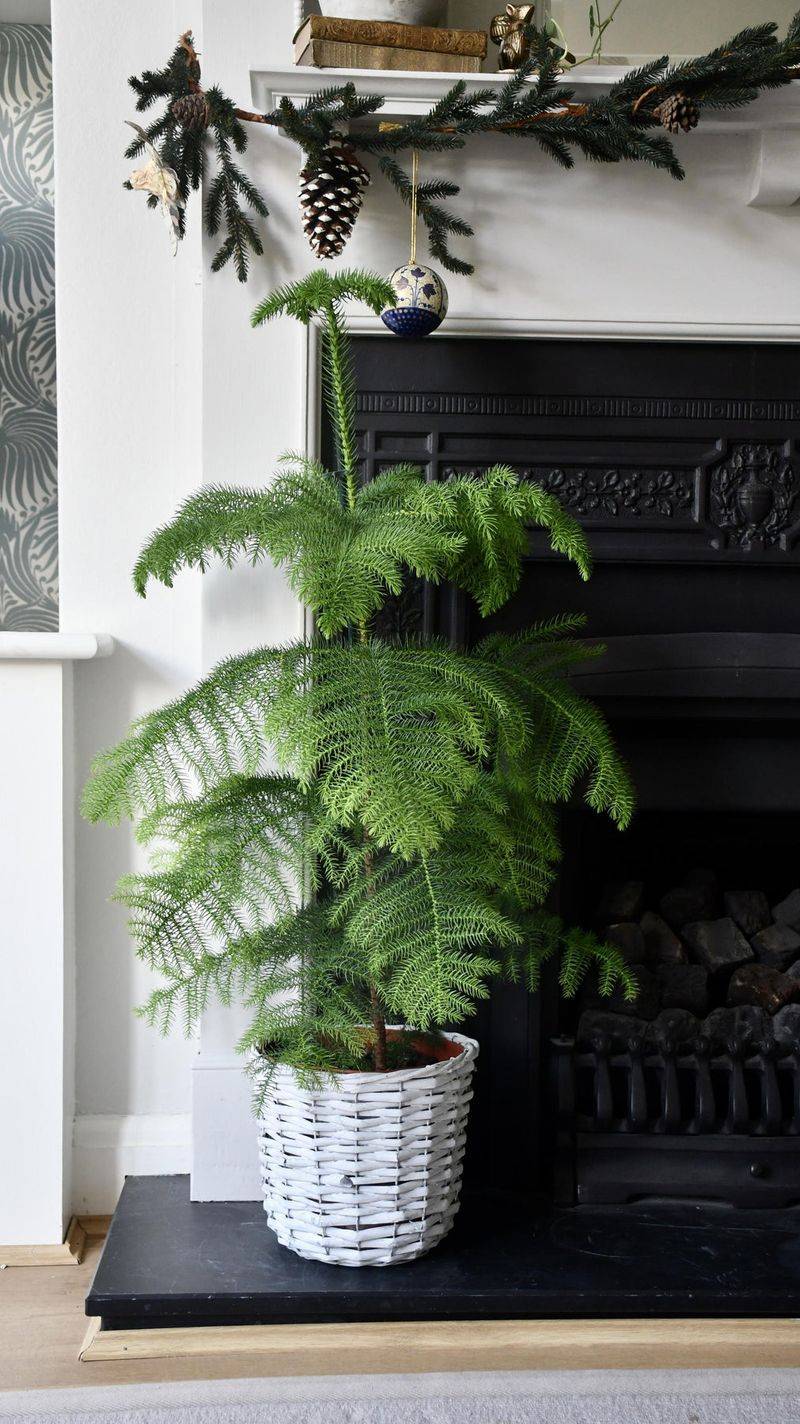
The Norfolk Island Pine, a Jurassic-era evergreen, brings a touch of the ancient world indoors. With origins over 200 million years old, this plant is often seen as a festive Christmas tree. Its symmetrical branches and lush green needles add elegance to interiors in grow zones 10 to 11. As a houseplant, it offers a connection to a time when dinosaurs roamed, combining historic charm with modern decor. Cultivate this living fossil and enjoy its timeless beauty year-round.