 Complete Gardening
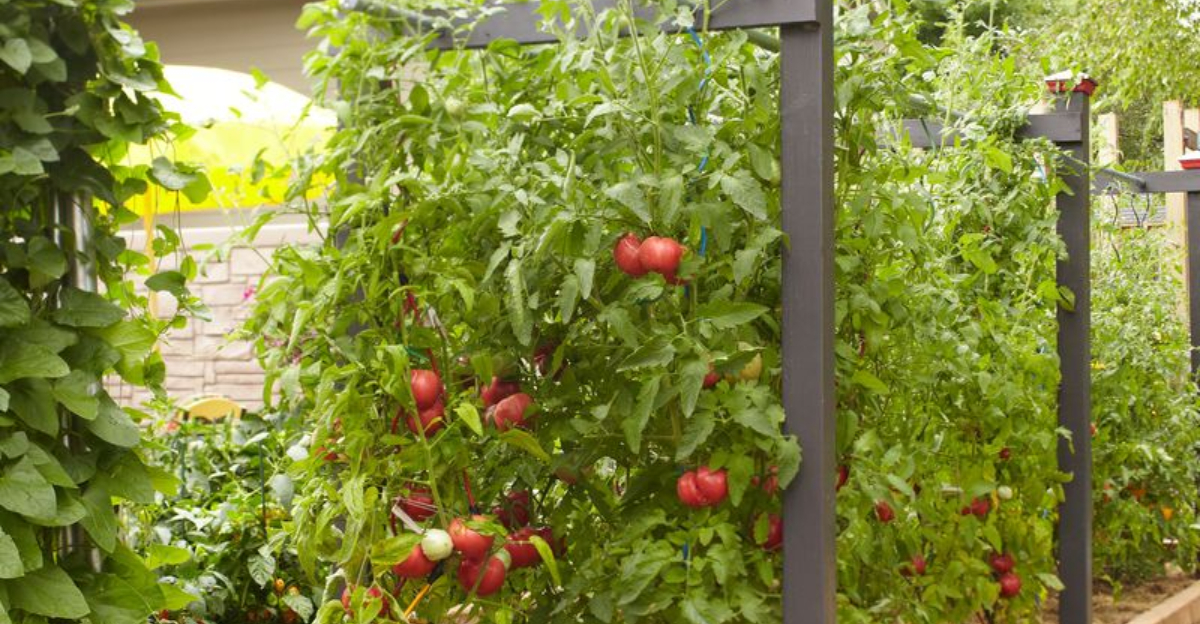
Maximizing your tomato yield starts with understanding the importance of plant spacing. Mistakes in spacing can lead to reduced yields, increased disease risk, and poor plant health. Let’s explore 15 common spacing mistakes and how to avoid them.
1. Overcrowding Plants
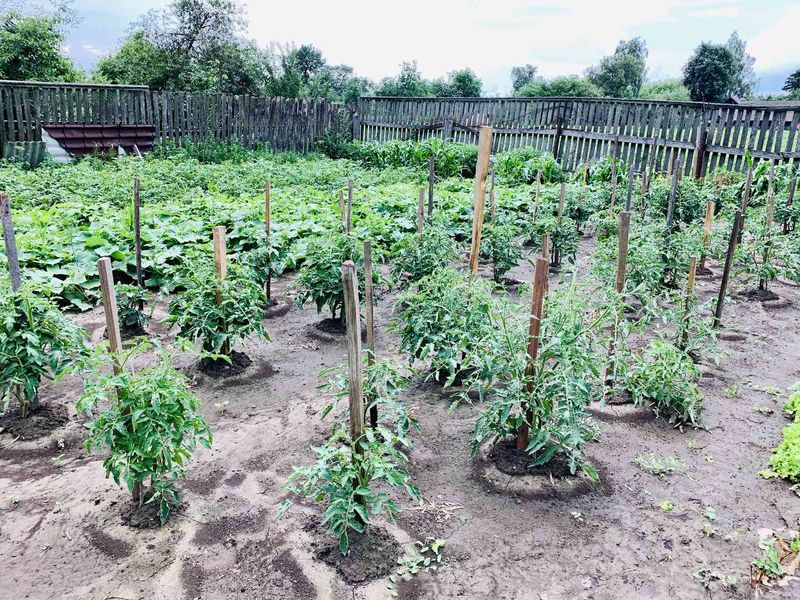
Crowding tomato plants in a garden may seem like a space-saving strategy, but it leads to a host of problems. Limited airflow can increase humidity around the plants, fostering fungal diseases. The competition for nutrients becomes fierce, weakening plants and reducing fruit size.
Observing the recommended spacing of about 24-36 inches between plants ensures each tomato gets ample room to breathe and grow. Additionally, ensuring sufficient space allows sunlight to penetrate the lower portions of the plants, promoting even ripening and healthier growth. Crowding is a sure way to diminish your tomato yield drastically.
2. Ignoring Row Spacing
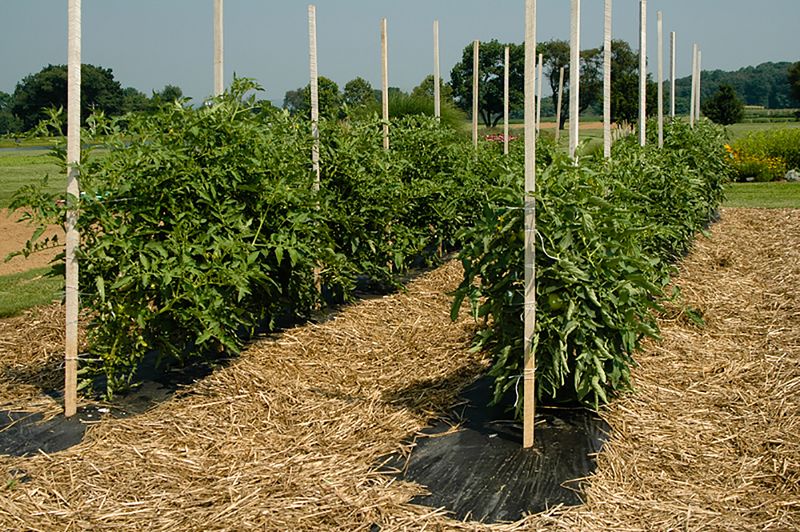
Proper row spacing is as crucial as spacing between individual plants. Rows too close together can lead to tangled vines and restricted access for care and harvesting. This often results in damaged plants and reduced yield.
Adequate row spacing, typically around 36-48 inches, ensures easy access for maintenance and harvesting. It also allows for better air circulation and light penetration, both vital for healthy plant growth and maximum yield. Keeping rows too tight is a mistake that compromises the overall health of your tomato plants, leading to potential crop loss.
3. Not Considering Indeterminate Varieties
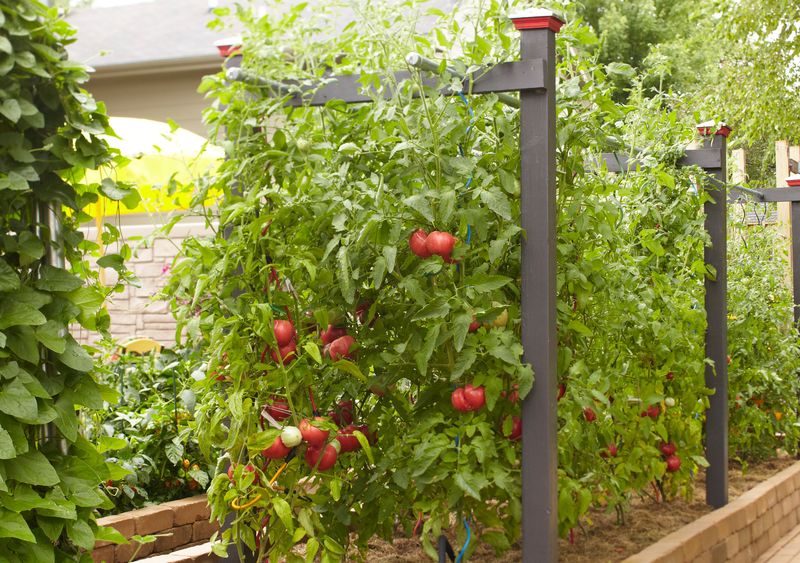
Indeterminate tomato varieties continue to grow and produce fruit throughout the season, often requiring more space than determinate varieties. Failing to account for this can result in overcrowded plants.
These varieties benefit from ample spacing, trellising, or caging to support their vigorous growth. Without sufficient space and support, plants can become unmanageable, leading to reduced sunlight access and increased disease risk. Recognizing the growth patterns of indeterminate types is crucial for planning your garden layout effectively.
4. Planting Too Close to Walls
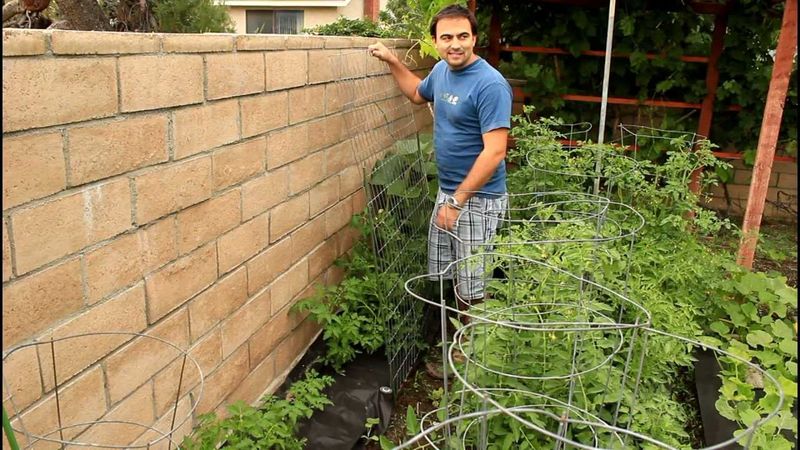
Planting tomatoes too close to walls or fences can restrict sunlight and air circulation. This shaded environment promotes disease and limits fruit development.
Walls can also reflect heat, potentially stressing plants during hot weather. Ideally, maintain a 12-24 inch distance from walls to ensure healthy growth. This spacing allows plants to benefit from ample sunlight and air movement, crucial for preventing diseases and enhancing yield. Overlook this spacing rule, and you’ll likely see a significant drop in your tomato production.
5. Neglecting Companion Planting
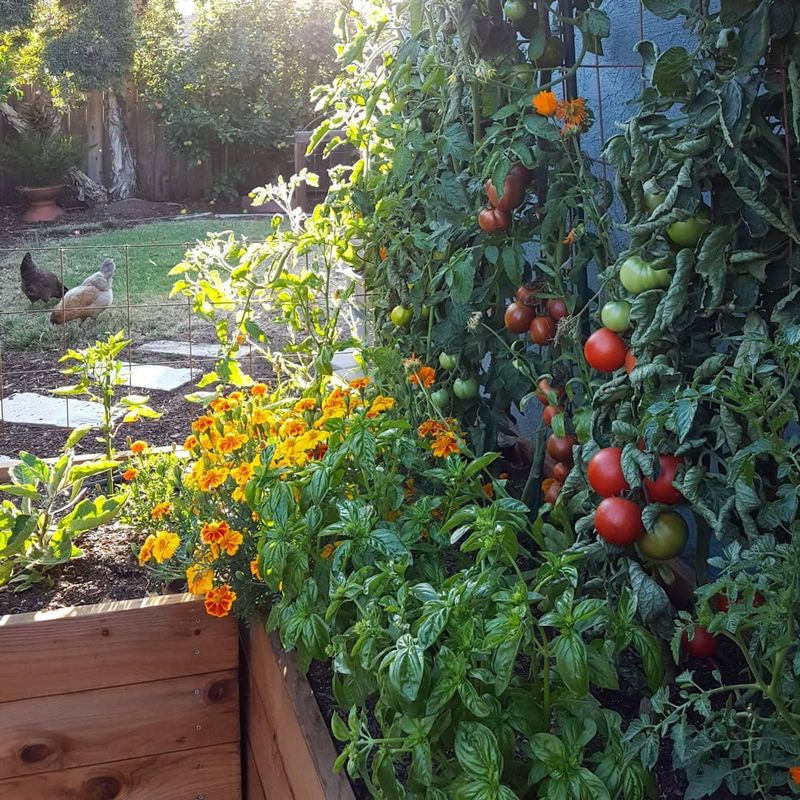
Companion planting can enhance tomato growth by improving soil health and deterring pests. However, improper spacing with companions can lead to competition for resources.
Strategically placing companions like basil or marigold at a distance of 12 inches can optimize benefits without overcrowding. This thoughtful arrangement ensures tomatoes receive adequate nutrients and space while enjoying the protective benefits of companions. Neglecting this can result in stunted growth and reduced yield due to competition and increased pest presence.
6. Incorrect Seedling Spacing
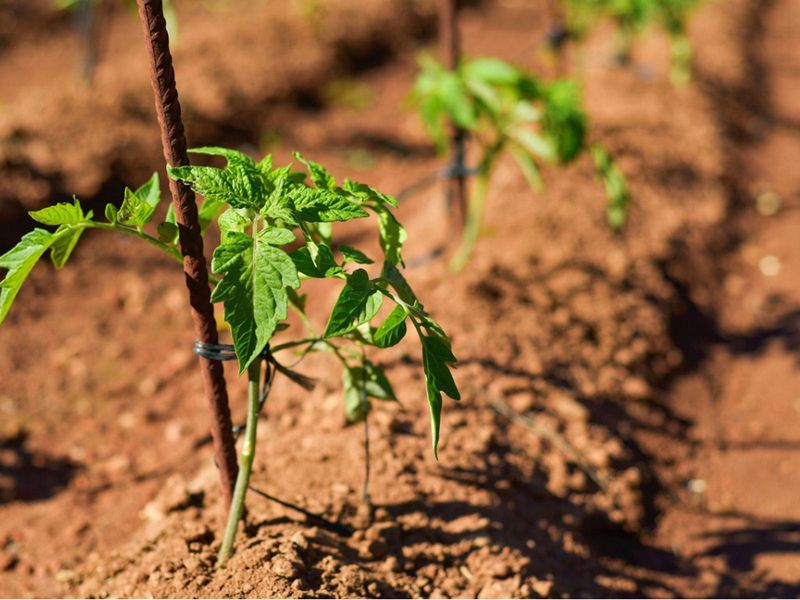
Young tomato seedlings need space to thrive as they mature. Planting them too closely can stunt their growth and lead to weak plants.
Ensure seedlings are transplanted at the recommended distance of 24-36 inches apart to allow room for growth and development. This spacing allows each plant to establish a strong root system and receive adequate sunlight and nutrients. Skipping this step often leads to competition for resources, resulting in smaller, less productive plants and a disappointing harvest.
7. Ignoring Soil Fertility Needs
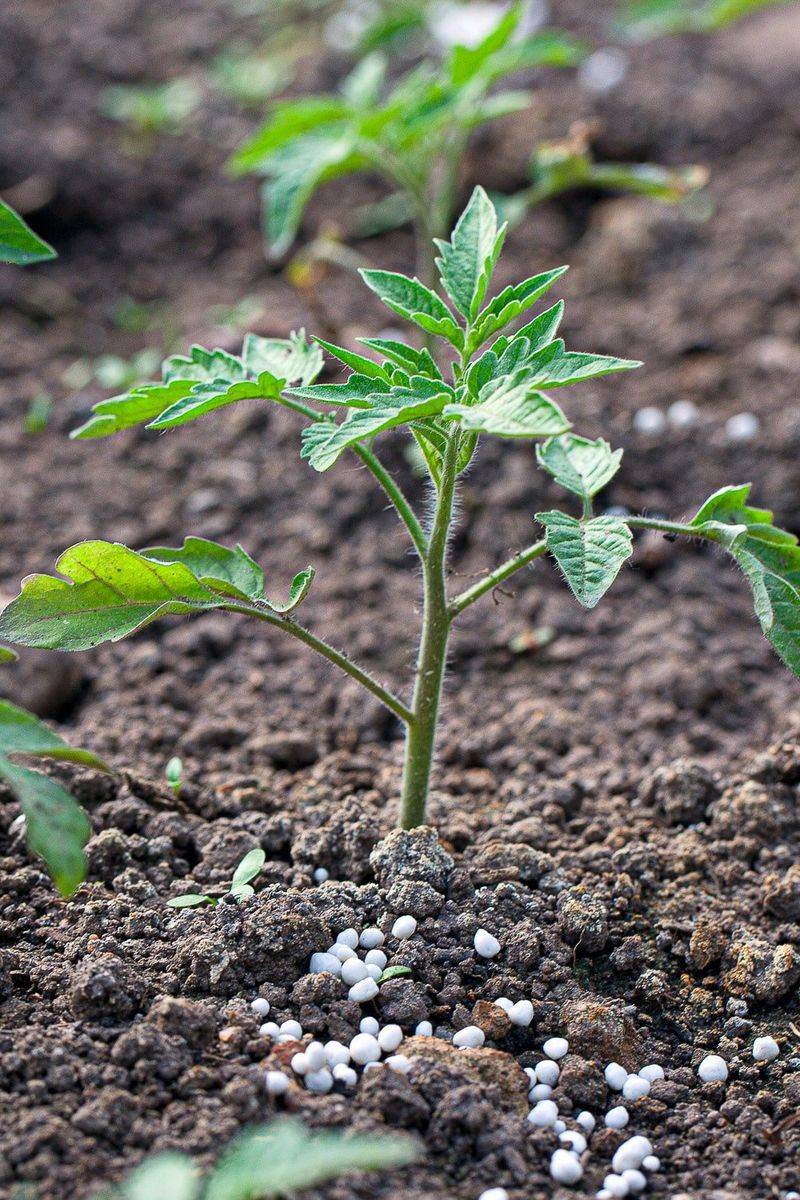
Proper spacing is essential, but so is soil fertility. Nutrient-poor soil can severely limit growth, regardless of spacing.
Conducting a soil test before planting helps identify nutrient deficiencies. Amending the soil with compost or fertilizers tailored to tomatoes ensures healthy growth. Plants spaced correctly but in poor soil will still underperform. Ensuring optimal soil conditions, along with proper spacing, sets the stage for a bountiful tomato harvest, maximizing the potential of each carefully spaced plant.
8. Ignoring Sunlight Requirements
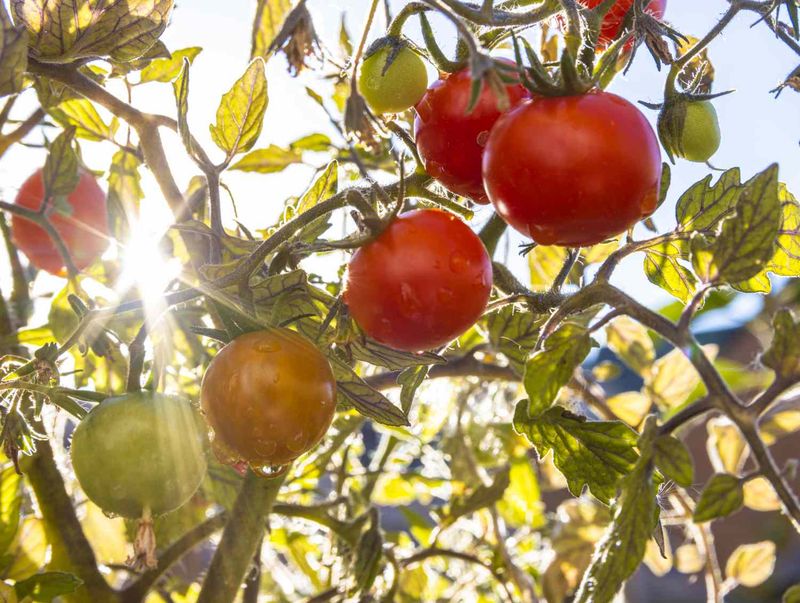
Tomatoes require full sun to produce abundant fruit. Planting in shaded areas, regardless of spacing, severely limits their potential.
It’s vital to choose a garden location that receives at least 6-8 hours of sunlight daily. Even with proper spacing, a lack of sunlight leads to fewer, smaller fruits. Ensuring that your tomatoes have optimal light exposure is just as crucial as how you space them, both working together to enhance growth and yield.
9. Forgetting About Plant Supports
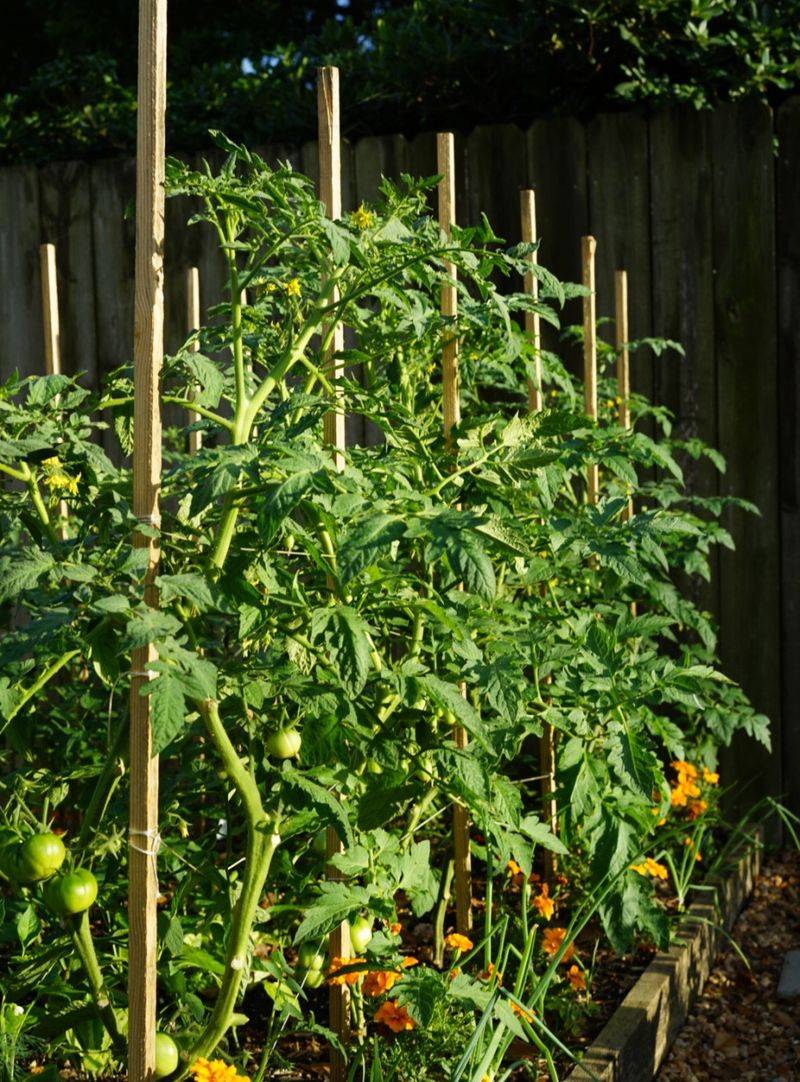
Proper plant support is essential for healthy tomato growth. Without stakes or cages, plants can sprawl, wasting space and inviting disease.
Supports maintain vertical growth, optimizing use of garden space and improving air circulation. This is crucial for both individual plant health and yield. By ignoring the need for sturdy supports, you risk a cluttered garden and reduced productivity. The space you gain with supports is invaluable for maintaining a thriving, high-yield tomato garden.
10. Underestimating Mature Plant Size
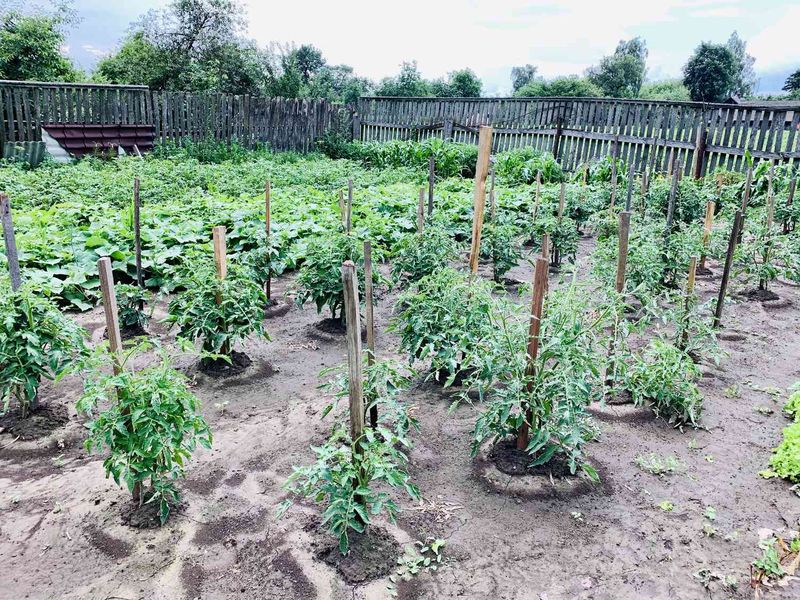
Tomato plants often outgrow their initial planting space, especially if spacing doesn’t account for mature size. This can lead to crowding.
Understanding the expected size of your chosen variety helps in planning adequate spacing. Allowing extra room for mature growth ensures plants have the space they need to thrive. Otherwise, overcrowding becomes an issue, impeding air circulation and sunlight, which are vital for fruit production. Planning for mature size from the start is essential for a productive tomato garden.
11. Misjudging Garden Layout
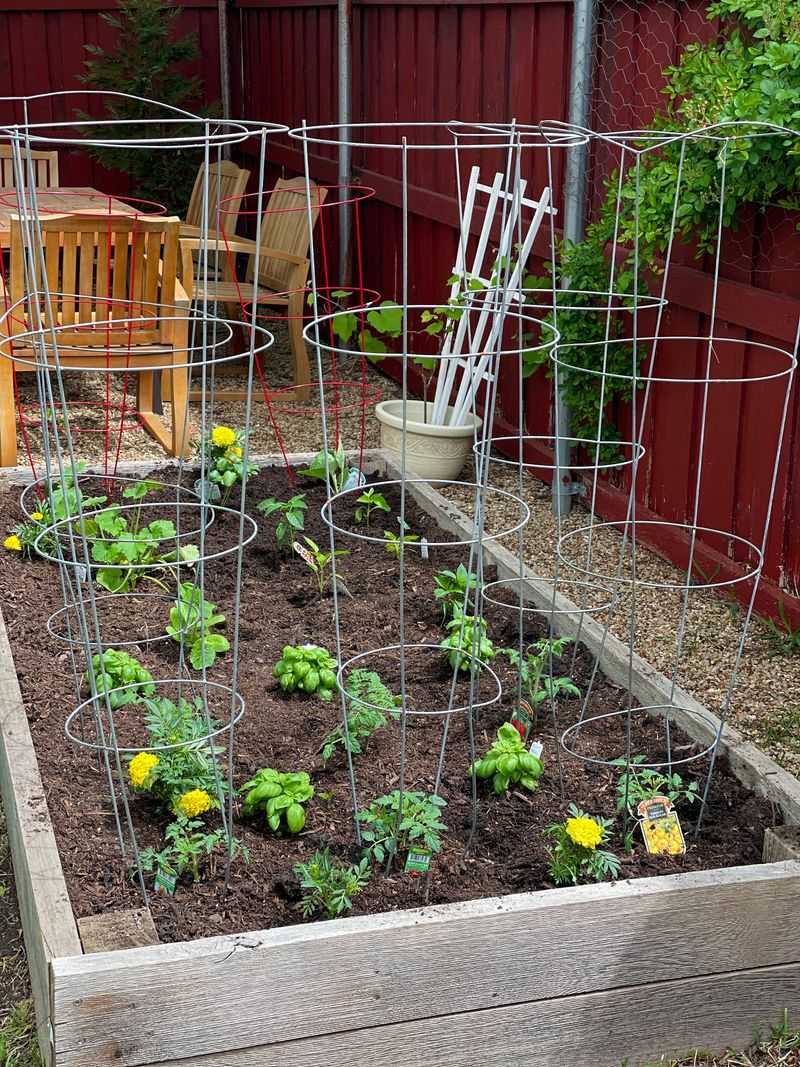
A haphazard garden layout can lead to inefficient space use and hinder tomato growth. Spacing must be planned to accommodate plant needs and garden constraints.
Careful planning of rows and plant positions ensures optimal growth conditions. A well-thought-out layout promotes better access for maintenance and harvesting while minimizing the risk of disease spread. When spacing is misjudged, plants suffer, and yields decrease. A strategic layout is fundamental for a successful tomato-growing season.
12. Ignoring Plant Pruning Needs
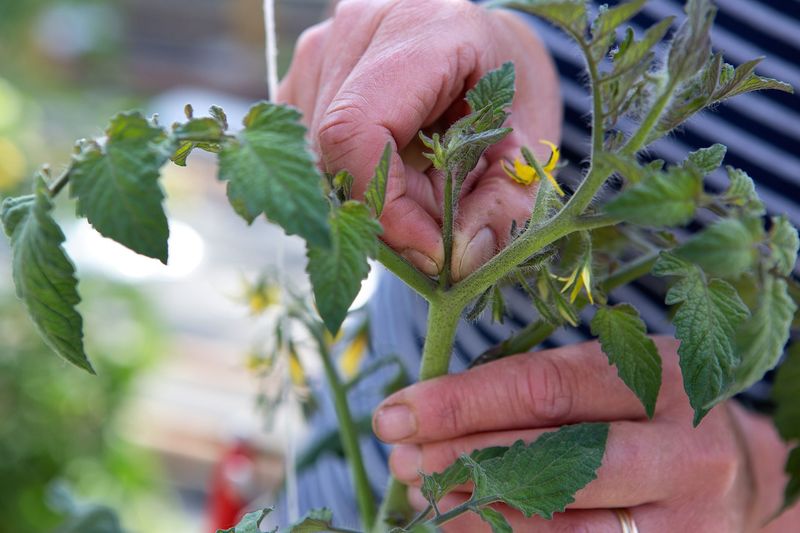
Pruning is integral to maintaining plant health and maximizing yield. Neglected pruning leads to dense foliage and cramped spacing.
Regular trimming of excess leaves and shoots improves air circulation and sunlight penetration. This not only helps in maintaining spacing but also reduces disease risk, enhancing fruit production. Skipping pruning can quickly lead to overcrowded plants, diminishing the benefits of initial spacing efforts. Pruning complements spacing, ensuring your tomato plants remain productive and healthy.
13. Poor Drainage Consideration
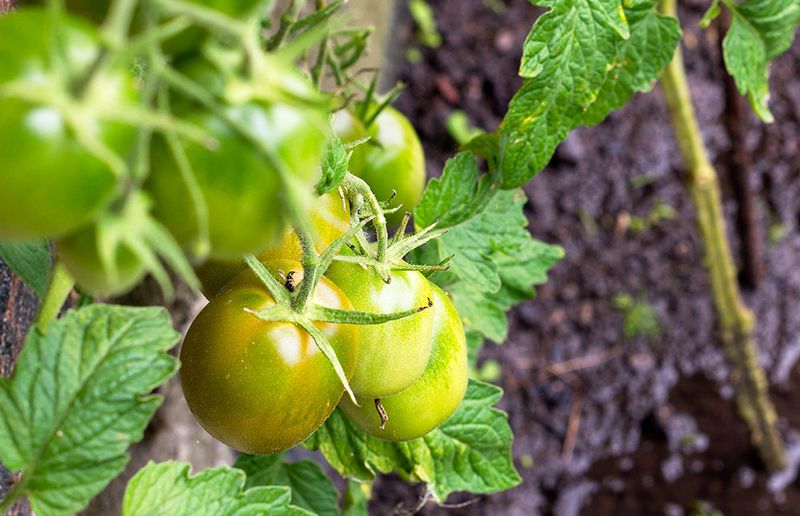
Proper spacing isn’t sufficient if drainage issues are ignored. Poor drainage can drown roots, regardless of how well plants are spaced.
Choosing a well-drained location or amending soil for better drainage is crucial. Elevated beds or adding organic matter can improve drainage. Ensuring both proper spacing and drainage helps tomato plants thrive, preventing root rot and promoting healthy growth. Overlooking drainage can negate the benefits of careful spacing, leading to disappointing yields.
14. Improper Timing of Planting
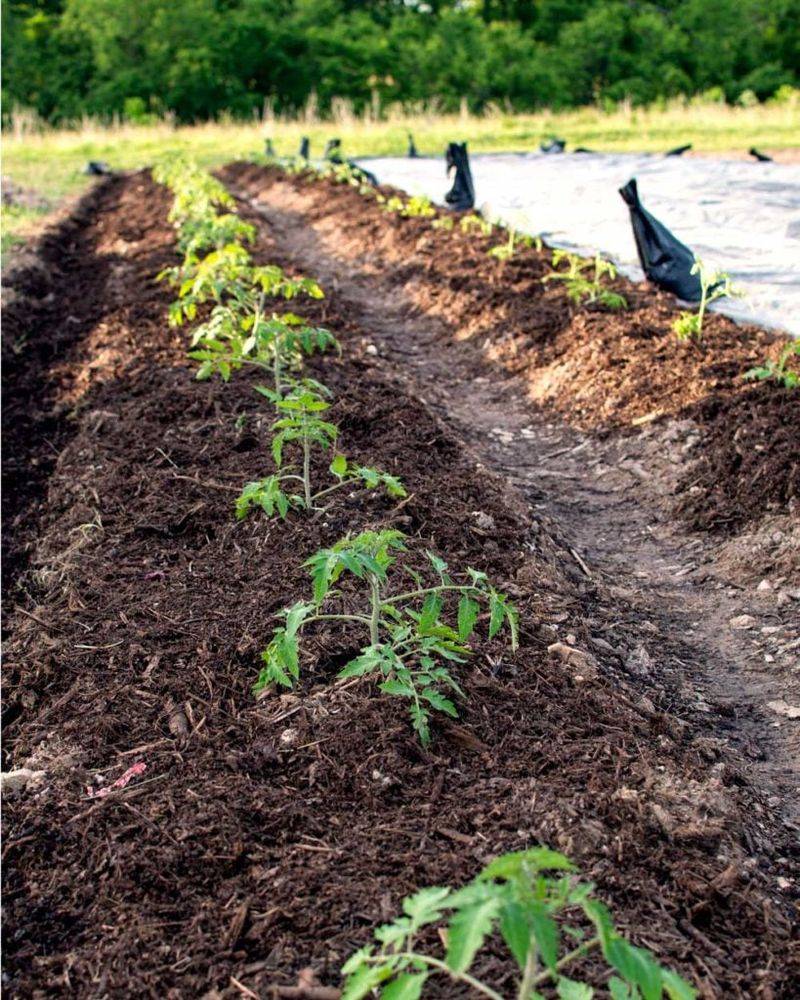
Timing affects spacing because early planting can stunt growth, leading to poor spacing utilization. Planting too soon exposes plants to cold stress.
Waiting until after the last frost ensures that plants can take full advantage of their spaced environment. Proper timing aligns plant growth with ideal conditions, maximizing space use and enhancing vitality. Ignoring timing can lead to weak plants and wasted space. Aligning planting with seasonal cues is key for leveraging the benefits of spacing.
15. Optimal Air Circulation
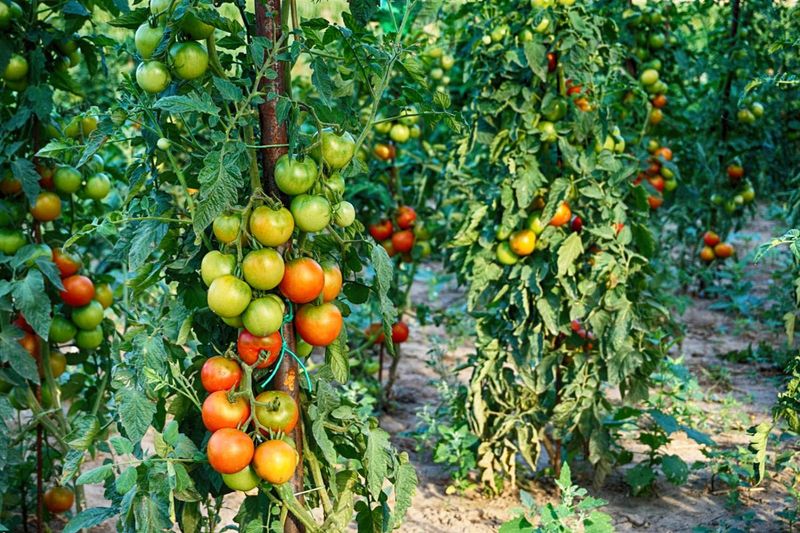
Imagine a tomato plant thriving in a garden, where each leaf dances lightly in the breeze. Staggered planting can create this idyllic scene by allowing optimal air circulation. It prevents the buildup of moisture, reducing disease risk.
Regularly spaced plants, arranged diagonally, ensure better sunlight penetration and nutrient access. This thoughtful arrangement mimics nature’s own designs, aiding photosynthesis efficiency.
Did you know? Staggered rows not only look aesthetically pleasing but also encourage beneficial insects to linger, further enhancing plant health. Embrace this strategic layout to cultivate robust, luscious tomatoes.