
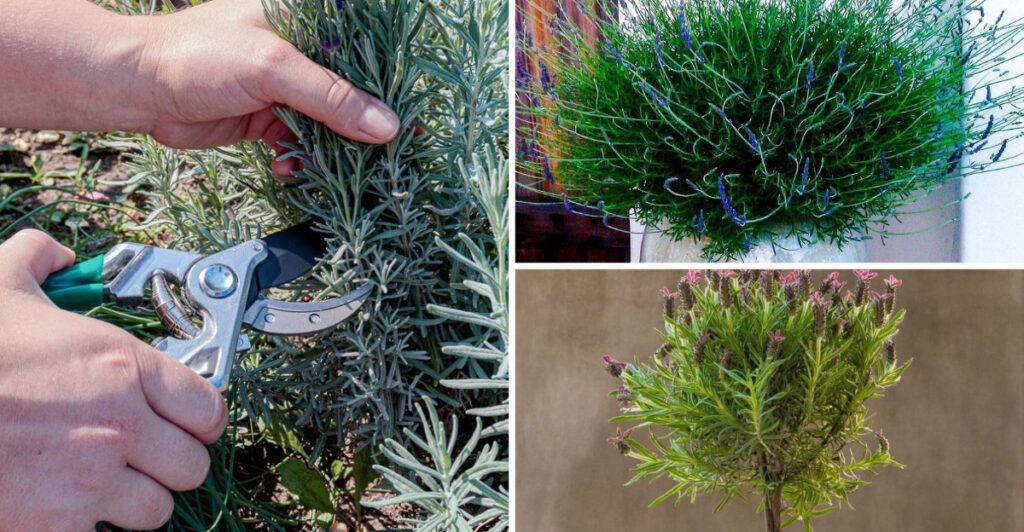
Lavender trees can be a delightful addition to your garden, offering both beauty and fragrance. With their enchanting scent and graceful blooms, these trees can transform your outdoor space into a paradise. Caring for lavender trees requires attention to detail and a little patience, but the rewards are well worth the effort. Here are 17 essential tips to help you nurture your lavender trees and enhance your garden’s allure.
1. Choosing the Right Location
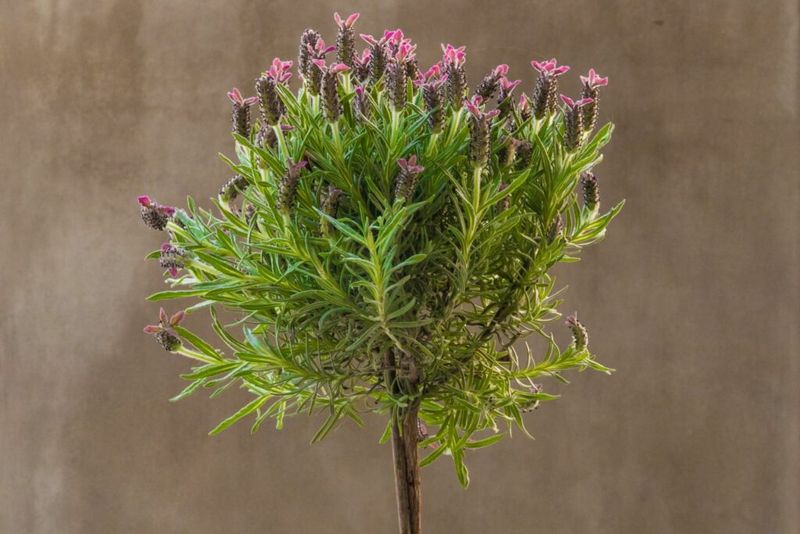
Selecting the perfect spot for your lavender tree is crucial. These trees thrive in locations that receive full sun for at least 6-8 hours a day. Planting in a sunny area not only encourages healthy growth but also enhances the fragrance of the blooms.
Avoid shaded spots as they can hinder growth and lead to poor flowering. Ensure the soil is well-draining to prevent root rot, as lavender trees dislike wet feet. With the right location, your lavender tree will flourish and become a garden centerpiece.
Consider the surrounding plants to avoid overcrowding.
2. Soil Preparation
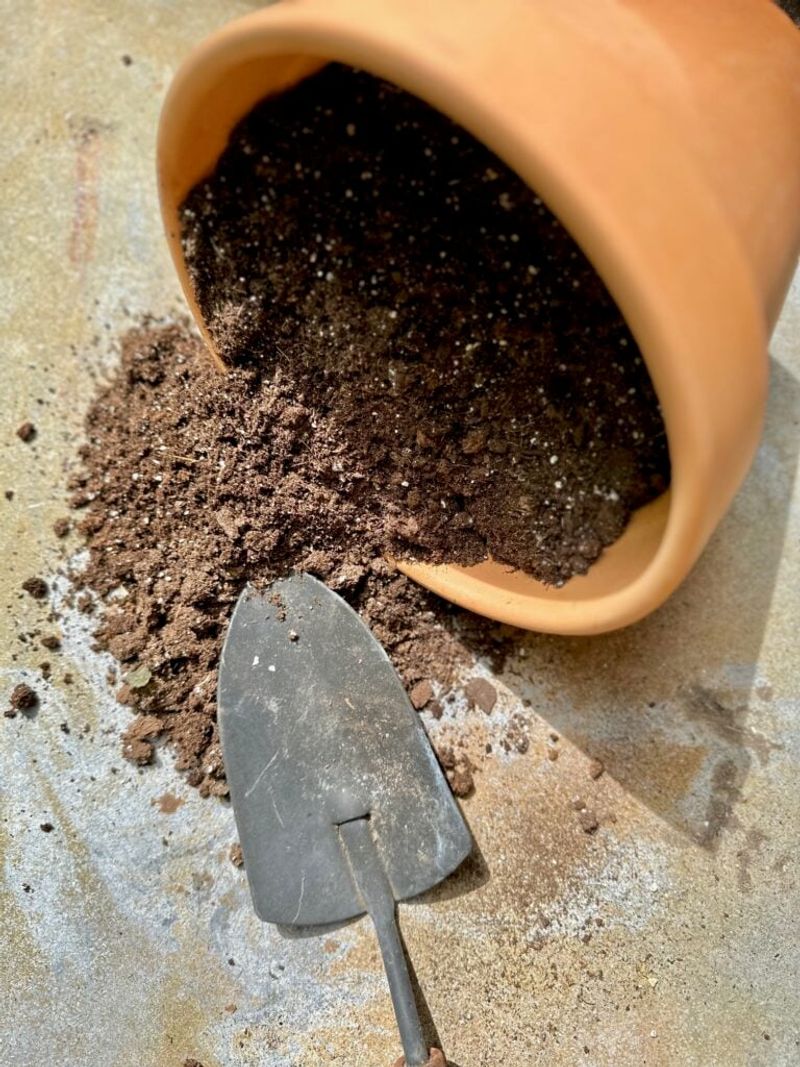
Lavender trees demand well-draining soil to prevent waterlogging. Sandy or gritty soil types are ideal, allowing excess water to escape easily. Improve drainage by mixing in sand or gravel if your soil is too dense.
Before planting, test the soil’s pH. A slightly alkaline environment (pH 6.5 to 7.5) suits lavender best. Adjust the pH by adding lime if needed. Proper soil preparation sets the foundation for healthy growth.
Remember, nutrient-rich soil isn’t necessary. Lavender trees actually thrive in less fertile grounds, making them low maintenance.
3. Watering Techniques
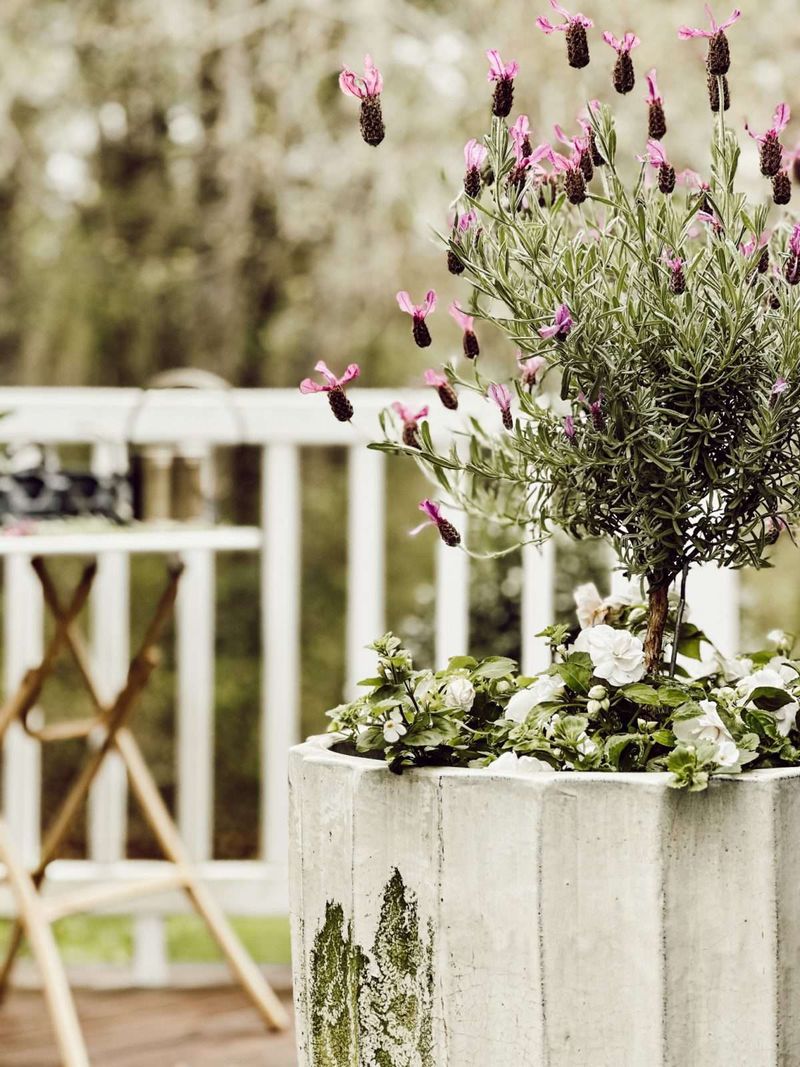
Watering lavender trees requires a careful balance. They prefer dry conditions, so over-watering can lead to root rot. Allow the top inch of soil to dry out before re-watering.
During the growing season, water deeply but infrequently, mimicking their natural habitat. In winter, reduce watering to prevent excess moisture.
For potted lavender, ensure pots have drainage holes to allow excess water to escape. Consistent watering practices ensure robust blooms and healthy foliage, providing your garden with lasting beauty.
4. Pruning for Growth
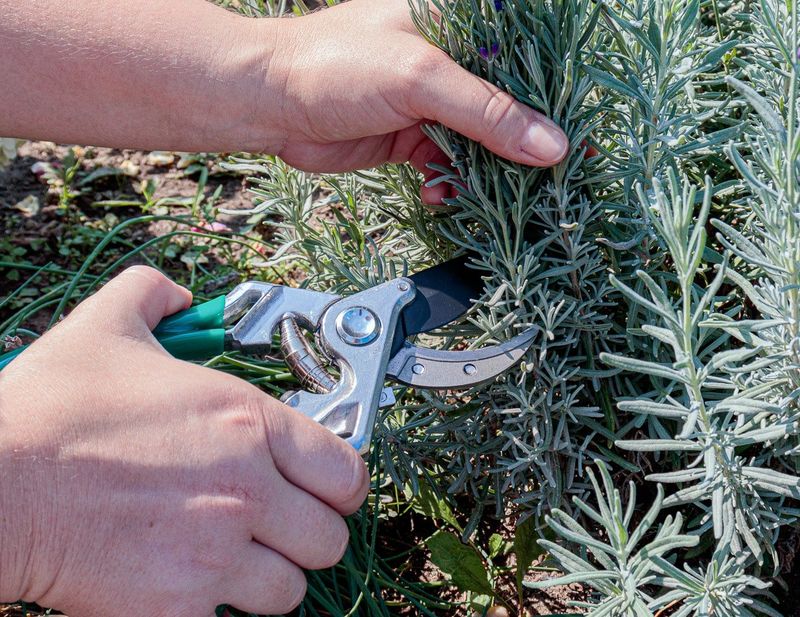
Pruning is key to maintaining a healthy lavender tree. Trim in early spring to remove old blooms and encourage new growth. This not only boosts the plant’s vitality but also enhances its shape.
Cut back about a third of the plant, avoiding cutting into old wood, which can stunt growth. Regular pruning promotes a bushier appearance and more blooms.
After flowering, a light trim keeps the tree tidy. The right pruning techniques ensure your lavender tree remains a stunning focal point all year round.
5. Fertilization Needs
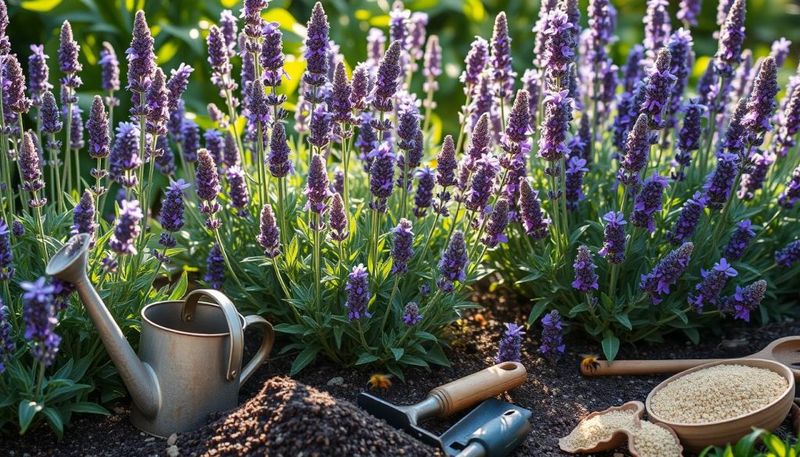
Lavender trees are low-maintenance when it comes to fertilization. They flourish in nutrient-poor soils, so avoid high-nitrogen fertilizers. Instead, opt for a light application of compost or well-rotted manure in early spring.
This provides the necessary nutrients without overwhelming the plant. Over-fertilization can lead to lush foliage but fewer flowers, defeating the purpose of growing lavender.
A balanced approach ensures vibrant blooms and a delightful fragrance, enhancing your garden’s sensory appeal.
6. Pest Management
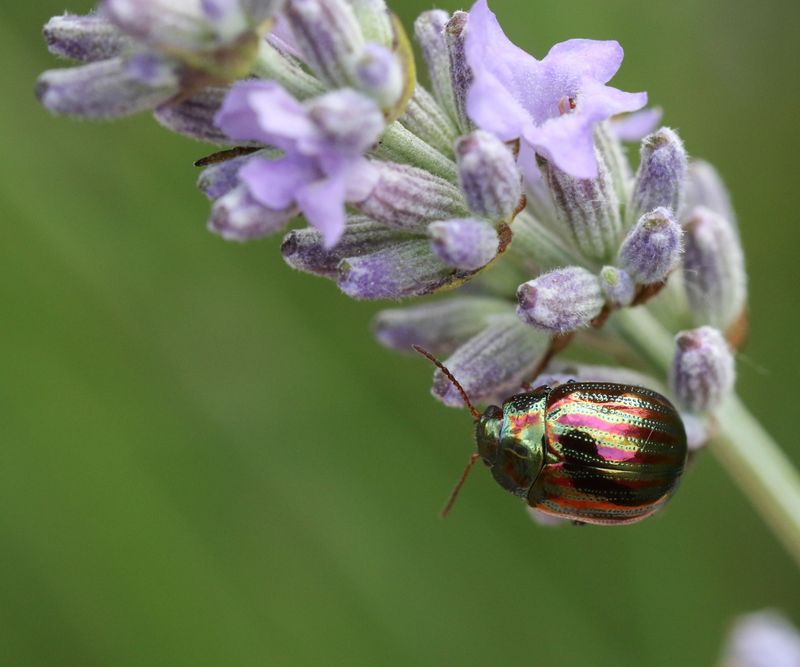
Lavender trees are relatively pest-resistant, but occasional issues can arise. Aphids and spider mites are common pests that may affect them. Introduce beneficial insects like ladybugs to control these pests naturally.
Regularly inspect plants for signs of infestation, such as yellowing leaves or webbing. In severe cases, a mild insecticidal soap can be used.
Natural pest management strategies keep your lavender trees healthy without resorting to harmful chemicals, preserving the ecological balance in your garden.
7. Mulching Benefits
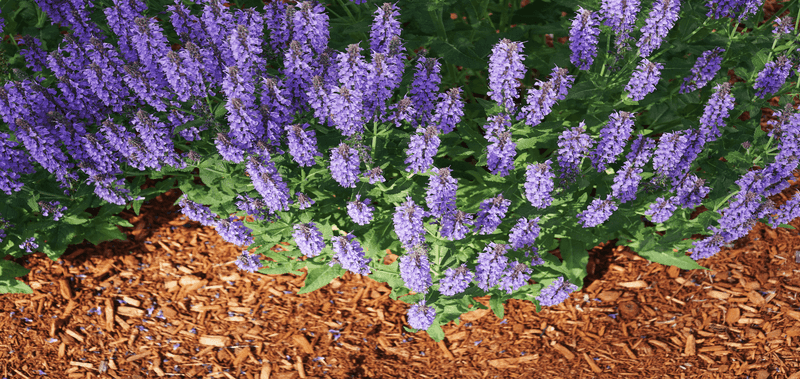
Mulching around your lavender tree offers numerous benefits. Organic mulches like bark or straw help retain soil moisture, crucial in dry periods. They also suppress weeds, reducing competition for nutrients.
Apply a layer of mulch in spring, ensuring it doesn’t touch the trunk to prevent rot. Mulching also moderates soil temperature, protecting roots from extreme weather.
This simple practice enhances the health and appearance of your lavender tree, making it a thriving part of your garden landscape.
8. Container Planting
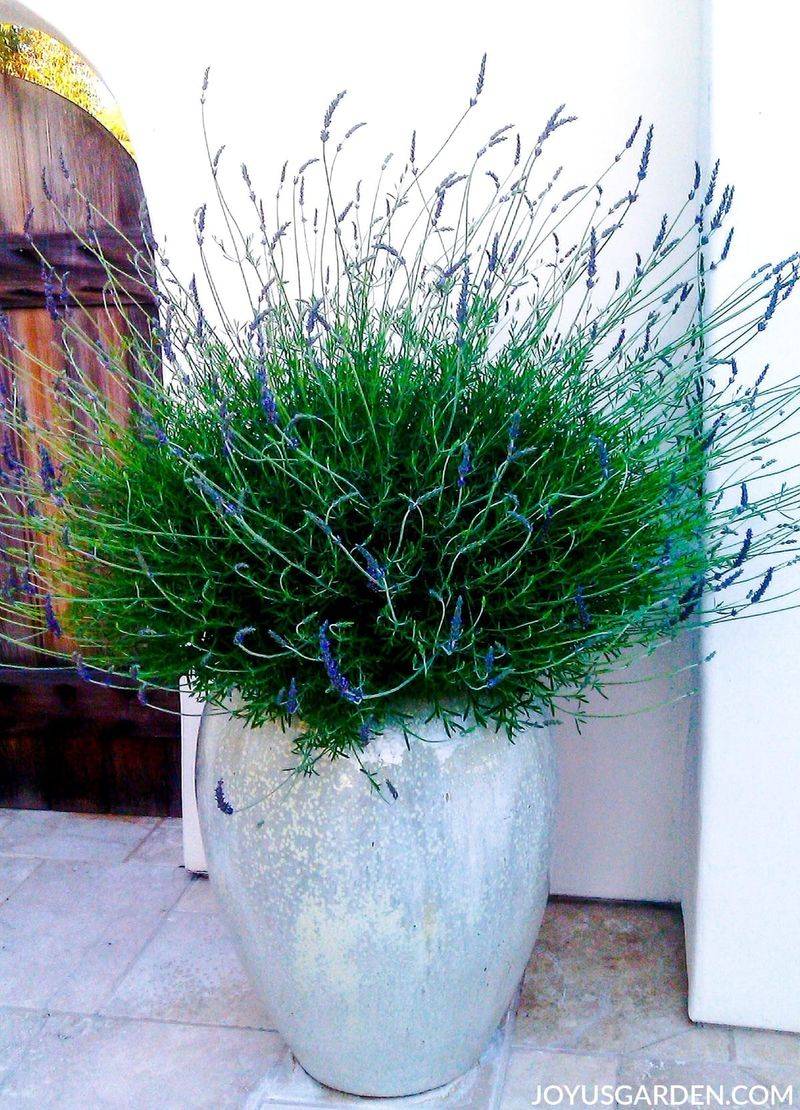
Lavender trees thrive in containers, adding charm to patios and balconies. Choose a pot with drainage holes to prevent water accumulation. Use a gritty potting mix to ensure excellent drainage.
Potted lavender requires more frequent watering than in-ground plants, especially in warmer months. Position the pot in a location with adequate sunlight to support growth and flowering.
Container planting offers versatility, allowing you to move the plant indoors during harsh weather conditions. It’s an ideal option for small spaces.
9. Winter Protection
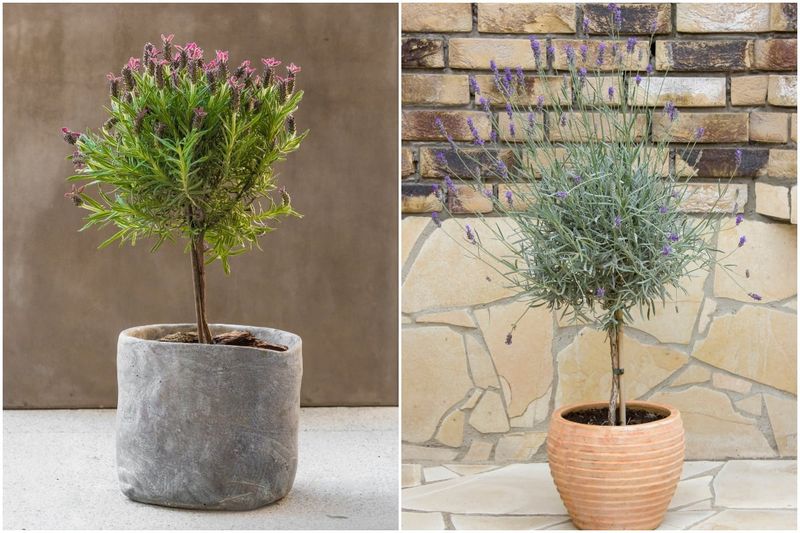
In colder climates, protecting your lavender tree during winter is essential. Cover the plant with burlap or horticultural fleece to shield it from frost damage.
For potted trees, move them to a sheltered location or indoors. Ensuring good air circulation prevents mold growth. If planted outdoors, a layer of mulch can insulate roots from freezing temperatures.
With the right precautions, your lavender tree can withstand winter’s chill and emerge healthy in spring, ready to bloom anew.
10. Propagation Methods
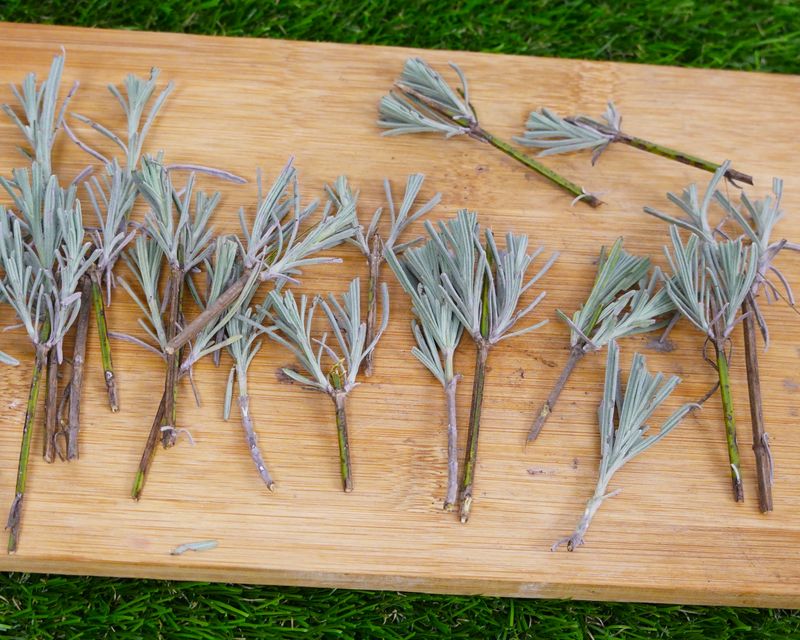
Propagating lavender trees allows you to expand your garden’s beauty effortlessly. Take cuttings from healthy plants in early summer, choosing non-flowering stems.
Dip the cuttings in rooting hormone and plant in a well-draining mix, keeping them in a sunny spot. Water sparingly and watch for root development over a few weeks.
Once established, transplant to a permanent location. Propagation is a rewarding practice, offering new plants to fill your garden with fragrant charm.
11. Companion Planting
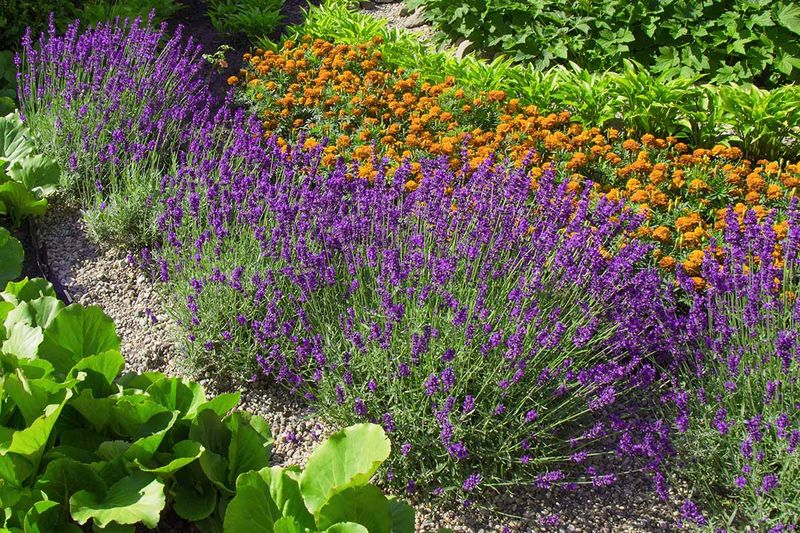
Companion planting with lavender trees enhances their growth and the garden’s aesthetics. Pair with herbs like rosemary and thyme, which thrive in similar conditions.
These companions can deter pests naturally, offering mutual benefits. Avoid plants that prefer acidic or shaded environments, as they may struggle alongside lavender.
Careful selection of companions creates a balanced ecosystem, fostering a vibrant and harmonious garden space filled with delightful scents.
12. Dealing with Diseases
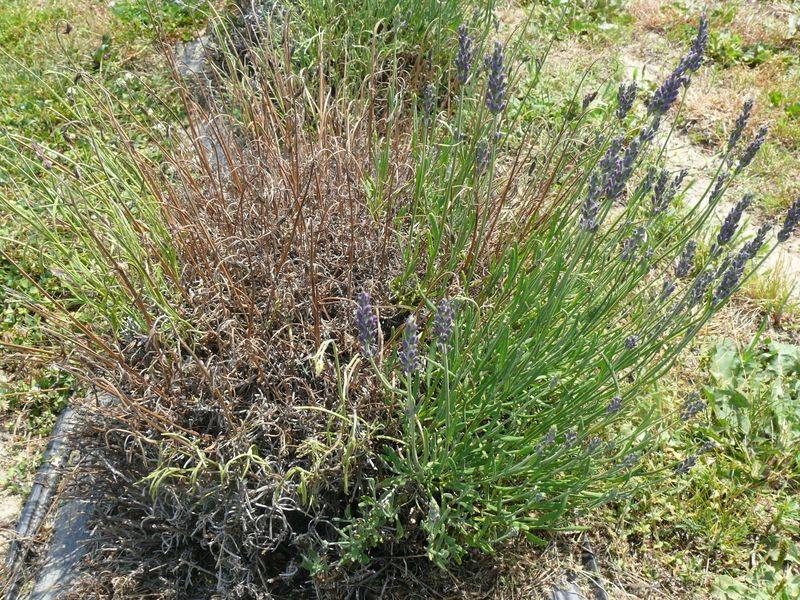
Lavender trees are generally resilient, but fungal diseases can occasionally occur. Watch for symptoms like discolored leaves or stunted growth. Improve air circulation around the plant to reduce the risk.
Remove affected parts promptly to prevent spread. In severe cases, use a fungicide following the manufacturer’s instructions.
Regular monitoring and proper care minimize disease occurrence, ensuring your lavender tree remains healthy and robust throughout the growing season.
13. Enhancing Fragrance
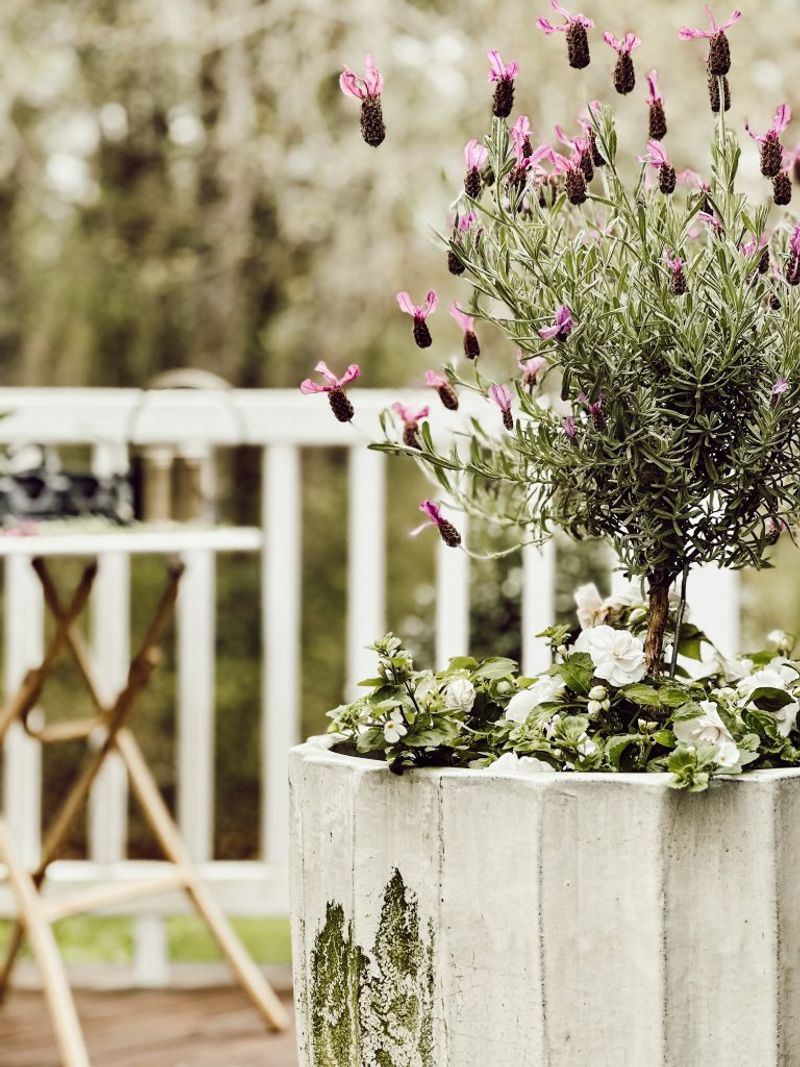
The soothing fragrance of lavender trees is a garden highlight. Enhance this by ensuring the plant receives plenty of sunlight and proper pruning.
The fragrant oils are most potent under the sun, so ensure the tree’s exposure isn’t compromised. Regular pruning encourages new growth, which is more fragrant.
Your garden will be filled with a calming aroma, making it a peaceful retreat from daily hustle and bustle.
14. Harvesting Blooms
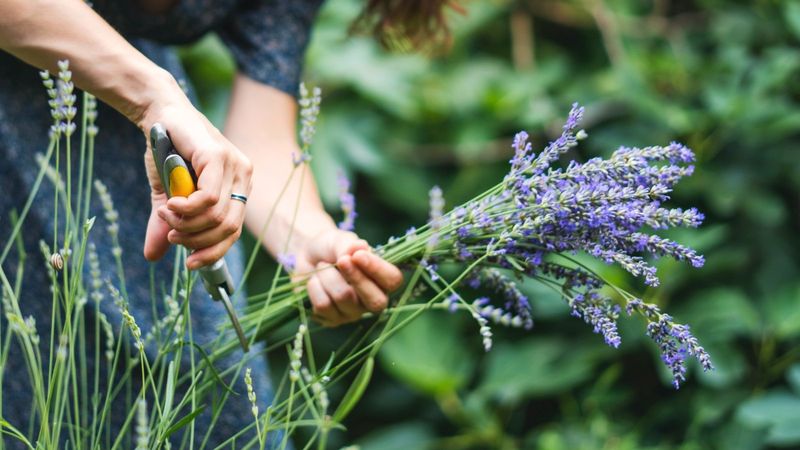
Harvesting lavender blooms at the right time ensures the best quality. Cut flowers when the buds have just opened, as this is when the oils are most concentrated. Use sharp scissors to avoid damaging the stems.
Harvest in the morning when the oils are at their peak, and avoid rain-soaked days.
Proper harvesting provides fragrant flowers for drying, crafts, or essential oils, offering a piece of your garden to enjoy indoors.
15. Seasonal Maintenance
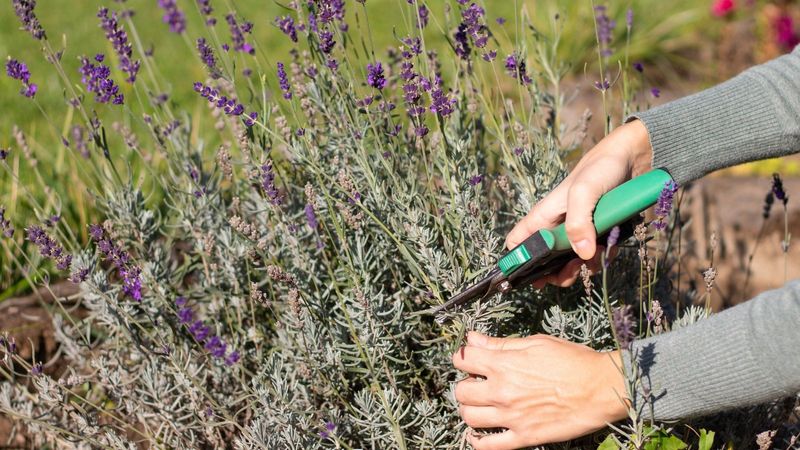
Seasonal maintenance keeps lavender trees thriving. In autumn, prepare the plant for winter by pruning and mulching. Remove dead wood and trim back lightly to encourage spring growth.
Check for pests and diseases, treating them before cold weather sets in. Adjust watering practices according to the season’s requirements.
Regular maintenance ensures your lavender tree remains a healthy and vibrant part of your garden year-round, offering beauty across all seasons.
16. Creative Uses
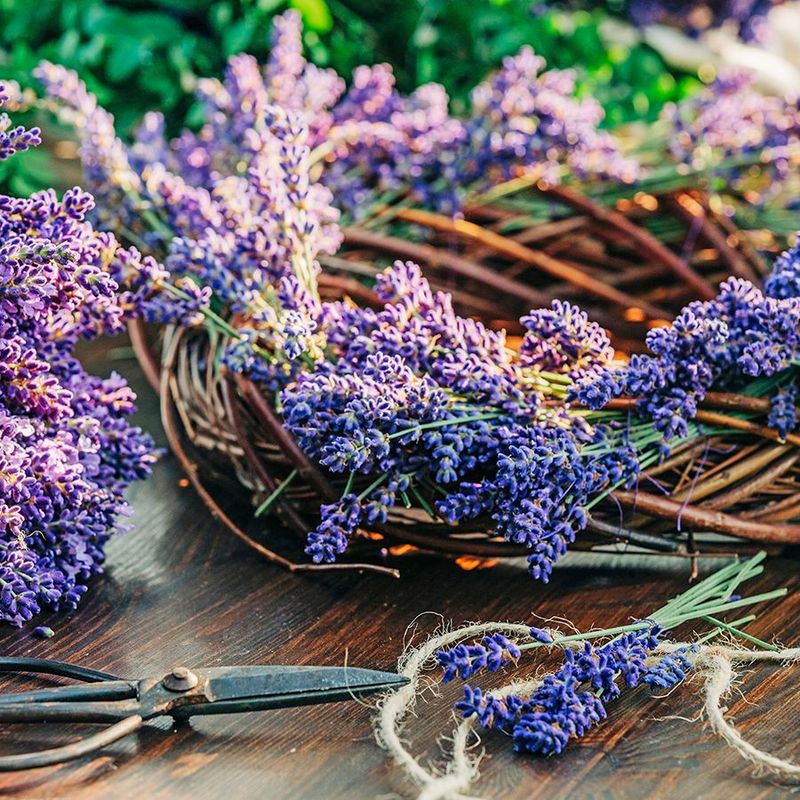
Lavender trees offer more than just visual appeal. Their flowers can be harvested for various creative uses. Dried lavender makes excellent sachets, potpourri, or even culinary additions.
Explore lavender-infused crafts, adding a personal touch to gifts and home decor.
Utilizing lavender’s versatility enhances its value, providing endless opportunities to enjoy its benefits beyond the garden, making every bloom a treasure.
17. Historical Significance
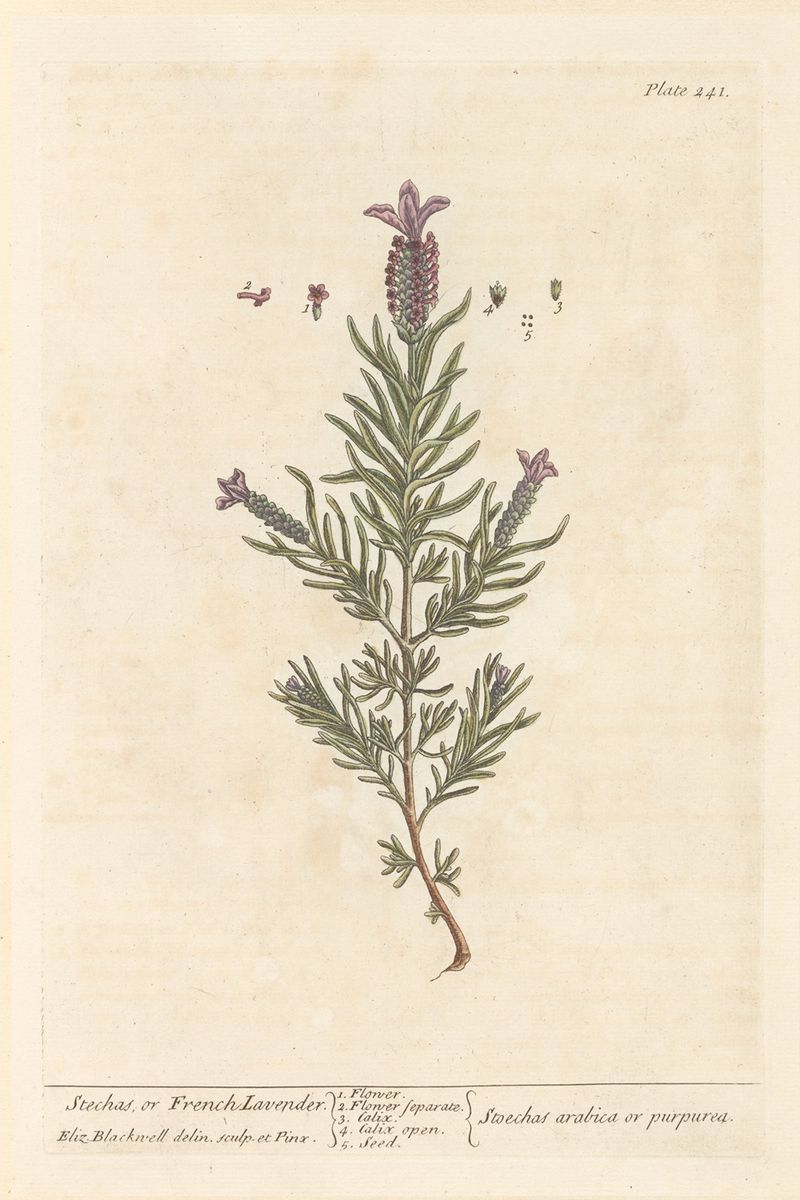
Lavender has a rich history, dating back to ancient civilizations. Its name derives from the Latin ‘lavare,’ meaning ‘to wash,’ highlighting its use in baths.
Romans valued lavender for its fragrance and purported healing properties. Throughout history, it’s been associated with cleanliness and luxury.
Understanding its historical significance adds depth to your gardening experience, connecting past and present through the timeless beauty of lavender.