
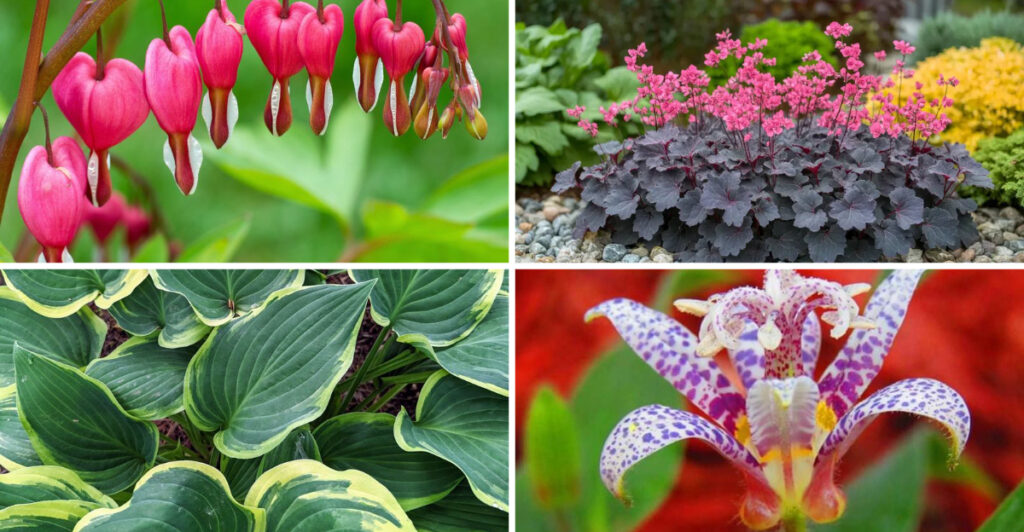
Shade-loving plants are a fascinating group of botanical wonders that thrive in low-light environments. Contrary to what one might expect, these plants prefer the gentle embrace of shaded areas over the harsh glare of direct sunlight. This unique preference makes them ideal for gardens or indoor spaces where sunlight is limited. The following 19 plants not only survive but flourish in shady conditions, each with its own charm and character, perfect for adding a touch of green to any dimly lit corner of your home or garden.
1. Hosta
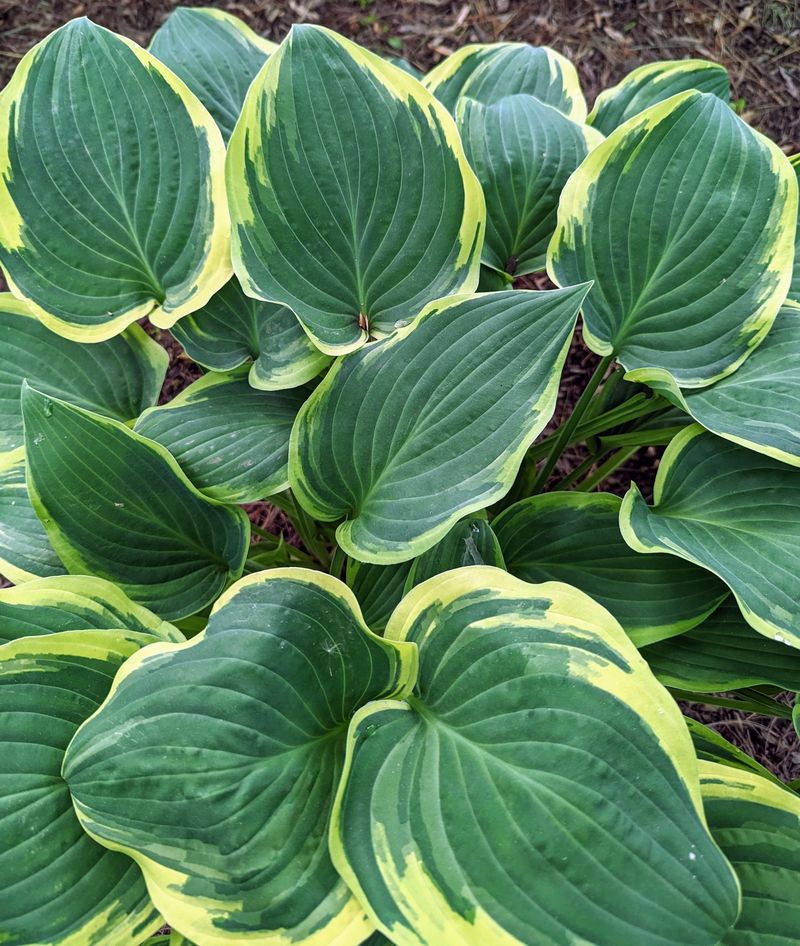
Known for its striking foliage, the Hosta captivates with its broad leaves and rich green tones. It’s the perfect companion for shaded gardens, offering a lush, tropical look with minimal sunlight. Often found in various shades of green, the leaves can also be variegated with white or yellow bands, adding to their charm. This plant is a favorite among gardeners for its resilience and ability to bring life to dim corners. Did you know? The Hosta was once used in traditional Asian medicine. With a hardy nature, it’s also a low-maintenance choice for busy gardeners.
2. Ferns
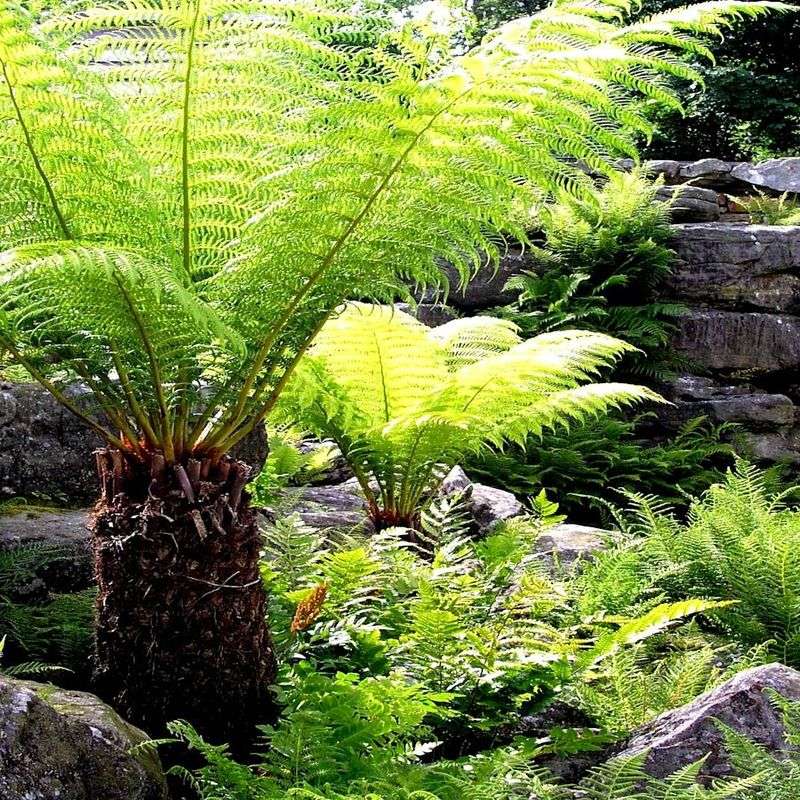
Ferns are the gentle giants of the plant world, thriving in the cool, moist embrace of shaded forests. These ancient plants, with their delicate fronds, offer a touch of prehistoric charm to modern gardens. Perfect for creating a serene, woodland atmosphere, ferns are incredibly versatile and resilient. They have been around for over 350 million years, making them some of the oldest plants on Earth. With over 10,000 species, ferns provide endless possibilities for garden design. Their ability to purify the air makes them a popular choice for indoor settings as well.
3. Caladium
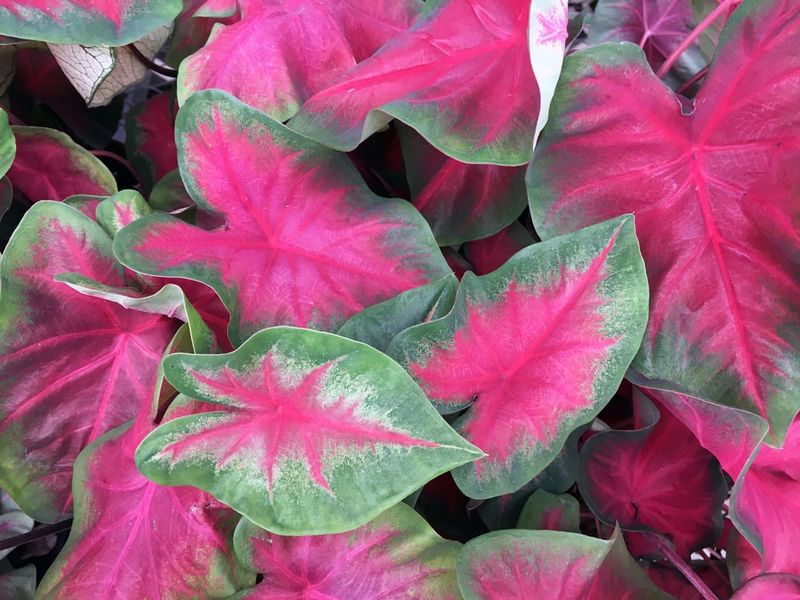
Caladiums are the showstoppers in any shaded garden, with heart-shaped leaves that display an artist’s palette of colors. From vibrant reds to soft pinks and lush greens, their foliage adds a splash of color where the sun rarely shines. These tropical plants, native to South America, love the warmth but shy away from direct sunlight. Their unique leaf patterns make them a favorite for decorative containers and garden beds alike. Whether indoors or out, Caladiums are sure to spark joy and brighten up any shady spot with their vivid tones and elegant shapes.
4. Astilbe
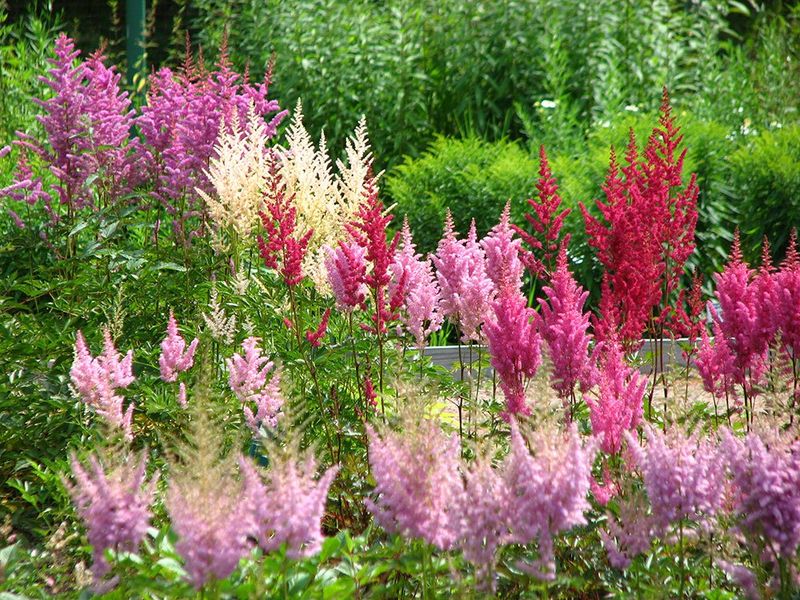
Astilbe brings a touch of elegance to shaded gardens with its feathery plumes of flowers that sway gracefully in the breeze. Available in a spectrum of colors from pink to white, these blooms create a soft, romantic feel. Astilbe thrives in moist, rich soil, making it suitable for areas where other plants might struggle. It’s not just the flowers that make Astilbe special; the fern-like foliage adds texture and interest all season long. As a bonus, this plant is deer-resistant, providing peace of mind for gardeners in rural areas. Perfect for borders and shaded walkways!
5. Bleeding Heart
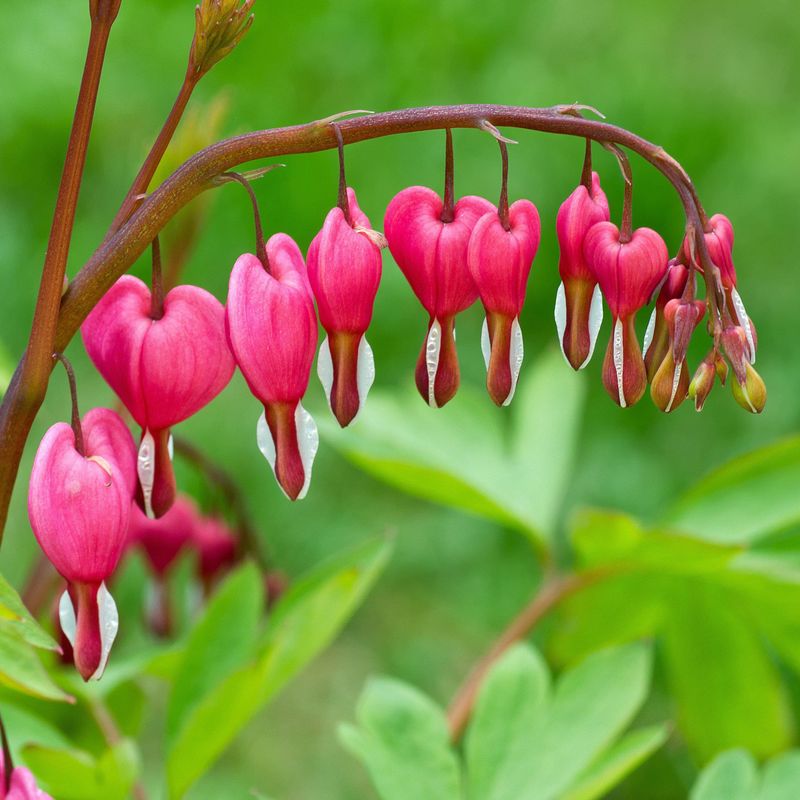
The Bleeding Heart plant enchants with its delicate, heart-shaped flowers that dangle like jewels from arching stems. These pink or white blooms appear in spring, creating a fairy-tale effect in shaded gardens. The plant’s soft, fern-like foliage provides an elegant backdrop for its stunning flowers. Bleeding Heart prefers cool, moist environments, making it an ideal choice for woodland gardens. Despite its dainty appearance, it’s surprisingly hardy and can tolerate a variety of soil conditions. Its romantic charm and unique flower shape have made it a garden favorite for centuries. It’s truly a timeless beauty!
6. Heuchera (Coral Bells)
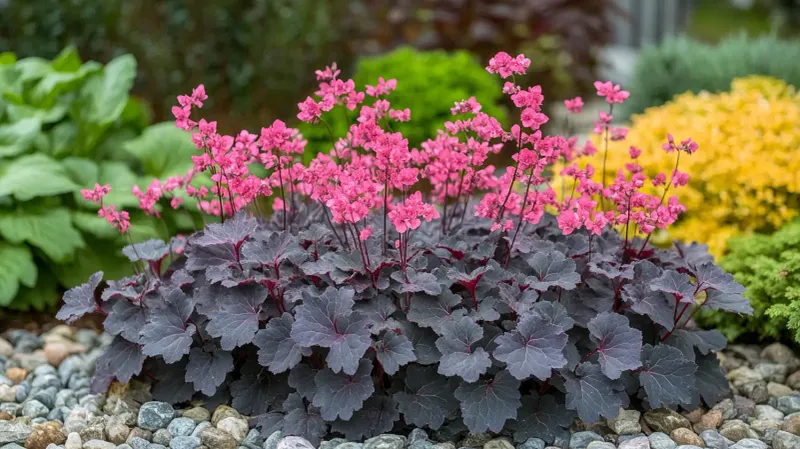
Heuchera, commonly known as Coral Bells, dazzles with its vibrant foliage that ranges from deep purples to bright greens. These hardy perennials are perfect for adding color and texture to shaded areas. The leaves, often ruffled or smooth, provide year-round interest, while the delicate, bell-shaped flowers attract pollinators in the spring. Native to North America, Heuchera has a long history of use in traditional remedies. Its adaptability to different soil types and conditions makes it a versatile choice for gardeners. Whether planted in containers or along borders, it’s sure to draw admiration.
7. Lungwort
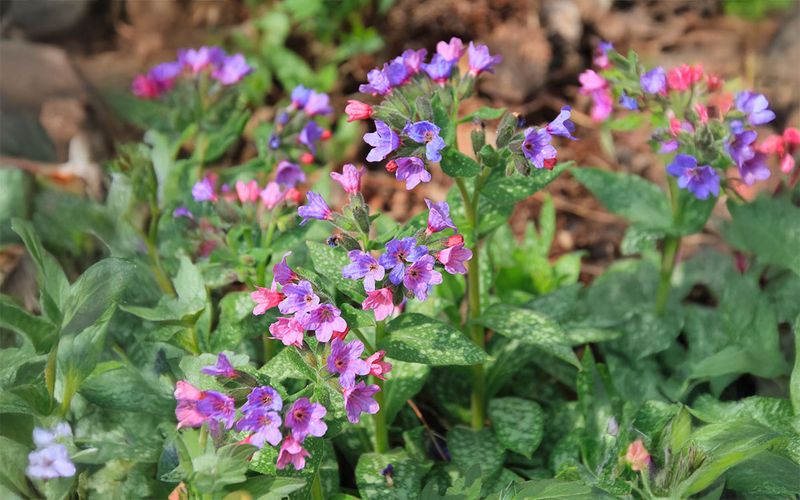
Lungwort is a whimsical plant with spotted leaves and charming blue or pink flowers that bloom in early spring. Its distinctive foliage, speckled with white or silver, adds a splash of color and interest to shaded areas. This plant’s name comes from its historical use in herbal medicine to treat respiratory ailments. Lungwort thrives in cool, moist environments, making it an excellent choice for woodland gardens. Its ability to attract pollinators like bees and hummingbirds adds to its appeal. With its unique appearance and easy-care nature, Lungwort makes a delightful addition to any garden.
8. Toad Lily
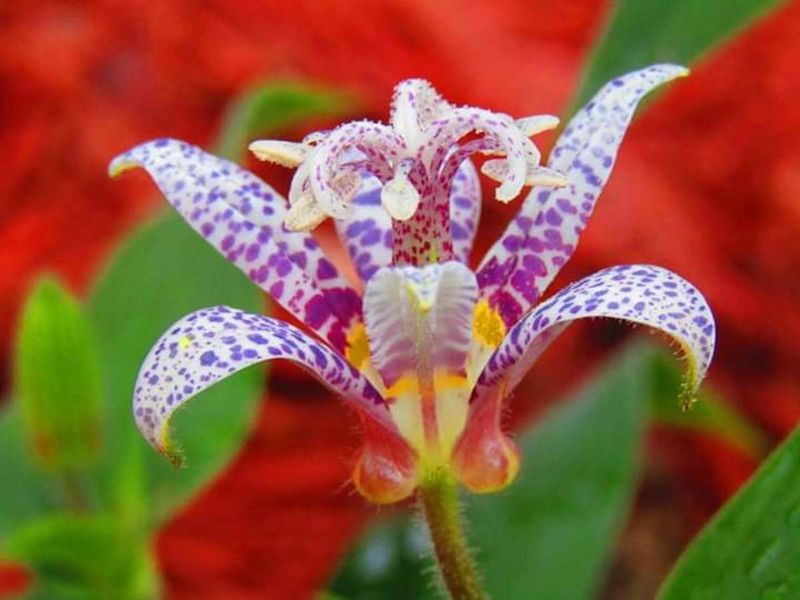
The Toad Lily surprises with its exotic, orchid-like flowers that appear in the fall. These small, star-shaped blooms, often spotted or speckled, add a touch of whimsy to shaded gardens. Native to Asia, Toad Lilies prefer cool, shady spots and are perfect for adding late-season interest. Their unique flowers make them a conversation starter, while their hardy nature ensures they return year after year. Ideal for borders or woodland gardens, Toad Lilies are a testament to the beauty that can be found in unexpected places. Their distinctive charm and resilience make them a garden favorite.
9. Japanese Forest Grass (Hakonechloa)
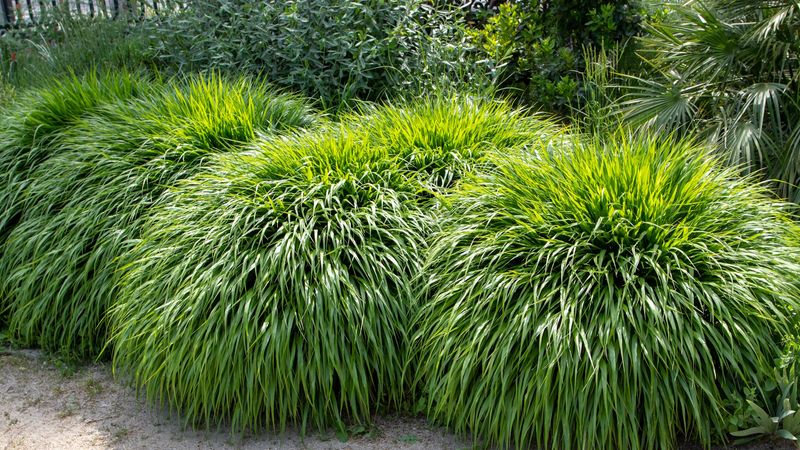
Japanese Forest Grass, or Hakonechloa, creates a tranquil scene with its graceful, arching stems and cascading leaves. Often found in shades of gold or lime green, this ornamental grass adds movement and texture to shaded gardens. Native to the moist woodlands of Japan, it thrives in well-drained soil and partial shade. Its ability to complement other plants makes it a versatile choice for garden design. Whether used as ground cover or in containers, Japanese Forest Grass offers a calming presence. Its elegant form and gentle sway in the breeze make it a standout feature in any landscape.
10. Brunnera (Siberian Bugloss)
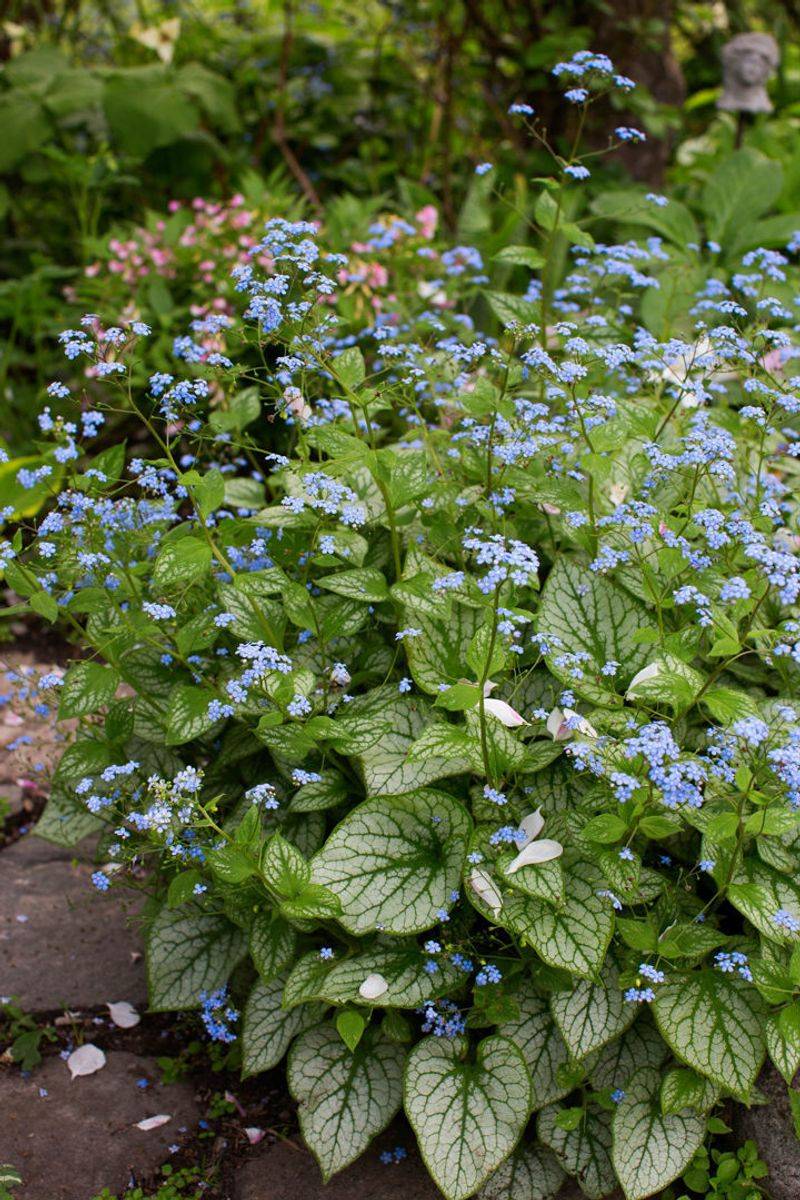
Brunnera, or Siberian Bugloss, captivates with its heart-shaped leaves and delicate clusters of tiny blue flowers. Often likened to forget-me-nots, these blooms add a touch of nostalgia to spring gardens. The variegated foliage, speckled with silver, provides visual interest even after the flowers fade. Native to the woodlands of Eastern Europe, Brunnera thrives in cool, shaded environments. Its low-maintenance nature and resistance to pests make it a favorite among gardeners. Whether used as ground cover or in mixed borders, Brunnera brings a sense of elegance and tranquility to shaded spaces.
11. Hellebore
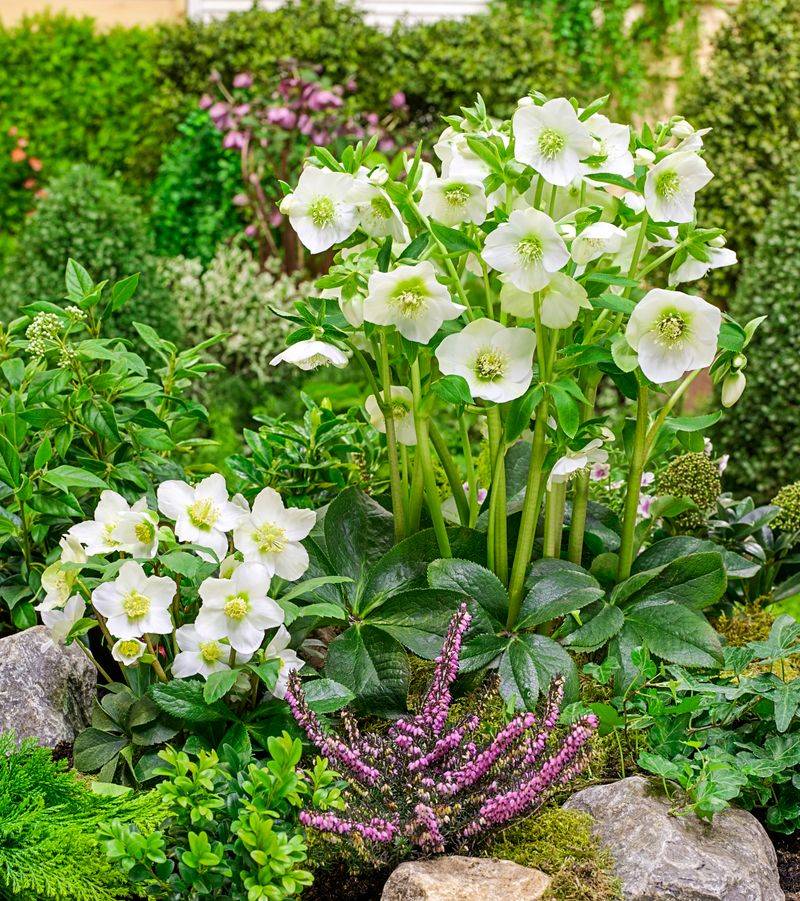
Hellebores are the harbingers of spring, blooming when few other plants dare to show their faces. These resilient plants produce nodding flowers in shades of pink, white, and green, bringing color to winter-weary gardens. Known for their tough nature, Hellebores thrive in shaded areas with well-drained soil. Their evergreen foliage adds year-round interest, making them a valuable addition to any garden. Originating from Europe and Asia, these plants have a rich history of use in traditional medicine. With their elegant blooms and hardy disposition, Hellebores are a favorite among gardeners looking for early-season beauty.
12. Foamflower (Tiarella)
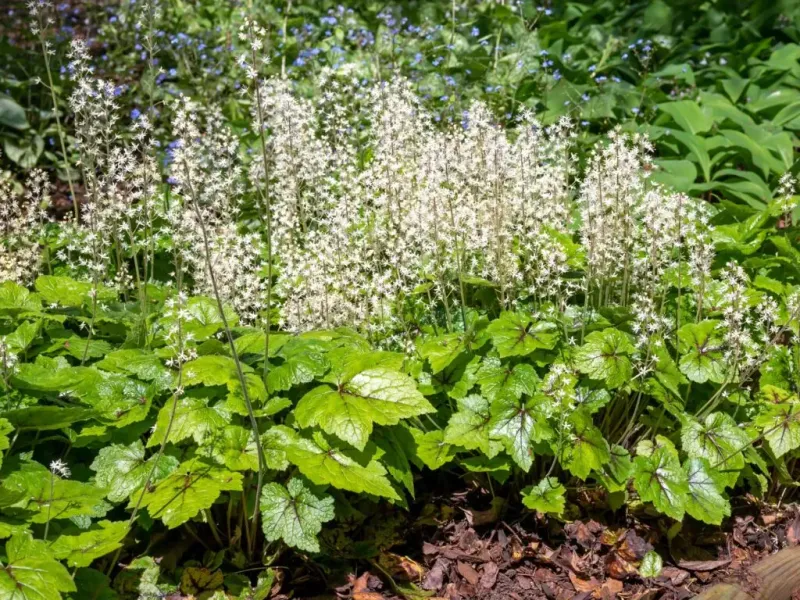
Foamflower, known scientifically as Tiarella, enchants with its frothy plumes of white flowers and intricately lobed leaves. This native North American plant thrives in shaded, woodland environments, offering a delicate touch of beauty to garden beds. Its flowers rise above the foliage on slender stems, creating an airy, ethereal effect. Foamflower is not only visually appealing but also low-maintenance, making it a popular choice for gardeners seeking elegance without effort. Its ability to attract butterflies adds an extra layer of charm, ensuring that your shaded garden is both beautiful and bustling with life.
13. Liriope (Lilyturf)
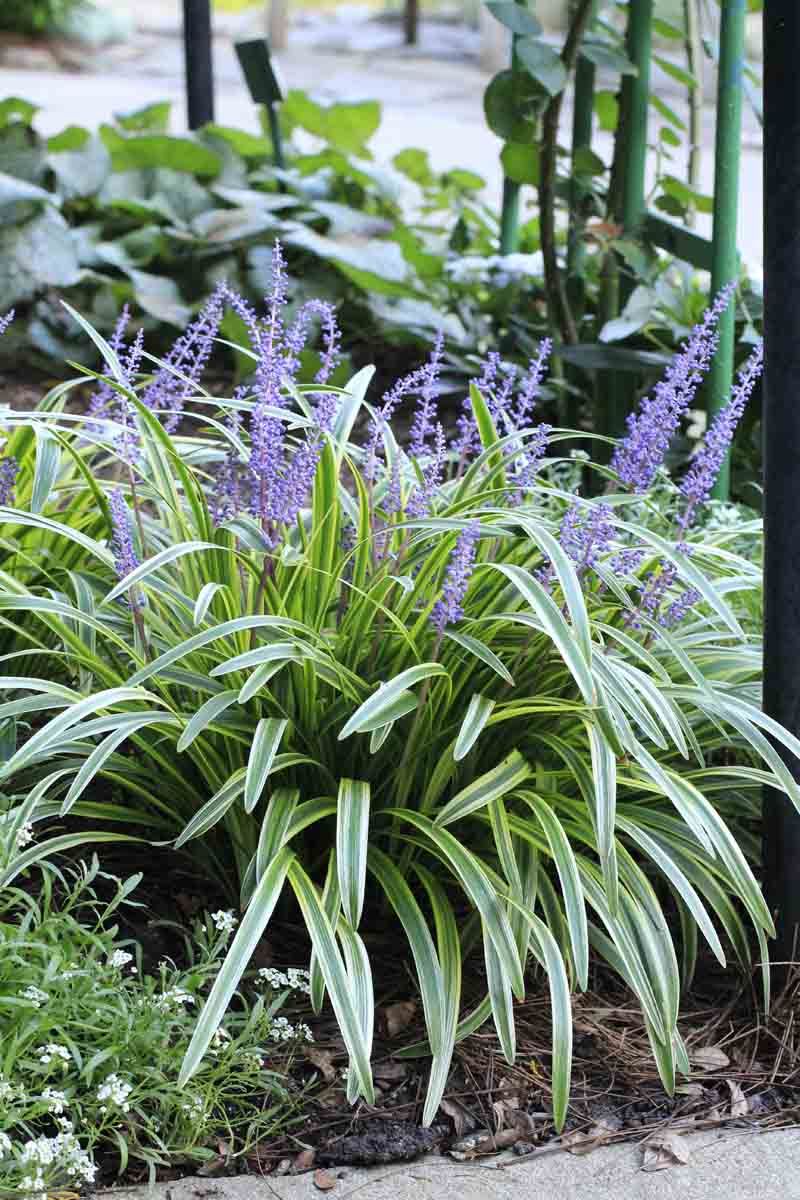
Liriope, or Lilyturf, is a versatile ground cover with grass-like leaves and vibrant purple flower spikes that add color to shaded areas. Often used along pathways or borders, this hardy plant thrives in a variety of conditions, from full shade to partial sun. Its dense foliage provides excellent erosion control, while the flowers attract pollinators like bees and butterflies. Liriope’s adaptability and low-maintenance nature make it a favorite for both novice and experienced gardeners. Whether used as a border plant or ground cover, Liriope offers a practical and attractive solution for any garden.
14. Solomon’s Seal
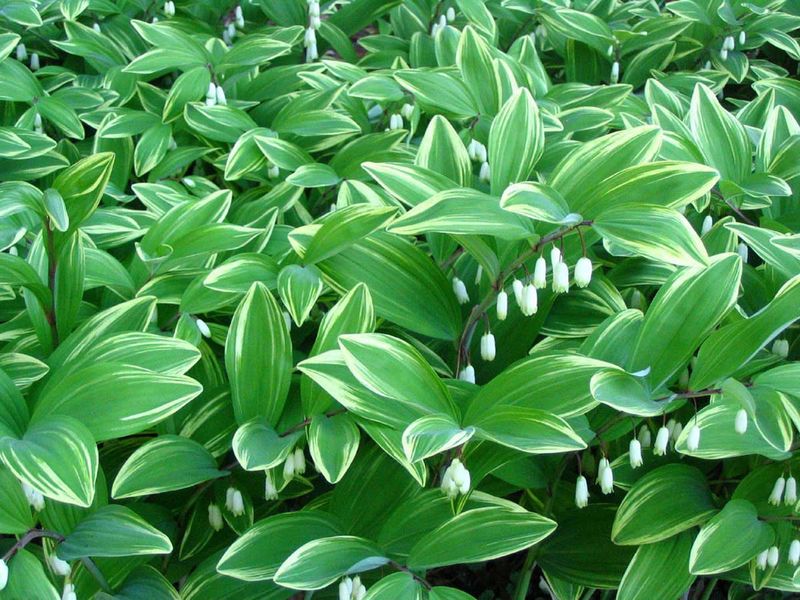
Solomon’s Seal captivates with its graceful arching stems and dangling white, bell-shaped flowers. This perennial plant thrives in shaded, woodland environments, offering elegance with minimal care. Its leaves, often variegated, add texture and interest throughout the growing season. The plant’s name is derived from the circular scars on its rhizomes, reminiscent of ancient seals. Solomon’s Seal is not only beautiful but also practical, with a history of use in traditional medicine for joint and muscle pain. Whether planted in borders or naturalized areas, it brings a touch of sophistication to shaded gardens.
15. Trillium
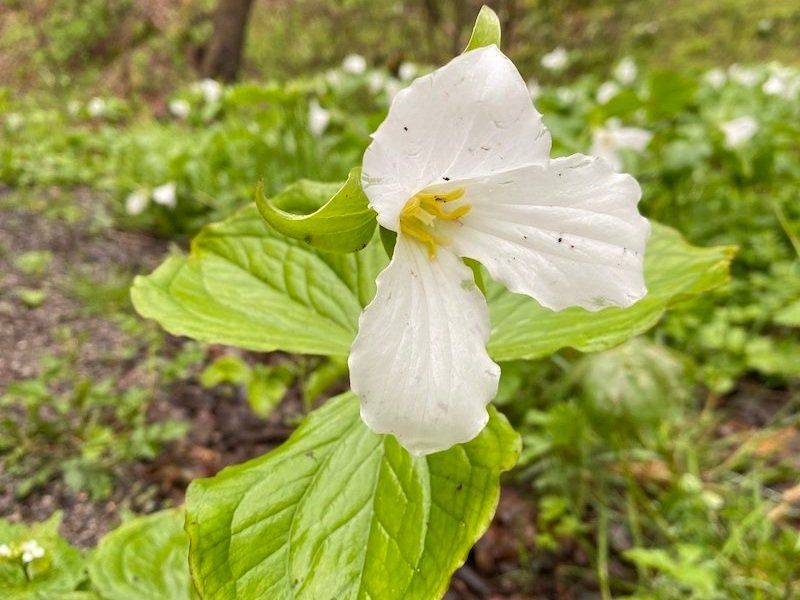
Trillium, a true woodland gem, enchants with its three-petaled flowers and whorled leaves. Found in the dappled shade of forest floors, these plants herald the arrival of spring. Native to North America, Trilliums are often white but can also be pink, red, or purple. Their unique shape and fleeting blooms make them a prized addition to any shaded garden. Despite their delicate appearance, Trilliums are surprisingly hardy, adapting well to a variety of soil conditions. These ephemeral beauties have long been associated with folklore and tradition, adding a touch of mystique to the garden.
16. Epimedium (Barrenwort)
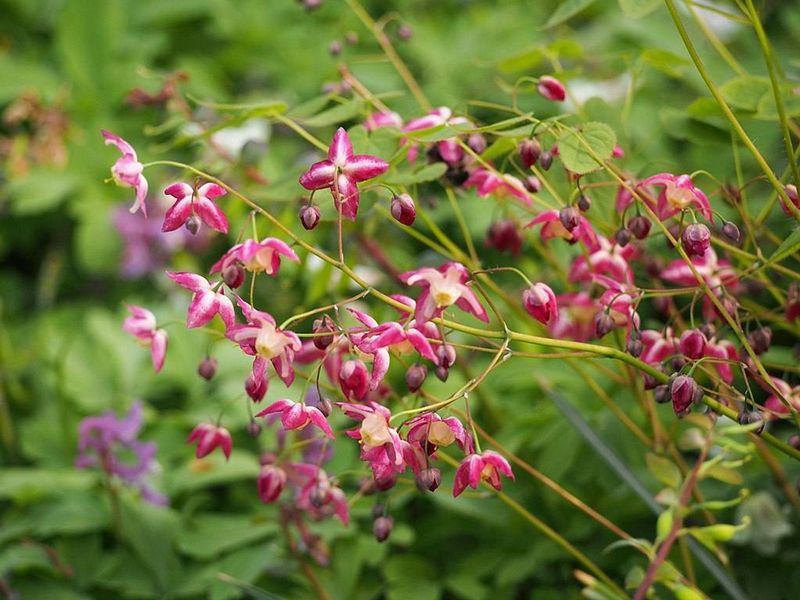
Epimedium, or Barrenwort, captivates with its small, heart-shaped leaves and delicate flowers that dance in the breeze. Often found in shades of yellow, pink, or white, these blooms bring a touch of whimsy to shaded gardens. Native to Asia, Epimedium thrives in well-drained, rocky soils and is perfect for adding color to woodland settings. Its ability to withstand dry shade makes it a valuable addition to any garden, providing interest where other plants might struggle. With its charming appearance and robust nature, Epimedium is a delightful choice for both novice and experienced gardeners.
17. Japanese Painted Fern
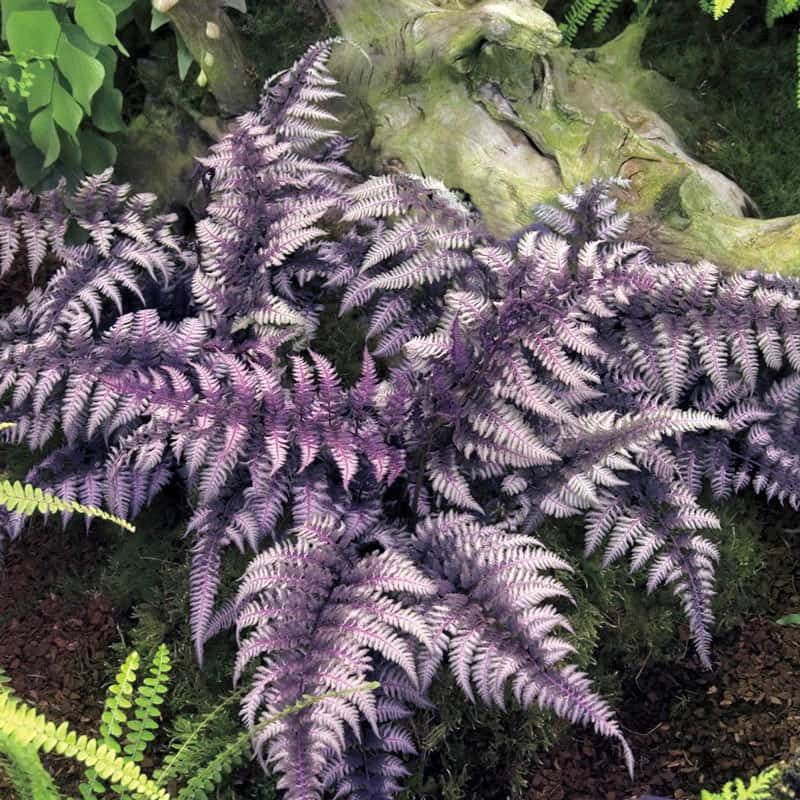
The Japanese Painted Fern is a work of art in the plant world, with its silver and purple fronds creating a stunning display in shaded areas. This deciduous fern adds a touch of elegance to woodland gardens, offering a unique color palette that stands out among green foliage. Native to eastern Asia, it thrives in moist, well-drained soils and partial shade. The delicate, lacy fronds provide texture and depth, making them a favorite for garden borders and shaded containers. Its striking appearance and easy-care nature make the Japanese Painted Fern a must-have for any garden enthusiast.
18. Jack-in-the-Pulpit
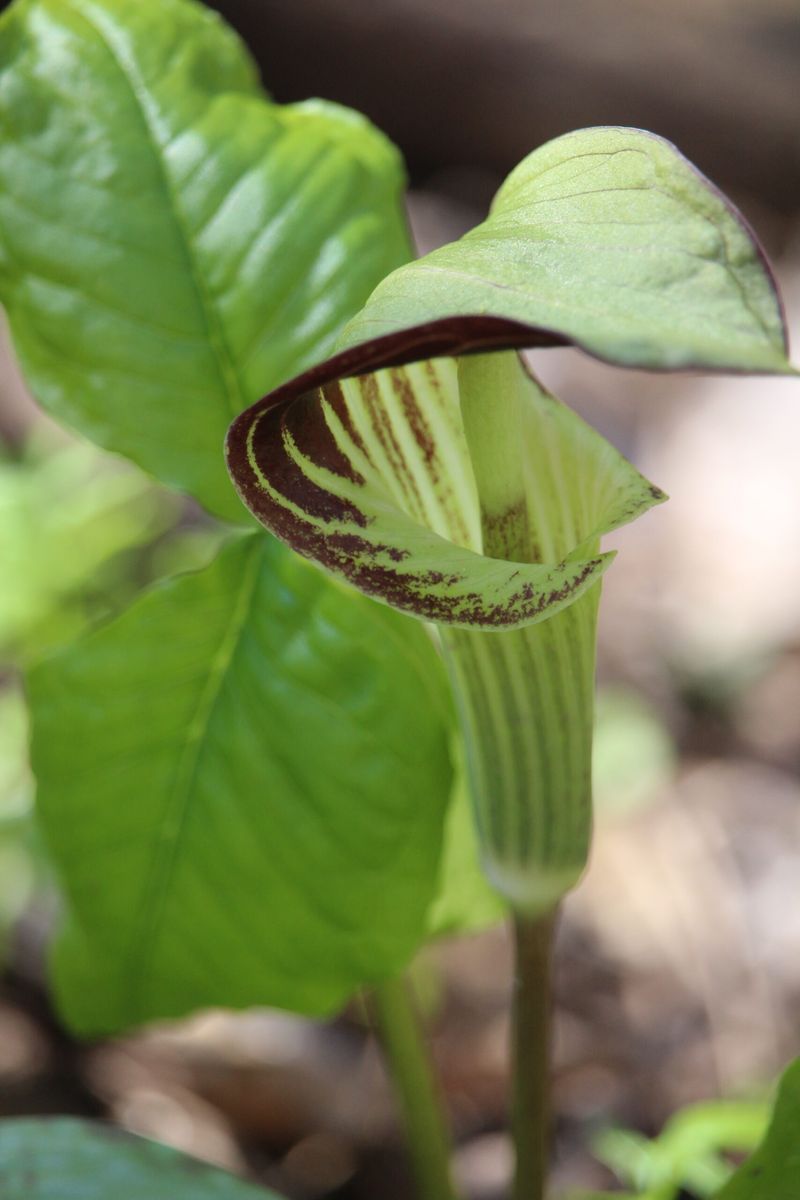
Jack-in-the-Pulpit is a curious plant with its striped, hooded flowers that resemble a preacher in a pulpit. These unique blooms stand out in shaded woodland gardens, offering a whimsical touch. Native to North America, this plant thrives in moist, shaded environments and is often found in rich, forest soils. The flowers give way to bright red berries in the fall, adding seasonal interest. Jack-in-the-Pulpit’s unusual appearance and ease of care make it a conversation piece in any garden. With its distinctive charm and historical significance, it’s a valued addition to any plant collection.
19. Bergenia
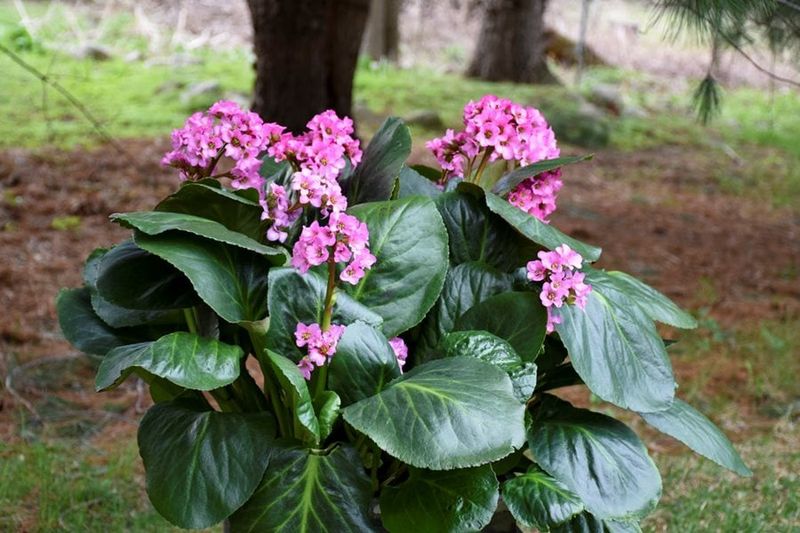
Bergenia, affectionately known as “Elephant’s Ears,” delights with its large, glossy leaves and clusters of pink flowers. This hardy perennial is perfect for shaded rock gardens, providing year-round interest with minimal effort. The leaves, which turn bronze in the fall, add a splash of color and texture. Native to central Asia, Bergenia thrives in a variety of conditions, from partial shade to full sun. Its ability to withstand tough environments makes it a favorite among gardeners. With its bold foliage and pretty flowers, Bergenia is a standout choice for any garden setting.