
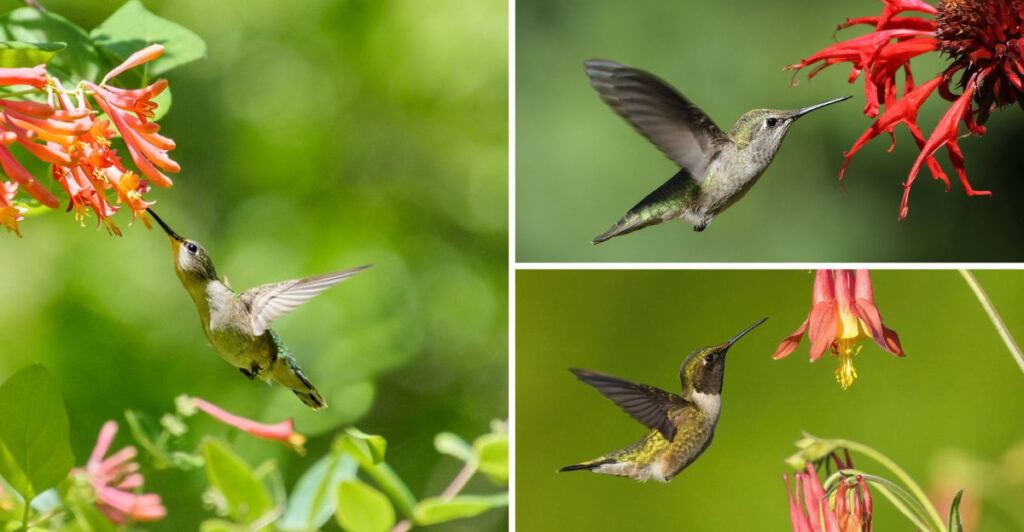
Join me on a delightful journey as I share my experience of transforming a drab garden into a vibrant oasis teeming with life. With a passion for perennial flowers, I embarked on a mission to attract hummingbirds, turning my garden from barren to bustling with 50 daily visitors. Through trial and error, I discovered the perfect combination of flowers that these tiny marvels couldn’t resist.
1. Bee Balm
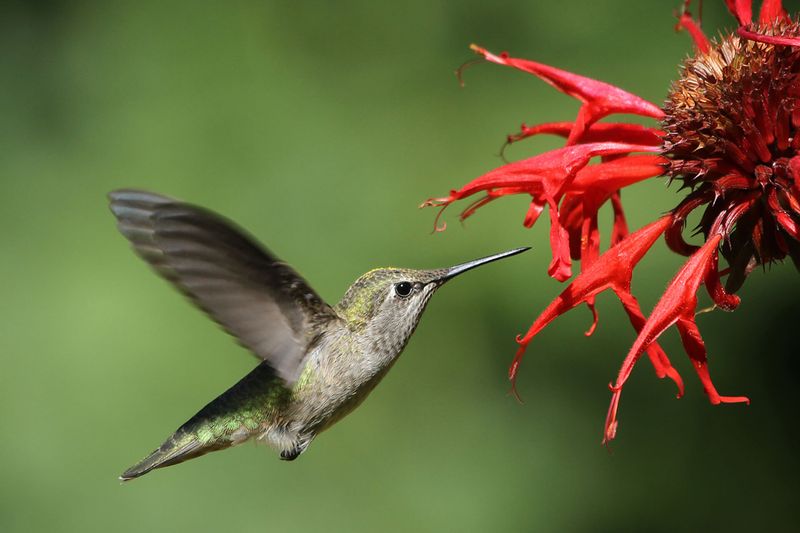
A garden favorite, bee balm’s bright colors and tubular petals make it irresistible to hummingbirds. These flowers bloom in a range of stunning shades including red, pink, and lavender. Not just visually appealing, bee balm also fills the air with a minty aroma.
Having these in my garden, I noticed a significant increase in hummingbird visits. An added perk is that it attracts beneficial insects too.
Bee balm is not only beautiful but also easy to grow, requiring minimal attention while offering maximum reward. Did you know? It’s also known as Monarda!
2. Columbine
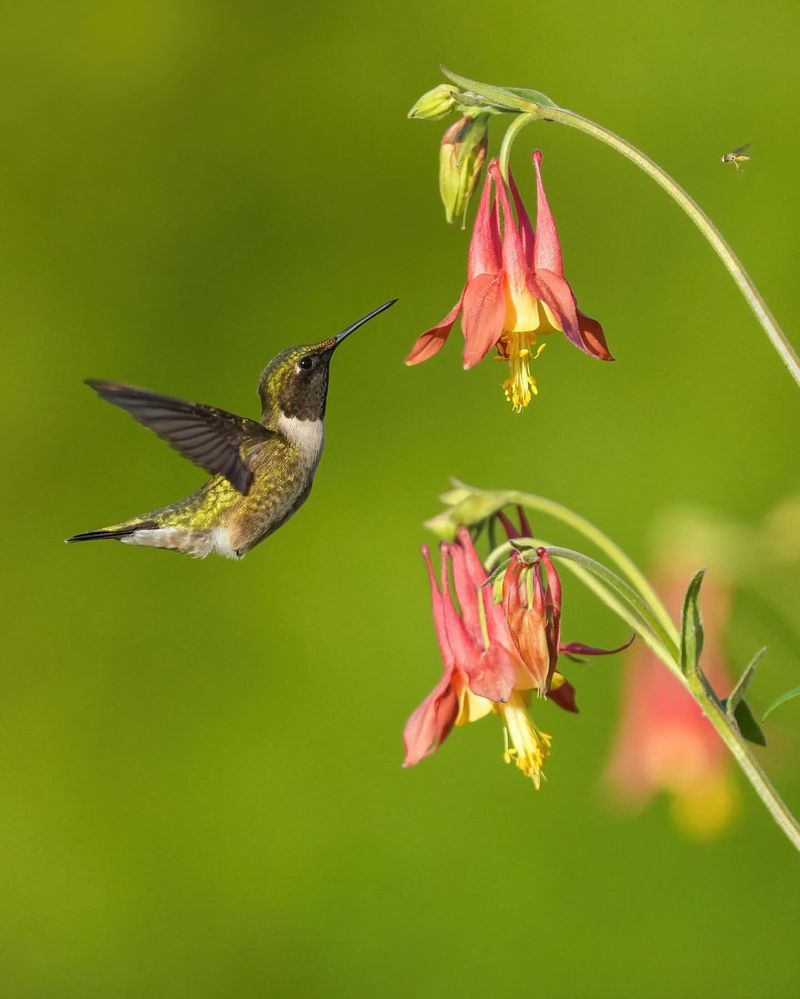
With its unique spurred petals, columbine adds an exotic flair to any garden. These perennial blooms come in a dazzling array of colors such as blue, red, and yellow. Their nectar-rich blossoms are particularly appealing to hummingbirds, who can be seen darting between the flowers.
Columbine is a resilient plant, thriving in different soil types and conditions. This adaptability makes it a reliable choice for garden enthusiasts.
Fun fact: Many Native American tribes used columbine for medicinal purposes, valuing its healing properties.
3. Salvia
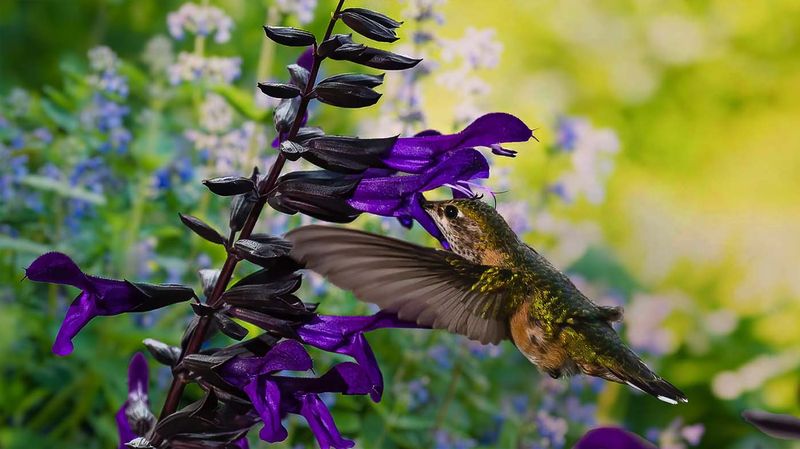
Salvia’s rich purple blooms are a magnet for hummingbirds. These tall, elegant spikes stand proudly in gardens, offering a feast for the eyes and a treat for these tiny birds. With a long blooming season, salvia ensures a consistent supply of nectar.
Hummingbirds aren’t the only fans of salvia; bees and butterflies also frequent these flowers. The plant’s drought-resistant nature makes it an excellent choice for low-maintenance gardening.
Did you know? Salvia is part of the mint family, adding a subtle fragrance to its charm.
4. Lupine
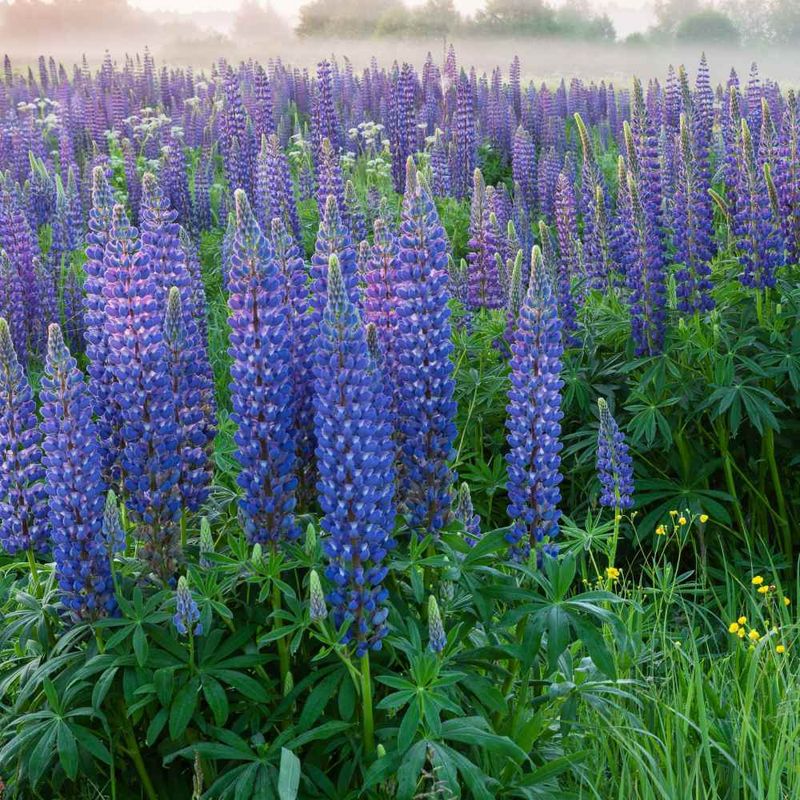
Lupines offer a striking visual display with their tall spires of densely packed flowers. Often found in blue and purple hues, they create a stunning backdrop for any garden. Hummingbirds are drawn to these towers of blooms, enjoying the abundant nectar.
Lupines are nitrogen-fixing plants, meaning they improve soil quality as they grow. This dual benefit makes them a favorite among eco-conscious gardeners.
Interestingly, lupines have a storied history, with seeds discovered in Egyptian tombs, highlighting their ancient allure.
5. Foxglove
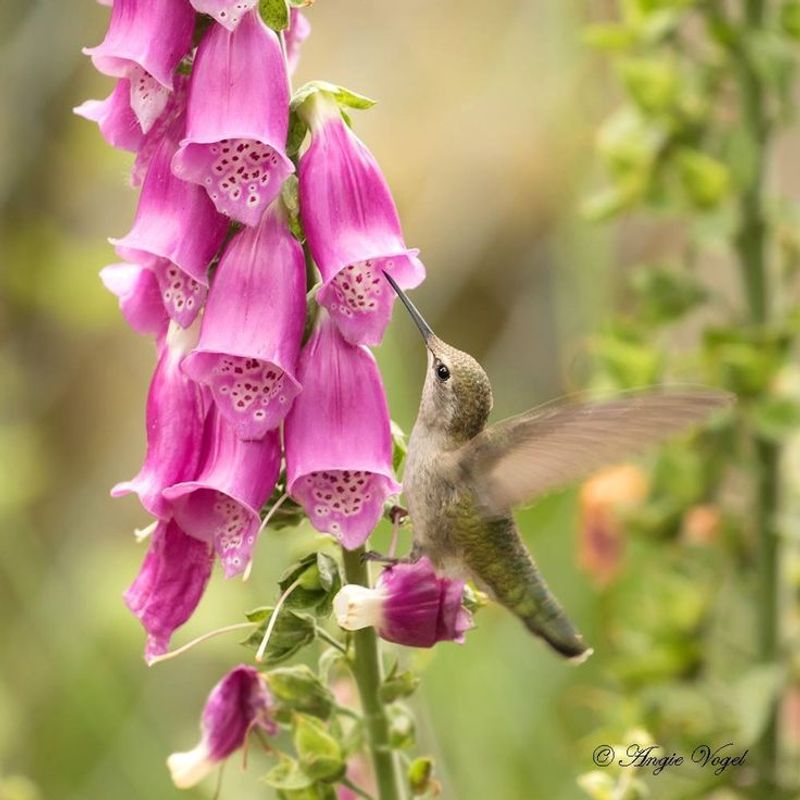
Foxglove’s bell-shaped flowers hang delicately on tall stems, providing an elegant splash of color. These biennials are loved by hummingbirds, who appreciate the easy access to nectar.
While foxglove is beautiful, it’s also important to handle it with care, as it’s toxic if ingested. Despite this, its popularity remains high among gardeners looking to attract wildlife.
Did you know? Foxglove has been used medicinally for heart treatments, although such applications should be left to professionals.
6. Penstemon
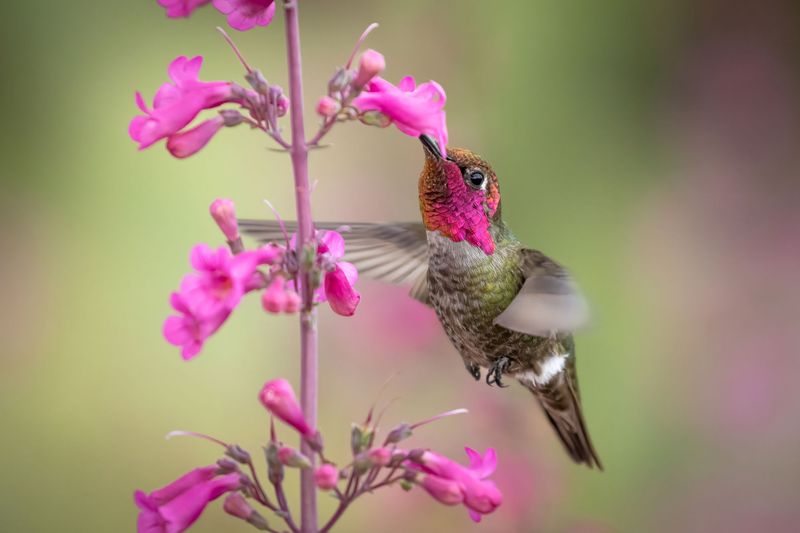
Penstemon’s tubular flowers offer an irresistible buffet for hummingbirds. Available in shades like pink and purple, these blooms add vibrancy and life to any garden setting.
One of the delights of growing penstemon is its ability to thrive in poor soil, making it a versatile choice for many gardeners. Additionally, its long blooming time ensures plenty of nectar for visiting birds.
Interestingly, penstemon is often referred to as “beardtongue,” a nod to the hairy stamen that protrudes from the flower.
7. Coral Bells
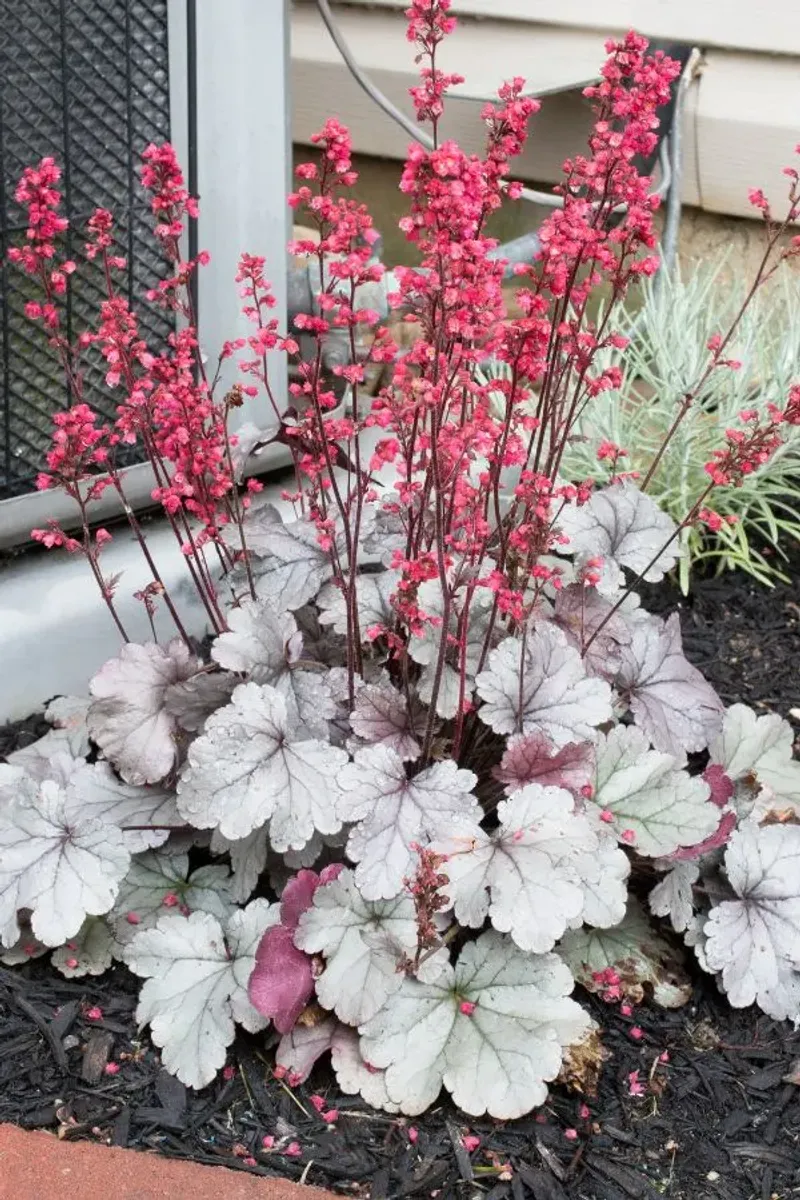
Coral bells are known for their lovely foliage and delicate flower spikes. These blooms might be small, but they pack a punch when it comes to attracting hummingbirds.
Gardeners adore coral bells not just for their flowers but for the colorful leaves that range from deep burgundy to bright green. This plant provides visual interest throughout the year.
Fun fact: Coral bells are often called Heuchera, and they’re native to North America, thriving in woodland environments.
8. Honeysuckle
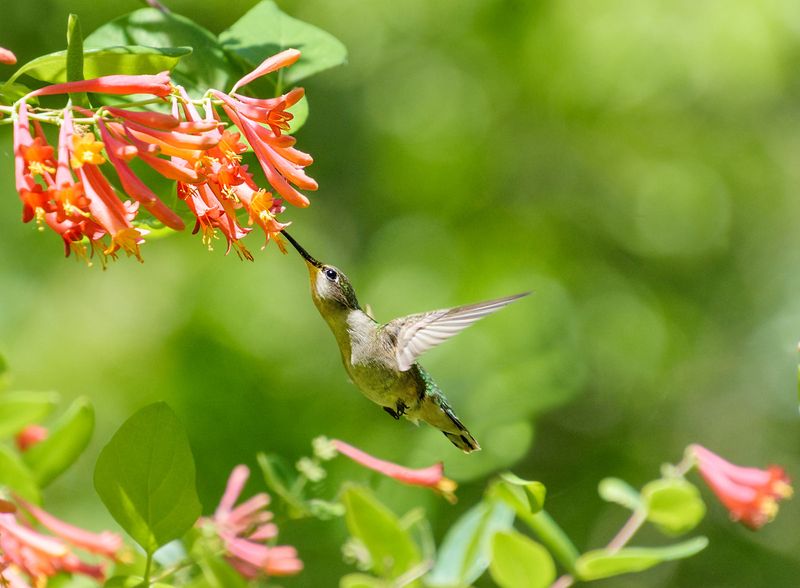
Honeysuckle’s sweet-scented, trumpet-shaped flowers are a favorite among hummingbirds. This climbing vine adds height and fragrance to garden spaces, creating a lush environment.
Honeysuckle is easy to grow and requires minimal care, making it perfect for novice gardeners. It’s also a great choice for attracting not just hummingbirds but butterflies too.
Did you know? There are over 180 species of honeysuckle, with some varieties known to be invasive outside their native range.
9. Trumpet Creeper
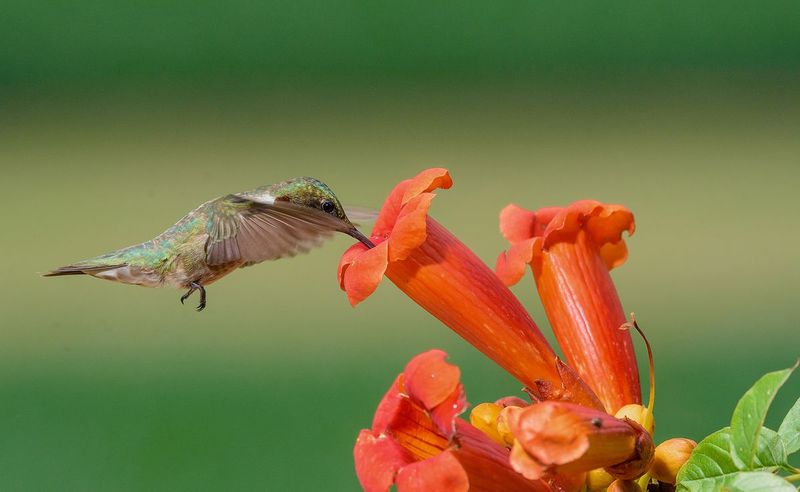
The trumpet creeper is a bold choice for gardeners looking to attract hummingbirds. Its large, trumpet-shaped flowers are as striking as they are inviting.
These vines can grow extensively, covering trellises and fences with ease. Their vigorous nature requires regular management, but the reward is a garden teeming with bird activity.
Interestingly, the trumpet creeper is sometimes called “cow-itch” due to the irritation it can cause upon contact with skin.
10. Cardinal Flower
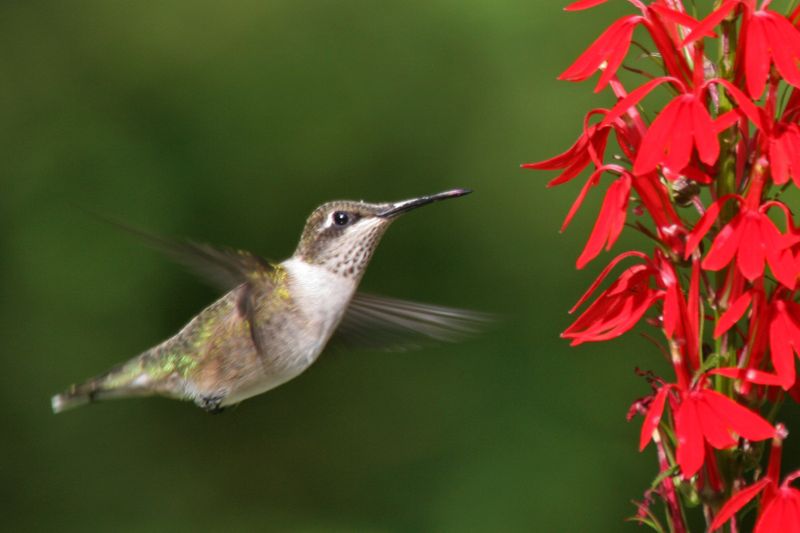
Cardinal flowers boast some of the purest red blooms, making them highly attractive to hummingbirds. These spikes of color are a stunning addition to any garden, providing vertical interest and charm.
They thrive in moist soil conditions, often found along stream banks and in wetlands, where they naturally draw the attention of passing birds.
Fun fact: The cardinal flower’s scientific name is Lobelia cardinalis, a nod to its intense red color reminiscent of a cardinal’s robes.
11. Red Hot Poker
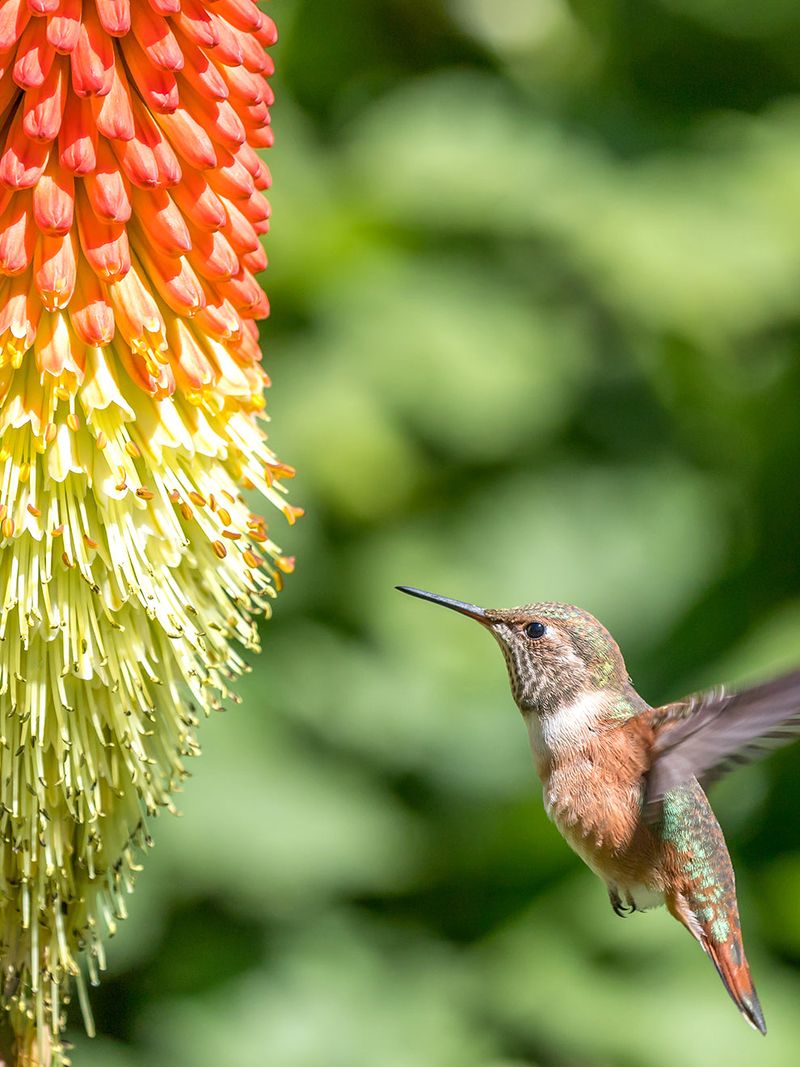
Red Hot Poker, or Kniphofia, stands tall with its stunning spikes of fiery red and orange. These striking flowers not only add visual drama but are beloved by hummingbirds. During summer, their nectar-rich blooms become a magnet for these tiny birds.
Their ability to endure diverse climates makes them an excellent addition to any garden. Red Hot Poker’s torch-like appearance can create a mesmerizing spectacle. Did you know? Originally from Africa, these flowers are sometimes called “torch lilies.” They thrive in well-drained soil, offering both resilience and beauty.
12. Agastache
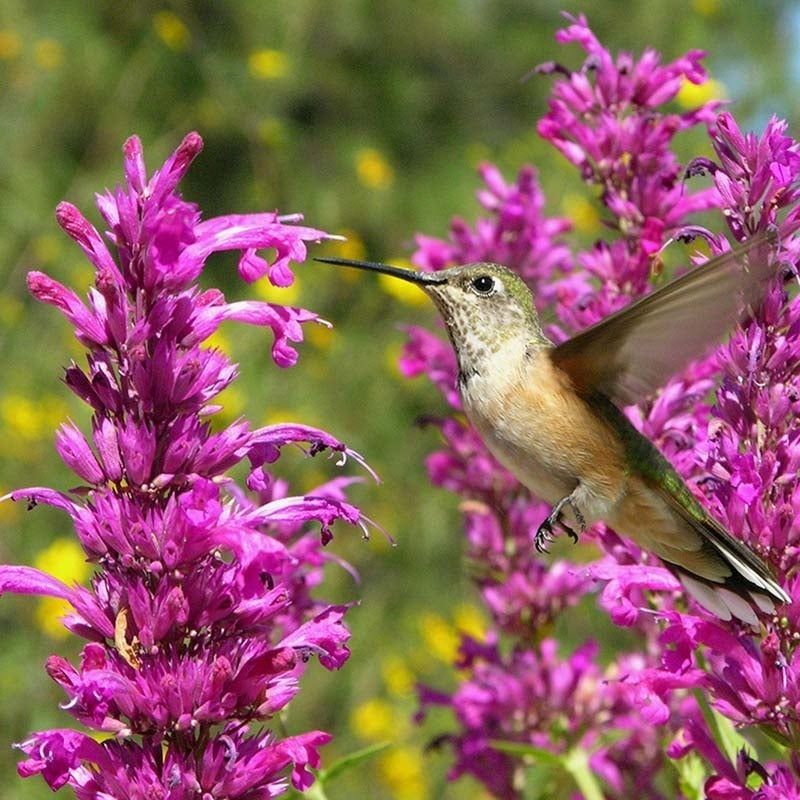
Agastache, known for its aromatic foliage, produces vibrant spikes of purple or pink flowers. These blooms are a favorite feast for hummingbirds. Their long-blooming nature ensures a continuous nectar supply from summer through fall.
Agastache thrives in sunny locations, bringing both fragrance and color to your garden. Its licorice-scented leaves make it unique among perennials.
A quirky fact: Agastache is often dubbed “hummingbird mint” due to its irresistible appeal to these birds. It’s a delightful addition that combines beauty with an aromatic touch.
13. Crocosmia
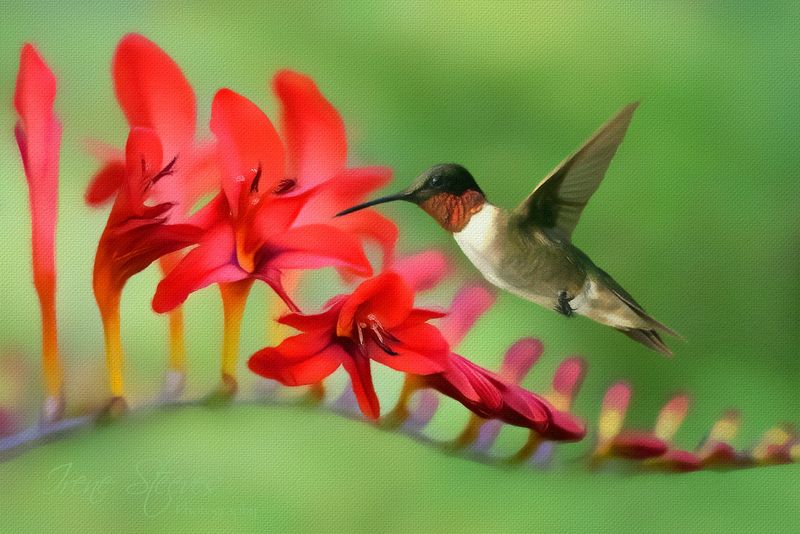
Crocosmia is a show-stopper with its vibrant orange and red blooms. These arching flowers entice hummingbirds with their tubular shapes filled with nectar. They bloom from mid-summer through fall, providing a feast for eyes and beaks.
Easy to grow, Crocosmia adapts well to various climates. Its sword-like leaves add a unique texture. Did you know? Crocosmia’s name derives from Greek, meaning “saffron smell.” This refers to the aroma released when dried flowers are placed in water, adding another dimension to its allure.
14. Cardinal Climber
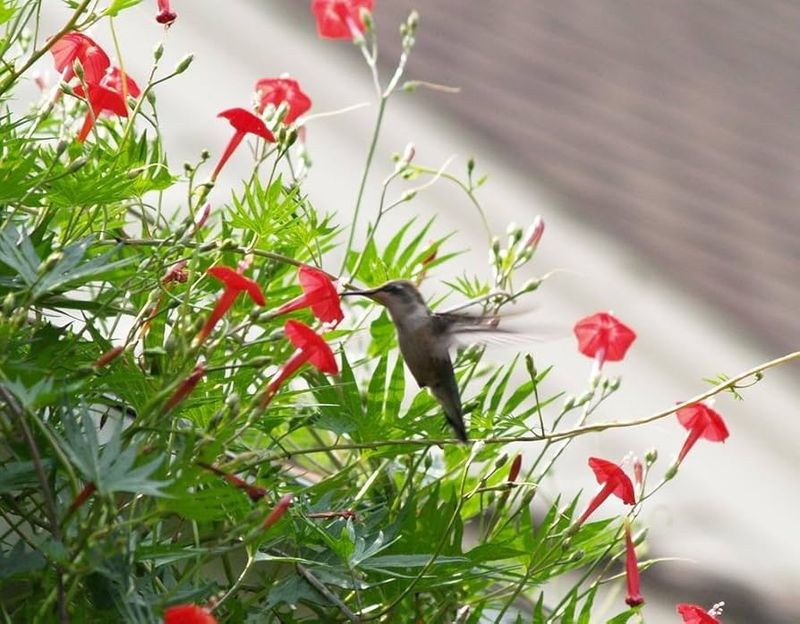
Cardinal Climber combines beauty and functionality, with its bright red, tubular flowers that hummingbirds adore. This vigorous vine creates a stunning vertical display.
Its rapid growth makes it ideal for trellises and fences. The delicate fern-like foliage adds elegance, while its blooms provide continuous nectar.
Fun fact: Cardinal Climber is a hybrid plant that brings together the best of its parent species, including attractiveness to hummingbirds. It’s perfect for gardeners looking to add vertical interest and avian appeal.
15. Lantana
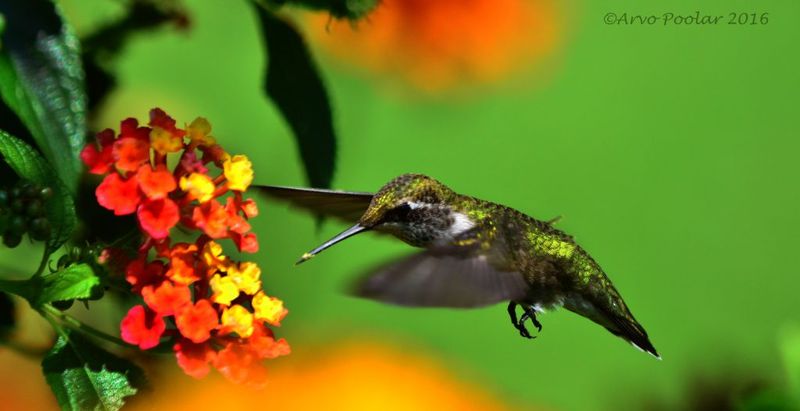
Lantana offers a vibrant palette with clusters of red, orange, and yellow flowers. These cheerful blooms are a favorite among hummingbirds. Lantana’s robust nature makes it a long-lasting addition.
It thrives in sunny spots, flowering from spring to fall. Besides its beauty, Lantana is known for its resilience, tolerating heat and drought.
A historical tidbit: Lantana was first introduced to Europe in the 17th century and has been popular in gardens ever since. Its vivid colors and hardy disposition make it a garden staple.
16. Cuphea
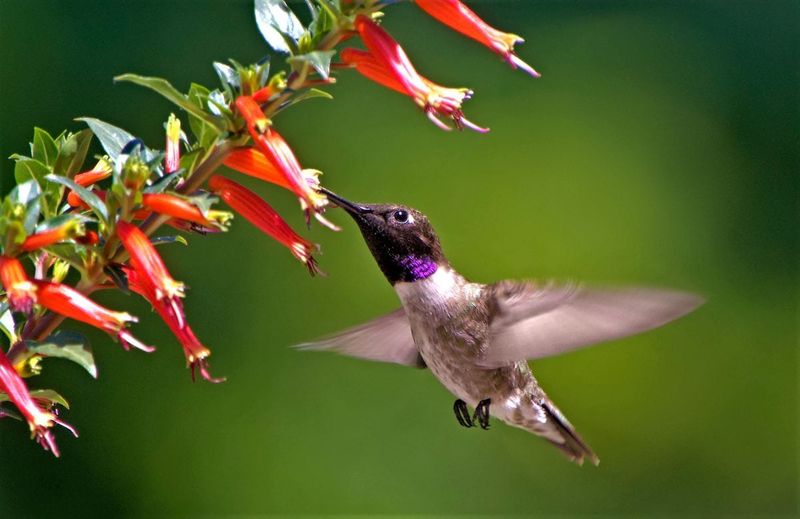
Cuphea, with its distinctive tubular flowers, is a delight for hummingbirds. Often called “cigar plants,” these blooms come in shades of red and are packed with nectar.
Cuphea’s long flowering period means lasting appeal. Compact yet vibrant, it fits well in various garden settings.
Did you know? The name Cuphea is derived from the Greek word “kyphos,” meaning curved, a nod to its flower shape. This plant offers an intriguing mix of form and function, promising to captivate both birds and human admirers.
17. Zauschneria
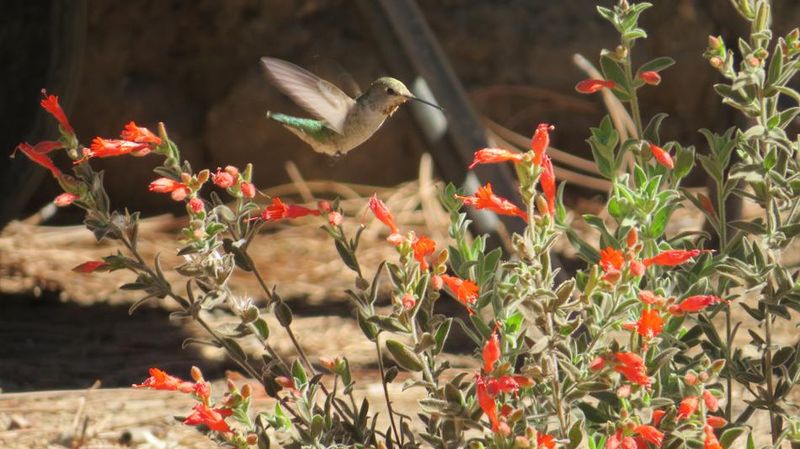
Zauschneria, commonly known as California fuchsia, brings a burst of orange to any garden. Its tubular flowers are a favorite among hummingbirds, especially in late summer.
Thriving in tough conditions, Zauschneria is drought-tolerant and sun-loving. Its gray-green foliage provides a striking contrast to its fiery blooms.
Interesting tidbit: Zauschneria is native to California, making it a perfect choice for native plant enthusiasts. Its vibrant color and hardy nature ensure it stands out, creating a lively spot for hummingbird visits.
18. Fuchsia
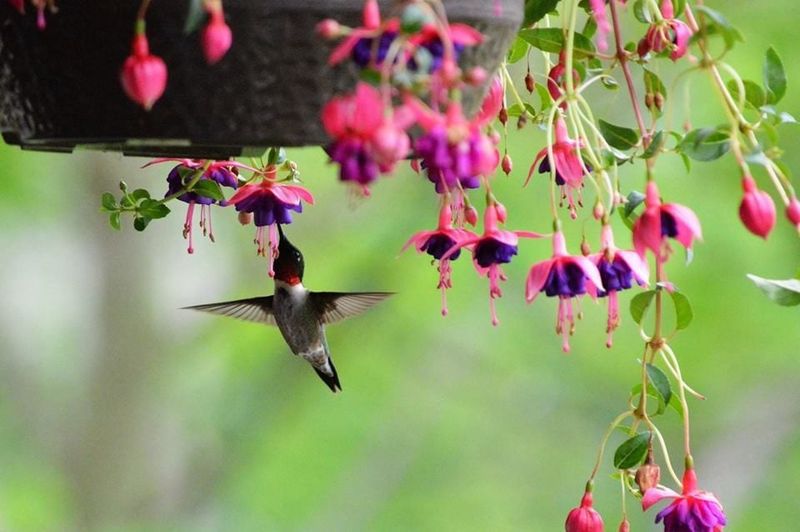
Fuchsia, with its pendant-like pink and purple blooms, is a classic choice for attracting hummingbirds. Its elegant flowers offer both nectar and visual appeal.
Growing best in shaded areas, Fuchsia provides color where other sun-loving flowers cannot. It thrives in containers, adding flexibility to garden design.
A little-known fact: Fuchsia was named after German botanist Leonhart Fuchs. Its delicate blooms and ability to flourish in cooler temperatures make it a charming and practical addition.
19. Fireweed
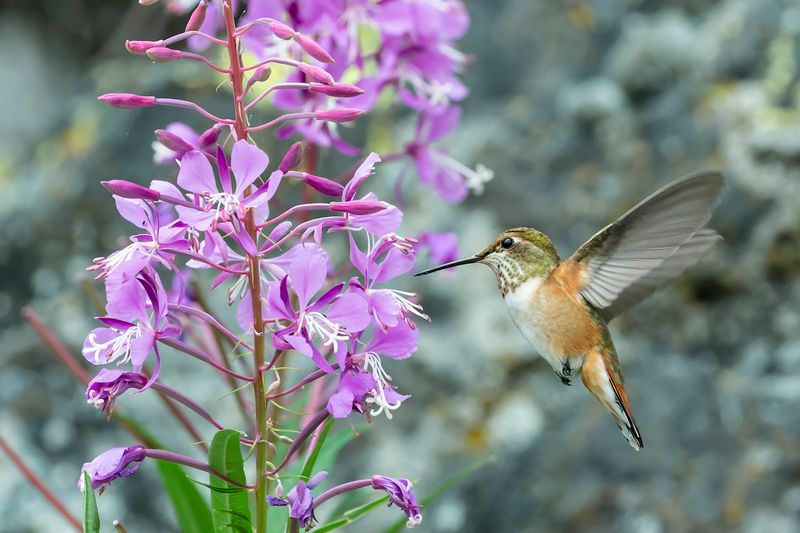
Fireweed, known for its tall spires of pink-purple flowers, is a sight to behold. These blooms are not only beautiful but also a rich nectar source for hummingbirds.
It thrives in disturbed areas, making it an excellent choice for naturalistic gardens. Fireweed’s rapid growth and spreading nature help it quickly colonize spaces.
An interesting fact: Fireweed is often one of the first plants to grow after forest fires, symbolizing resilience. Its striking appearance and ecological role make it a fascinating addition to any garden.