 Complete Gardening
In the world of gardening, choosing the right plants can significantly impact the beauty and sustainability of your landscape. While pink shrubs are popular for their vibrant color, some can be invasive or high-maintenance, making them less desirable choices for the eco-conscious gardener. In this blog post, we highlight seven pink shrubs to skip due to their invasive tendencies or other drawbacks, and offer thirteen stunning alternatives that promise beauty without the hassle. Whether you’re aiming for a low-maintenance garden or wish to support local ecosystems, these selections will guide you in making the best choices for your garden.
1. Pink Butterfly Bush (Buddleia davidii)
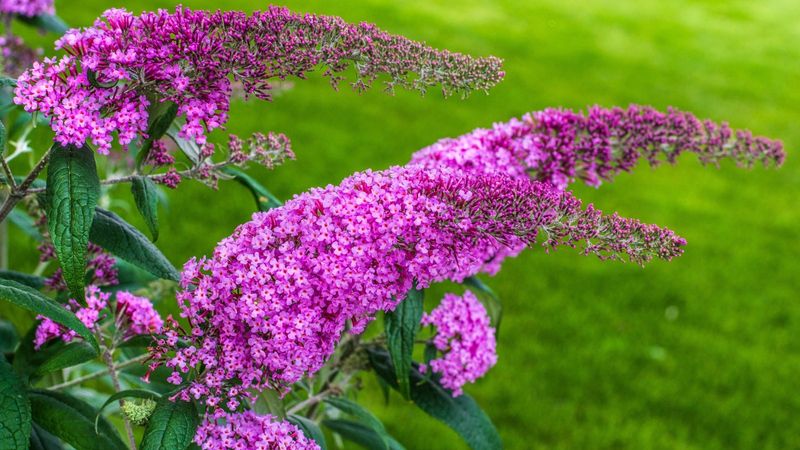
While the Pink Butterfly Bush is adored for attracting pollinators, it comes with a price. This shrub has been banned in some areas due to its invasive propensity, which allows it to crowd out native flora. Its ability to self-seed prolifically means it can quickly dominate a landscape, overshadowing other plants. Despite its visual appeal and allure to butterflies, this bush poses ecological risks that might outweigh its benefits. For those interested in preserving biodiversity, choosing a non-invasive alternative is a wise decision.
2. Alternative: Abelia x grandiflora
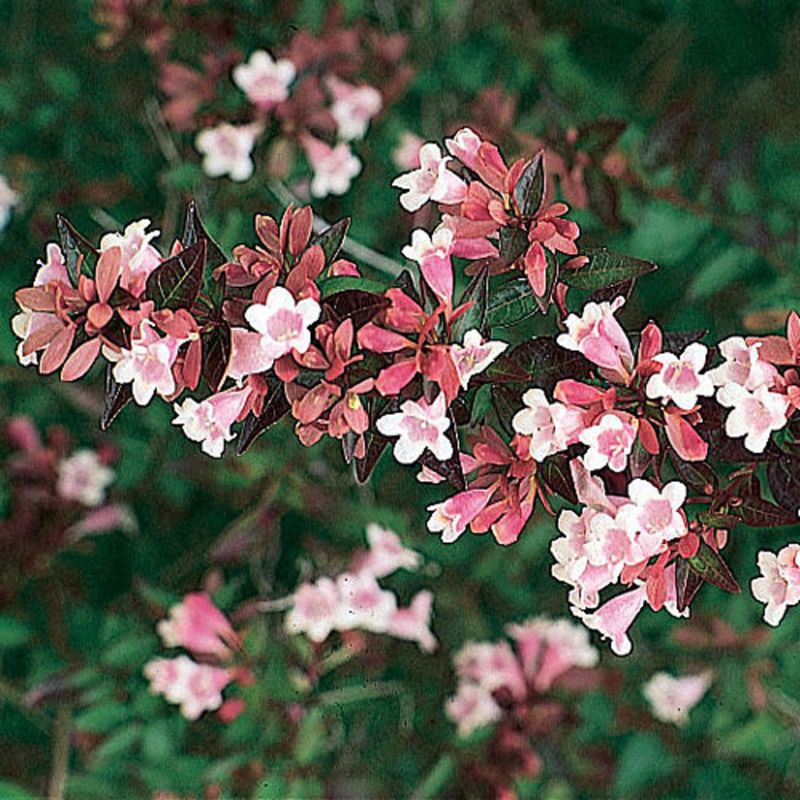
Abelia x grandiflora offers a gentle approach to gardening with its long-lasting blooms and pollinator-friendly nature. Unlike its butterfly bush counterpart, this plant doesn’t threaten native species, providing a more balanced garden ecosystem. Its graceful form and continuous flowering make it a favorite among gardeners seeking beauty and reliability. Its non-invasive quality ensures it will enhance rather than disrupt your garden. Abelia x grandiflora thrives in various conditions, adapting well to different soil types and sunlight levels, making it a versatile choice for any landscape.
3. Pink Japanese Barberry (Berberis thunbergii)
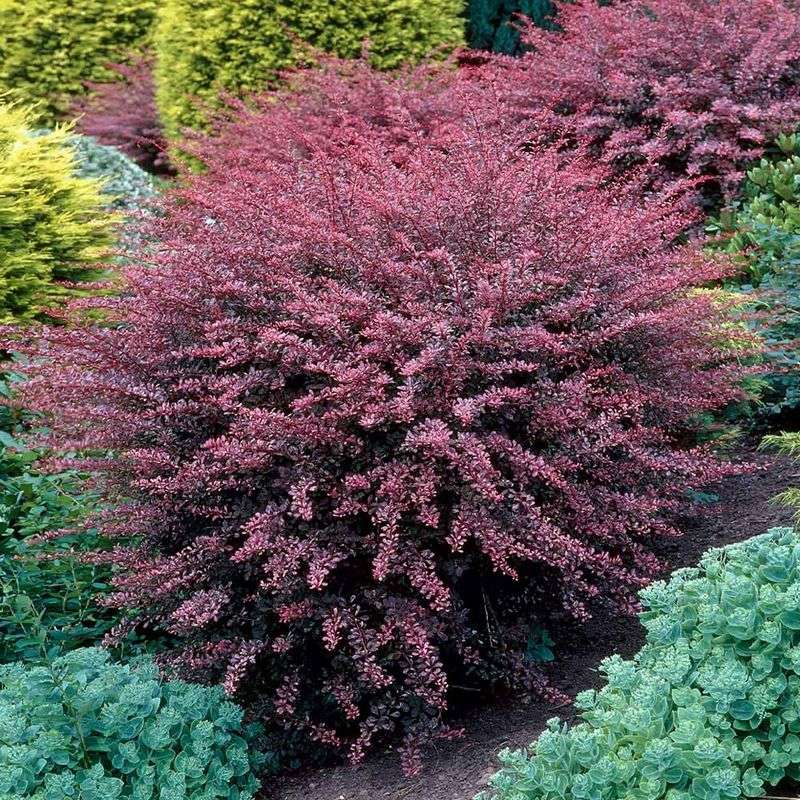
The Pink Japanese Barberry is often criticized for more than just its invasive characteristics. This shrub has become notorious for harboring ticks, creating potential health risks in landscapes where it’s planted. Outcompeting native shrubs, it forms dense thickets that are challenging to manage. Its vibrant color can be tempting, but the ecological and health-related drawbacks make it less desirable. For gardeners keen on both aesthetics and safety, finding a comparable yet safer alternative is crucial. Protecting local wildlife and human visitors should be a priority in any garden.
4. Alternative: Weigela
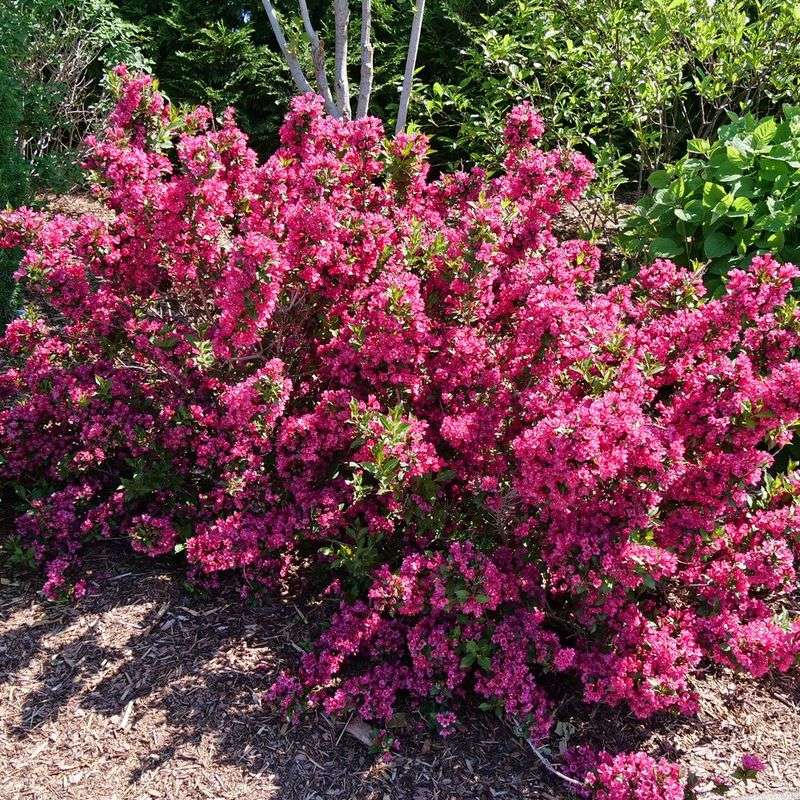
Weigela offers a delightful replacement option for those wary of Japanese Barberry’s drawbacks. With its vibrant pink blooms that attract pollinators, this shrub supports local wildlife rather than hindering it. Weigela’s non-invasive nature allows it to thrive without overshadowing other plants. Its adaptability and resilience make it a gardener’s ally, providing color and life throughout the growing season. For those looking to enhance their gardens with a pop of pink, Weigela presents both beauty and ecological harmony, supporting the surrounding environment.
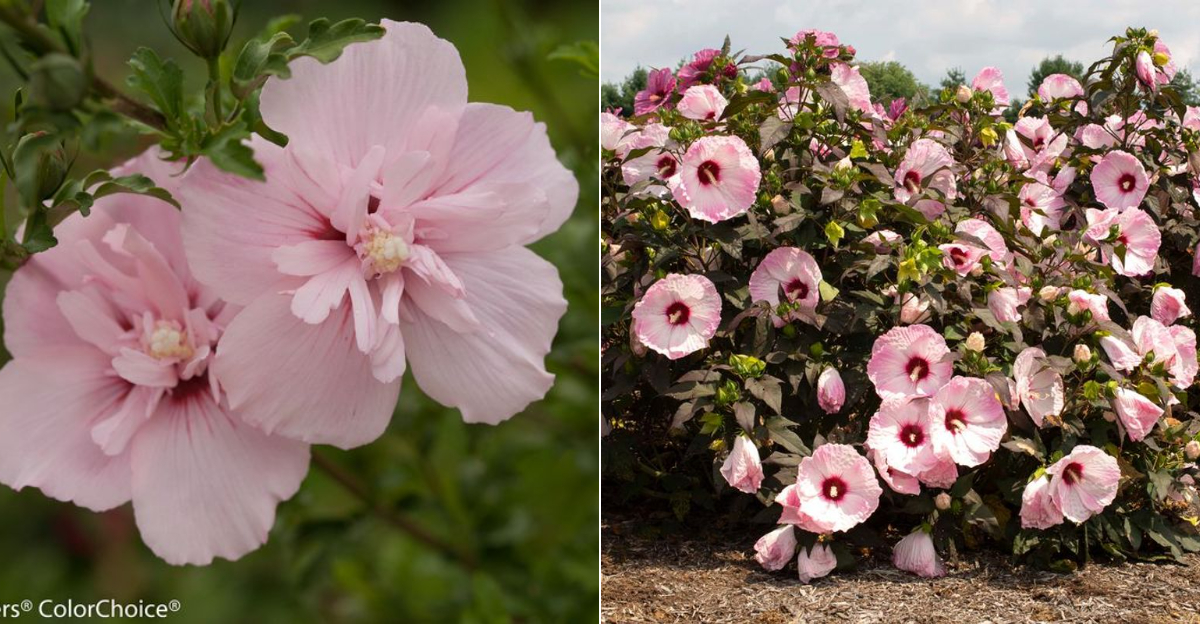
5. Pink Hibiscus Syriacus (Rose of Sharon)
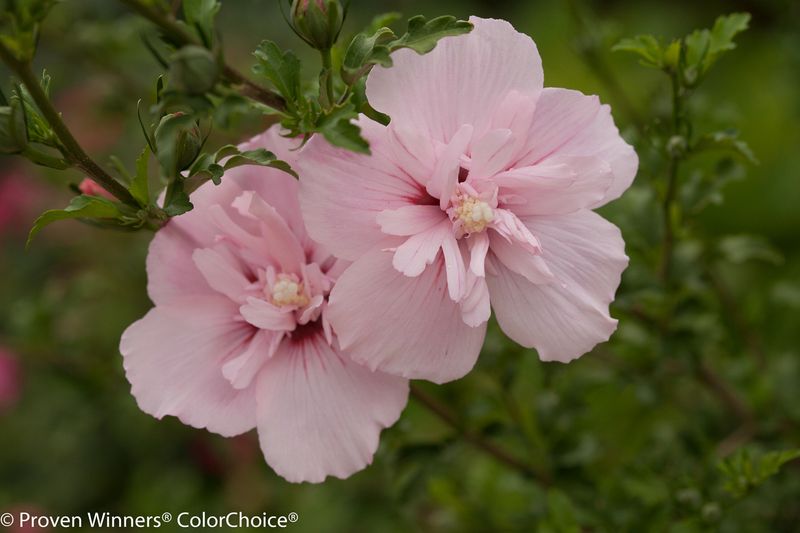
Pink Hibiscus Syriacus, often known as Rose of Sharon, can be an unwelcome guest in many gardens. Its invasive nature allows it to spread aggressively by seed, quickly overtaking areas and outcompeting native plants. While its tropical blooms are undeniably attractive, this shrub can be a gardener’s dilemma. In many regions, it grows unchecked, creating dense thickets that are difficult to control. Those looking for a similar aesthetic without the chaos should consider opting for a hardy hibiscus variety. These native options offer the same tropical allure without the invasive consequences.
6. Alternative: Hibiscus moscheutos (Hardy Hibiscus)
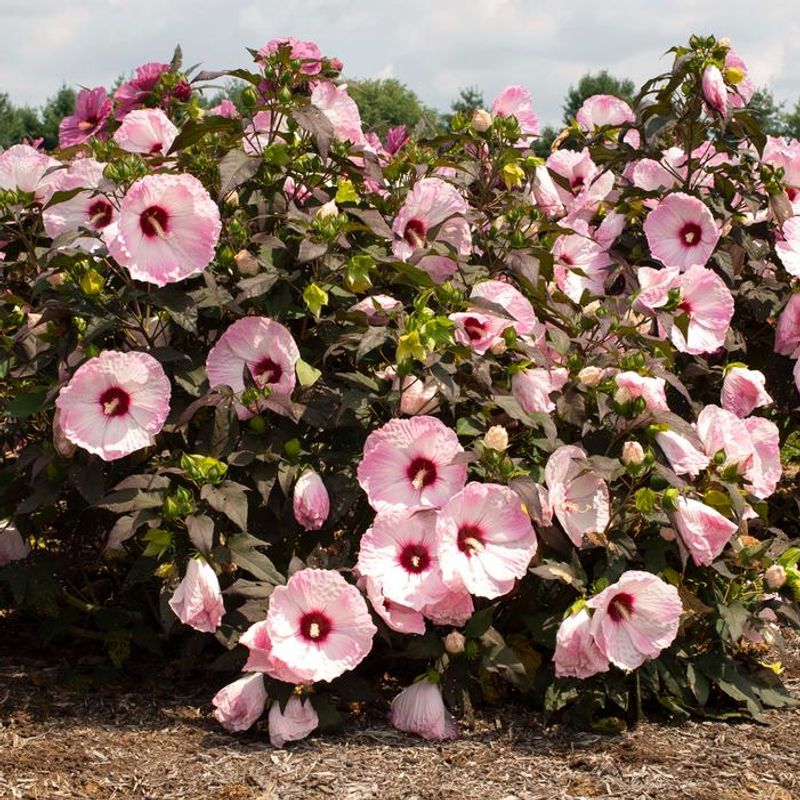
Hibiscus moscheutos, or Hardy Hibiscus, brings the same tropical charm as its more aggressive cousin but without the risk. Known for its massive blooms that resemble the most exotic of tropical flowers, this plant thrives in a variety of climates. Its non-invasive nature makes it a perfect addition to gardens looking to maintain harmony with local ecosystems. Whether planted in a container or directly in the soil, it promises to be a striking focal point. Gardeners will appreciate its adaptability, providing beauty and interest throughout the season.
7. Pink Hydrangea Macrophylla (Bigleaf Hydrangea)
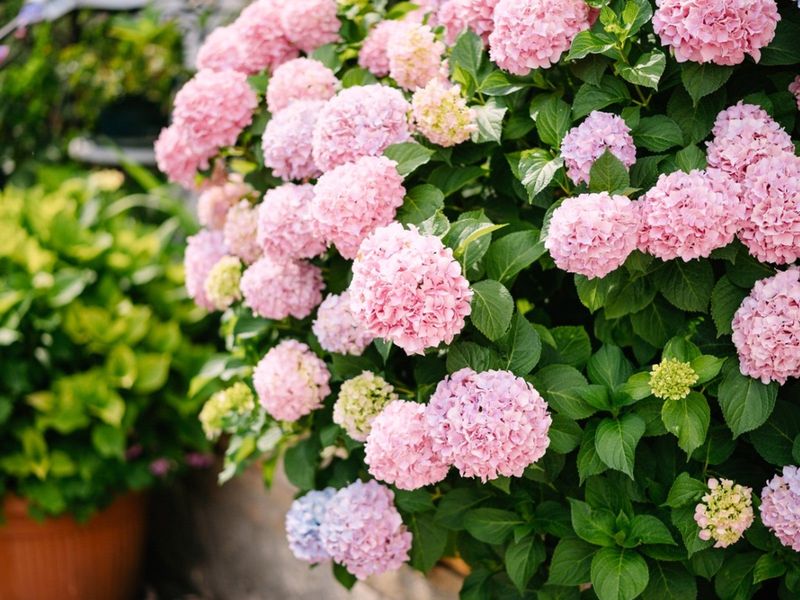
Bigleaf Hydrangea, known for its large, showy blooms, can be a finicky addition to any garden. Sensitive to soil pH, its color and blooming success vary widely from year to year, especially in colder climates. While its aesthetic appeal is undeniable, the challenges of maintaining consistent blooms can be frustrating. Gardeners looking for reliability may find themselves disappointed by this shrub’s unpredictability. Seeking alternatives that promise consistent performance could save time and energy, offering beauty without the guesswork. Consider options that harmonize better with their environment.
8. Alternative: Hydrangea paniculata (Limelight, Pinky Winky)
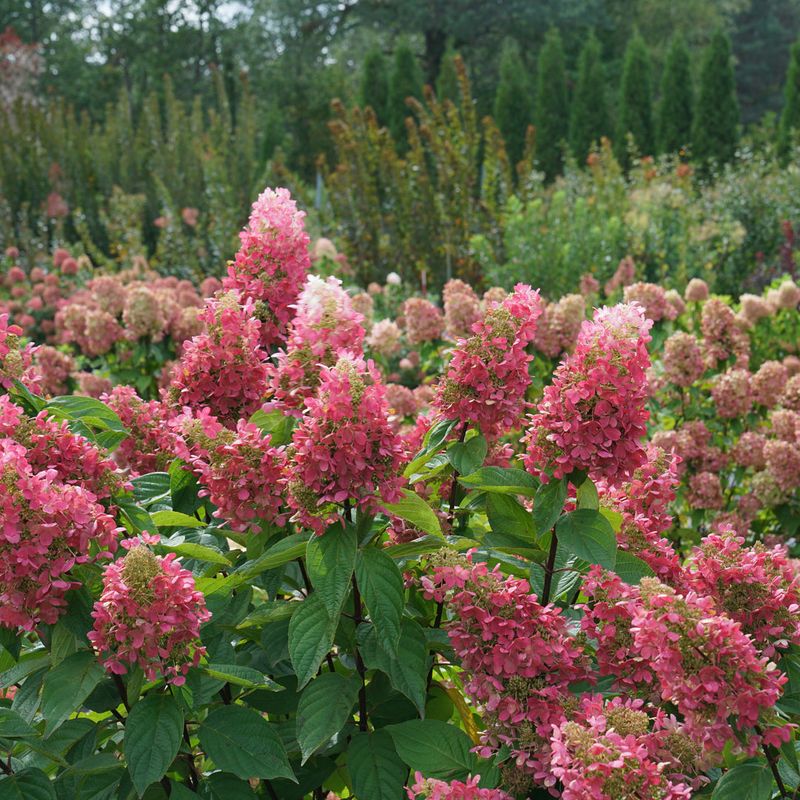
Hydrangea paniculata varieties like ‘Limelight’ and ‘Pinky Winky’ are prized for their hardiness and reliability. Unlike the Bigleaf Hydrangea, these shrubs bloom consistently, regardless of soil pH or climate fluctuations. Their adaptability to various conditions makes them a popular choice for gardeners seeking a low-maintenance, high-impact plant. With striking blooms that persist through the season, these hydrangeas bring both beauty and peace of mind. Whether in full sun or partial shade, they thrive, providing vibrant displays that require minimal intervention. Ideal for any garden setting, they create lasting impact.
9. Pink Burning Bush (Euonymus alatus)
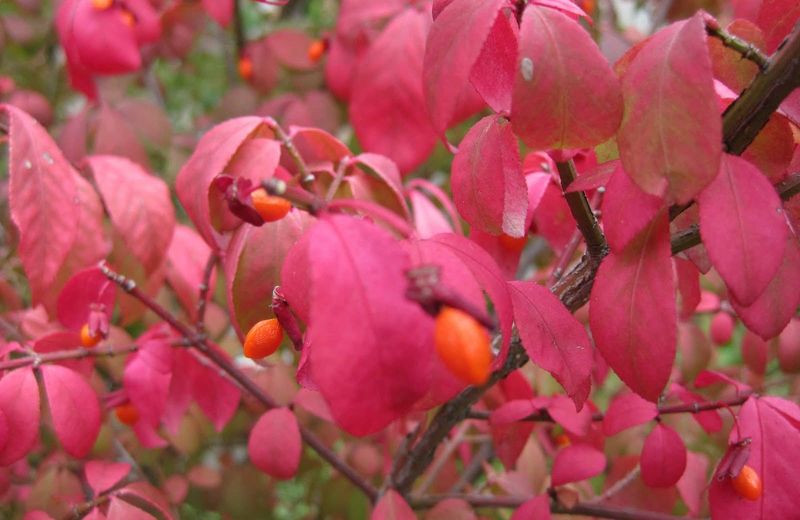
The Pink Burning Bush, with its fiery autumn colors, can be deceivingly attractive. However, its invasive nature allows it to spread quickly, crowding out native flora and altering local ecosystems. While it’s visually stunning, the ecological impact of this shrub makes it a controversial choice among gardeners. Its ability to adapt and thrive in various conditions means it can quickly dominate an area, leaving little room for biodiversity. For those concerned with maintaining a balanced garden, exploring alternatives that offer similar visual appeal without the ecological disruption is advisable.
10. Alternative: Fothergilla
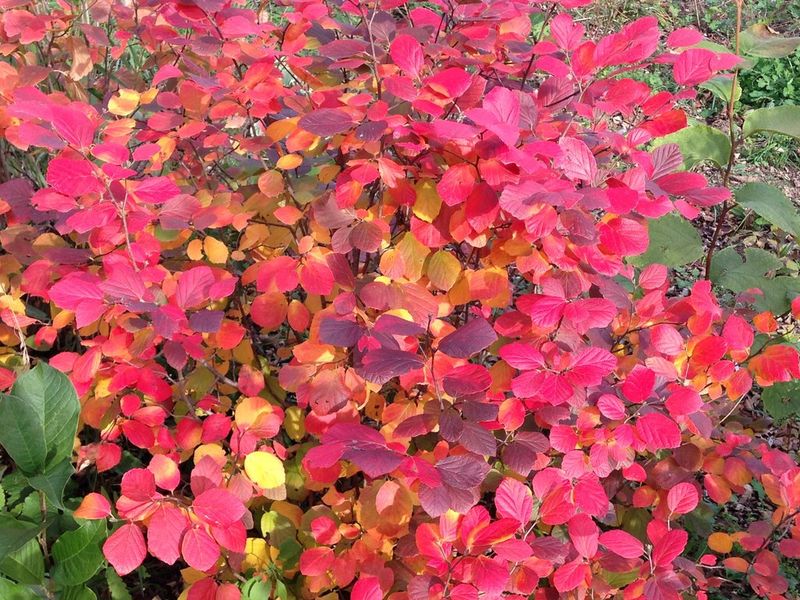
Fothergilla presents an appealing alternative for those looking to replace the invasive Burning Bush. Known for its stunning fall colors and non-invasive nature, Fothergilla supports local wildlife instead of hindering it. Its vibrant, pinkish foliage in autumn rivals the beauty of the Burning Bush without the associated ecological risks. Thriving in a range of conditions, Fothergilla offers both aesthetic appeal and environmental harmony. It’s an excellent choice for gardeners committed to a sustainable landscape, ensuring beauty without compromise. Its unique seasonal transition adds interest throughout the year.
11. Pink Russian Sage (Perovskia atriplicifolia)
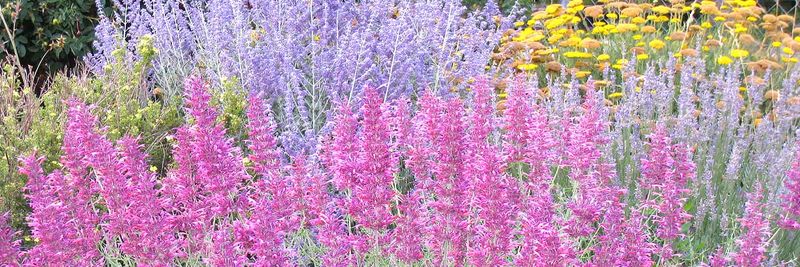
Pink Russian Sage offers a unique look with its lavender-pink spikes, but its tendency to spread aggressively in warm climates can pose a challenge. While initially charming, its rapid expansion can lead to overcrowding, overshadowing other plants in the garden. Its vigorous growth makes it hard to control, requiring regular maintenance to prevent it from taking over. For gardeners seeking a more manageable alternative that maintains the same aesthetic appeal, considering other options may be beneficial. Finding a plant that offers beauty without the burden is key to a harmonious garden environment.
12. Alternative: Salvia nemorosa (May Night)
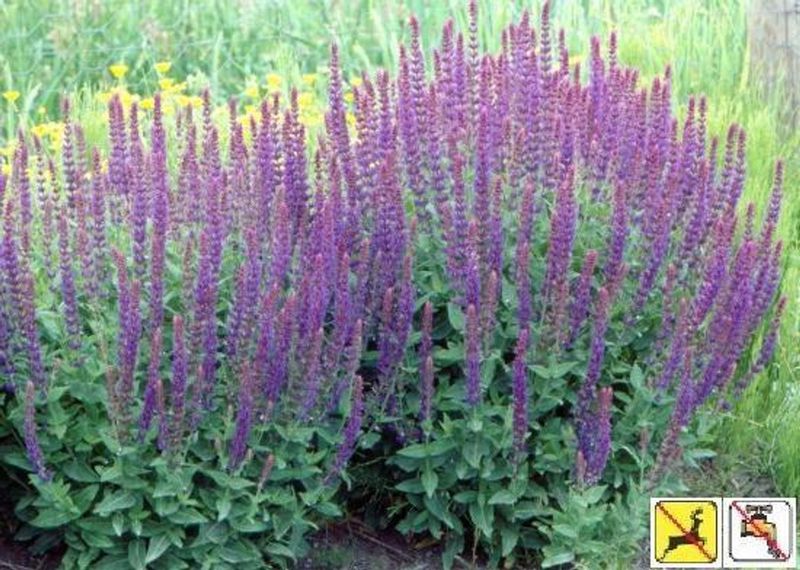
Salvia nemorosa, particularly the ‘May Night’ variety, offers a well-behaved alternative to Russian Sage. Its striking blue-purple spikes attract pollinators without overwhelming other plants in the garden. Known for its compact, tidy growth habit, Salvia nemorosa is a favorite among gardeners seeking both beauty and control. Its ability to thrive in various climates makes it a versatile choice for landscapes looking to balance aesthetics and practicality. A magnet for bees and butterflies, this plant ensures ecological benefits while maintaining a manageable presence. Ideal for those seeking a harmonious and vibrant garden.
13. Pink Spirea (Spiraea japonica)
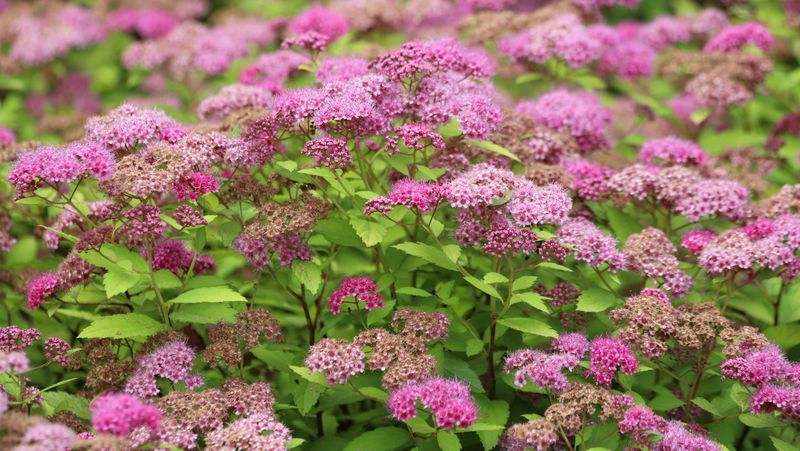
Pink Spirea offers lush blooms but comes with its own set of challenges. Some varieties are known for their invasive tendencies, while others demand constant pruning to maintain their shape. This high-maintenance shrub can be labor-intensive, requiring regular attention to prevent it from overtaking the garden. Its tendency to spread can disrupt the balance of local ecosystems, making it a less desirable choice for eco-conscious gardeners. For those looking for a more sustainable option that still provides vibrant color, exploring less demanding alternatives is a wise move, ensuring harmony in the landscape.
14. Alternative: Spiraea betulifolia (Tor Birchleaf Spirea)
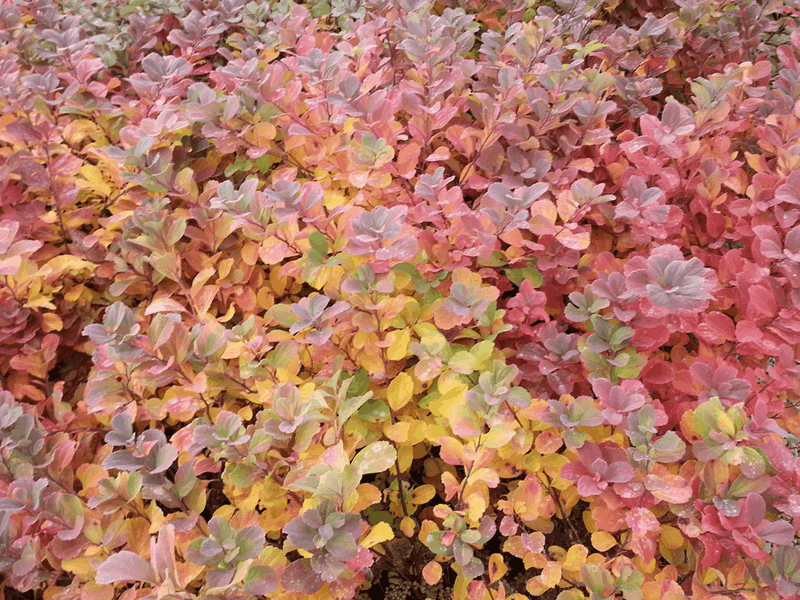
Spiraea betulifolia, known as Tor Birchleaf Spirea, offers a native-friendly alternative to its more demanding cousin. This shrub provides vibrant pink blooms and stunning fall color without requiring constant maintenance. Its compact growth habit ensures it fits well into various garden settings, supporting local ecosystems rather than disrupting them. With low water requirements and adaptability to different soil types, it provides a practical solution for gardeners seeking beauty with minimal effort. Its harmonious integration with native plants makes it a responsible choice for sustainable landscaping.