 Complete Gardening

Embarking on the journey of plant propagation can be both exciting and rewarding.
For beginners, choosing plants that root easily ensures a positive experience and encourages further exploration into the world of gardening.
Here’s a curated list of 20 plants that are ideal for those taking their first steps into propagation.
1. Pothos
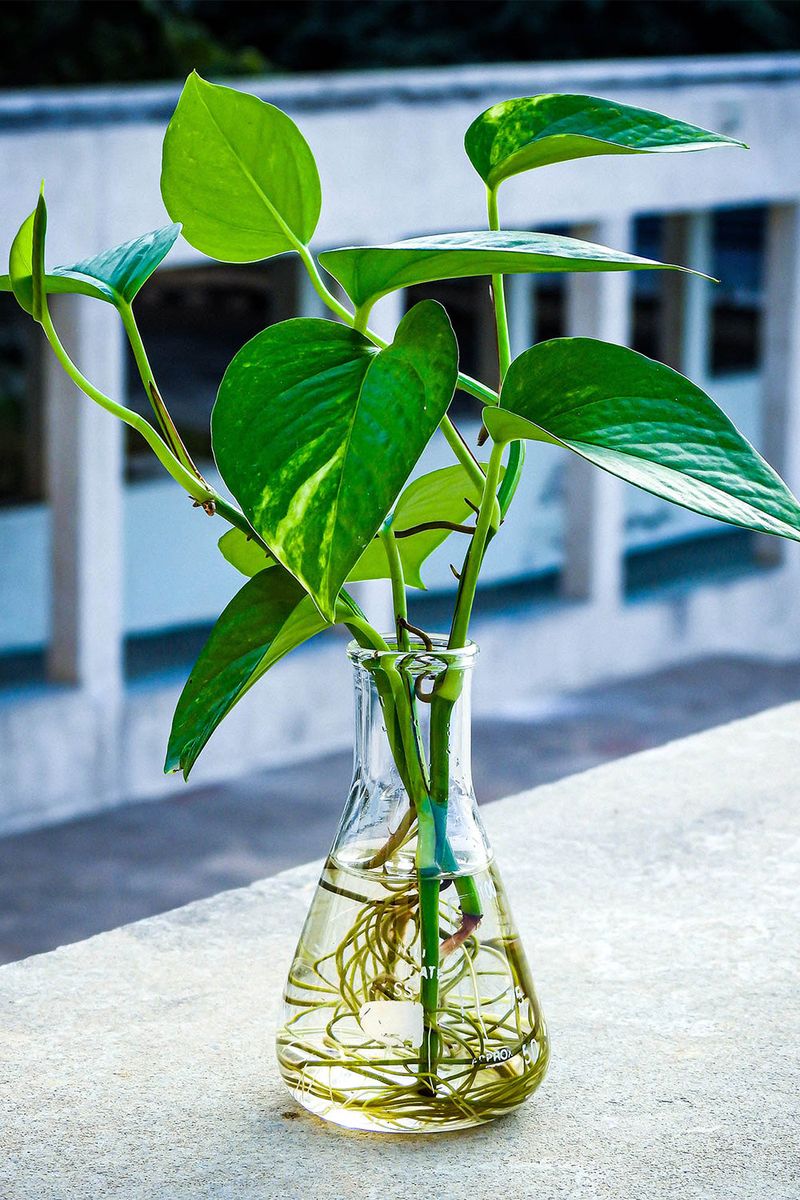
Pothos, often called the ‘Devil’s Ivy,’ is a popular choice for beginners. Its heart-shaped leaves and trailing vines make it a beautiful addition to any space. Known for its adaptability, it can thrive in low light conditions and requires minimal care.
Simply snip a cutting below a node, place it in water, and watch as roots begin to sprout within weeks. Its forgiving nature and ability to purify indoor air make it a beloved houseplant.
Fun fact: Pothos can grow over 10 feet long, making it perfect for hanging baskets or climbing trellises.
2. Spider Plant
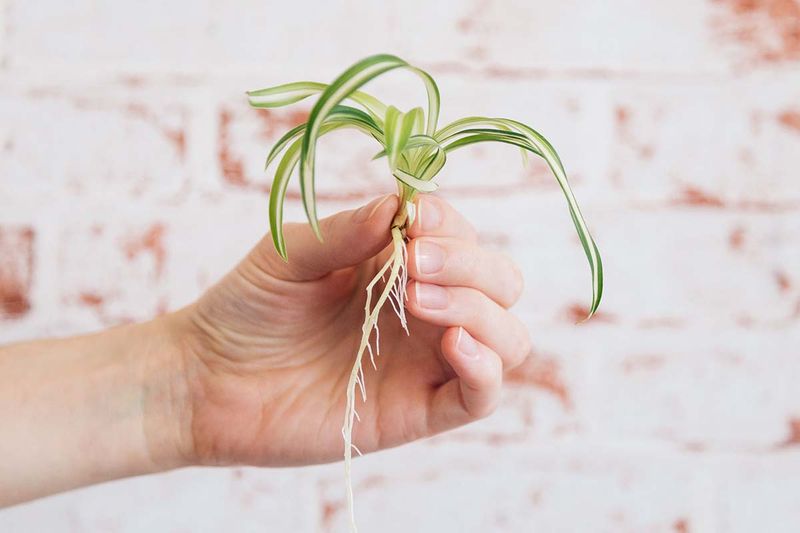
The Spider Plant is a classic choice for those new to gardening. Its distinctive arching leaves and small plantlets, often called ‘spiderettes,’ give it a unique appearance.
These plantlets can be easily rooted in water or soil, making propagation a breeze. Spider Plants are resilient, thriving in a variety of lighting conditions and requiring minimal attention.
Interesting tidbit: Spider Plants were a staple in Victorian parlors and are known for their ability to remove toxins from the air, improving indoor air quality.
3. Snake Plant (Sansevieria)
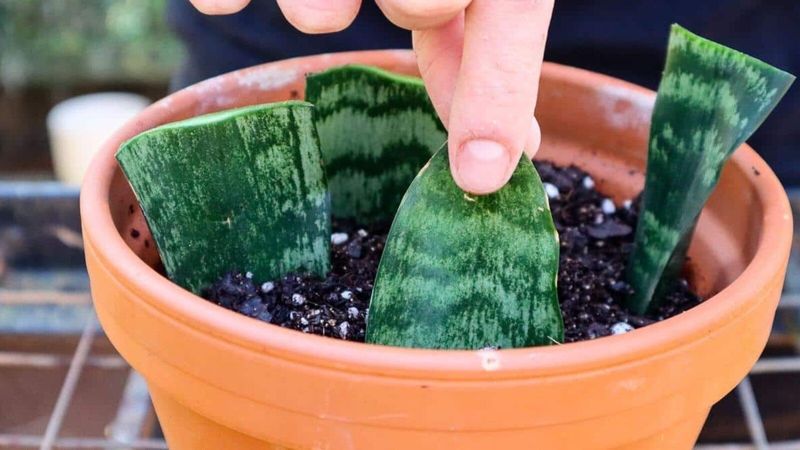
The Snake Plant, or Sansevieria, is renowned for its architectural beauty and toughness. With its tall, sword-like leaves, it adds a striking vertical element to any plant collection.
Propagation is simple: cut a leaf into sections and place them in soil. Watch as new shoots emerge from the base. It’s drought-tolerant and can survive with little light, making it ideal for beginners.
Did you know? Snake Plants release oxygen at night, making them perfect companions for bedrooms.
4. ZZ Plant
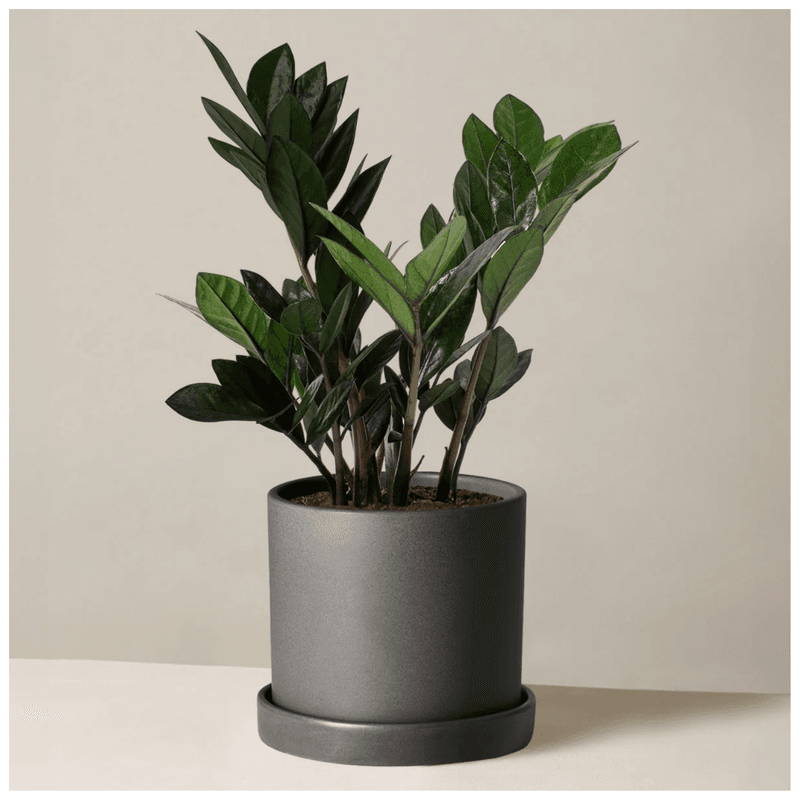
ZZ Plants are admired for their glossy, dark green leaves and low maintenance requirements. The plant’s resilience makes it a top choice for novice gardeners.
To propagate, gently separate a rhizome from the plant and plant it in soil. Its ability to thrive in low light and infrequent watering makes it nearly foolproof.
Fun fact: The ZZ Plant is sometimes called ‘Zanzibar Gem’ and can tolerate neglect, bouncing back even after periods of drought.
5. Tradescantia (Wandering Jew)
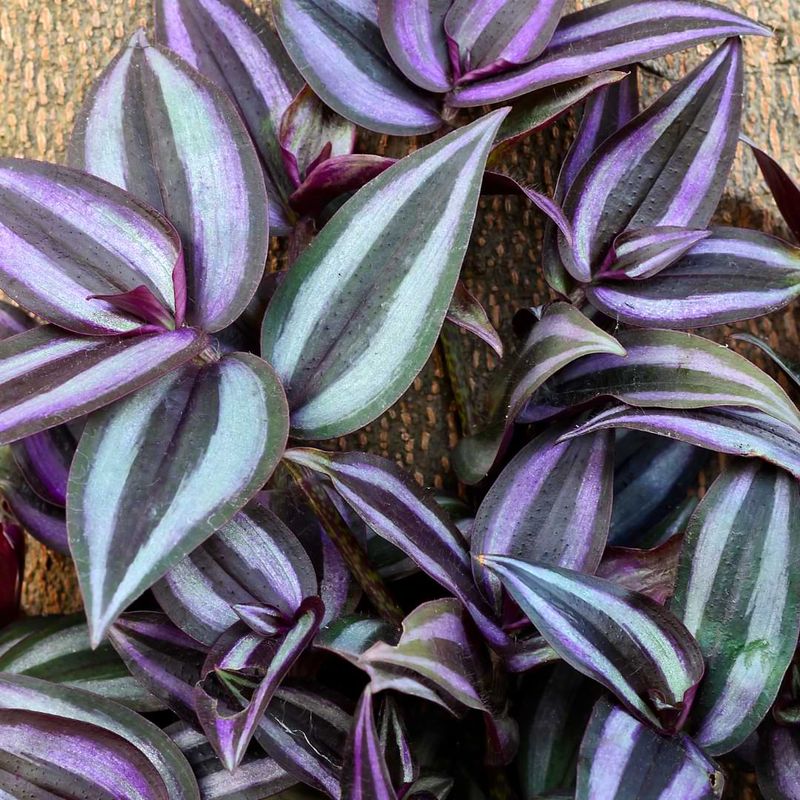
Tradescantia, commonly known as Wandering Jew, is cherished for its vibrant purple and green striped foliage. Its trailing vines add an element of whimsy to any setting.
Propagation is a cinch: clip a stem, place it in water, and roots will appear swiftly. It’s a favorite for hanging baskets and bright spots.
Did you know? Tradescantia was named after John Tradescant, a gardener to King Charles I of England.
6. English Ivy

English Ivy is a timeless classic, known for its elegant, dark green leaves. Its ability to climb and cover surfaces makes it a favorite for creating green walls.
Propagation involves taking cuttings and rooting them in water or soil. Ivy is hardy and thrives in indirect sunlight, requiring only occasional watering.
Interesting tidbit: English Ivy is not only ornamental but also has historical significance, often associated with ancient Roman and Greek garlands.
7. Philodendron
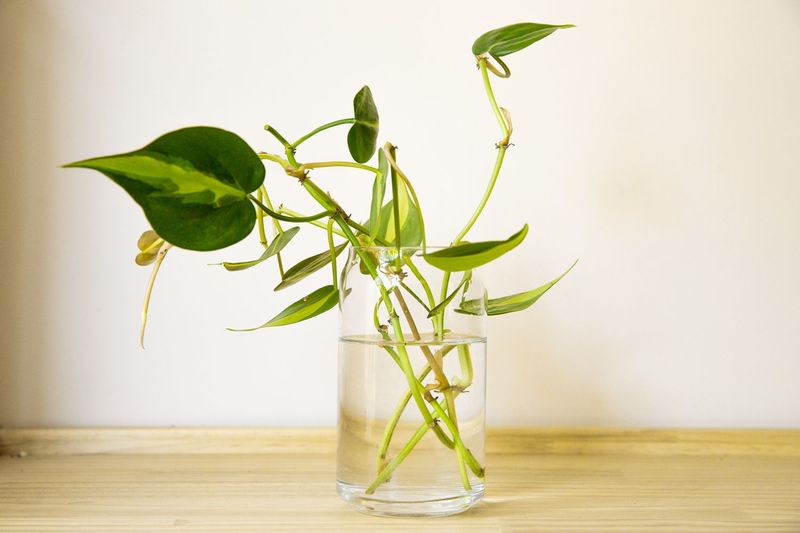
Philodendrons are beloved for their lush, heart-shaped leaves and ease of care. Their trailing vines make them perfect for indoor spaces.
To propagate, cut a piece with nodes and place it in water or directly in soil. This plant adapts well to various lighting conditions and is forgiving of neglect.
Fun fact: Philodendrons are part of the Araceae family, which includes other popular houseplants like Monstera and Peace Lilies.
8. Coleus
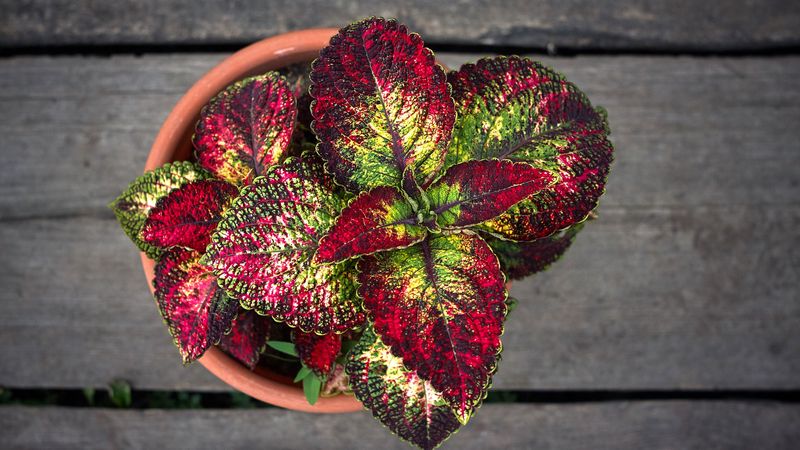
Coleus is a showstopper with its vibrant, variegated leaves. The bold colors make it a standout in any garden or indoor space.
Propagation is straightforward: take a cutting below a leaf node and root it in water or soil. It’s a sun lover and performs well in bright, indirect light.
Did you know? Coleus was once known as the ‘flame nettle’ due to its fiery leaf colors.
9. Mint
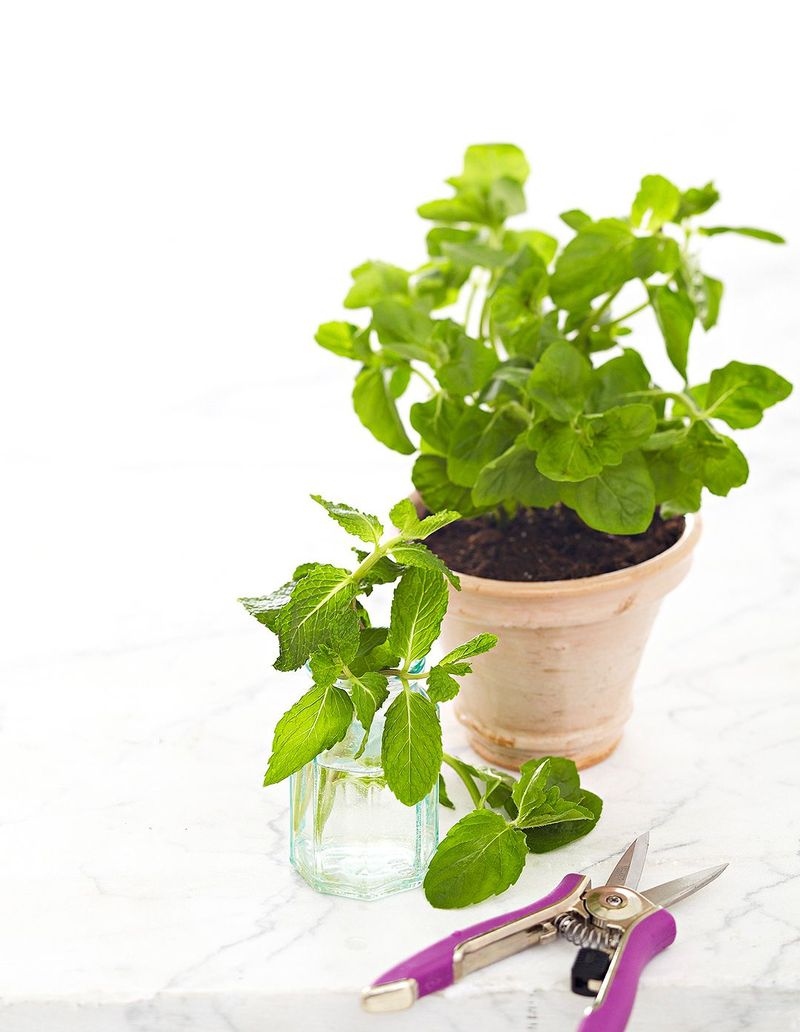
Mint is a fragrant favorite, known for its aromatic leaves. Its rapid growth makes it a staple in herb gardens.
For propagation, simply take a sprig, place it in water, and you’ll see roots forming quickly. Mint thrives in sunny spots and needs regular watering.
Fun fact: Mint has been used for centuries in cuisines and medicines, cherished for its refreshing scent and taste.
10. Basil
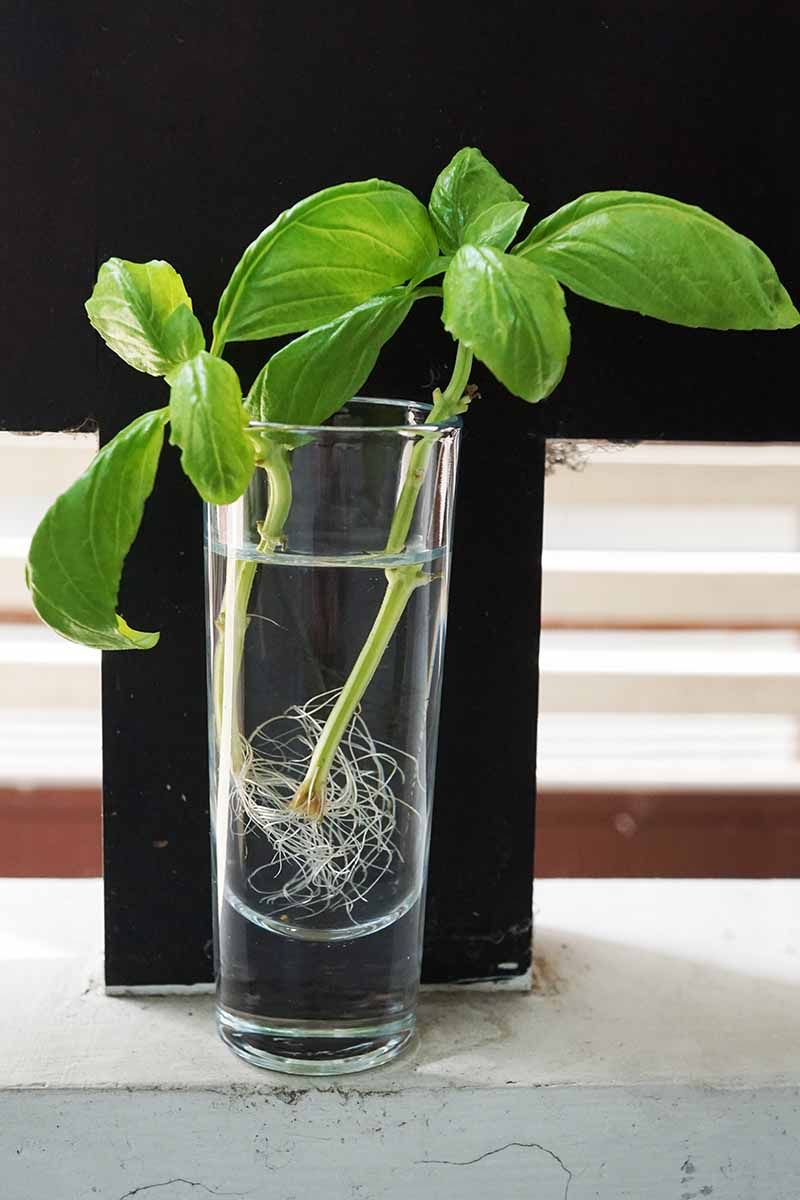
Basil, with its aromatic leaves, is a kitchen garden essential. Its sweet scent and flavor enhance a variety of dishes.
To propagate, take a cutting and place it in water. Roots will appear within a week, allowing you to plant it in soil. Basil loves warmth and sunlight, making a sunny windowsill ideal.
Fun fact: Basil is considered a symbol of love in Italy, often used in traditional wedding bouquets.
11. Swedish Ivy

Swedish Ivy, known for its scalloped green leaves and gentle trailing habit, is a charming addition to any home. It’s favored for its ease of care and propagation.
Simply take a cutting and place it in water; roots will develop rapidly. This plant prefers bright, indirect light and regular watering.
Did you know? Despite its name, Swedish Ivy isn’t actually an ivy and originates from South Africa.
12. African Violet
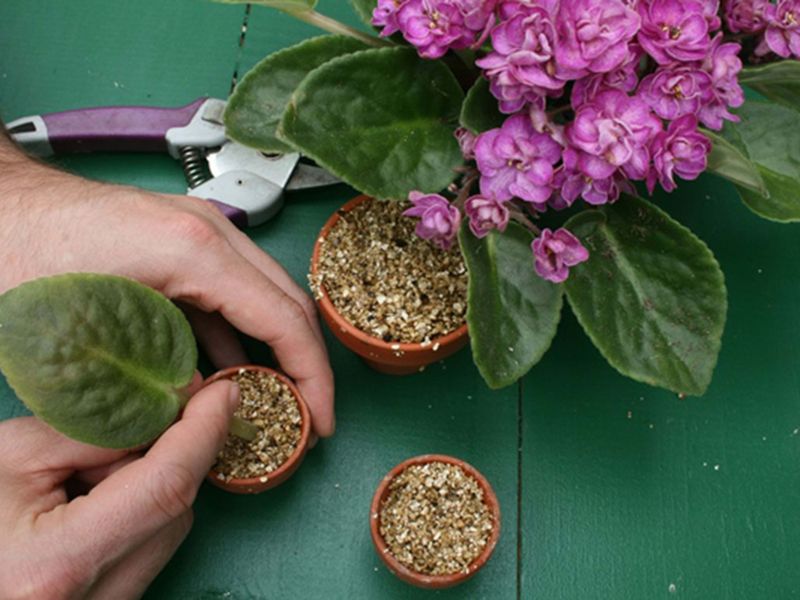
African Violets are adored for their velvety leaves and vibrant blooms. They add a touch of elegance to any windowsill.
Propagation can be done by leaf cuttings placed in water or soil. These plants prefer bright, indirect light and consistent moisture.
Fun fact: African Violets were discovered in Tanzania by Baron Walter von Saint Paul-Illaire in the late 19th century.
13. Christmas Cactus
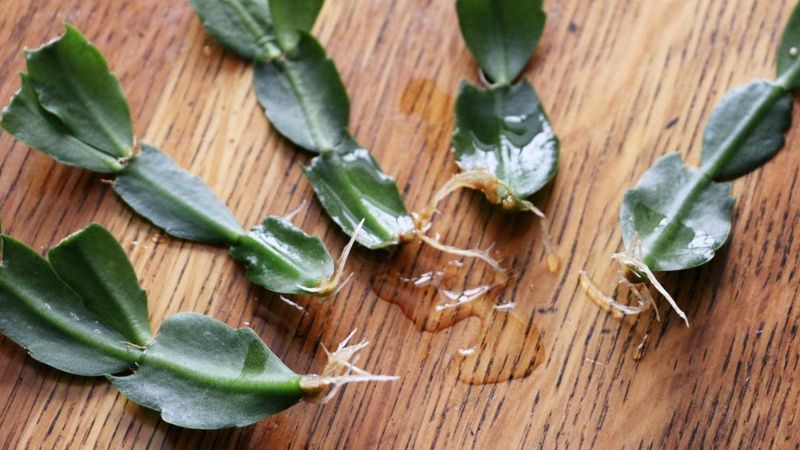
The Christmas Cactus is a holiday favorite with its stunning blooms. Unlike typical cacti, it thrives in humid conditions.
Propagation is simple: take a segment of the plant, let it callous over, then plant it in soil. This cactus prefers bright, indirect light and regular watering.
Did you know? The Christmas Cactus originates from the coastal mountains of Brazil and blooms during the winter months.
14. Begonia
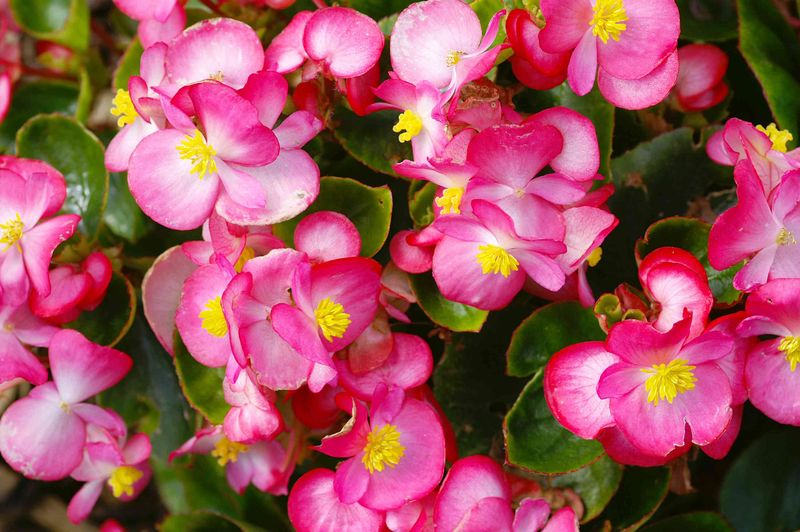
Begonias are celebrated for their vibrant blooms and diverse foliage. Their waxy leaves and colorful flowers bring life to any setting.
Propagation involves taking leaf or stem cuttings and placing them in soil. Begonias thrive in bright, indirect light and need regular watering.
Fun fact: Begonias were named after Michel Bégon, a French patron of botany in the 17th century.
15. Inch Plant
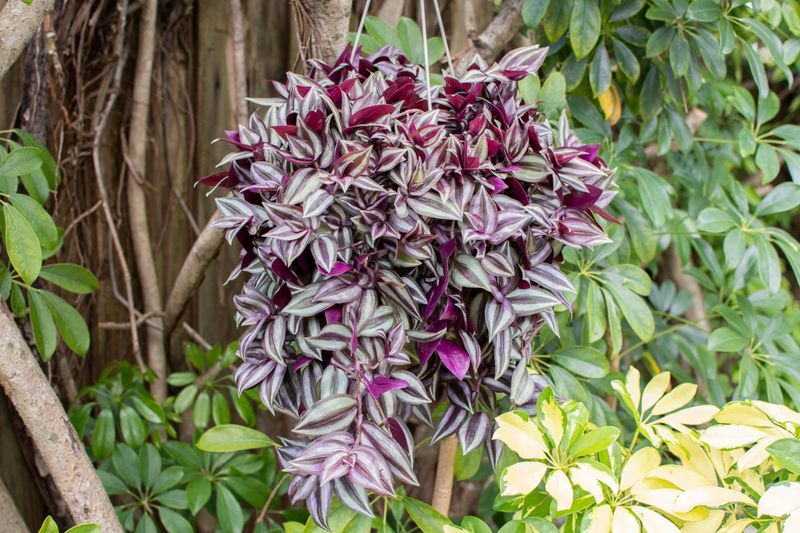
Inch Plants are known for their striking purple and silver-striped leaves. Their cascading habit makes them a favorite for hanging baskets.
To propagate, take a cutting and root it in water or soil. They thrive in bright, indirect light and regular watering keeps them lush.
Did you know? The name ‘Inch Plant’ comes from the rapid growth, as they can grow an inch in just one week.
16. Aloe Vera
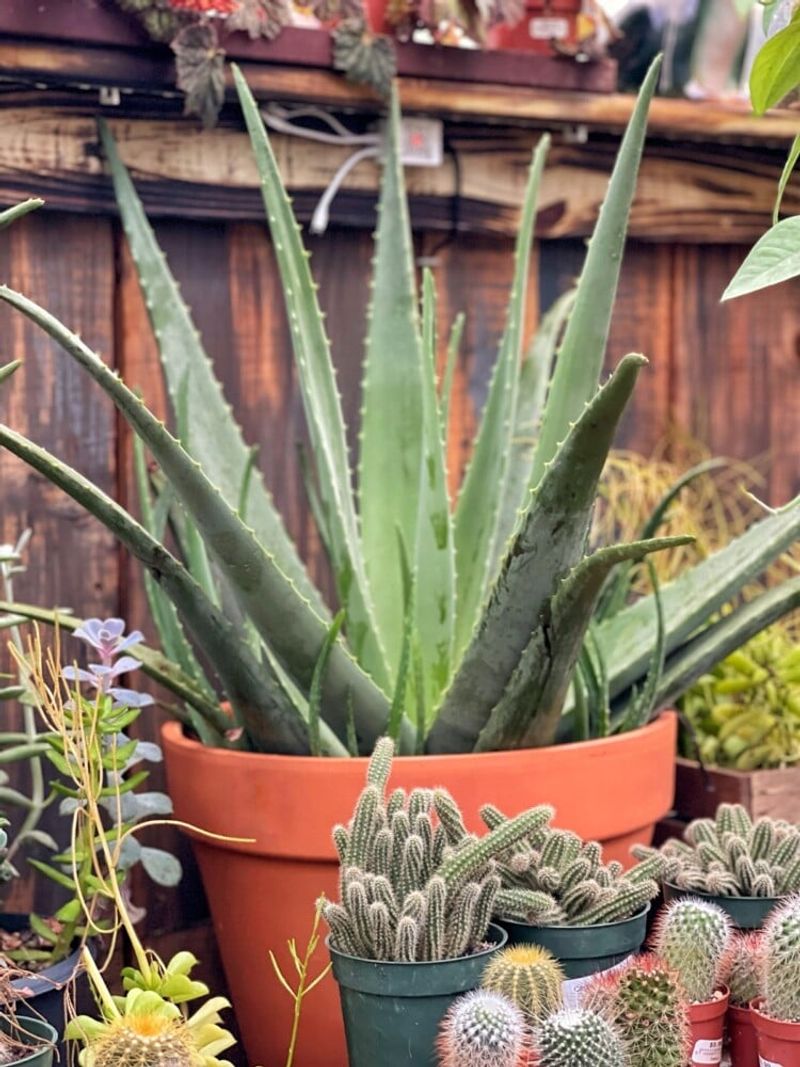
Aloe Vera is cherished for its medicinal properties and striking appearance. Its thick, succulent leaves contain a soothing gel.
Propagation is done by separating the pups from the mother plant and planting them in soil. Aloe prefers bright, indirect light and infrequent watering.
Fun fact: Aloe Vera has been used for centuries in skincare and was a favorite of Cleopatra.
17. Rosemary
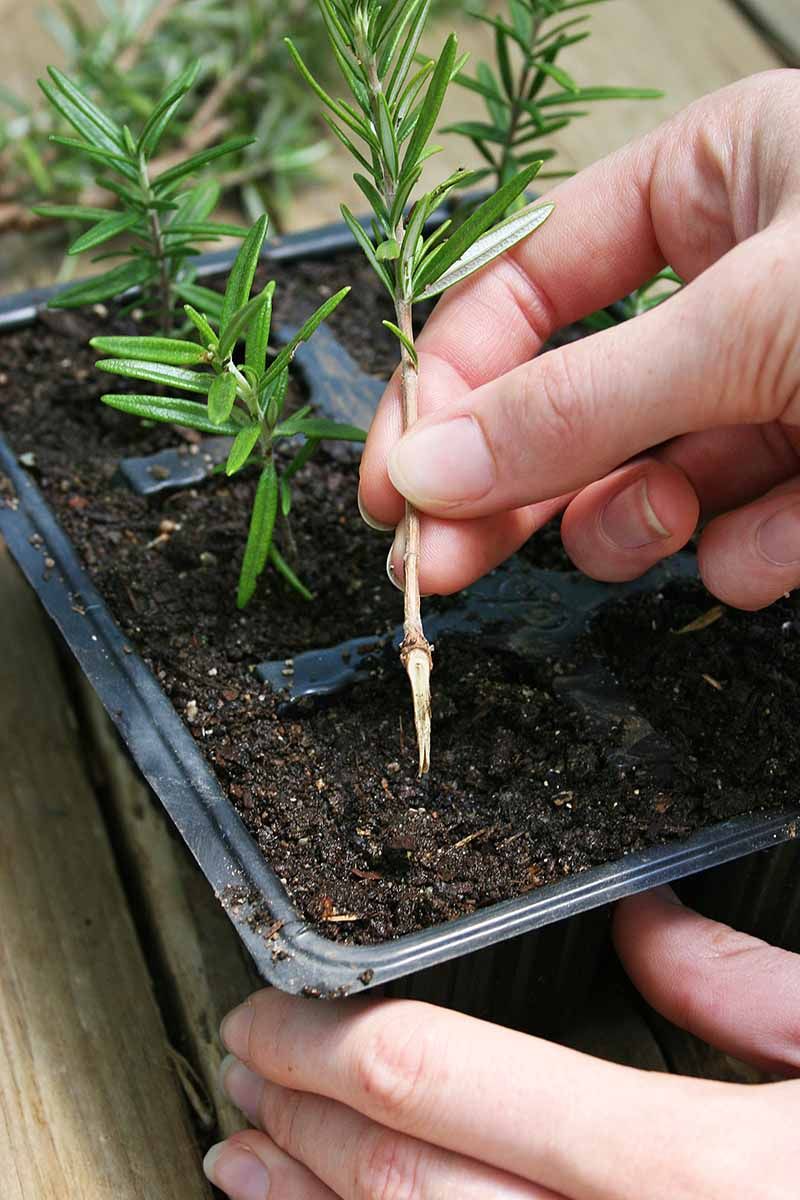
Rosemary is a fragrant herb, beloved for its culinary uses and aromatic foliage. Its needle-like leaves add a Mediterranean touch to any garden.
Propagation is easy: take a cutting, strip the lower leaves, and place it in water until roots form. Rosemary thrives in full sun and well-drained soil.
Fun fact: Rosemary is associated with remembrance and has been used in wedding ceremonies and funerals.
18. Peperomia
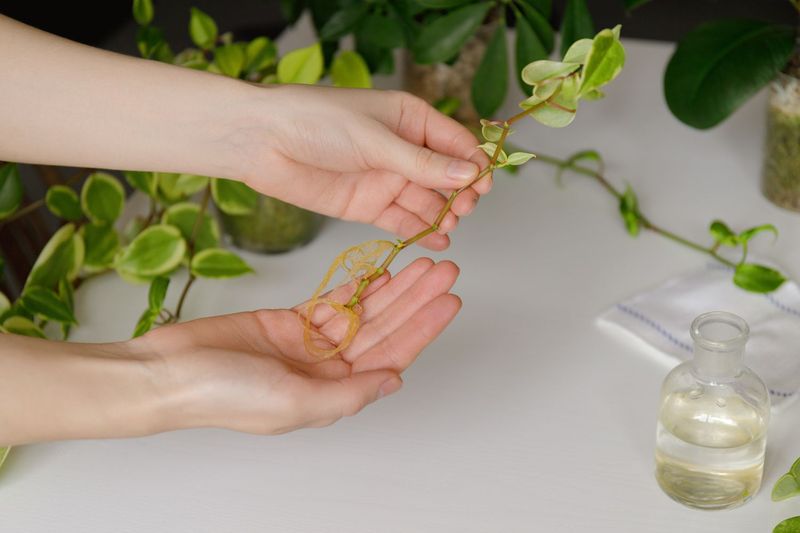
Peperomia is a delightful houseplant with its compact size and glossy leaves. It’s perfect for small spaces and tabletops.
To propagate, take leaf or stem cuttings and root them in water or soil. Peperomias prefer bright, indirect light and moderate watering.
Did you know? Peperomia belongs to the pepper family and is native to tropical and subtropical regions.
19. Succulents (various types)

Succulents are a diverse group of plants known for their fleshy leaves and ability to store water. They’re popular for their unique shapes and colors.
Propagation is straightforward: take leaf or stem cuttings and allow them to callous before planting in soil. Succulents thrive in bright light and need infrequent watering.
Fun fact: Succulents have been cultivated since ancient times and were used in Egyptian gardens.
20. Hoya
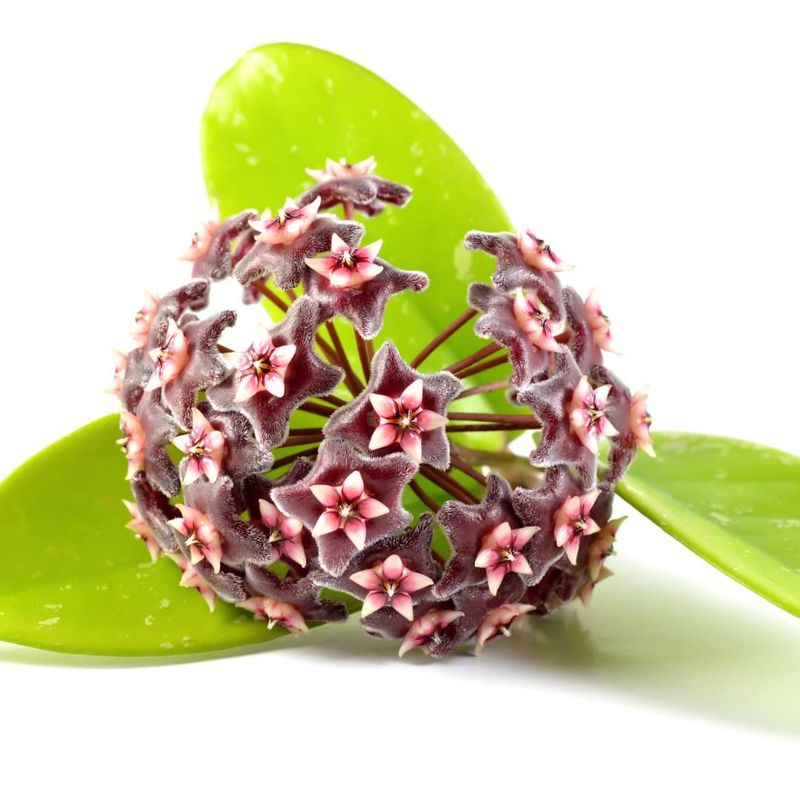
Hoya, or the ‘Wax Plant,’ is admired for its thick, waxy leaves and fragrant star-shaped flowers. It’s a favorite among indoor plant enthusiasts.
Propagation involves taking stem cuttings and rooting them in water or soil. Hoyas enjoy bright, indirect light and need regular watering during their growing season.
Did you know? Hoya flowers produce a sweet nectar that attracts butterflies and hummingbirds.