
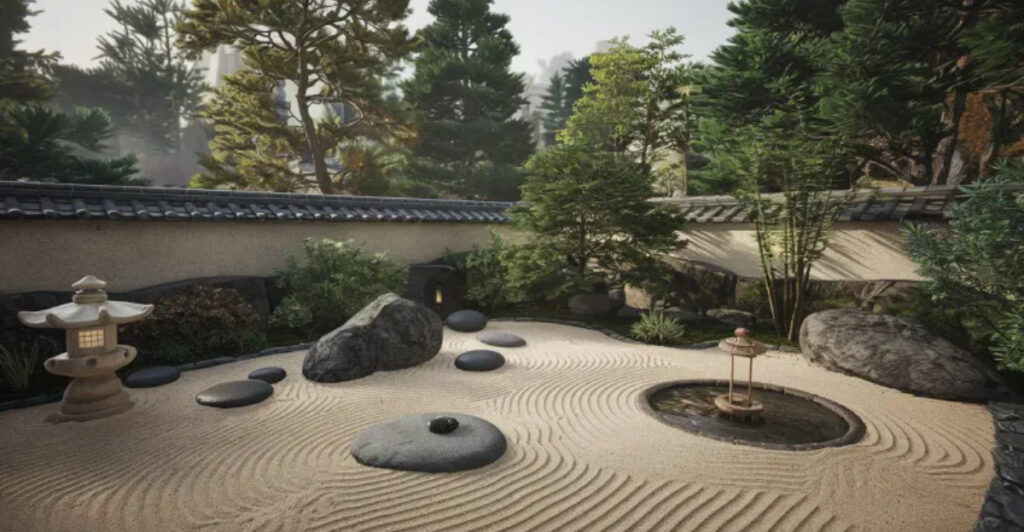
Zen gardens are meticulously designed spaces that embody tranquility and mindfulness. Each element within these gardens plays a crucial role in fostering a sense of calm and meditation. From the visual appeal of asymmetrical rocks to the auditory charm of wind chimes, every component is thoughtfully placed to engage the senses and soothe the mind. This blog post delves into the secret calming effects of 19 essential Zen garden elements, each contributing uniquely to the overall serenity and harmony. Discover how these elements can transform any space into a peaceful retreat.
1. White Sand (The Illusion of Water)
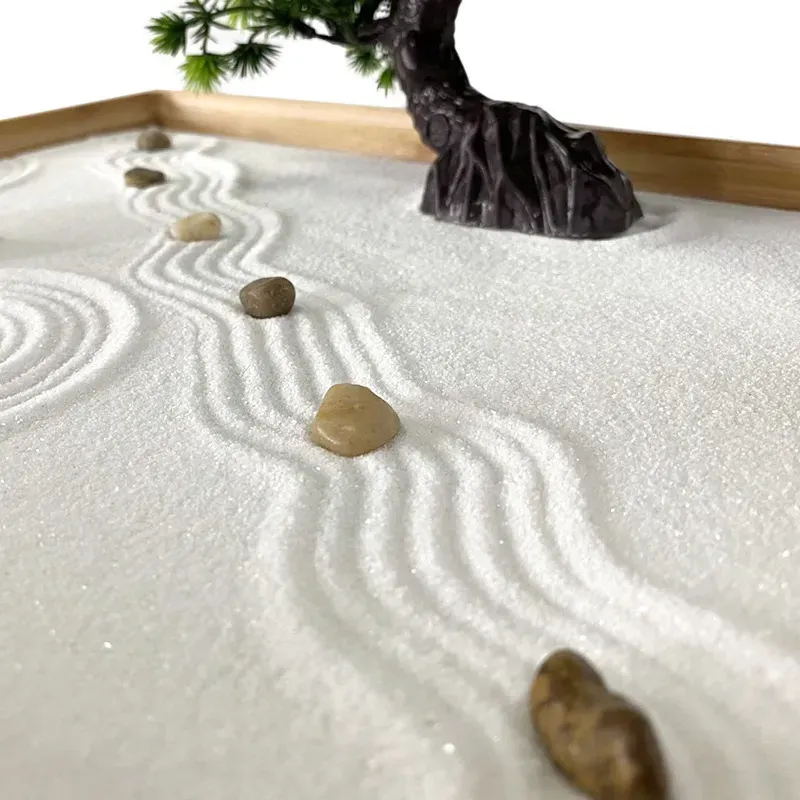
Imagine standing by a beach, the sound of waves lapping at the shore. White sand in a Zen garden mimics this serene scene. The fine grains, when raked into flowing patterns, trick the mind into experiencing the calming rhythm of water. This sensory illusion brings tranquility, akin to the soothing effect of ocean waves. With each stroke of the rake, the garden transforms into a canvas of peace. This artful representation of water allows the mind to drift into relaxation, making it a cornerstone of the Zen garden experience. A subtle yet profound way to evoke calmness.
2. Asymmetrical Rocks (Wabi-Sabi Imperfection)
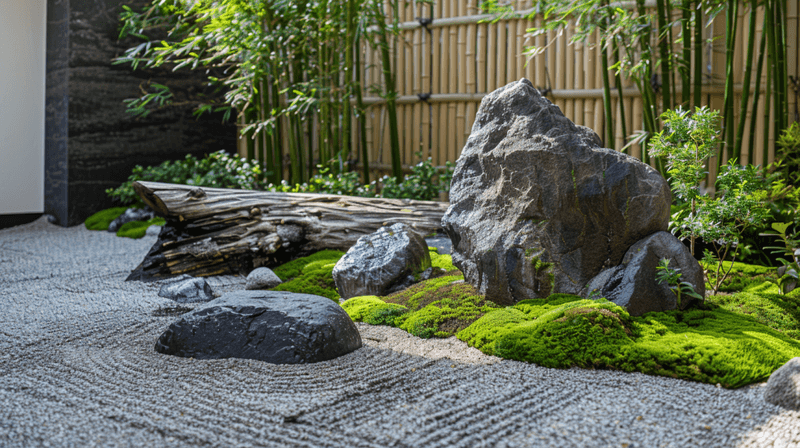
In a world obsessed with perfection, asymmetrical rocks offer a refreshing embrace of imperfection. This deliberate placement of uneven stones embodies the Japanese philosophy of Wabi-Sabi, celebrating beauty in the imperfect and transient. The irregular arrangement calms the mind, reducing perfectionist anxiety by encouraging acceptance. Each rock stands as a testament to nature’s unique artistry, a silent reminder that beauty doesn’t always conform to symmetry. This acceptance of natural imperfection fosters a peaceful mindset, allowing for a gentler approach to life’s complexities and uncertainties.
3. Raked Lines (Mindfulness in Motion)
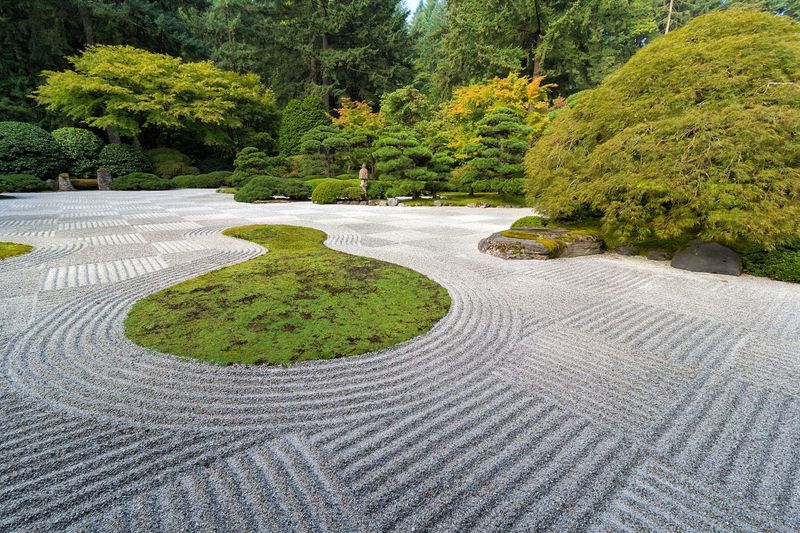
The meditative act of raking lines in sand has been cherished for centuries. Each stroke of the rake crafts patterns that captivate the mind, guiding it into a state of mindfulness. This repetitive motion is akin to the soothing practice of knitting or focused breathwork, allowing the mind to wander into a peaceful trance. The simplicity of following the rake’s path can be deeply therapeutic. As the lines form, they symbolize life’s journey, full of twists and turns, yet always leading to tranquility.
4. Moss (Softness for Overstimulated Minds)
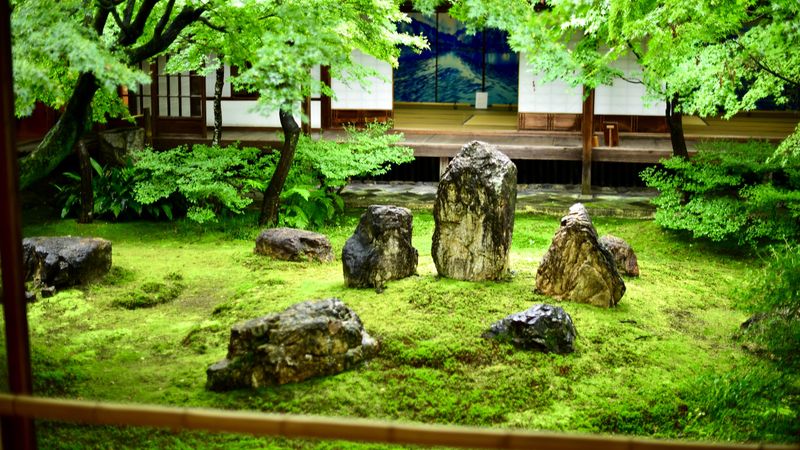
Running your fingers over a plush carpet of green moss is one of nature’s gentle touches, designed to soothe overstimulated minds. The soft texture of moss invites a sense of calm, signaling the brain’s “gentle touch” response. Moss not only provides visual beauty but also creates an environment of nurturing softness. Its presence in a Zen garden serves as an anchor for peace, reminding us to slow down and appreciate life’s delicate textures and moments of stillness.
5. Empty Space (Ma – The Power of Pause)
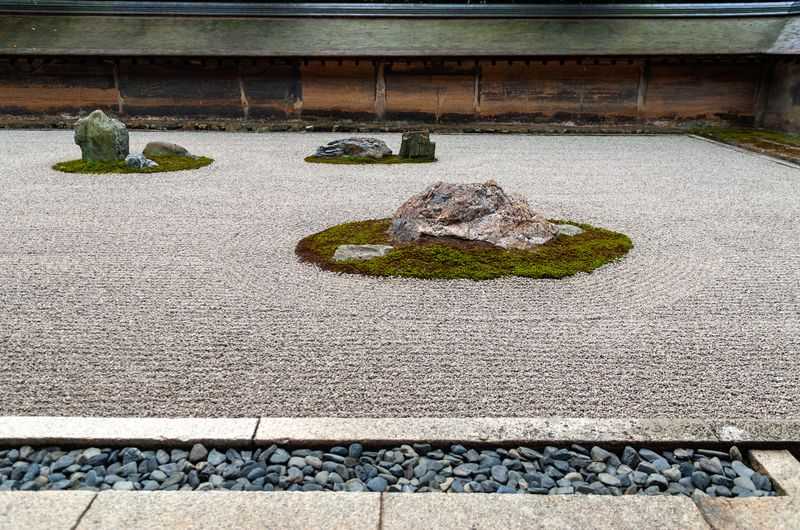
Empty spaces in a Zen garden serve a purpose beyond their visual simplicity. Known as ‘Ma,’ these gaps provide a pause, offering the eyes a place to rest amidst the surrounding elements. This balance of fullness and emptiness reduces cognitive overload, allowing the mind to decompress. The subtle presence of ‘Ma’ in a garden encourages reflection and introspection. It teaches the beauty of simplicity, where less can indeed be more. This deliberate sparseness cultivates a serene atmosphere, inviting contemplation and inner peace.
6. Stone Lanterns (Tōrō – Anchors for Focus)
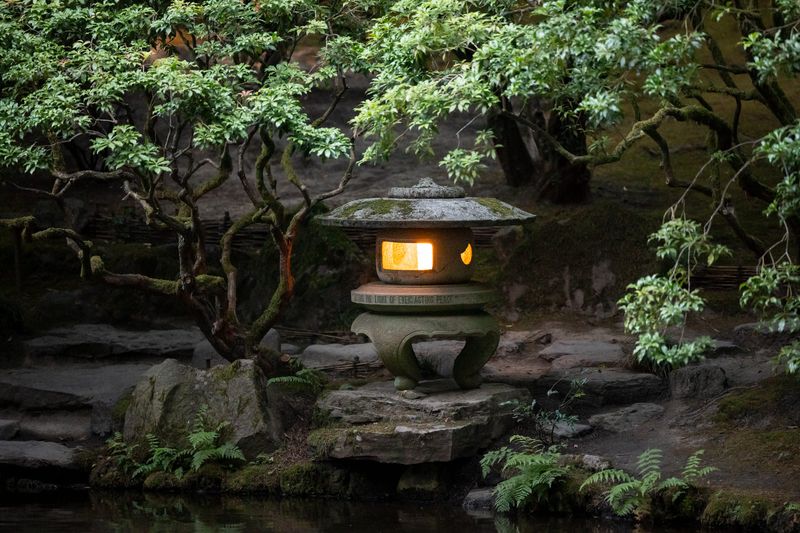
Stone lanterns, or Tōrō, are more than decorative elements in a Zen garden. These fixed structures serve as visual anchors, providing a “home base” for wandering thoughts. The solidity and timelessness of the stone lantern offer a sense of stability and focus. As one gazes upon a lantern, the mind finds a point of concentration amidst the garden’s fluid elements. This balance between movement and stillness enhances meditation, making the lantern a cherished feature in the pursuit of mental clarity.
7. Bamboo Fences (Shibui – Subtle Boundaries)
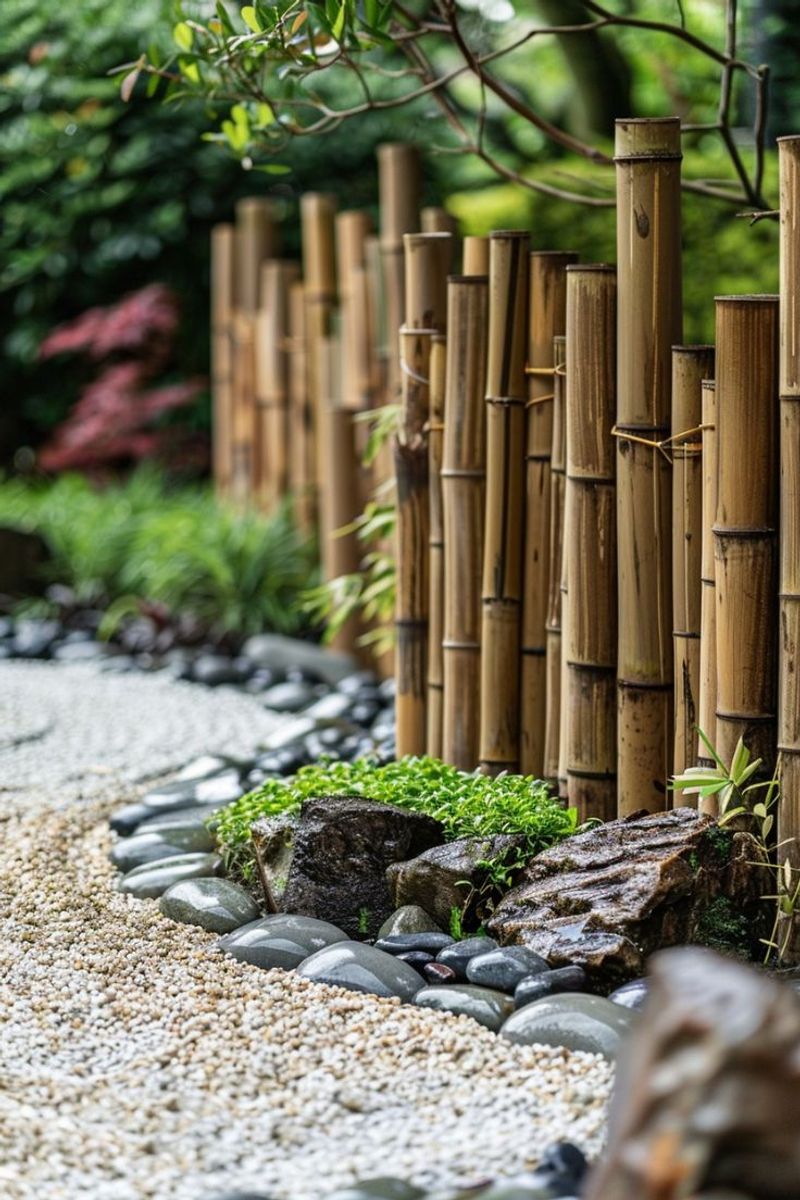
Bamboo fences in a Zen garden create elegant, subtle boundaries. They define spaces without enclosing them, fostering a sense of safety without confinement. This design embodies the concept of ‘Shibui,’ where beauty lies in subtlety and restraint. The semi-transparent nature of bamboo encourages an open mindset, allowing thoughts to flow freely while maintaining a sense of order. The gentle rustling of bamboo in the breeze adds auditory tranquility, complementing the visual harmony of the garden.
8. Gravel Pathways (Step-by-Step Mindset)
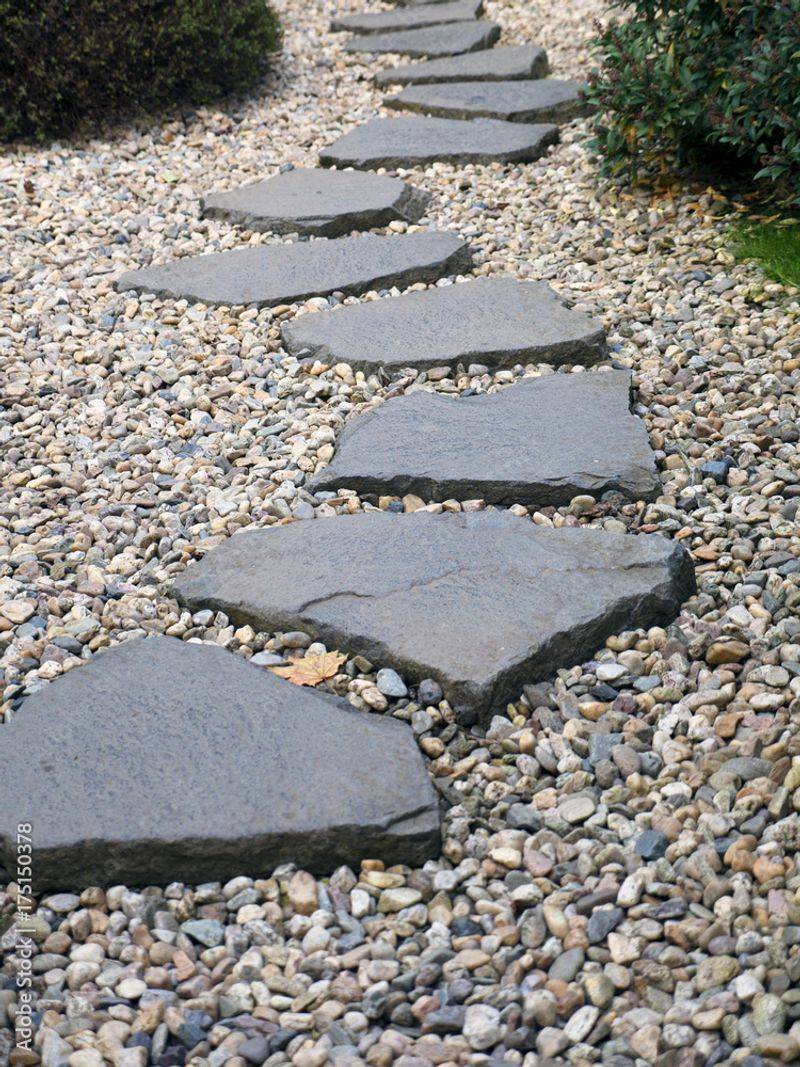
Walking along a gravel pathway in a Zen garden offers more than just a visual journey. The crunch of gravel underfoot demands deliberate, mindful steps, slowing the pace of movement and thought. This auditory feedback encourages a step-by-step mindset, where each footfall becomes a moment of meditation. The path symbolizes life’s journey, inviting one to focus on the present moment rather than the destination. This deliberate pacing fosters a deeper connection with the surroundings, enhancing the garden’s calming effect.
9. Miniature Bridges (Metaphors for Transition)
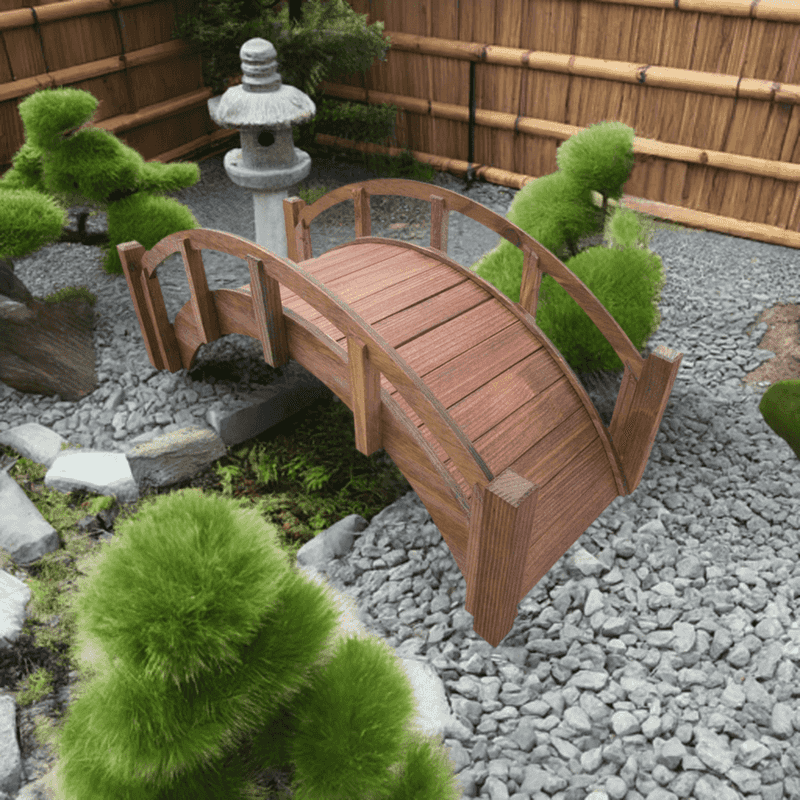
Miniature bridges in a Zen garden are more than charming crossings; they symbolize transitions. As one steps onto a bridge, it represents a crossing over, a journey from one state to another. This symbolic passage encourages the release of stagnant emotions, facilitating personal growth and change. The bridge stands as a metaphor for life’s ever-evolving journey, reminding us that transition is a natural part of existence. Its presence in the garden invites reflection, making it a powerful tool for emotional clarity.
10. Pruned Trees (Control in Chaos)
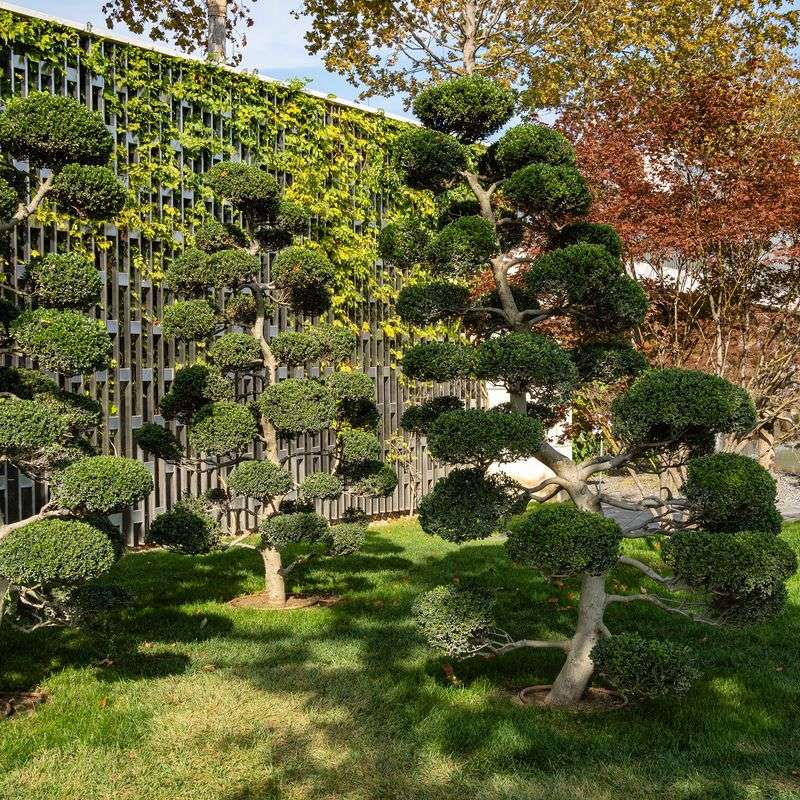
Pruned trees in a Zen garden showcase the art of controlled beauty. Each tree, carefully shaped, reassures the mind that there is order amidst chaos. This meticulous pruning embodies the balance between nature’s wildness and human touch. The act of shaping the tree becomes a metaphor for self-discipline, teaching us to find harmony within ourselves. The visual symmetry of pruned trees provides a calming focal point, easing the mind into a state of quiet composure.
11. Hidden Water Basins (Tsukubai – Ritual Cleansing)
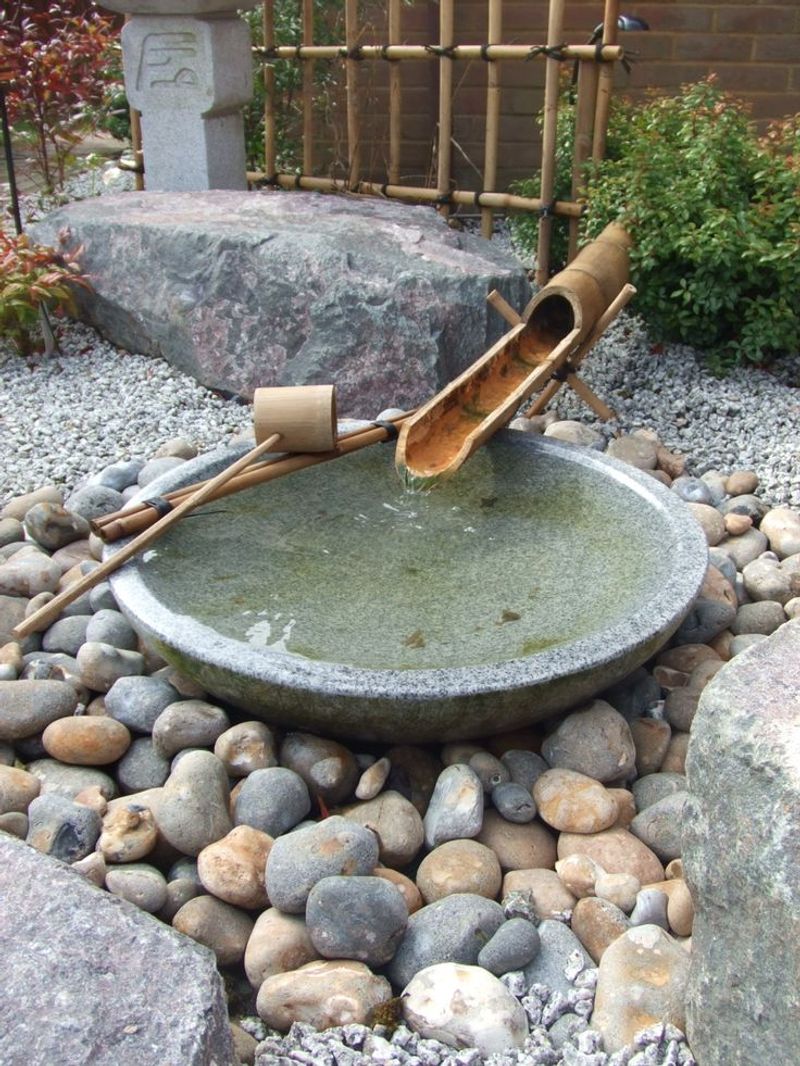
Hidden water basins, or Tsukubai, offer a sanctuary for ritual cleansing in a Zen garden. The gentle sound of water dripping into the basin creates a soothing auditory backdrop, known to lower heart rates. This simple ritual invites purification of both body and spirit, fostering a sense of renewal. The concealed nature of the basin adds an element of discovery, symbolizing the uncovering of inner peace. Tsukubai enhances the garden’s meditative qualities, making each visit an opportunity for emotional cleansing.
12. Single Red Maple (Focal Point for Overthinking)
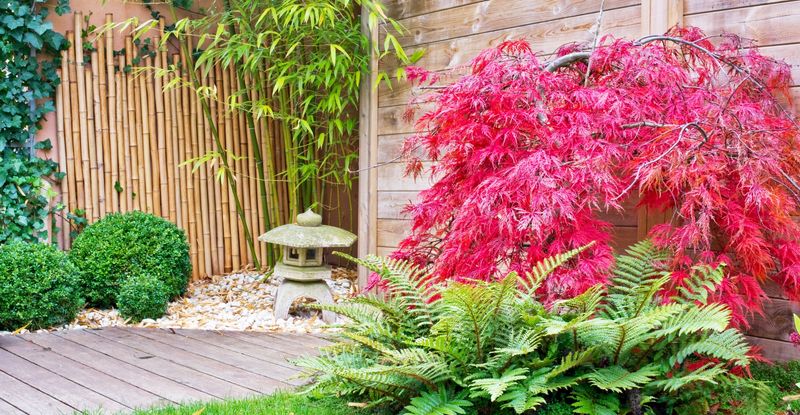
Amidst the muted tones of a Zen garden, a single red maple stands out with its bold color. This focal point captures the gaze, interrupting the cycle of overthinking. The ‘pop-out effect’ of its vibrant leaves draws attention, providing a mental pause. This solitary splash of red not only beautifies the garden but also serves as a visual reminder to stay present. The maple’s presence encourages mindfulness, making it an effective tool for calming a restless mind.
13. Circular Patterns (Enso – Wholeness Symbols)

Circular patterns, or Enso, depict completeness in a Zen garden. These closed loops symbolize unity and wholeness, offering a sense of resolution that soothes unresolved stresses. Each circle is a reminder of life’s cyclical nature, where beginnings and endings coexist harmoniously. The visual continuity of Enso invites introspection and acceptance, fostering a peaceful mindset. These patterns encourage the reflection that all things are interconnected, creating a serene environment for meditation and contemplation.
14. Stepping Stones (Unconscious Counting)
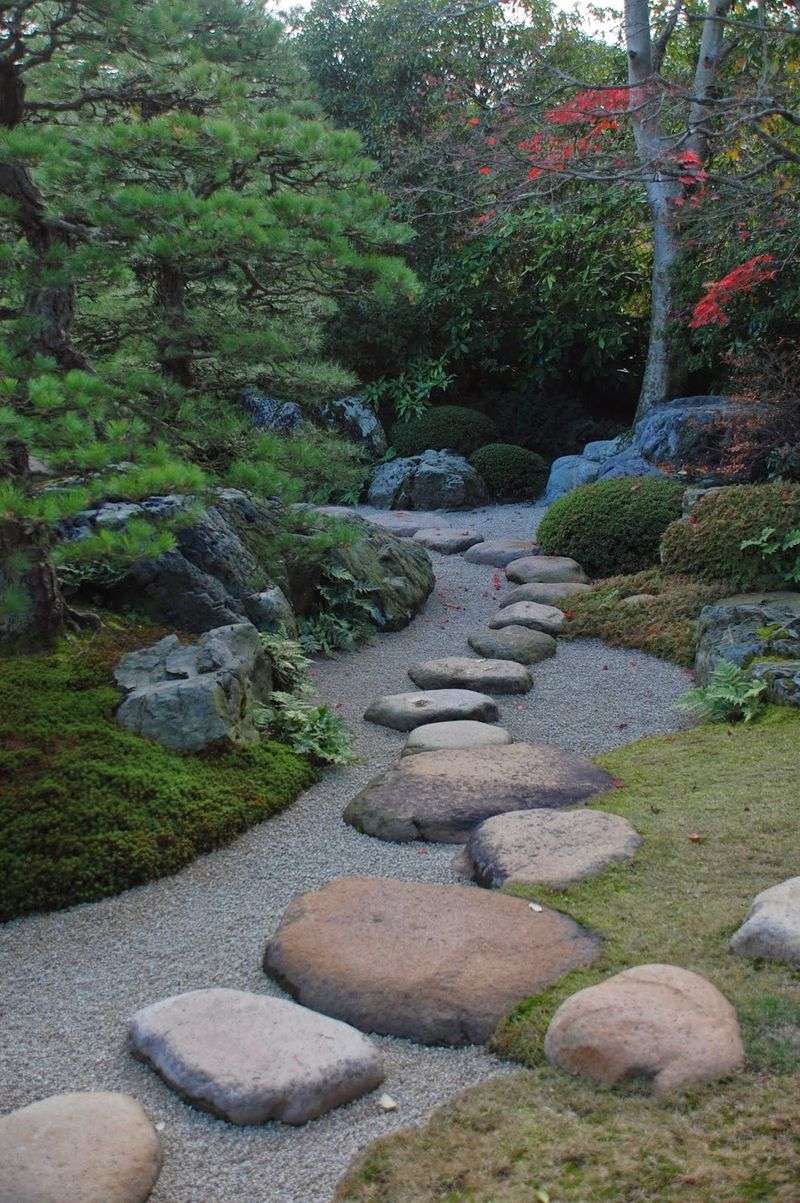
Stepping stones in a Zen garden transform a simple path into a mindful journey. As one traverses the stones, the brain subconsciously counts each step, offering a distraction from worries. This rhythmic counting creates an opportunity for meditation in motion. The stones are strategically placed to guide the flow of movement and thought, encouraging a connection with the present. This gentle mental engagement provides a break from daily stresses, making it a cherished element of tranquility in the garden.
15. Sand Waves (Brainwave Mimicry)

The gentle curves of sand waves in a Zen garden mirror the brain’s alpha waves, associated with deep relaxation. This mimicry allows the mind to enter a calming state, akin to periods of quiet reflection. The visual rhythm of sand waves serves as a metaphor for the natural ebb and flow of thoughts and emotions. The act of creating and observing these waves provides a meditative escape, transforming the garden into a sanctuary of peace.
16. Low Benches (Hara – Grounded Posture)
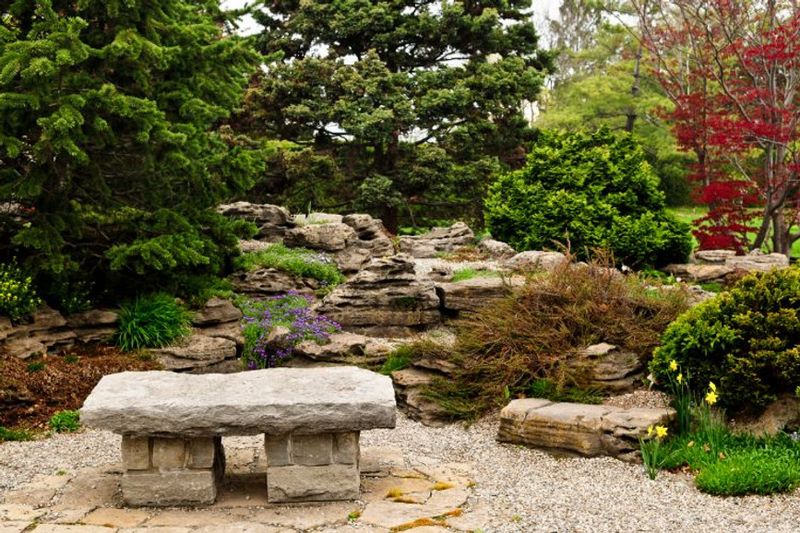
Low benches in a Zen garden invite visitors to sit and connect with the earth. This grounded posture, known as ‘Hara,’ activates the parasympathetic nervous system, promoting relaxation. The act of sitting below eye level encourages a sense of humility and introspection, fostering a deeper connection with nature. These benches offer a place for contemplation and rest, enhancing the garden’s calming atmosphere. The simplicity of the bench design complements the garden’s aesthetic, making it a perfect spot for meditation.
17. Hidden Views (Miegakure – Slow Discovery)
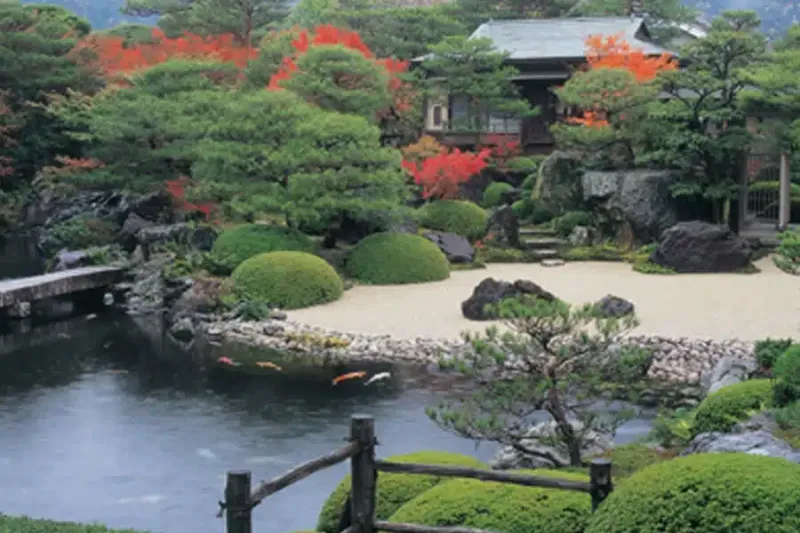
Hidden views in a Zen garden, known as ‘Miegakure,’ encourage slow discovery. As one navigates the garden, partially obscured scenes invite curiosity and observation. This gradual revelation slows the mind, promoting mindfulness and appreciation of the present moment. The element of surprise in uncovering hidden views adds an engaging layer to the garden experience. Miegakure teaches the value of patience and exploration, turning each visit into a journey of discovery and reflection.
18. Wind Chimes (Random but Predictable Sound)
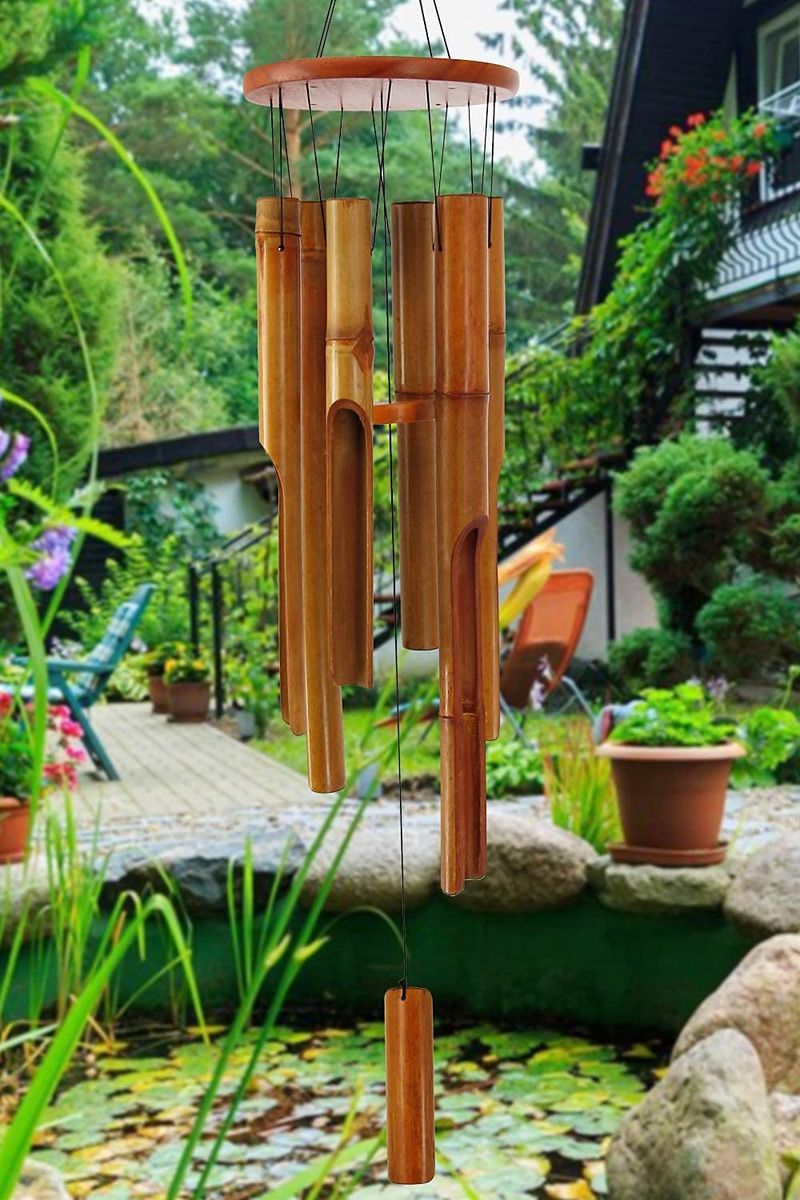
Wind chimes in a Zen garden add an auditory dimension to the sensory experience. The gentle melody of chimes, random yet predictable, interrupts rumination and invites relaxation. Their sound creates a soothing backdrop, enhancing the garden’s tranquil ambiance. The unpredictable nature of chimes encourages the mind to let go of structured thought processes, fostering a sense of freedom and creativity. This harmonious interplay of sound and silence makes wind chimes a beloved feature in the pursuit of calm.
19. One Perfectly Placed Pebble (Ikigai Moment)
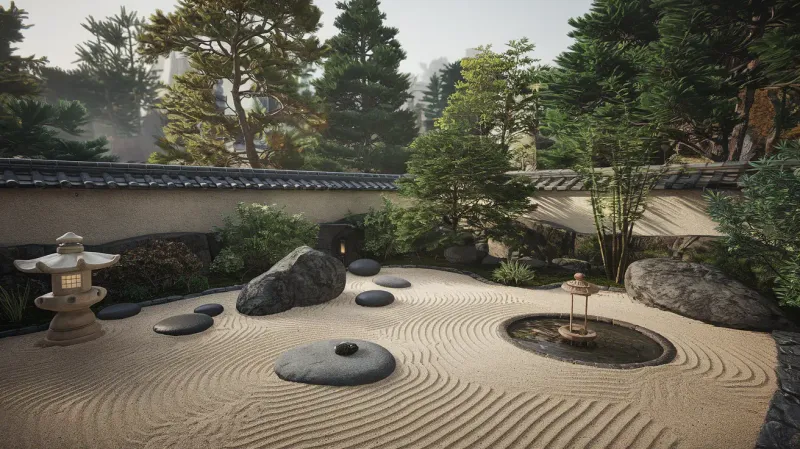
In the midst of a Zen garden’s complexity lies one perfectly placed pebble, embodying the concept of ‘Ikigai’ or life’s purpose. Discovering this pebble feels like a small victory, releasing dopamine and promoting happiness. Its simplicity amidst the garden’s intricacies serves as a metaphor for finding joy in small things. The pebble reminds us that fulfillment often lies in the unassuming details. Its presence invites reflection on personal values and gratitude, enhancing the garden’s role as a space for mindfulness.