
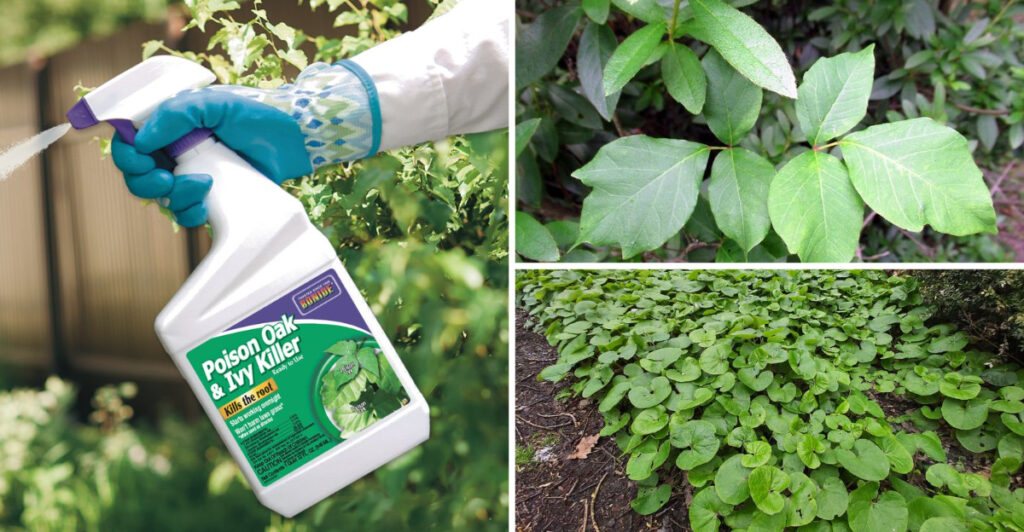
Poison ivy can be a persistent and unwelcome guest in your garden. This guide outlines effective strategies to keep this troublesome plant at bay, ensuring your outdoor space remains a safe and pleasant environment.
1. Regular Inspection
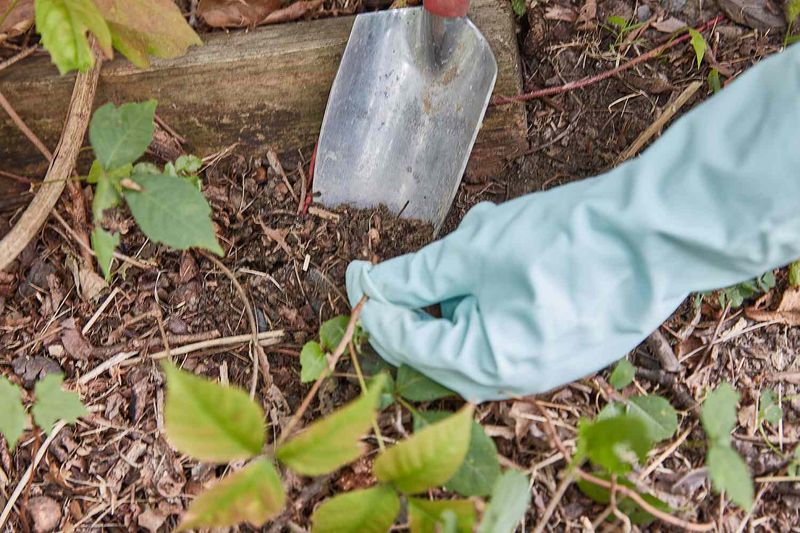
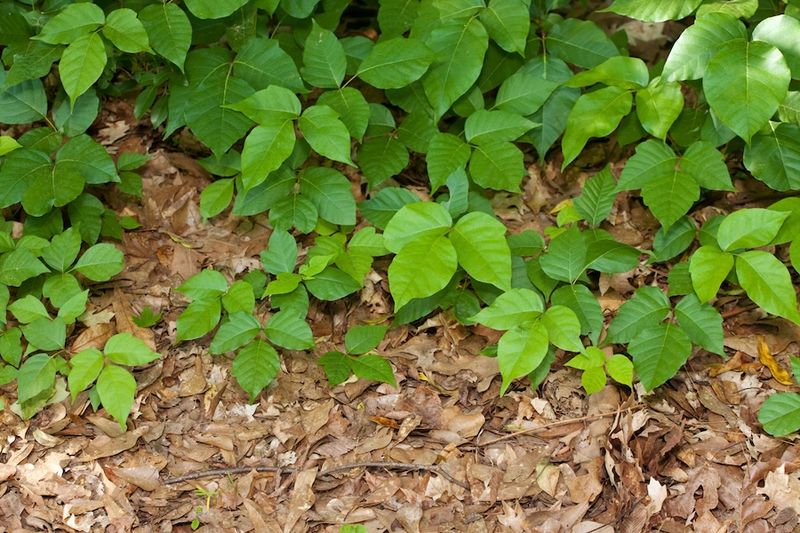
Start each gardening session with a thorough inspection. This proactive approach identifies burgeoning poison ivy before it becomes a problem. Look closely at the base of trees and bushes, common hideouts for this plant. By catching it early, you make removal easier and less risky.
Gardeners who regularly check their plants are often rewarded with healthier, poison ivy-free landscapes. The awareness and diligence pay off, leading to a safer space for all. It’s not just about prevention; it’s about nurturing a harmonious garden environment.
2. Use of Mulch
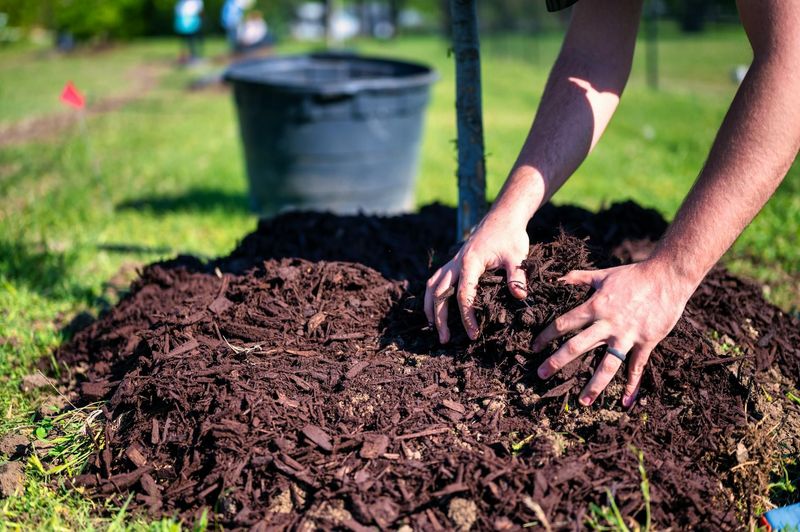
Mulch not only beautifies your garden but also acts as a formidable barrier against unwelcome plants. By covering bare soil, mulch suppresses the growth of poison ivy and other invasive species. It retains moisture and enriches the soil, benefiting your garden’s overall health.
This simple step can drastically reduce the chances of encountering poison ivy. Plus, it provides a neat, finished look to your garden beds. An investment in mulch is an investment in peace of mind and plant health.
3. Strategic Planting
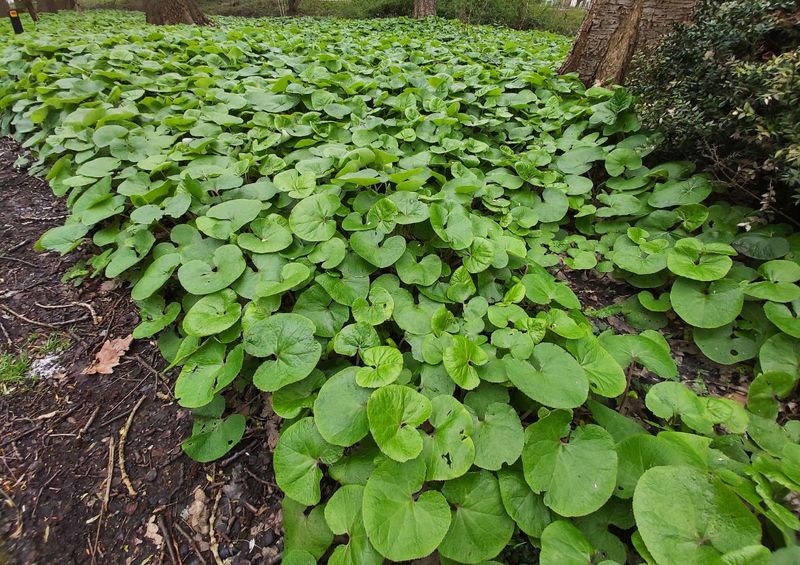
Cultivating a dense array of native plants can outcompete poison ivy. These plants thrive in similar conditions and overshadow the ivy, hindering its growth. Strategic planting is an environmentally friendly method to keep your garden lush and safe.
Native plants also support local wildlife. By fostering a diverse ecosystem, you enhance your garden’s beauty and utility. It’s a natural way to maintain control and encourage harmony.
4. Herbicide Application
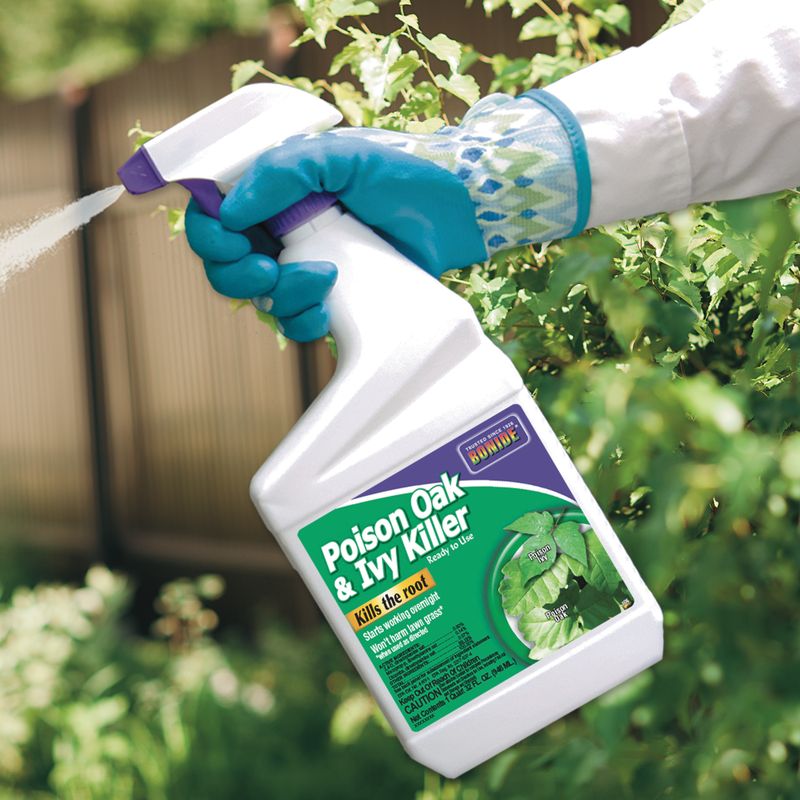
Sometimes, manual removal isn’t enough. Herbicides can be effective in eliminating poison ivy, particularly large infestations. Select an appropriate herbicide and follow instructions carefully to avoid harming desirable plants.
Ensure safety by wearing protective gear. Apply on a calm day to prevent drift, safeguarding other plants and your health. Herbicides offer a powerful tool in managing poison ivy when used responsibly.
5. Physical Barriers
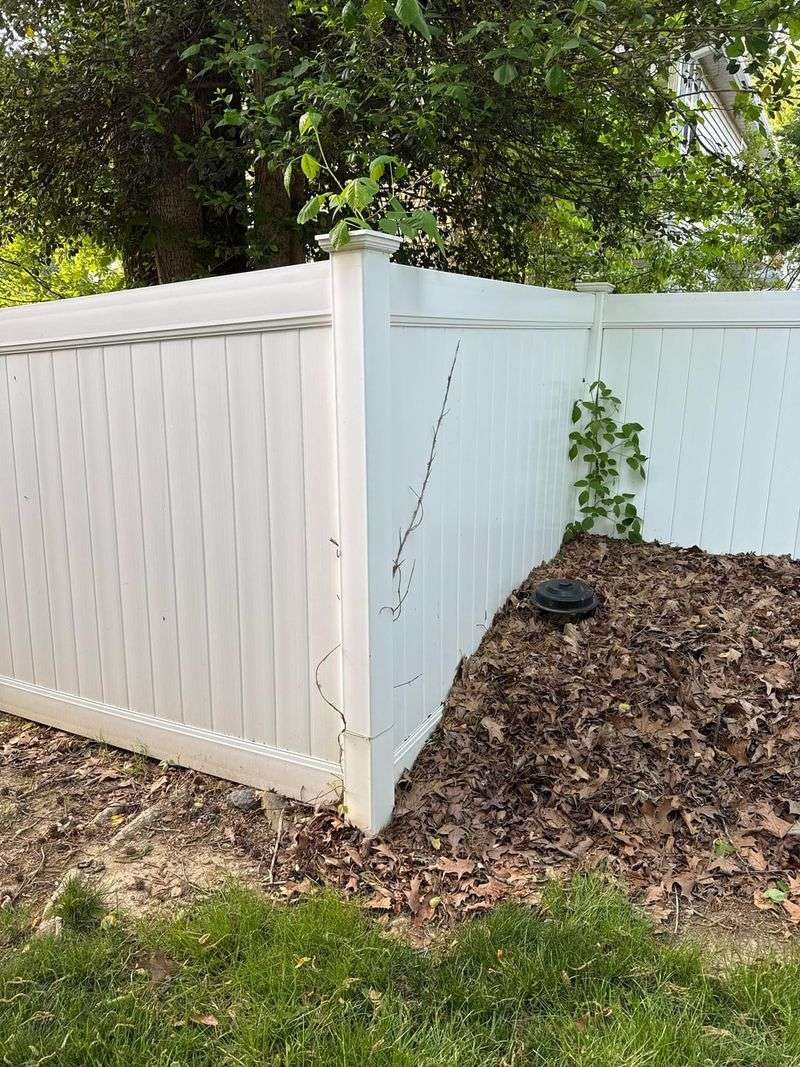
Building physical barriers is a practical way to prevent poison ivy from entering your garden. Fences, borders, and walls act as deterrents, keeping unwanted plants out while defining your garden space.
These barriers not only stop ivy but also enhance your garden’s aesthetics. They create a clear boundary, making it easier to manage and maintain your outdoor sanctuary. A well-placed barrier is both functional and decorative.
6. Proper Disposal Techniques
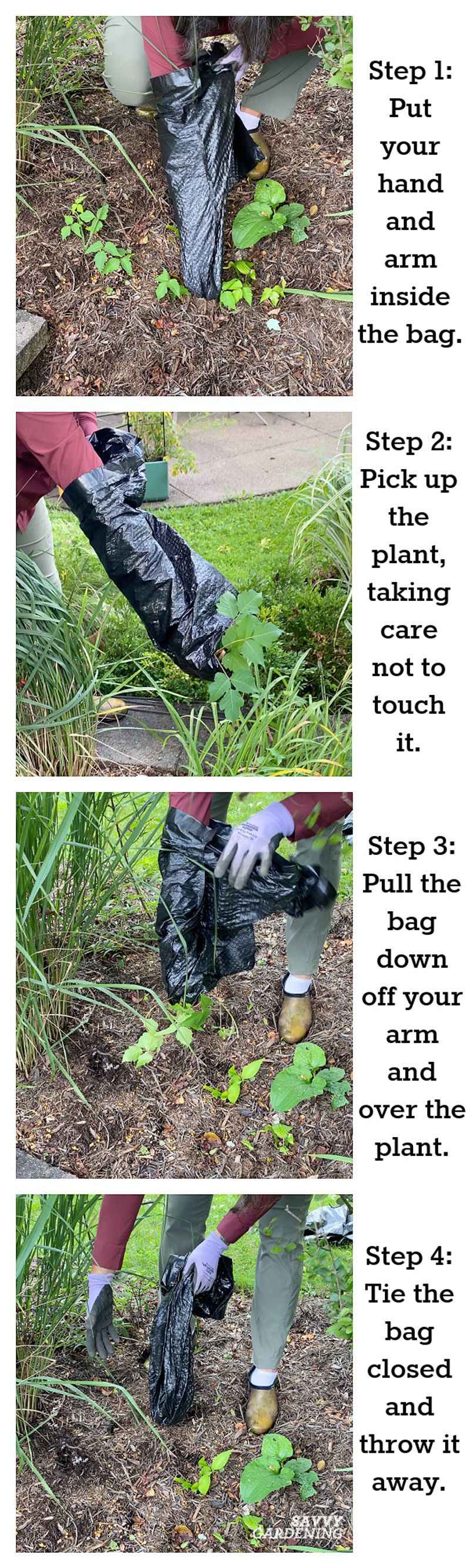
Disposing of poison ivy requires care to prevent re-contamination. Use gloves and seal the plant material in a bag for disposal. Avoid burning it, as the smoke can be harmful if inhaled.
By following proper disposal techniques, you protect yourself and the environment. This meticulous approach ensures the plant doesn’t return, securing your garden from future infestations.
7. Regular Weeding

Consistent weeding is essential for a healthy garden. By removing poison ivy regularly, you prevent it from establishing a foothold. Use tools to reach roots and wear gloves to protect your skin.
Regular weeding not only keeps poison ivy at bay but also promotes the overall well-being of your plants. It’s a simple yet effective habit that enhances your garden’s vitality and safety.
8. Educate Yourself and Others
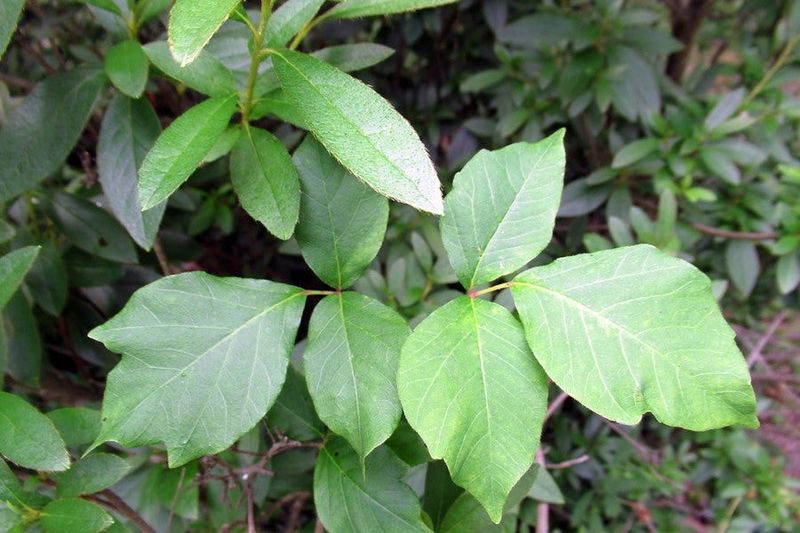
Knowledge is a powerful tool in garden maintenance. Educating yourself on poison ivy identification and removal techniques is invaluable. Sharing this information with family and neighbors amplifies its effectiveness.
Workshops and guides can empower your community, creating a network of informed gardeners. A collective effort ensures a broader impact, minimizing poison ivy threats across your neighborhood.
9. Use of Ground Covers
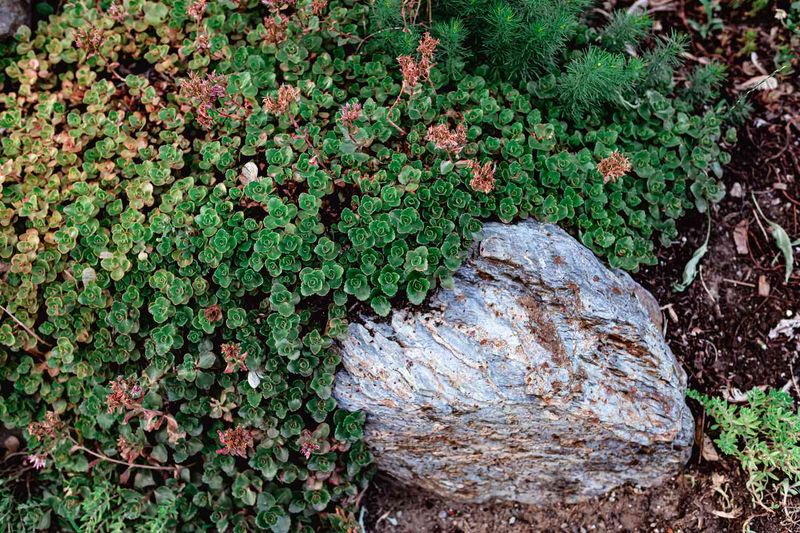
Ground covers are excellent allies in the fight against poison ivy. These plants spread quickly, covering bare soil and inhibiting unwanted growth. Their dense foliage smothers potential poison ivy, maintaining a pristine garden.
In addition to their protective role, ground covers add beauty and texture. They enrich your garden’s appearance while serving as a natural barrier.
10. Frequent Lawn Mowing
Keeping your lawn well-trimmed is crucial in controlling poison ivy. Regular mowing prevents it from seeding and spreading. It also maintains a tidy lawn, enhancing your garden’s aesthetics.
By cutting the lawn frequently, you disrupt poison ivy’s growth cycle. This simple maintenance task safeguards your garden and promotes healthy grass growth.
11. Natural Predators
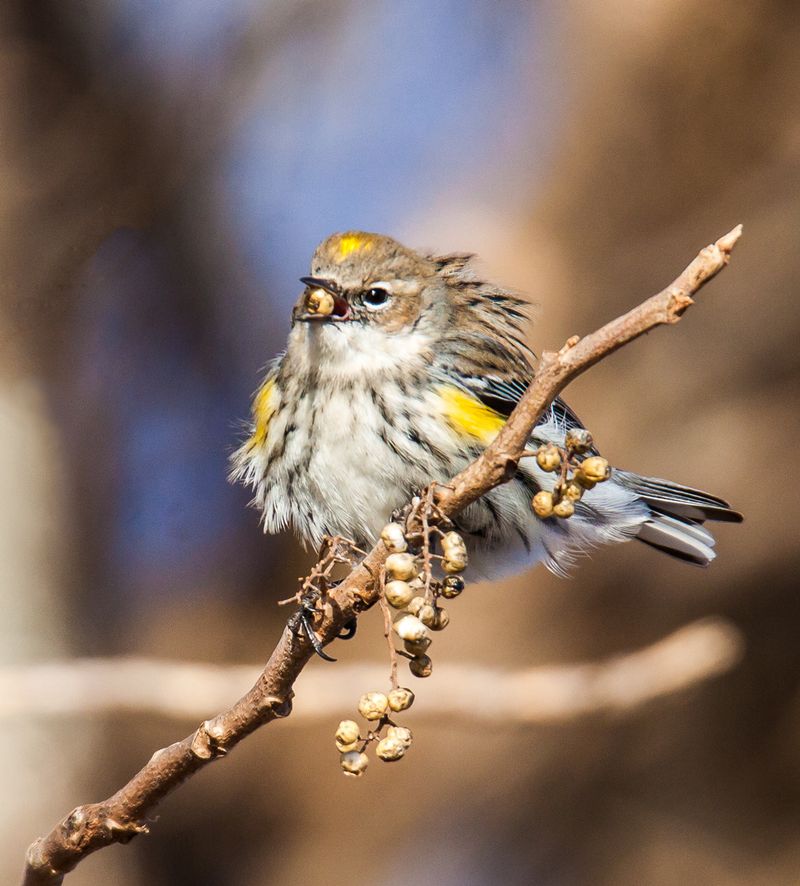
Encouraging natural predators can help control poison ivy. Certain birds feed on the berries, reducing seed spread. Attract these allies with bird feeders or nesting sites to enhance your garden’s ecosystem.
This method promotes biodiversity and provides a natural balance. By inviting wildlife, you add life and vibrancy to your garden while keeping poison ivy in check.
12. Use of Boiling Water
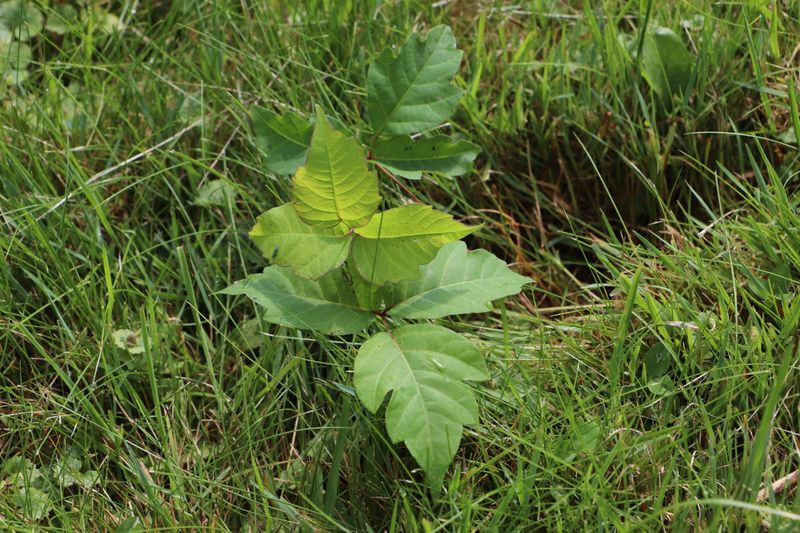
Boiling water offers a natural, chemical-free method to eliminate poison ivy. Pour it directly on the roots to kill the plant effectively. This method is especially useful in areas where chemicals are undesirable.
Exercise caution when handling boiling water to prevent injury. This simple solution can be surprisingly effective, proving that sometimes the simplest methods are the best.
13. Plant Resistant Varieties

Choosing resistant plant varieties can deter poison ivy naturally. Certain grasses and shrubs create an unfavorable environment for its growth. Selecting these plants enhances your garden’s defense.
This strategy is both decorative and preventive. It allows you to enjoy a diverse plant collection while minimizing poison ivy risks.
14. Routine Soil Testing
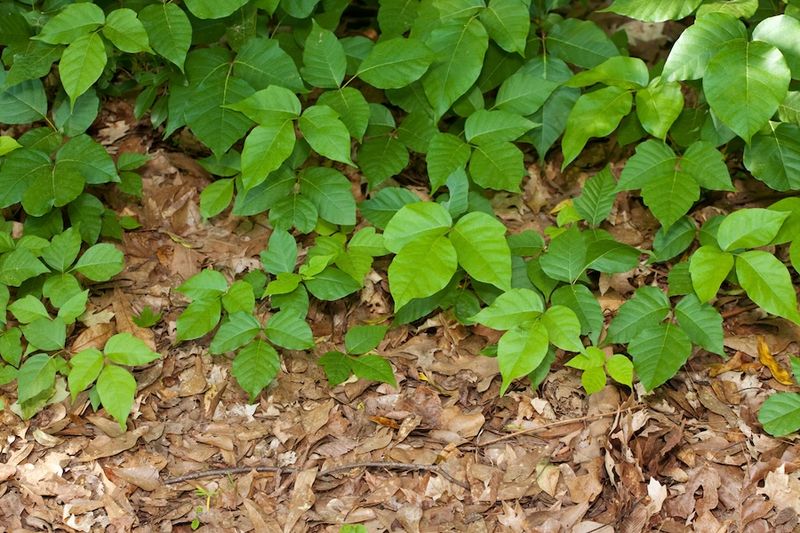
Soil testing identifies conditions that might favor poison ivy. Adjusting pH levels and nutrients deters its growth. Regular testing helps you maintain soil health, benefiting all plants.
By understanding your soil, you make informed decisions about amendments and treatments. This proactive approach strengthens your garden’s defenses.
15. Community Clean-Up

Organizing community clean-ups can effectively manage poison ivy in shared spaces. Collaborative efforts remove larger infestations and foster community spirit. These events provide opportunities for education and collective action.
Working together, neighbors can tackle poison ivy more efficiently than alone. It’s a communal way to enhance safety and beauty in public and private areas.