
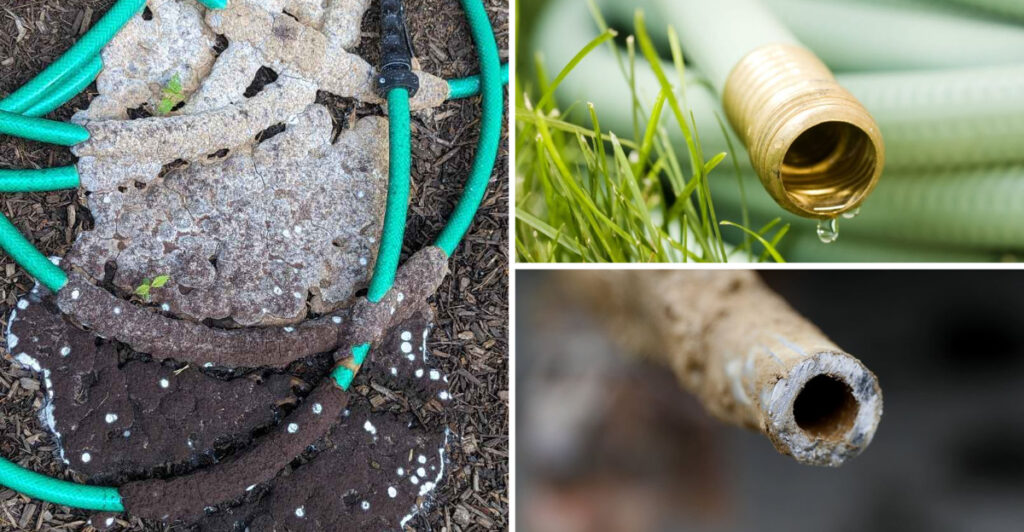
Using the wrong garden hose can inadvertently harm your plants. Chemicals leaching from hoses, uneven water distribution, and exposure to harmful materials are just a few of the hidden dangers. Discover seven compelling reasons why your garden hose might be the villain in your garden and explore alternative solutions to ensure your plants thrive.
Plastic Hose Chemical Leach
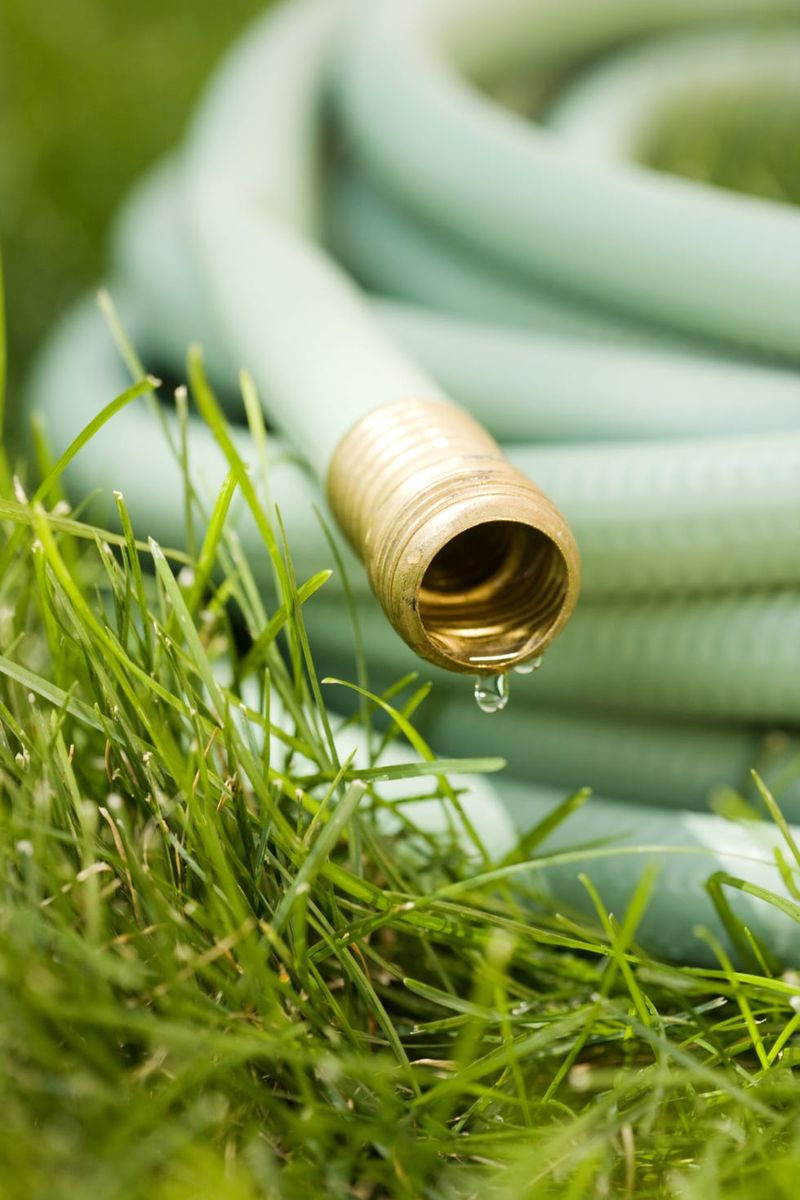
Did you know? Many plastic hoses contain harmful chemicals like lead and phthalates. Over time, these toxins leach into the water, affecting plant health. Watering with such a hose can lead to wilting, yellowing, or even plant death.
Switching to a food-grade stainless steel hose can be a safe alternative. These hoses are durable and free from harmful chemicals. Ensuring the health and vibrancy of your garden doesn’t have to be complicated. Choose materials that prioritize plant safety and water purity.
Rubber Hose Heat Retention
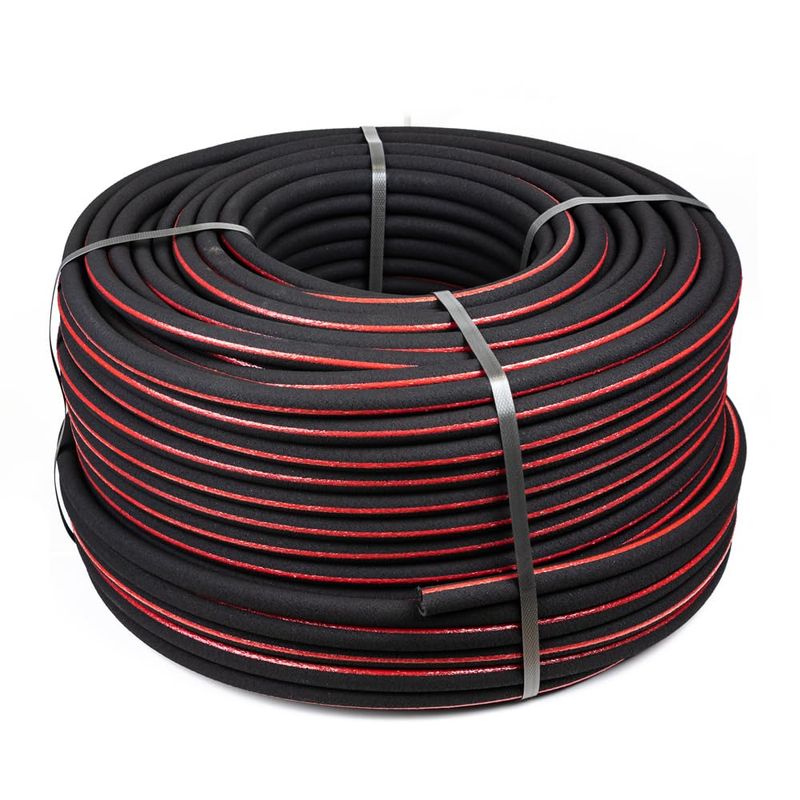
A scorching summer day can transform your garden hose into a heat conductor. Rubber hoses, in particular, absorb and retain heat, which can scorch delicate plants upon watering.
Consider using UV-resistant poly hoses. These don’t absorb much heat and are gentle on plants. Keeping your watering tools shaded when not in use can help reduce this risk. Protecting your plants from heat damage ensures they remain lush and vibrant.
Unfiltered Metal Hose Corrosion
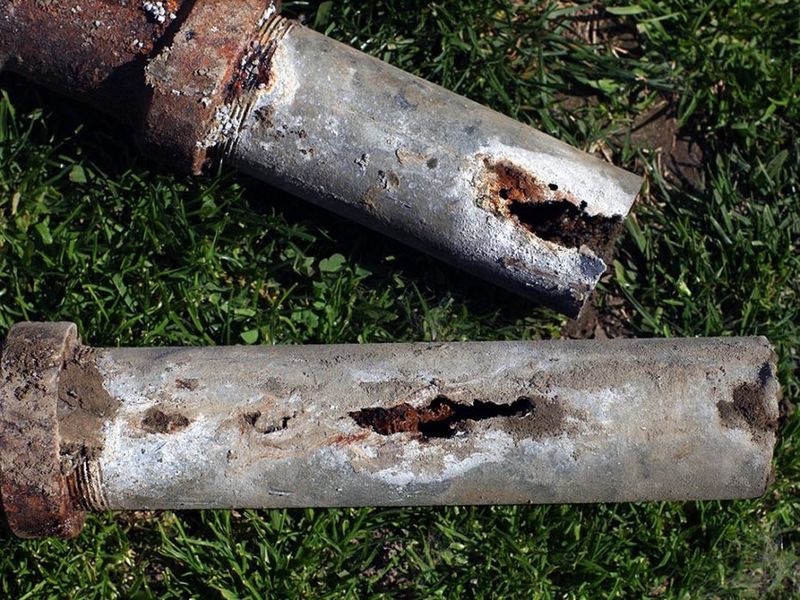
Is your metal hose leaving rust stains behind? Corroded metal hoses can introduce rust into the water supply, damaging plants over time. Rust can alter soil pH, making it less hospitable for growth.
Switch to a corrosion-resistant stainless steel hose or use a hose filter to prevent rust particles from reaching plants. This change can significantly improve soil quality and plant vitality, fostering a healthier garden.
Vinyl Hose Flexibility Issues
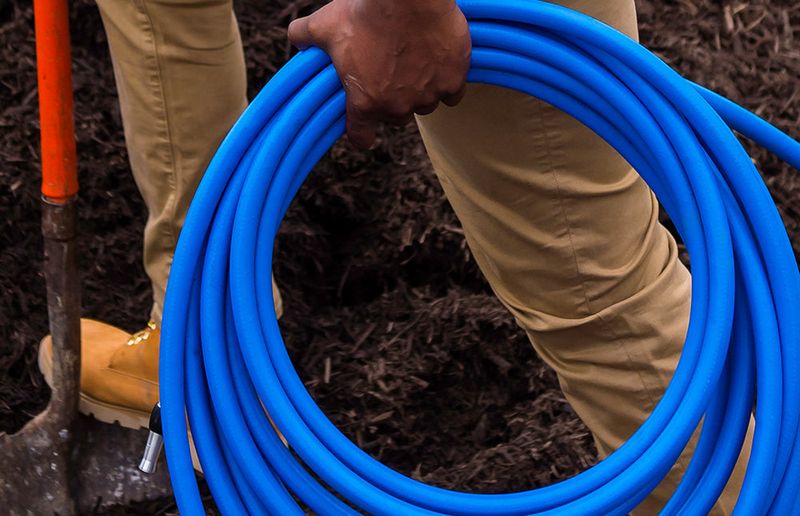
Ever noticed uneven watering patterns? Vinyl hoses are notorious for kinking, causing inconsistent water distribution. Uneven watering can result in waterlogged patches and dry spots, stressing plants.
Opt for kink-resistant hoses made from hybrid materials or reinforced rubber. These hoses provide a consistent flow, ensuring even watering. Uniform watering promotes strong root growth and helps maintain a balanced ecosystem.
PVC Hose Lead Contamination
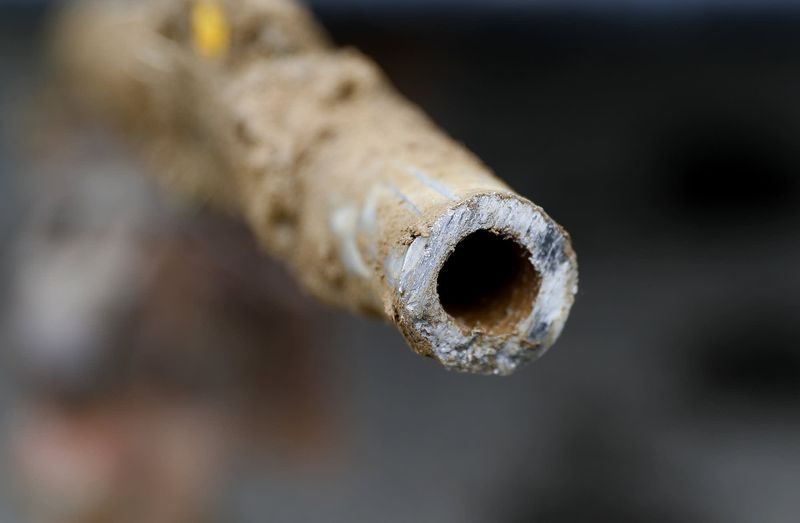
PVC hoses, often inexpensive, may seem like a good deal, but they can contain lead, posing a hidden risk. Lead can leach into the water, harming plant and human health.
Investing in a lead-free hose ensures safe water delivery. Brands offering certification for safety are ideal. Protecting your garden from contamination is crucial for both plant and personal health.
Hose Reel Mold Growth
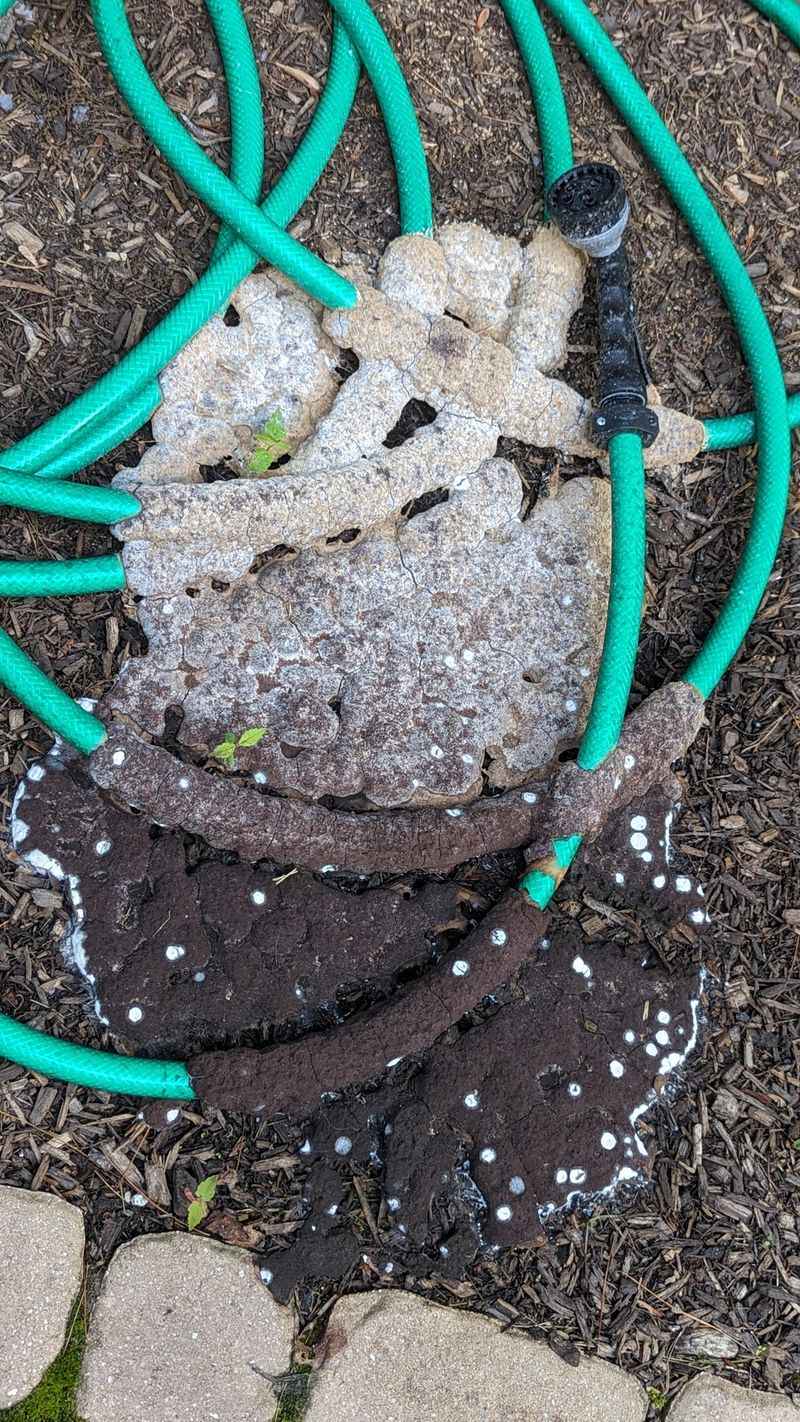
Have you checked your hose reel lately? Mold growth on hoses and reels can spread fungal spores to your plants. Moisture trapped in reels is a perfect environment for mold.
Regularly cleaning and drying your hose can prevent mold. Using a hose reel with proper drainage can help too. Keeping mold at bay preserves the garden’s health and beauty.
Inadequate Hose Length
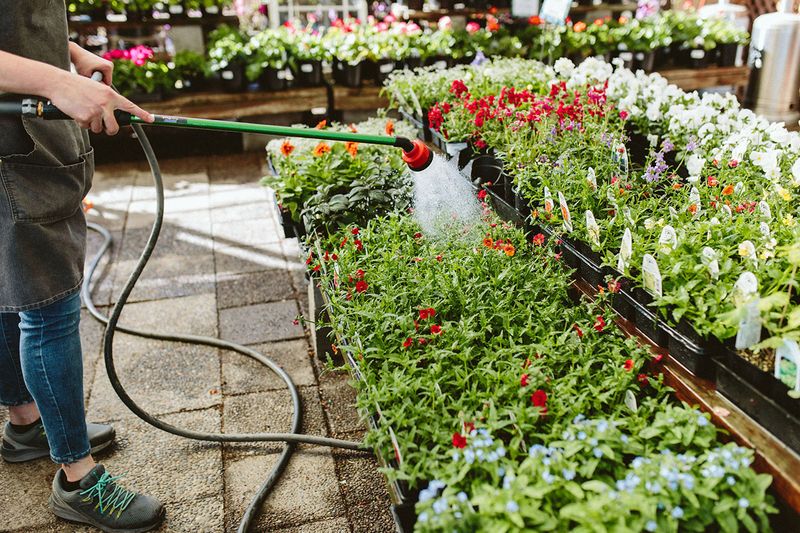
Struggling to reach distant plants? An inadequate hose length can leave parts of your garden under-watered or neglected. Extending your hose with quality connectors or investing in a longer hose can solve this.
Ensure your watering reaches every corner of your garden. Accessibility is key to a thriving garden, avoiding dry patches and ensuring every plant gets the care it needs.
Improper Storage Leading to Mildew
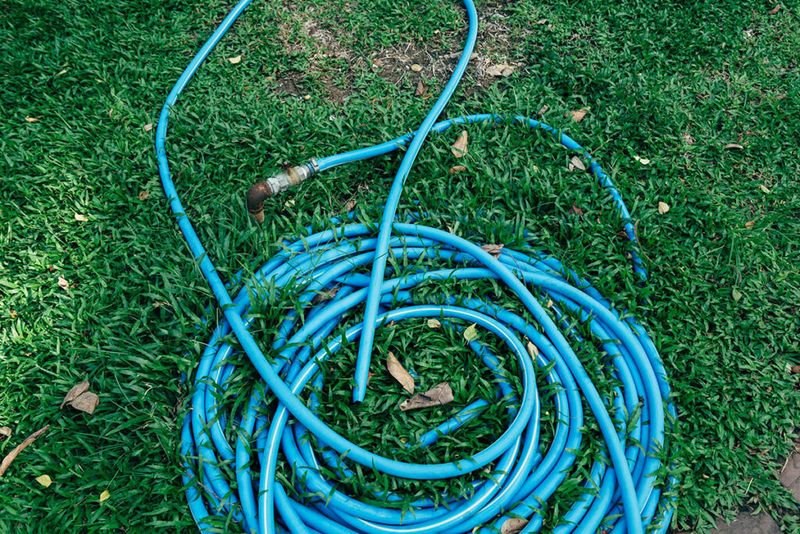
A neglected hose, left piled in a damp corner, is a breeding ground for mildew. The dark, moist environment is ideal for mold and mildew, which can transfer to plants.
Exposure to mildew can weaken plant defenses, making them susceptible to diseases.
Organize your storage with a wall-mounted hose hanger to prevent mildew growth.
High Water Pressure Damage
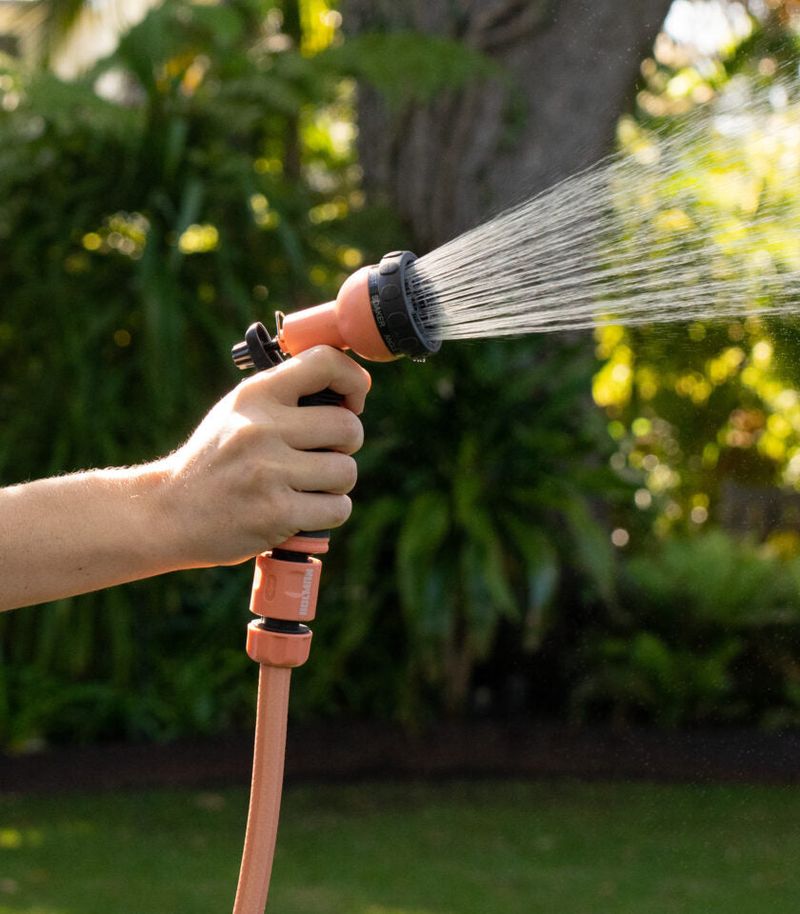
Excessive water pressure can be as harmful as drought. Blasting water can damage delicate leaves and compact soil, disrupting root growth.
Consider a pressure-regulating nozzle to control the flow.
A gentle sprinkle ensures plants receive hydration without harm.
Old Rubber Hoses with Cracks
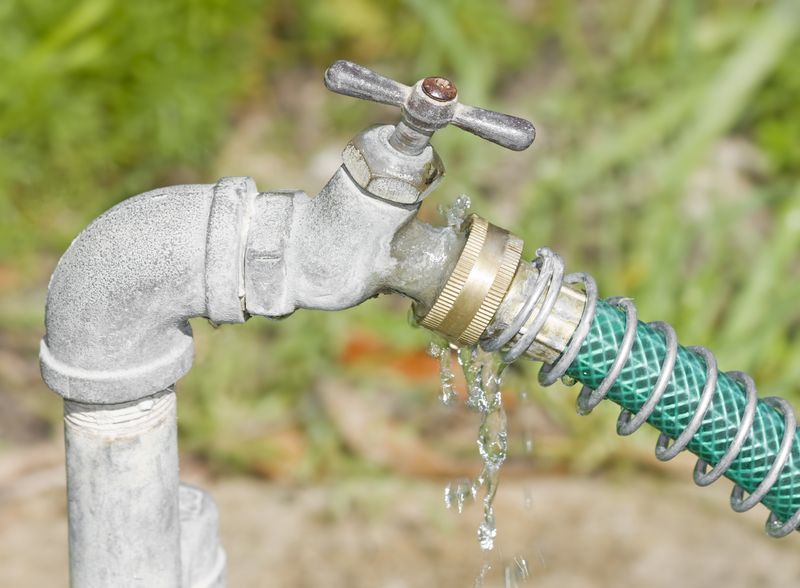
Aging rubber hoses often crack, leading to water leaks and inefficient watering. These cracks harbor bacteria, which can infect the soil and plants.
Replacing old hoses with newer, durable options ensures better water delivery.
Regular inspections prolong hose life and maintain garden health.
Using Water That’s Too Cold
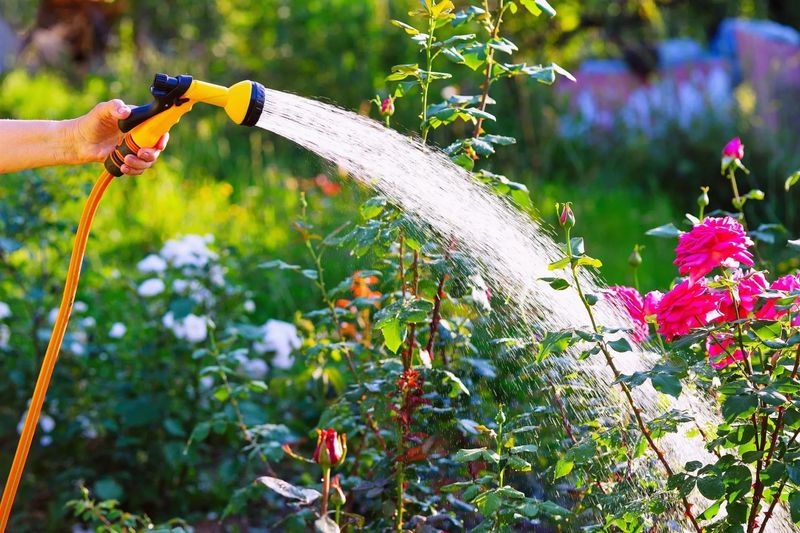
Cold water can shock plants, especially in the warmer months. Sudden temperature changes stress plants, affecting growth and health.
Allow water to sit in the hose under the sun to warm up before use.
This simple step aids in acclimatizing water temperature for your plants.
Inconsistent Watering Schedules
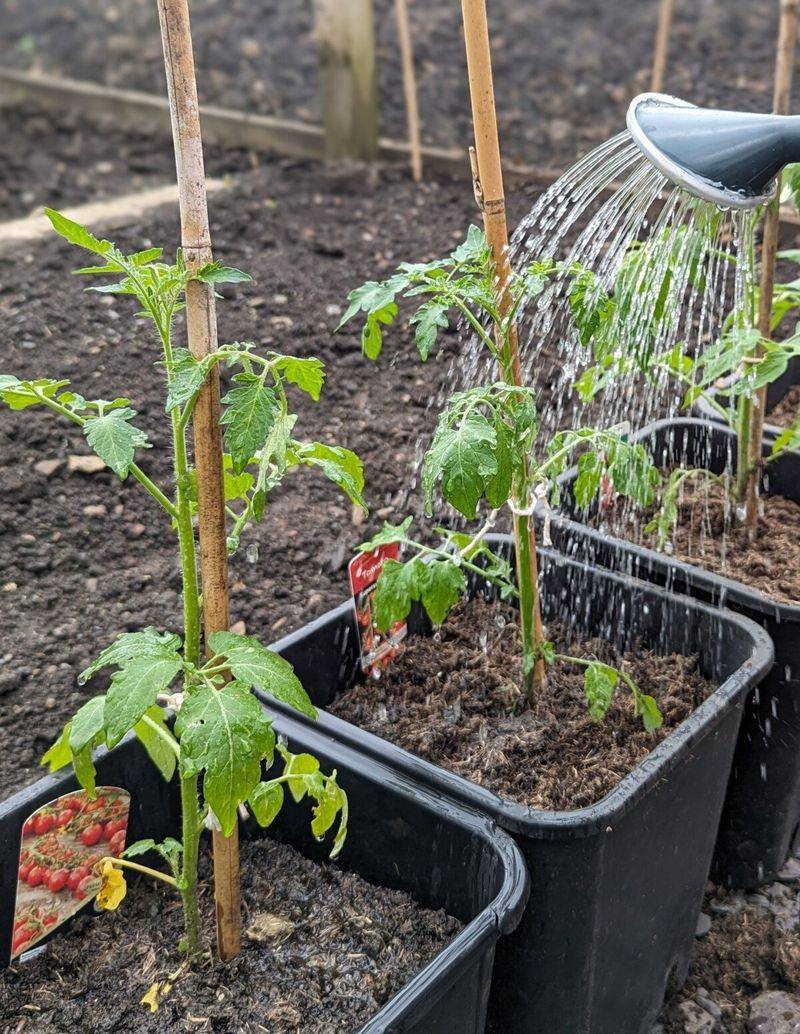
Inconsistent watering can lead to plant stress, either from drought or overwatering. Plants thrive on a consistent schedule that mimics natural rainfall.
Set timers or reminders to maintain regularity.
This consistency nurtures robust, resilient plants.
Watering at the Wrong Time of Day
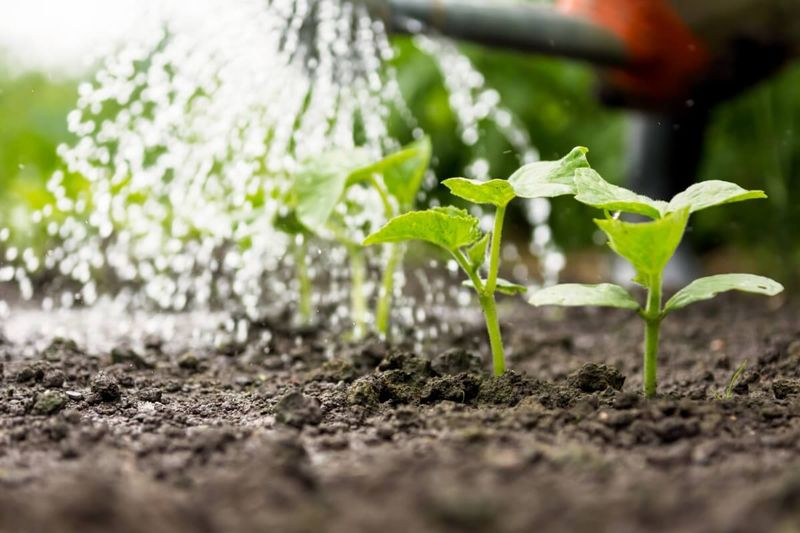
Watering in the evening may seem convenient but can promote fungal growth due to prolonged wetness. Morning watering allows leaves to dry quickly.
This reduces the risk of disease, keeping plants healthier.
Adapting to morning routines benefits plant longevity.
Improper Hose Length for Garden Size
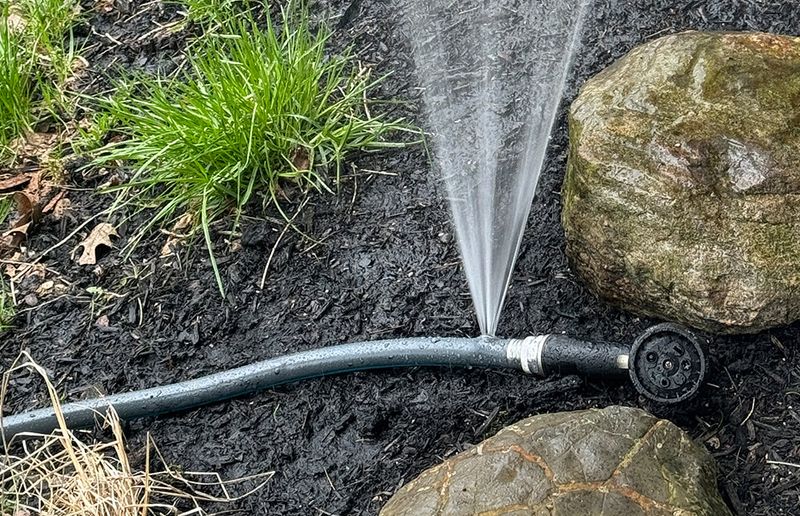
A hose that’s too short can lead to dragging, harming plants in its path. Stretching it beyond capacity causes wear and potential breakage.
Measure garden dimensions and choose a hose length that provides easy access.
Proper fit prevents unnecessary plant damage.
Using Hard Water Without Filtration
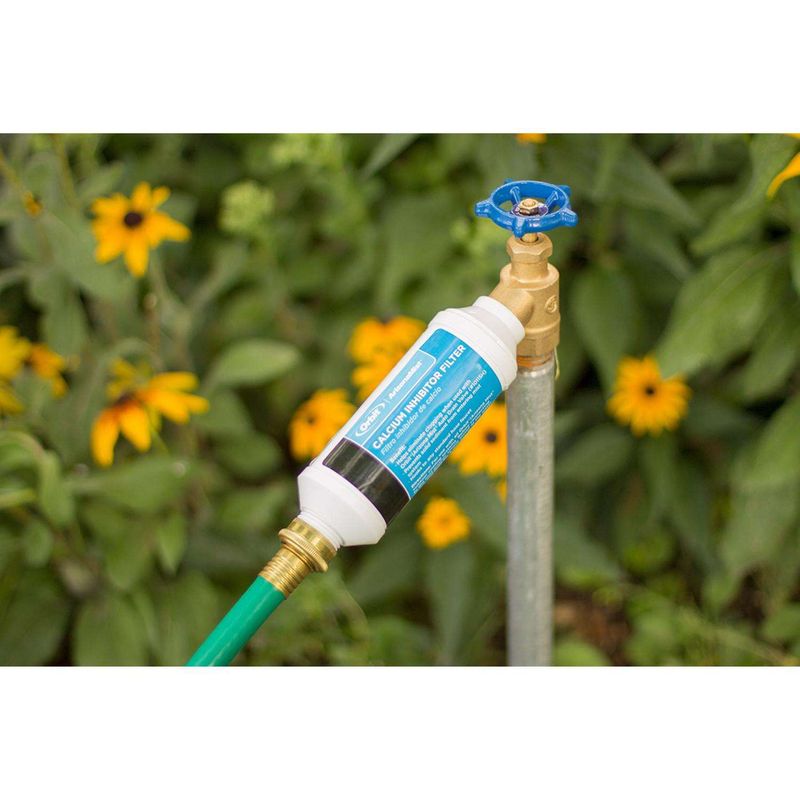
Hard water contains minerals like calcium and magnesium that can deposit on soil and leaves, affecting plant growth.
A simple water filter attachment can reduce these minerals.
Cleaner water promotes healthier foliage and soil composition.
Incorrect Hose Material for Climate
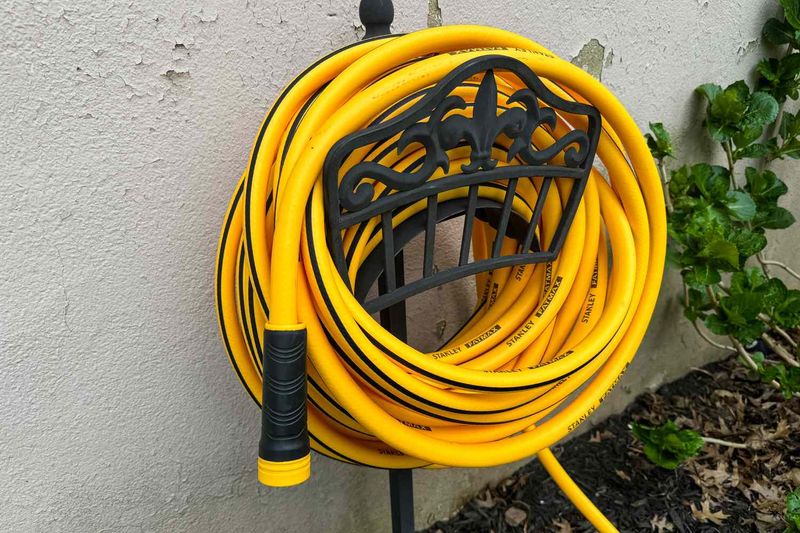
The wrong hose material can degrade quickly in extreme climates. For instance, plastic hoses become brittle in cold, while rubber ones crack in heat.
Climate-appropriate hoses withstand weather challenges.
Selecting the right material extends hose life and garden health.
Neglecting to Drain Water Post-Use
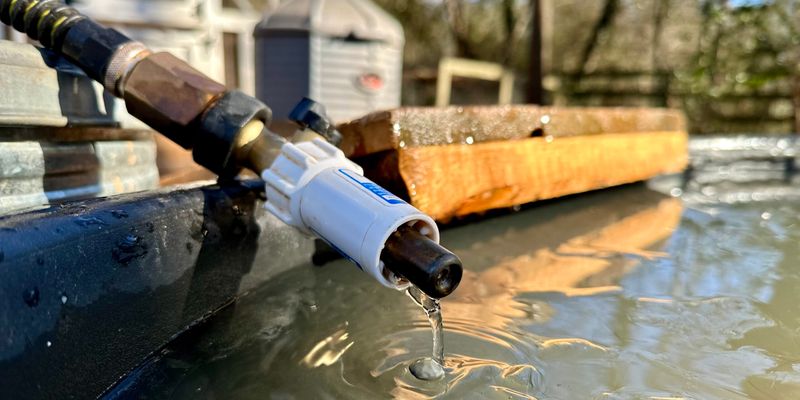
Leaving water in a hose post-use can lead to internal damage. Freezing temperatures expand the water, causing splits.
Draining the hose after each use prevents this risk.
A simple habit ensures longevity and reliable performance.