
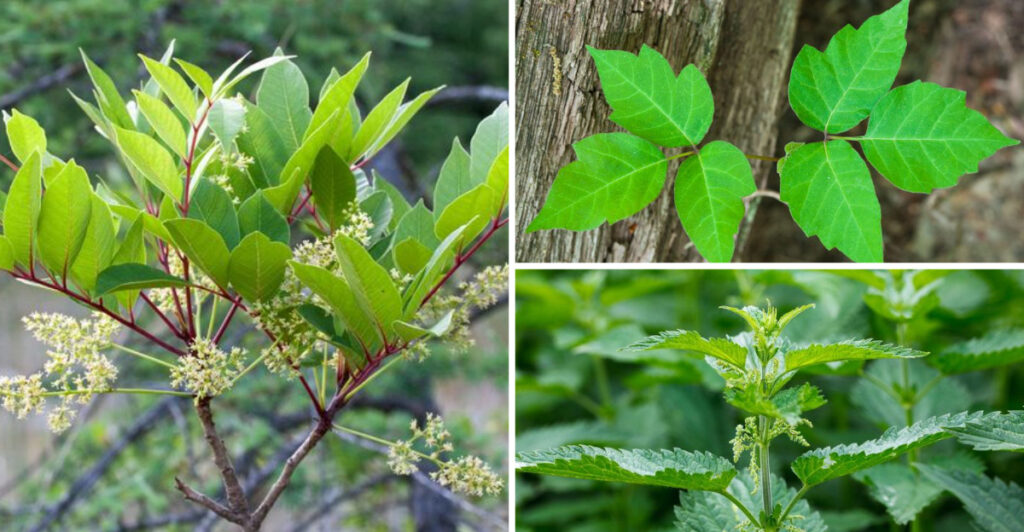
While nature offers a bounty of beautiful flora, there are certain plants you should avoid touching. Among these, harmful weeds stand out due to their ability to irritate, burn, or even poison the skin upon contact. This article explores 18 such dangerous weeds, each posing unique threats to human health. Understanding their characteristics and effects can help in identifying and avoiding these hazardous plants. With detailed descriptions and image prompts, you’ll learn about these weeds and why it’s crucial to avoid contact.
1. Poison Ivy
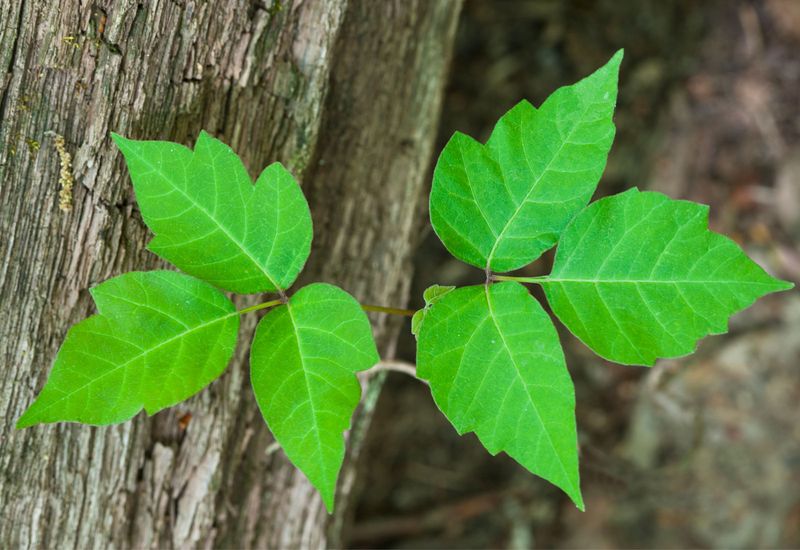
“Leaves of three, let it be.” This age-old adage warns of poison ivy’s notorious trio of leaves. Found across North America, its oil, urushiol, induces severe allergic reactions in many people. The rash it causes, accompanied by itching and blistering, can be intensely uncomfortable. Interestingly, the plant’s alluring green leaves turn a striking red in fall, deceptively beautiful but still harmful. Despite its notoriety, poison ivy offers food to certain wildlife, immune to its effects.
2. Stinging Nettle
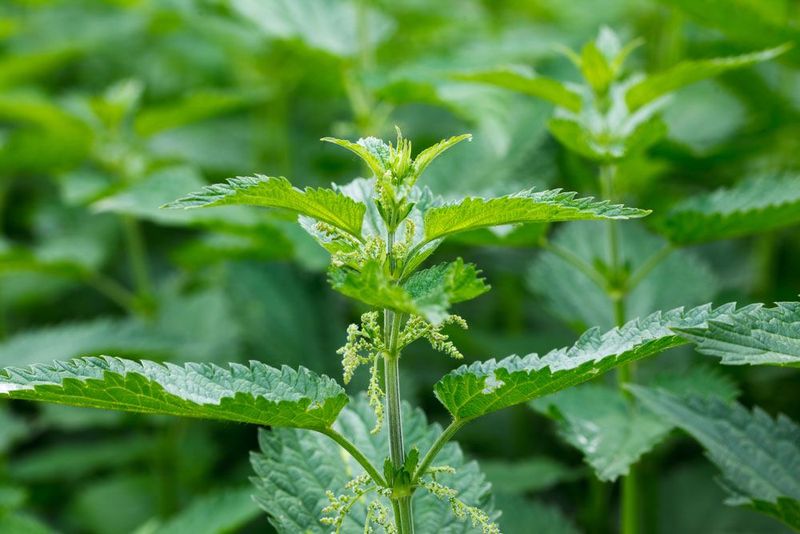
With its heart-shaped leaves and tiny stinging hairs, stinging nettle delivers a surprising sting. When brushed against, these hairs release chemicals that cause itching and inflammation. Found in temperate regions worldwide, nettles are paradoxically both a nuisance and a nutritious food source. Historically, they’ve been used for their medicinal properties, despite their painful touch. In spring, they sprout vigorously, often catching the unsuspecting hiker. Remember, their sting is temporary, but memorable.
3. Giant Hogweed
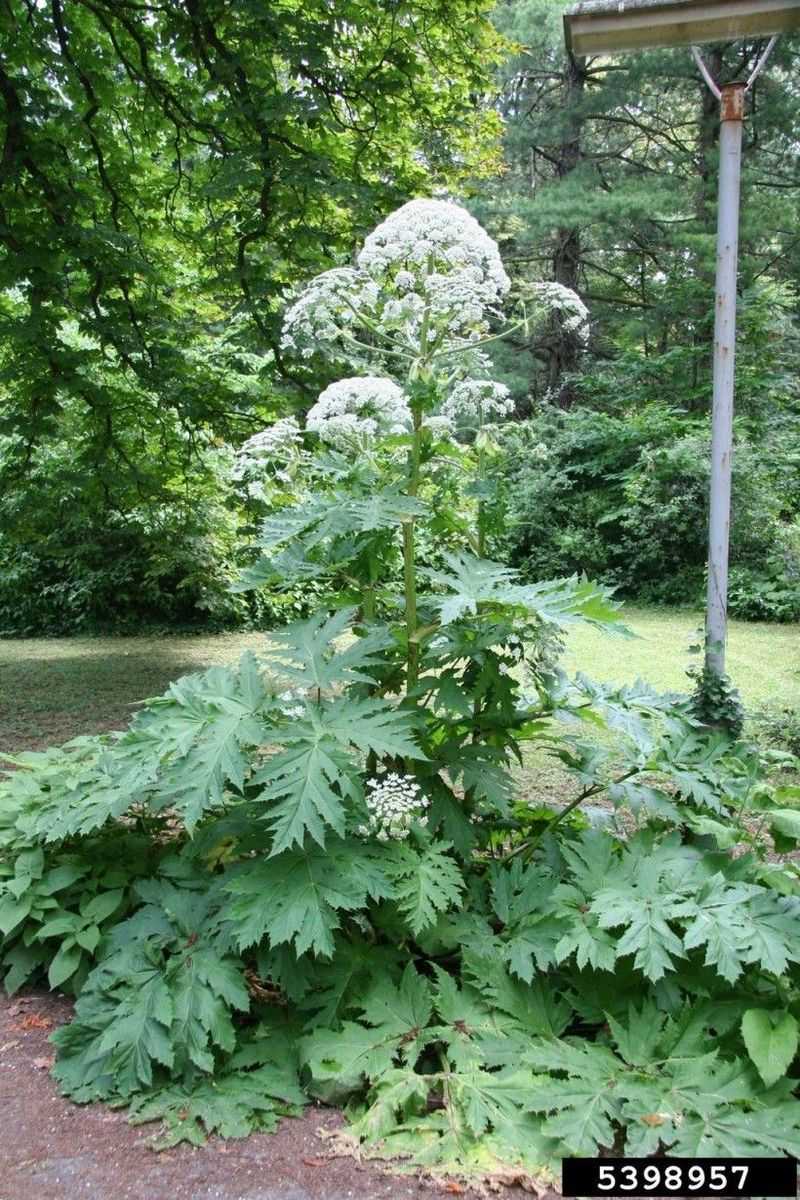
Giant hogweed, a towering beauty, hides a menacing secret. Its sap, when combined with sunlight, can cause severe skin burns and blisters. Found in parts of Europe and North America, it stands out with its large, umbrella-like clusters of white flowers. While impressive, its invasive nature threatens local ecosystems. The plant’s allure belies its danger; a single touch can lead to painful consequences. This weed is a reminder that beauty can sometimes be deceiving.
4. Poison Oak
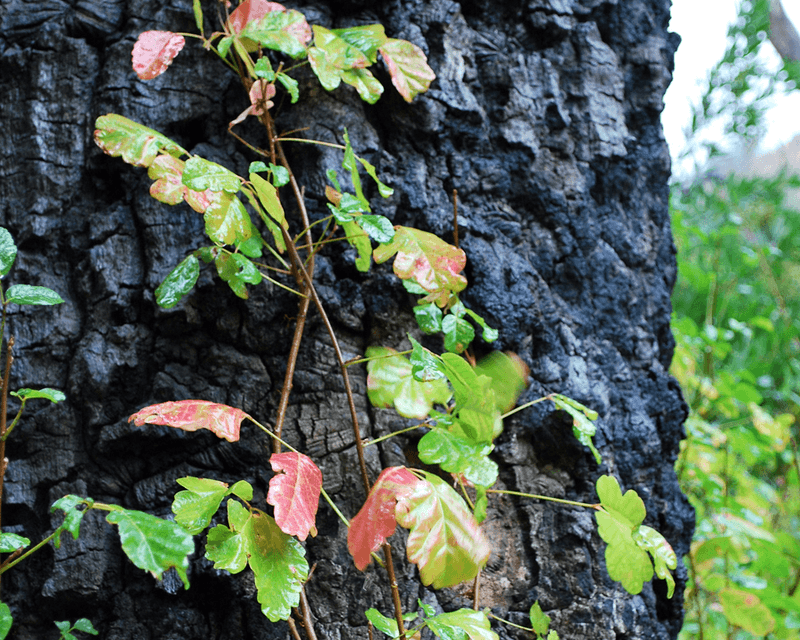
Closely related to poison ivy, poison oak shares the same toxic oil, urushiol. Its glossy leaves, often tinged with a reddish hue, can cause similar allergic reactions. Found mainly in the western United States, it thrives in forests and grasslands. During fall, its leaves turn a brilliant red, making identification easier for the cautious explorer. Despite its name, poison oak is not an oak at all but a member of the sumac family. For many, a brush with this plant is unforgettable.
5. Poison Sumac
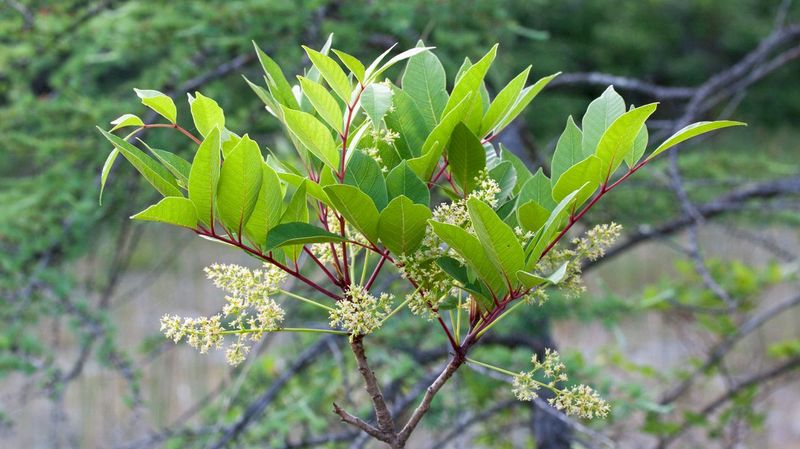
Poison sumac, a swamp-loving plant, is less known but equally dangerous. Unlike its more famous relatives, it has elongated leaves and white berries. Its urushiol oil can cause severe skin irritation, often more potent than ivy or oak. Found primarily in the wetland areas of the eastern United States, it thrives in swampy, boggy environments. Its appearance varies with the seasons, making it a challenge to identify. Even so, its effects are consistently unwelcome.
6. Wild Parsnip
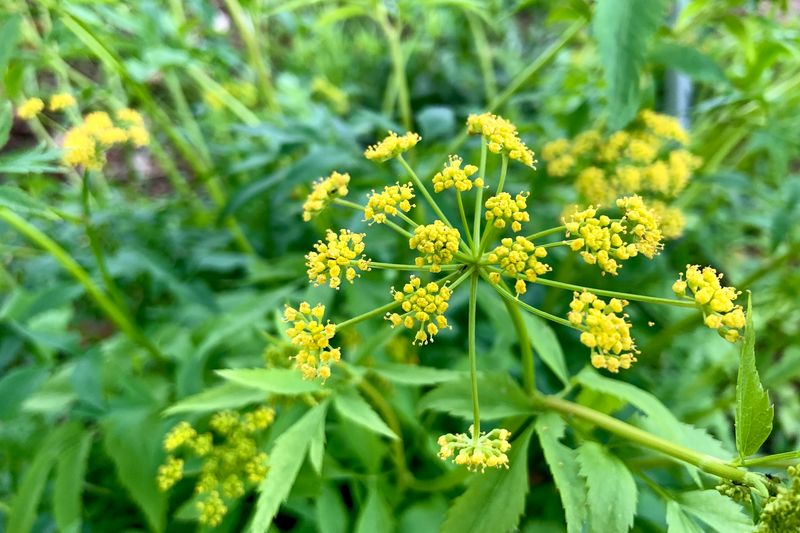
Wild parsnip, with its cheerful yellow flowers, disguises a harmful side. Contact with its sap, combined with sunlight, can cause phytophotodermatitis, leading to painful burns and blisters. Commonly found along roadsides and in fields, it’s a persistent invader. The plant’s broad leaves and yellow blooms may seem harmless at a glance, yet they hide a potent threat. Identifying wild parsnip is crucial for those who frequent rural areas. Its beauty is a facade for its danger.
7. Ragweed

Ragweed, synonymous with allergies, is more than just an airborne nuisance. Its pollen triggers allergic rhinitis in countless individuals each year. Found across North America, its feathery leaves and spikes of green flowers are common sights. While it doesn’t irritate the skin directly, its presence is a bane for allergy sufferers. Interestingly, ragweed has adapted to thrive in disturbed soils, making it a common urban resident. Its resilience is both remarkable and exasperating.
8. Cow Parsnip
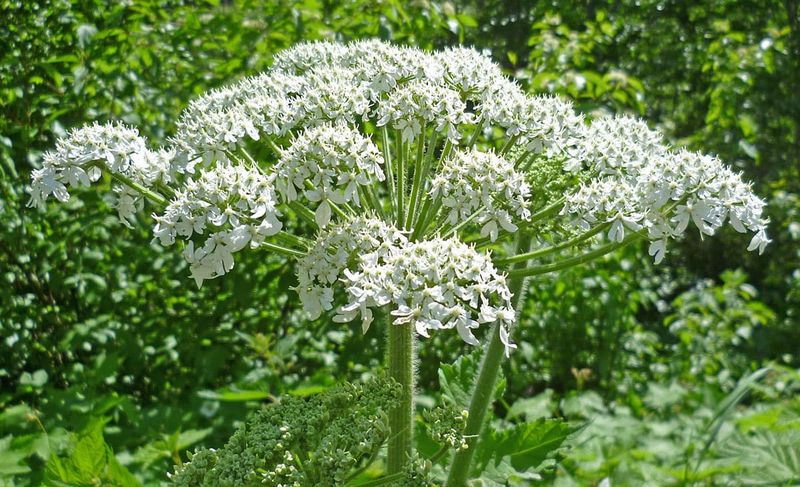
Cow parsnip, often overshadowed by its giant cousin, is nonetheless a concern for hikers. Its sap can cause skin irritation when exposed to sunlight. Found throughout North America, it boasts large leaves and clusters of white flowers. The plant’s towering presence in meadows and along trails is hard to miss. Despite its size, it’s often mistaken for harmless wildflowers. For those venturing into its habitat, awareness is key to avoiding its sting.
9. Wood Nettle

Wood nettle, a forest dweller, is distinguished by its serrated leaves and stinging hairs. Contact can result in an itchy rash for the unsuspecting passerby. Found primarily in eastern North America, this nettle prefers shady, moist environments. Unlike its cousin, the stinging nettle, wood nettle has alternate leaves, making it slightly more challenging to identify. Its sting, while not dangerous, is an unpleasant surprise on a woodland trek.
10. Bull Nettle
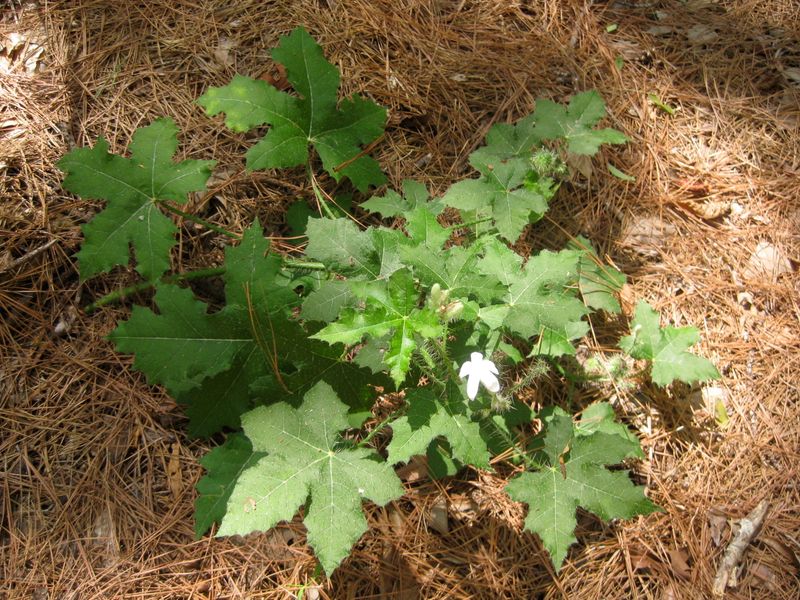
Bull nettle, with its thorny stem and white flowers, is a tough customer. Found in dry regions of the southern United States, it delivers a painful sting on contact. The plant’s appearance is deceiving; its delicate-looking flowers contrast with its harsh thorns. While painful, the sting is usually short-lived. For those exploring desert landscapes, recognizing bull nettle is essential to avoid an unwelcome encounter. Its resilience is as noteworthy as its sting.
11. Spurge Laurel
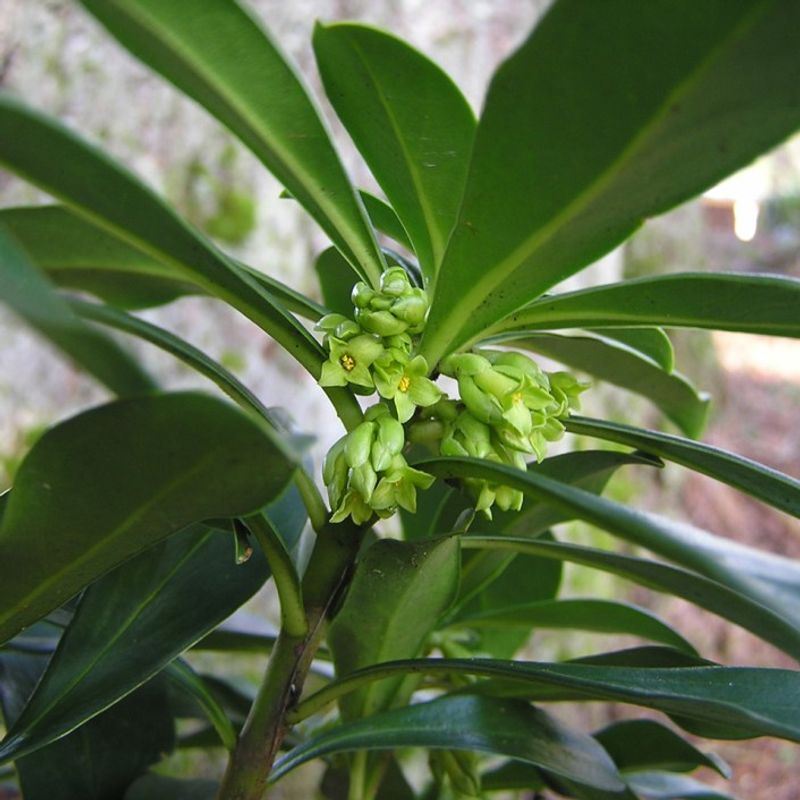
Spurge laurel, an evergreen shrub, is a toxic beauty. Its glossy leaves and small green flowers conceal a sap that can irritate the skin. Found across Europe, it thrives in wooded areas and gardens. Despite its attractive appearance, this plant poses a risk to curious pets and children. Historically, it was used in traditional medicine, albeit with great caution. For those wandering forest paths, it’s a plant best admired from a distance.
12. Devil’s Club
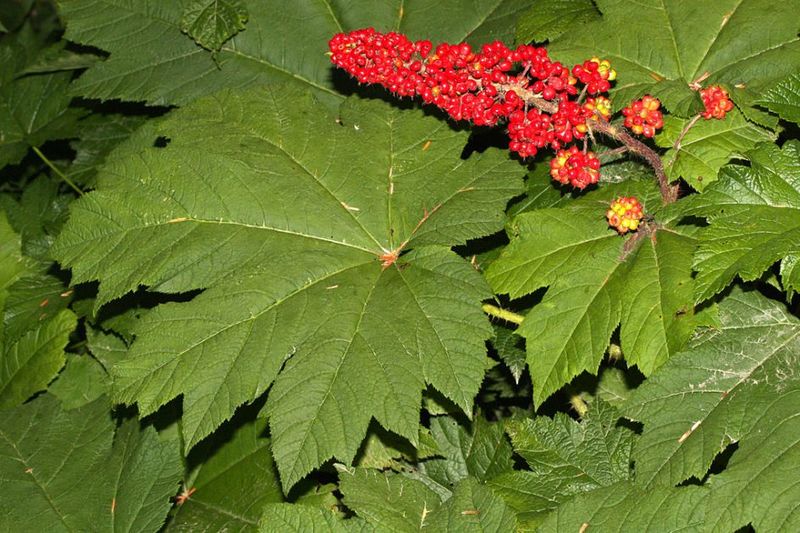
Devil’s club, with its formidable spiny stems, is aptly named. Found in the Pacific Northwest, it thrives in moist forested areas. Its large leaves and clusters of red berries are iconic, yet its spines are a deterrent to touch. Historically used by indigenous peoples for medicinal purposes, its irritant qualities are unmistakable. For those trekking through its habitat, it’s a plant to be respected and avoided. Its presence is both a natural wonder and a cautionary tale.
13. Tread-softly
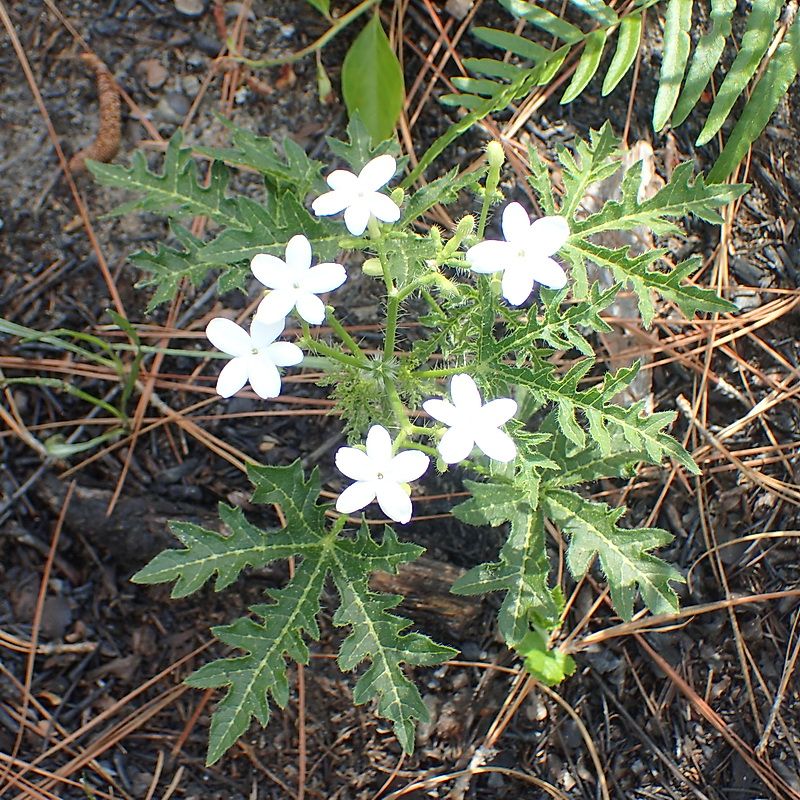
Tread-softly, a name that warns of its touch, is a plant to avoid. Its stinging hairs can cause a rash and intense itching. Found in the southeastern United States, it grows in sandy soils. The plant’s heart-shaped leaves and small white flowers give it an innocuous appearance, but its effects are anything but gentle. For beachgoers and hikers alike, recognizing tread-softly is key to a pleasant outdoor experience. Avoidance is the best strategy when encountering this deceptive plant.
14. Mile-a-minute Weed
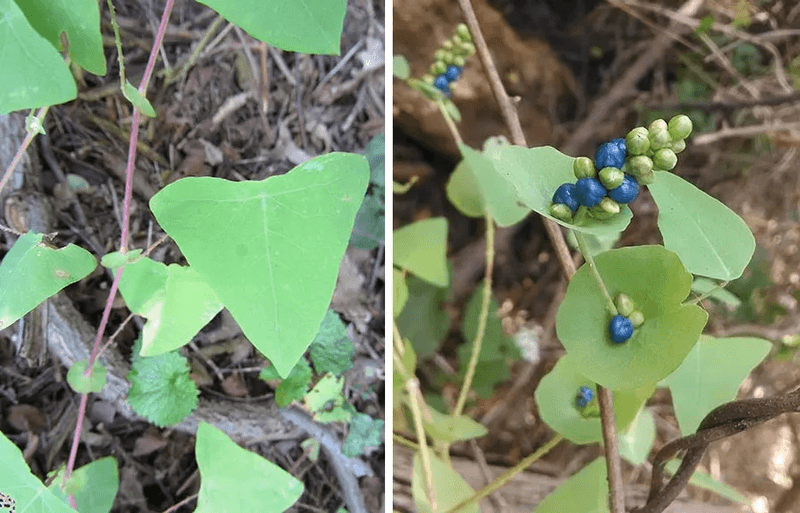
Mile-a-minute weed, a rapid invader, grows at an astonishing rate. Its barbed stems can scratch, leading to skin irritation. Native to Asia, it’s become a problem in North America, covering plants and structures with ease. Its triangular leaves and blue berries are distinctive markers, yet its speed of growth is its most notable trait. Eradication efforts are often thwarted by its tenacity. For gardeners and nature enthusiasts, it’s a troublesome plant that’s best kept at bay.
15. Burdock
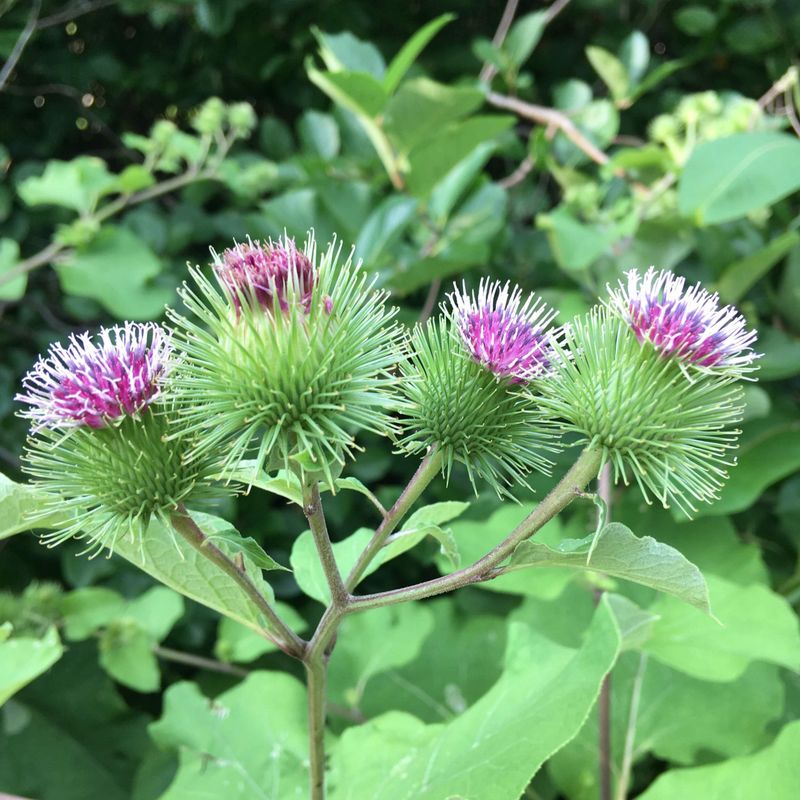
Burdock, known for its sticky burs, is more than just an annoyance. Its hooked seeds cling to clothing and fur, while its leaves can cause dermatitis in sensitive individuals. Common in Europe and Asia, it’s also found in North America, often in waste areas and roadsides. The plant’s thistle-like flowers are a visual delight yet hide a sticky problem. Historically, burdock was used in herbal remedies, though today it’s mostly considered a weed. For hikers, it’s a plant that’s best avoided.
16. Horsenettle
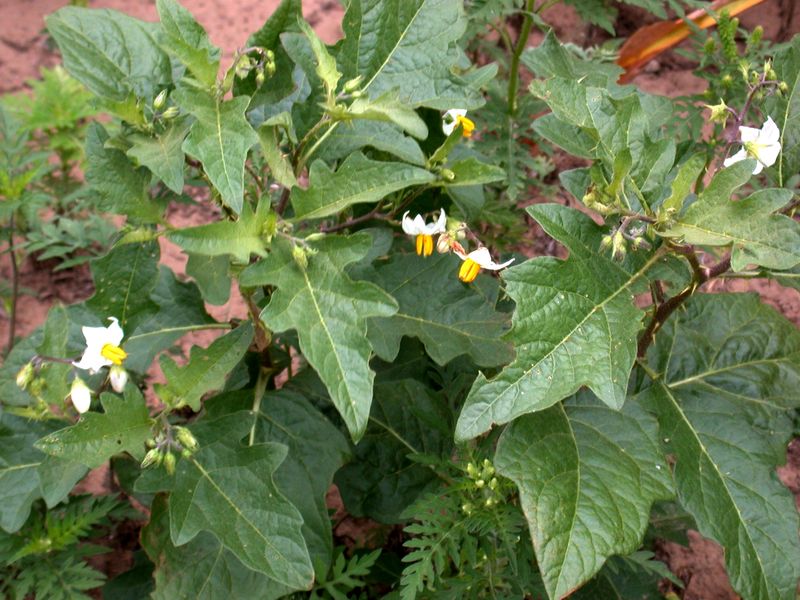
Horsenettle, a member of the nightshade family, carries both beauty and menace. Its thorny leaves and white flowers are appealing, yet its prickles can irritate the skin. Found throughout the southeastern United States, it thrives in sunny meadows and pastures. While its fruits resemble tiny tomatoes, they are toxic if ingested. Horsenettle’s dual nature of allure and danger makes it a plant worth recognizing. For those exploring its habitat, caution is the key to avoiding its sting.
17. Thistle
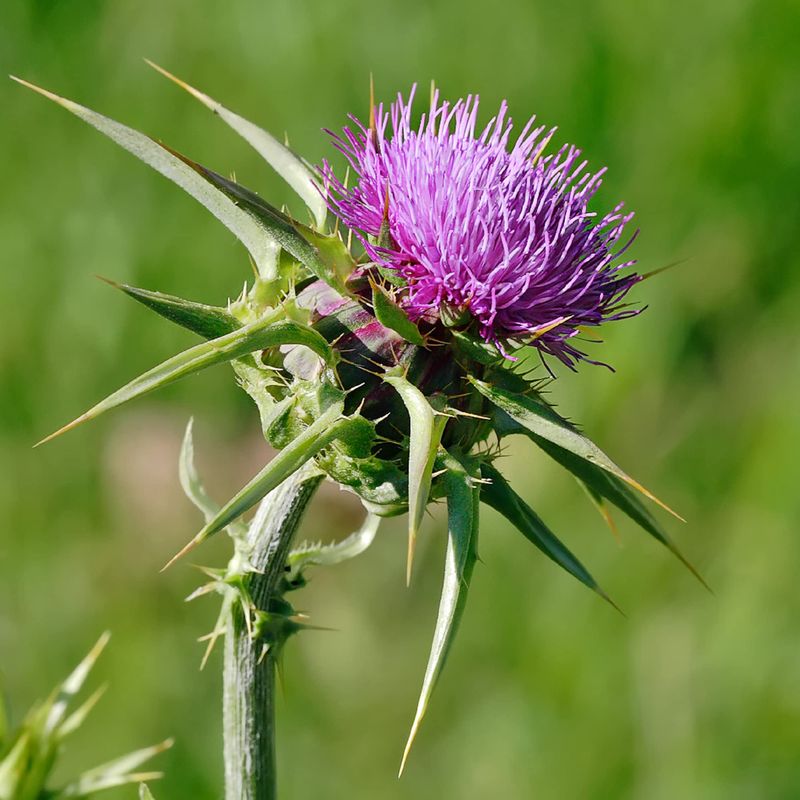
Thistle, with its vibrant purple flowers, is both a symbol of resilience and a prickly adversary. Found worldwide, its spiny leaves can cause discomfort to unwary passersby. Despite its thorny reputation, thistle is an important nectar source for bees and butterflies. Its adaptability to various soils makes it a widespread presence, often in fields and along roadsides. Historically, it’s been used in traditional medicine, though its touch is best avoided. For nature lovers, it’s a plant to admire from afar.
18. Creeping Charlie
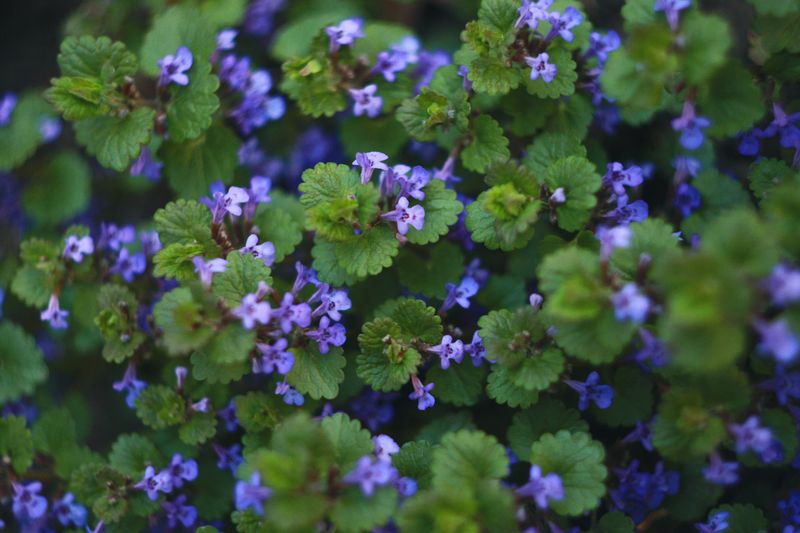
Creeping Charlie, a tenacious ground cover, is often unwelcome in gardens. Its round leaves and purple flowers spread rapidly, smothering native plants. While not harmful to touch, its invasive nature makes it a gardener’s challenge. Found in Europe and North America, it’s a master of adaptation. Historically, it was used in brewing and as a medicinal herb, although today it’s mostly a nuisance. For those tending gardens, it’s a plant that requires constant vigilance to control.