

Discover the magic of natural fertilizers that are already in your kitchen, helping your rosemary plants thrive. These everyday items not only enrich the soil but also provide essential nutrients that rosemary loves. Embrace sustainable gardening by repurposing kitchen waste into nourishing plant food. With just a little creativity, you can transform leftovers into a thriving garden. Explore these five kitchen staples that double as effective fertilizers for your rosemary.
Coffee Grounds

Ever wondered what to do with leftover coffee grounds? These rich, dark remnants can be a boon for your rosemary. Packed with nitrogen, they aid in lush, green growth. Simply sprinkle them onto the soil to boost the plant’s vitality.
However, moderation is key. Excessive use might increase soil acidity, which rosemary doesn’t prefer. Incorporate them sparingly for best results.
Did you know? Coffee grounds can also deter pests, keeping your rosemary safe from unwanted visitors. A simple, yet effective way to recycle and protect.
Eggshells

Cracking an egg is the first step to a rosemary-friendly fertilizer. Eggshells, rich in calcium carbonate, strengthen cell walls and improve soil structure.
Crush them finely before adding to the soil, ensuring they mix well for optimal absorption. This helps prevent blossom end rot and supports robust growth.
Eggshells take time to decompose, releasing nutrients slowly. Their gradual assimilation into the soil is perfect for long-term nourishment. An eco-friendly way to use kitchen scraps for gardening success!
Banana Peels

Banana peels are more than just waste; they’re a rosemary plant’s delight. High in potassium, they enhance root development and improve nutrient uptake.
Cut them into small pieces and bury them near the plant’s base. This method allows nutrients to seep into the soil, feeding the rosemary slowly.
For a quick nutrient fix, soak the peels in water for two days. Use this liquid to water the plant, providing an instant potassium boost. A sweet solution for thriving rosemary!
Onion Skins
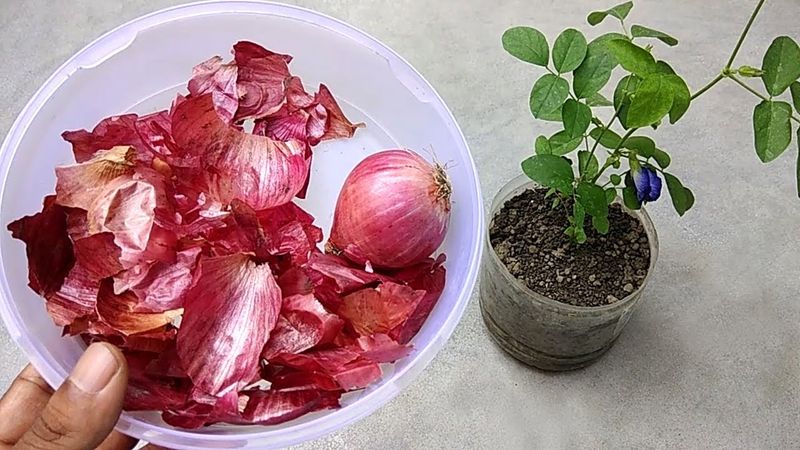
Onion skins might seem like trash, yet they’re a goldmine of nutrients. Infuse water with these skins to create a nourishing tea for your rosemary.
The infusion is rich in quercetin, an antioxidant that fosters plant health. Use this tea to water your rosemary and watch it flourish.
Alternatively, add crushed skins directly to the soil. This not only enriches the earth but also wards off pests, making it a dual-purpose fertilizer. A fragrant way to fortify your plants!
Molasses

Sticky and sweet, molasses offers a unique way to nourish rosemary. It’s packed with iron, calcium, and magnesium, essential for plant health.
Mix a tablespoon into a gallon of water, then use this mixture to water the plant. The sugars stimulate beneficial microbes in the soil, enhancing nutrient availability.
Molasses not only provides nutrition but also improves soil texture. It’s a simple, yet effective way to promote a thriving rosemary garden, turning sweetener into sustenance.
Used Tea Leaves

Who knew that your morning cup of tea could benefit your garden? Used tea leaves are a simple yet effective way to enhance the health of your rosemary. Rich in nutrients, they help improve the soil structure, offering essential minerals that promote growth.
The tannic acid in tea leaves helps in maintaining a balanced pH level in the soil. This makes it a friendly option for rosemary, which prefers slightly acidic conditions.
Sprinkle used tea leaves around the base of the plant, and water them in to let nature’s goodness seep in. It’s a delightful treat for your rosemary!
Wood Ash

Adding a sprinkle of wood ash to your rosemary can work wonders. Known for its alkaline properties, wood ash helps neutralize overly acidic soils. It’s rich in potassium and calcium, essential nutrients for robust rosemary growth.
Apply with caution, though! Too much can change the soil’s pH too drastically. A gentle dusting around the plant every few weeks is more than enough.
Historically, wood ash has been used in gardens for centuries, providing a sustainable solution to soil enrichment. Your rosemary will stand tall and healthy with wood ash’s helping hand.
Epsom Salt
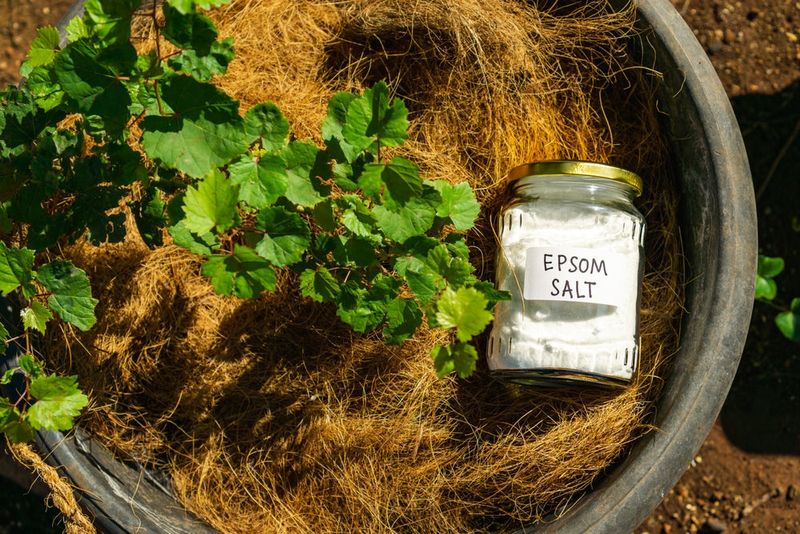
Epsom salt, a gardener’s secret weapon, is perfect for revitalizing your rosemary. Magnesium sulfate, its main component, plays a vital role in chlorophyll production, enhancing the plant’s ability to photosynthesize.
Simply dissolve a tablespoon of Epsom salt in a gallon of water. Use this solution to water your rosemary every four to six weeks.
This method ensures that your plant receives a steady supply of magnesium, promoting lush, green growth. The next time you soak in an Epsom salt bath, remember your rosemary might enjoy it too!
Fish Tank Water
Imagine turning something as ordinary as fish tank water into a garden elixir. Filled with beneficial bacteria, fish tank water acts as a natural fertilizer for your rosemary. It contains nitrogen, which is essential for foliage growth.
When you clean your fish tank, save the water and use it to water your rosemary. The nutrients will seep into the soil, offering a balanced diet for your plant.
This eco-friendly method not only recycles waste but also enriches your rosemary, ensuring it grows strong and resilient. Your underwater friends will appreciate it too!
Green Tea

Green tea isn’t just for sipping; it’s a boon for your garden as well. High in antioxidants, it nourishes the soil and boosts the immunity of your rosemary plant.
Dilute cooled green tea in water, and apply it to the soil around your rosemary. The gentle infusion encourages growth without overwhelming the plant’s delicate root system.
It’s an elegant way to recycle leftover tea and support your rosemary’s thriving life. Embrace this calming ritual, knowing that your plant benefits from a gentle touch of wellness.
Citrus Peels

Don’t throw away those citrus peels! They’re a powerful natural fertilizer, rich in nitrogen and other nutrients. When added to the soil, they release organic compounds that promote healthy rosemary growth.
Dry the peels and grind them before mixing them into the soil. This method improves soil texture and aeration, allowing roots to breathe.
Plus, the citrus scent deters pests, offering an additional protective benefit. Your rosemary will thrive with this zesty touch, embracing a burst of natural energy.
Stale Beer

Before pouring out that stale beer, consider its potential as a fertilizer. Beer contains yeast and sugars that feed beneficial microbes in the soil. These microbes, in turn, support rosemary’s growth.
Mixing beer with water creates an effective soil drench. Pour it around the base of the plant, allowing the nutrients to seep in.
This quirky method might sound odd, but rosemary enjoys this unusual treat. It’s a fun way to contribute to a thriving garden, turning leftovers into green gold.
Expired Milk
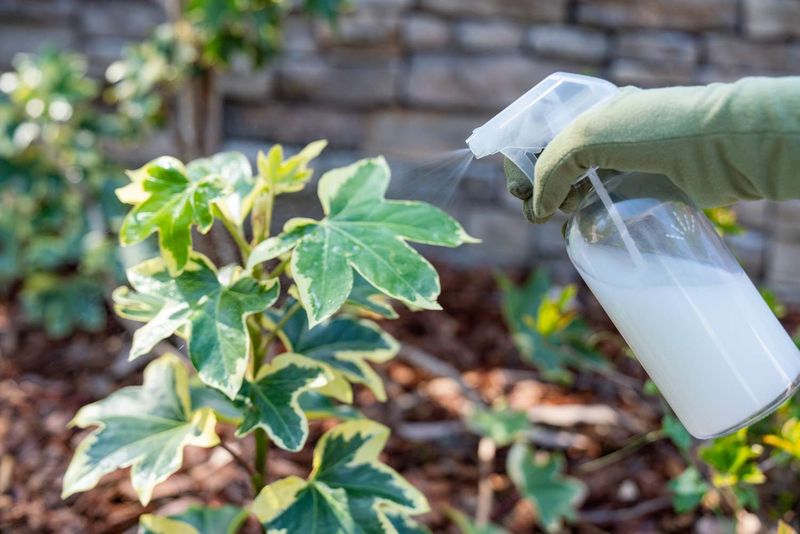
Expired milk may seem like a waste, but it’s actually a nutrient-rich fertilizer. It provides calcium and other essential nutrients that strengthen rosemary’s cell walls.
Dilute the milk in water, and pour it around the plant’s base. This concoction promotes robust growth and helps prevent nutrient deficiencies.
It’s an economical and environmentally friendly choice, turning expired goods into garden assets. Your rosemary will enjoy the creamy boost, resulting in a vibrant and healthy plant.
Oatmeal

Oatmeal isn’t just for breakfast; it’s a garden powerhouse! Rich in phosphorus, it aids in root development, crucial for rosemary’s growth.
Sprinkle uncooked oatmeal around the plant’s base and water it in to allow nutrients to penetrate the soil.
This gentle fertilization method nurtures the rosemary from the roots up. With oatmeal’s support, your plant will grow strong and lush, making it a unique addition to your gardening routine.
Potato Cooking Water

After boiling potatoes, don’t discard the cooking water. It’s packed with nutrients like potassium and phosphorus, which are perfect for rosemary.
Allow the water to cool before using it to water your plant. This simple step helps in strengthening the rosemary’s roots.
It’s a sustainable practice, ensuring nothing goes to waste while providing nourishment. With potato cooking water, your rosemary will flourish, reflecting the care and thoughtfulness of resourceful gardening.