
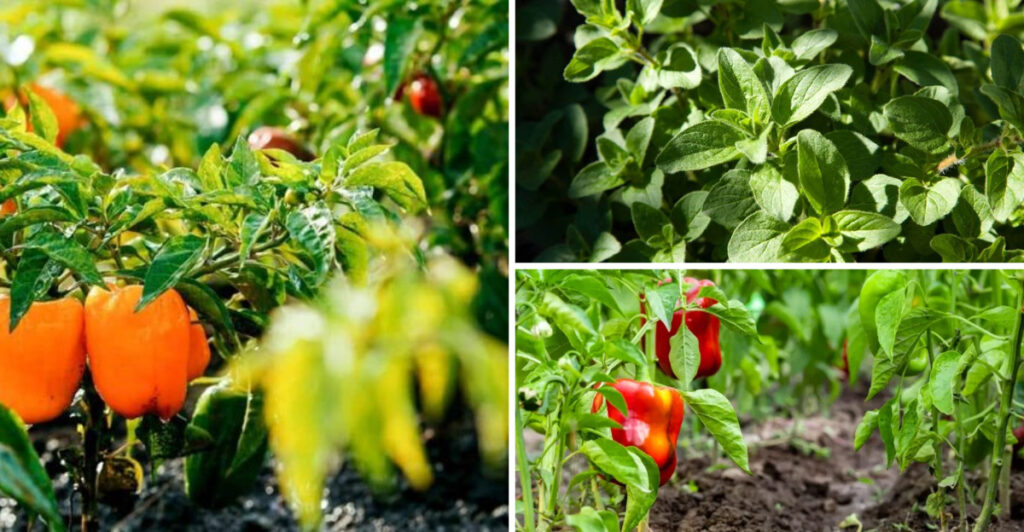
Growing the perfect companion plants alongside your bell peppers can greatly enhance their growth and productivity. In gardening, the right neighbors can improve nutrient uptake, keep pests at bay, and even enhance flavor. This guide introduces you to eleven superb plant partners for your bell peppers and warns against the seven that could hinder their health. Discover which plants work harmoniously with your peppers and which to avoid for a thriving garden.
1. Basil
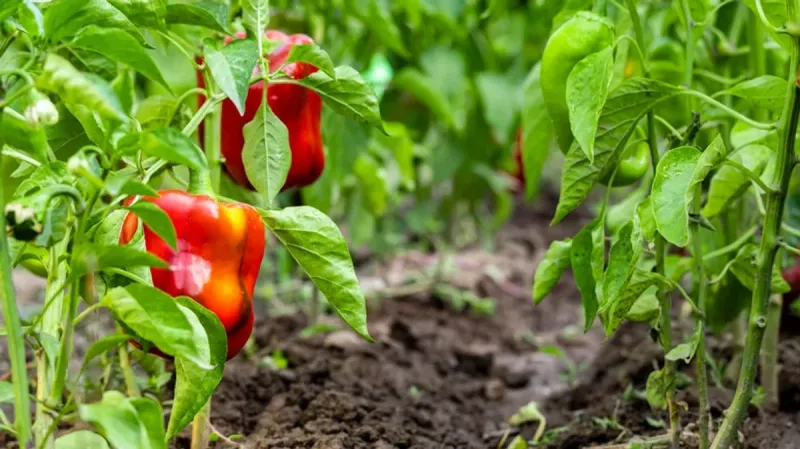
Basil, with its fragrant leaves, is a garden staple and a friend to bell peppers. Its aromatic scent repels common pests like aphids and spider mites, making it a natural protector. Moreover, basil’s presence is believed to enhance the flavor of bell peppers, adding a subtle sweetness. Plant basil in well-draining soil and ensure it receives ample sunlight for best results. Additionally, basil is easy to grow, requiring minimal care, making it an excellent choice for beginners and seasoned gardeners alike.
2. Marjoram
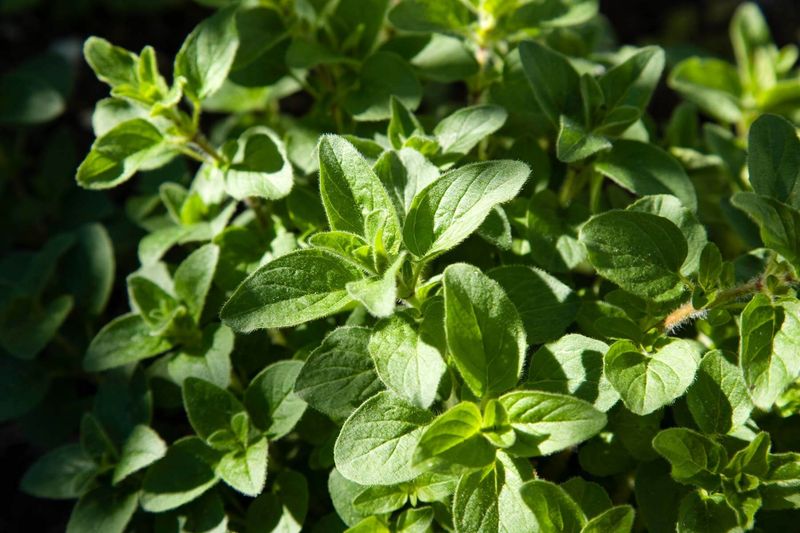
Marjoram, a tender herb with a sweet fragrance, complements bell peppers wonderfully. Its ability to attract beneficial insects such as bees helps boost pollination, subsequently enhancing pepper yield. Marjoram thrives in warm, sunny areas and needs well-drained soil to flourish. This herb not only serves as a spice in your kitchen but also acts as a companion plant that encourages a healthy garden ecosystem. Its subtle flavor pairs well with many dishes, making it a dual-purpose plant worth considering.
3. Carrots
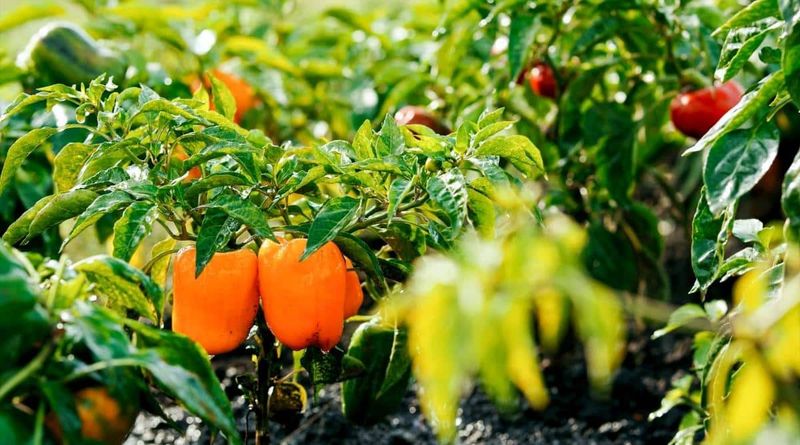
Carrots, with their feathery green tops, make a surprising yet beneficial companion for bell peppers. They help break up the soil, improving aeration and water absorption, which benefits the pepper roots. Additionally, carrots and peppers have different nutrient needs, reducing competition for resources. This harmonious relationship promotes a balanced garden environment. Plant carrots in sandy, loose soil for optimal growth and enjoy the visual appeal of their vibrant tops against the backdrop of your thriving pepper plants.
4. Onions
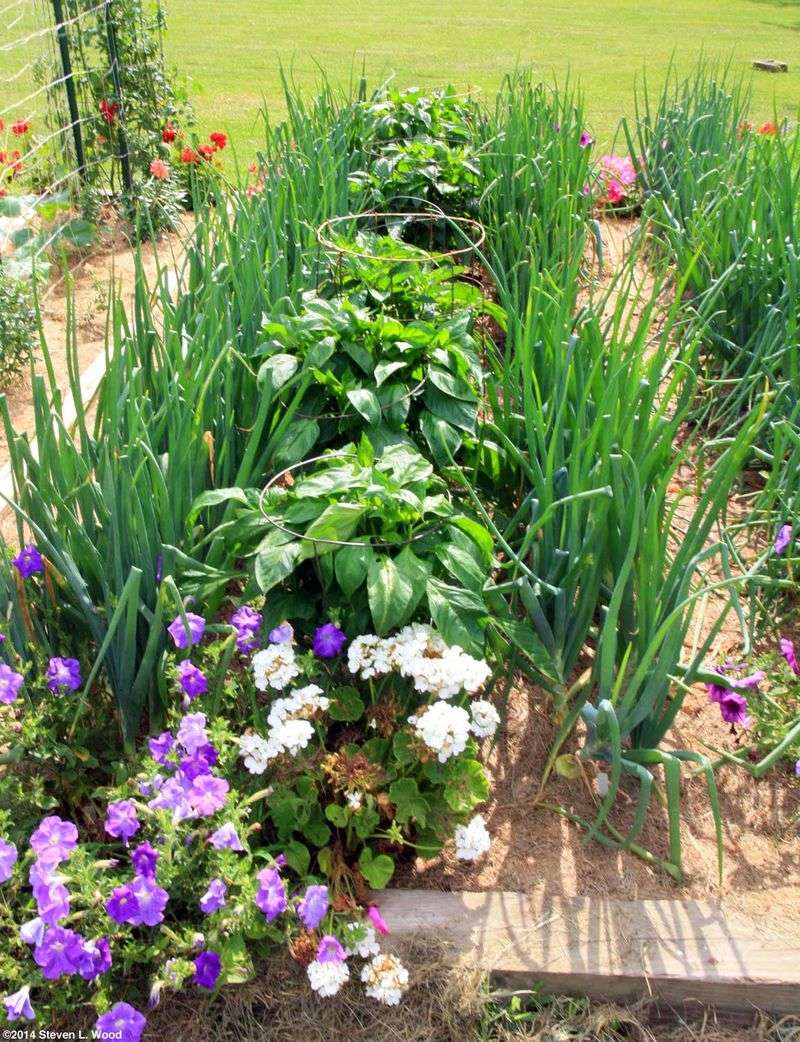
Onions, with their pungent aroma, are excellent companions for bell peppers. They act as natural pest repellents, deterring insects that might otherwise harm the peppers. Onions thrive in well-drained soil and require consistent watering for best results. Growing onions alongside peppers ensures a mutual benefit, as onions do not compete for space or nutrients. This pairing allows both plants to flourish, offering an efficient use of garden space while keeping your peppers safe from pests.
5. Spinach
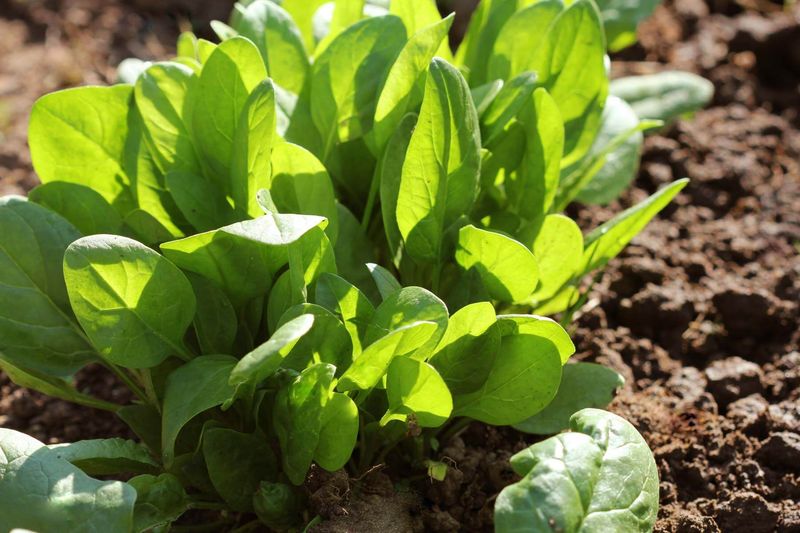
Spinach, with its broad, dark leaves, is a fantastic companion for bell peppers. It grows quickly, acting as a living mulch that retains soil moisture and suppresses weeds. Spinach’s shade tolerance means it can thrive alongside taller pepper plants, making it an efficient use of garden space. This leafy green adds nutritional diversity to your harvest and complements the growth of bell peppers by creating a dynamic, layered garden. Spinach requires moderate watering and thrives in nutrient-rich soil.
6. Lettuce
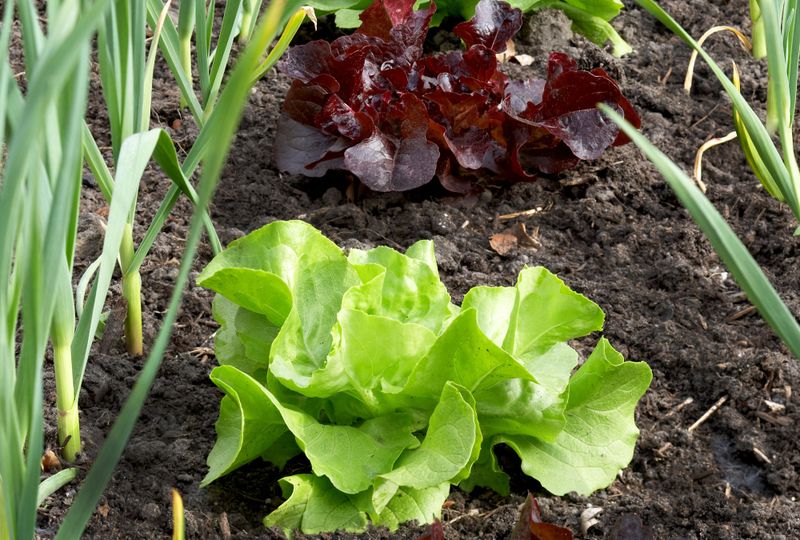
Lettuce, with its cool, crisp leaves, is an ideal partner for bell peppers. It grows well in the shade of taller plants, allowing for efficient garden layout and resource sharing. Lettuce helps retain soil moisture, creating a favorable microclimate for peppers. Its rapid growth cycle ensures a quick harvest, freeing up space for subsequent planting. Lettuce requires regular watering and benefits from nutrient-rich soil. Its mild taste makes it a versatile addition to your harvest, enhancing both your garden and your meals.
7. Parsley
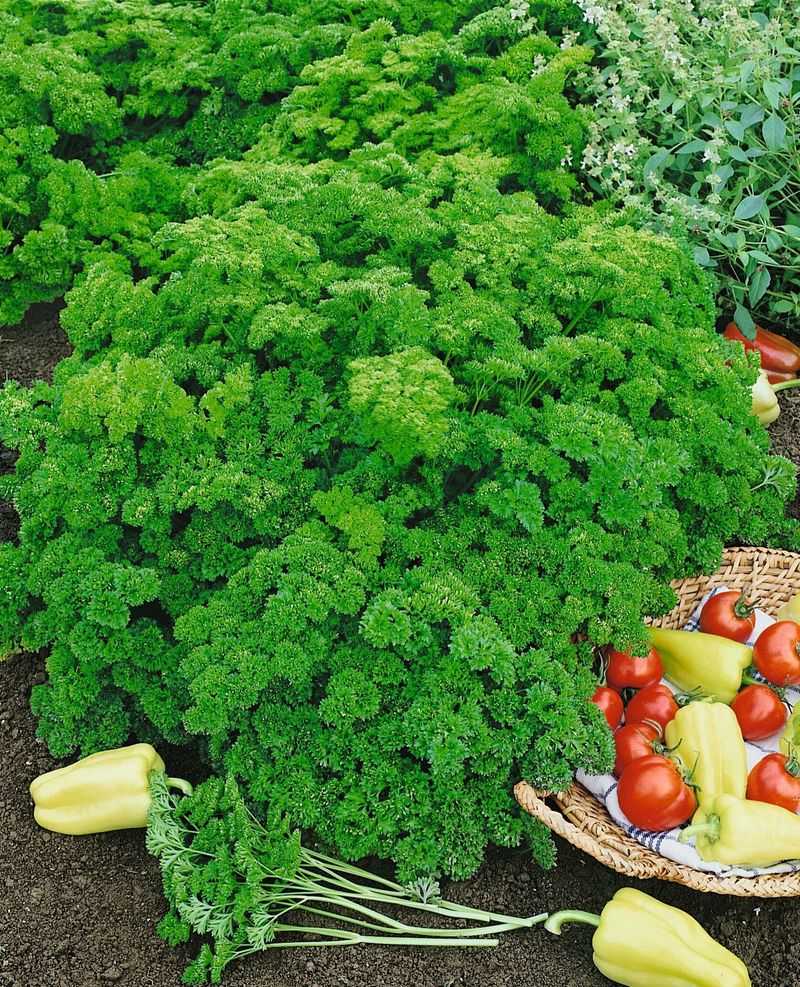
Parsley, known for its vibrant green leaves, is a beneficial companion to bell peppers. This hardy herb attracts beneficial insects like ladybugs, which help control aphid populations on peppers. Parsley thrives in moist, well-drained soil and can tolerate partial shade, making it a versatile choice for various garden layouts. Its ability to enhance the growth of neighboring plants while requiring minimal space makes parsley a valuable addition to any pepper garden.
8. Tomatoes
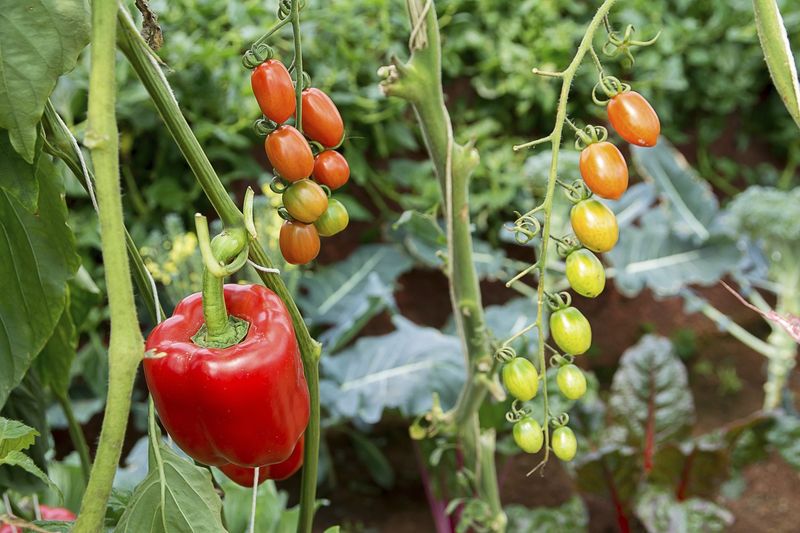
Tomatoes, sharing similar growing conditions with bell peppers, are a classic garden pairing. Both thrive in sunny environments with warm temperatures and well-draining soil. This compatibility allows for efficient garden planning and resource use. Tomatoes can provide partial shade to peppers during the hottest parts of the day, protecting them from heat stress. Additionally, the vibrant colors of tomatoes and peppers make for an aesthetically pleasing garden. Just ensure ample space between plants to prevent overcrowding and maximize growth potential.
9. Cucumbers
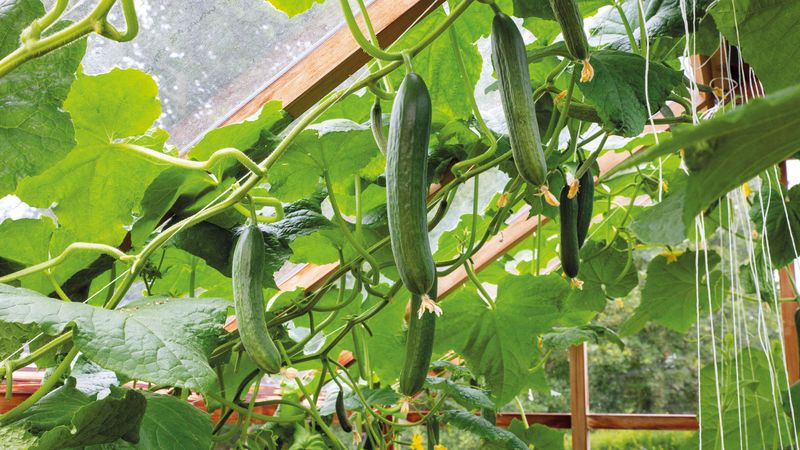
Cucumbers, with their sprawling vines, can create a lush canopy over bell peppers. This provides shade and helps retain soil moisture, benefiting the peppers. Both cucumbers and peppers thrive in the same warm, sunny conditions, making them compatible partners. However, cucumbers need adequate space and support, such as a trellis, to grow effectively without overshadowing the peppers. This pairing not only maximizes garden space but also promotes a diverse and productive garden environment.
10. Zucchini
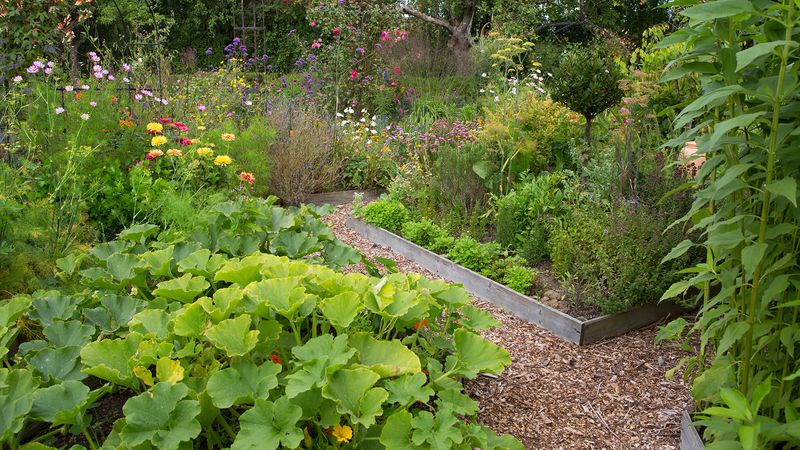
Zucchini, with its broad leaves and abundant growth, is an exceptional companion for bell peppers. Its large leaves provide ground cover, suppressing weeds and retaining soil moisture. Zucchini and bell peppers share similar soil and sunlight requirements, allowing for harmonious growth. Ensure adequate spacing to prevent nutrient competition and enjoy a bountiful harvest of both vegetables. This pairing offers a dynamic garden ecosystem with complementary growth patterns, making it a popular choice for gardeners seeking efficiency and productivity.
11. Beets
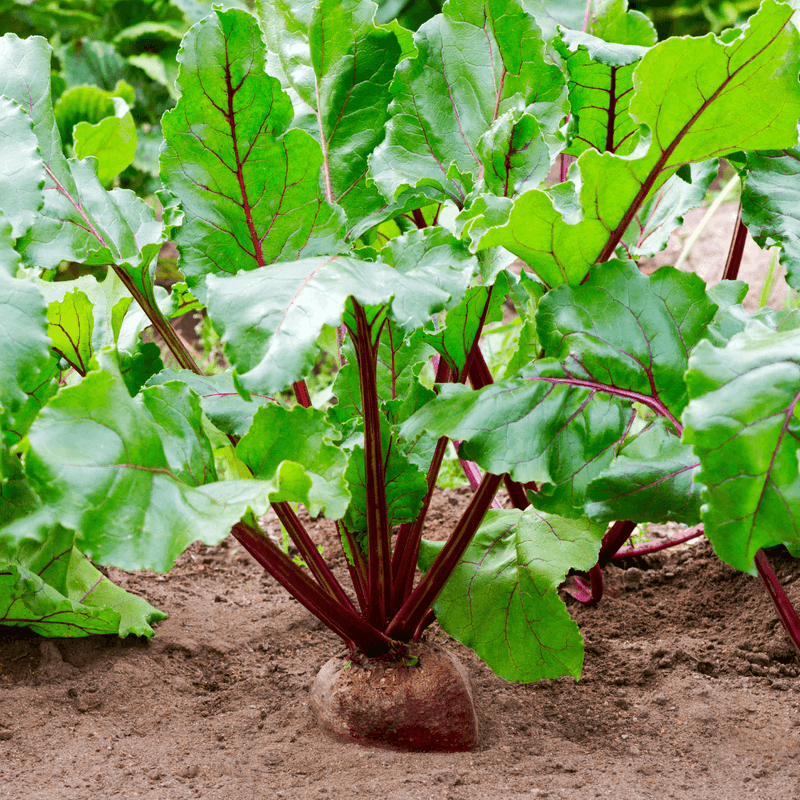
Beets, with their colorful tops, add vibrancy to your garden while benefiting bell peppers. They require different nutrients, reducing competition and promoting soil health. Beets thrive in cool weather and can be planted in the shadow of taller plants like peppers. This allows for efficient use of space and resources, creating a diverse garden environment. Additionally, the deep red hue of beets contrasts beautifully with green pepper foliage, making your garden visually appealing. Plant them in loose, well-draining soil for best results.
12. Fennel
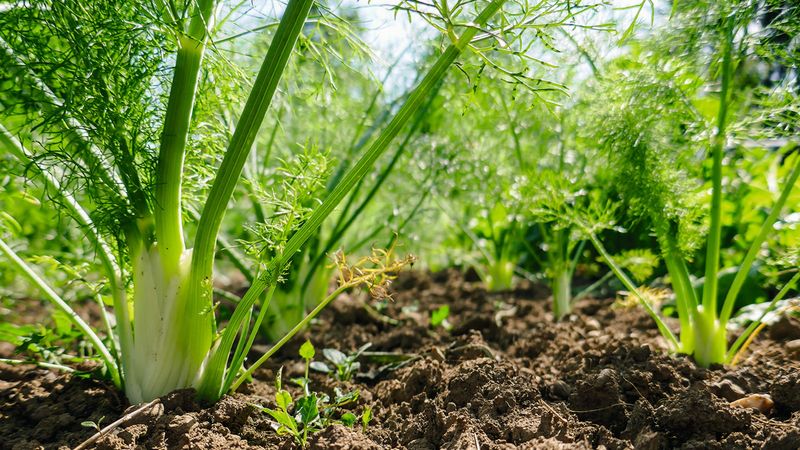
Fennel, though visually striking, is a poor choice for planting near bell peppers. Its allelopathic properties can inhibit the growth of nearby plants, including peppers, by releasing chemicals into the soil. This can stunt the peppers’ development and reduce yield. Avoid planting fennel too close to your peppers to maintain a healthy garden. Instead, consider placing it at a distance where it won’t interfere with other plants. Fennel thrives in well-drained soil and full sun but requires careful placement in mixed gardens.
13. Kale
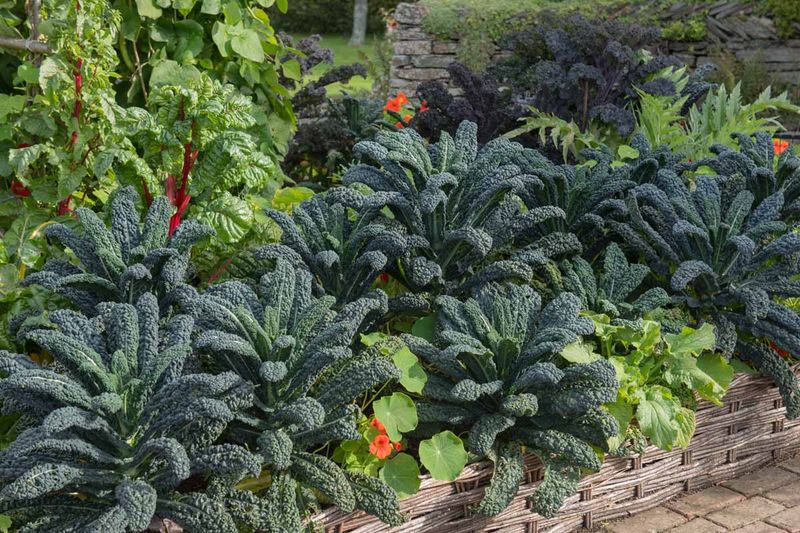
Kale, with its hearty leaves, is an excellent partner for bell peppers. It grows well in cooler temperatures, making it a versatile choice for diverse climates. Kale’s broad leaves help retain soil moisture and suppress weeds, creating a favorable environment for peppers. This combination allows for efficient use of garden space and resources. Kale’s nutritional benefits complement the harvest from your pepper plants, making it a valuable addition to your garden. Ensure both plants have enough space and sunlight for optimal growth.
14. Corn
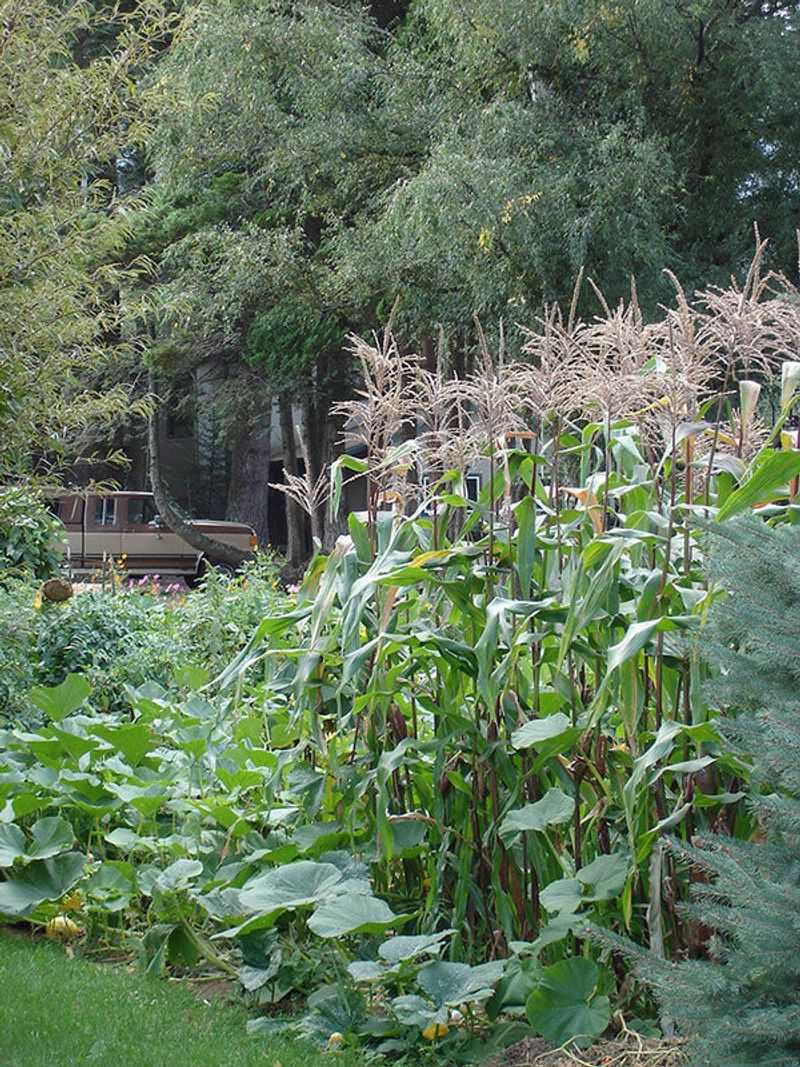
Corn, with its towering stems, can overpower bell peppers in the garden. Its height can block sunlight and stunt pepper growth by overshadowing them. Additionally, corn competes with peppers for nutrients, straining garden resources. This can lead to reduced yields and underdeveloped pepper plants. It’s best to plant corn in a separate section of the garden to prevent these issues. Provide corn with ample space and nutrients to thrive without impacting other plants. Its tall stature requires careful placement in garden planning.
15. Cabbage
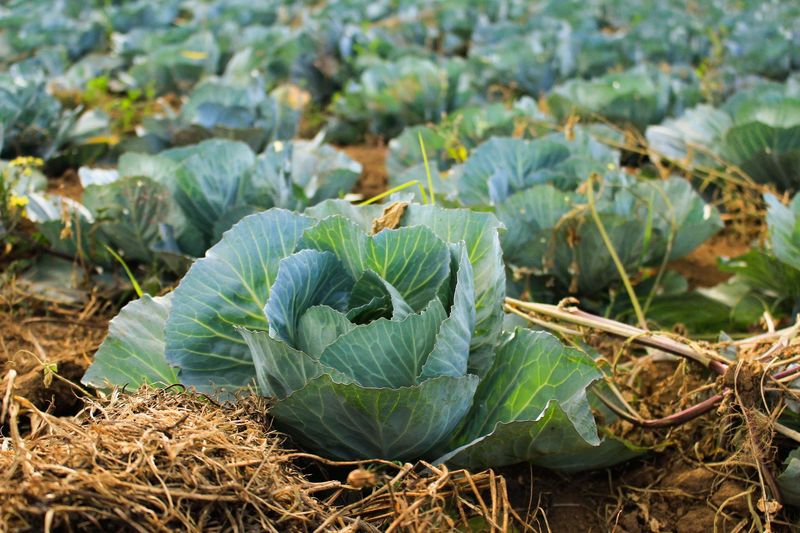
Cabbage, with its large, leafy presence, can be detrimental to bell peppers. It attracts pests like cabbage loopers and aphids, which can easily spread to pepper plants. Additionally, cabbage and peppers have different nutrient needs, leading to competition and potentially stressing the plants. It’s advisable to plant cabbage away from peppers to avoid these issues. Instead, consider more compatible companions for your peppers like lettuce or spinach. This will ensure a healthier garden environment and reduce pest infestations.
16. Potatoes
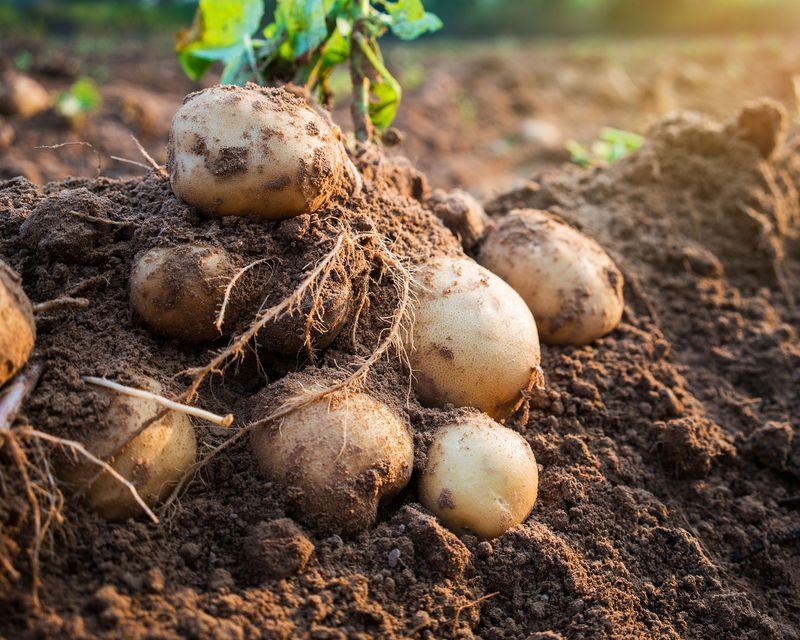
Potatoes, with their sprawling nature, are not ideal companions for bell peppers. They compete for nutrients and space, often leading to reduced yields for both plants. Additionally, potatoes are susceptible to similar pests and diseases as peppers, increasing the risk of infestation and crop failure. It’s best to plant potatoes in a separate area of the garden to avoid these complications. By doing so, each plant can thrive without detrimental competition, ensuring a more productive and healthy harvest.
17. Broccoli
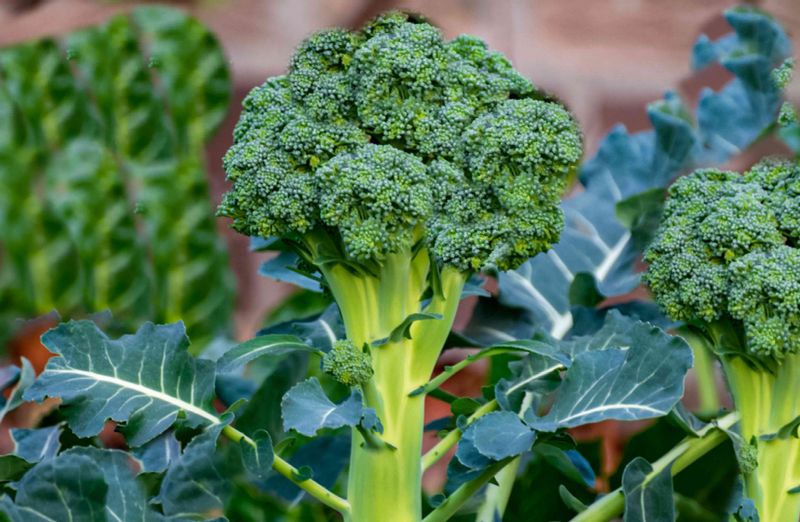
Broccoli, with its hefty nutrient requirements, is a challenging partner for bell peppers. It competes heavily for nutrients, often leading to stunted pepper growth and reduced yields. Additionally, broccoli attracts pests that can spread to neighboring plants, including peppers. It’s advisable to plant broccoli away from peppers to minimize competition and pest issues. Ensure broccoli has ample space and nutrients to thrive independently. Consider companion plants that share similar growing conditions with peppers for a harmonious garden.
18. Dill
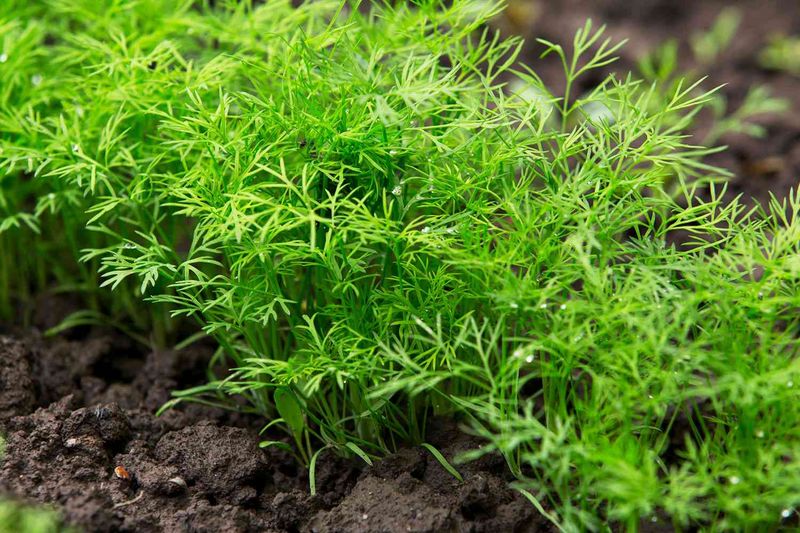
Dill, with its airy fronds, is a poor match for bell peppers. Its presence can attract tomato hornworms, which also prey on peppers, posing a threat to your pepper plants. Additionally, dill’s growth can be unpredictable, potentially overshadowing peppers and competing for resources. It’s best to plant dill in a separate section of the garden to prevent these issues. By keeping them apart, you allow peppers to grow without obstruction and minimize pest risks, ensuring a more fruitful harvest.