
Backyards can be vibrant ecosystems teeming with life. Whether you’re an avid gardener or simply enjoy the occasional outdoor respite, the presence of certain small animals can indicate the health of your yard. Some critters, like birds and butterflies, are delightful to observe and suggest a thriving environment, while others serve important roles in pest control and pollination. This guide will introduce you to ten small animals you might notice in your backyard and ten indicators of a flourishing yard, complete with image suggestions and search queries for an enhanced visual experience.
1. American Robin
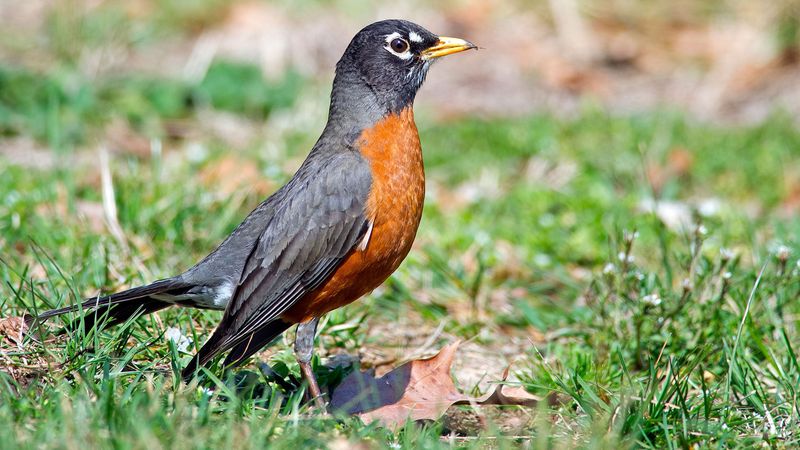
The American Robin, with its striking orange chest, is a common sight in many backyards. Often seen hopping on lawns in search of worms, these birds are a cheerful indication of a healthy yard. Their early morning songs are synonymous with the dawn of spring. Not only do they provide a delightful visual treat, but their presence also signifies a balanced ecosystem.
Robins are known for their adaptability, thriving in both urban and rural settings. Their ability to find food and nesting materials in various environments makes them versatile survivors. Observing a robin in your yard often means you’ve got a thriving habitat.
Interestingly, these birds are among the first to return north after winter, making them a symbol of renewal and hope. Their resilience and resourcefulness are truly commendable.
2. Eastern Chipmunk
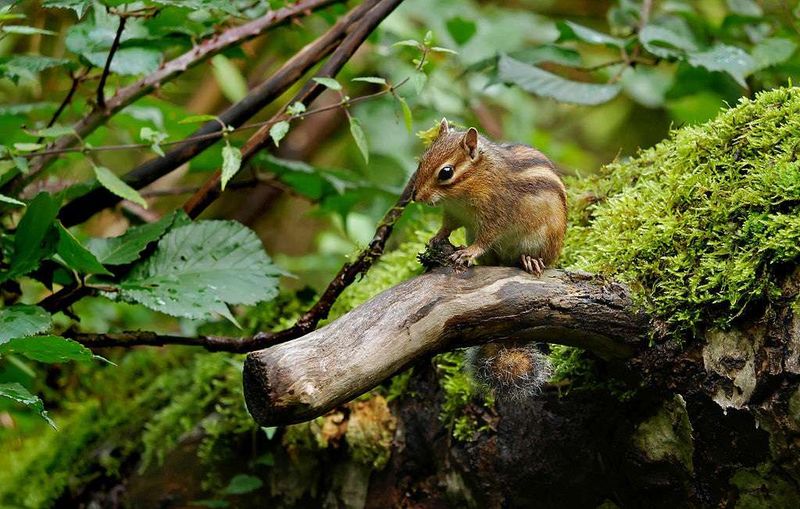
With cheeks full of acorns, the Eastern Chipmunk is both an endearing and industrious visitor to any backyard. These small creatures are expert hoarders, storing food for winter survival. Watching them dart around, you can appreciate their energy and tenacity.
Chipmunks play a vital role in the ecosystem, aiding in seed dispersal that promotes plant growth. Their burrows aerate the soil, enhancing its quality. While they can sometimes be mischievous by digging up flower bulbs, their overall contribution to the yard’s health is beneficial.
A fun fact about chipmunks: they can gather up to 165 acorns in a day, showcasing their impressive work ethic and foresight.
3. Monarch Butterfly
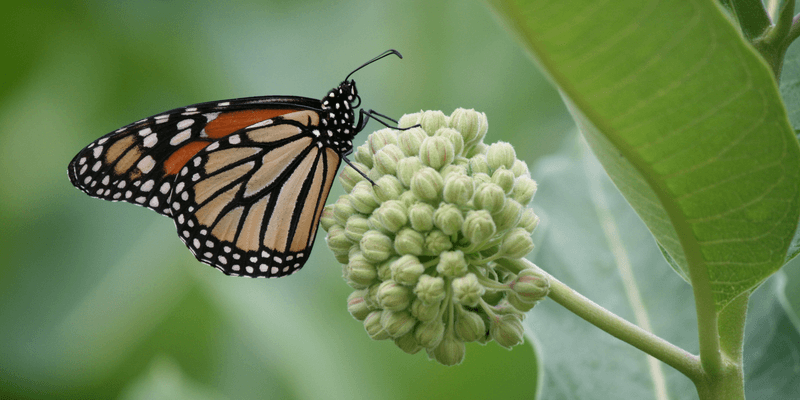
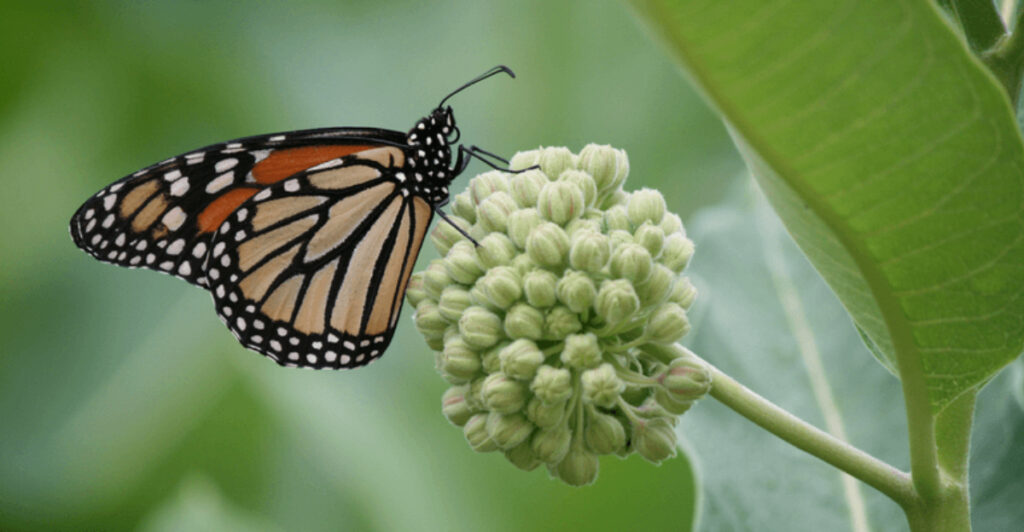
The Monarch Butterfly, with its vibrant orange and black wings, is a symbol of transformation and beauty. These exquisite creatures are often seen fluttering among flowers, adding a touch of grace to any garden. Their presence is a testament to a thriving, chemical-free environment.
Monarchs are vital pollinators, contributing to the health of the ecosystem. A garden with milkweed plants often attracts these butterflies, as it’s their primary breeding ground. Observing Monarchs in your yard indicates a successful pollinator-friendly environment.
Did you know? Monarchs undertake a remarkable migration journey, traveling thousands of miles to escape cold winters, a testament to their endurance and adaptability.
4. House Sparrow
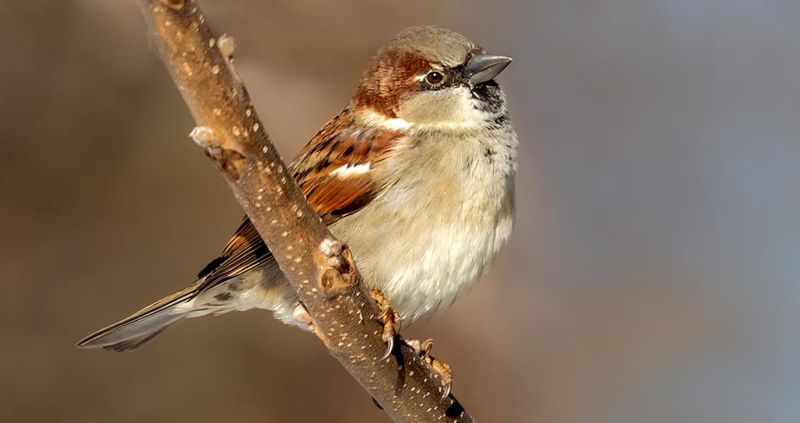
House Sparrows are often found chirping and fluttering about in urban backyards. These small, adaptable birds are known for their social behavior, often seen in flocks. Their lively presence adds a dynamic energy to any outdoor space.
Sparrows feed on seeds and insects, helping to control pest populations. Their adaptability to various environments, including bustling cities, makes them an interesting subject to observe. Spotting a flock in your yard is a sign of a welcoming habitat.
Although common, House Sparrows have an intriguing history: they were introduced to North America in the 19th century and have since spread widely.
5. Garden Snail
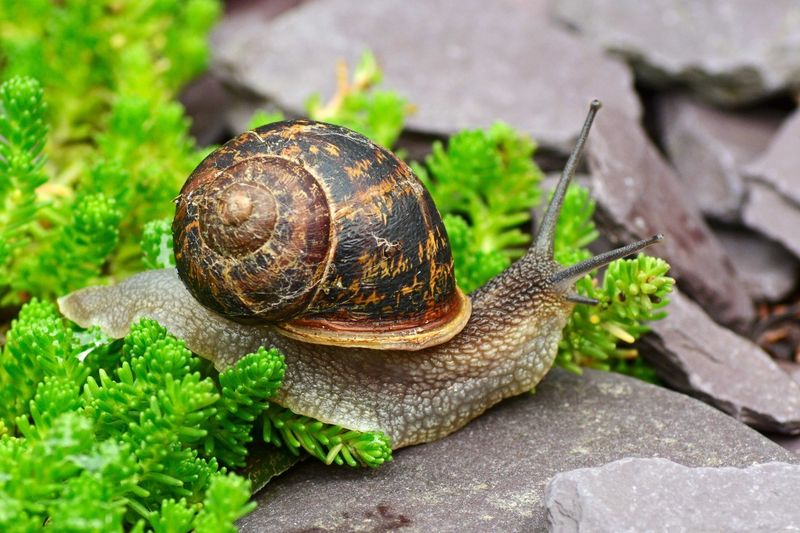
The Garden Snail may not be the flashiest resident of your backyard, but its slow, deliberate movement contributes to the garden’s micro-ecosystem. These snails play a crucial role in decomposing organic matter, recycling nutrients back into the soil.
Their presence signifies rich, moist soil that supports diverse plant life. While they are often seen as pests, their role in breaking down decaying matter is essential for a healthy garden. Observing their intricate shell patterns can be surprisingly mesmerizing.
Garden snails have been around for millions of years, surviving various climate changes, showcasing their resilience and adaptability.
6. Bumblebee
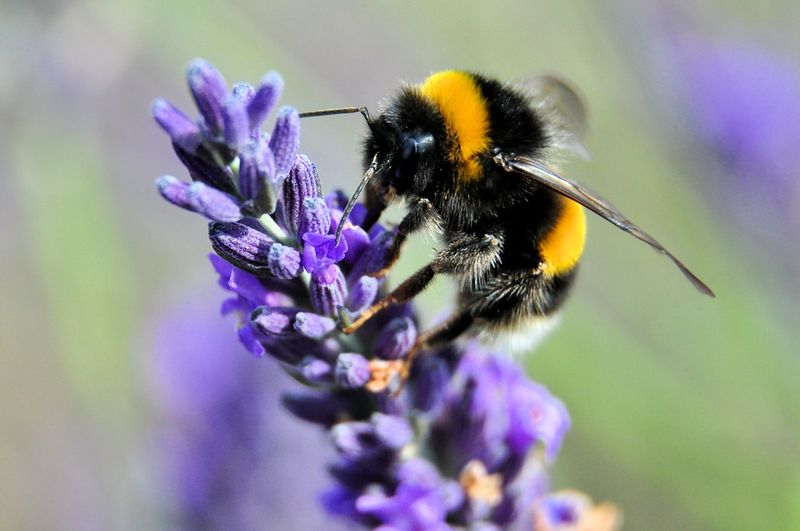
Bumblebees, with their distinctive buzz and fuzzy bodies, are integral pollinators in any garden. Their presence is a boon for flowering plants, ensuring successful pollination and subsequent fruiting. Watching them work can be both calming and educational.
These bees prefer flowers with tubular shapes, where they can easily collect pollen. A garden buzzing with bumblebees is often one rich in diversity and health. Their contribution to pollination is unmatched, making them invaluable allies.
Did you know? Bumblebees can fly in cooler temperatures than many other bees, allowing them to pollinate in early spring when other pollinators are still dormant.
7. Ladybug
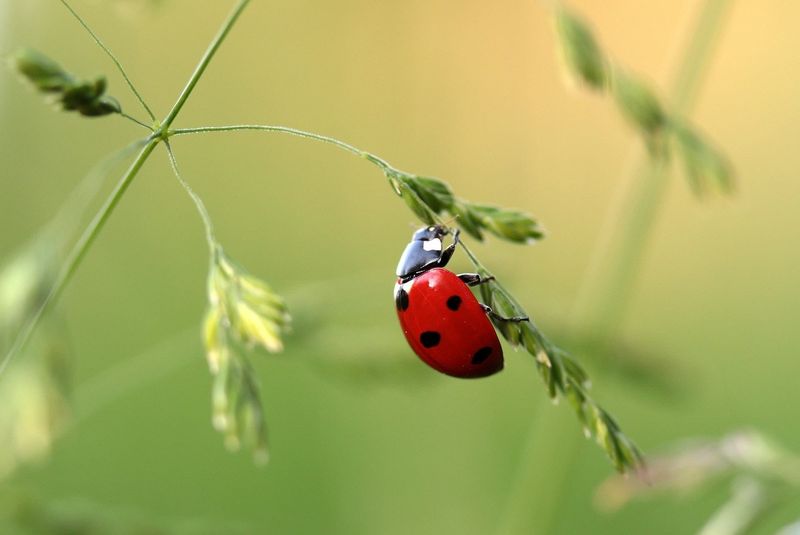
Ladybugs are not only charming with their colorful appearance but also a gardener’s best friend. These beetles are natural predators, feeding on aphids and other pests that can harm plants. Their presence indicates a balanced ecosystem with healthy plant life.
A single ladybug can consume up to 50 aphids a day, making them efficient pest controllers. Their bright red color acts as a warning to predators, showcasing their unique defense mechanism.
Historically, ladybugs have been associated with good luck and prosperity, making them a welcome sight in any backyard.
8. Hummingbird
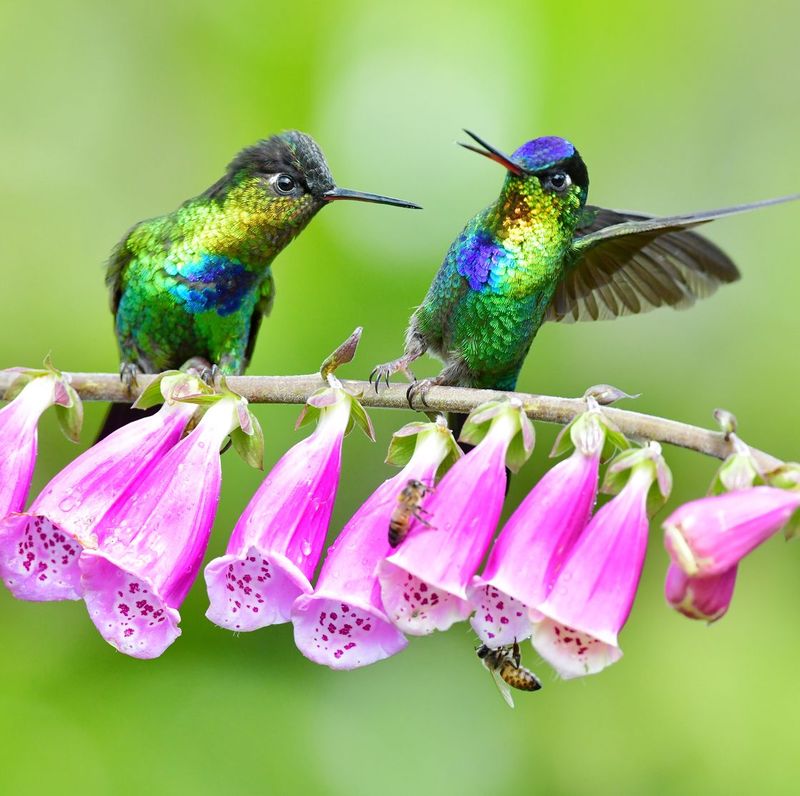
Hummingbirds, with their iridescent feathers and rapid wingbeats, are the jewels of the backyard. Their swift movements and ability to hover mid-air make them a fascinating spectacle. These birds are drawn to bright tubular flowers, seeking nectar.
Having hummingbirds in your garden signifies a nectar-rich environment, often with diverse flowering plants. Their presence supports pollination, enhancing garden vitality.
A remarkable fact is their migration feat: some species travel up to 3,000 miles, crossing the Gulf of Mexico non-stop, which highlights their incredible stamina and navigational skills.
9. Gray Squirrel
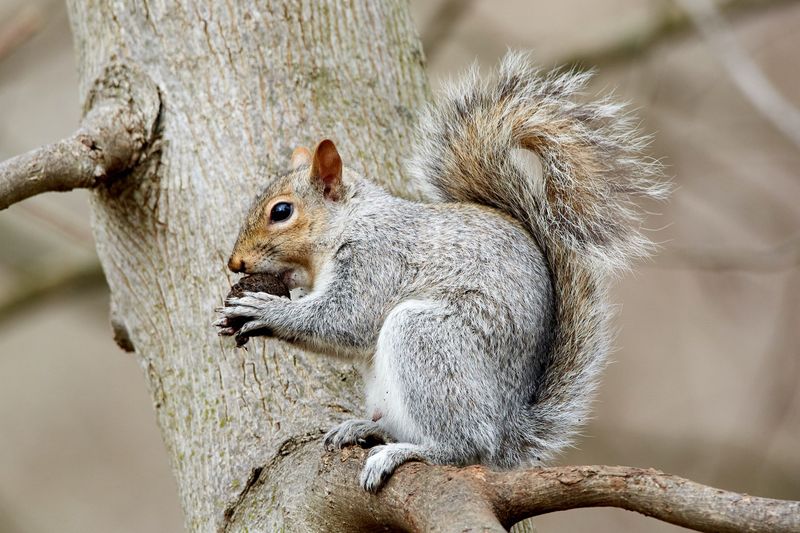
The playful antics of a Gray Squirrel are a common delight in many backyards. Known for their agility and curiosity, these squirrels are often seen leaping from tree to tree, gathering nuts.
Squirrels contribute to forest regeneration by inadvertently planting seeds through their food-caching behavior. Their presence is indicative of a yard with abundant trees and food sources.
Interestingly, squirrels have a keen memory, remembering the locations of their buried food. This trait ensures they survive harsh winters, showcasing their adaptability and resourcefulness.
10. Bat
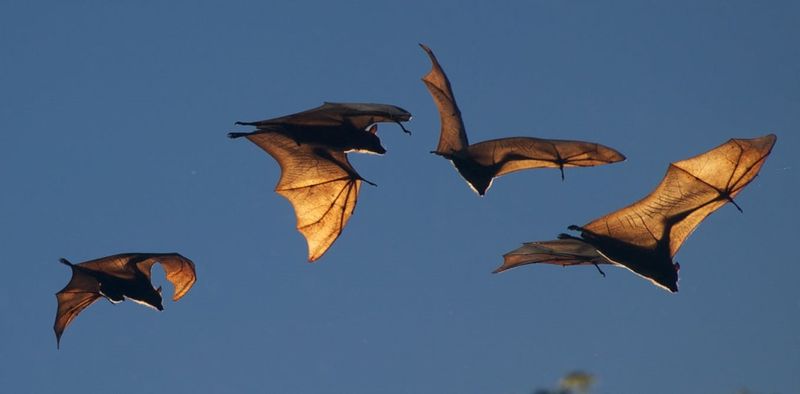
Bats, often misunderstood, are beneficial nocturnal visitors to your backyard. These creatures play an essential role in controlling insect populations, feeding on mosquitoes and other pests.
Their presence is a sign of a yard with rich biodiversity, offering both shelter and food. Bats contribute to pollination, particularly of night-blooming plants, enhancing garden health.
A fascinating aspect of bats is their echolocation ability, allowing them to navigate and hunt efficiently in the dark. Their mysterious and quiet presence adds a unique charm to any backyard.
11. Snail Kite
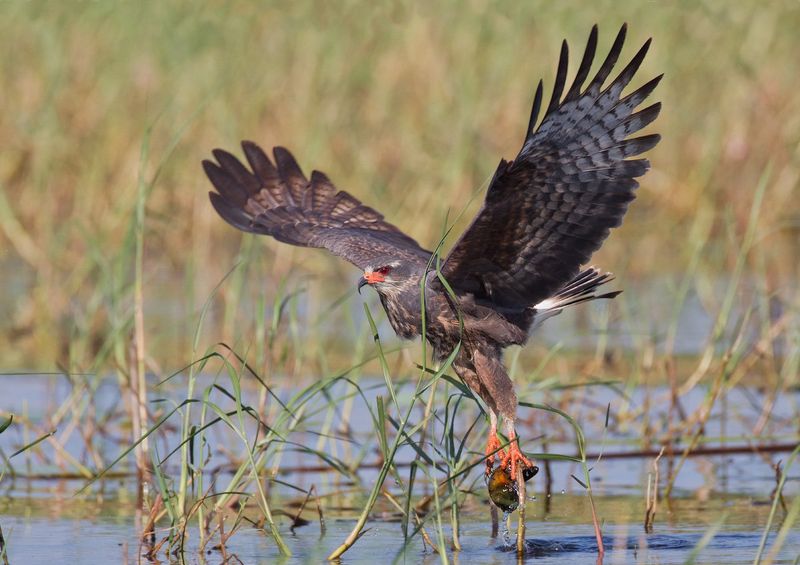
The Snail Kite, with its slender body and sharp beak, is a specialized predator found near marshy areas. Its presence in your backyard, although rare, indicates nearby wetlands and a rich ecosystem.
This bird primarily feeds on apple snails, showcasing its unique ecological niche. Observing a snail kite can be a thrilling experience, highlighting the interconnectedness of different habitats.
Their survival relies on healthy wetland environments, so spotting one is a positive sign of ecological balance and water quality.
12. Tree Frog
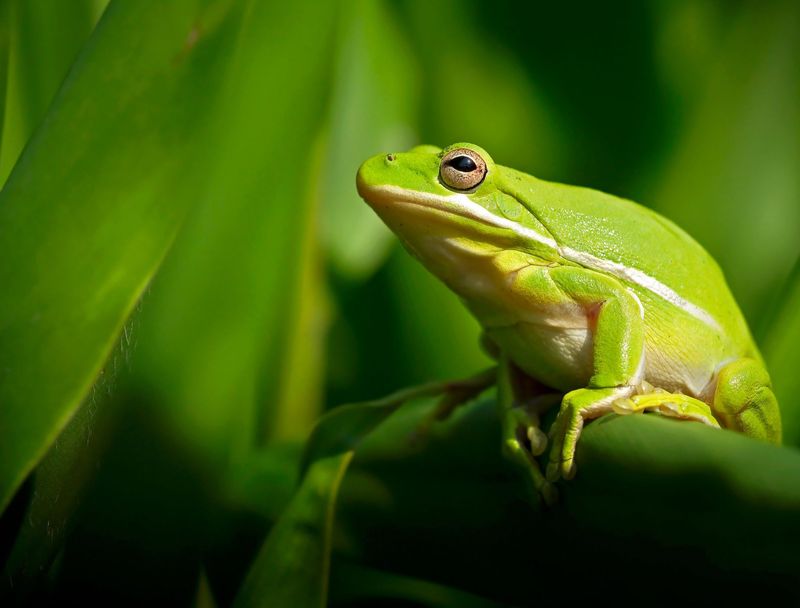
Tree Frogs, with their vibrant green hues and distinctive calls, are a delight to discover. These amphibians prefer moist environments, often making homes in gardens with abundant water features.
Their presence signals high humidity and a garden rich in insect life, as they primarily feed on insects. Tree frogs contribute to pest control, maintaining a balanced ecosystem.
A fun fact: Tree frogs have sticky pads on their toes, allowing them to cling to various surfaces, showcasing their remarkable adaptability to different environments.
13. Garden Spider
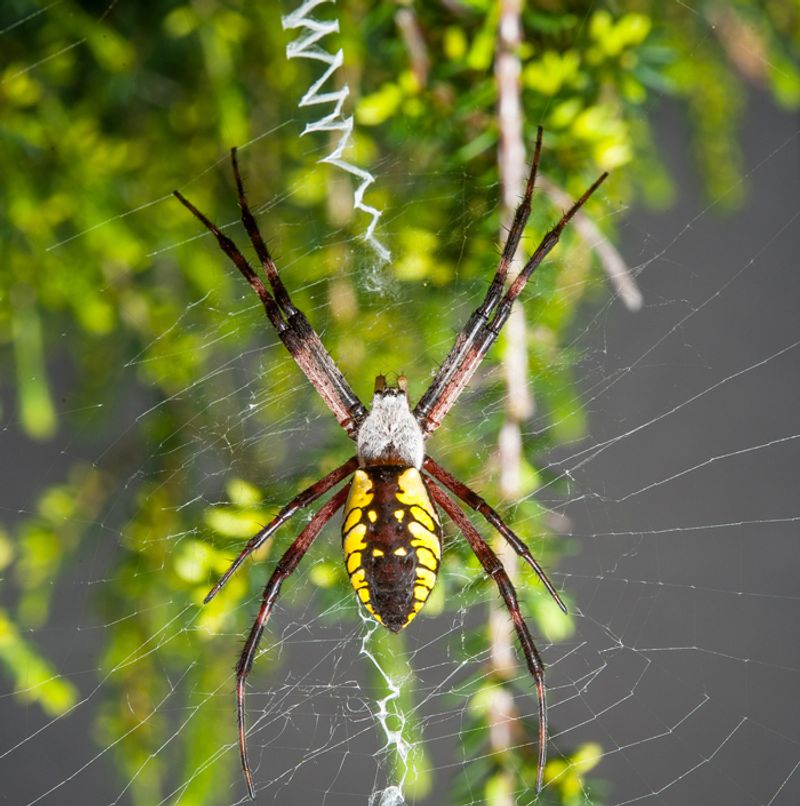
Garden Spiders, with their intricate webs, are both fascinating and functional. These arachnids are expert hunters, feeding on a variety of insects, and their webs are a testament to nature’s artistry.
Spotting a garden spider in your backyard signifies a pest-controlled environment, as they help manage insect populations. Their webs, shimmering with dew, add a touch of beauty to the garden.
Did you know? Garden spiders can rebuild their web every night, demonstrating their incredible skill and endurance. Their presence is a sign of a thriving, balanced ecosystem.
14. Firefly
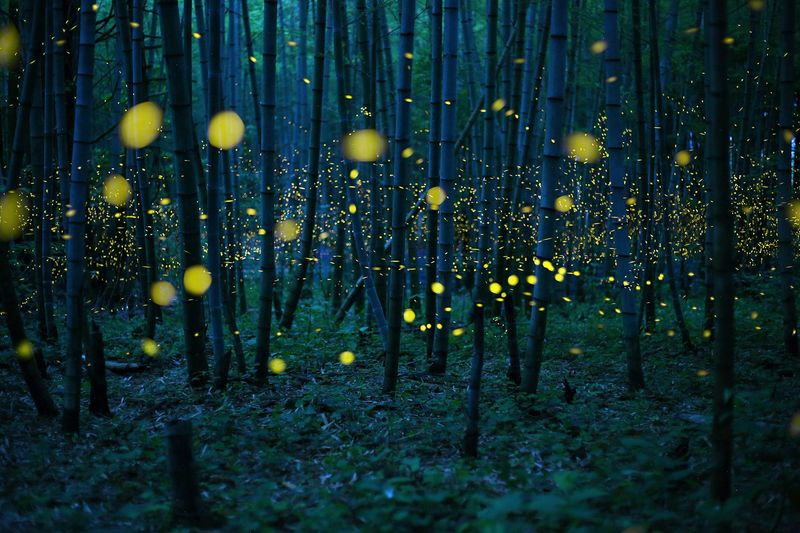
Fireflies, with their enchanting glow, transform gardens into magical places during summer nights. These bioluminescent insects are indicators of a healthy, unpolluted environment.
Their presence often signifies rich, moist soil and abundant plant life, as they thrive in such conditions. Watching fireflies dance is a nostalgic reminder of simpler times.
Interestingly, fireflies use their light to communicate and attract mates, adding a layer of intrigue to their glowing displays. Their ethereal beauty underscores the wonders of nature in your backyard.
15. Blue Jay
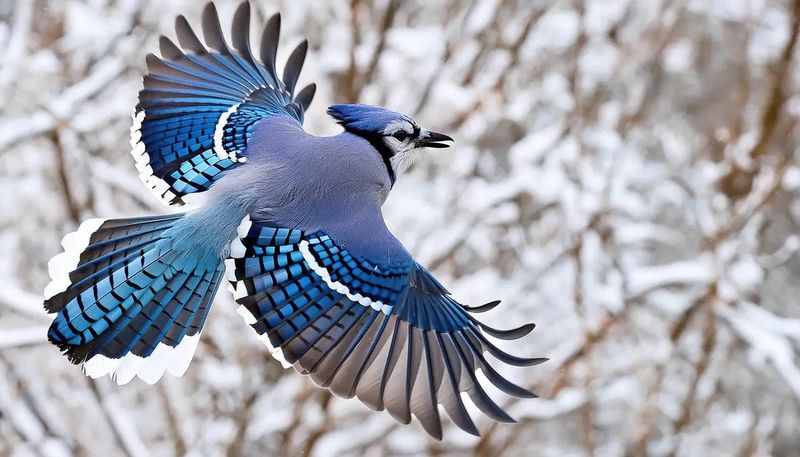
Blue Jays, with their vivid blue plumage and curious nature, are striking visitors to any backyard. Known for their intelligence and complex social behavior, these birds are both entertaining and beneficial.
Their varied diet includes seeds, insects, and small animals, contributing to pest control. Having blue jays in your yard indicates a well-balanced environment with ample food sources.
A fun fact: Blue Jays can mimic the calls of other birds, showcasing their vocal versatility. Their presence adds color and life to the winter landscape, making them a welcome sight.
16. Woodchuck
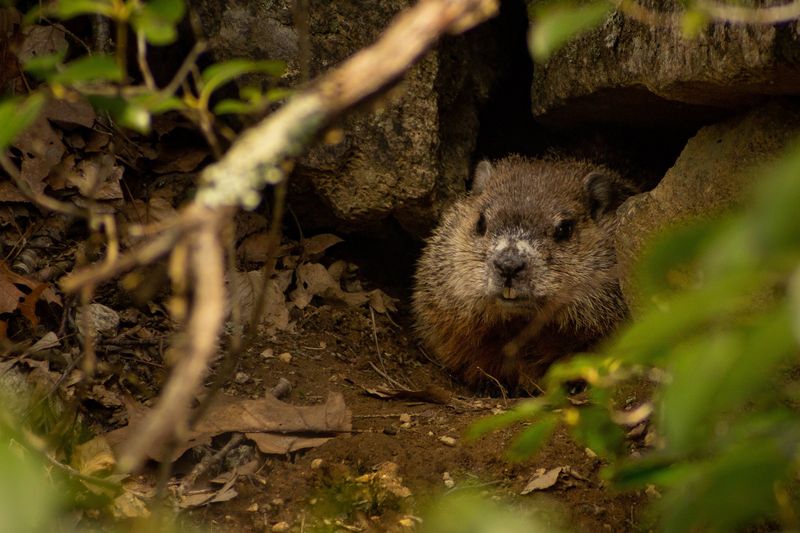
The Woodchuck, or Groundhog, is a charming and industrious creature often found in meadows and gardens. Known for its burrowing habits, it helps aerate the soil, promoting plant health.
These rodents feed on various plants, contributing to seed dispersal and maintaining ecological balance. Observing a woodchuck in your yard suggests a healthy, biodiverse environment.
Did you know? Woodchucks hibernate during winter, surviving on fat reserves. Their ability to dig extensive burrow systems is a testament to their adaptability and engineering skills.
17. Dragonfly
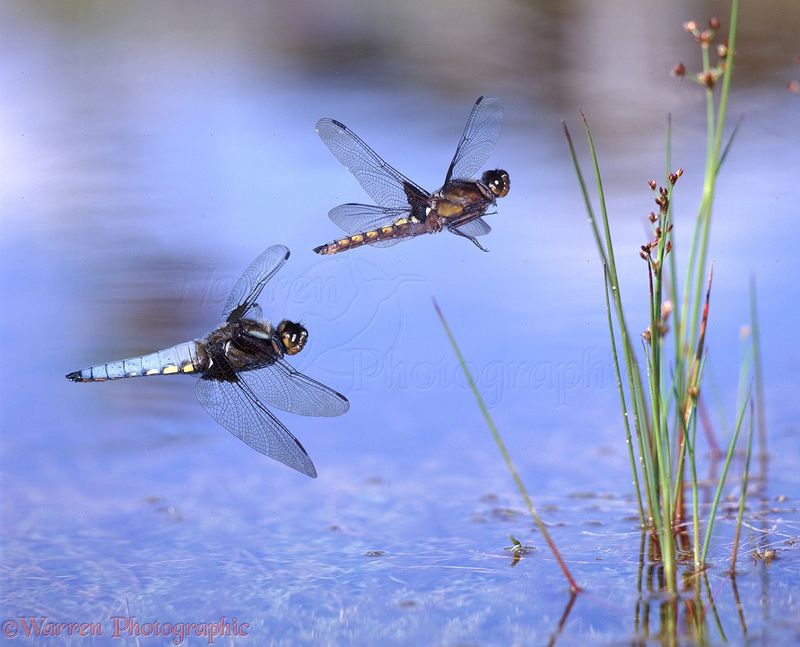
Dragonflies, with their iridescent wings and agile flight, are mesmerizing inhabitants of gardens near water. These skilled hunters feed on mosquitoes and other small insects, controlling pests naturally.
Their presence indicates a clean, unpolluted water source, as they lay their eggs in aquatic environments. Dragonflies enhance the garden’s biodiversity and beauty.
A fascinating fact: Dragonflies have been around for over 300 million years, showcasing their incredible adaptability and evolutionary success. Their presence in your backyard is a testament to the vitality of the ecosystem.
18. Cardinal
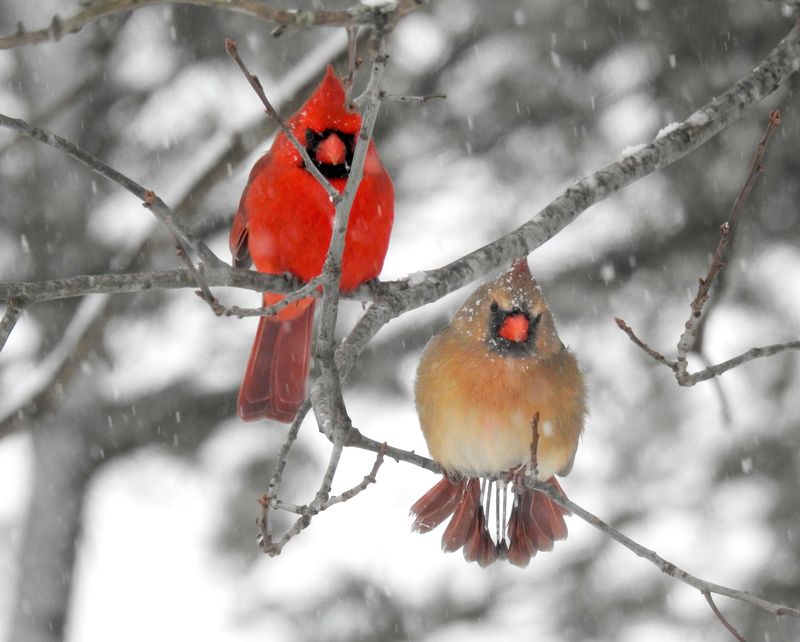
The Northern Cardinal, with its brilliant red feathers and distinctive crest, is a stunning guest in any backyard. Known for their melodious songs, cardinals add music and color to the environment.
These birds feed on seeds and fruit, playing a role in seed dispersal and pest control. Their presence signifies a rich habitat with diverse plant life.
Interestingly, cardinals are monogamous, often seen in pairs, which adds to their charm. Their striking appearance and sweet songs make them cherished visitors, especially in the stark winter landscape.
19. Raccoon
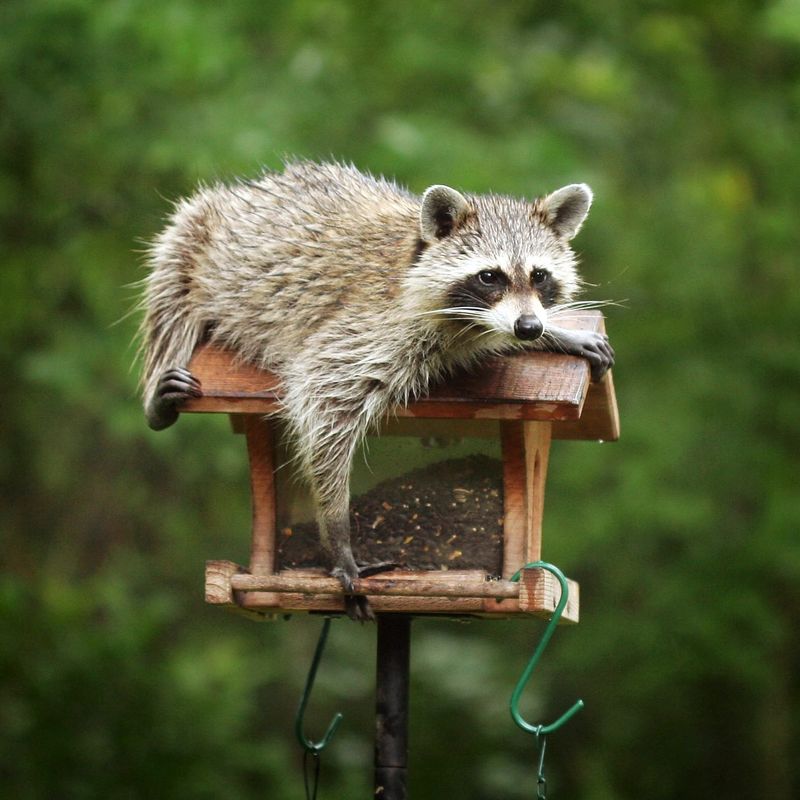
Raccoons, with their masked faces and nimble fingers, are resourceful nocturnal visitors to gardens. Their curiosity often leads them to explore garbage bins and compost piles.
While sometimes considered a nuisance, raccoons contribute to the ecosystem by controlling insect and rodent populations. Their adaptability to various environments highlights the yard’s ecological balance.
Raccoons are known for their intelligence and dexterous paws, allowing them to open containers and climb with ease. Their presence in your backyard is a testament to a thriving, diverse habitat.
20. Praying Mantis
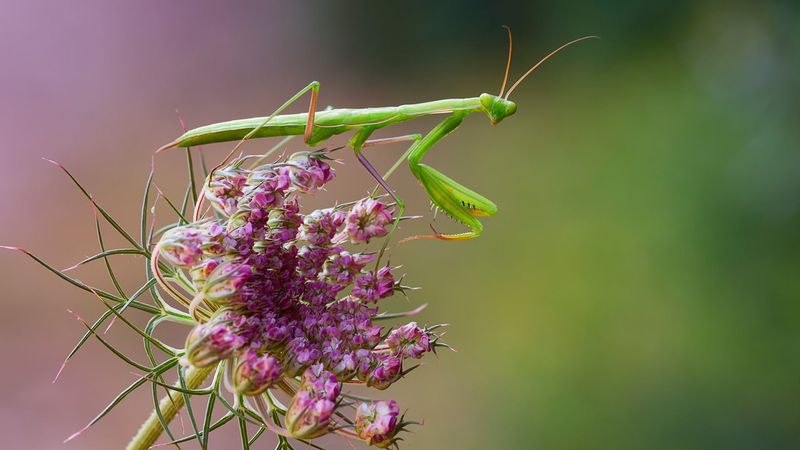
The praying mantis, with its iconic posture and piercing gaze, is a captivating visitor to any garden. Known for its voracious appetite for pests, this insect is a gardener’s ally. Its presence suggests a balanced ecosystem, as it preys on harmful bugs, helping maintain plant health.
Easily recognizable by its elongated body and folded ‘praying’ forearms, the mantis blends seamlessly among foliage. Watching one sway gently in the breeze is a testament to nature’s camouflage artistry.
Fun fact: Female mantises sometimes exhibit sexual cannibalism, consuming males after mating. This ensures nourishment for future offspring, albeit ruthlessly.