 Complete Gardening

Roses, with their captivating beauty and alluring fragrance, have been cherished by gardeners for centuries. Yet, even the most avid gardeners can stumble upon common pitfalls that hinder their roses’ potential.
In this comprehensive guide, we will explore seven prevalent mistakes that can stifle your roses’ growth and 11 secrets to achieving a garden brimming with reblooming roses.
Whether you’re a seasoned horticulturist or a budding enthusiast, these insights will transform your rose care routine, ensuring vibrant blooms that delight through the seasons.
1. Overwatering or poor drainage

Watering roses can be a delicate art. Many gardeners fall into the trap of overwatering, leading to waterlogged soil and suffocated roots. This excess moisture can cause yellowing leaves and increase susceptibility to root rot. To prevent this, assess the soil’s drainage capacity. Roses thrive best in well-drained soil. If water pools around your plant, consider improving the drainage or amending the soil with organic matter. Remember, it’s better to water deeply but less frequently. This encourages the roots to grow deeper, enhancing the plant’s resilience during dry spells.
2. Pruning at the wrong time
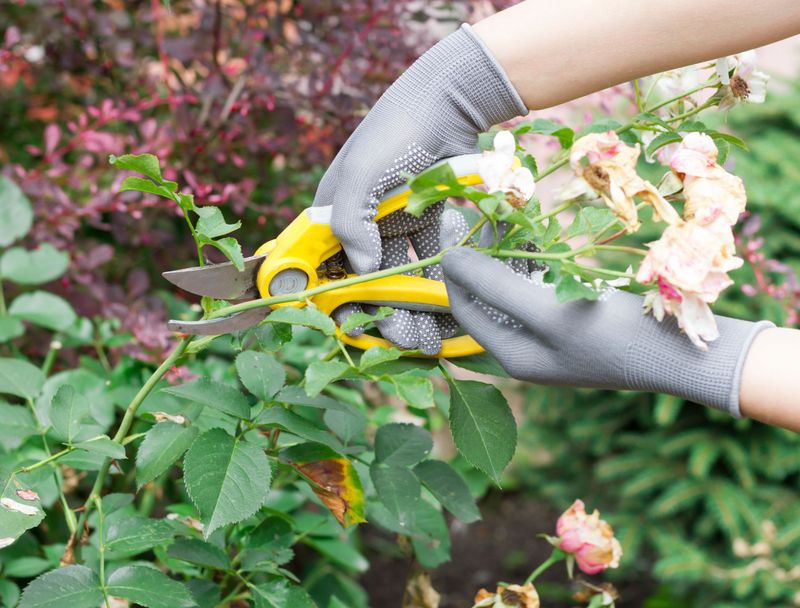
Timing is everything when it comes to pruning roses. Some enthusiasts make the mistake of pruning too early or too late, disrupting the plant’s natural growth cycle. The best time to prune is in early spring, just as new growth begins to show. This ensures that the plant has ample energy to produce new shoots and blooms. Avoid pruning in autumn, as this can expose the plant to winter damage. Investing in sharp, clean pruning shears will make the task easier and prevent tearing the stems, which can lead to disease.
3. Using the wrong type of fertilizer
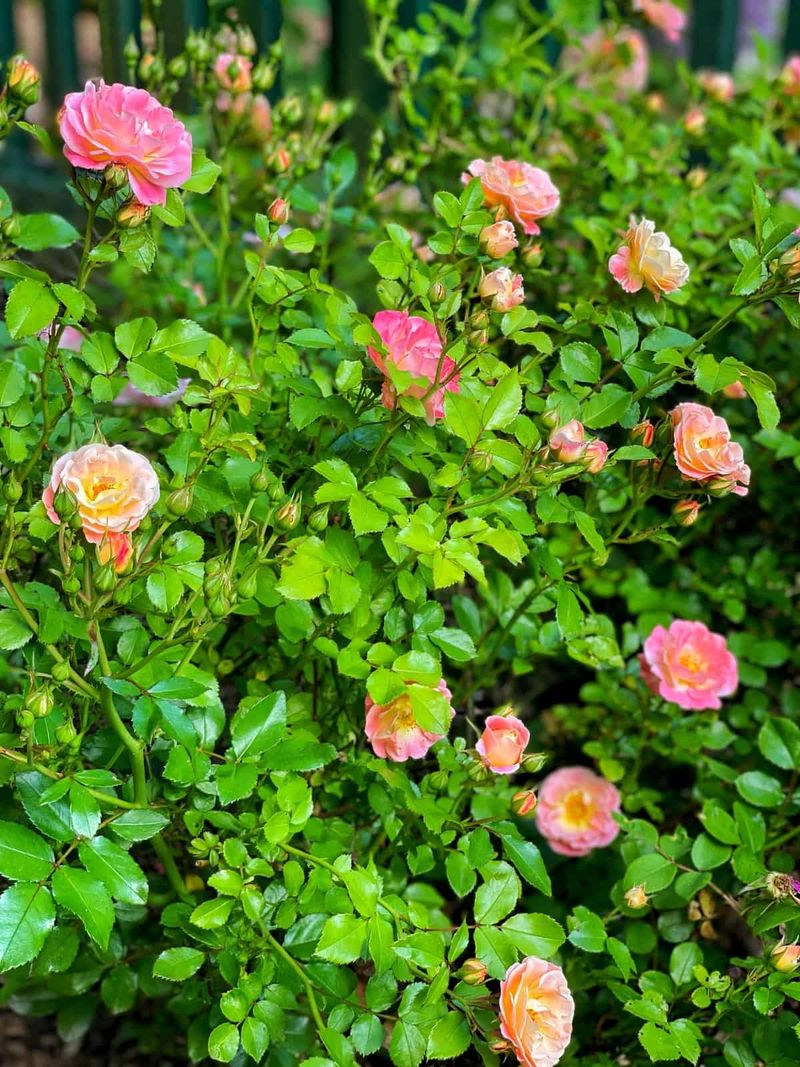
Selecting the right fertilizer is crucial for healthy rose growth. Some gardeners mistakenly choose high-nitrogen fertilizers, which promote leafy growth at the expense of blooms. Roses prefer a balanced, slow-release fertilizer that provides essential nutrients throughout the growing season. Pay attention to the specific needs of your roses, as some varieties may require more phosphorus to enhance flowering. Over-fertilizing can also lead to salt buildup in the soil, potentially harming the plant. Always follow the recommended guidelines on the fertilizer package for optimal results.
4. Ignoring pest or disease signs
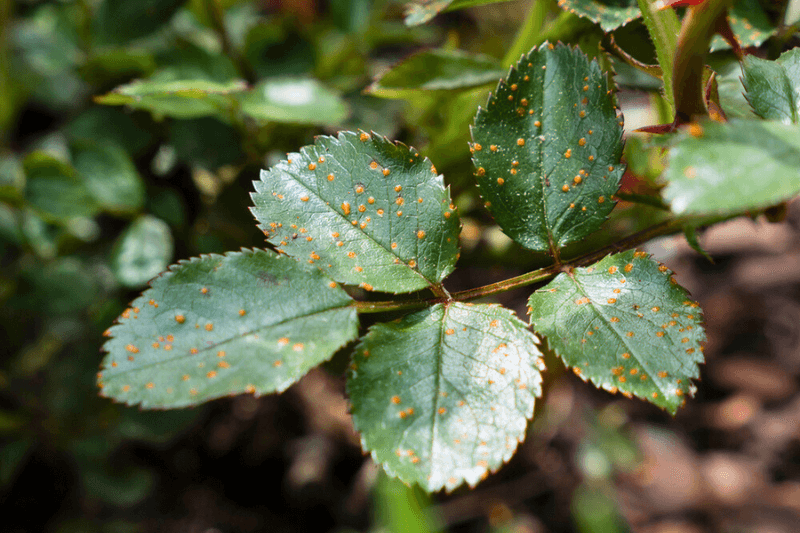
Pests and diseases can quickly turn a thriving rose garden into a nightmare. Many gardeners overlook early signs like aphids on leaves or black spots, only to face severe infestations later. Regularly inspect your roses for unusual symptoms, such as discolored leaves or stunted growth. Early intervention is key – use organic pest control methods or appropriate fungicides to manage issues before they escalate. Encouraging beneficial insects, like ladybugs, can also help keep pests in check naturally. Stay vigilant to maintain your roses’ health and vitality.
5. Planting roses too close together

Spacing is essential when planting roses. Crowding them can limit airflow, fostering fungal diseases and inhibiting growth. Each rose bush needs sufficient space to allow air circulation and sunlight penetration. Generally, hybrid teas and floribundas require about 2-3 feet of space, while climbers need more. Proper spacing ensures that each plant receives the necessary nutrients and light. If you notice overcrowded roses, consider transplanting them during the dormant season. This adjustment can significantly improve their health and blooming capacity.
6. Neglecting sun requirements

Sunlight is a vital ingredient for robust rose growth. Roses deprived of adequate sunlight tend to exhibit elongated stems and reduced blooms. Most rose varieties thrive with at least six hours of full sun daily. If your garden is shaded, consider relocating your roses to a sunnier spot. Additionally, observe the sun’s path in your garden throughout the day to identify optimal planting areas. Potted roses can be moved to track the sun, ensuring they receive the necessary light for vibrant flowering. Adequate sunlight can revitalize even the most lackluster roses.
7. Letting spent blooms remain on the plant
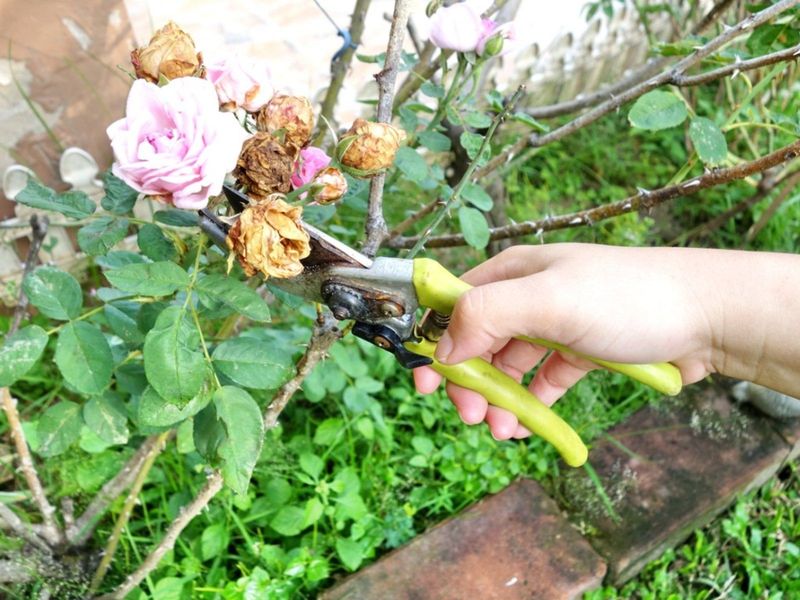
Spent blooms, if left on the plant, can detract from the plant’s focus on producing new flowers. This gardening faux pas is common and can easily be remedied. Deadheading, or removing faded blooms, encourages roses to redirect their energy toward generating new buds. Use clean, sharp shears to snip just above the first set of healthy leaves. This practice not only enhances the aesthetic appeal of your rose bush but also promotes a fuller bloom cycle. Regular deadheading keeps your garden vibrant and continuously blossoming.
1. Deadhead roses regularly

Regular deadheading is a secret to maintaining a flourishing rose garden. By removing spent flowers, the plant’s resources are redirected to generating new blooms. Consistent deadheading also keeps the garden looking tidy and vibrant. Use clean, sharp tools to clip blooms above the first healthy leaves. This encourages a more vigorous growth and a fuller bloom cycle. Additionally, deadheading can reduce the risk of disease by improving airflow around the plant. Embrace this simple yet effective practice to enjoy a garden full of beautiful, reblooming roses.
2. Use a balanced, slow-release fertilizer
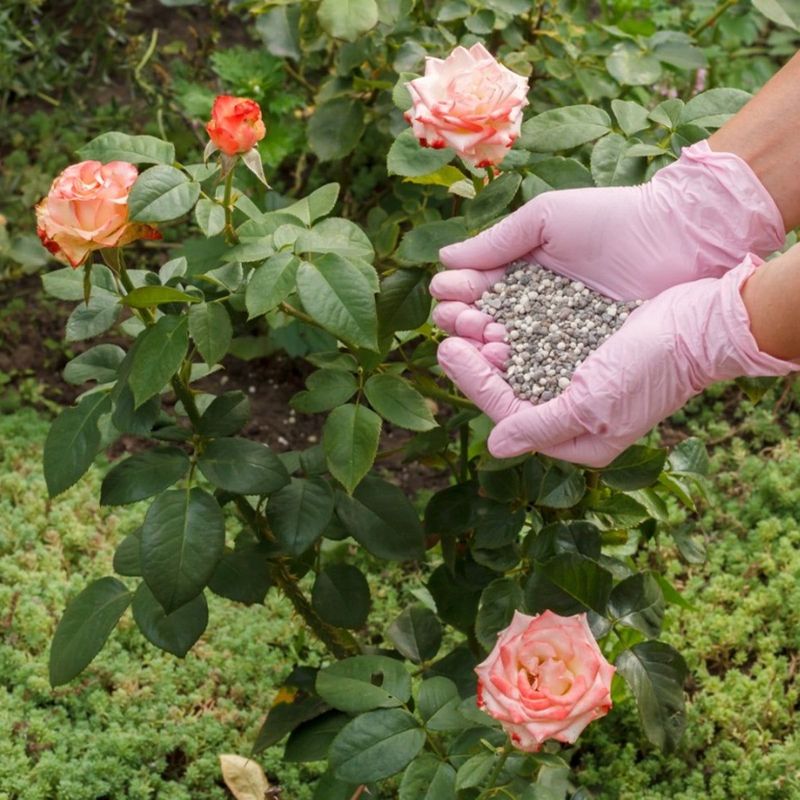
Fertilizing roses with a balanced, slow-release product is essential for sustained growth and blooming. Unlike high-nitrogen fertilizers that focus on leaf production, a balanced fertilizer ensures that roses receive a steady supply of nutrients over time. This approach fosters robust roots, healthy foliage, and abundant blooms. Apply the fertilizer around the base of the plant, following the manufacturer’s instructions. Avoid over-fertilizing, as it can lead to salt buildup and potential root damage. With the right nourishment, your roses will reward you with a profusion of blooms.
3. Water deeply but less frequently
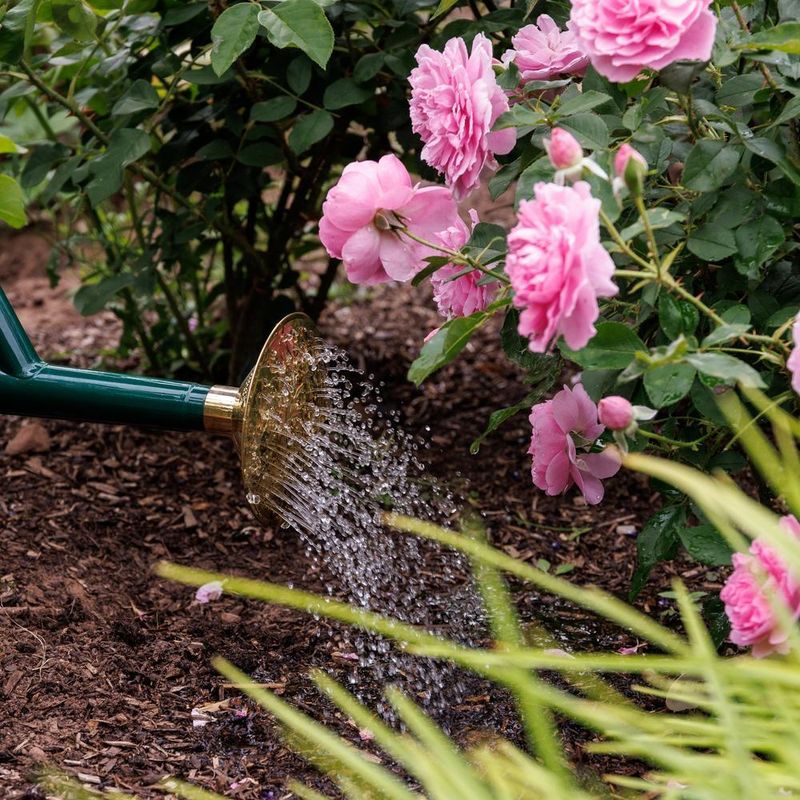
Deep, infrequent watering is a key practice for healthier roses. This technique encourages deep root growth, making plants more resilient during dry periods. Water should penetrate the soil to reach the roots, rather than just wetting the surface. Use a soaker hose or watering can to deliver moisture slowly and deeply. Avoid overhead watering, as it can promote fungal diseases. By watering in the morning, you allow foliage to dry throughout the day. This method conserves water, reduces disease risk, and results in more robust, flowering roses.
4. Mulch to retain moisture and suppress weeds

Applying mulch around rose bushes is a simple yet effective practice that retains moisture and suppresses weeds. Mulch acts as an insulating layer, reducing evaporation and maintaining soil temperature. It also prevents weed growth, which competes with roses for nutrients and water. Organic mulches, such as bark chips or compost, enrich the soil as they decompose. Apply a 2-3 inch layer around the base of the plant, ensuring the mulch doesn’t touch the stems to prevent rot. This practice nurtures healthier, more vibrant roses.
5. Choose repeat-blooming rose varieties

Selecting repeat-blooming rose varieties can ensure continuous flowers throughout the growing season. Unlike traditional roses that bloom once, repeat bloomers offer multiple flowering cycles. Varieties like ‘Knock Out’ and ‘Flower Carpet’ are known for their resilience and consistent blooms. When choosing roses, consider your climate and garden space to find the best fit. These varieties require the same care as other roses, such as proper pruning and feeding. With repeat bloomers, your garden can enjoy a vibrant display from spring to fall.
6. Prune lightly during growing season
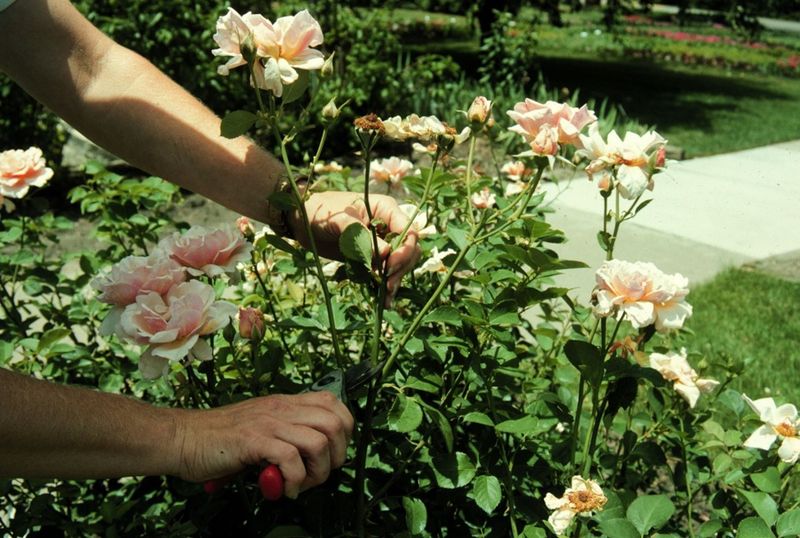
Light pruning during the growing season can enhance rose bush health and flowering. This involves removing dead or weak stems and spent blooms to redirect energy towards new growth. Unlike heavy winter pruning, light summer pruning is less drastic and helps maintain plant shape. Use sharp, clean shears to make clean cuts and avoid disease. This practice improves air circulation and sunlight exposure, contributing to robust health. Light pruning is an ongoing task that, when done regularly, ensures a thriving, beautiful rose garden.
7. Apply a mid-season

Mid-season feeding can give roses an extra boost during the growing season. Liquid fertilizers are particularly effective, providing a quick nutrient supply that plants can absorb rapidly. Apply them after the first bloom cycle to encourage continued flowering. Mix the fertilizer according to package instructions, and apply at the plant’s base. This ensures nutrients reach the roots quickly. Over-feeding is a common mistake, so always follow recommended dosages. Regular mid-season feeding can result in a lush, vibrant rose display, prolonging the bloom season.
8. Control pests and diseases promptly

Prompt pest and disease control is vital for maintaining healthy roses. Early detection allows for quick intervention, preventing infestations and disease spread. Regularly inspect your roses for signs of trouble, such as discolored leaves or unusual spots. Organic treatments, like neem oil or insecticidal soap, can manage many common issues without harsh chemicals. Encouraging natural predators, such as ladybugs, also helps control pests. Staying proactive in pest management ensures your roses remain healthy and vibrant, reducing stress on the plants and promoting flourishing blooms.
9. Provide at least 6 hours of full sun daily

Roses thrive with ample sunlight, requiring at least six hours of full sun daily. Without it, roses may develop elongated stems and sparse blooms. Evaluate your garden’s sun exposure to ensure roses receive adequate light. If certain spots are shaded, consider relocating the plants to sunnier areas or trimming overhanging branches. Potted roses offer flexibility, as they can be moved to follow the sun’s path. Ensuring sufficient sunlight is crucial for healthy growth and abundant flowering, transforming your garden into a vibrant paradise of blooms.
10. Protect roots during extreme weather
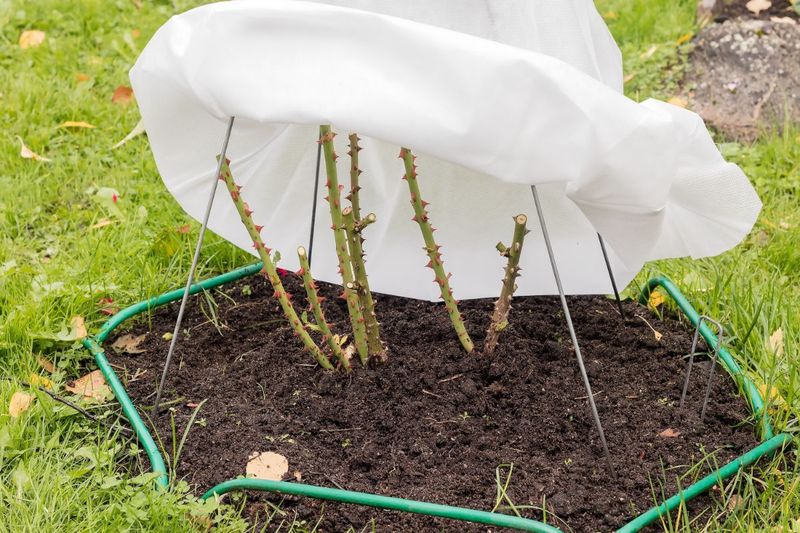
Extreme weather can challenge rose survival, but protecting roots can make a significant difference. During cold snaps, cover the base of rose bushes with burlap or mulch to insulate against frost. In hot weather, ensure adequate watering to prevent soil from drying out. Potted roses are particularly vulnerable and may need to be moved indoors or to a sheltered location. These protective measures help maintain root health, ensuring roses remain resilient and continue to thrive regardless of weather conditions. Adaptable care keeps roses flourishing year-round.
11. Train climbing roses for better airflow and growth

Climbing roses add vertical interest to gardens, but proper training is essential for their success. By tying stems to trellises or supports, you encourage upward growth and better airflow, reducing the risk of diseases. Start training young plants by gently securing canes horizontally. This promotes more flowering shoots along the length of the plant. Regularly check ties to ensure they aren’t too tight, allowing for natural expansion. Well-trained climbing roses not only enhance garden aesthetics but also result in healthier, more prolific blooms.