
Growing tomatoes can be a rewarding experience, but it’s critical to know which plants to avoid cultivating alongside them. Certain plants can inhibit tomato growth, attract pests, or compete for nutrients, leading to a less-than-bountiful harvest. This guide explores 19 plants that should never share a garden bed with your tomatoes.
1. Potato
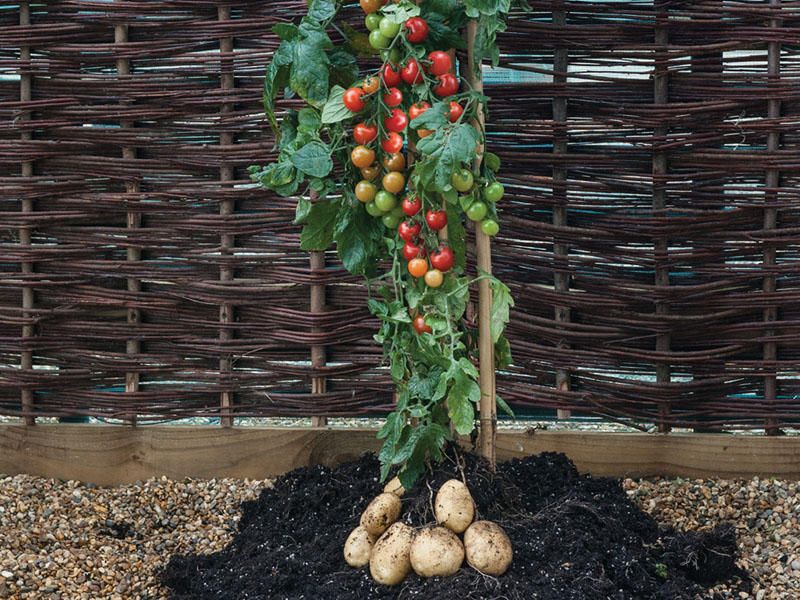
Potatoes and tomatoes may seem like a natural pair, both being members of the nightshade family. However, they are far from compatible in the garden. Potatoes can attract similar pests and diseases, such as blight, which can easily spread to tomatoes.
When planted together, they compete intensely for nutrients, leading to underwhelming yields of both crops. Keeping these two apart in your garden ensures healthier plants and a more abundant harvest.
Tomatoes prefer sunny, open spaces, while potatoes thrive when slightly shaded, further highlighting their differing needs.
2. Corn
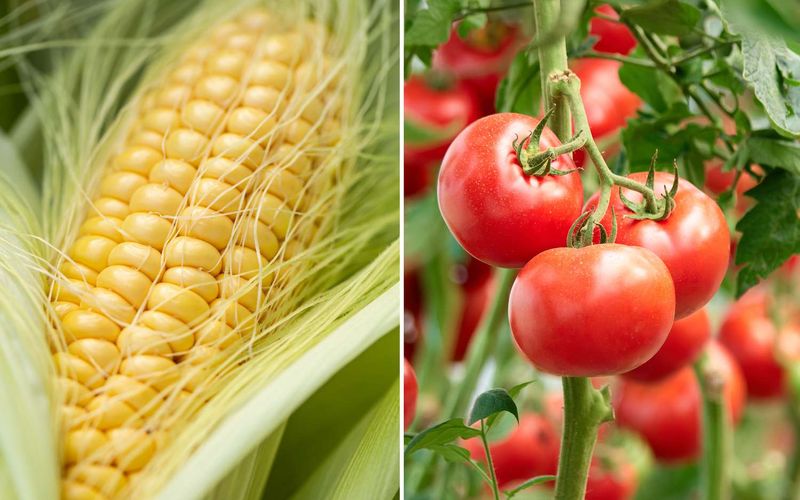
Corn’s towering stature might offer shade, but it’s not the companion your tomatoes need. The two do not thrive together due to their mutual susceptibility to pests, such as the corn earworm and tomato hornworm.
These pests can migrate between the plants, damaging both crops. Furthermore, corn has a robust root system that aggressively competes for nutrients, often leaving tomato plants undernourished.
Choosing separate locations for these plants fosters better growth and reduces pest-related issues, ensuring each plant reaches its full potential without interference.
3. Fennel
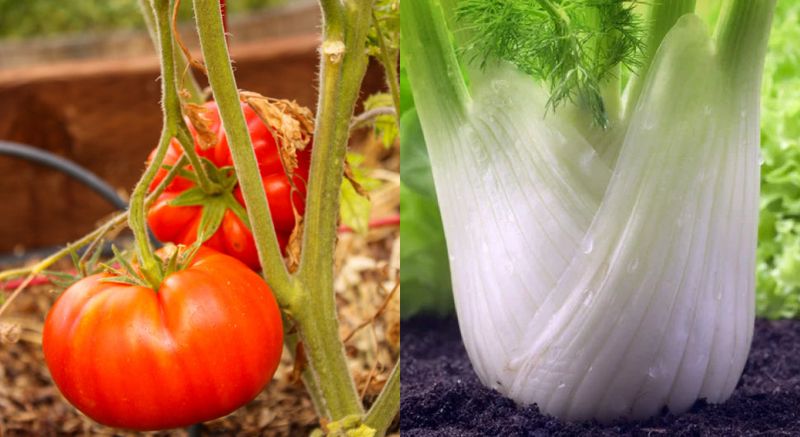
Fennel, known for its aromatic properties, does not play well with tomatoes in the garden. It releases chemicals into the soil that can stunt the growth of nearby plants, including tomatoes.
This allelopathic trait makes fennel a poor companion, as it actively hinders tomato development. When fennel and tomatoes are planted together, expect lower yields and less vigorous plants.
If you love fennel, consider planting it in a container or a separate area, allowing your tomatoes to thrive undisturbed and reach their productive potential.
4. Brussels Sprouts
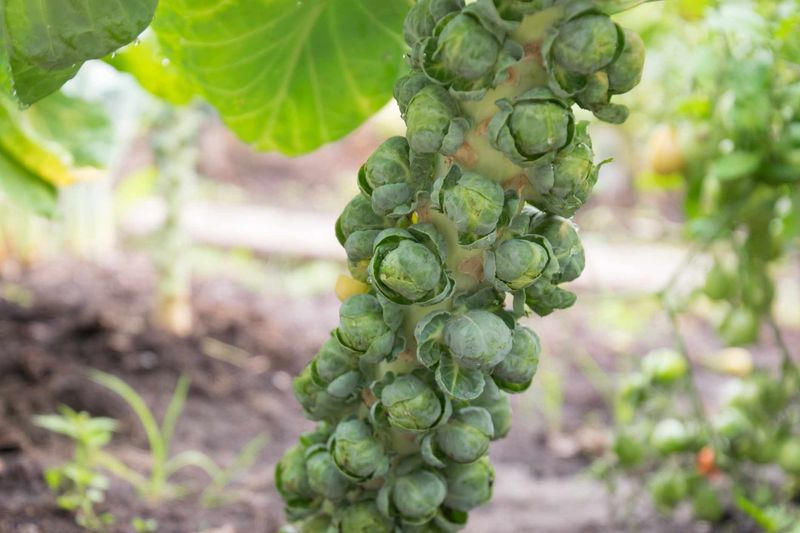
Brussels sprouts, while a nutritious choice for the dinner table, are not ideal neighbors for tomatoes. Both plants attract aphids and other pests, which can quickly multiply when these hosts are nearby.
This shared vulnerability can lead to an infestation that damages both crops. Additionally, Brussels sprouts require significant nutrients, competing directly with tomatoes for essential resources.
To ensure healthy growth and harvests, plant Brussels sprouts away from tomatoes, allowing each to flourish without sharing pest and nutrient burdens.
5. Cucumber
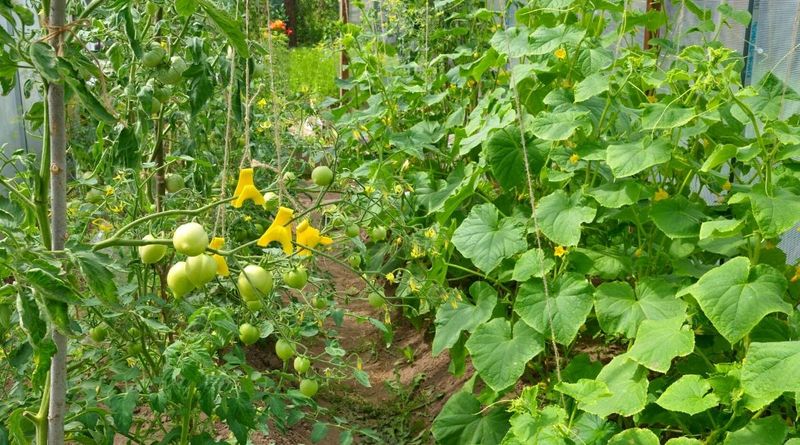
Cucumbers and tomatoes often vie for the same garden space, but they are better planted apart. Both plants are susceptible to similar diseases, such as powdery mildew, which can spread rapidly between them.
The sprawling growth habit of cucumbers can also overshadow and stifle tomato plants. To optimize growth and minimize the risk of disease, consider planting cucumbers on a separate trellis or garden bed.
This separation ensures that each plant receives adequate sunlight and air circulation, promoting healthier and more productive growth.
6. Broccoli
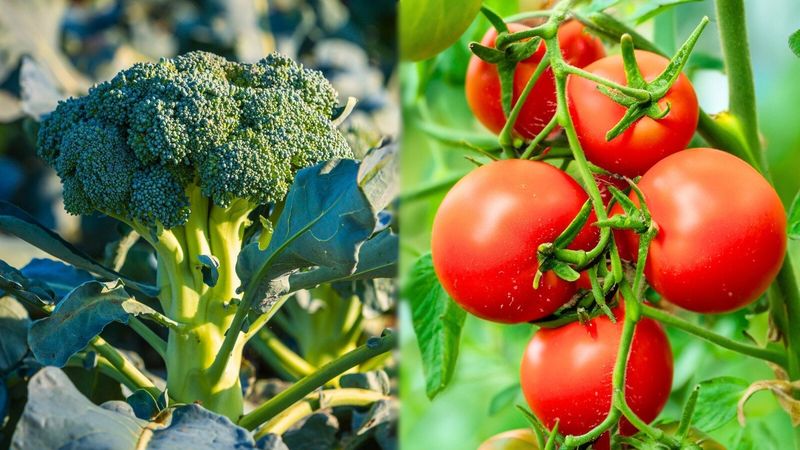
Broccoli and tomatoes do not complement each other well in the garden. Broccoli demands plenty of space and nutrients, directly competing with tomatoes for these resources.
When grown together, both plants may struggle to reach their full potential due to this competition, resulting in stunted growth and reduced yields. Keeping these plants in separate areas allows them to flourish without interference.
For a successful harvest, ensure each has ample room and nutrients by avoiding mixed planting with tomatoes and other heavy feeders.
7. Kohlrabi
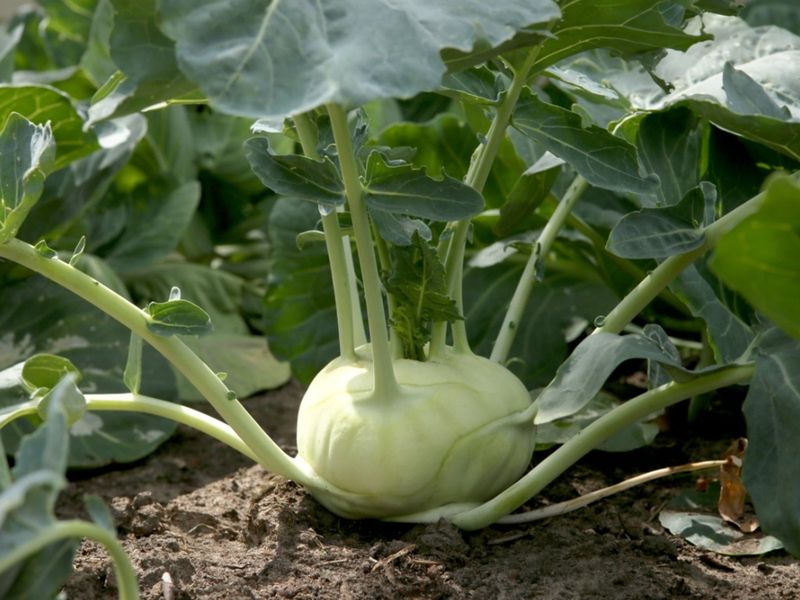
Kohlrabi, a member of the cabbage family, is not an ideal companion for tomatoes. Its growth habits and nutrient needs can clash with those of tomatoes, leading to poor development.
The cabbage family attracts similar pests, increasing the risk of infestations that can harm both crops. Additionally, kohlrabi can dominate the space needed by tomato plants, hindering their growth.
To avoid these issues, it’s best to allocate separate garden areas for kohlrabi and tomatoes, ensuring both plants have the conditions they need to thrive.
8. Cauliflower
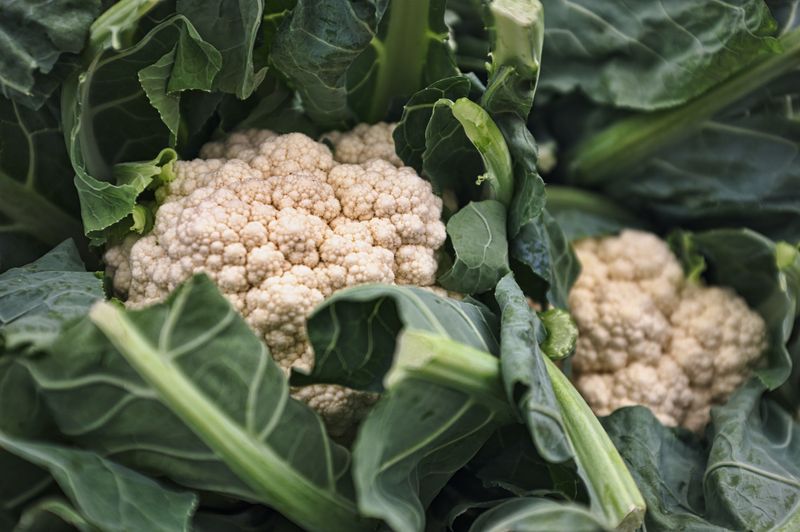
Cauliflower, with its sprawling leaves, can overshadow and compete with tomato plants. Both require ample nutrients and space, making them unsuitable companions.
The competition for resources can lead to reduced yields and weaker plants, as neither receives the full nutrients needed for optimal growth. To ensure a healthy, bountiful garden, plant cauliflower away from tomatoes.
By providing each plant with its own space, you increase the chances of achieving a successful harvest of both crops, free from competition and resource limitations.
9. Rutabaga
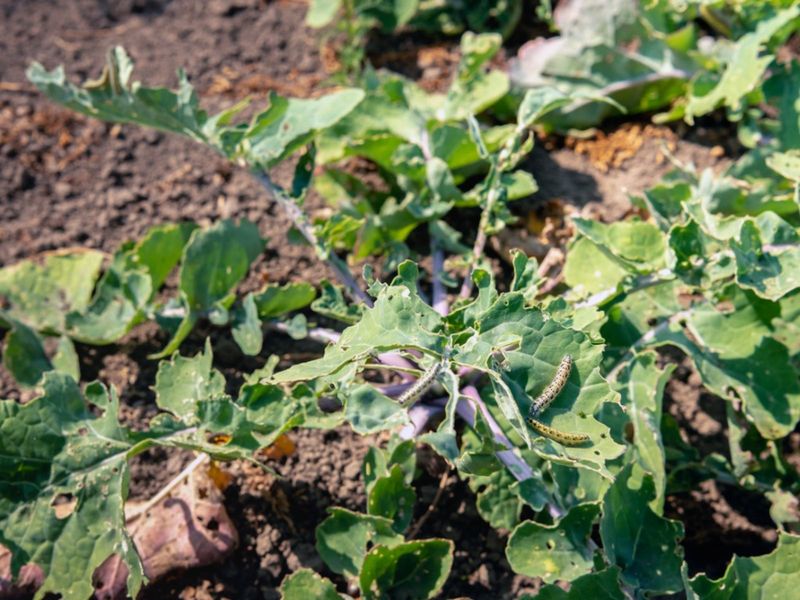
Rutabagas, though hearty and nutritious, are not ideal neighbors for tomatoes. These root vegetables require different soil conditions and can compete for nutrients, leaving tomato plants undernourished.
Rutabagas also attract certain pests that can negatively impact tomato plants. Planting these two together can result in stunted growth and reduced yields for both crops.
To maximize growth and minimize competition, consider planting rutabagas in a separate garden area, allowing tomatoes to grow in conditions better suited to their needs.
10. Peppers
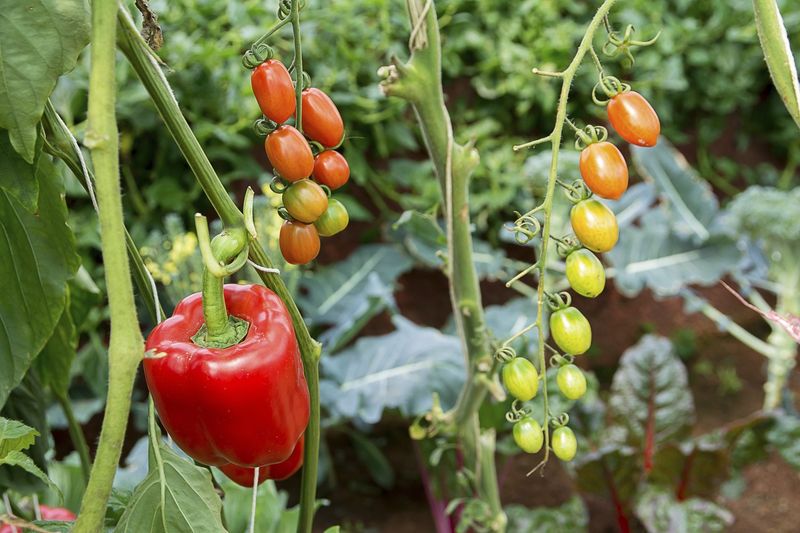
Peppers and tomatoes share more than just the nightshade family—they also share similar pest and disease concerns. Both plants can attract pests like aphids and diseases such as blight, which can spread between them.
The competition for nutrients and space can further hinder their growth, leading to less productive plants. To ensure a healthy garden and abundant harvest, separate these plants in your garden layout.
By giving each plant the space and conditions they require, you’ll reduce pest issues and increase overall productivity.
11. Strawberries
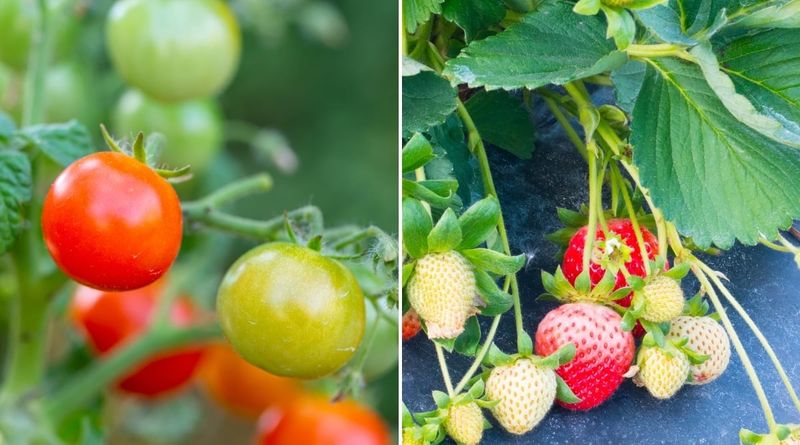
Strawberries, while delightful on their own, can spell trouble when grown with tomatoes. They spread quickly and can overtake garden space, leaving tomatoes struggling for sunlight and nutrients.
Strawberries also attract pests that can damage tomato plants, creating additional challenges. To foster healthier growth, consider planting strawberries in a separate area or container.
This approach allows both strawberries and tomatoes to thrive without competing for resources, ensuring a more bountiful and harmonious garden experience.
12. Eggplant
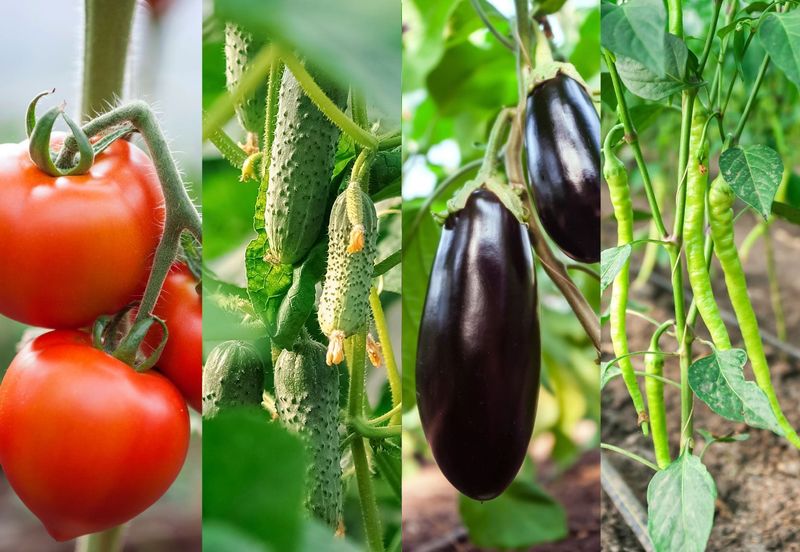
Eggplants and tomatoes, though visually pleasing together, are not the best of companions. Both are prone to similar pests and diseases, which can easily transfer between them, such as the notorious tomato hornworm.
The competition for nutrients can also lead to stunted growth for both plants. For a robust and healthy garden, it’s wise to plant eggplants away from tomatoes.
By doing so, you reduce the risk of pest infestations and disease transmission, allowing each plant to flourish individually and undisturbed.
13. Dill
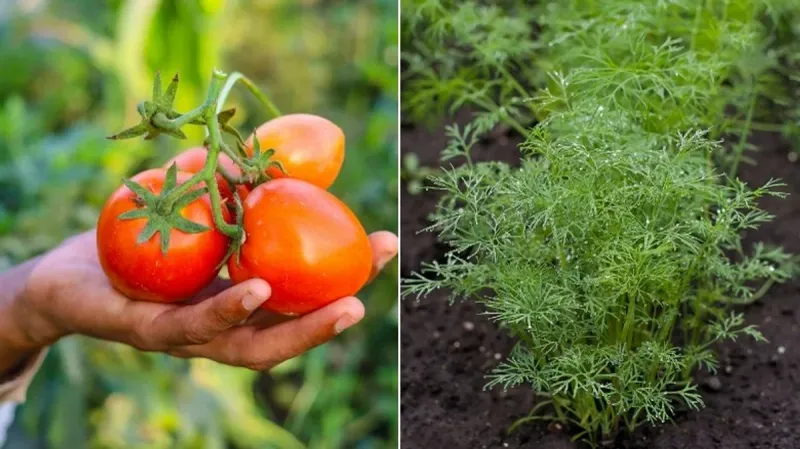
Dill, with its aromatic fronds, can cause more harm than good when grown beside tomatoes. While young dill plants might be harmless, mature dill can stunt tomato growth.
This is due to the chemicals released by dill that affect tomato plants adversely. To enjoy the benefits of both plants, consider planting dill in a separate area of the garden.
This separation allows tomatoes to develop fully without interference, ensuring a robust and healthy harvest, free from the competitive influence of dill.
14. Cabbage
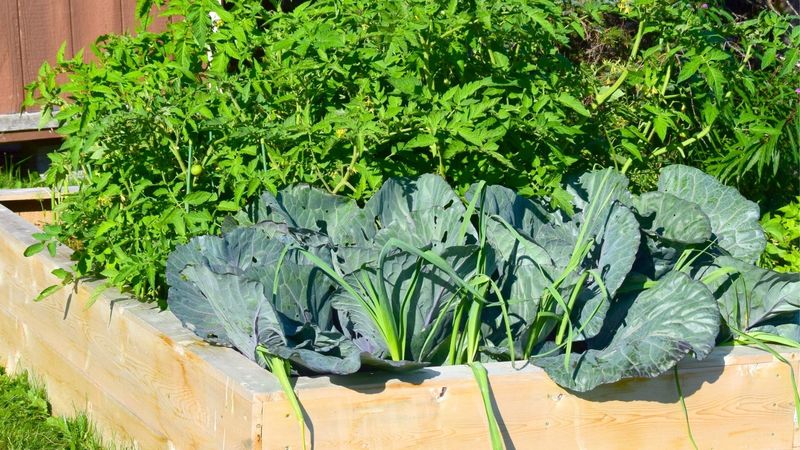
Cabbage, a hearty vegetable, competes fiercely with tomatoes for nutrients and space. The large leaves of cabbage can overshadow tomato plants, depriving them of sunlight necessary for growth.
Additionally, the two attract similar pests, increasing the risk of infestations. To promote healthy, vigorous plants, it’s best to separate cabbage and tomatoes in the garden.
Allowing each to have its own space ensures they receive the sunlight and nutrients they need, reducing competition and the chance of pest problems.
15. Sunflower
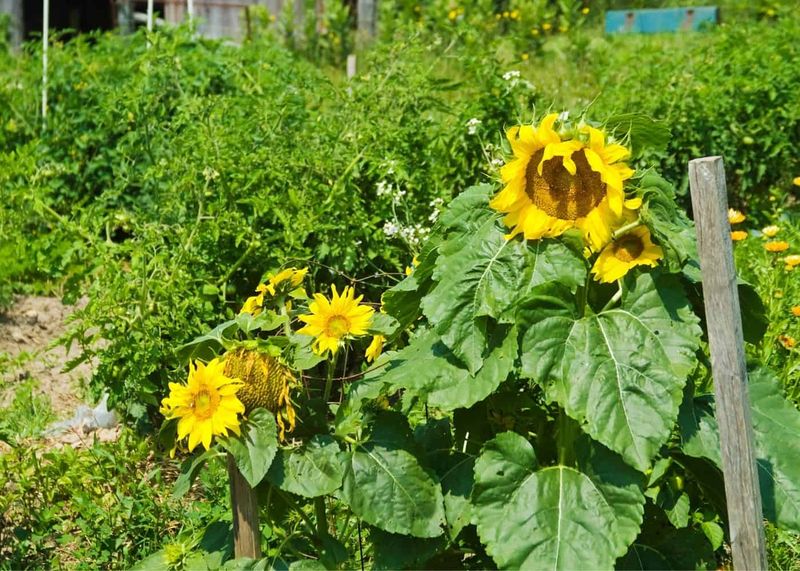
Sunflowers, with their towering presence, may cast too much shade on tomato plants. This competition for sunlight can hinder tomato growth, as they thrive in full sun conditions.
Sunflowers also have allelopathic properties, which can inhibit the growth of nearby plants, including tomatoes. For a vibrant and productive garden, it’s advisable to plant sunflowers and tomatoes apart.
By doing so, you ensure that each plant has access to the resources they need, minimizing competition and promoting a healthy garden environment.
16. Onion
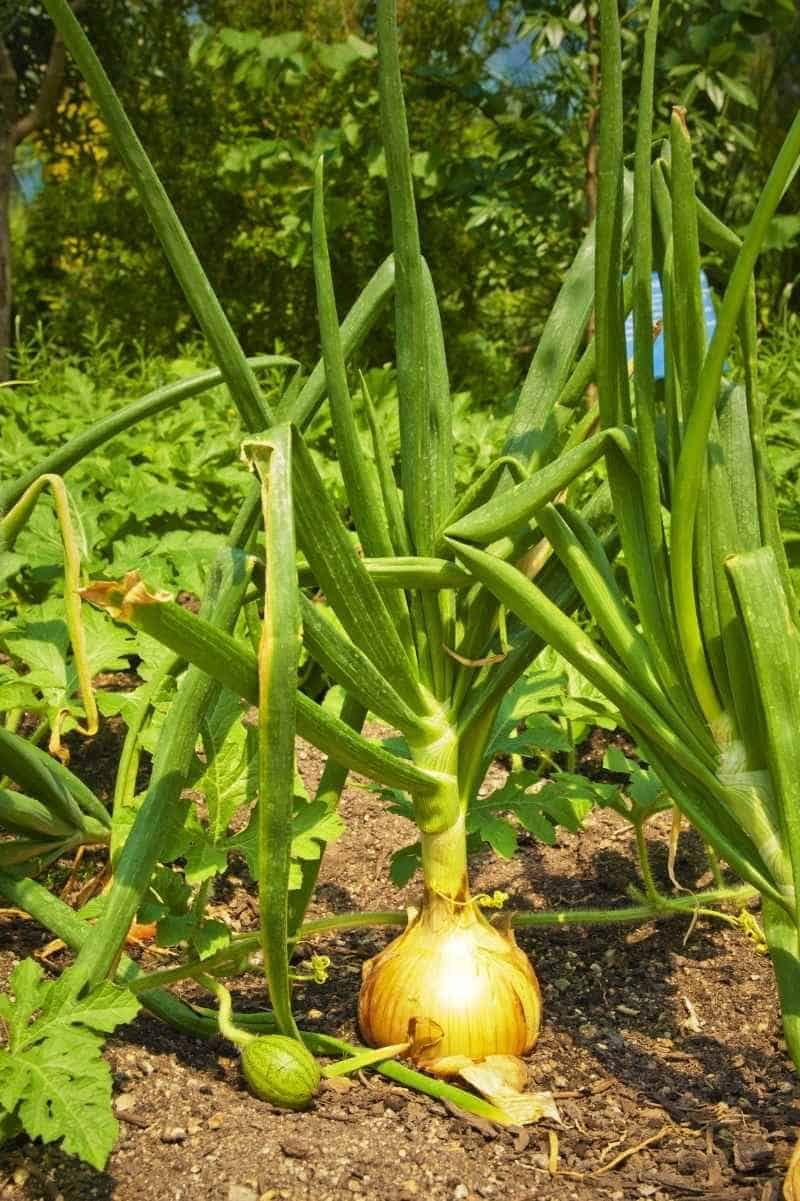
Onions and tomatoes, though staples in many kitchens, do not make compatible garden companions. Onions can inhibit tomato growth due to the chemicals they release into the soil.
These chemicals can negatively impact tomato plants, reducing their ability to thrive. Additionally, onions require different soil conditions, further complicating their compatibility with tomatoes.
To ensure a successful garden, plant onions in a separate area, allowing tomatoes to grow in an environment suited to their needs, free from competitive interference.
17. Walnut Tree
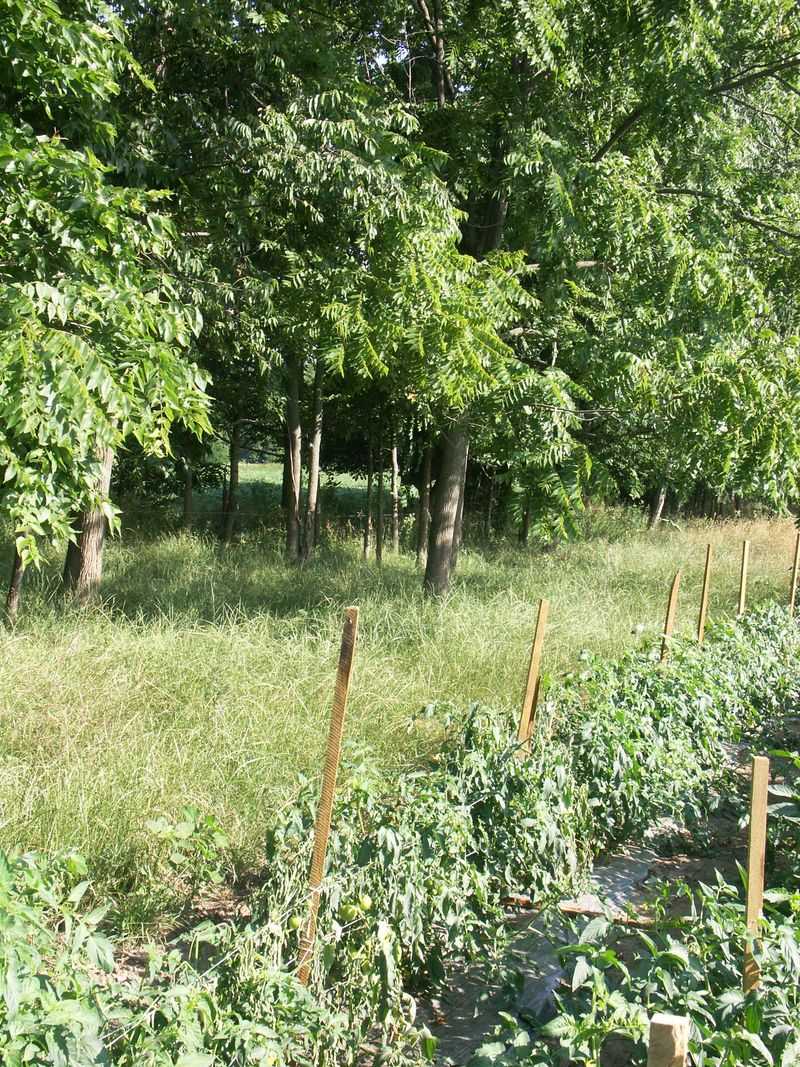
The walnut tree, majestic and shady, is a poor companion for tomatoes. It releases juglone, a chemical that can inhibit the growth of many plants, including tomatoes.
This allelopathic effect can lead to stunted growth and reduced yields for tomatoes planted nearby. To protect your tomato plants, keep them well away from the influence of walnut trees.
Providing them with a juglone-free environment ensures they have the opportunity to flourish, free from the walnut’s inhibitory effects.
18. Mint
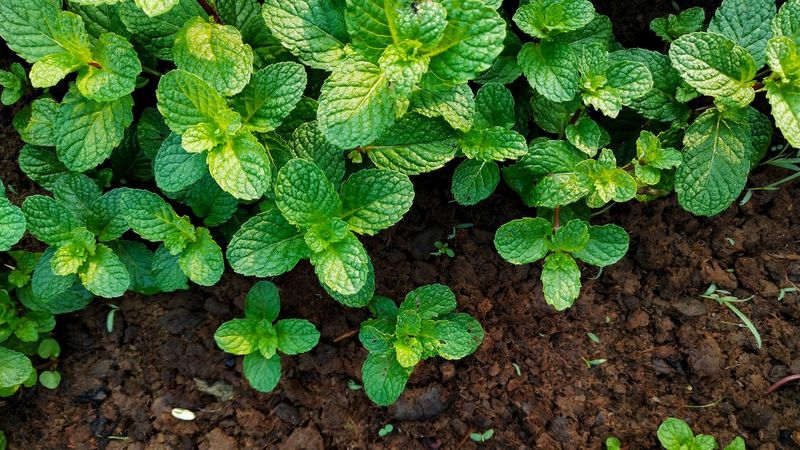
Mint, with its vigorous spreading habit, can quickly overtake a garden bed, leaving tomatoes struggling for space and nutrients. The invasive nature of mint can also crowd out tomato plants, stifling their growth.
Mint is best grown in a contained environment, such as a pot, to prevent it from dominating garden space needed by tomatoes. This approach ensures both plants can thrive without interference.
Providing each plant with its own area promotes a healthier and more productive garden experience.
19. Black Walnut
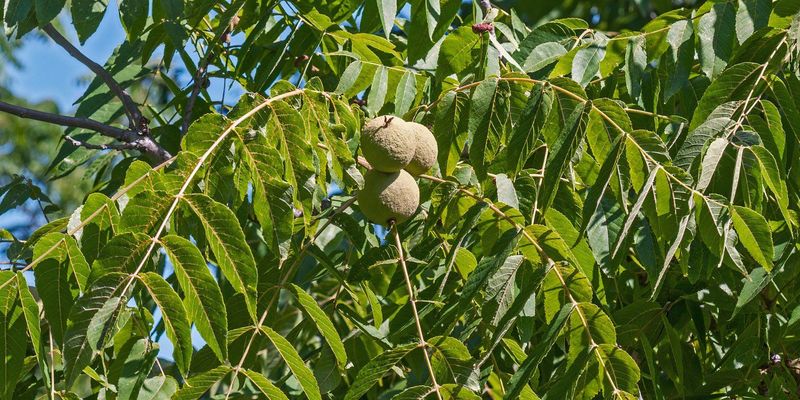
Black walnut trees, like their relatives, are not friendly to tomato plants. They produce juglone, a chemical that can severely inhibit tomato growth, leading to wilting and poor yields.
The proximity of black walnut trees can create an inhospitable environment for tomatoes, making it crucial to plant them far apart. By doing so, you protect your tomatoes from the harmful effects of juglone.
This separation allows for a more successful and thriving tomato garden, free from the walnut’s allelopathic influence.